Understanding Metal Cutting Discs: The Unsung Heroes of Modern Industry
Have you ever stopped to think about the simple, yet crucial tool that makes slicing through tough metal sheets or pipes seem almost effortless? That tool is the metal cutting disc. Although it might look like just a thin, circular piece of abrasive material, its role in industries worldwide is immense. From construction sites to repair shops, to massive shipyards churning out steel hulls—metal cutting discs underpin the efficiency and safety of countless operations.
Why does this matter globally? Well, as infrastructure grows and manufacturing scales up—especially in countries investing massively in urbanization and industrial growth—the demand for precise, fast, and safe metal cutting solutions is soaring. Understanding what a metal cutting disc is and how it works offers a glimpse into the backbone of industrial productivity and even humanitarian efforts, where rapid construction or repair can be lifesaving.
Mini takeaway: Metal cutting discs may be small and often unnoticed, but they play a critical role in enabling industries and communities worldwide to build, maintain, and innovate.
Global Context: Why Metal Cutting Discs Matter to Industry & Society
Globally, the steel industry alone is responsible for producing over 1.8 billion tons annually (according to the World Steel Association). That's a staggering amount of metal being shaped, trimmed, and welded daily. Without high-quality cutting tools, much of this work would slow dramatically.
Moreover, ISO standards like ISO 525 and ISO 603-1 specify safety and quality guidelines related to abrasive discs, which includes metal cutting discs. Ensuring that these tools are reliable and safe isn’t limited to factories — it protects thousands of workers globally.
One challenge is balancing cost efficiency with durability and safety, particularly in developing markets where budget constraints meet vast demand. Without effective cutting discs, projects face delays and safety risks, forcing many businesses to re-think operations.
Mini takeaway: The metal cutting disc is a quiet keystone in global manufacturing, demanding quality and innovation to meet evolving industrial challenges.
What Exactly Is a Metal Cutting Disc?
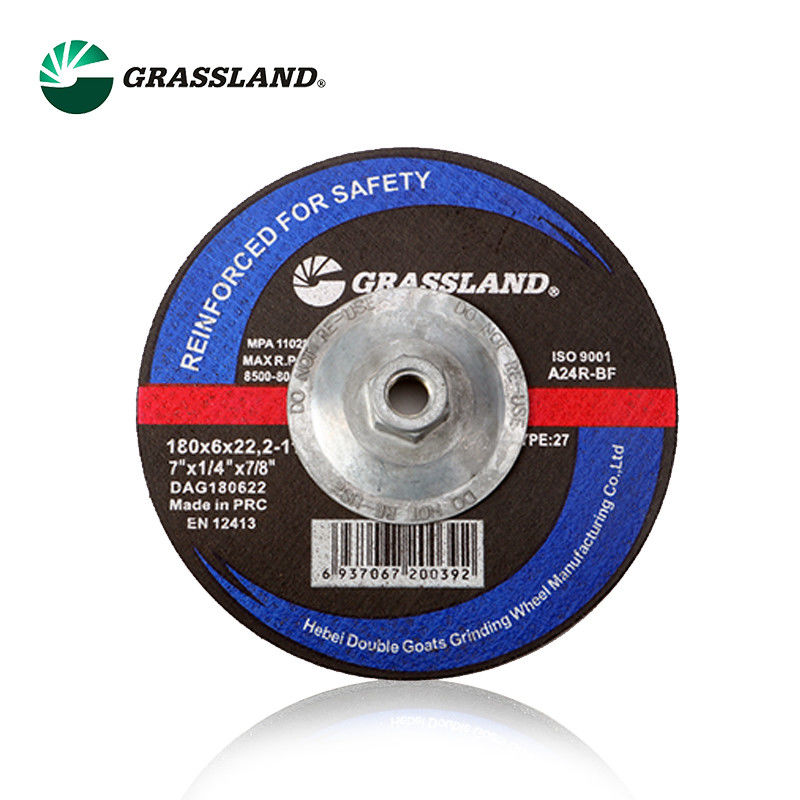
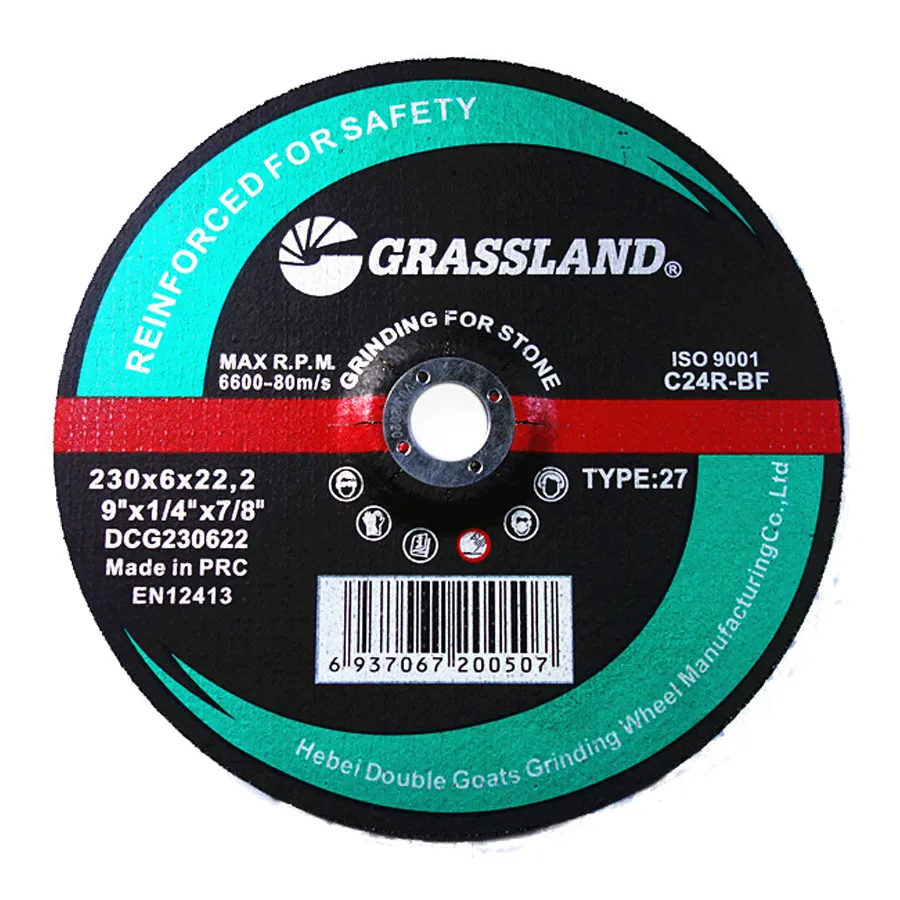
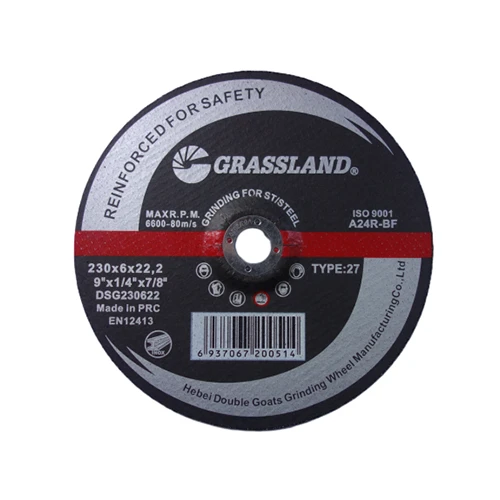
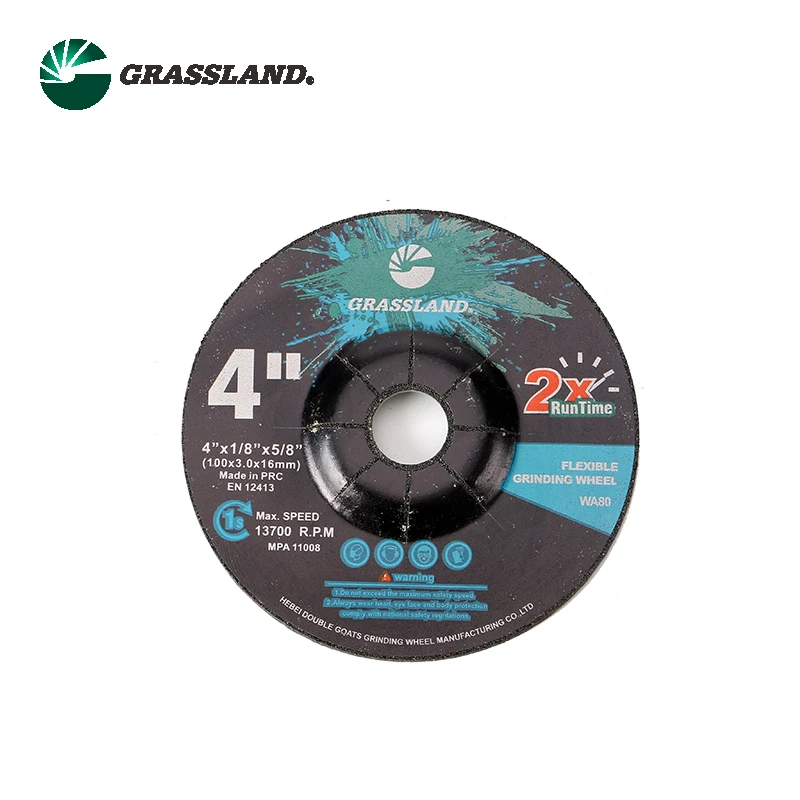
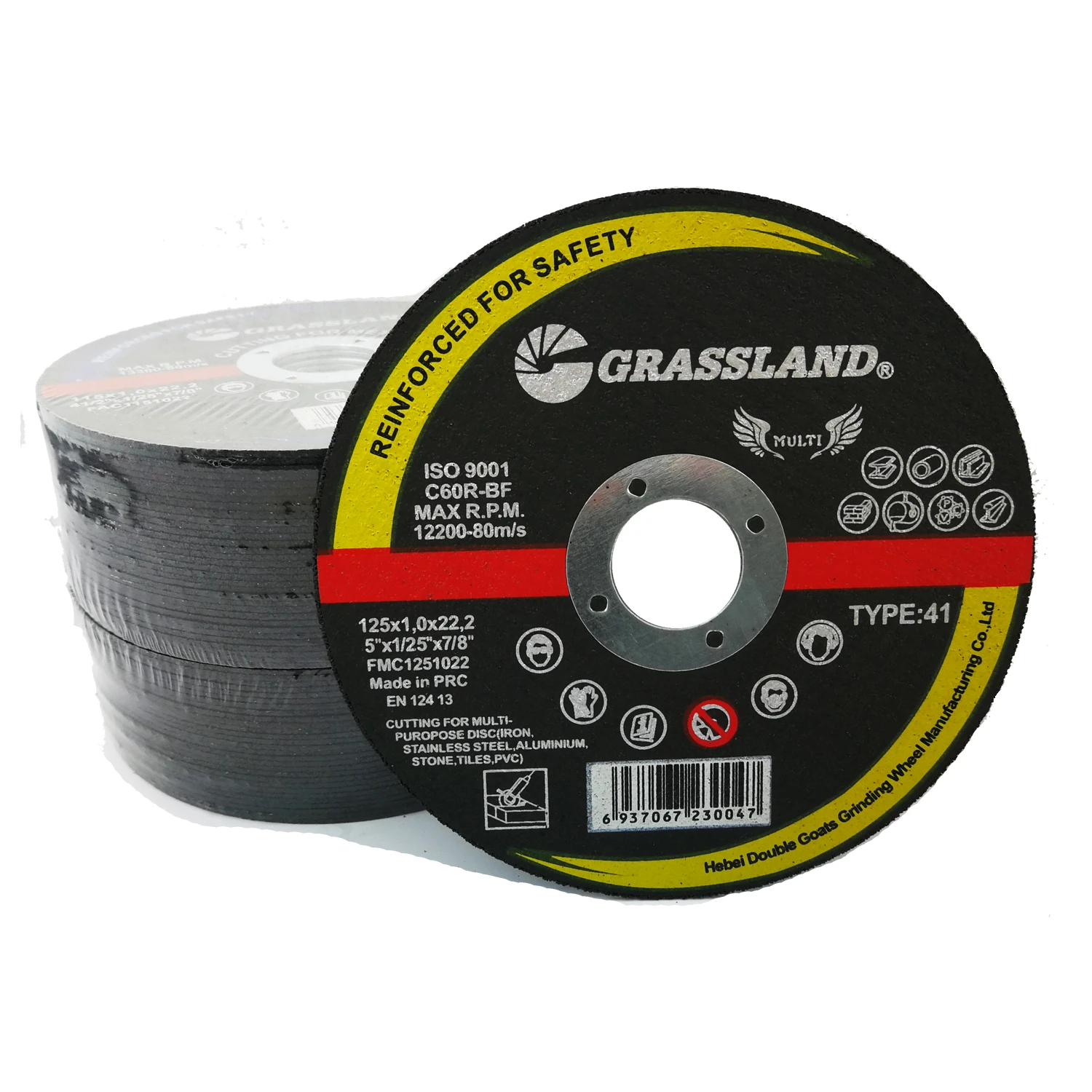
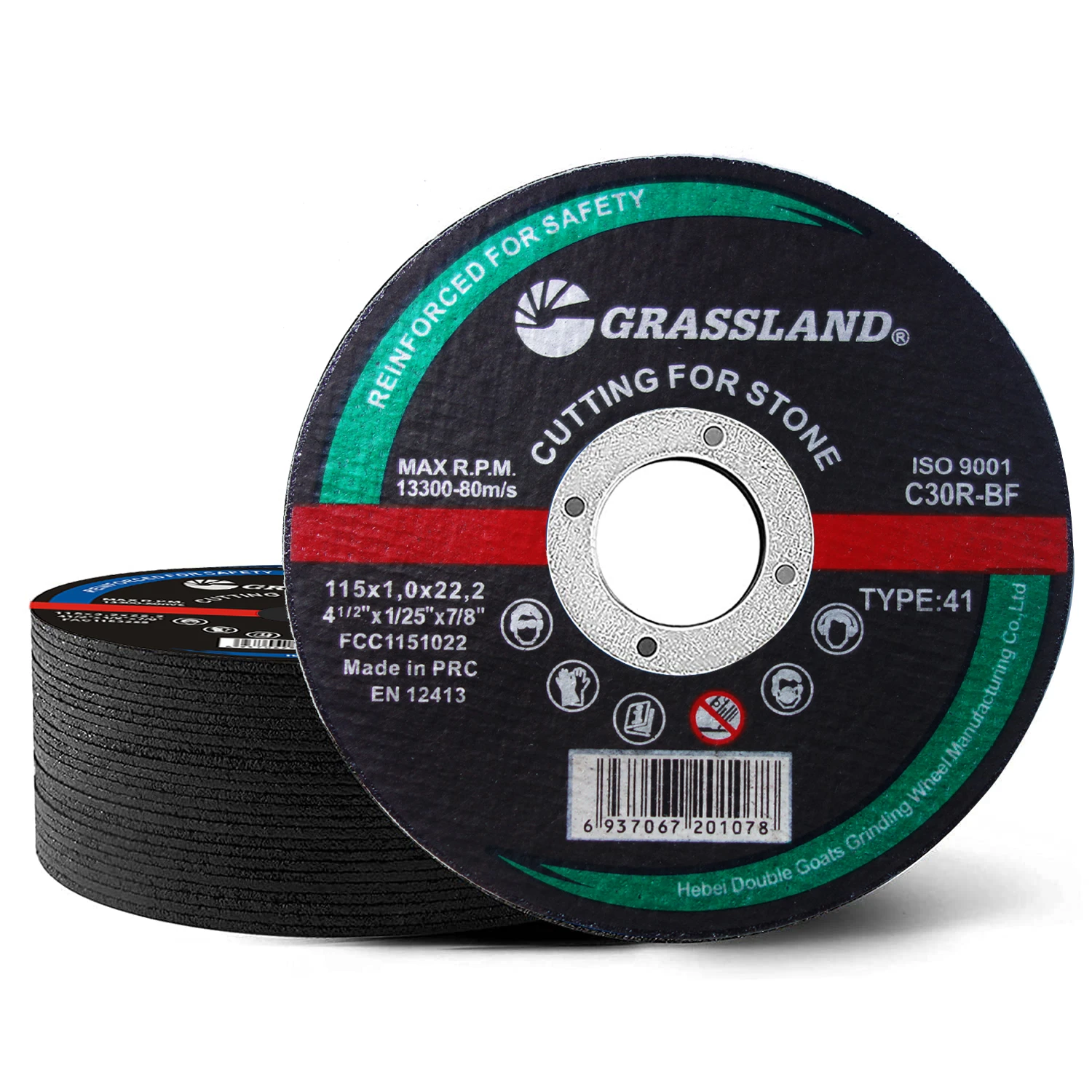
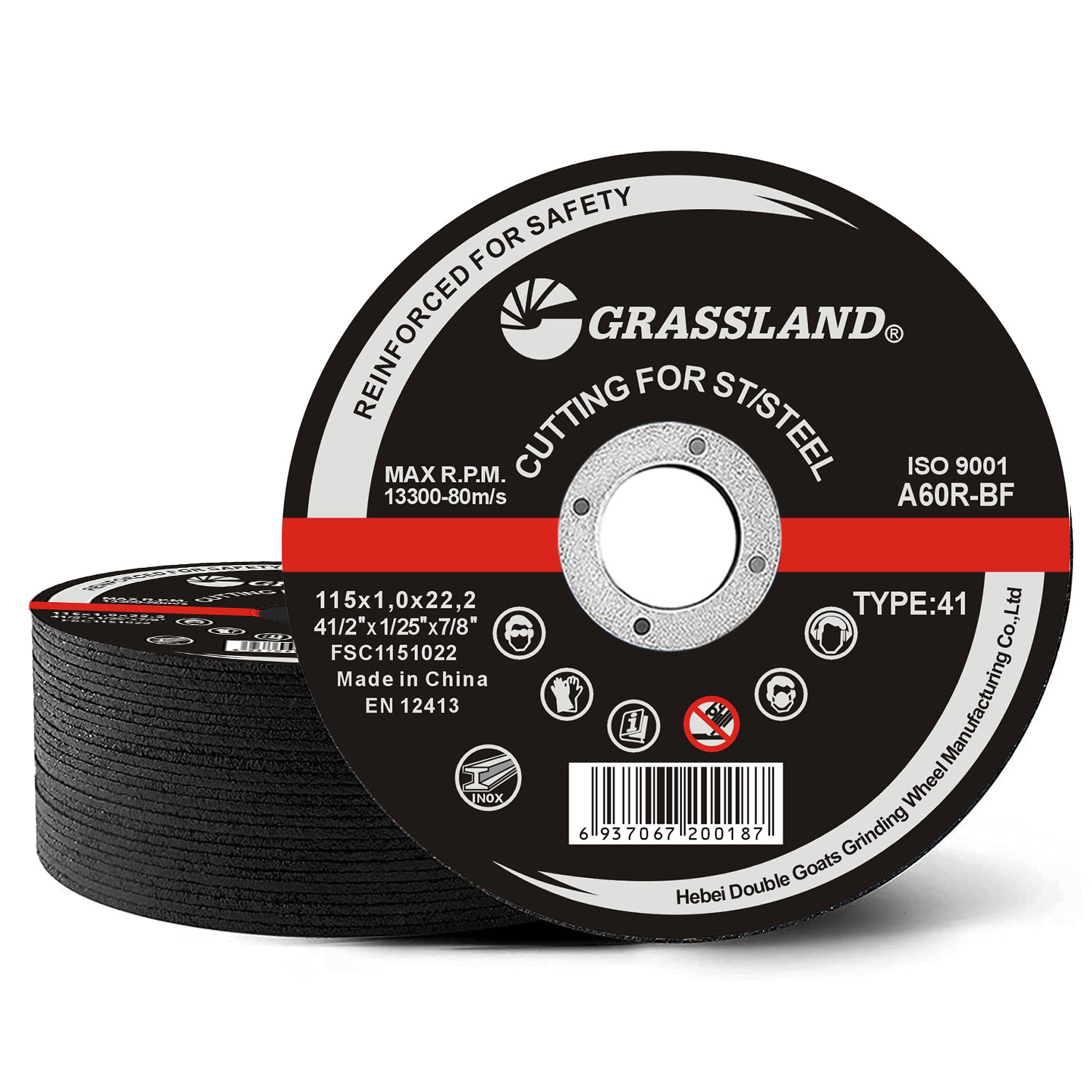
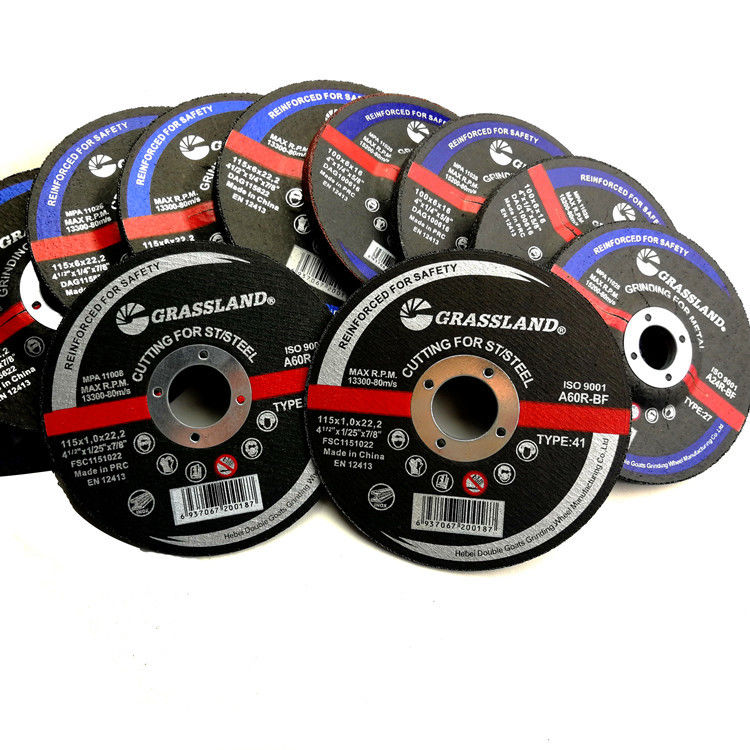
Put simply, a metal cutting disc is a circular tool designed specifically for slicing through various metal materials. It’s usually mounted on angle grinders or similar handheld machines. These discs are made from abrasive materials—like aluminum oxide or zirconia alumina—that grind through tough metal surfaces as they spin at high speeds.
But the story is richer: these discs range in size, thickness, and composition. Some are thin and engineered for precision cuts, while others are thicker for heavy-duty demolition tasks. They incorporate a bonded matrix of abrasive grains and binders, designed to wear down gradually while cutting, maintaining performance.
In humanitarian contexts, for instance, cutting discs enable quick dismantling or construction of metal frames for shelters, emergency bridges, or even water treatment plants — cases where speed and precision literally save lives.
Core Features of Metal Cutting Discs: What to Look For
Durability
Durability goes beyond just lasting long; it’s about consistently performing under tough conditions without chipping or cracking. The best metal cutting discs resist heat and wear, so they don't buckle or lose cutting power mid-task.
Cutting Speed & Precision
Speed can’t be sacrificed for safety, but if a disc is too slow, the job lingers, wasting precious time and energy. High-quality discs are balanced for rapid yet clean cuts to minimize sparks and rough edges.
Safety Standards Compliance
Properly certified discs meet strict industry standards (EN 12413, for example) and feature reinforced fiber layers to reduce the risk of shattering — an all-too-common hazard with poor-quality discs.
Compatibility
Whether you’re working with thick steel pipes or thin aluminum sheets, there’s a specialized disc for the job. Matching the disc to your tool and material ensures optimal results.
Cost Efficiency
While inexpensive discs tempt with price, they often wear out faster or provide a poor cut, leading to wasted metal or rework. Higher-end discs reduce downtime and material loss, ultimately saving money.
| Specification | Typical Values | Notes |
|---|---|---|
| Diameter | 115mm - 230mm | Common sizes for handheld grinders |
| Thickness | 1.0mm - 3.0mm | Thinner discs for precision cuts |
| Material | Aluminum Oxide, Zirconia Alumina | Depends on the type of metal cut |
| Maximum RPM | 6600 - 13,300 | Varies by disc diameter |
| Bonding Agent | Resinoid or vitrified bond | Impacts lifespan and heat resistance |
Where and How Metal Cutting Discs Are Being Used Today
Metal cutting discs find use almost everywhere metal needs reshaping, but some places truly highlight their importance.
- Construction sites worldwide, from Asia’s booming urban towers to Europe’s refinishing projects, rely on these discs to shape steel reinforcements, pipes, and structural elements efficiently.
- Manufacturing plants use them daily to trim metal parts to tolerances in automotive, aerospace, and heavy equipment sectors.
- Disaster relief efforts often need rapid cutting tools to free trapped structures or build temporary shelters — here, a reliable metal cutting disc is invaluable.
- Remote areas with limited power infrastructure benefit from handheld grinders fitted with discs — lightweight, portable, and essential for maintenance or building repairs.
Example: After the 2018 earthquake in Indonesia, emergency teams employed metal cutting discs to dismantle damaged steel frameworks safely, allowing faster delivery of new materials to rebuild.
Mini takeaway: These discs might seem low-profile but serve as critical instruments for rapid, safe metalwork in various global contexts.
The Benefits of Choosing the Right Metal Cutting Disc
Opting for the appropriate metal cutting disc isn't just a technical matter; it’s also a financial and ethical choice. Here’s why:
- Cost-effective project completion: Faster cuts reduce labor hours and machine wear.
- Enhanced worker safety: High-standard discs lower the risk of dangerous breakage.
- Environmental impact: Longer-lasting discs generate less waste; some newer models even use eco-friendlier abrasives.
- Improved product quality: Precise cuts lead to better welds and structural integrity.
- Supports innovation: Industries pushing the limits on metals used (like titanium alloys) rely on specially formulated cutting discs.
Mini takeaway: The right disc elevates safety, efficiency, and environmental stewardship simultaneously, making it invaluable across the board.
What’s Next? Innovation on the Horizon for Metal Cutting Discs
Frankly, the cutting disc industry might appear steady, but behind the scenes, it's evolving quickly. Some key trends include:
- Eco-friendly abrasives: Advances in materials science are introducing less toxic and more sustainable abrasive grains.
- Smart tooling: Sensors embedded in discs or grinders to monitor usage, predicting wear and preventing accidents.
- Improved bonding technology: New resin formulas allow better heat resistance, cutting faster and lasting longer.
- Integration with automation: Robotic cutting systems that require discs customized for precision and durability.
Even policies encouraging sustainable manufacturing ensure that future discs are greener and safer — which frankly, can’t come soon enough in demanding work environments.
Overcoming Common Challenges With Metal Cutting Discs
Every tool has its flaws. With metal cutting discs, typical challenges include premature wear, unsafe disc failure, and compatibility mismatches.
Experts recommend:
- Buying certified products to reduce risk of dangerous breakage.
- Matching the disc's hardness and thickness to the particular metal type you're working on.
- Regularly inspecting discs for cracks or warping before use.
- Investing in user training to ensure discs are handled and stored properly.
I've noticed many shops adopting stricter safety routines and more thorough quality control over the recent years — a reassuring trend.
Vendor Comparison at a Glance
| Vendor | Price Range (per disc) | Key Strengths | Certifications |
|---|---|---|---|
| TurboCut Industries | $1.50 - $3.50 | Wide range, durable bonds, excellent heat resistance | EN 12413, ISO 9001 |
| Prime Abrasives Co. | $1.20 - $2.80 | Cost-effective, excellent safety record | EN 12413 |
| EcoCut Solutions | $2.00 - $4.50 | Environmental focus, innovative abrasive materials | ISO 14001, EN 12413 |
FAQ: Common Questions About Metal Cutting Discs
How do I know which metal cutting disc is right for my project?
Consider the metal type, thickness, and the cutting tool specs. For thin sheet metal, use thinner discs with higher grit; for thicker steel, thicker discs with durable bonds work best. Always check the RPM rating matches your grinder.
Can metal cutting discs be reused after one cut?
Generally, discs are designed for a limited lifespan and wear down during use. However, some cuts allow multiple uses if the disc remains undamaged and performs well. Always inspect before reusing to ensure safety.
Are all metal cutting discs dangerous if mishandled?
Potentially yes, but risks are reduced if discs are used following manufacturer instructions and safety standards. Proper protective gear and regular equipment checks reduce accidents drastically.
What are the signs that a cutting disc needs replacing?
Sparks flying unevenly, decreased cutting speed, visible cracks, chipping, or wobbling during use indicate it’s time for a new disc.
Where can I buy quality metal cutting discs?
Look for reputable industrial suppliers or specialized vendors online offering certified products and good customer support.
Conclusion: Investing in Quality Metal Cutting Discs Pays Off Long Term
In the end, the metal cutting disc might seem like an everyday item, but it touches on deeper issues of productivity, safety, and sustainability across industries. Choosing the right disc—balanced in durability, efficiency, and compliance—helps businesses cut costs, save time, and protect workers. Plus, as technology advances, keeping an eye on innovations can give users an edge in quality and environmental responsibility.
If you’re looking to upgrade your equipment or just want to know more, visit our website for expert advice and a premium selection of metal cutting discs that fit your needs.
References:
Post time:Nov - 29 - 2025