What’s So Important About a Metal Cutting Disc for Grinder?
At first glance, a metal cutting disc for grinder might seem like just a small, somewhat forgettable component in the world of industrial tools. But consider the global scale: industries from automotive manufacturing to construction rely heavily on these discs. When they’re just right, they speed up work, keep workers safe, and avoid costly downtime. When they’re wrong… well, that’s a headache no one wants to face.
Understanding the significance and nuances of these discs is essential — not merely for toolmakers, but for anyone who values efficiency, safety, and innovation in metalworking. Plus, if you’re shopping for the right disc or are just curious about what makes them tick, getting the basics right can save you time, money, and some serious frustration.
Introduction: Why Metal Cutting Discs Matter Across the Globe
Metal cutting discs, especially for grinders, play a pivotal role worldwide. According to the International Organization for Standardization (ISO), the global metal cutting and grinding tools market is projected to grow steadily, driven by infrastructure development and increased mechanization in emerging economies (1). In fact, the World Bank notes that over 70% of new manufacturing jobs in developing regions rely on metal fabrication methods where cutting discs are indispensable.
But here’s the real kicker — the challenge is to cut metal efficiently while ensuring worker safety and tool longevity. Improper discs can lead to accidents, uneven cuts, or increase operational costs. That’s exactly where quality metal cutting discs shine: addressing these issues head-on to bring reliability and precision to a wide range of industries.
So, What Exactly Is a Metal Cutting Disc for Grinder?
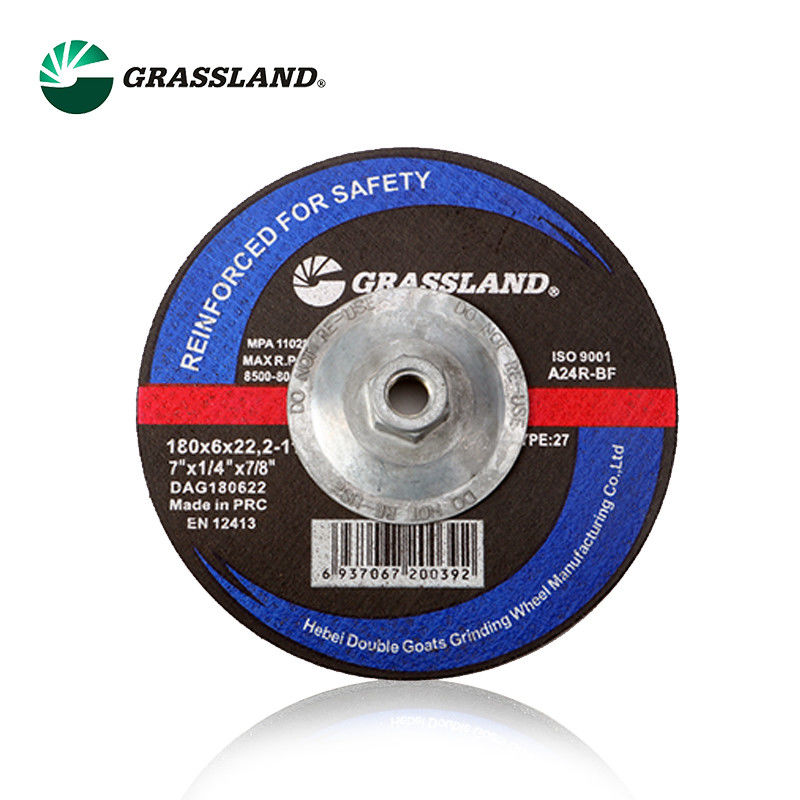
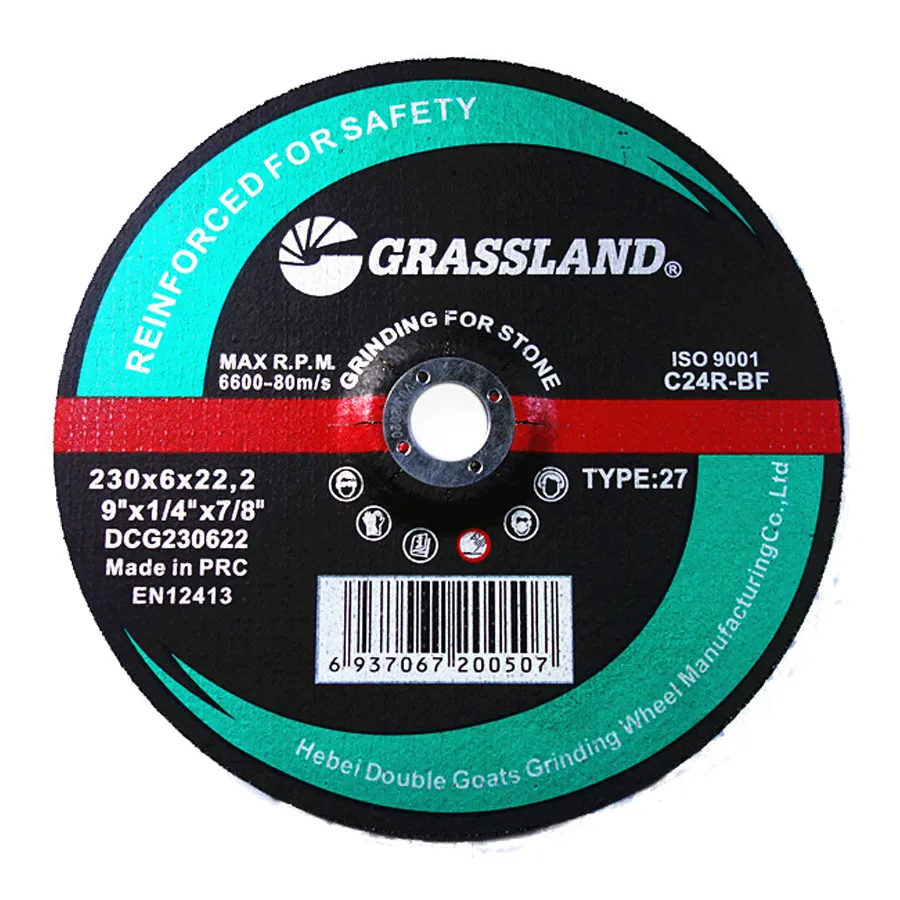
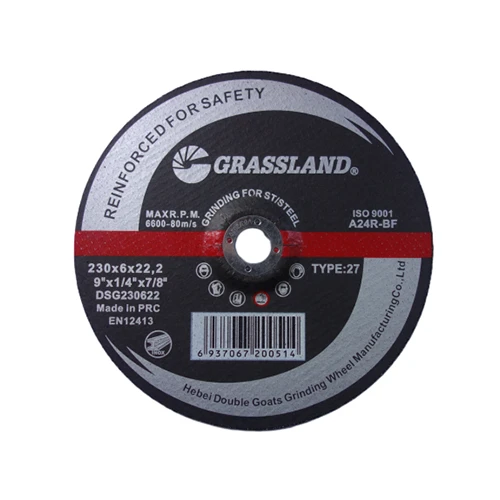
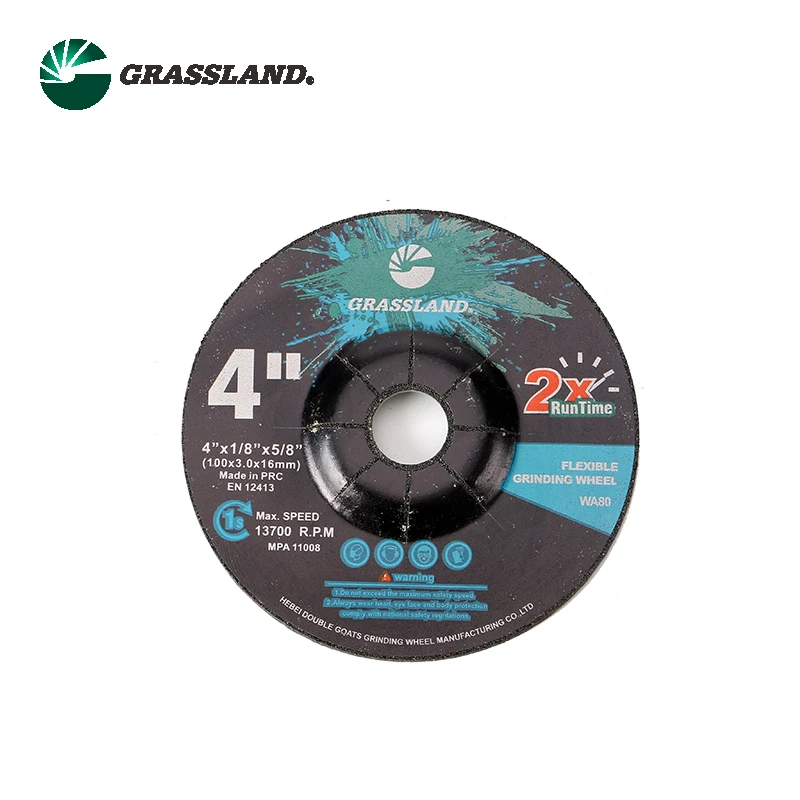
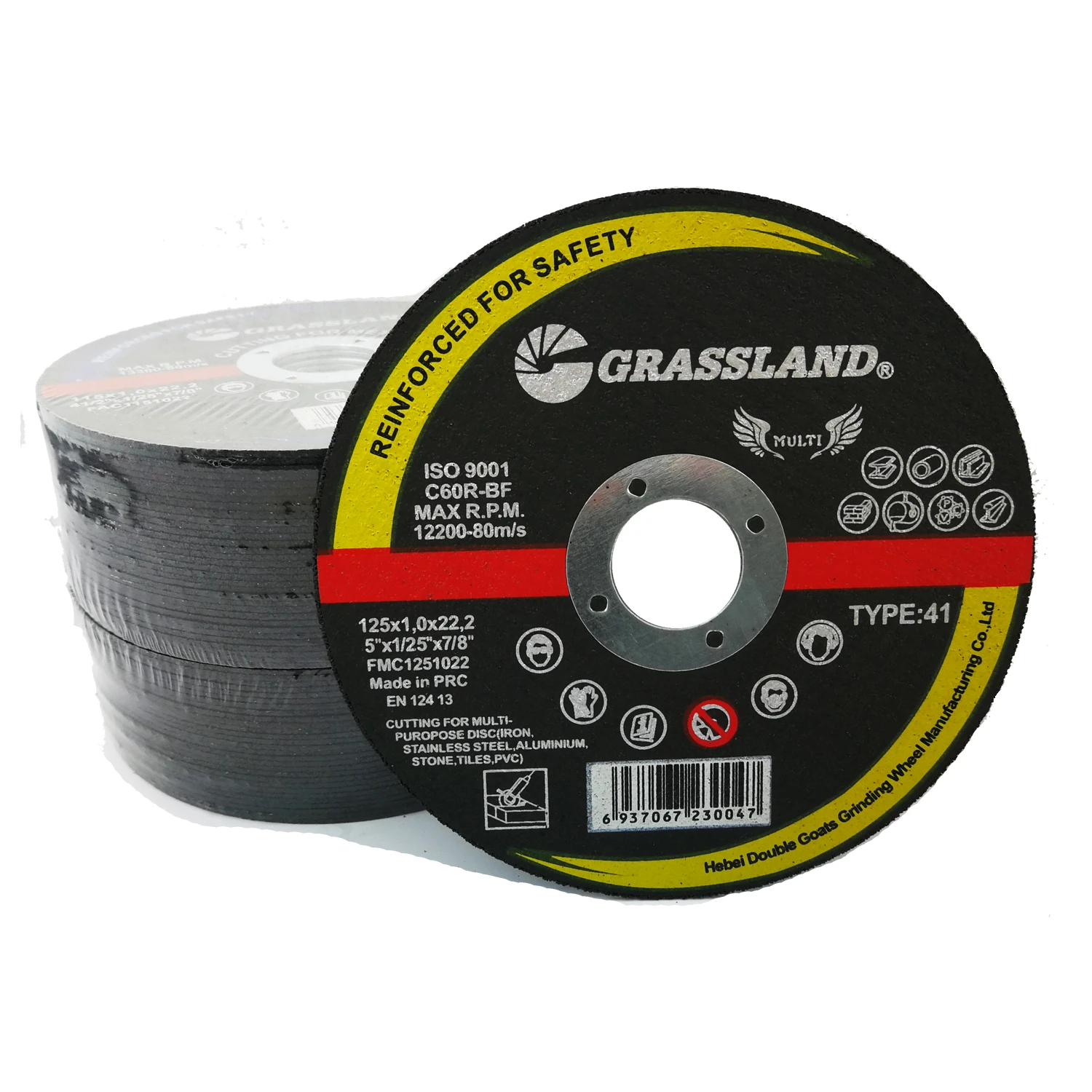
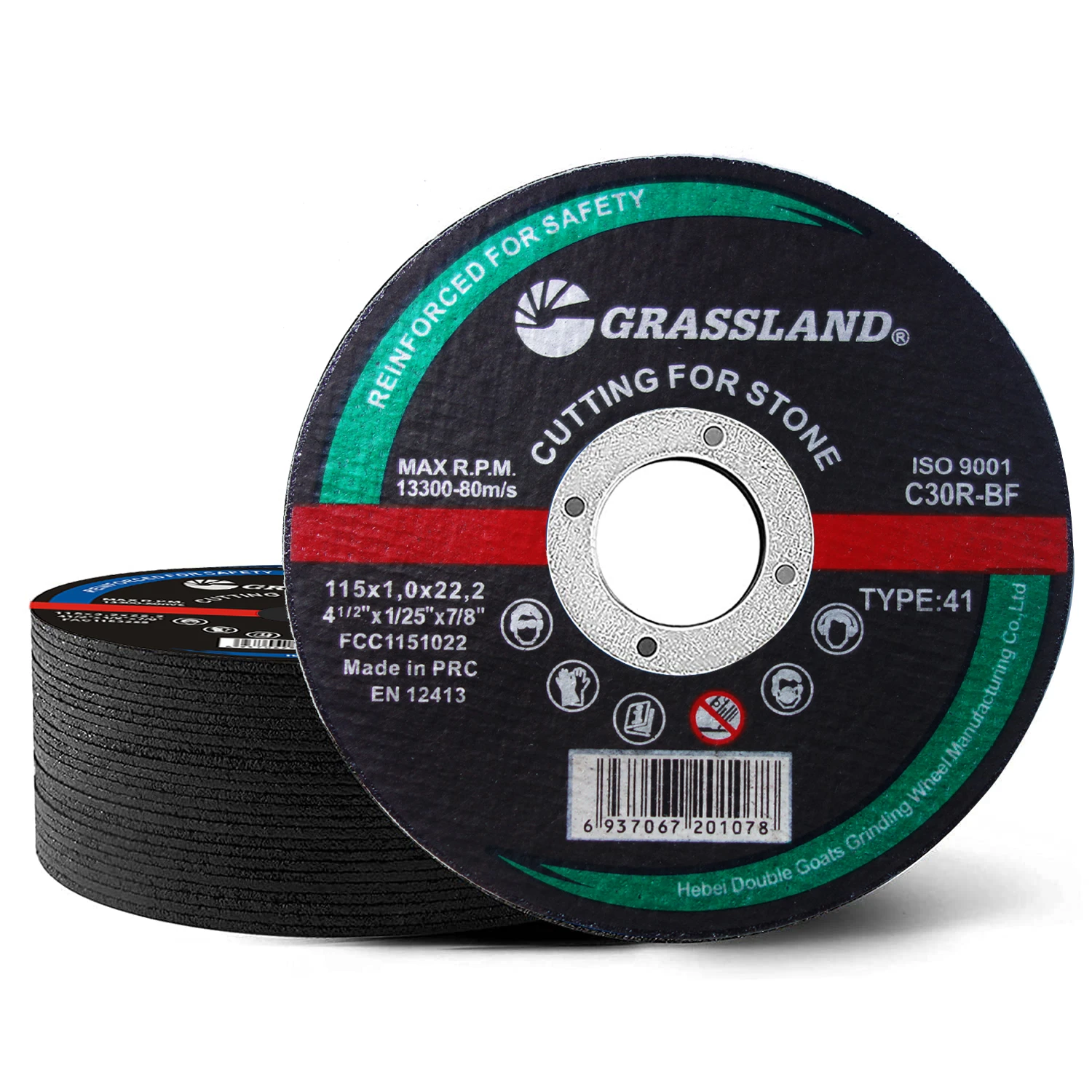
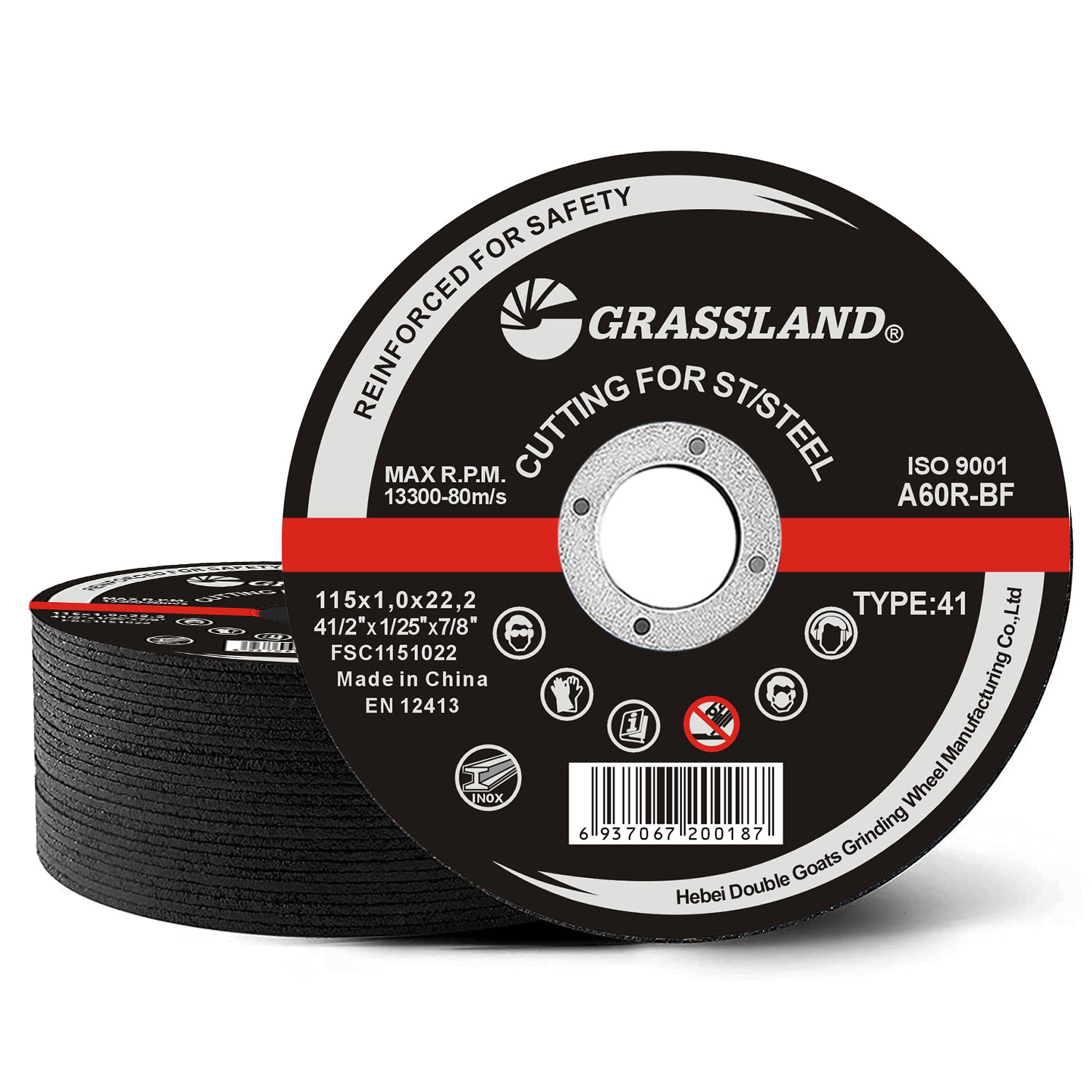
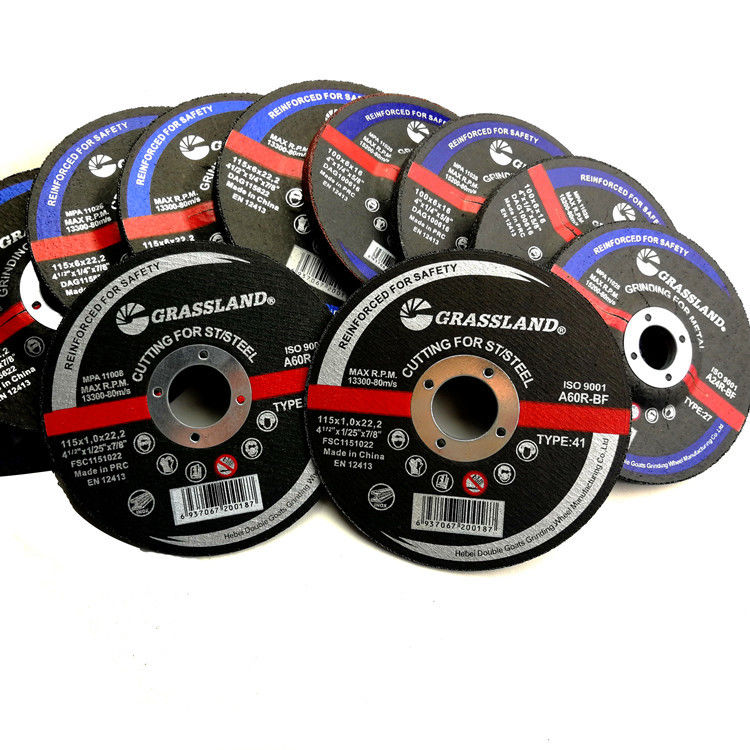
In simple terms, a metal cutting disc for grinder is a thin, circular abrasive tool designed to slice through different kinds of metals when attached to an angle grinder or similar tool. Think of it as a sharp cookie cutter, but for metals—only way faster and more precise.
These discs often consist of abrasive grains bonded together and reinforced with materials like fiberglass. Their design is a small yet brilliant marriage of physics and materials science, enabling clean, quick cuts while maintaining safety standards.
Their importance goes beyond factory floors: these discs support infrastructure projects that keep cities connected, enable emergency repairs during disasters, and empower skilled tradespeople who build and maintain machinery critical to modern life.
The Core Components You Need to Know
1. Durability and Material Type
The life of a cutting disc largely depends on the abrasive materials used: aluminum oxide, silicon carbide, or zirconia alumina. Each suits different metals — aluminum oxide is common for steel, while silicon carbide excels in cast iron. A durable disc means fewer replacements and smoother workflow.
2. Thickness and Diameter
Thickness influences cut speed and safety. Thinner discs (1mm–1.6mm) cut faster and produce less waste but may be more fragile. Diameter relates to the grinder size – between 4” and 7” is standard in many applications.
3. Speed Rating (RPM)
Each disc has a maximum revolutions per minute (RPM) rating that can’t be ignored. Running a disc beyond this speed risks shattering, which is hazardous. Matching the disc’s rating to your grinder’s speed is a must.
4. Bonding Resin and Reinforcement Fibers
Quality discs use specialty resins and fiberglass mats to keep the abrasive grains anchored and add safety strength. This combination helps prevent “kickbacks” and disc failures, a critical safety feature.
5. Compatibility with Metal Types
Certain discs are better suited for stainless steel vs. mild steel, or for non-ferrous metals like copper or aluminum. Using the right disc for your metal ensures a cleaner cut and optimal disc lifespan.
Mini Takeaway:
Choosing the right metal cutting disc isn’t just about size or price. Understanding material, thickness, speed, and reinforcement is crucial to making the tool work for you — not the other way around.
How Are Metal Cutting Discs Used Around the World?
Industries and regions worldwide depend on these discs—sometimes in surprising ways. For instance:
- Automotive Manufacturing: Precise metal shaping and disassembly require discs able to handle frequent, repetitive use.
- Construction in Africa and Southeast Asia: With increasing infrastructure projects, rugged disc performance is vital for cutting rebar and steel frames.
- Post-Disaster Relief: NGOs and emergency teams rely on easy-to-carry grinders and discs to remove damaged metal structures or cut through debris efficiently.
- Custom Fabrication Shops in Europe: Where intricate cutting requirements necessitate specialized disc formulations.
Each environment puts particular demands on discs — from extreme heat in desert zones to humid coastal areas that may encourage rust—or from heavy-duty industrial factories to remote job sites on a shoestring budget.
Metal Cutting Disc for Grinder: Specification Table
| Feature | Value/Type | Remarks |
|---|---|---|
| Diameter | 115mm / 4.5" | Common for handheld grinders |
| Thickness | 1.6mm | Balanced for durability and cut speed |
| Max Speed (RPM) | 13,300 RPM | Fits most angle grinders |
| Abrasive Material | Aluminum Oxide | Ideal for carbon steel |
| Reinforcement | Fiberglass Mesh | Safety and strength |
Comparing Vendors: Key Players in Metal Cutting Discs
| Vendor | Material Quality | Price Range | Safety Features | Market Coverage |
|---|---|---|---|---|
| CutPro Discs | High grade aluminum oxide | $$ | Double fiberglass layers | Worldwide |
| MetalSlice Pro | Premium zirconia alumina | $$$ | Reinforced with Kevlar fibers | North America, Europe |
| Economax Discs | Standard aluminum oxide | $ | Single fiberglass mesh | Emerging markets |
The Real Advantages of Using Quality Discs
On the surface, a metal cutting disc’s benefit is obvious — cutting metal. But the long-term value is much more layered:
- Cost Efficiency: Durable discs last longer and reduce tool replacements.
- Safety: Proper reinforcement avoids dangerous shattering, protecting workers’ well-being.
- Precision: Clean cuts enhance product and project quality.
- Sustainability: Longer-lasting discs mean less waste over time, aligning with green initiatives.
- Trust & Dignity: When tools work reliably, workers feel respected—because their safety and time matter.
It’s kind of like choosing a sturdy pair of shoes for a long hike. Sure, a cheap pair might get you started, but the right quality pair keeps you comfortable, safe, and moving forward.
Future Trends Shaping Metal Cutting Discs
Technology never sleeps. The future includes:
- Smart Discs: Embedded sensors that monitor wear and temperature to alert users before failure.
- Eco-Friendly Materials: Using biodegradable resins and recycled abrasives to reduce environmental impact.
- Automation-Ready Designs: Discs engineered specifically for robotic cutting arms and CNC machines.
- Improved Safety Certifications: Stricter international standards ensuring enhanced worker protection globally.
Imagine discs that almost think for you, or that seamlessly fit into automated factories, cutting with the accuracy of a surgeon and the speed of a sprinter. The industry’s evolving fast.
Overcoming Challenges: What Holds Discs Back?
Despite advances, some issues persist:
- Inconsistent Quality in Lower-Cost Discs: Leading to safety risks and inefficiencies.
- Wear and Tear: Abrasive wear shortens lifespan, especially under heavy use.
- Compatibility Issues: Wrong disc-metal combinations cause frustration and damage.
Solutions include better user education, industry-wide quality controls, and innovations like hybrid composites improving durability. Many suppliers now offer detailed guides and metal cutting disc for grinder matching tools, easing the buyer’s job.
FAQ: Quick Answers About Metal Cutting Discs for Grinder
Q1: How do I choose the right metal cutting disc for my grinder?
A: Match the disc diameter and thickness to your grinder’s specs, consider your metal type, and check the disc’s max RPM rating. Also, look for reinforced discs with fiberglass layers for safety.
Q2: Can I use the same disc for stainless steel and mild steel?
A: It’s better to use a disc designed for each metal type. Stainless steel usually requires a tougher abrasive like zirconia alumina for cleaner cuts and disc longevity.
Q3: How do I reduce disc wear during heavy cutting?
A: Avoid excessive pressure and heat build-up; use the correct disc for the material, and allow the disc to do the cutting with steady, moderate force.
Q4: Are all metal cutting discs safe to use on angle grinders?
A: Not necessarily. Use only discs rated for your grinder’s max RPM and properly sized for the tool. Using inappropriate discs is dangerous and can cause accidents.
Q5: What's the difference between a cutting disc and a grinding disc?
A: Cutting discs are thin and designed for slicing through metal, while grinding discs are thicker and made for smoothing or shaping surfaces.
Final Thoughts: Why Smart Choices Matter
At the end of the day, a metal cutting disc for grinder isn’t just a consumable — it’s a small but mighty piece of a bigger puzzle. Choosing quality discs enhances safety, improves efficiency, and supports sustainable metalworking practices across industries and continents. Whether you’re an experienced fabricator or a hobbyist gearing up for your next project, investing a little time in understanding what makes the right disc can save you headaches later.
Ready to explore top-quality options? Visit our website: metal cutting disc for grinder.
References
Post time:Nov - 29 - 2025