Understanding Flapper Discs: A Comprehensive Guide
Flapper discs are versatile abrasive tools used for a wide range of applications, including deburring, grinding, blending, and finishing. Their unique design, featuring overlapping abrasive flaps, provides a flexible and aggressive cutting action while maintaining a smooth finish. Whether you're a metal fabricator, a welding professional, or a DIY enthusiast, understanding flapper discs is crucial for achieving optimal results. At CutoffDiscs.com, we provide a comprehensive selection of high-quality flapper discs to meet your specific needs.
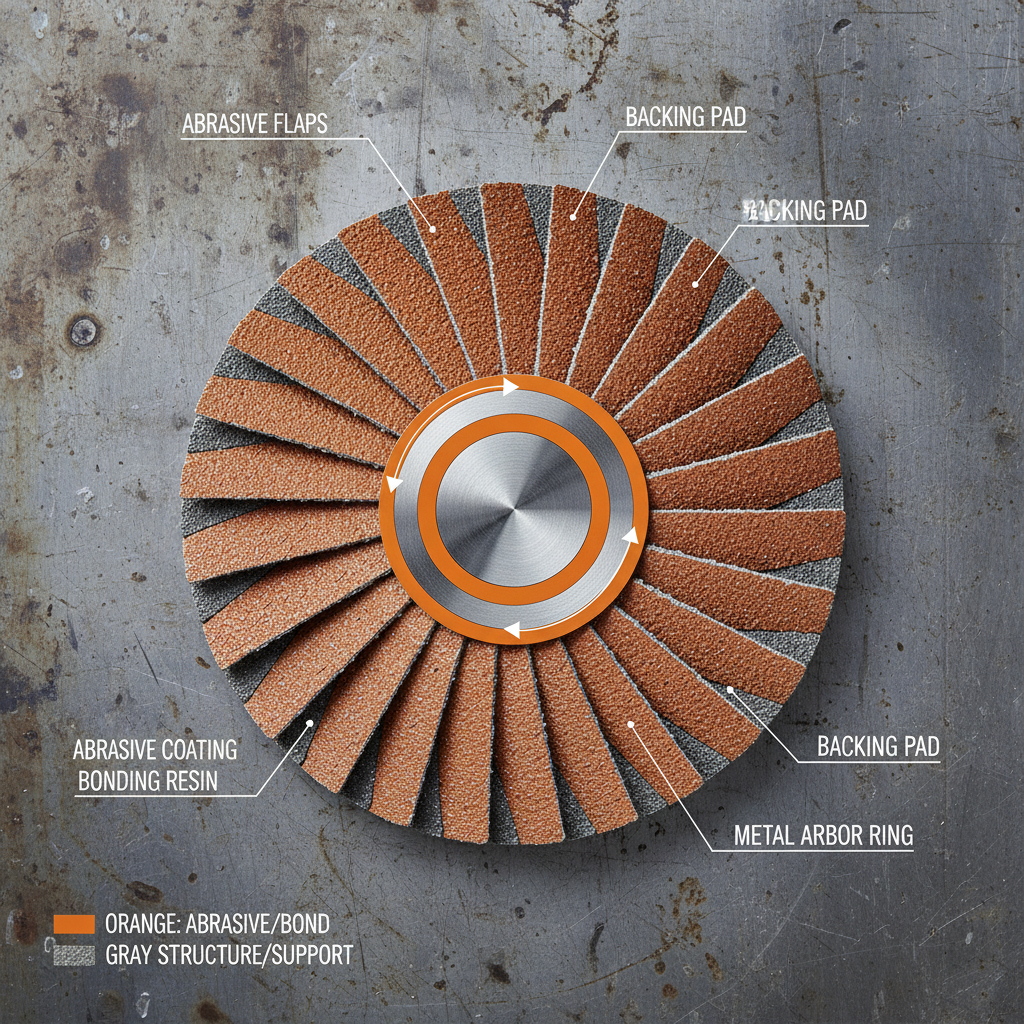
What Are Flapper Discs and How Do They Work?
A flapper disc consists of abrasive cloth flaps bonded to a central hub. As the disc rotates, the flaps flex and conform to the workpiece, allowing for consistent contact and a smoother finish than traditional grinding wheels. This flexibility makes them ideal for working on contoured surfaces and complex shapes. They are available in various grit sizes, materials (aluminum oxide, silicon carbide, ceramic), and sizes to suit different applications. The open coat construction minimizes loading, preventing clogging and extending the disc’s lifespan.
Key Benefit: Flapper discs offer a combination of aggressive material removal and a refined surface finish, making them a versatile choice for numerous tasks.
Key Applications of Flapper Discs
Flapper discs find application across a wide spectrum of industries. Common uses include:
- Deburring: Removing sharp edges from cut metal pieces.
- Grinding: Smoothing welds, removing rust, and shaping metal.
- Blending: Blending different materials or smoothing transitions between surfaces.
- Finishing: Creating a polished or satin finish on metal surfaces.
- Paint Removal: Removing paint and coatings from metal.
Flapper Disc Versatility:
• Ideal for stainless steel, carbon steel, aluminum, and other metals.
• Suitable for both flat and contoured surfaces.
• Can be used with angle grinders and other rotary tools.
Choosing the Right Flapper Disc: Grit and Material Considerations
Selecting the appropriate flapper disc is crucial for achieving the desired results. Grit size determines the aggressiveness of the disc; coarser grits (e.g., 36, 60) are used for heavy material removal, while finer grits (e.g., 120, 180) are ideal for finishing and blending. The abrasive material also plays a significant role. Aluminum oxide is a versatile choice for general-purpose applications. Silicon carbide is better suited for harder materials like glass and stone. Ceramic abrasives offer longer life and higher cut rates for aggressive material removal.
Safety Considerations When Using Flapper Discs
Safety is paramount when working with any power tool. Always wear appropriate personal protective equipment (PPE), including safety glasses, gloves, and a dust mask. Ensure the workpiece is securely clamped. Never exceed the maximum RPM rating of the disc. Inspect the disc for damage before each use. Proper training and adherence to safety guidelines are essential for preventing injuries. At CutoffDiscs.com, we prioritize safety and recommend familiarizing yourself with the tool manufacturer’s instructions.
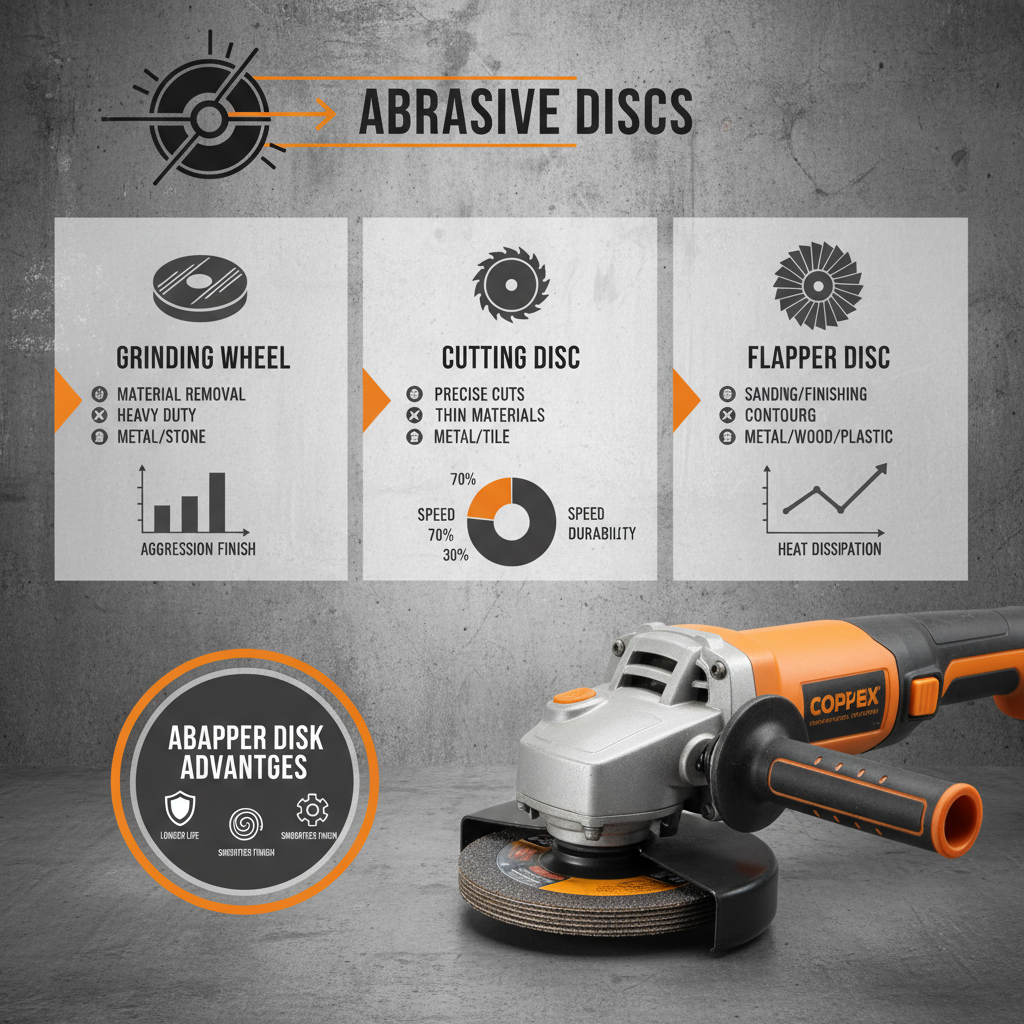
Product Specifications: Example Flapper Disc
Below is an example of a typical flapper disc specification.
Conclusion: Maximize Your Results with the Right Flapper Disc
Choosing the right flapper disc can significantly improve the efficiency and quality of your work. From deburring to finishing, these versatile tools offer a convenient and effective solution for a wide range of applications. Explore the comprehensive selection of flapper discs available at CutoffDiscs.com and find the perfect disc for your next project.
Frequently Asked Questions (FAQs)
What's the difference between a flapper disc and a grinding wheel?
Grinding wheels are typically more aggressive and designed for heavy material removal, offering less flexibility. Flapper discs, with their overlapping flaps, provide a more flexible cutting action and a smoother finish, making them better suited for blending, deburring, and finishing applications. Flapper discs conform to the shape of the workpiece, while grinding wheels typically have a fixed profile. The choice depends on the specific task at hand: a grinding wheel for rapid stock removal and a flapper disc for precision and finishing.
How do I prevent a flapper disc from loading up with material?
Flapper discs can load up with material if used on sticky or gummy metals. Using a disc with an open coat construction helps minimize loading by allowing debris to escape. Periodically cleaning the disc with a brush or compressed air can also help. Choosing the appropriate grit size for the material being worked on is also crucial – using too coarse a grit can increase the likelihood of loading. Using a lubricant or cutting fluid can sometimes help reduce loading.
Can I use a flapper disc on stainless steel?
Yes, flapper discs can be used on stainless steel, but it's important to choose a disc specifically designed for stainless steel applications. These discs typically use a ceramic abrasive material, which resists loading and provides a longer lifespan when working with stainless steel. Using an aluminum oxide disc on stainless steel can lead to rapid clogging and reduced performance. Also, using a proper grade lubricant helps to improve the lifespan of the disc.
What is the proper way to store a flapper disc?
Store flapper discs in a dry environment, protected from moisture and extreme temperatures. Avoid storing them in direct sunlight or near heat sources. Ideally, store them in their original packaging or in a dedicated tool storage container. Proper storage helps prevent the abrasive material from deteriorating and ensures the disc retains its performance.
Post time:Mar - 31 - 2026