Understanding the Versatility of Curved Flap Discs
In the world of abrasive technology, curved flap discs are essential for a wide range of metalworking and surface finishing applications. These discs offer a unique blend of grinding and finishing capabilities, making them a favorite among professionals. This article will explore the benefits, applications, and selection considerations for curved flap discs, providing a comprehensive guide for optimizing your abrasive processes. Choosing the right disc significantly impacts efficiency and the quality of your work.
What Makes Curved Flap Discs Different?
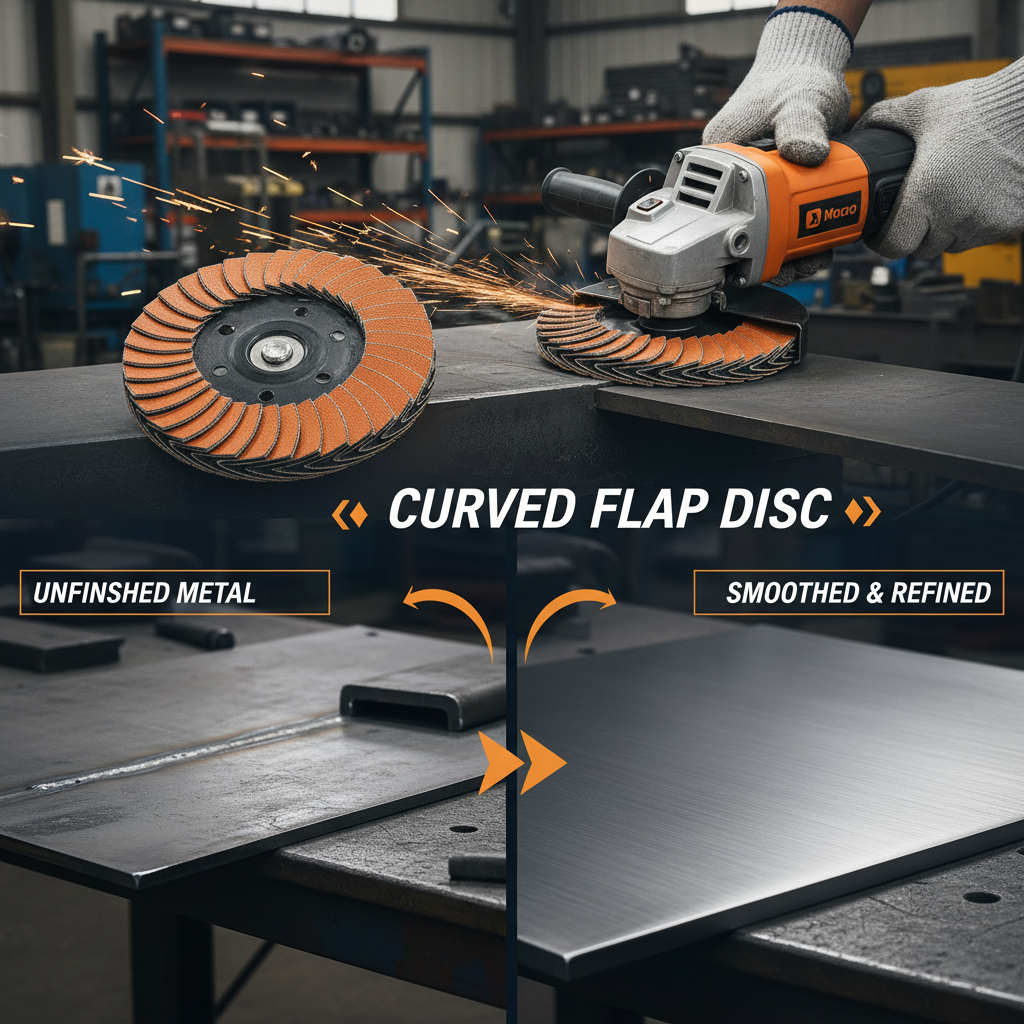
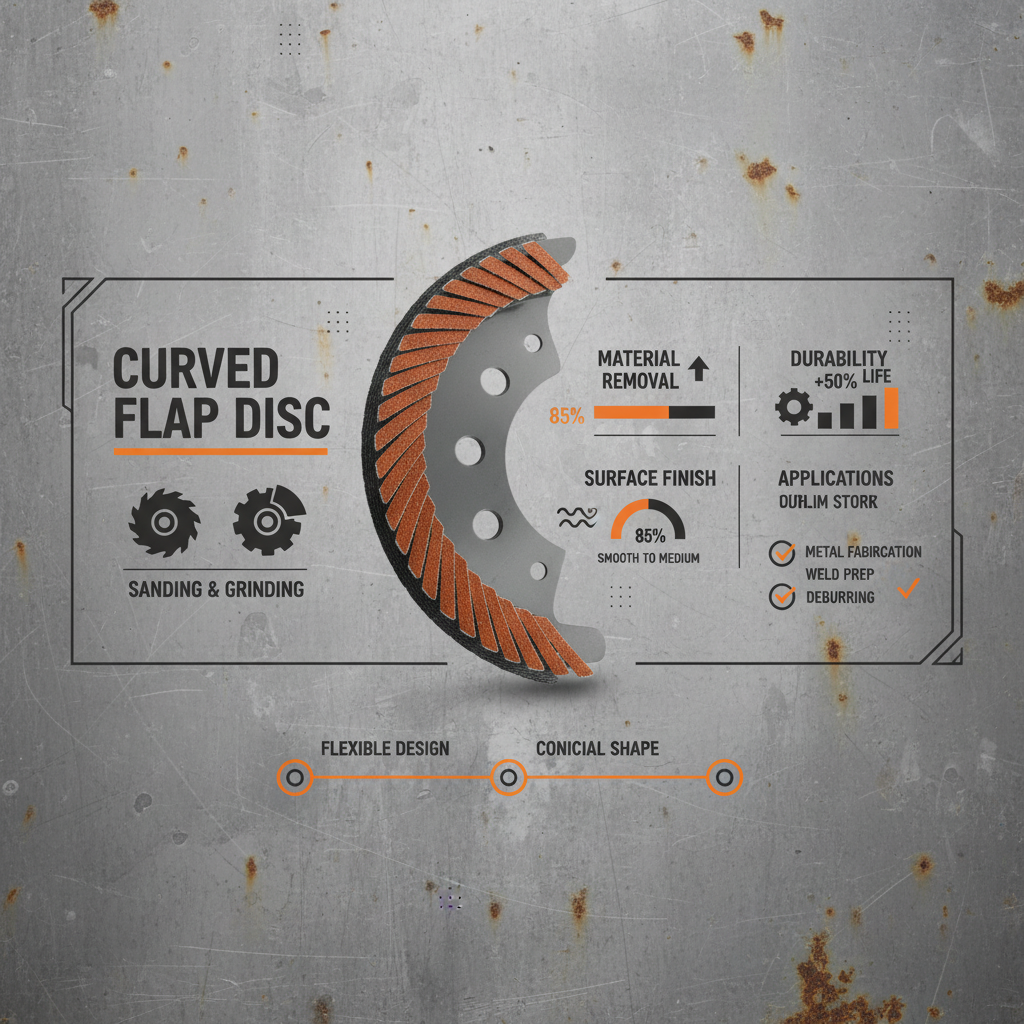
Unlike traditional grinding wheels, curved flap discs consist of abrasive flaps bonded to a backing plate. This construction provides several advantages: a larger surface area for faster material removal, a flexible design that conforms to irregular shapes, and a cooler grinding action that minimizes heat buildup. The curved design also allows for more consistent contact pressure, resulting in a smoother, more uniform finish. These characteristics make them ideal for applications ranging from weld grinding to deburring and surface preparation.
Key Benefits: Faster material removal, flexible design, cooler grinding, consistent finish, versatility in applications.
Applications of Curved Flap Discs
The versatility of curved flap discs makes them suitable for a wide array of industries and applications. They are commonly used in metal fabrication, automotive repair, shipbuilding, and aerospace manufacturing. Specific tasks include removing weld seams, blending surface imperfections, removing rust and scale, deburring sharp edges, and preparing surfaces for painting or coating. Their ability to conform to complex shapes makes them especially valuable for working on contoured surfaces.
Common Application Areas:
• Weld Grinding
• Deburring
• Surface Preparation
• Rust and Scale Removal
Choosing the Right Curved Flap Disc: A Comprehensive Guide
Selecting the optimal curved flap disc requires considering several factors, including the abrasive material, grit size, and backing material. Abrasive materials typically include aluminum oxide, silicon carbide, and ceramic alumina. Aluminum oxide is suitable for general-purpose grinding, while silicon carbide excels at cutting harder materials like glass and stone. Ceramic alumina offers superior durability and performance for demanding applications. Grit size determines the aggressiveness of the disc – lower grit numbers indicate coarser abrasives for faster material removal, while higher grit numbers provide a finer finish.
Maximizing the Lifespan of Your Curved Flap Disc
To maximize the performance and lifespan of your curved flap discs, it’s vital to use them correctly. Apply moderate pressure and avoid excessive force, as this can cause premature wear and tear. Always use the appropriate safety gear, including eye protection and a dust mask. Regularly inspect the disc for damage, such as torn flaps or a worn backing plate, and replace it if necessary. Storing discs in a dry environment will prevent moisture damage and maintain their abrasive properties.
Why Choose Cutoffdiscs.com for Your Abrasive Needs?
At Cutoffdiscs.com, we offer a comprehensive selection of high-quality curved flap discs to meet diverse application requirements. We are committed to providing our customers with superior products, competitive pricing, and exceptional customer service. Our expert team can help you select the right disc for your specific needs, ensuring optimal performance and efficiency. Explore our range today and experience the Cutoffdiscs.com difference!
Conclusion: Enhance Your Finishing with the Right Curved Flap Disc
Investing in the right curved flap disc can significantly improve your surface finishing results and overall productivity. Understanding the different abrasive materials, grit sizes, and applications is crucial for making informed decisions. Cutoffdiscs.com provides a wide range of options and expert support to help you achieve optimal performance.
Frequently Asked Questions (FAQs)
What is the difference between a flap disc and a grinding wheel?
While both flap discs and grinding wheels are used for material removal, they differ significantly in their construction and application. Grinding wheels are typically made from a solid abrasive material and are designed for aggressive stock removal. Flap discs, on the other hand, feature overlapping abrasive flaps, providing a more controlled and flexible grinding action. Flap discs are better suited for blending, deburring, and finishing operations, while grinding wheels excel at rough grinding and shaping. The curved design of flap discs also allows for a cooler grinding process, reducing the risk of heat damage to the workpiece.
What safety precautions should I take when using a curved flap disc?
Safety is paramount when using any abrasive tool. Always wear appropriate personal protective equipment (PPE), including safety glasses or a face shield, gloves, and a dust mask. Ensure the workpiece is securely clamped or held in place. Use the correct RPM rating for the disc and the power tool. Avoid applying excessive pressure, as this can cause the disc to shatter. Inspect the disc for damage before each use, and replace it if any cracks or tears are present. Always follow the manufacturer’s instructions and safety guidelines.
How do I choose the right grit size for my application?
Grit size is determined by the size of the abrasive particles. Lower grit numbers (e.g., 36, 60) indicate coarser abrasives, ideal for fast material removal and aggressive grinding. Higher grit numbers (e.g., 120, 180) represent finer abrasives, suitable for blending, finishing, and polishing. For removing heavy weld seams or rust, start with a lower grit. For finer finishing and blending, use a higher grit. You may need to work through several grit sizes to achieve the desired surface finish.
Can curved flap discs be used on stainless steel?
Yes, curved flap discs can be used on stainless steel, but it's crucial to select the appropriate abrasive material. For stainless steel, it’s recommended to use discs with a ceramic alumina abrasive, as it resists loading and provides a consistent finish. Avoid using aluminum oxide discs on stainless steel, as they tend to load up quickly and can cause discoloration. It’s also advisable to use a lower pressure and slower speed to prevent heat buildup and distortion of the stainless steel.
Post time:Mar - 28 - 2026