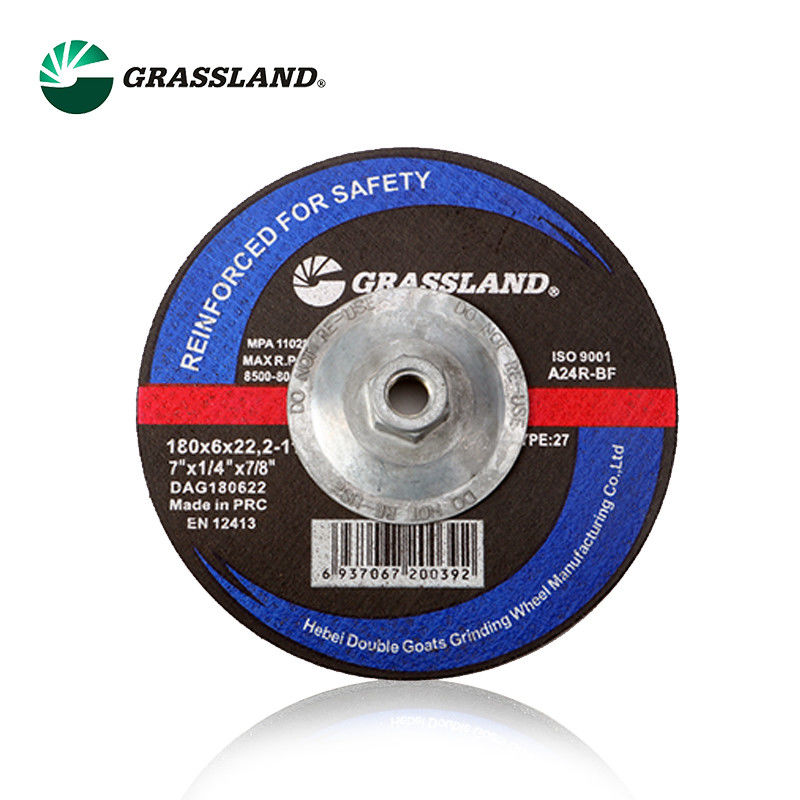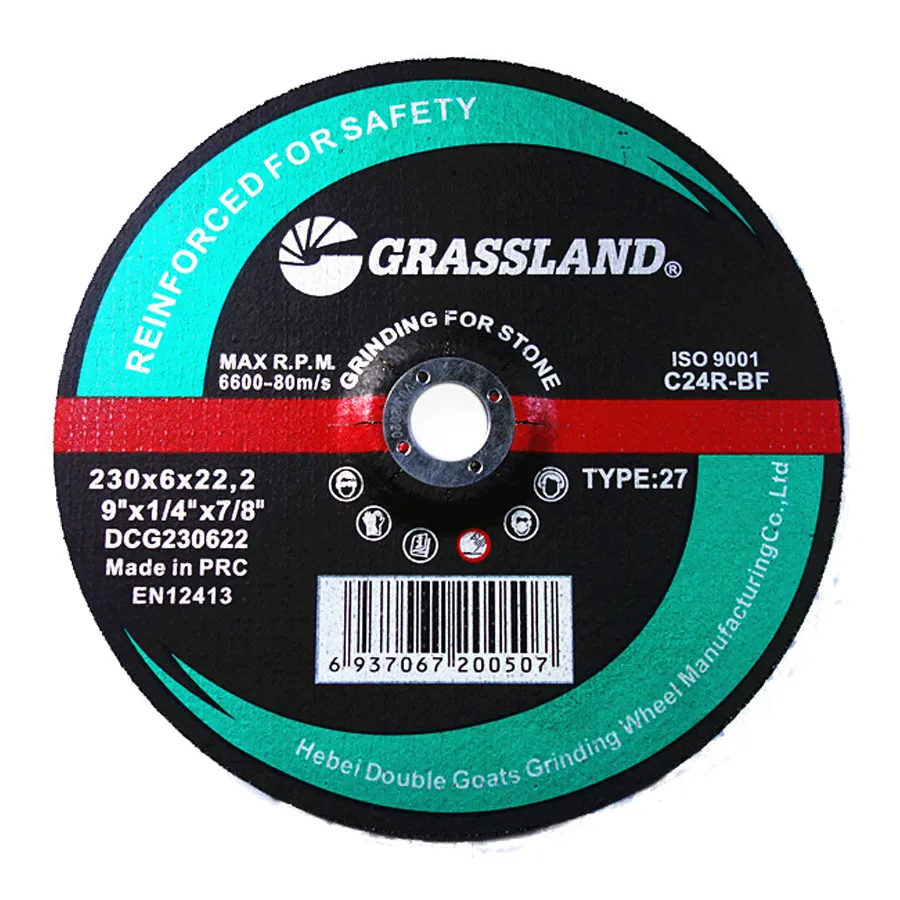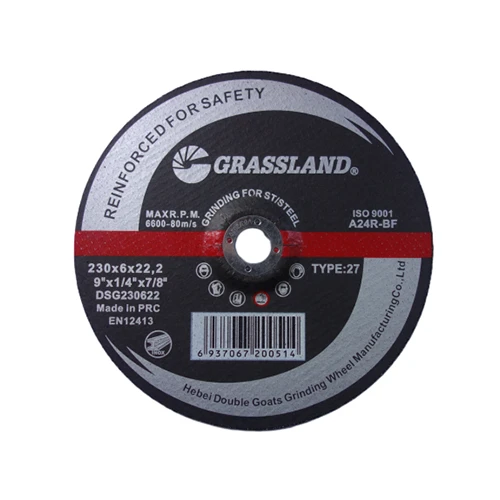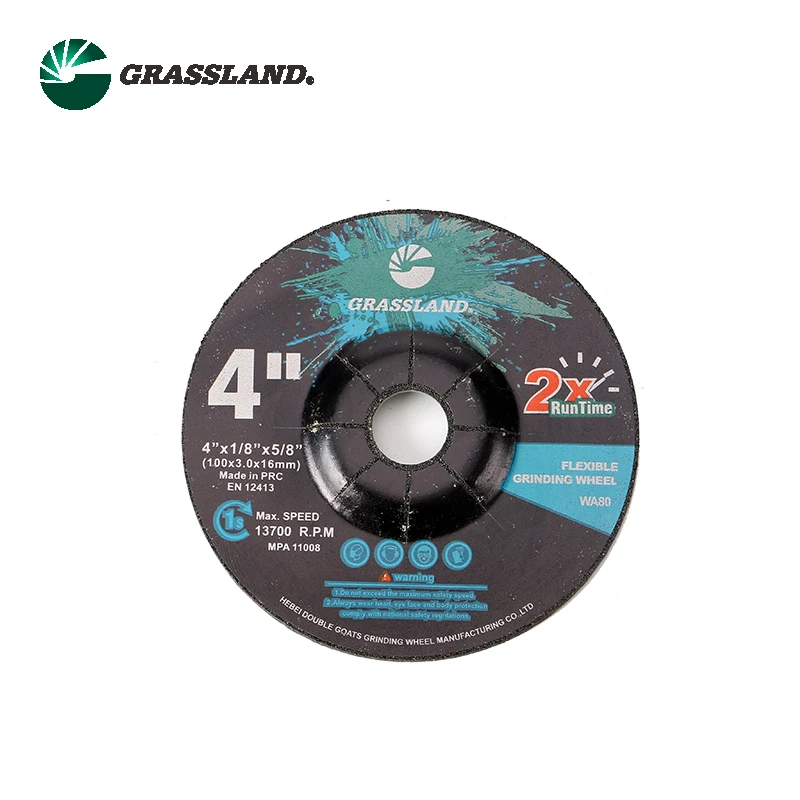
Understanding the Power and Versatility of Die Grinder Flap Discs
When it comes to metalworking, surface preparation, and achieving precise finishes, the die grinder flap disc is an indispensable tool. This article will delve into the specifics of these discs, exploring their applications, benefits, how to choose the right one, and how they compare to other abrasive options. Whether you're a professional metal fabricator, a DIY enthusiast, or involved in industrial maintenance, understanding die grinder flap discs is crucial for maximizing efficiency and achieving superior results.
What are Die Grinder Flap Discs?
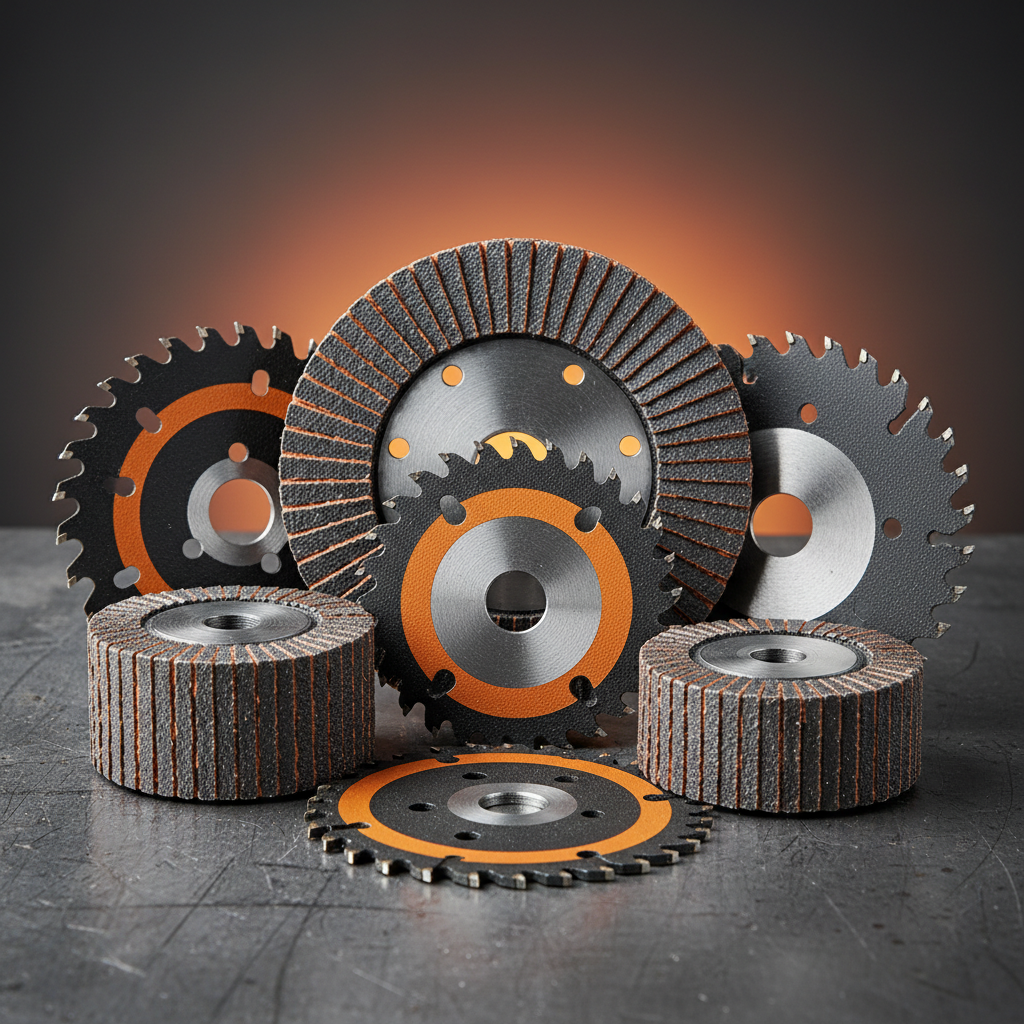
Die grinder flap discs are abrasive tools composed of overlapping abrasive flaps bonded to a backing plate. These flaps are typically made of aluminum oxide, silicon carbide, or ceramic abrasive grain. The overlapping flaps provide a cooling effect during use, preventing the workpiece from overheating and reducing the risk of burnishing. Unlike grinding wheels, flap discs offer a more controlled and consistent finish, making them ideal for a wide range of applications. They excel at removing weld splatter, deburring edges, blending surfaces, and achieving a smooth, even finish. The flexibility of the flaps allows them to conform to irregular shapes and contours, offering greater control than rigid abrasive wheels.
Key Highlights: Flap discs provide a cooling effect, preventing overheating, and are ideal for controlled finishing. They are exceptionally versatile and adaptable to various materials and applications.
Applications of Die Grinder Flap Discs
The versatility of die grinder flap discs makes them a go-to solution in many industries. Common applications include:
- Metal Fabrication: Removing weld splatter, deburring, and smoothing edges.
- Automotive Repair: Rust removal, paint preparation, and bodywork.
- Stainless Steel Finishing: Blending and polishing stainless steel surfaces.
- Industrial Maintenance: Cleaning and preparing surfaces for painting or coating.
- Tool and Die Making: Precision grinding and finishing of molds and dies.
They are suitable for use on a variety of materials including carbon steel, stainless steel, aluminum, and alloy metals.
Versatile Applications:
• Metal Fabrication – Deburring and smoothing welds.
• Automotive Repair – Rust removal and paint preparation.
• Stainless Steel Finishing – Blending and polishing.
Choosing the Right Die Grinder Flap Disc
Selecting the correct flap disc depends on the material you're working with and the desired finish. Here's a breakdown of key factors:
- Abrasive Grain: Aluminum oxide is versatile for general purpose grinding. Silicon carbide is ideal for softer materials like aluminum and brass. Ceramic abrasive is best for aggressive material removal and longer life.
- Grit Size: Coarse grits (e.g., 36, 60) are used for rapid material removal and heavy deburring. Medium grits (e.g., 80, 120) provide a good balance of removal rate and finish. Fine grits (e.g., 180, 240) are for polishing and achieving a smooth surface.
- Disc Size: The size of the disc should match the size of your die grinder.
- Attachment Type: Ensure the disc has the appropriate attachment method (e.g., quick-change, threaded).
Die Grinder Flap Disc vs. Other Abrasive Tools
Compared to other abrasive tools like grinding wheels or sanding discs, flap discs offer unique advantages. Grinding wheels are more aggressive but can leave a rougher finish and generate more heat. Sanding discs are good for finishing, but lack the material removal capability of a flap disc.
Safety Precautions
Always prioritize safety when using die grinder flap discs. Wear appropriate personal protective equipment (PPE), including safety glasses, a face shield, gloves, and a dust mask. Ensure the workpiece is securely clamped. Never exceed the maximum RPM rating of the disc or the die grinder. Inspect the disc for damage before each use.
Conclusion: Maximize Efficiency with the Right Flap Disc
Choosing the right die grinder flap disc can significantly enhance your metalworking results. By understanding the different types, applications, and safety precautions, you can achieve a smoother finish, greater efficiency, and a safer work environment. Explore the wide range of options available at Cutoffdiscs.com to find the perfect disc for your needs.
Frequently Asked Questions (FAQs)
What is the best abrasive grain for stainless steel?
For stainless steel, silicon carbide abrasive grains are generally the most effective. They are harder than aluminum oxide and excel at cutting through the tougher material without loading up. Ceramic abrasive discs also perform well on stainless steel, providing a longer lifespan and aggressive material removal. Aluminum oxide can be used for lighter deburring and finishing tasks on stainless steel but is not as efficient for heavy stock removal.
How long will a flap disc last?
The lifespan of a flap disc varies depending on the material being worked, the grit size, the abrasive grain, and the amount of pressure applied. Generally, a flap disc will last longer when used on softer materials and with finer grit sizes. Using consistent, moderate pressure will also extend its life. A high-quality ceramic flap disc will typically last significantly longer than an aluminum oxide disc.
Can I use a flap disc to remove paint?
Yes, flap discs can be used to remove paint, but it’s important to choose the appropriate grit size. A coarser grit (e.g., 60-80) will remove paint more quickly but may also scratch the underlying surface. A medium grit (e.g., 80-120) is a good choice for removing paint while minimizing surface damage. Always test the disc on an inconspicuous area first to ensure it doesn’t damage the material beneath the paint.
Post time:Apr - 04 - 2026