Understanding Silicon Carbide Flap Discs: A Comprehensive Guide
Silicon carbide flap discs are a versatile abrasive tool used for grinding, blending, and finishing a wide variety of materials, including metals, stainless steel, and hard alloys. Known for their aggressive cutting action, long lifespan, and consistent finish, they are a staple in many industrial and DIY workshops. This article will delve into the features, benefits, applications, and selection criteria for silicon carbide flap discs, helping you choose the right disc for your specific needs. Understanding these discs can significantly improve your workflow and the quality of your results.
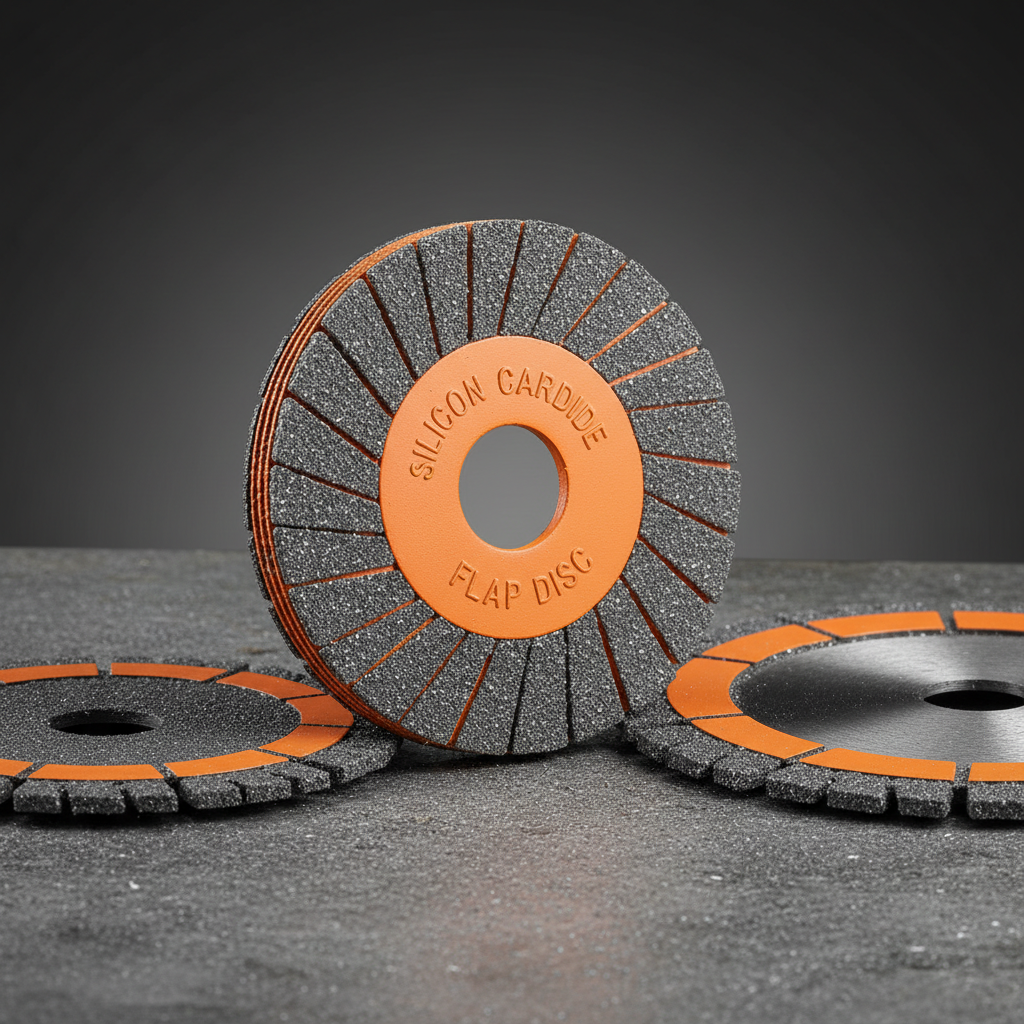
What are Silicon Carbide Flap Discs Made Of?
Silicon carbide flap discs consist of abrasive silicon carbide grains adhered to a flexible backing material, typically a fiberglass or resinoid cloth. The grains are arranged in overlapping 'flaps' which provide a cooler cut and a more consistent finish compared to traditional grinding wheels. The flexible backing allows the disc to conform to irregular surfaces, making it ideal for contour grinding and blending. The density of the flaps, the grit size of the silicon carbide, and the backing material all contribute to the disc’s performance characteristics. Cutoffdiscs.com offers a wide range of these discs designed for maximum efficiency and durability.
Key Highlights: Silicon carbide's hardness makes it ideal for aggressive material removal, while the overlapping flaps ensure a consistent finish and cooler cutting action.
Silicon Carbide Flap Discs vs. Other Abrasive Discs
While various abrasive discs are available, silicon carbide flap discs offer unique advantages. Compared to traditional grinding wheels, they produce less heat and provide a smoother finish. Against abrasive paper, they offer greater durability and a faster cutting rate. Here's a quick comparison:
Comparison Table:
• Grinding Wheels: Aggressive material removal, but generates high heat and leaves a rougher finish.
• Abrasive Paper: Fine finishing, but less durable and slower cutting rate.
• Silicon Carbide Flap Discs: Balance of aggression, durability, and finish quality.
Choosing the Right Grit for Your Application
The grit size of a silicon carbide flap disc determines its aggressiveness. Lower grit numbers (e.g., 40, 60) are coarser and used for rapid material removal, deburring, and weld removal. Higher grit numbers (e.g., 120, 180, 240) are finer and used for blending, finishing, and polishing. Selecting the correct grit is crucial for achieving the desired result without damaging the workpiece. A good practice is to start with a coarser grit to remove material quickly and then move to finer grits for a smoother finish.
Applications of Silicon Carbide Flap Discs
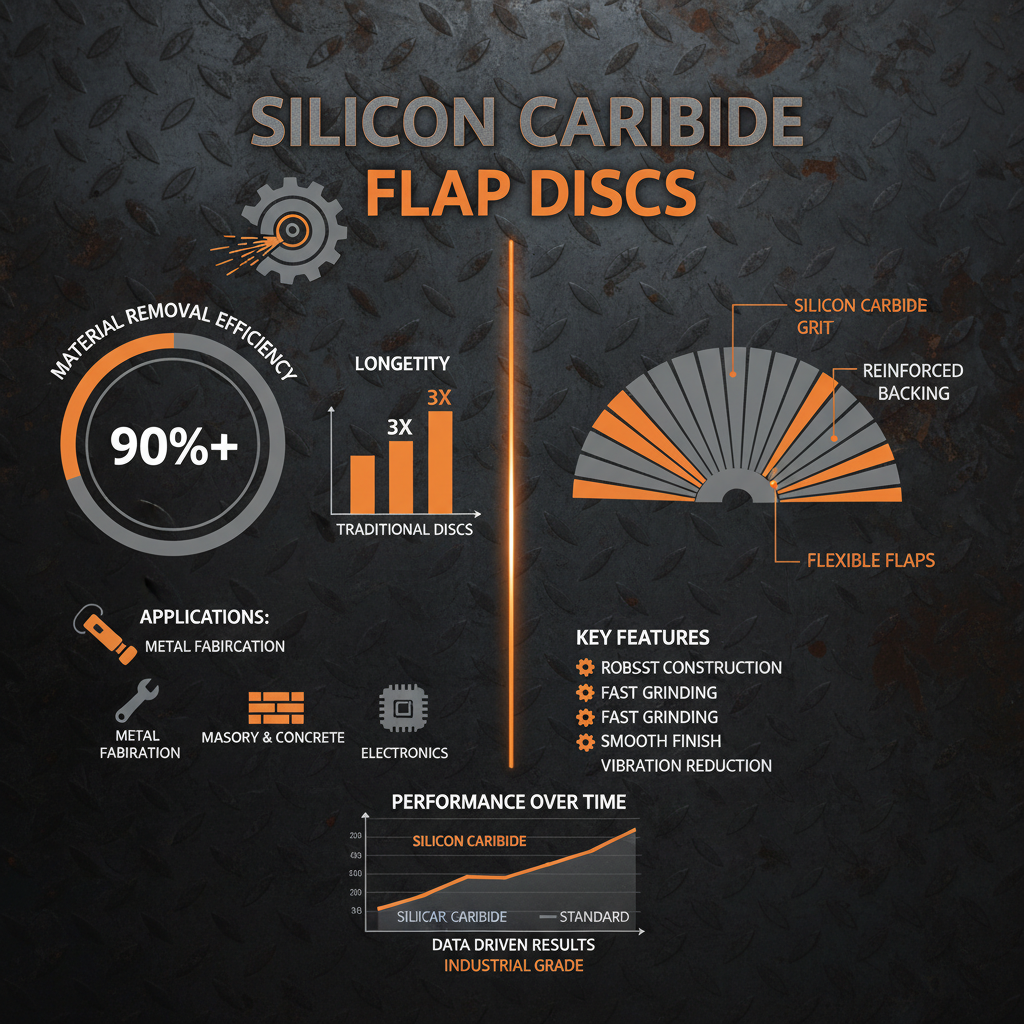
Silicon carbide flap discs are used in a diverse range of industries and applications. These include metal fabrication, automotive repair, aerospace, and woodworking. They are commonly used for removing welding scale, blending welds, deburring sharp edges, and finishing stainless steel and other hard-to-grind materials. Their versatility and efficiency make them an indispensable tool for professionals and hobbyists alike. For example, in the automotive industry, they are ideal for body panel repair and paint preparation.
Safety Considerations When Using Flap Discs
Always wear appropriate personal protective equipment (PPE) when using silicon carbide flap discs, including safety glasses, a face shield, gloves, and a dust mask. Ensure the workpiece is securely clamped. Never exceed the maximum RPM rating of the disc. Inspect the disc for damage before each use and discard any damaged discs. Follow the manufacturer's instructions carefully. Proper safety practices are essential to prevent injuries and ensure a safe working environment. Cutoffdiscs.com provides detailed safety guidelines on their website.
Conclusion: Maximizing Efficiency with Silicon Carbide Flap Discs
Investing in high-quality silicon carbide flap discs from a reputable supplier like Cutoffdiscs.com can significantly improve your grinding, blending, and finishing operations. By understanding the different grit sizes, applications, and safety considerations, you can optimize performance and achieve professional results. Choose the right disc for the job, prioritize safety, and enjoy the benefits of this versatile abrasive tool.
Frequently Asked Questions (FAQs)
What is the lifespan of a silicon carbide flap disc?
The lifespan of a silicon carbide flap disc varies depending on usage, the material being worked on, and the applied pressure. Generally, a flap disc will wear down as the abrasive grains are consumed during use. Regular inspection is key. Replace the disc when the flaps become significantly worn, torn, or when the cutting performance diminishes noticeably. Heavier applications will shorten the lifespan, while lighter finishing tasks will extend it. Keeping the disc clean and avoiding excessive pressure can help maximize its life.
What materials can silicon carbide flap discs be used on?
Silicon carbide flap discs are exceptionally versatile and can be used on a wide range of materials. They perform exceptionally well on ferrous metals like steel and stainless steel, as well as non-ferrous metals such as aluminum and copper alloys. They are also effective on harder materials like cast iron and even some types of wood. However, they are generally not recommended for plastics or very soft materials, as they may melt or clog the disc.
Are silicon carbide flap discs suitable for removing rust?
Yes, silicon carbide flap discs are very effective at removing rust. Their aggressive cutting action quickly breaks down rust layers, revealing the clean metal underneath. A coarser grit (e.g., 60-80) is typically best for heavy rust removal, while a finer grit (e.g., 120) can be used for blending and finishing the surface after the rust has been removed. It's important to wear a dust mask when removing rust, as it can generate fine particles.
Post time:Apr - 07 - 2026