Mastering Surface Finishing with the Interleaf Flap Wheel
In the world of precision metalworking and industrial finishing, achieving a seamless surface without removing excessive material is a constant challenge. The interleaf flap wheel emerges as a sophisticated solution, blending the aggressive cutting power of traditional flap discs with the gentleness of non-woven abrasives. Whether you are deburring complex geometries or polishing delicate surfaces, understanding how to leverage this tool can significantly enhance your production efficiency. This guide provides an in-depth look at why this specific wheel design is becoming the gold standard for modern workshops.
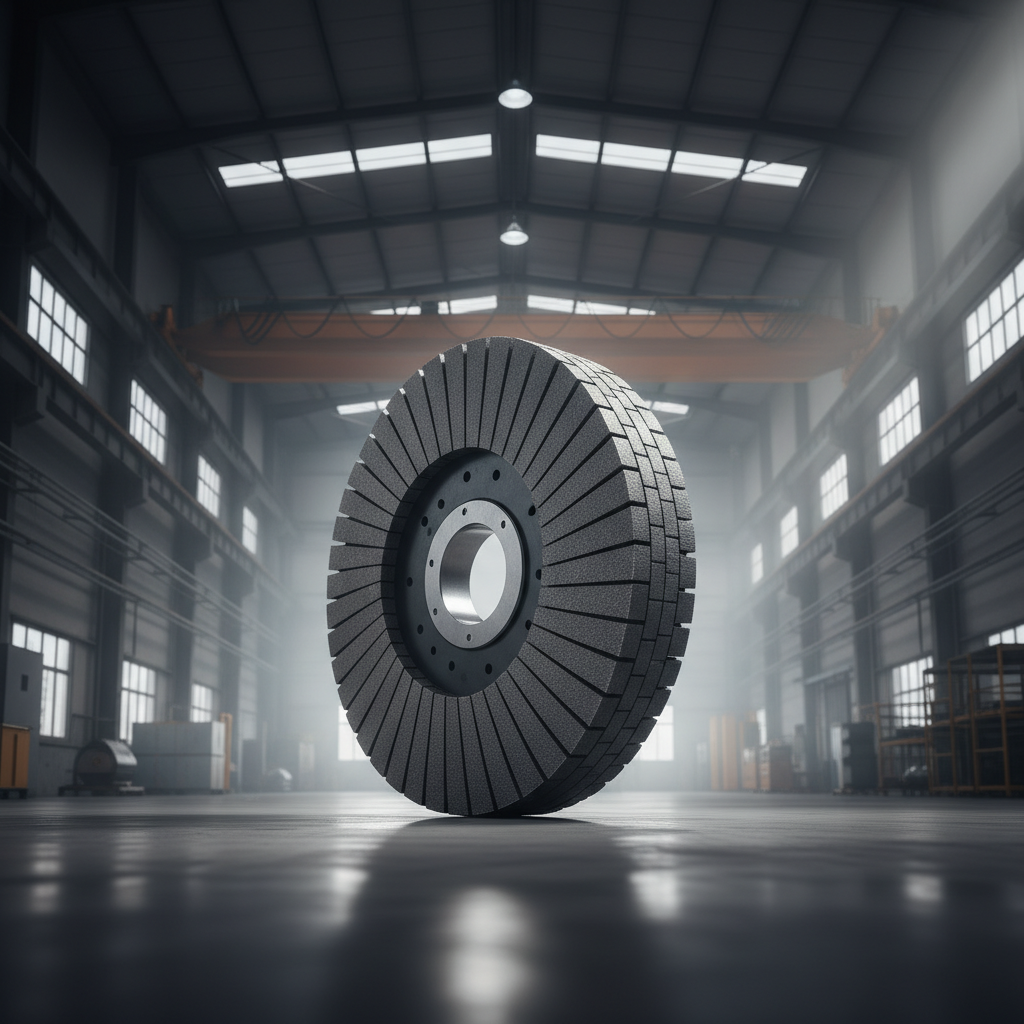
The Engineering Behind the Interleaf Flap Wheel
The magic of an interleaf flap wheel lies in its alternating layer construction. Unlike standard flap wheels that use a single abrasive type, the interleaf design alternates between abrasive cloth (cloth flaps) and non-woven webs. This unique structure prevents the wheel from becoming "loaded" with debris and allows for a more consistent finish. The non-woven layers act as a cushion, reducing the risk of gouging the workpiece while the cloth layers provide the necessary stock removal. This synergy makes it an indispensable tool for high-precision industries.
Pro Tip: The alternating layers not only improve the finish but also extend the overall tool life by ensuring that fresh abrasive grains are constantly exposed as the wheel wears down.
Key Advantages of Using an Interleaf Flap Wheel
When compared to traditional grinding wheels, the interleaf flap wheel offers several distinct advantages. First, it generates significantly less heat, which is critical when working with alloys that are prone to thermal distortion. Second, the flexible nature of the wheel allows it to conform to contoured surfaces, making it ideal for cleaning welds or rounding edges on curved parts. Finally, the dual-action nature of the abrasive layers reduces the need for multiple tool changes, moving a project from coarse grinding to fine finishing with a single product.
Performance Benefits:
• Reduced Heat: Prevents discoloration and warping of metal surfaces.
• Contour Adaptation: Easily reaches fillets, radii, and irregular shapes.
• Consistent Finish: Eliminates the "harsh" lines left by rigid grinding wheels.
• Clog Resistance: Non-woven layers clear debris efficiently.
Interleaf Flap Wheel vs. Standard Flap Wheels
Choosing between a standard flap wheel and an interleaf flap wheel depends on your end-goal. Standard wheels are designed for rapid material removal but can leave aggressive scratches. In contrast, the interleaf version provides a "blended" result. This makes it superior for finishing operations where the goal is a satin or brushed look rather than a raw ground surface. The following table highlights the technical differences to help you decide which is right for your application.
Common Applications for Interleaf Flap Wheels
The versatility of the interleaf flap wheel makes it suitable for a wide array of industrial sectors. In the automotive industry, it is widely used for cleaning weld spatter and refining edges of chassis components without compromising structural integrity. In aerospace, where surface tolerances are incredibly tight, these wheels provide the necessary precision for deburring aluminum and titanium parts. Additionally, the fabrication industry relies on them for preparing stainless steel surfaces for polishing or painting. By using a balanced abrasive approach, manufacturers can ensure a professional look every time.
Interleaf Flap Wheel Technical Specifications
When ordering an interleaf flap wheel, it is important to consider the grit size and material compatibility. Coarser grits are typically used for initial deburring, while finer grits are reserved for final polishing. Most interleaf wheels are available in Zirconia or Aluminum Oxide, depending on whether you are working with hard alloys or softer metals. Below are the typical specifications found in high-quality industrial wheels.
Conclusion: Elevating Your Finishing Process
The interleaf flap wheel represents a perfect marriage of efficiency and precision. By alternating between abrasive and non-woven layers, it solves the age-old problem of balancing material removal with surface quality. Investing in the right finishing tools not only reduces labor time but also ensures a superior end-product that meets the highest industrial standards. For those seeking a versatile, cool-cutting, and professional finish, the interleaf design is the definitive choice.
Frequently Asked Questions (FAQs)
How does an interleaf flap wheel differ from a standard one?
The primary difference is the construction. A standard flap wheel consists of only abrasive cloth flaps. An interleaf wheel alternates these cloth flaps with layers of non-woven abrasive material. This "interleaving" creates a cushioning effect that prevents deep gouging and produces a much smoother, blended surface finish. It also helps in clearing debris, which prevents the wheel from clogging and maintains a more consistent cut throughout the tool's lifespan.
Which grit should I choose for my interleaf flap wheel?
Grit selection depends on your starting point. For heavy deburring or removing thick weld beads, 40 or 60 grit is recommended. If you are performing mid-stage blending or preparing a surface for a fine polish, 80 grit is the ideal balance. For final finishing or creating a smooth satin look on stainless steel, 120 grit is the best choice. Always start with a coarser grit and move to a finer one for the most professional results.
Can I use an interleaf flap wheel on stainless steel?
Yes, it is actually one of the best tools for stainless steel. Because stainless steel is prone to overheating (which can cause discoloration or "blueing"), the cool-cutting nature of the interleaf design is a huge advantage. It allows you to blend welds and remove burrs without damaging the material's properties. To ensure the best results and avoid contamination, make sure you are using a wheel specifically designed for stainless steel, which can be found on the Cutoff Discs website.
How do I extend the life of my flap wheel?
To maximize the life of your wheel, avoid applying excessive pressure. Let the abrasive do the work; pressing too hard can glaze the abrasive grains and wear the flaps prematurely. Additionally, maintain a steady movement across the workpiece to prevent localized overheating and uneven wear. Proper storage in a dry environment also prevents the bonding agents from degrading over time, ensuring the wheel remains structurally sound for your next project.
Post time:Apr - 16 - 2026