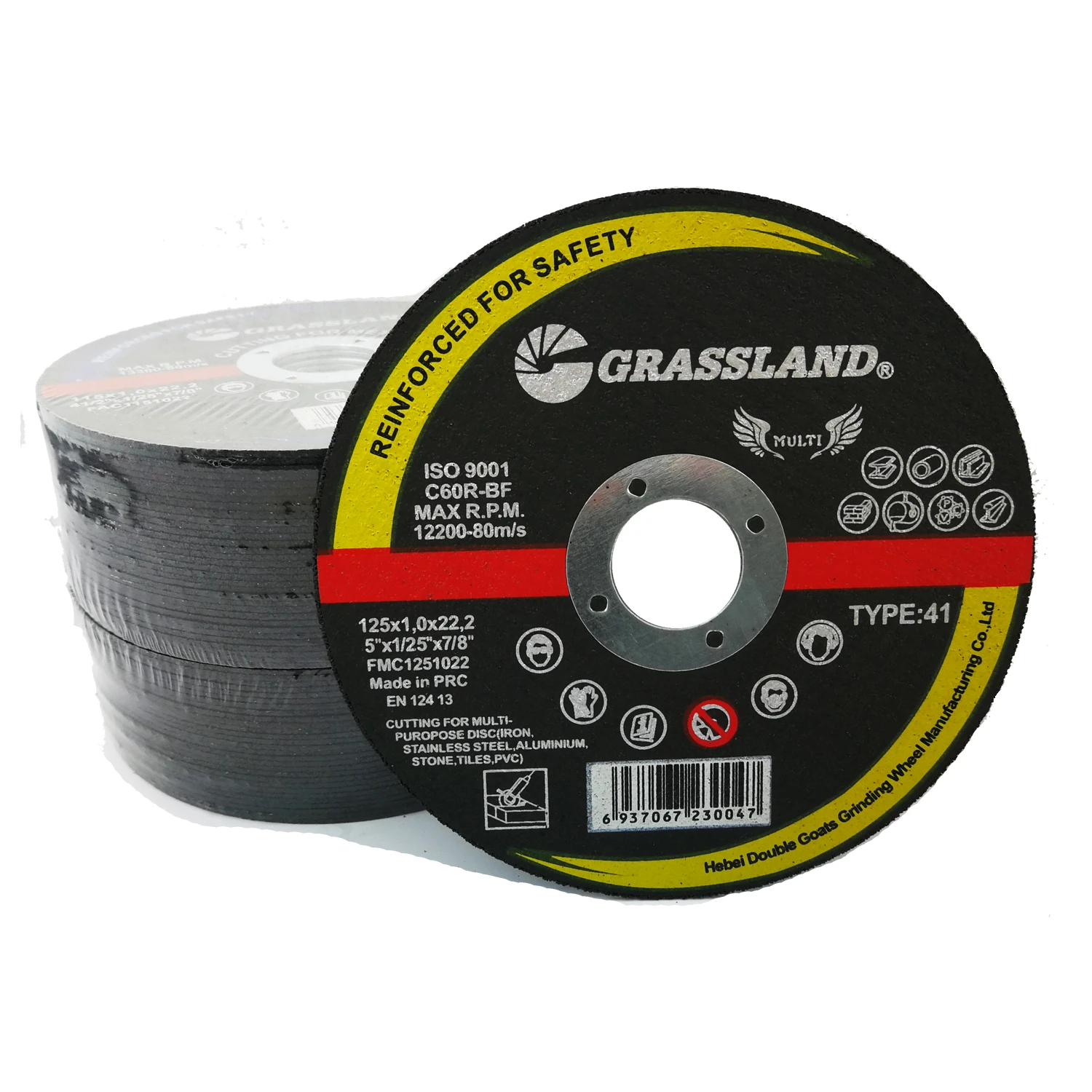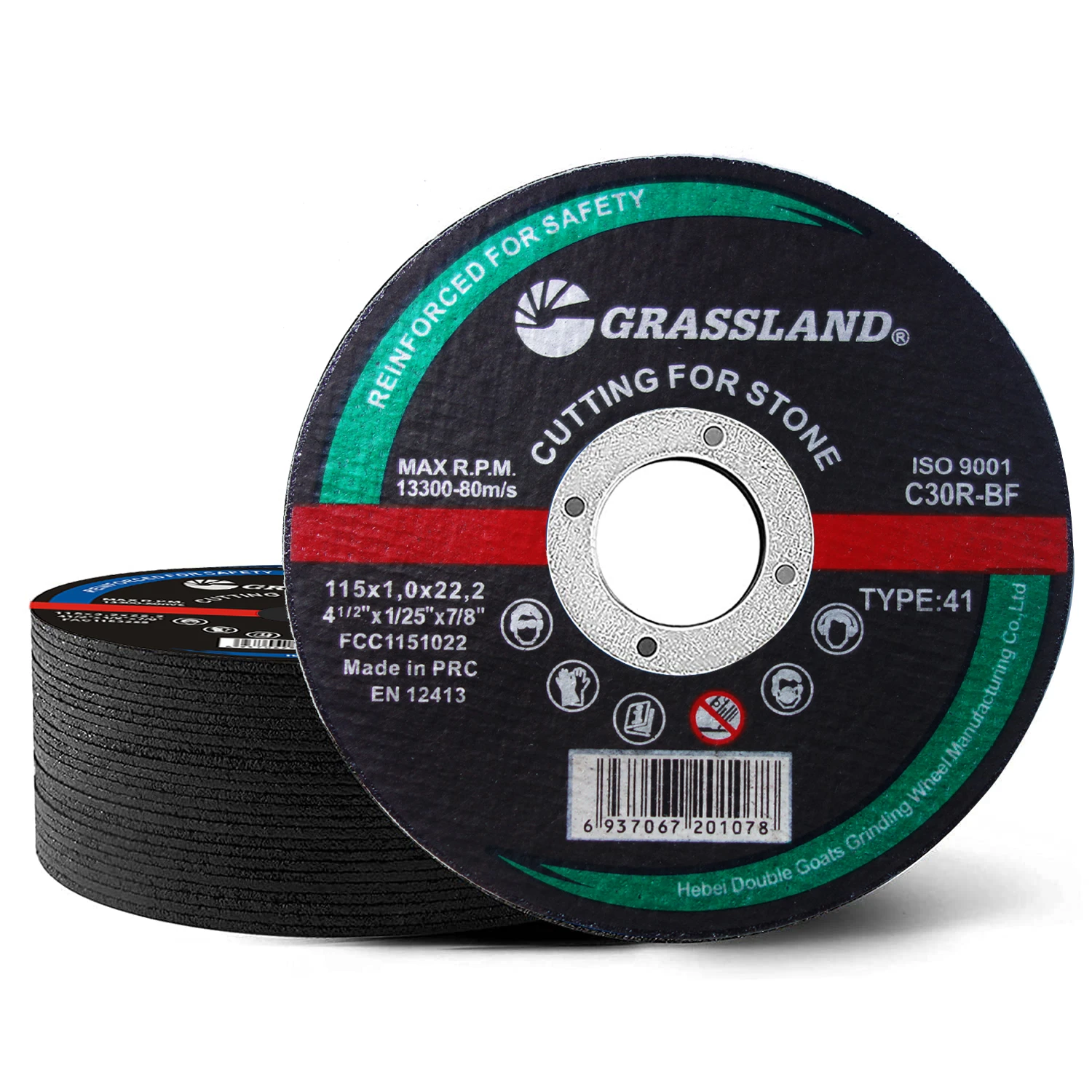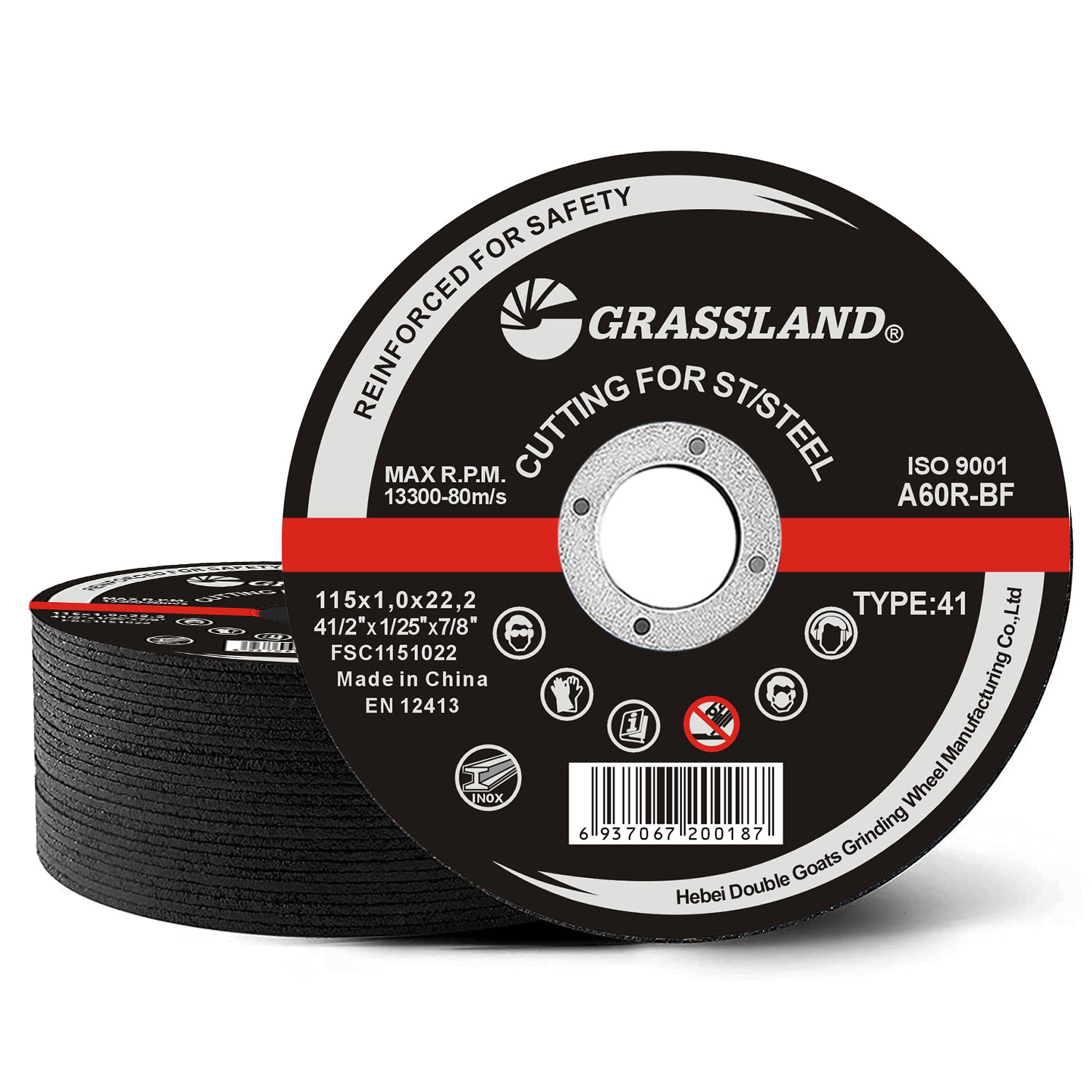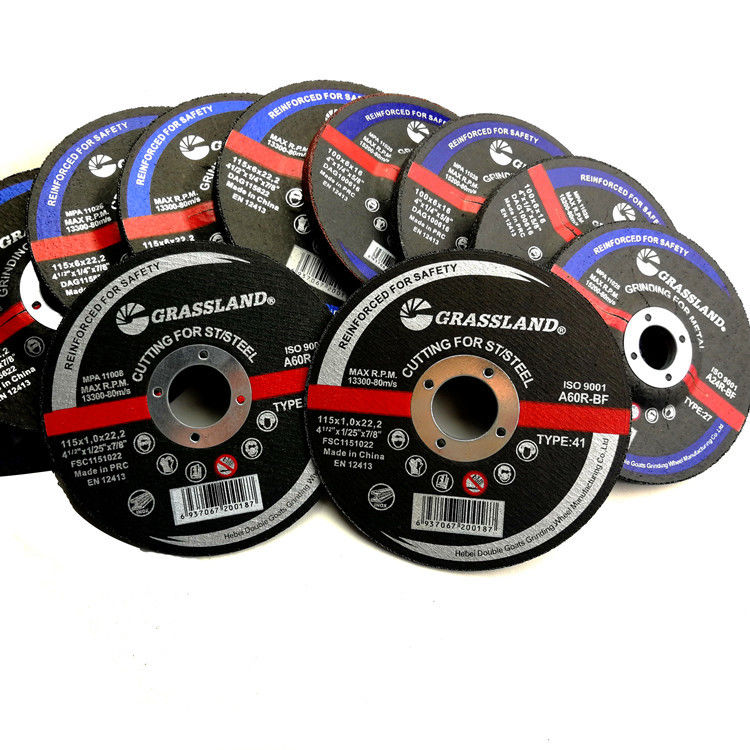
Tipos de Discos para Cortar Metal: Why It Matters Around the World
Cutting metal isn’t just a workshop thing—it’s a cornerstone of heavy industry, infrastructure, and from what I’ve seen, even unexpected humanitarian missions. When you think about “tipos de discos para cortar metal,” you’re really talking about the diverse types of cutting discs specially designed to slice through different metals efficiently and safely. Why does this matter globally? Because metal structures support everything from high-rise buildings to bridges, and maintaining or creating these happens everywhere, especially in growing economies and disaster zones. According to the International Organization for Standardization (ISO), cutting technology improvements even signal better sustainability approaches worldwide, thanks to discs that last longer and reduce waste. That’s not just a factory-floor benefit; it’s about global resource saving. Understanding these disc types means better project outcomes, safer work environments, and innovation in how we handle one of the planet’s most crucial materials.Introduction: The Global Impact of Metal-Cutting Technology
We often forget that behind every skyline, or every oil rig, there’s an array of cutting solutions — and tipos de discos para cortar metal are at the forefront of that story. The global steel production topped 1.8 billion tons in 2023, per the World Steel Association. Every ton needs shaping, trimming, and fitting. And yet, a common challenge remains: how to efficiently cut metals of varying hardness, thickness, and alloy composition without compromising safety or increasing costs. This matters far beyond industry. For example, aid organizations in post-disaster reconstruction rely on portable cutting tools to salvage debris and create temporary shelters quickly. The wrong cutting disc not only delays the operation but risks worker injury and wasted resources. Hence, worldwide, selecting the right disc type is a subtle but critical art that balances speed, quality, and environmental impact.What Exactly Are Tipos de Discos para Cortar Metal?
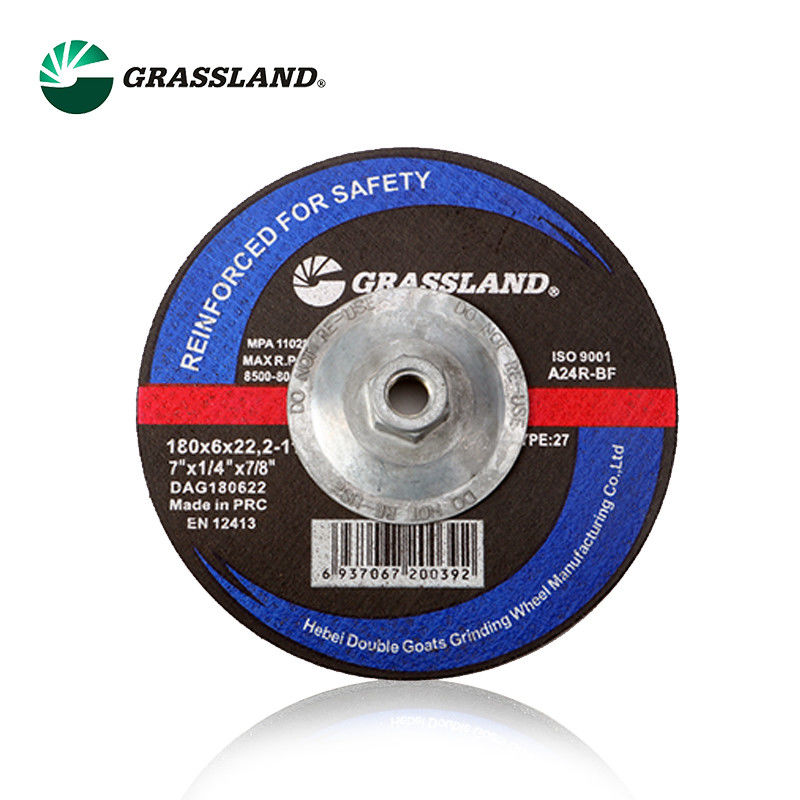
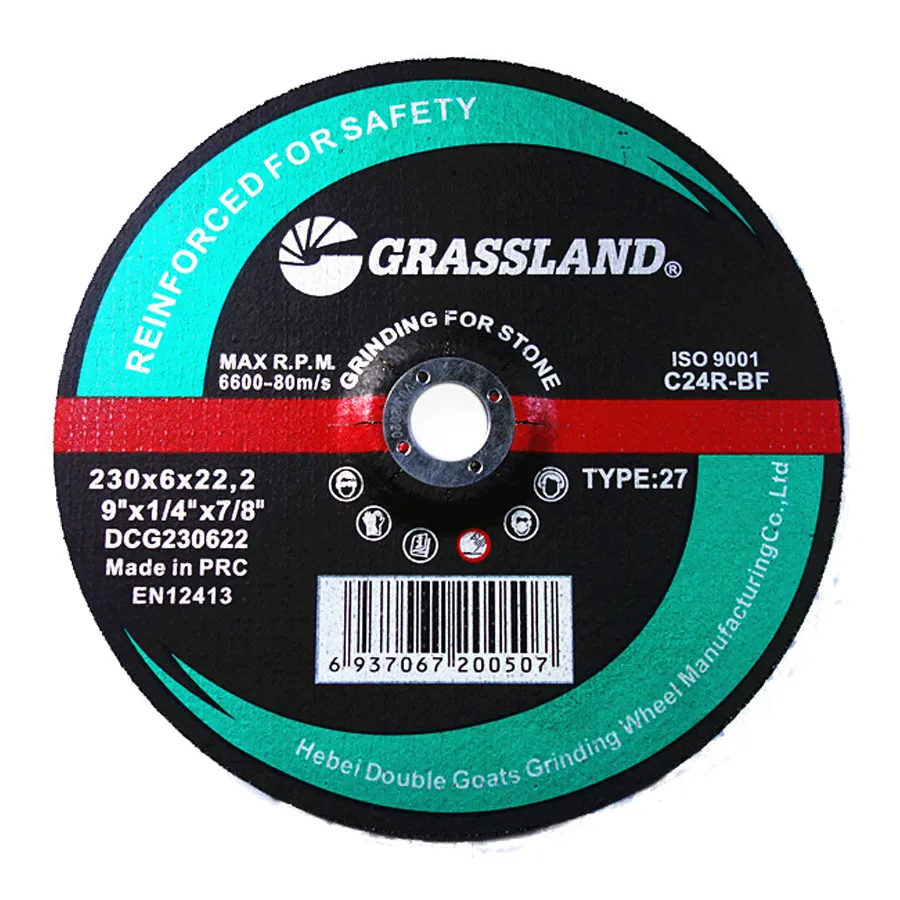
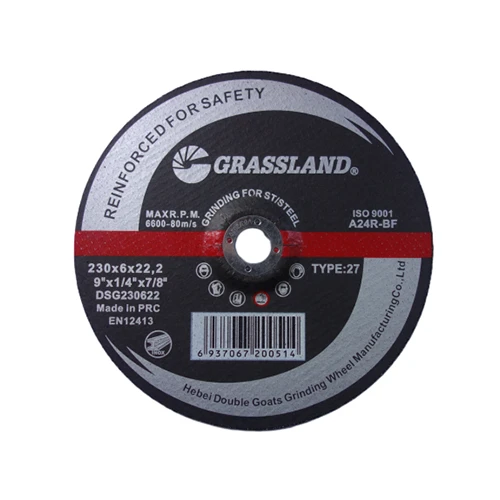
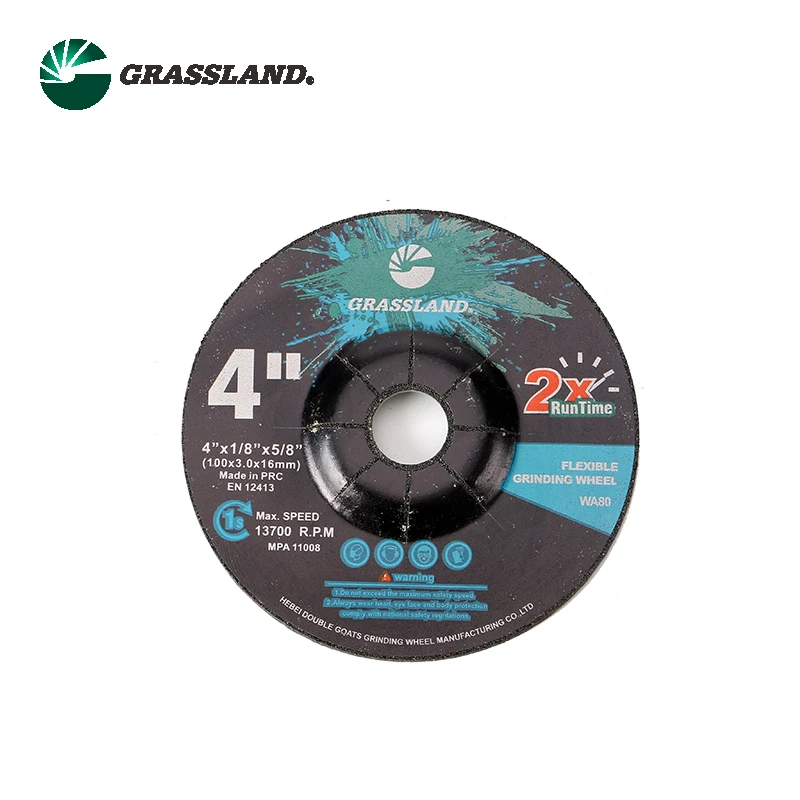
Simply put, these are cutting discs or blades engineered specifically to cut through metal materials—steel, stainless steel, aluminum, cast iron, and more. These discs are made from abrasive materials like aluminum oxide, zirconia alumina, or silicon carbide, bonded with resin to withstand high-speed rotation. Why are they so significant? Because metal cutting isn’t one-size-fits-all. Different metals require different disc formulations, thicknesses, and grain structures for optimal performance. It’s this diversity that creates the whole “tipos de discos para cortar metal” landscape. The right disc transforms a challenging cut into a clean slice, increases tool longevity, and most importantly, enhances safety.Key Attributes When Choosing Metal-Cutting Discs
1. Durability and Wear Resistance
Durability determines how long a disc lasts before it needs replacement. Many engineers I’ve chatted with stress the importance of a disc that won’t wear down midway through crucial cuts — especially when working with stainless steel or hard alloys. Abrasive materials and bonding agents really make the difference here.2. Cutting Speed and Cleanliness
No one wants a slow, ragged cut. Different discs excel in cutting speed depending on the metal. For example, thin aluminum sheets can be cut quickly with a fine-grain disc, whereas thick steel requires a heavier-duty disc with coarse abrasives. Clean cuts reduce finishing time and scrap.3. Safety and Heat Resistance
Cutting metal generates heat. Discs that handle heat well reduce risk of shattering or warping, both of which can cause accidents. Also, softer metals demand less heat dispersion; otherwise, the material might deform. Hence, some cutting discs have built-in features to reduce sparks.4. Cost Efficiency and Availability
A disc might be premium quality but cost-prohibitive for certain projects, especially in developing countries. Availability also matters—some regions struggle to import specialty discs, which can halt project progress.5. Compatibility and Thickness
Thickness impacts both precision and speed. Thin discs (1mm or less) offer precision cuts but wear faster, thicker discs are robust but less precise. Also, ensuring disc compatibility with grinders or cutting machines is critical — mismatches can damage tools or pose hazards. Mini Summary: Choosing the right disc means balancing durability, speed, safety, cost, and machine compatibility. The better you understand these factors, the smarter your cut will be.Global Applications and Real-World Use Cases
From massive shipyards in South Korea to artisan metal workshops in Mexico and makeshift reconstruction sites in Nepal, tipos de discos para cortar metal find purpose everywhere. - Heavy Industry: Automated cutting lines in automotive and aerospace industries depend on highly specialized discs to maintain precision and reduce downtime. - Construction: Across Africa and Asia, cutting steel beams is fundamental to rapid urban development. Regions with fast infrastructure growth require discs that work well in dusty and sometimes humid conditions. - Disaster Relief: After earthquakes or floods, front-line responders use handheld cutting discs to clear debris and build shelters quickly. - DIY and Small-Scale Artisans: Let’s not forget—the right disc can make or break a craftsman’s work on custom pieces or repair jobs. These discs don’t just cut metal; they unlock economies, enable vital repairs, and sometimes preserve lives.Advantages and Long-Term Value of Using the Right Metal Cutting Disc
Let’s face it—cutting metal sounds technical and maybe dry, but it has emotional undertones too. Using the right tipos de discos para cortar metal: - Enhances Safety: Less breakage means fewer accidents. - Saves Money: Longer-lasting discs and cleaner cuts mean less rework. - Supports Sustainability: Efficient discs reduce energy use and material waste. - Boosts Trust and Innovation: Reliable equipment lets engineers push boundaries. I’ve heard many project managers say the peace of mind with quality discs is worth the slight upfront premium.Future Trends: What’s Next for Metal Cutting Discs?
The industry isn’t standing still; in fact, it’s buzzing with innovation: - Eco-friendly Abrasives: Research is exploring recycled materials and bio-based resins to make discs greener. - Diamond Coating & Nano-Technology: Ultra-hard coatings promise longer life and smoother cuts. - Digital Integration: Smart grinders that monitor disc wear and optimize cutting pressure to extend tool life. - Automation & Robotics: Automated cutting systems calibrated to select optimal disc types for complex tasks. These trends respond not only to performance but to global pushes for environmental responsibility and safety standards.Challenges and Expert Solutions in Cutting Metal
Despite advances, obstacles remain: - Limited Access: Remote sites often lack proper disc options, forcing risky improvisations. - Disc Shattering Risks: Even with safety improvements, improper storage or misuse can lead to breakage. - Material Mismatch: Using a disc on the wrong metal can cause poor cuts and damage tools. Solutions? Many vendors now offer training and portable testing kits to evaluate metal type before cutting. Some firms partner with NGOs to improve access in tough regions. Also, using pre-approved standards (like ISO 5238 for cutting tools) helps maintain safety and quality.Product Specifications: Sample Cutting Disc Overview
| Specification | Aluminum Oxide Disc | Zirconia Alumina Disc | Silicon Carbide Disc |
|---|---|---|---|
| Material Compatibility | Mild & Stainless Steel | Hard Steel & Alloys | Non-Ferrous Metals |
| Max RPM | 13,300 | 12,250 | 11,500 |
| Disc Thickness | 1.0 mm | 1.6 mm | 1.2 mm |
| Typical Cutting Speed | Fast & Smooth | Moderate with High Precision | Slow but Precise |
Comparing Vendors: What to Look For
| Feature | Vendor A | Vendor B | Vendor C |
|---|---|---|---|
| Price Range | $$$ | $$ | $ |
| Product Variety | Broad (all metal types) | Focused (steel & alloys) | Limited (mild steel only) |
| Certifications | ISO 9001, OSHA compliant | CE marked | No formal certifications |
| Distribution Network | Global reach | Regional (Americas) | Local only |
| Customer Support | 24/7 technical assistance | Business hours only | Email only |
FAQ: Practical Questions About Tipos de Discos para Cortar Metal
Q1: How do I choose the right disc for cutting stainless steel?A1: Look for discs made of zirconia alumina or similar abrasives, as stainless steel requires tougher materials due to its hardness and heat sensitivity. Also, consider disc thickness for cleaner cuts—thinner discs offer precision but wear faster. Always check compatibility with your cutting tool.
Q2: Are there eco-friendly cutting discs available?
A2: Yes, some manufacturers have started producing discs with recycled abrasive materials and bio-based resins to reduce environmental impact. While these might initially cost a bit more, they contribute to sustainability and often meet industry safety certifications.
Q3: Can I use a mild steel cutting disc on aluminum?
A3: It’s generally not recommended because discs optimized for mild steel may overheat or cause rough cuts on softer metals like aluminum. For aluminum, discs with silicon carbide abrasives usually deliver better results due to lower heat generation.
Q4: How do I safely store metal cutting discs?
A4: Store discs in a dry, cool place away from temperature extremes and physical shocks. Proper storage prevents moisture absorption and cracking, which can cause dangerous disc shattering during use. Follow vendor guidelines strictly.
Q5: Where can I learn more about types of metal cutting discs?
A5: Industry standards documentation like ISO 5238 or manufacturer websites offer detailed info. For general knowledge, tipos de discos para cortar metal portals provide user guides and comparison charts.
Wrapping Up: Why Understanding Tipos de Discos para Cortar Metal Pays Off
In the end, whether you’re a seasoned engineer, a craftsman, or someone managing a large construction site, knowing the differences between tipos de discos para cortar metal is like having a master key. It opens doors to better quality cuts, safer work, and long-term savings. It’s about efficiency that respects not only the metal but the people and planet connected to it. For anyone curious to dig deeper or shop trusted discs, I highly recommend visiting our website: https://www.cutoffdiscs.com — it’s a treasure trove of insights and products.References & Final Thoughts
Post time:Nov - 28 - 2025