The Abrasive Cutting Wheel: An Unsung Hero in Industry and Innovation
If you’ve ever seen a construction site, a metal fabrication shop, or even a remote disaster relief zone, you’ve likely come close to the abrasive cutting wheel — a simple yet profoundly important tool. This disc, spinning at dizzying speeds, slices through everything from steel beams to concrete slabs, enabling workers and machines to shape the world around us. The global importance of the abrasive cutting wheel might seem subtle at first glance, but it’s central to manufacturing, emergency response, infrastructure development, and even environmental sustainability.
Why does it matter so much? Because as industries strive for efficiency, safety, and cost-effectiveness, understanding the capabilities and limitations of your abrasive cutting wheel can save time, money, and sometimes even lives. Here’s a closer look at what makes this tool tick, its global footprint, and why its evolution matters now more than ever.
Why the Abrasive Cutting Wheel Keeps the World Turning
Globally, the metalworking and construction sectors contribute trillions to economies and employ millions of people — and abrasive cutting wheels are at the heart of these processes. According to data from the International Organization for Standardization (ISO), industrial abrasives’ production has grown by roughly 5% annually over the past decade (1). The drive? Increased urbanization, infrastructure projects in emerging markets, and rising demand for precision fabrication.
Yet, there are challenges: environmental regulations, safety concerns, and efficiency demands require that abrasive cutting wheels continually improve. For example, a 2023 International Labour Organization (ILO) report highlighted a persistent risk of injuries related to cutting tools in fabrication industries worldwide (2). So, choosing the right abrasive cutting wheel — the correct type, size, and composition — is essential not just for productivity but for worker safety and environmental compliance.
What Exactly Is an Abrasive Cutting Wheel?
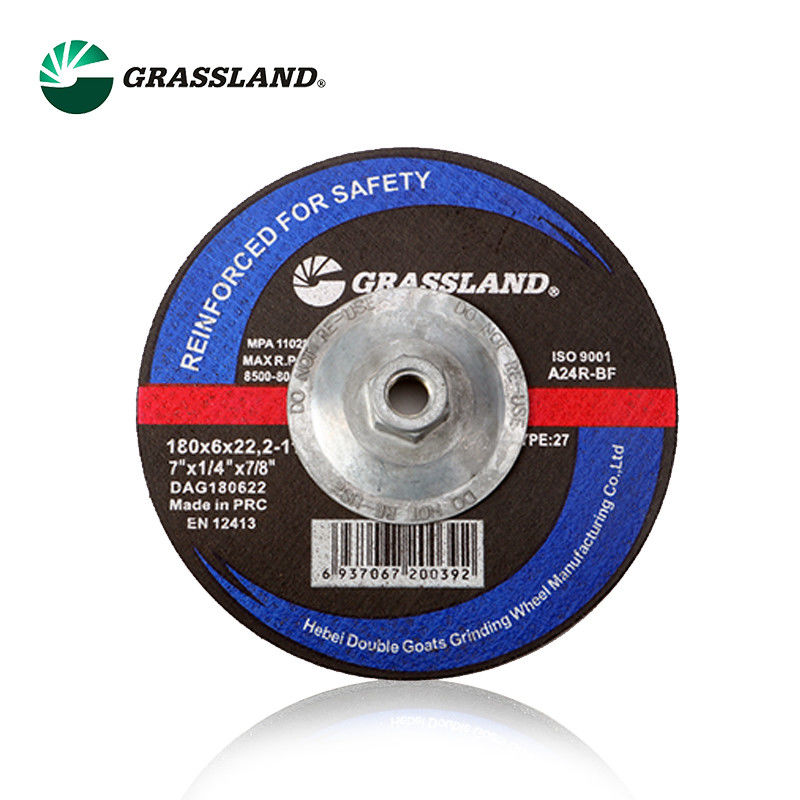
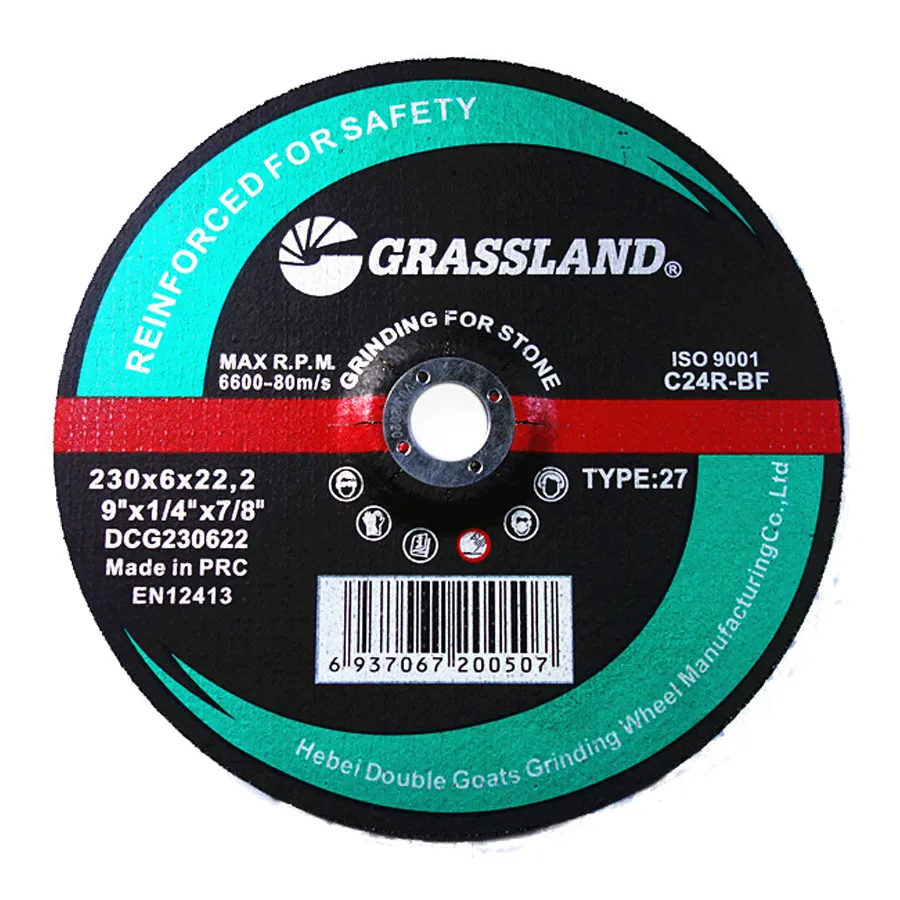
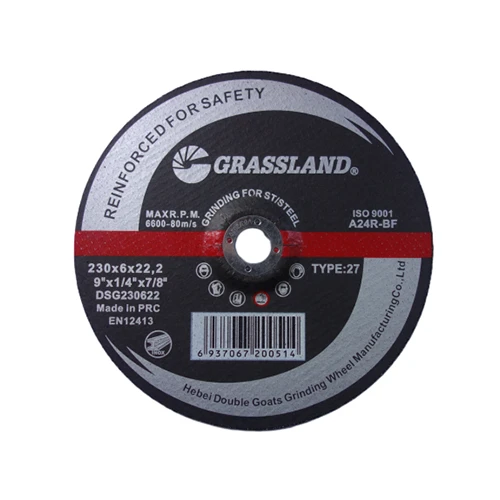
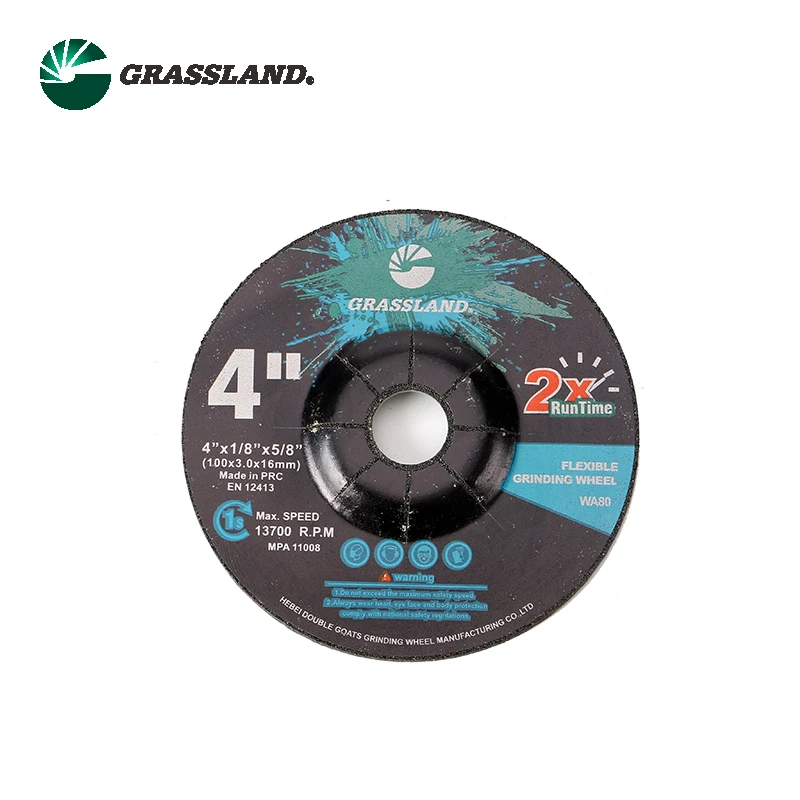
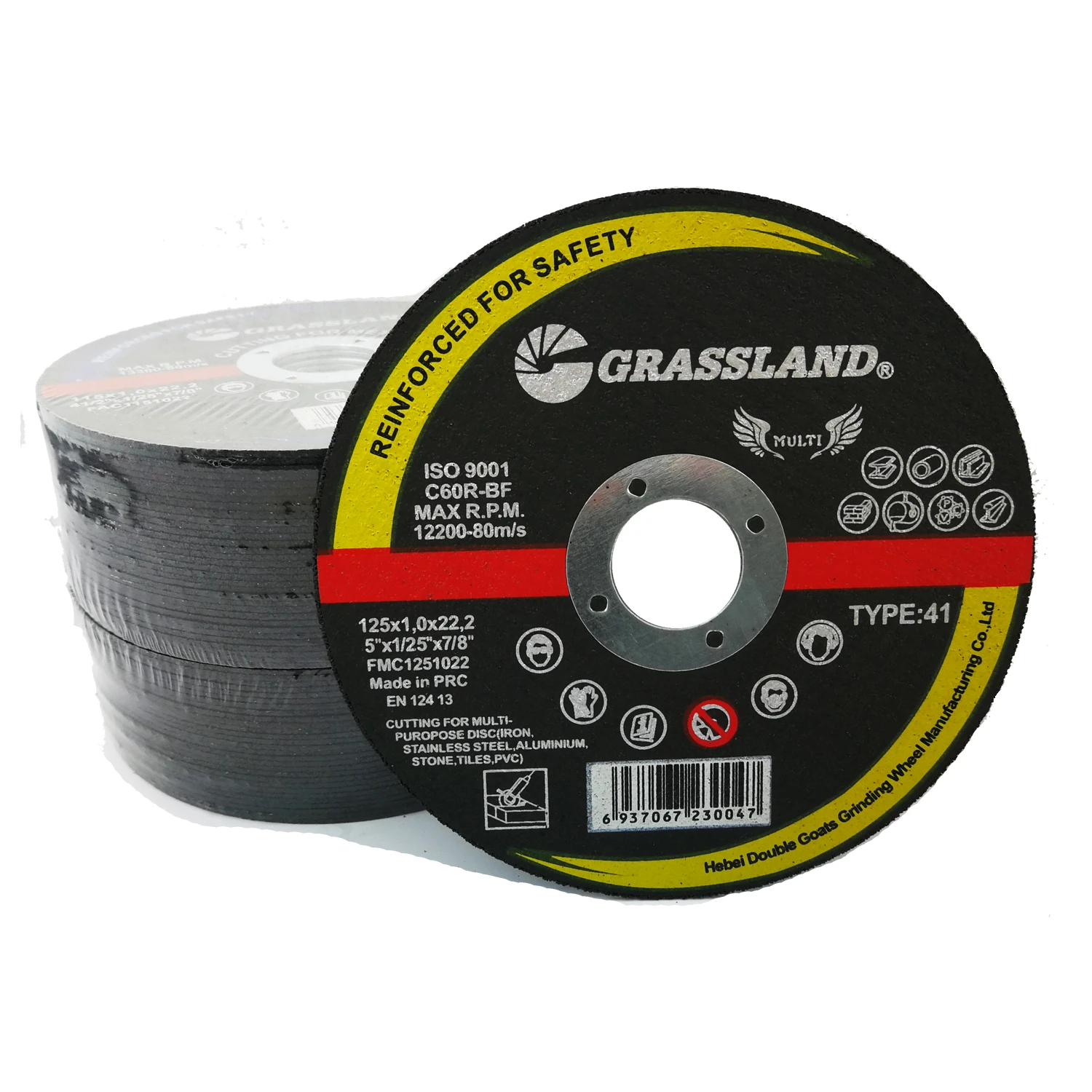
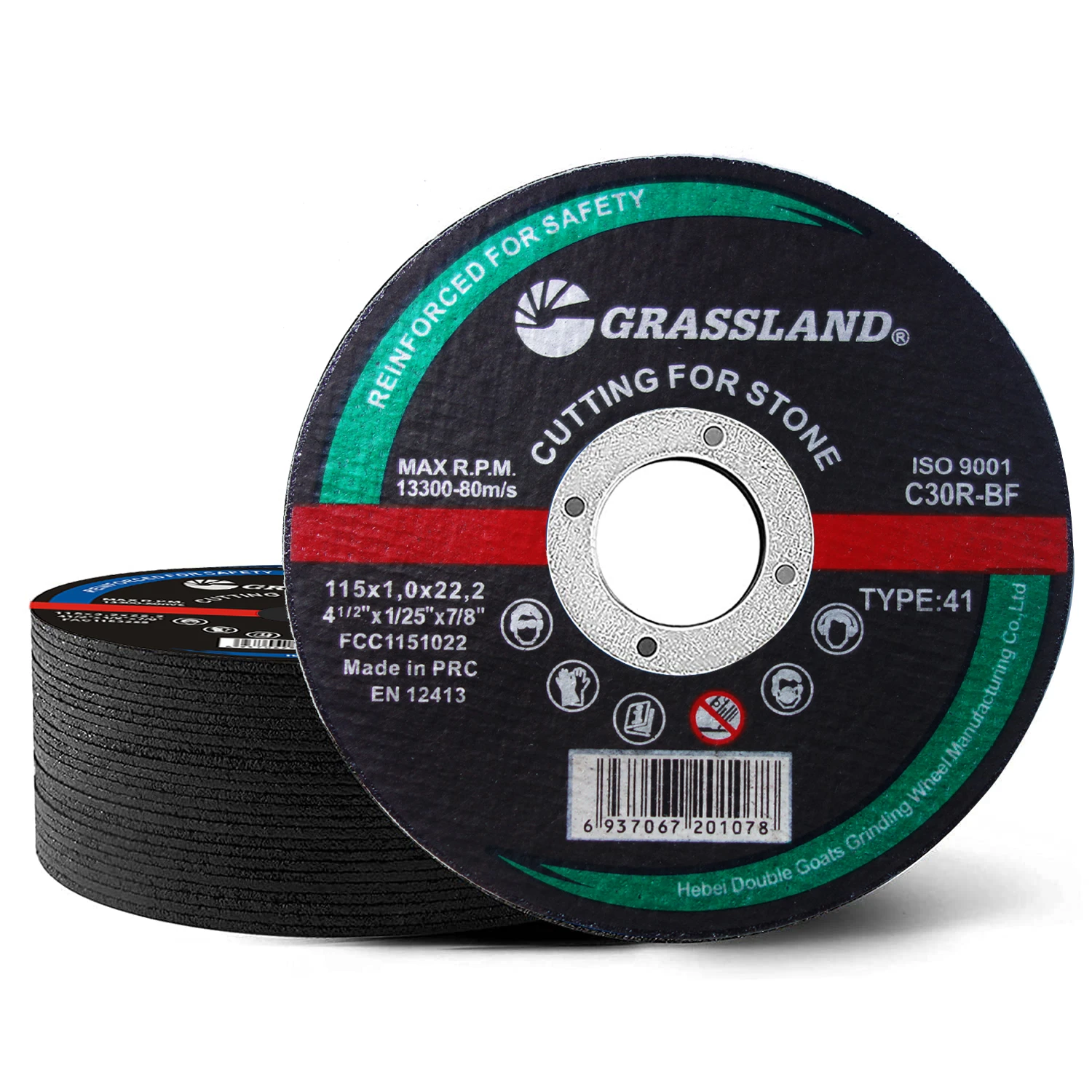
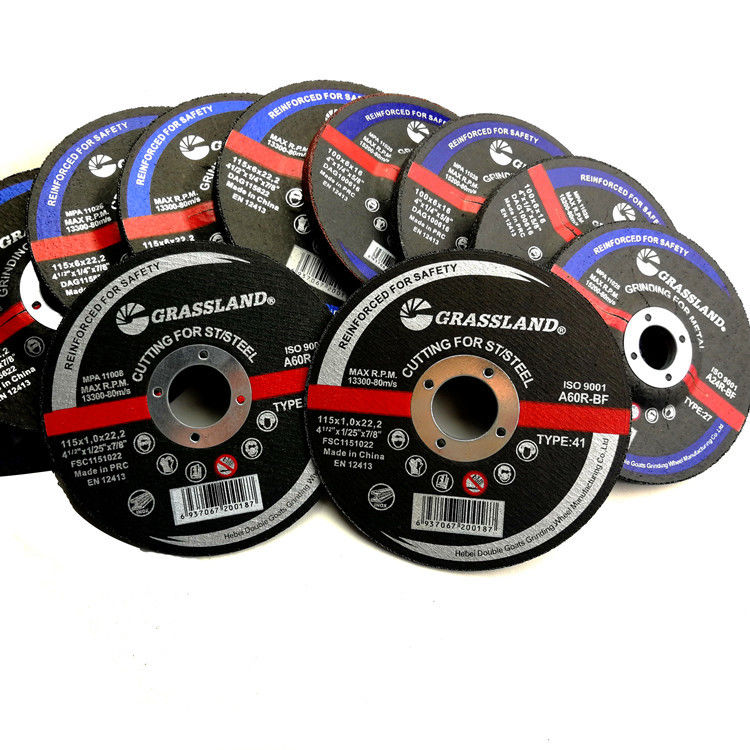
Put simply, an abrasive cutting wheel is a circular disc made from bonded abrasive grains, designed to cut, grind, or shape hard materials. Unlike saw blades that have teeth, abrasive wheels rely on microscopic particles that “wear away” the material surface with friction. They often attach to angle grinders, chop saws, or stationary machines. The mix of abrasive type (like aluminum oxide or silicon carbide), bonding material, and wheel thickness defines their cutting properties.
Beyond the factory floors, abrasive cutting wheels play a vital humanitarian role — say in post-disaster recovery where quick removal of debris is critical, or in remote construction zones where heavy machinery is limited. To me, that human angle adds a layer of meaning to what might otherwise feel like just another industrial product.
Core Components That Make a Difference
1. Abrasive Material Type
The choice of abrasive grain determines cutting speed and durability. Aluminum oxide is popular for steel cutting, while silicon carbide suits masonry and concrete. Manufacturers select the abrasive chemical properties to match the hardness and composition of the target material.
2. Bonding Agent
The strength and flexibility of the bond holding abrasive grains is crucial. Resin bonds offer a good balance of durability and shock absorption, while vitrified bonds provide rigidity for precision cuts. This affects how long the wheel lasts and how cleanly it cuts.
3. Wheel Thickness
Thinner wheels cut faster with less material waste, but may sacrifice durability. Thicker wheels last longer and handle tougher cuts. The choice depends on the job — fabricators often keep several thicknesses on hand for different tasks.
4. Operating Speed (RPM)
Every wheel is rated for maximum revolutions per minute. Using them outside this range risks fracturing the wheel — which can be dangerous. Many safety regulations govern matching the wheel specs with the tool speed.
Global Applications of Abrasive Cutting Wheels
From skyscraper construction in Dubai to ship repair yards in Rotterdam, the abrasive cutting wheel is everywhere. Its versatility means it’s a staple in:
- Metalworking and Fabrication: Cutting sheet metal, rods, and pipes with precision.
- Construction and Demolition: Breaking down concrete, bricks, and reinforced steel.
- Automotive Repair: Trimming metal panels or cutting exhaust components.
- Emergency Relief: Removing debris or cutting emergency access routes post-disaster.
- Mining and Tunneling: Preparing materials or maintaining equipment in harsh environments.
Oddly enough, in regions like Southeast Asia and sub-Saharan Africa, where infrastructure projects are booming, abrasive cutting wheels are critical tools, yet access to the latest durable variants can be spotty. NGOs and local manufacturers collaborate to improve availability here, boosting project success and local employment.
Advantages and Why It’s Worth the Investment
The abrasive cutting wheel’s main appeal lies in its speed, precision, and cost-effectiveness. Compared to traditional cutting methods, they produce cleaner edges and require less force, reducing operator fatigue and expanding application options.
From a safety perspective, selecting the right wheel reduces accidents caused by improper breakage or kickback. Environmentally, modern wheels designed with greener resins help reduce toxic dust emissions.
Emotionally, it’s a product that embodies trust: a dependable tool in situations where time and accuracy matter. Engineers I spoke with appreciate how a slightly better abrasive wheel often means the difference between meeting project deadlines or costly delays.
Technical Specifications of a Typical Abrasive Cutting Wheel
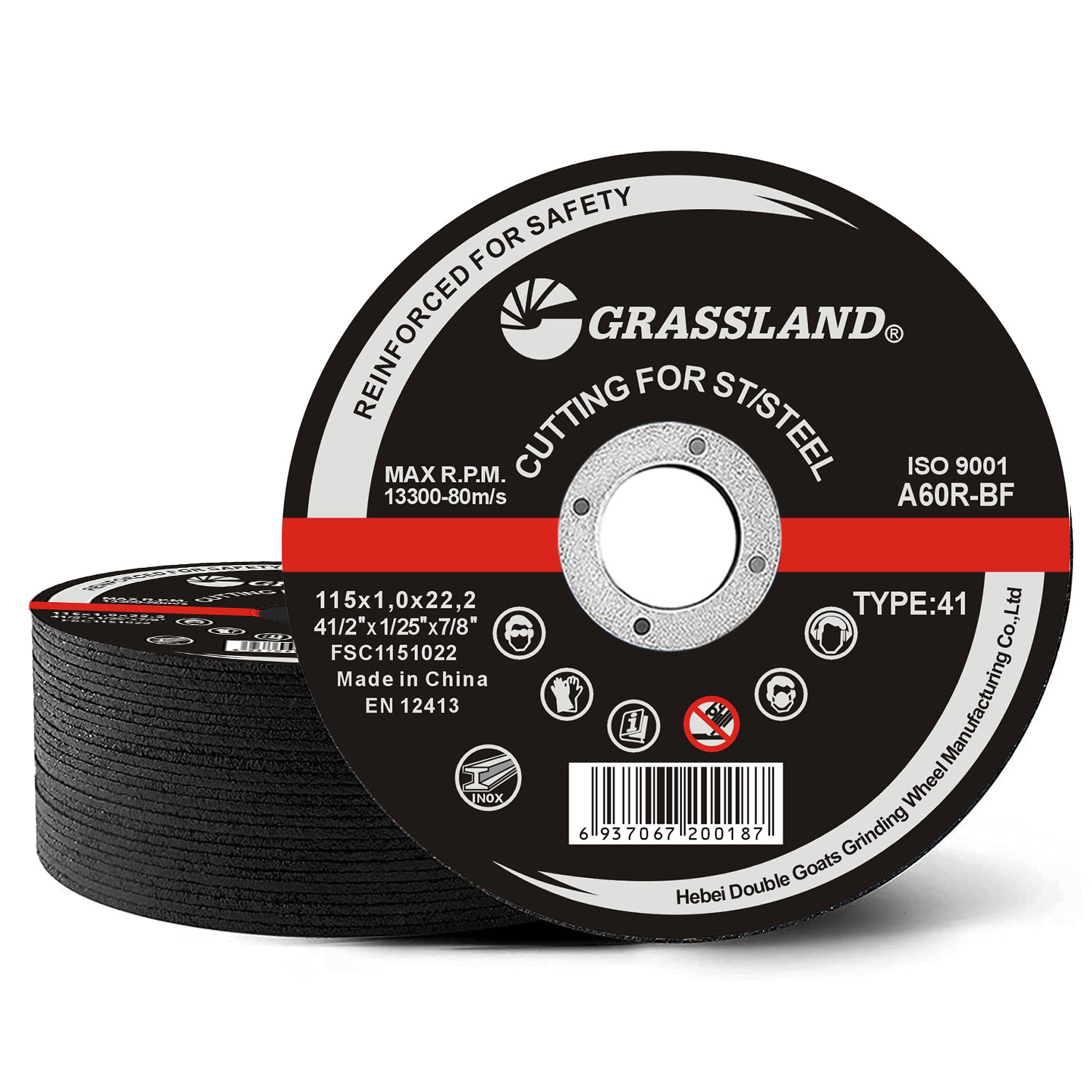
| Specification | Details |
|---|---|
| Diameter | 115 mm (4.5 inches) |
| Thickness | 1 mm / 1.6 mm variants |
| Abrasive Type | Aluminum Oxide |
| Bonding | Resin Bond |
| Max RPM | 13,300 |
| Application | Metal Cutting |
Comparing Popular Abrasive Cutting Wheel Vendors
| Brand | Material Quality | Price (per 10 pcs) | Safety Ratings | Availability |
|---|---|---|---|---|
| CutPro | High-grade Aluminum Oxide | $45 | EN 12413 Certified | Global |
| AbrasiveMax | Mixed Grain Blends | $40 | ISO Certified | Mostly North America, EU |
| EdgeCut | Industrial Grade Silicon Carbide | $50 | ANSI Standards Compliance | Asia-Pacific Focus |
Looking Ahead: The Future of Abrasive Cutting Wheels
With the rising push toward greener manufacturing, abrasive wheels are evolving. Next-gen wheels might use bio-based resins and engineered abrasives for longer life and less environmental impact. Digital tools, like 3D scanning and AI-driven wear prediction, are helping operators choose the best discs for the job—saving scrap and downtime.
Automation is another trend. Robots wield abrasive cutters with far greater precision and repeatability than human operators, especially in car factories and aerospace manufacturing. I suppose the wheel that was once just a manual hand tool is now part of a much larger, more automated system.
Facing Challenges Head-On
Despite all these advances, issues remain. Abrasive wheels can wear unevenly, their dust can be hazardous if inhaled, and improper use risks accidents. Fortunately, solutions like improved dust extraction, better operator training, and wheels with embedded safety sensors are gaining traction.
It’s not a perfect situation, but the industry’s willingness to innovate makes me optimistic. Really, every new breakthrough is just another step to safer, smarter cutting.
FAQ: Common Questions About Abrasive Cutting Wheels
Q: What type of abrasive cutting wheel is best for cutting stainless steel?
A: Generally, an aluminum oxide wheel is recommended for stainless steel due to its balance of hardness and durability. However, selecting a wheel with a resin bond and suitable thickness (around 1-1.6 mm) improves cut quality and reduces heat buildup, preventing material warping.
Q: How often should abrasive cutting wheels be replaced?
A: Replacement depends on usage but watch for signs like uneven wear, cracking, or reduced cutting efficiency. Safety standards suggest discarding wheels after visible damage or after a certain number of hours under heavy use. Inspect before each job.
Q: Are there eco-friendly abrasive cutting wheels available?
A: Yes, newer wheels incorporate bio-based bonding agents and minimize hazardous dust emissions. Some manufacturers also recycle spent wheels or reduce packaging waste, aligning with sustainability goals.
Q: Can abrasive cutting wheels be used on masonry?
A: Absolutely, but you need carbide- or silicon carbide-based wheels designed specifically for masonry. Using the wrong wheel can damage both the tool and material.
Q: What safety equipment should be used when operating abrasive cutting wheels?
A: Operators should always wear eye protection, gloves, hearing protection, and dust masks. Ensuring the wheel is mounted correctly and running within RPM ratings is critical for safety.
Wrapping It Up: Why the Abrasive Cutting Wheel Still Cuts Through the Noise
As we’ve seen, the abrasive cutting wheel is more than just a spinning disc — it’s a precision tool central to modern industry, safety, and even humanitarian work. Its ability to adapt — by materials, design, and technology — keeps it ahead in a world demanding faster, safer, and more sustainable manufacturing solutions.
If you want to explore top-quality abrasive cutting wheels and accessories tailored for your needs, I recommend checking out abrasive cutting wheel suppliers with proven track records. They balance innovation and reliability better than anyone else out there.
In the end, it’s a reminder that sometimes the simplest tool, when perfected and properly used, truly moves the world.
References
Post time:Nov - 30 - 2025