Metal Cutting Wheels for Angle Grinders: Why They Matter Worldwide
When you think of modern industry — construction sites humming, factories buzzing, DIY weekend warriors crafting — a humble tool quietly powers much of it: the metal cutting wheel for angle grinder. These discs, small but mighty, slice through steel, iron, and other metals with precision and speed, shaping the infrastructures we depend on daily. Globally, their importance is underscored by the demand in metal fabrication, automotive repair, and infrastructure maintenance, not to mention emergency rescue and disaster relief operations where quick cutting can mean the difference between life and death.
But why does understanding this tiny yet powerful accessory matter? For starters, knowing what makes a metal cutting wheel reliable, durable, and safe can save time, money, and — let’s be frank — a whole lot of frustration on the job. Plus, with growing concerns about sustainability and worker safety, aware choices lead to smarter purchasing, less waste, and healthier workplaces.
Mini takeaway: These little discs punch way above their weight, being crucial to everything from high-rise buildings to humanitarian missions worldwide.
What Exactly Is a Metal Cutting Wheel for an Angle Grinder?
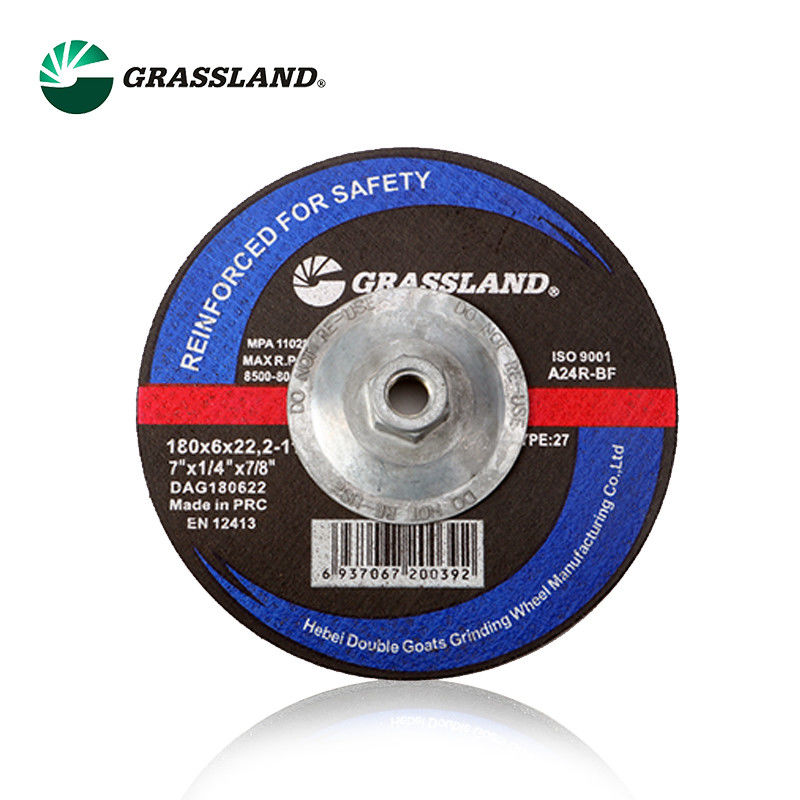
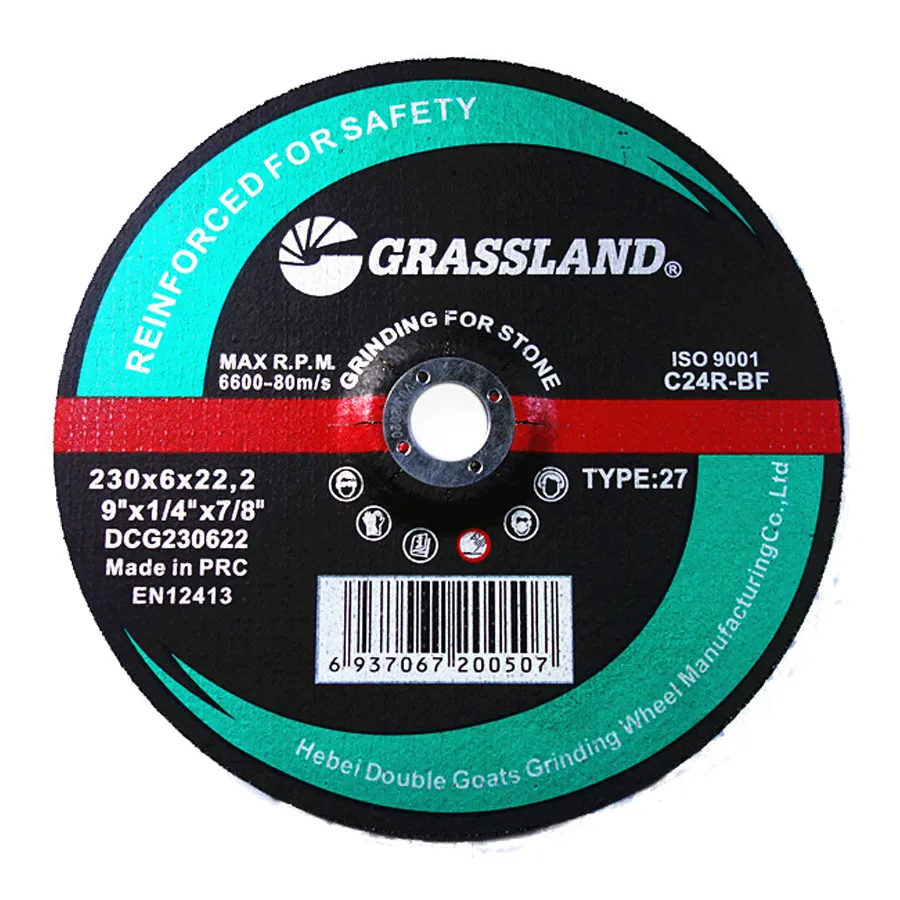
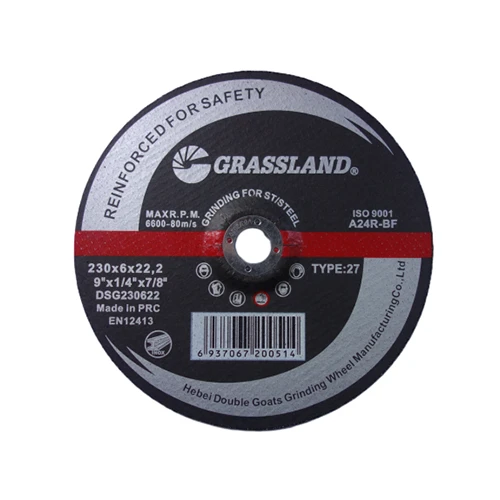
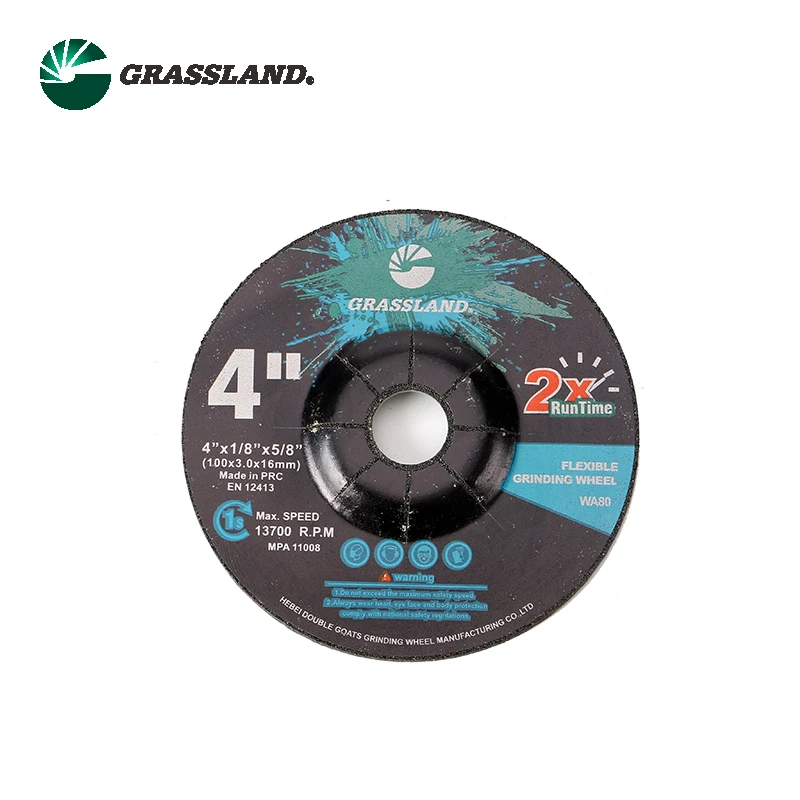
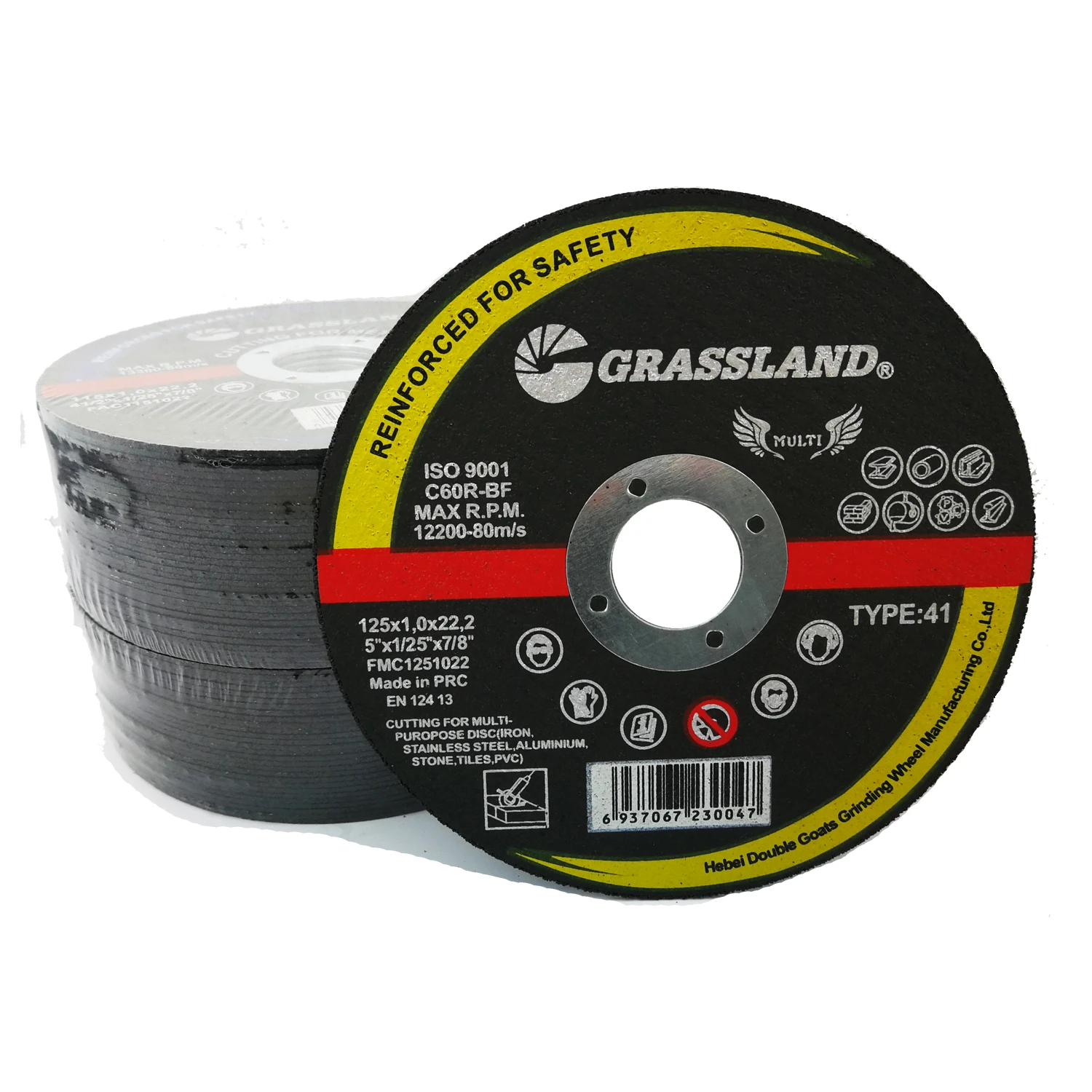
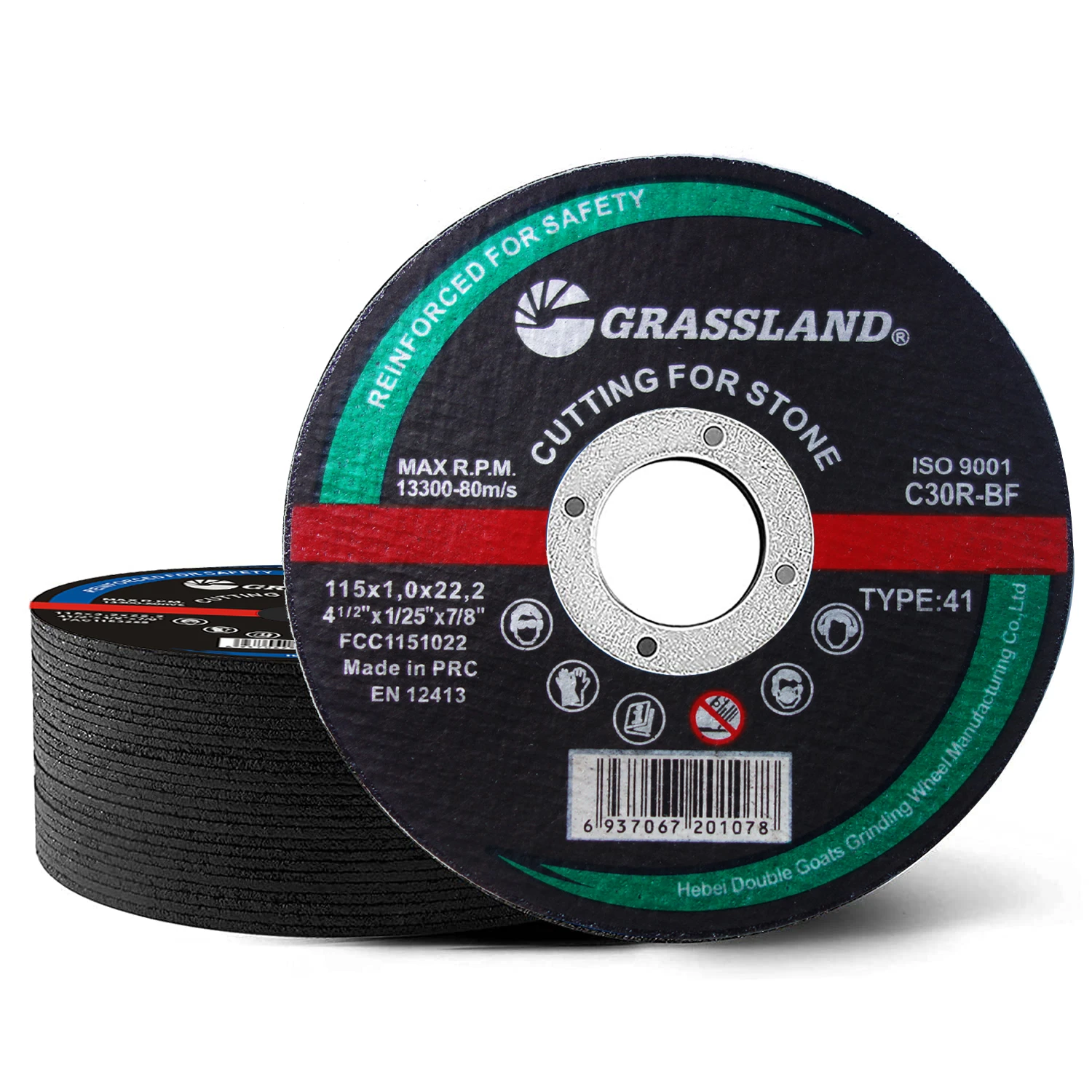
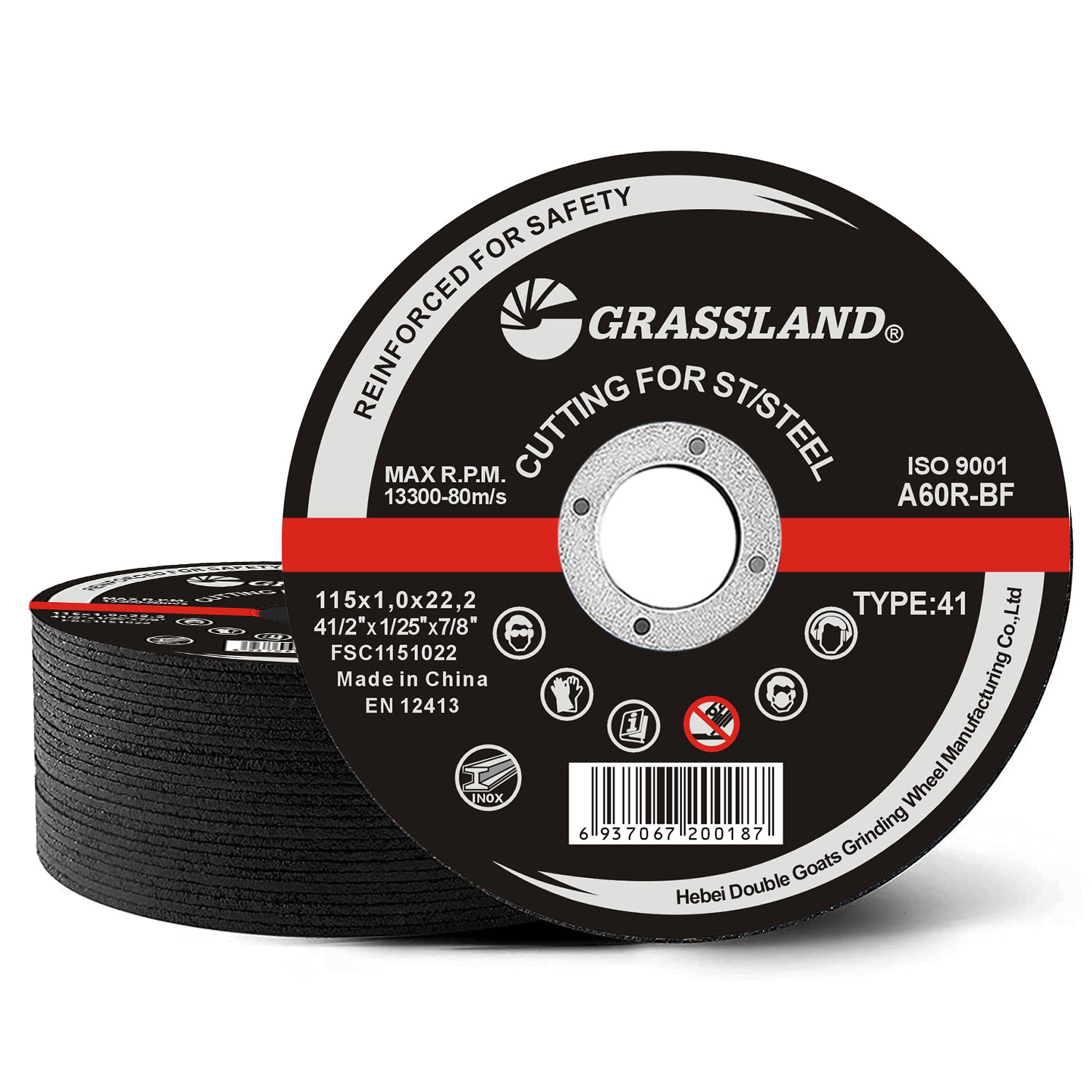
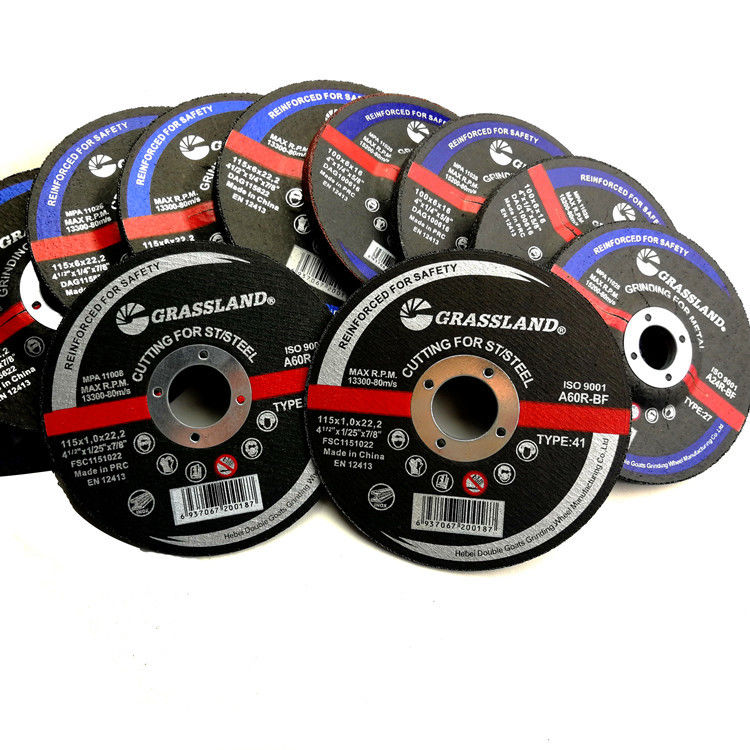
A metal cutting wheel for angle grinder is a circular abrasive disc specifically designed to cut through metal materials. Think of it as the “blade” for angle grinders, those handheld power tools spinning at thousands of revolutions per minute, ready to tackle heavy-duty slicing, trimming, or shaping jobs.
At its core, the wheel consists of abrasive grains — often aluminum oxide or silicon carbide — bonded together to form a rigid yet brittle disc. When the wheel spins, those grains shear metal layers away, making precise cuts or breaking down large pieces. They come in different diameters and thicknesses, tailored to the type of metal and depth of cut needed.
In today’s industrial and humanitarian contexts, these wheels play pivotal roles from automotive repair shops in Germany to field rescue teams in remote areas of Asia. Their portability and efficiency are invaluable where transport and time constraints matter.
Mini takeaway: Simply put, these wheels transform angle grinders into metal slicing machines that keep industries moving and emergency crews prepared.
Key Factors That Define a Quality Metal Cutting Wheel
Durability: It’s a Fast-Spinning Battle
Durability means two things here: the wheel lasts long enough without premature breakage, and it resists heat build-up caused by friction. Wheels that overheat can warp or crack, risking safety or incomplete cuts. Manufacturers use reinforced fiberglass meshes inside the discs to improve tensile strength and reduce warping.
Abrasive Quality: Sharpness That Keeps Slicing
Abrasive grains impact cutting speed and finish. Aluminum oxide is common for mild steel; silicon carbide tends to be better for harder metals. A wheel that loses its sharp finish quickly lays down sloppy cuts and wastes energy.
Thickness & Size: Balance Between Precision and Speed
Thinner wheels (around 1mm to 1.6mm) offer cleaner, more precise cuts but wear faster. Thicker ones handle rougher jobs at the expense of precision. Choosing the right thickness depends on the job — nothing feels worse than forcing thin wheels through heavy metal.
Compatibility & Safety Ratings
Not all wheels fit all grinders or meet all safety standards. Look for ISO 9001 certifications or ANSI approvals, and always check maximum RPM ratings to avoid catastrophic failures. Oddly enough, many accidents happen due to overlooked specs or cheap knockoffs.
Cost Efficiency: Not Just Cheapest Wins
Spending a bit more upfront on a high-quality wheel can save money by reducing replacements and downtime. It’s a classic trade-off between “right tool right time” and penny-pinching gone wrong.
Mini takeaway: A great metal cutting wheel balances durability, sharpness, size, safety, and cost — a harmony that’s more art than science.
How These Metal Cutting Wheels Are Used Across the Globe
The global applications border on endless. Construction industries in North America use them daily to cut rebar and structural steel, while manufacturing plants in East Asia integrate these wheels into automated machining lines. In resource-scarce parts of Africa, handheld angle grinders with metal cutting wheels become lifelines for building infrastructure quickly.
Oddly enough, one interesting use case is disaster relief teams navigating collapsed buildings after earthquakes or floods. Quick and safe metal cutting means they can create escape routes or clear debris with minimal risk.
Additionally, industries like shipbuilding along coastlines rely heavily on cutting wheels to shape steel plates, and automotive garages worldwide swear by them for swift panel replacements.
Mini takeaway: Wherever there's steel needing shaping or slicing—from skyscrapers to shipyards, from bustling cities to emergency zones—metal cutting wheels are the unsung heroes.
The Long-Term Benefits of Using Quality Metal Cutting Wheels
- Cost Savings: Durable wheels reduce replacement frequency and machine wear, lowering overall operating costs.
- Worker Safety: Reliable wheels calibrated to proper RPM limits minimize accidents from wheel failure.
- Environmental Impact: High-efficiency wheels create less dust and waste, tying into broader sustainability goals.
- Time Efficiency: Faster, cleaner cuts speed up project timelines—an often overlooked advantage.
- Social Trust: Using quality tools projects professionalism and care toward clients and workers alike.
In real terms, it’s about smart investment. Engineers often say a good wheel saves more time than it cost to buy—sometimes dramatically so.
What’s Next for Metal Cutting Wheels?
Looking ahead, several innovations are reshaping the industry:
- Eco-friendly Materials: New bonded abrasives reduce toxic fillers, making disposal safer.
- Smart Sensors: Angle grinders with embedded sensors monitor wheel wear and temperature, warning users before failure.
- 3D-Printed Abrasives: Experimental fabrication methods allow custom grain configurations for tailored cutting profiles.
- Automation & Robotics: Integration into robotic arms enables precision cutting without human fatigue or error.
The industry feels quietly dynamic — much more than just spinning discs.
Common Challenges — And How Experts Address Them
We can’t ignore a few pesky realities. Metal cutting wheels wear out, create dust hazards, and sometimes fail unexpectedly. Plus, cheap imitations flood markets, risking worker safety.
Solutions? Industry leaders recommend:
- Regular training on correct wheel fitting and grinder operation.
- Strict quality controls and certification compliance (ANSI, ISO).
- Using dust extraction systems to reduce airborne particles.
- Testing wheels under simulated real-use conditions before bulk purchases.
In effect, it’s about respect for the tool — and knowing a wheel’s just as important as the hand that wields it.
FAQ: Your Practical Questions About Metal Cutting Wheels for Angle Grinders
- Q: How do I choose the right metal cutting wheel for my angle grinder?
- A: Consider the metal type, thickness, and your desired cut style. Thin wheels offer precision, while thicker ones handle heavy-duty cutting. Always match the wheel diameter and max RPM with your grinder’s specs. For detailed guidance, visit our product range.
- Q: Are metal cutting wheels reusable or single-use?
- A: They gradually wear down with use and eventually need replacing once cutting efficiency drops or the wheel becomes unsafe. Reusing worn wheels risks poor cuts and breakage.
- Q: Can I use a general-purpose cutting wheel on different metals?
- A: General-purpose wheels exist but tend to underperform specialized types. Using the right abrasive for the metal maximizes lifespan and safety.
- Q: How should I store cutting wheels to maintain their quality?
- A: Store flat in a dry environment away from extreme temperatures or humidity to prevent warping or degradation of the bonding agent.
- Q: What safety precautions are vital when using metal cutting wheels?
- A: Always wear eye and hand protection, check the wheel is intact before use, secure your material firmly, and never exceed the maximum RPM. Detailed safety standards are available through ISO.
Product Specification Table: Typical Metal Cutting Wheel for Angle Grinder
| Specification | Description |
|---|---|
| Diameter | 115 mm (4.5 inches) |
| Thickness | 1.2 mm |
| Max RPM | 13,300 |
| Abrasive Type | Aluminum Oxide |
| Reinforcement | Fiberglass Mesh |
| Standards Met | ISO 9001, ANSI B7.1 |
Vendor Comparison: Leading Metal Cutting Wheels for Angle Grinder
| Brand | Durability (hrs) | Cut Quality | Price ($/pack of 10) | Certifications |
|---|---|---|---|---|
| EdgePro | 20-25 | Excellent | $45 | ISO 9001, ANSI |
| MetalSlice | 15-18 | Good | $38 | ISO 9001 |
| CutRight | 22-27 | Very Good | $50 | ANSI B7.1 |
Wrapping Up: Why the Right Metal Cutting Wheel Matters to You
Whether you’re a professional fabricator or a dedicated DIY-er, the metal cutting wheel for angle grinder is a fundamental tool in your arsenal. The right wheel means faster jobs, cleaner cuts, safer work environments, and less hassle. Across global construction sites, factories, or even disaster zones, these wheels keep steel bending to human will — almost like magic, if you think about it.
Picking a quality wheel, understanding its specs, and knowing how to use it safely is an investment that pays off in every way. After all, in a field where speed and precision mean profits, deadlines, and safety, cutting corners on your cutting wheel isn’t really cutting corners — it’s just cutting your chances.
If you want to explore quality options or get tailored advice, visit our website for a detailed look at top-tier metal cutting wheel for angle grinder products.
References:
1. Wikipedia - Angle Grinder
2. ISO 9001 Quality Management Standards
3. OSHA Metal Cutting Safety Guidelines
Post time:Nov - 30 - 2025