What’s the Big Deal with Metal Cut Off Discs?
If you’ve ever peeked behind the scenes of construction sites, metal workshops, or even automotive repair bays, you’ve probably come across metal cut off discs — those thin, round abrasive wheels that slice through metal like a hot knife through butter. They’re deceptively simple tools, yet their importance in modern industry cannot be overstated.
Why does it matter on a global scale, you ask? Because metal cutting is fundamental to infrastructure, manufacturing, and repair — core activities that keep economies humming and communities developing. Whether it’s building bridges in Asia or fabricating essential parts in Europe, the metal cut off disc quietly drives progress by enabling precision, speed, and safety.
So, understanding their design and applications sheds light on an often overlooked but crucial industrial element. Plus, if you work with or buy these discs, knowing their ins and outs helps you avoid needless downtime and wasted money.
Metal Cut Off Discs in a Global Context
The demand for metal fabrication worldwide is staggering—according to the ISO standards and industry reports, the global metal cutting tools market is expected to grow steadily over the next decade. This is driven by rapid urbanization, infrastructure development, and an increasing focus on manufacturing efficiency.
However, a tricky problem often arises: how do you reliably and safely cut metal across vastly different environments—from harsh mining sites in South America to precision workshops in Germany? Enter the metal cut off disc, a standardized solution that can adapt to diverse cutting needs.
Still, the quality and choice of disc affect not just efficiency, but also worker safety and environmental impact, especially when you consider material waste and dust generated.
Defining the Metal Cut Off Disc
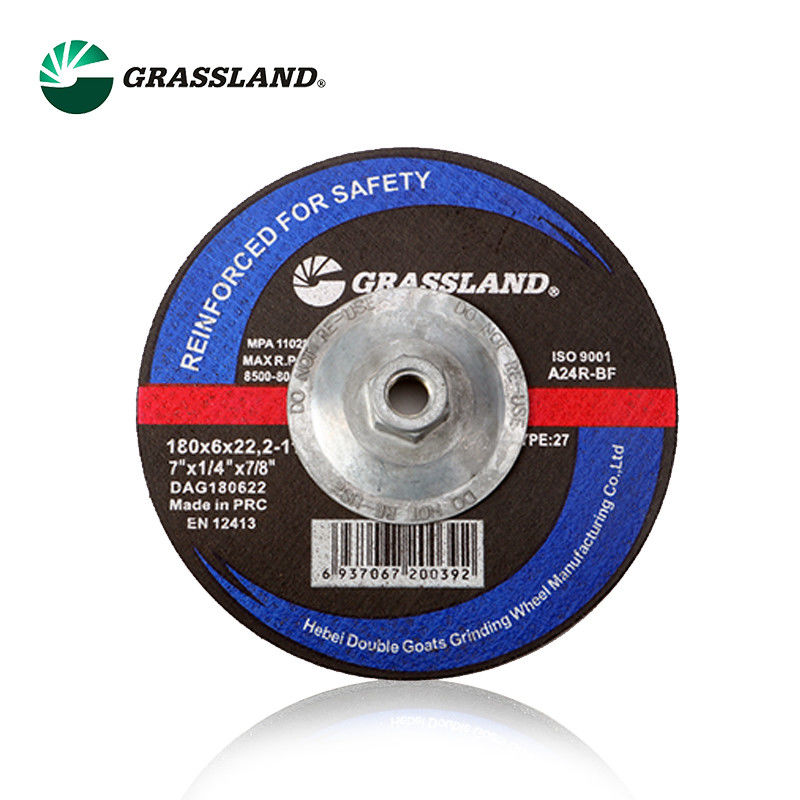
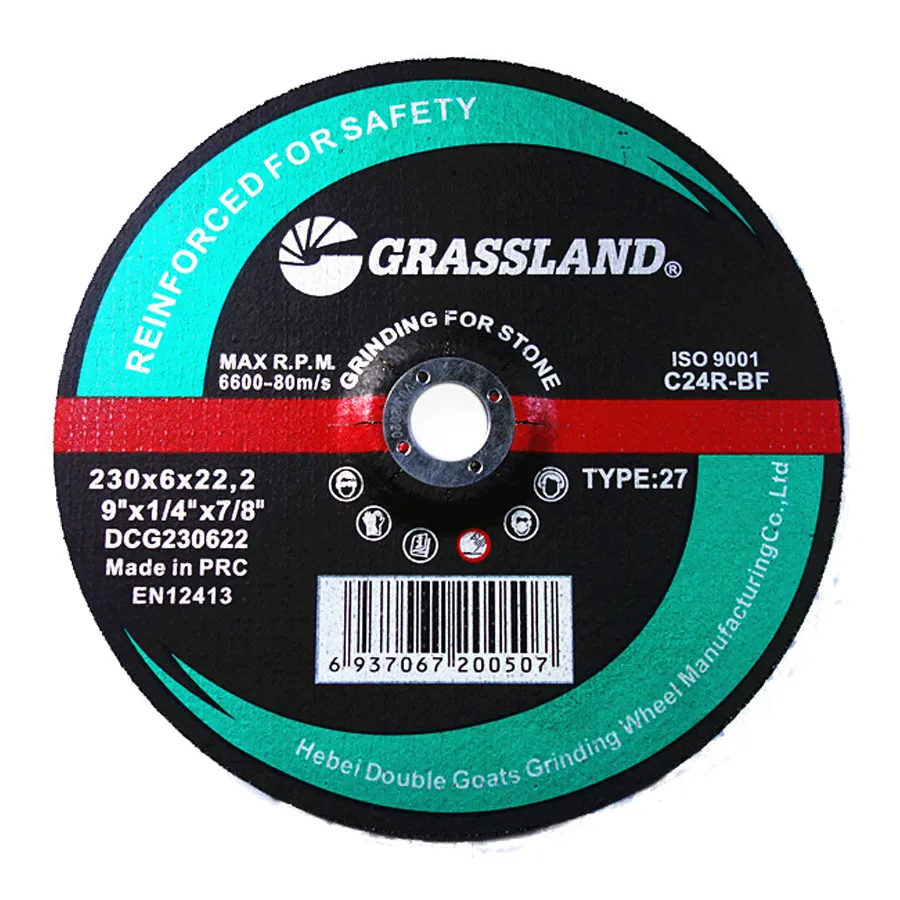
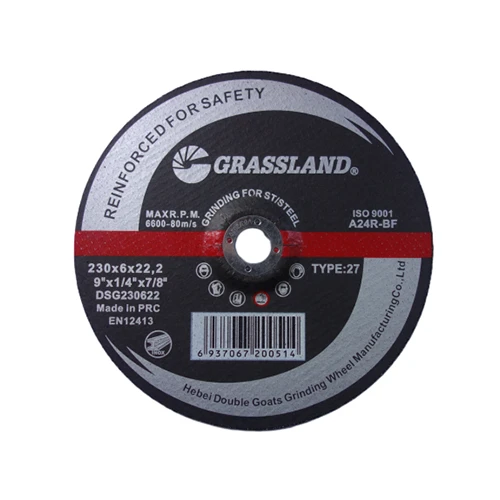
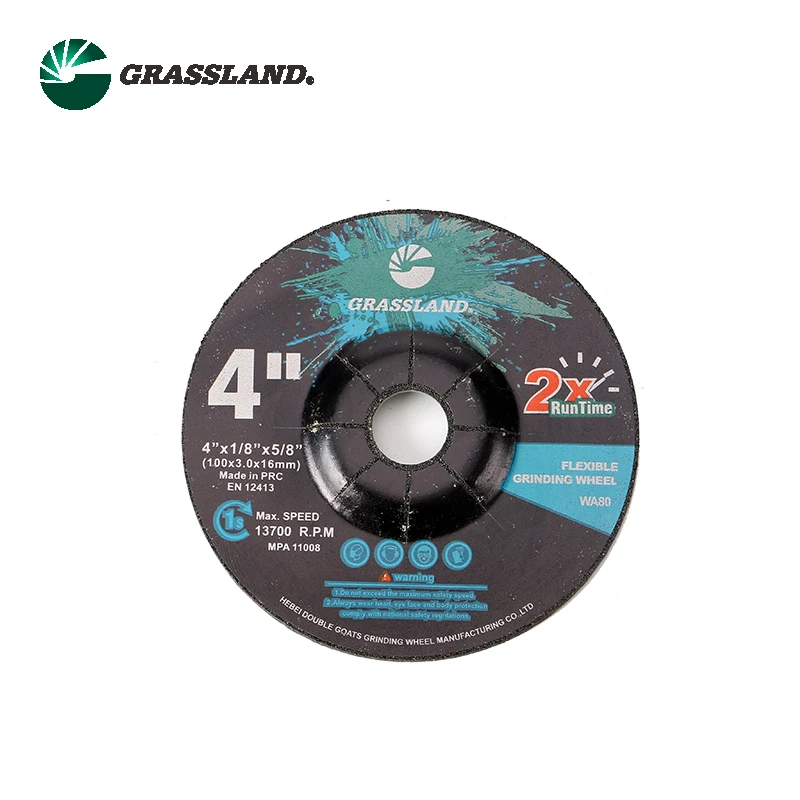
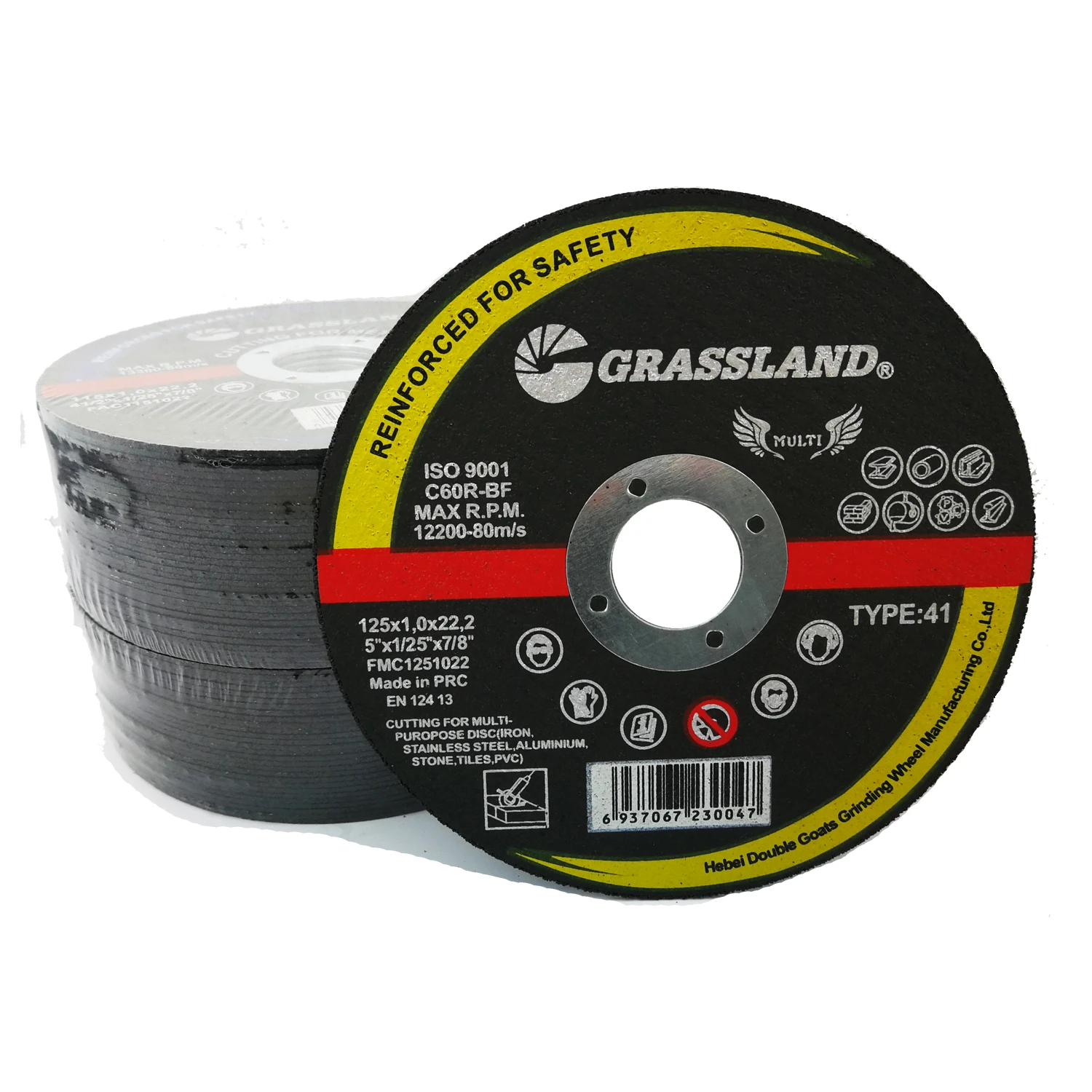
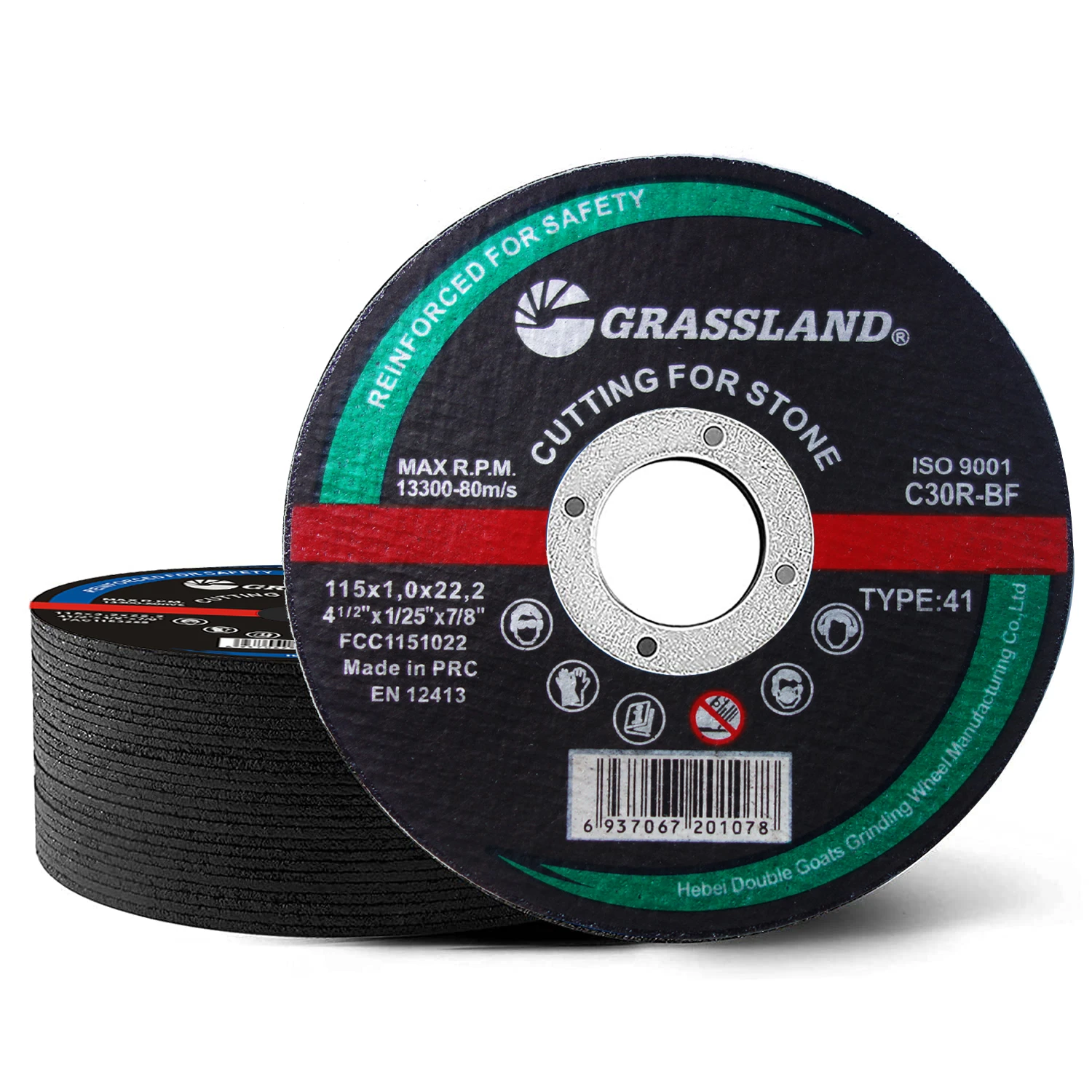
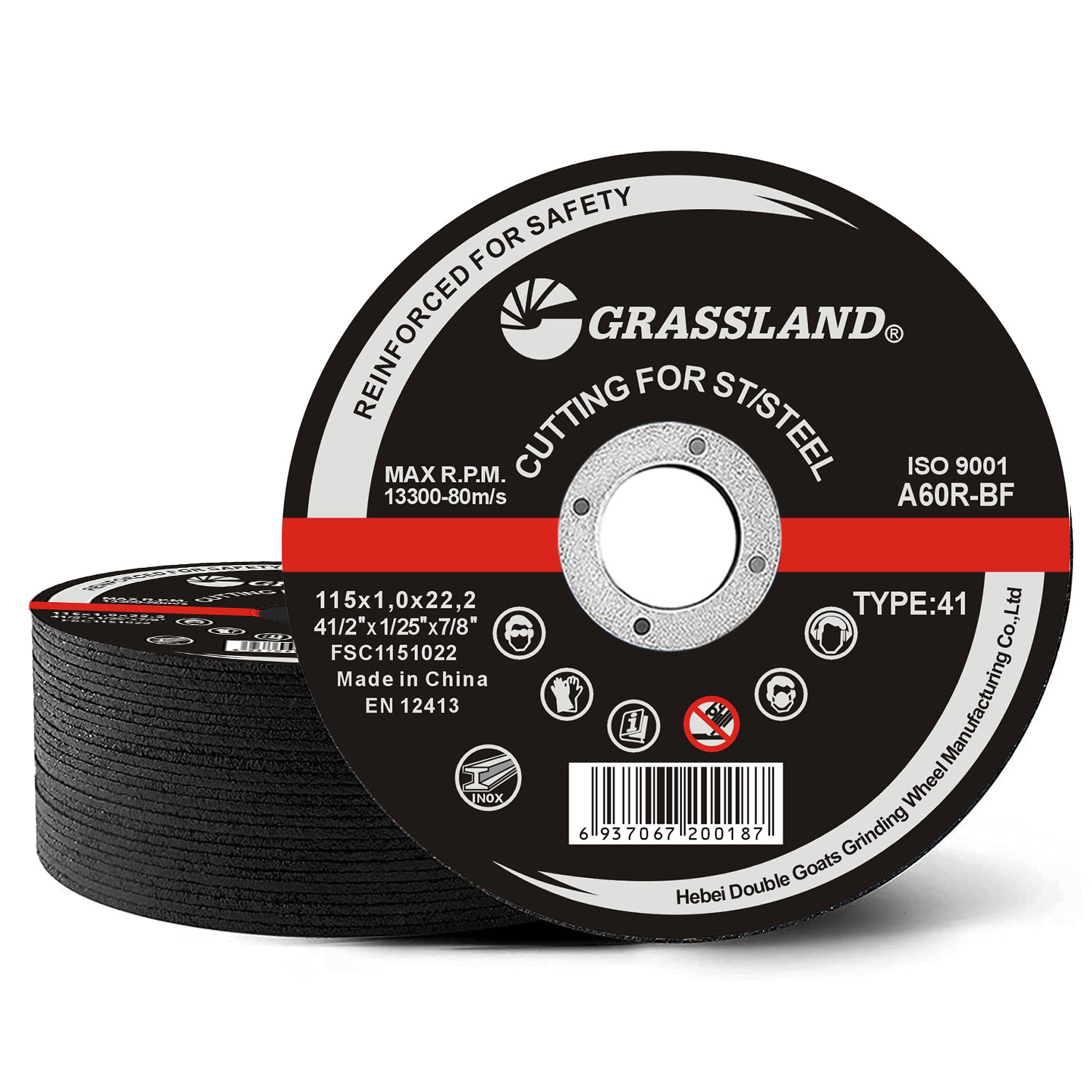
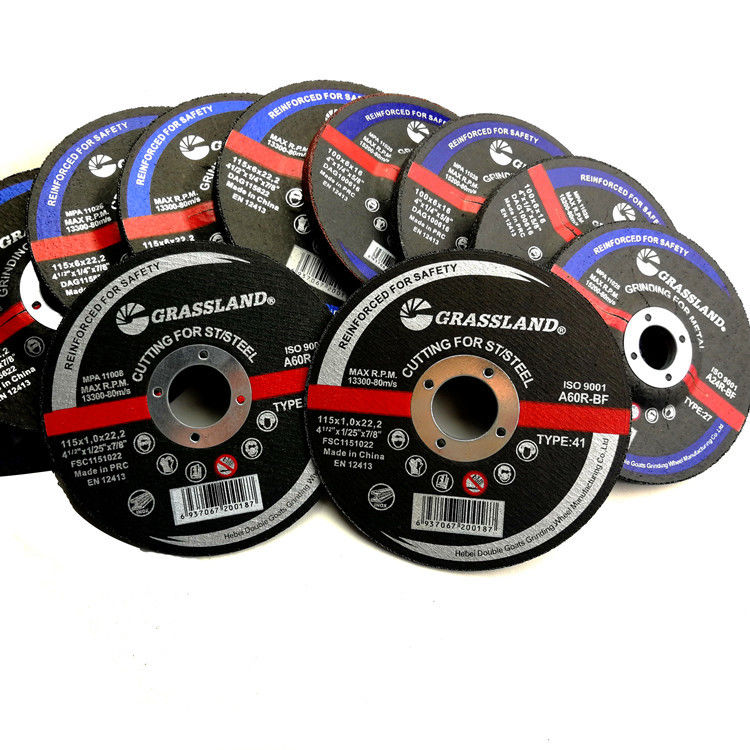
Put simply, a metal cut off disc is a circular, abrasive blade specifically designed to slice through various metals. Typically mounted on angle grinders, these discs operate at high speeds, using friction to shear through materials like steel, aluminum, and wrought iron.
They’re built from composites of abrasive grains (like aluminum oxide or silicon carbide) bonded with resins, making them sturdy yet disposable consumables. In modern industry, these discs are essential for rapid fabrication, repairs, and even emergency response situations where fast metal cutting is crucial.
Key Factors to Consider in Metal Cut Off Discs
1. Durability and Wear Resistance
Nobody likes changing discs every five minutes. A good metal cut off disc balances aggressiveness with longevity. High-quality abrasive grains, proper bonding agents, and optimized thickness extend usage without sacrificing cutting speed.
2. Safety Ratings and Standards
Many engineers stress checking ISO and ANSI safety markings. Discs rated for certain RPMs and with reinforced fibers ensure they don’t shatter mid-cut — an obvious hazard. Proper certification isn’t just a checkbox; it’s a literal lifesaver.
3. Material Compatibility
Steel, stainless steel, aluminum, cast iron — the recipe differs. Some discs are specialized for ferrous metals; others are better on non-ferrous. Using the right disc helps avoid overheating or dulling prematurely.
4. Thickness and Cutting Precision
Thinner discs offer cleaner, more precise cuts but tend to wear faster and risk warping. Thicker discs are sturdier but slower and less suited for delicate work. This trade-off depends heavily on your project needs.
5. Cost Efficiency
Balance quality against price. Sometimes cheaper discs yield more waste and downtime. On the other hand, premium discs might not make sense for very occasional use. Knowing your usage profile helps.
Mini takeaway:
Choosing a metal cut off disc isn't just grabbing the cheapest pack on the shelf—it's about matching your needs with safety, workspace conditions, and material types. A little knowledge here pays off in the long run.
Global Applications and Use Case Snapshots
These discs find use worldwide, crossing industries and continents. In Asia's booming construction markets, metal cut off discs speed up structural framework cutting. In Europe, precision fabrication industries rely on them for automotive and aerospace parts. Meanwhile, humanitarian organizations have used portable angle grinders with these discs in disaster-struck areas, swiftly removing debris and aiding rescue missions.
Oddly enough, even small remote mineral exploration camps in Africa depend on cut off discs to fabric repair metal tools onsite, circumventing supply chain delays.
Common Metal Cut Off Disc Specifications
| Specification | Typical Range | Notes |
|---|---|---|
| Diameter | 100mm – 230mm (4" – 9") | Common sizes for handheld grinders |
| Thickness | 1.0mm – 3.0mm | Thinner for precision, thicker for rough cuts |
| Material Composition | Aluminum Oxide, Silicon Carbide | Depends on metal type to cut |
| Max RPM | 6,000 - 13,000 RPM | Must align with grinder specs |
| Bonding Agent | Resin bond with fiberglass reinforcement | Safety and durability factor |
A Quick Look at Popular Vendors
| Vendor | Price per disc | Material Variety | Durability (hours average) | Certifications |
|---|---|---|---|---|
| CutPro Tools | $2.50 | Steel, Stainless Steel, Aluminum | 3.5 hrs | ISO 9001, ANSI |
| EdgeMaster | $3.10 | Ferrous metals only | 4.1 hrs | EN 12413 |
| QuickSlice | $1.90 | All metal types | 2.8 hrs | ANSI, OSHA |
Advantages You Can Count On
When you invest in good metal cut off discs, expect enhanced cutting speed and accuracy, which translates to lower labor costs and fewer mistakes. Thanks to innovations in bonding technology, many modern discs generate less heat, preserving metal quality and reducing warping.
Socially, better tools mean safer work conditions—less disc breakage, less harmful shards flying around. For companies concerned with sustainability, longer-lasting discs reduce waste and resource consumption. It's a subtle but meaningful contribution to greener manufacturing.
Future Trends & Innovations Shaping the Market
Oddly enough, while these discs seem conventional, there’s an ongoing surge in research aiming to develop eco-friendlier abrasive materials and binders. Think less toxic waste and safer disposal. Plus, digital manufacturing now allows custom-designed discs calibrated for specific machines and metals, improving efficiency. Automation integration means that robotic cutters use specially formulated discs that adapt wear rates in real-time for consistent quality.
Common Challenges and How to Solve Them
Challenges include disc wear variability, accidental breakage, and compatibility confusion. Many operators still underestimate the importance of matching disc specs exactly to their tools, which leads to inefficiency or hazard.
Expert advice: always keep storage dry and controlled, replace discs before signs of damage appear, and train users on selecting the right disc for the job. Some companies now provide QR codes on packaging linking to safety and use tutorials—that kind of transparency and education really helps.
FAQ: Metal Cut Off Discs
- Q: How do I choose the right metal cut off disc for my grinder?
- A: Look at your grinder’s RPM rating and match the disc’s maximum RPM accordingly. Consider the metal type you’re cutting and pick the disc’s abrasive material that suits it—aluminum oxide for steel, silicon carbide for more brittle metals. Thickness matters too: thinner discs for precision, thicker for durability.
- Q: How long does a typical cut off disc last?
- A: It depends on usage intensity and material hardness but generally ranges between 2 to 4 hours of cutting time under standard conditions. High-quality discs last longer but cost more upfront.
- Q: Are these discs reusable or disposable?
- A: They’re consumables — designed to wear down as they cut. Reusing worn discs is unsafe and ineffective. Always replace discs showing cracks, uneven wear, or excessive thinning.
- Q: Can metal cut off discs be used outdoors in wet environments?
- A: It’s not recommended. Moisture can weaken the resin bond and cause premature failure or unsafe shattering. Keep discs dry and store in cool, dry places.
- Q: What safety gear should I use when operating cut off discs?
- A: Standard personal protective equipment includes safety goggles or face shields, gloves, ear protection, and dust masks or respirators to guard against flying debris and dust inhalation.
Wrapping It Up: Why Metal Cut Off Discs Still Matter
The humble metal cut off disc isn’t flashy, but it’s a workhorse that delivers precision, speed, and safety across countless industrial sectors globally. Investing in the right disc and a little knowledge can save you headaches, money, and sometimes even prevent accidents. The tools may evolve, but the core need to cut cleanly and efficiently remains timeless.
If you’re ready to upgrade your metal cutting game, visit our website to explore a curated selection of high-performance metal cut off discs ideal for your specific needs. Because sometimes, the right tool really does make all the difference.
References & Further Reading
Post time:Nov - 30 - 2025