Understanding RPM de Discos de Corte: Why It Matters More Than You Think
When you think about cutting a piece of metal, stone, or concrete, you'd imagine it's straightforward. But dive deeper, and you'll find speed plays a pivotal role — specifically the rpm de discos de corte, or revolutions per minute of cutting discs. This term is more than just a technical specification; it governs operational safety, efficiency, and ultimately the quality of industrial work worldwide.
Globally, industries ranging from construction to manufacturing depend on these cutting discs for everything from precision tasks to heavy-duty demolition. Knowing their rpm capabilities ensures machines work reliably without hazardous failures, reducing workplace accidents and wasted resources. In a world where productivity intersects with safety regulations and environmental concerns, understanding the nuances of rpm de discos de corte is invaluable — for companies, workers, and customers alike.
Global Context: Why RPM of Cutting Discs is a Worldwide Concern
The cutting tools market is estimated to reach $17 billion by 2028, propelled by rapid industrialization and infrastructure development (source: ISO). Yet, despite a surge in applications, improper use or misunderstanding of rpm limits frequently causes equipment failure and injuries. According to the International Labour Organization (ILO), nearly 140 million work accidents occur annually, many avoidable with proper tool specs knowledge.
Different regions have varied industrial standards, but the rpm speed cap for cutting discs remains a consistent safety parameter. High-speed cutting can generate dangerous friction and disc breakage if rpm ratings are exceeded. So, whether it's in Germany's precision engineering plants or remote mining sites in South Africa, rpm is an international constant demanding respect.
What Exactly is RPM de Discos de Corte?
Very simply put, rpm de discos de corte refers to how many times a cutting disc spins per minute. But like a sports car engine's redline, it's a critical parameter manufacturers specify to prevent mechanical stress and catastrophic failure.
These cutting discs are made of abrasive materials — think aluminum oxide or silicon carbide — bonded to a core. The rotational speed affects heat dissipation, wear rate, and cutting precision. If you think of chopping wood with a dull blade, cutting discs also ‘get tired’ or dangerous if overused beyond their rpm. In modern industry, this safety-margin ensures machines run smoothly, and the finished cuts are precise — vital for everything from medical device parts to skyscraper beams.
Key Components That Define RPM Performance
1. Material Durability
The rpm rating partly hinges on the disc’s composition. More durable materials allow higher speeds without deforming or generating dangerous shard releases. For example, resin-bonded discs usually sustain lower rpm than vitrified ones. This relationship defines practical applications.
2. Disc Diameter & Thickness
Oddly enough, bigger discs generally have lower maximum rpm because centrifugal forces increase exponentially. Imagine a 300 mm disc spinning at 10,000 rpm — it’s a recipe for disaster. Correctly pairing rpm specs with size prevents accidents.
3. Machine Power Output
The grinder or cutter’s motor affects achievable rpm. Overpowered machines used with low-rpm discs risk overspeeding. Matching tools and discs carefully protects operators.
4. Safety Standards & Markings
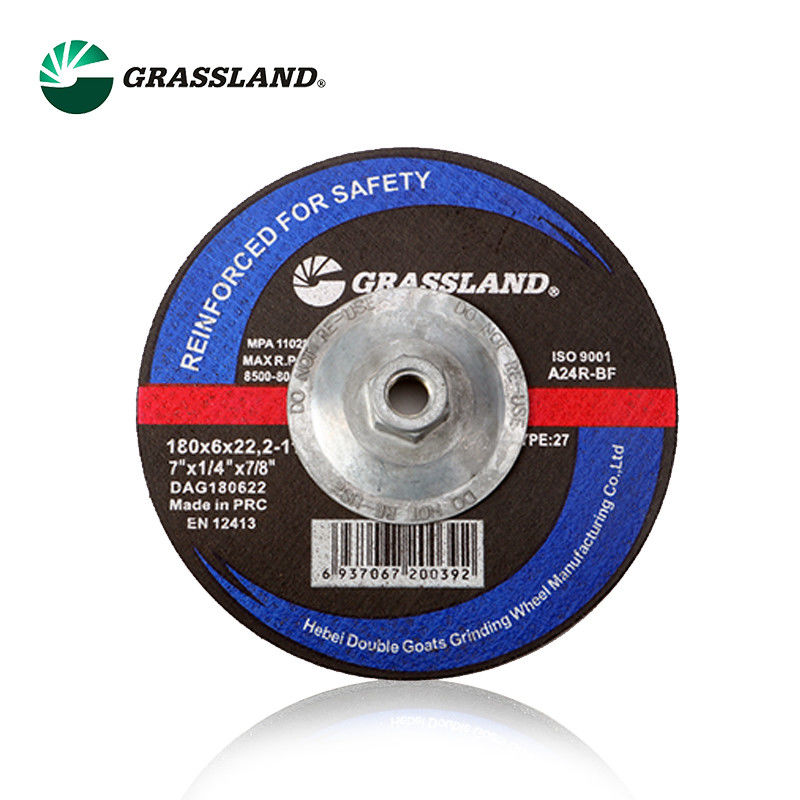
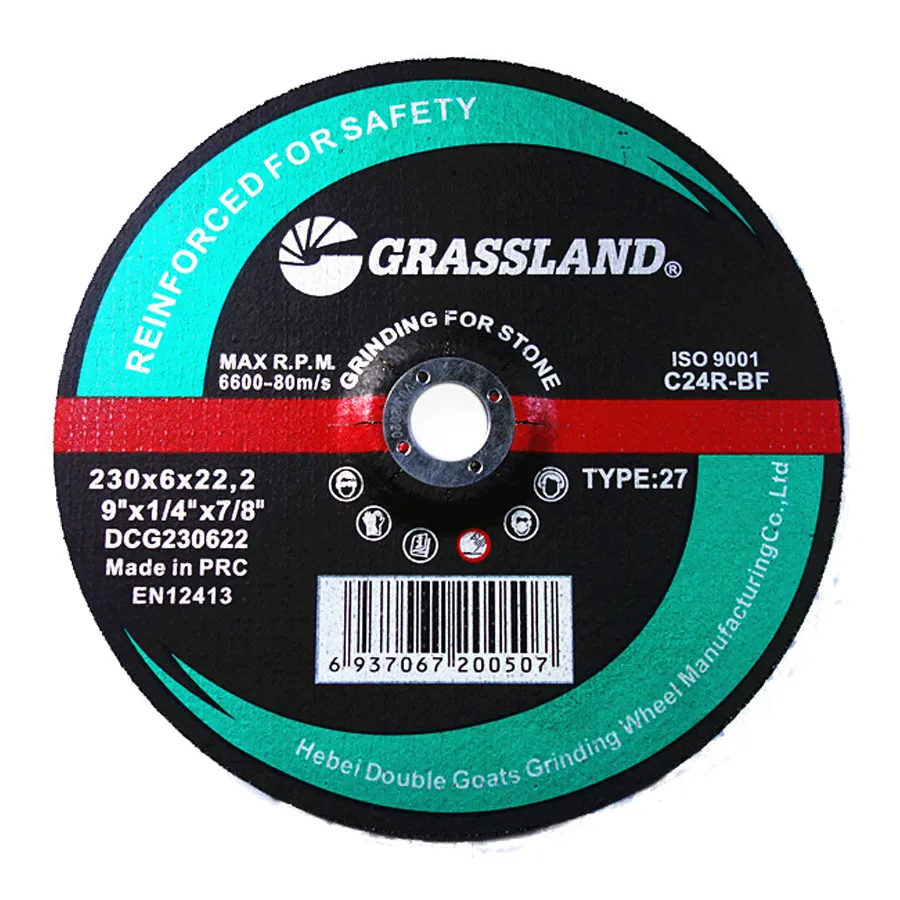
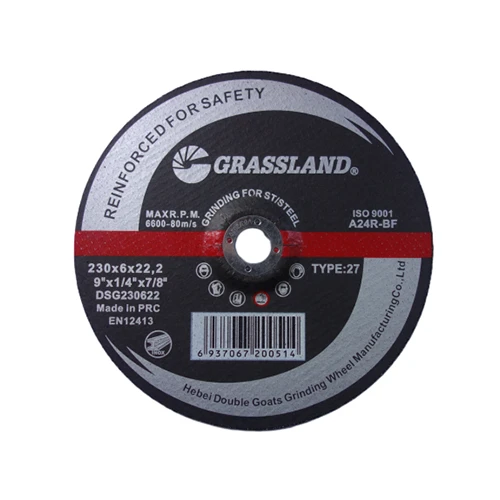
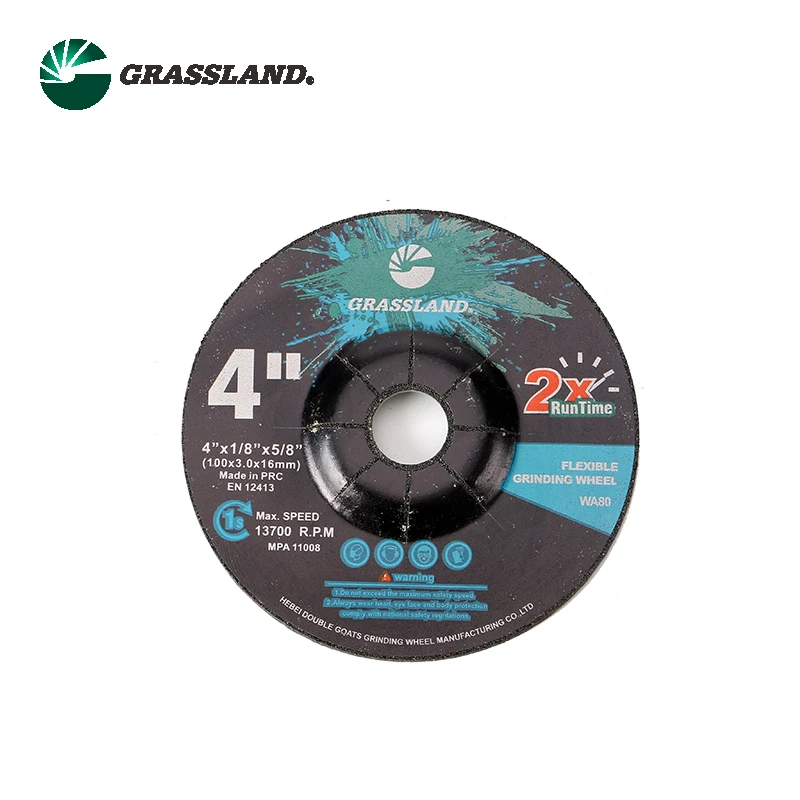
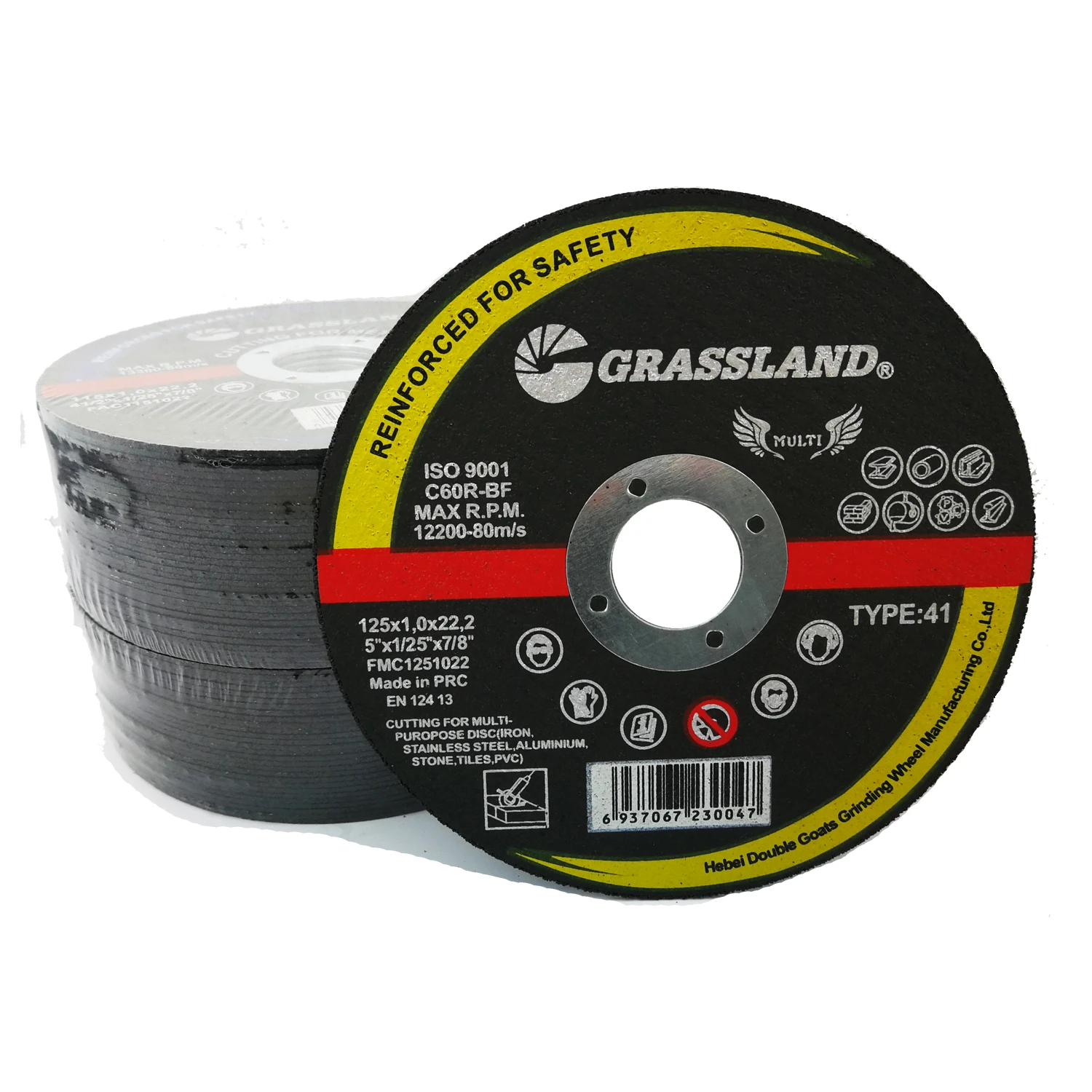
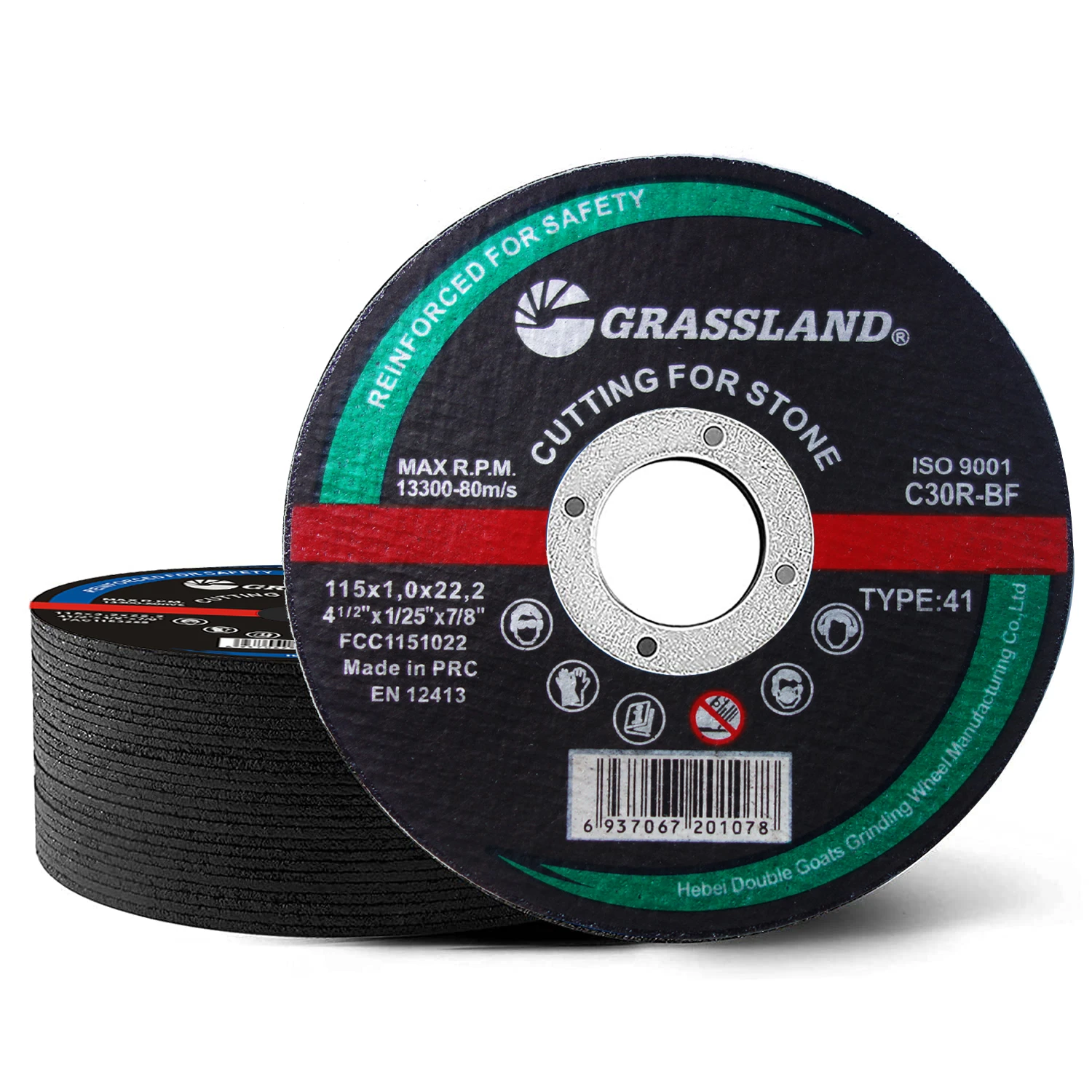
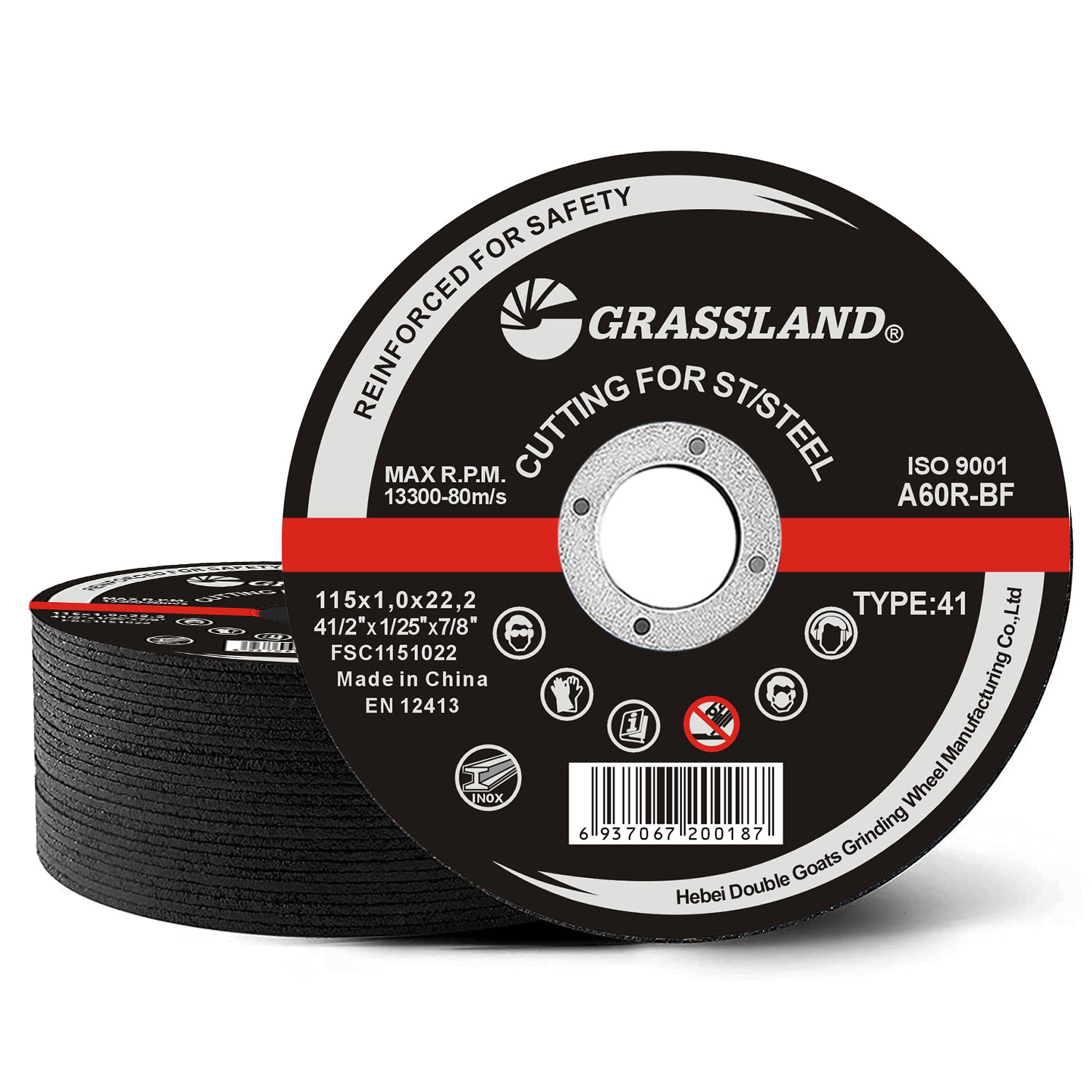
Most discs carry ISO or ANSI markings indicating max rpm, manufacturing batch, and safest use instructions. Never ignore these — they are your lifeline in an otherwise risky environment.
Mini takeaway:
Understanding these components helps operators select the right disc for the job — blending safety and productivity smartly.
How RPM de Discos de Corte Shapes Real World Applications
You might wonder, “Who really cares about rpm on cutting discs?” In truth, the stakes range from everyday construction sites to high-risk sectors like aerospace or disaster response.
- Construction & Infrastructure: Cutting discs with precise rpm ratings avoid costly tool replacements and downtime in projects.
- Manufacturing & Automotive: Manufacturers depend on discs spinning at exact rpms for flawless finishing, ensuring product quality.
- Disaster Relief: Emergency teams use reliable discs for quick debris removal; incorrect rpm can delay rescue.
- Mining & Energy: Remote locations need tools that withstand extreme rpm conditions for cutting metal and rock.
For instance, in Japan’s frequent earthquake aftermath, the speed and safety of cutting discs used in rubble clearing correlate directly with rescue success. That's quite a heavy burden for what seems like a simple measurement.
Product Specification Table: Typical RPM de Discos de Corte
| Disc Diameter (mm) | Thickness (mm) | Material | Max RPM | Application |
|---|---|---|---|---|
| 115 | 2.5 | Resin-bonded Aluminum Oxide | 13,300 | Metal Cutting |
| 180 | 3.0 | Vitrified Silicon Carbide | 8,500 | Stone & Concrete |
| 230 | 4.0 | Resin-bonded Aluminum Oxide | 6,600 | General Cutting |
Comparing Vendors: What to Look For When Buying Cutting Discs
| Vendor | Range of RPM-rated Discs | Certifications | Price Range (USD) | Customer Support |
|---|---|---|---|---|
| CutoffDiscs Pro | 115-300 mm, up to 13,300 rpm | ISO 9001, ANSI B7.1 | $15 - $50 | 24/7 technical support |
| Abrastone Tools | 100-250 mm, up to 10,000 rpm | ISO 14001 | $10 - $40 | Business hours only |
| Speedcut Solutions | 80-230 mm, up to 12,000 rpm | ANSI B7.1 | $13 - $45 | Email only |
Why Investing in Proper RPM-Rated Cutting Discs Pays Off in the Long Run
It might seem tempting to cut costs on cutting discs by grabbing cheaper, lower-quality ones. But many engineers say that the rpm de discos de corte mismatch leads to faster blade degradation, equipment damage, and worst, user injuries.
Over the years, I've noticed that companies prioritizing disc rating compliance experience less downtime — meaning safer workplaces and better project deadlines. On a social level, it means respecting workers' dignity by reducing accidents and providing trusted tools. Also, from a green perspective, high-quality, well-rated discs reduce waste and are often recyclable, aligning with sustainable practices.
Looking Ahead: Future Innovations in Cutting Disc Technology
The landscape is evolving quickly. Advanced composites and nanotechnology are pushing rpm limits higher while improving safety. Some manufacturers experiment with smart discs embedded with sensors that detect overheating or imbalance, sending real-time data to operators.
Automation integration means cutting discs will soon adjust rpm dynamically based on material feedback, maximizing life and precision. Environmental regulations are encouraging biodegradable binders or eco-friendly abrasive materials. Frankly, it feels like the future is spinning faster (pun intended) — yet safer.
Addressing Common Challenges with RPM-Regulated Discs
The most common challenge? Users exceeding rpm limits due to mismatched machine power or neglecting safety markings. This leads to disc shattering, hazardous flying debris, and costly repairs.
To solve this, many companies now offer training and improved marking visibility — glowing stickers or QR codes linking to usage videos. Some vendors provide RPM testers to verify machine disc speeds. It’s a combination of better product design and user education that's gradually making a difference.
FAQ – Common Questions About RPM de Discos de Corte
Q1: How do I know if my cutting disc’s rpm matches my grinder?
Always check the disc’s label for max rpm rating and compare it with your grinder’s no-load speed specification (typically on the tool). Never exceed the lower value. Many grinders have adjustable speed settings — use the right one.
Q2: What happens if I use a disc above its rated rpm?
Excessive rpm can cause the disc to shatter or deform, risking dangerous flying shards and equipment damage. It's a major safety hazard and should be strictly avoided.
Q3: Can I use the same rpm disc for cutting metal and stone?
Usually no. Metal-cutting discs and stone-cutting discs have different material compositions and rpm ratings tailored to their applications. Using the wrong disc reduces quality and risks failure.
Q4: Are there international standards for rpm on cutting discs?
Yes. ISO 603-1 and ANSI B7.1 standards regulate safety requirements, including rpm markings and testing procedures to ensure product reliability across regions.
Q5: Where can I find reliable rpm de discos de corte suppliers?
Trusted suppliers like CutoffDiscs Pro offer a broad range with certifications. Look for ISO and ANSI compliance and active customer support to ensure proper guidance.
Wrapping It Up: Why RPM Still Rules Cutting Disc Success
In the end, rpm de discos de corte isn't just a number — it's the core axis of safety, performance, and trust in cutting technology. From raw materials through the final radius on a skyscraper, respecting rpm limits keeps workers safe and jobs on track. If your projects demand precision and reliability, don’t overlook the simple act of checking that rpm rating.
Curious to explore top-rated discs and detailed specs? Visit our website at https://www.cutoffdiscs.com and spin into safer, smarter cutting.
References
Post time:Nov - 28 - 2025