The Essential Role of Steel Cutting Wheels in Modern Industry
If you're reading this, you've probably encountered the term steel cutting wheel before, whether directly or indirectly. This seemingly small tool quietly powers some of the largest manufacturing, construction, and maintenance projects worldwide. Understanding its purpose and benefits isn’t just for the industry insiders – it matters globally because steel cutting wheels enable efficiency, precision, and safety in countless applications. From skyscraper construction in New York to pipeline repairs in remote areas, these discs shape how we build, innovate, and support infrastructure around the globe.
Global Context: Why Steel Cutting Wheels Matter Today
According to the World Steel Association, global crude steel production reached over 1.8 billion metric tons in 2023 alone. And where steel flows, cutting tools follow. The steel cutting wheel is the silent workhorse that keeps this vast metal moving and molded. The UN’s Sustainable Development Goals emphasize resilient infrastructure, and that’s impossible without reliable equipment. Yet, a common challenge remains: how to cut steel quickly and safely without compromising on quality or worker well-being. Steel cutting wheels tackle these issues head-on, improving productivity while reducing hazards in often hazardous environments.
Mini takeaway: Globally, steel cutting wheels are foundational to productivity and safety in steel-dependent industries.
What Exactly Is a Steel Cutting Wheel?
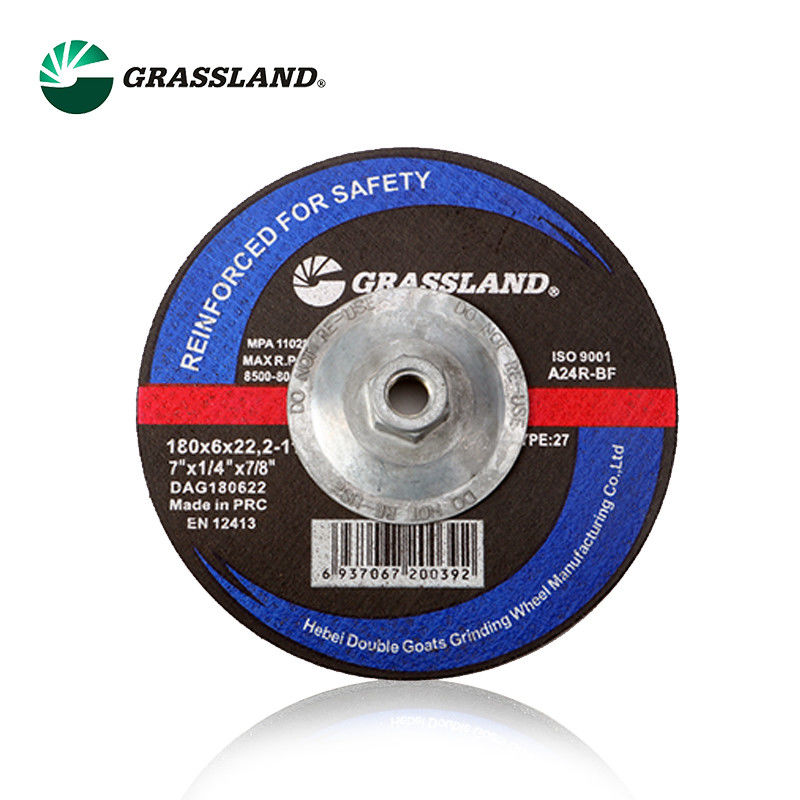
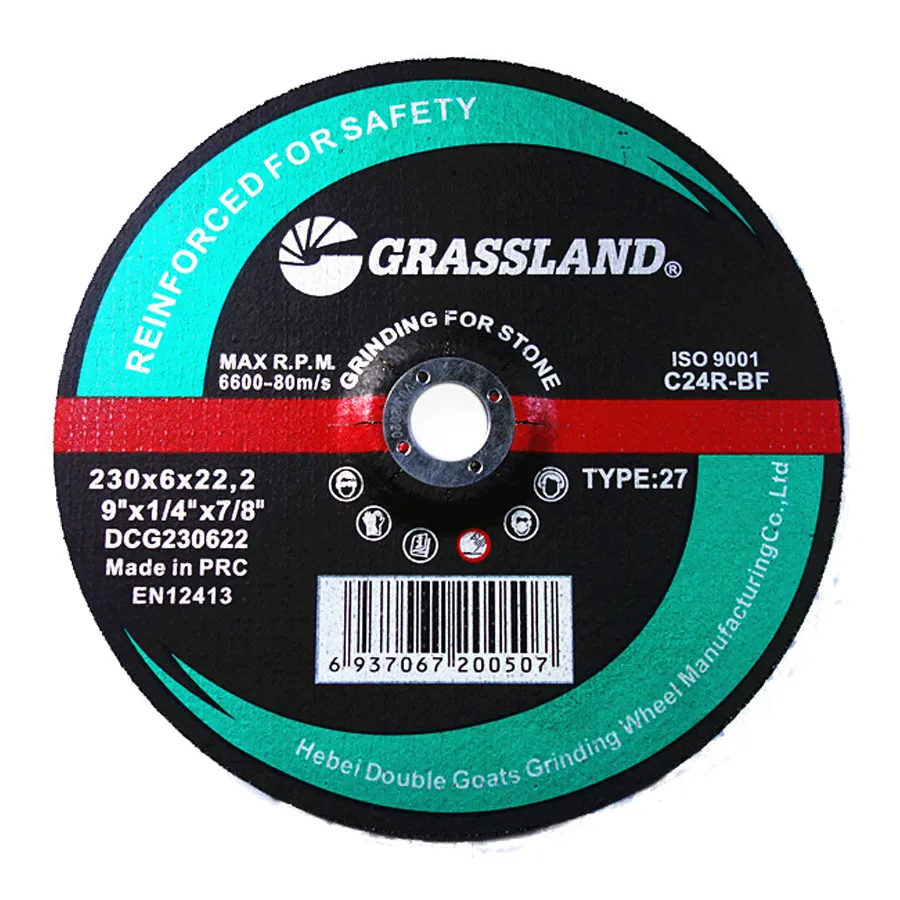
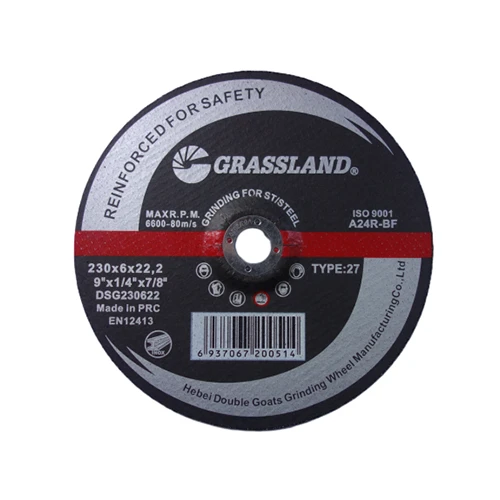
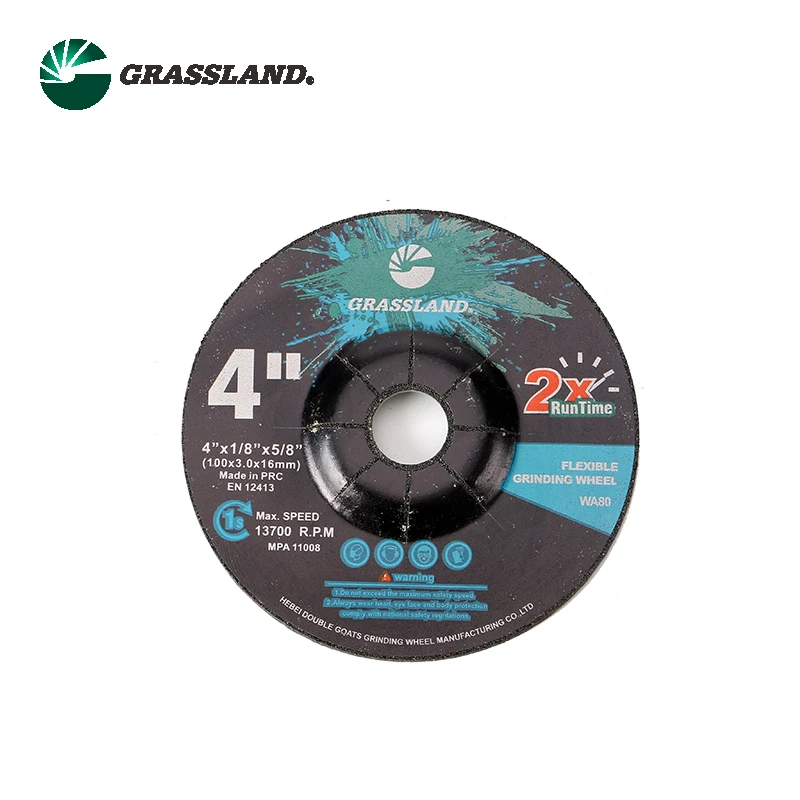
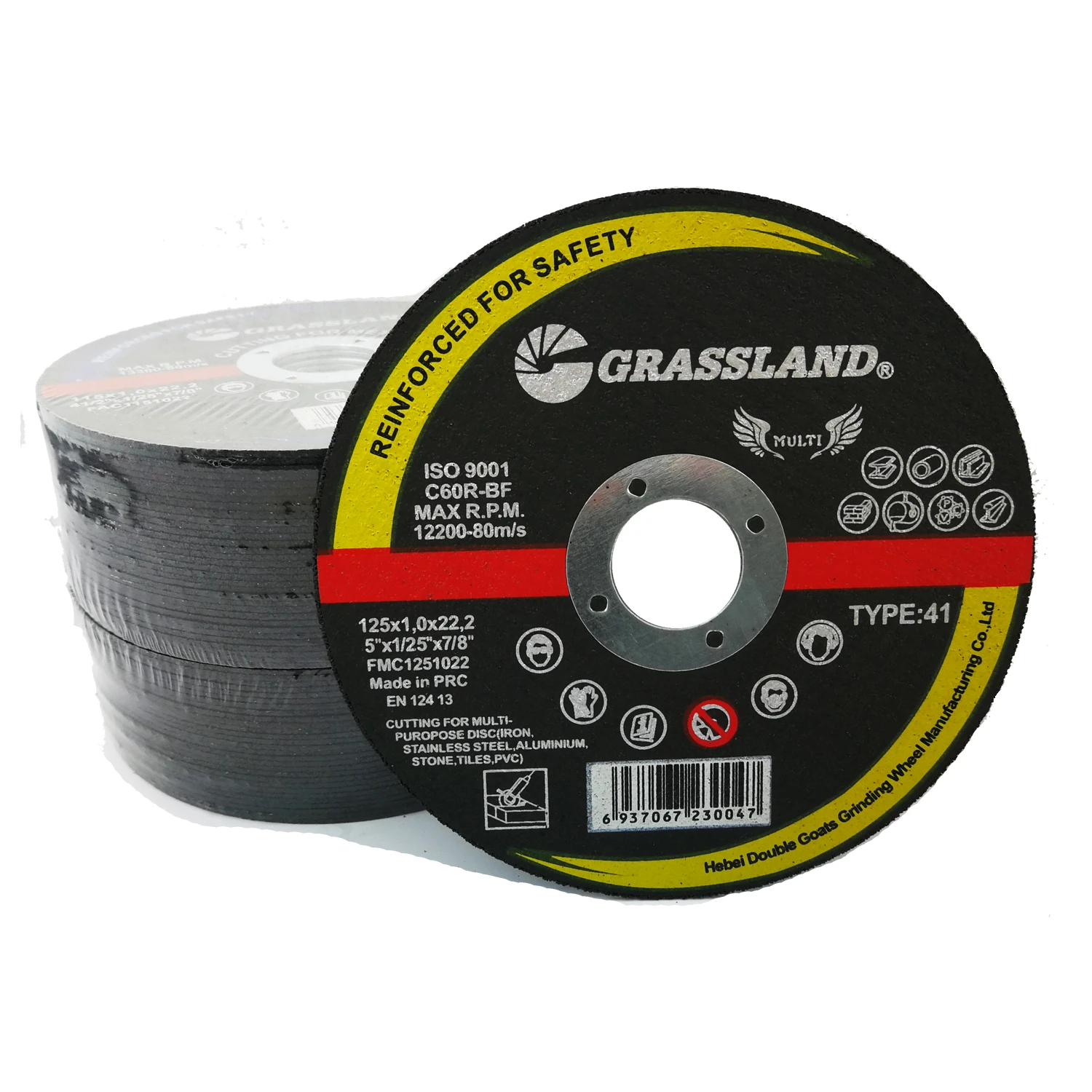
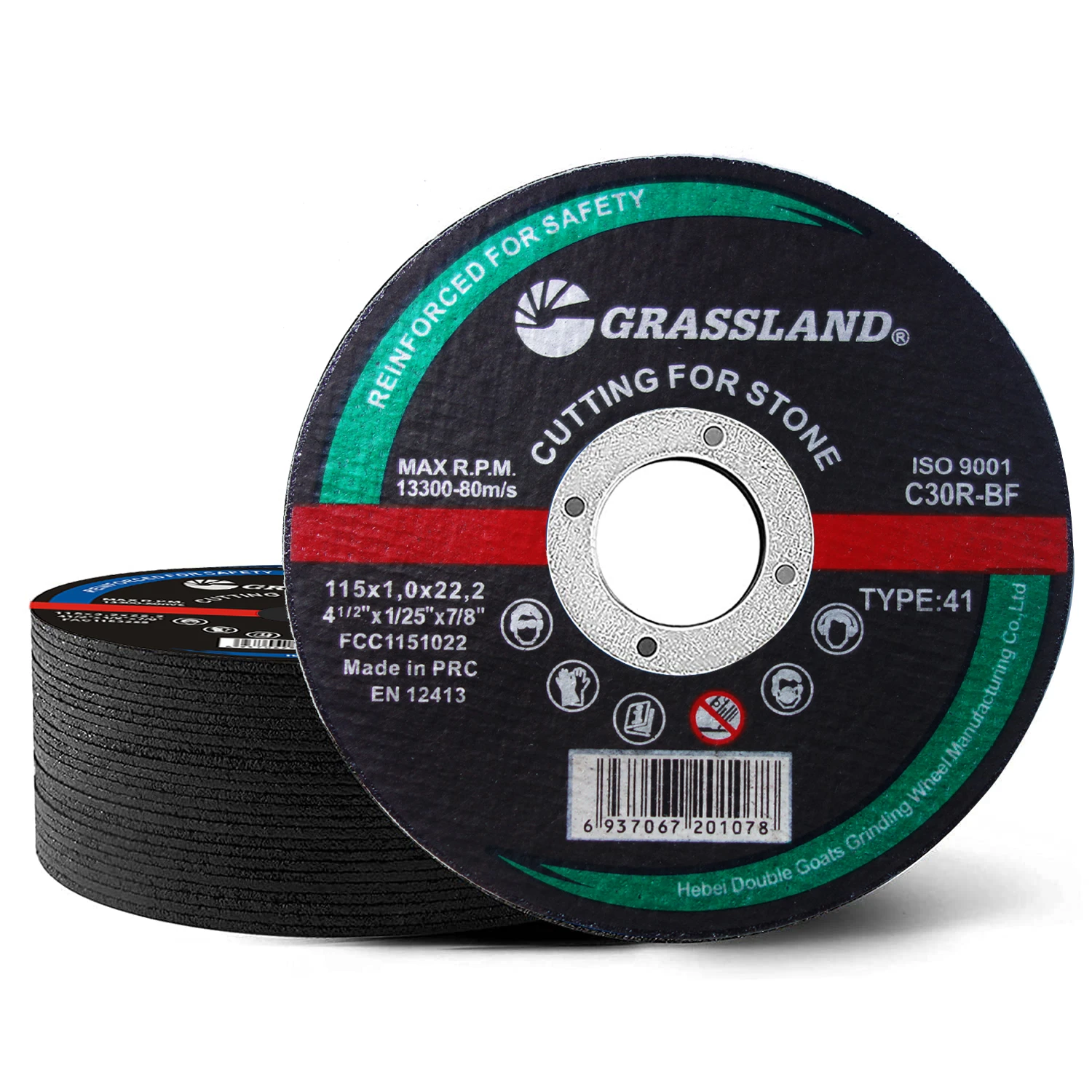
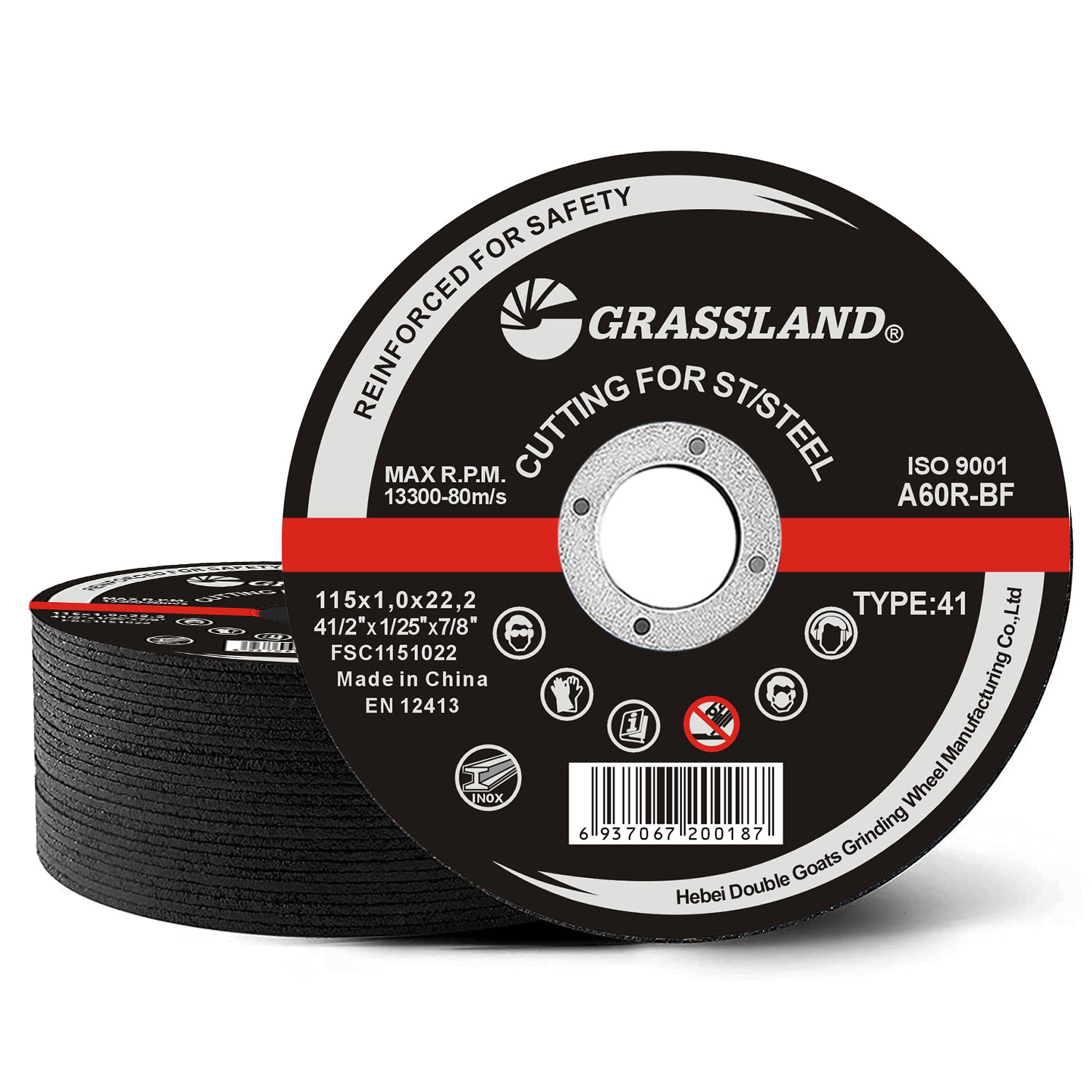
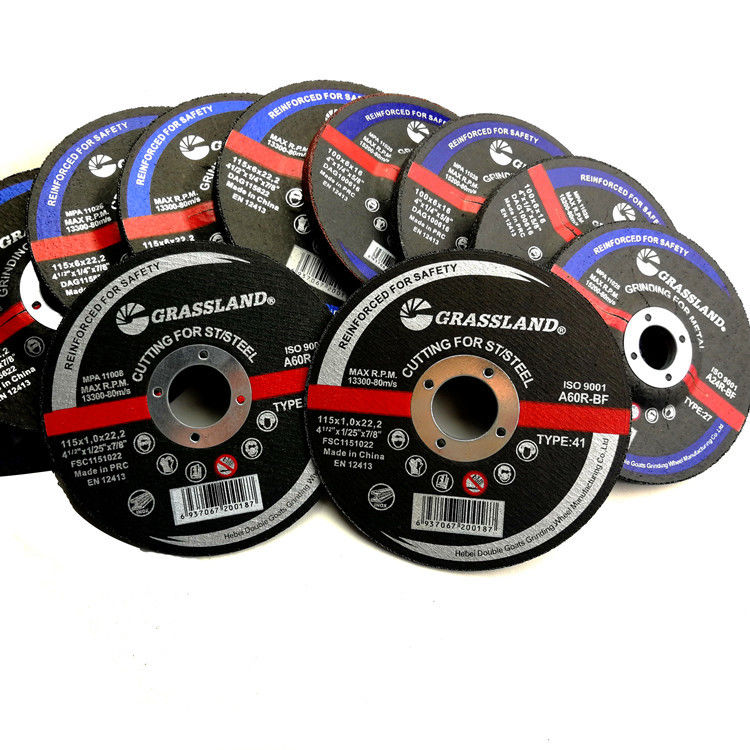
Simply put, a steel cutting wheel is a circular abrasive disc designed primarily to cut through steel and other hard metals. Composed typically of abrasive grains bonded with resin or other tough binders, it fits onto angle grinders or cutting machines. When spun at high speeds, these wheels slice, notch, or shear steel with precision. Beyond construction, they serve automotive repair, shipbuilding, and even emergency rescue. The physical structure might seem straightforward, but its impact ripples through modern industry and humanitarian operations—whether it’s preparing rapid-deployment shelters or crafting surgical tools.
Mini takeaway: The steel cutting wheel combines simple design with powerful industrial impact.
Core Features That Define the Steel Cutting Wheel’s Performance
Durability
The abrasive materials and bonding agents determine how long a cutting wheel lasts. Durable wheels resist wear even after ripping through tough steel, reducing downtime and waste.
Cutting Speed
Speed matters – a faster cut means less machine wear and more projects completed per shift. But speed can’t come at the expense of precision, which is why good wheels strike a fine balance.
Safety Ratings
High RPMs are dangerous if wheels shatter. That’s why strict standards (like ISO 6344) govern their design, ensuring they hold together under stress to keep workers safe.
Compatibility & Versatility
Some wheels are engineered for specific tools or steel types; others are more universal. The right match helps avoid costly mishaps or inefficient cuts.
Cost Efficiency
Cheaper wheels often trade off safety or longevity. Investing up front in trusted products can save hours of work and even potential accident costs.
| Feature | Typical Specification | Why It Matters |
|---|---|---|
| Diameter | 4 to 14 inches (100-350 mm) | Fits various tools and cutting depths. |
| Thickness | 1.0mm to 3.5mm | Thinner wheels offer finer cuts; thicker are more durable. |
| Max RPM | 6,600 to 13,300 RPM | Specifies safe rotational speeds. |
| Abrasive Type | Aluminum oxide or silicon carbide | Grit quality affects cutting efficiency and lifespan. |
Mini takeaway: Knowing these components helps you pick a steel cutting wheel that won’t let you down, job after job.
Where Are Steel Cutting Wheels Making a Difference Around the World?
Think of post-disaster scenarios after earthquakes or floods in regions like Southeast Asia or Latin America. Rescue teams often rely on heavy-duty cutting tools fitted with steel cutting wheels to clear debris swiftly and safely, enabling emergency response and rebuilding. Meanwhile, industries in Europe and North America use these wheels every day for manufacturing everything from cars to bridges. Even in remote industrial zones – say, mining operations in Australia or oil rigs in the North Sea – durable cutting wheels are crucial for maintenance and emergency repairs.
Advantages That Keep Engineers and Operators Coming Back
- Cost Savings: Quality wheels reduce tool replacement and work interruption expenses.
- Sustainability: Longer-lasting wheels mean fewer disc disposals, cutting down industrial waste.
- Worker Safety: Advanced materials reduce shattering risks dramatically.
- Precision & Reliability: Experienced mechanics often say a good wheel is like a reliable partner—consistent and trustworthy.
And beyond dollars and cents, there’s a social dimension: when cutting wheels work well, little accidents turn into big problems less often, preserving worker dignity and trust in the workplace—a subtle but important benefit.
What’s Next? Future Trends in Steel Cutting Wheel Technology
Belts tightening on environmental policies worldwide mean manufacturers are experimenting with greener materials – natural abrasives or recycled composites instead of purely synthetic ones. Digital integration is also popping up, like sensors that monitor wheel wear in real-time, supporting predictive maintenance before failures occur. Automation and robotics, too, use specialized cutting wheels tailored for precise, non-stop work in factories, reducing human exposure to hazards. I noticed lately that some companies promote ‘smart’ cutting wheels that communicate with power tools—a glimpse of the future that feels a bit like sci-fi, honestly.
Challenges & Practical Solutions
No tool is perfect. One common limitation is balancing cost against wheel longevity. Budget wheels may seem attractive, but often they’re outperformed in the long run, which savvy operators learn quickly. Meanwhile, safe disposal of worn wheels is becoming a focus: some abrasives contain compounds that need proper recycling. However, many vendors now offer take-back programs or wheels made from eco-friendly binders, which helps alleviate environmental concerns. Workshops aiming to boost safety protocols also ensure correct wheel mounting and shielding is standard practice – double-layer protection never hurts!
Quick FAQ: Steel Cutting Wheel Essentials
- Q: How do I choose the right steel cutting wheel for my angle grinder?
- A: Match the wheel diameter and arbor size to your grinder specifications, and consider the steel thickness you’ll cut. For tougher metals, select abrasive types like aluminum oxide for durability.
- Q: Can I use the same cutting wheel for stainless steel and mild steel?
- A: Not always. Stainless steel requires wheels with special abrasives to avoid contamination and maintain cut quality. Mild steel wheels may wear out quickly on harder stainless steel.
- Q: How do I know when my cutting wheel needs replacement?
- A: When cutting slows considerably, the wheel shows visible wear, or the diameter shrinks below the recommended limit, it’s time. Regular inspections improve safety.
- Q: Is it safe to use cheaper, generic cutting wheels?
- A: While tempting, cheaper wheels might lack certifications or have poor bonding, increasing fracture risk. Prioritize certified products for workplace safety.
- Q: Are there environmentally friendly steel cutting wheels available?
- A: Yes, some brands now produce cutting wheels from recycled or less toxic materials, along with recycling programs to reduce waste.
Steel Cutting Wheel Comparison: Top Vendor Highlights
| Vendor | Product Line | Max RPM | Eco-Friendly Option | Price Range |
|---|---|---|---|---|
| CutPro Discs | ProSteel Series | 12,200 RPM | Yes | $$ |
| MetalCut Co. | Duramax Ultra | 13,300 RPM | No | $$$ |
| EcoCut Tools | GreenSlice | 11,000 RPM | Yes | $$$ |
Wrapping It Up: Why the Steel Cutting Wheel Still Cuts the Must-Have List
The steel cutting wheel may never make headlines, but it’s undoubtedly an industrial staple. Combining precision engineering with practical durability, it makes huge infrastructure projects, emergency operations, and everyday metalwork possible. As sustainability and safety take center stage, these cutting wheels are evolving — greener, smarter, safer. So whether you’re a seasoned engineer specifying toolkits or just intrigued by what powers the modern world, the steel cutting wheel is worth more than a passing glance. Curious to explore? Visit our website: https://www.cutoffdiscs.com and see what’s shaping the future of cutting.
References
Post time:Nov - 30 - 2025