Metal Cut Off Wheel for Angle Grinder: The Unsung Hero of Efficient Metalworking
In the fast-paced world of metal fabrication, construction, and even emergency repair work, the metal cut off wheel for angle grinder often goes unnoticed — yet it’s truly a game-changer. Understanding this tool isn't just about knowing how to slice metal; it’s about appreciating a component critical to industries worldwide, supporting safety, efficiency, and sustainability.
From global infrastructure to remote repair crews, these wheels help cut costs, time, and waste — and they do it while making work safer for millions. Curious? Let’s take a detailed walk.
Global Relevance: Why Metal Cut Off Wheels Matter Now More Than Ever
Industrial growth and urbanization are surging globally, with the UN estimating that 68% of the world population will live in urban areas by 2050. This rapid expansion requires constant metal shaping, repairing, and recycling. The metal cut off wheel for angle grinder is a cornerstone for many such processes, especially in time-sensitive and resource-constrained environments.
Steel production alone accounts for roughly 7-9% of global CO2 emissions according to the International Energy Agency (IEA). Efficient cutting tools that reduce waste and energy spent in reshaping metal directly tie into progress in sustainability efforts. Still, a big challenge remains — users needing high precision and safety without skyrocketing costs or environmental harms.
What Exactly is a Metal Cut Off Wheel for Angle Grinder?
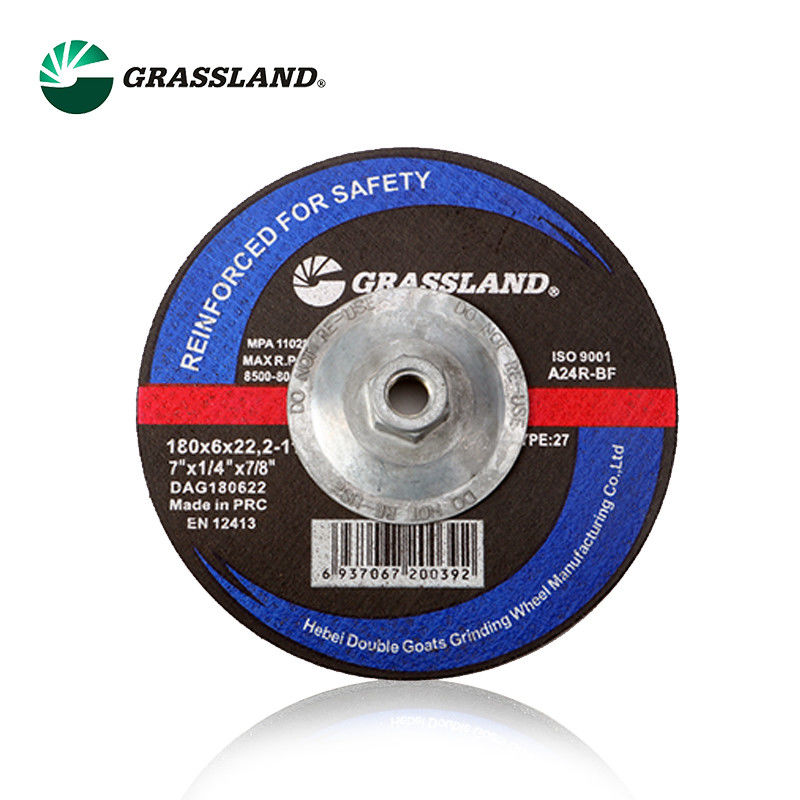
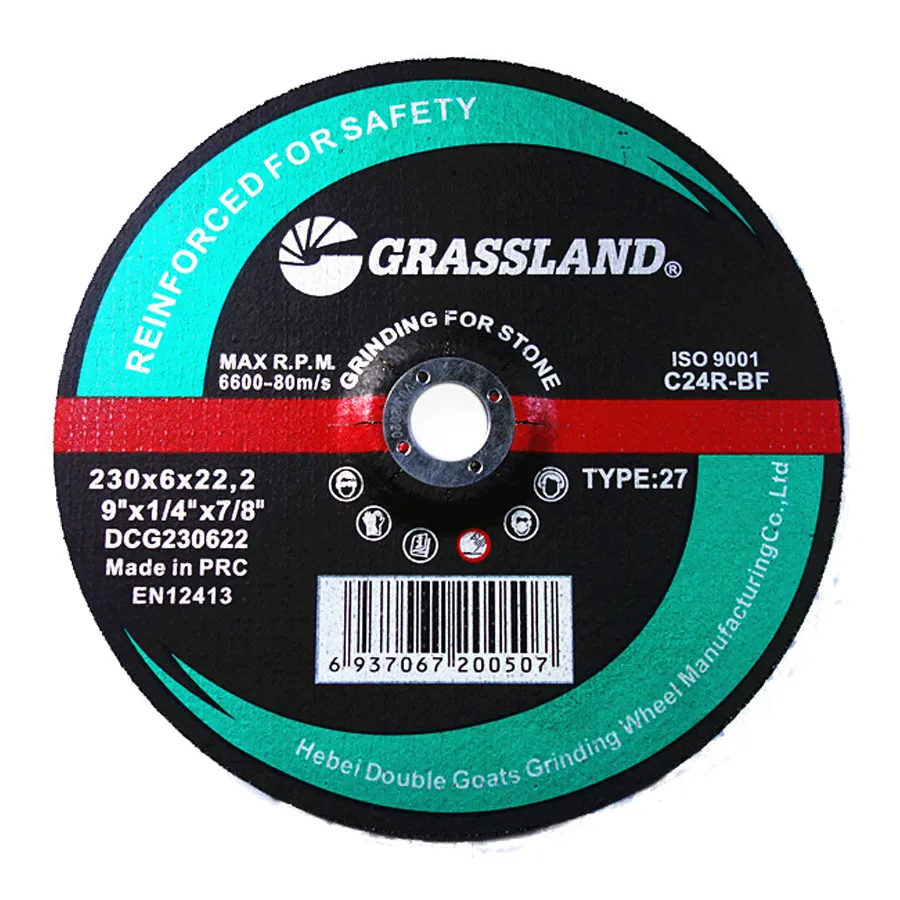
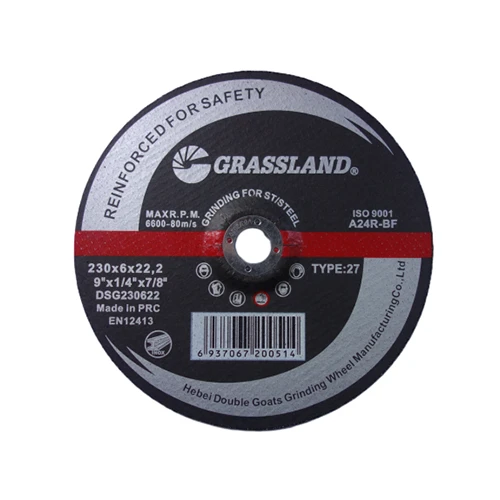
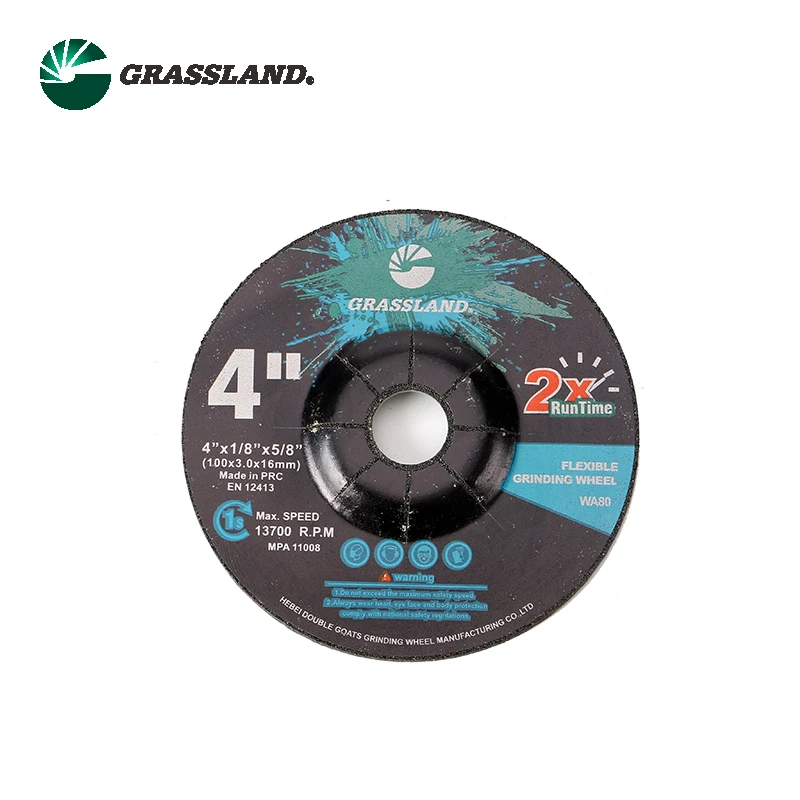
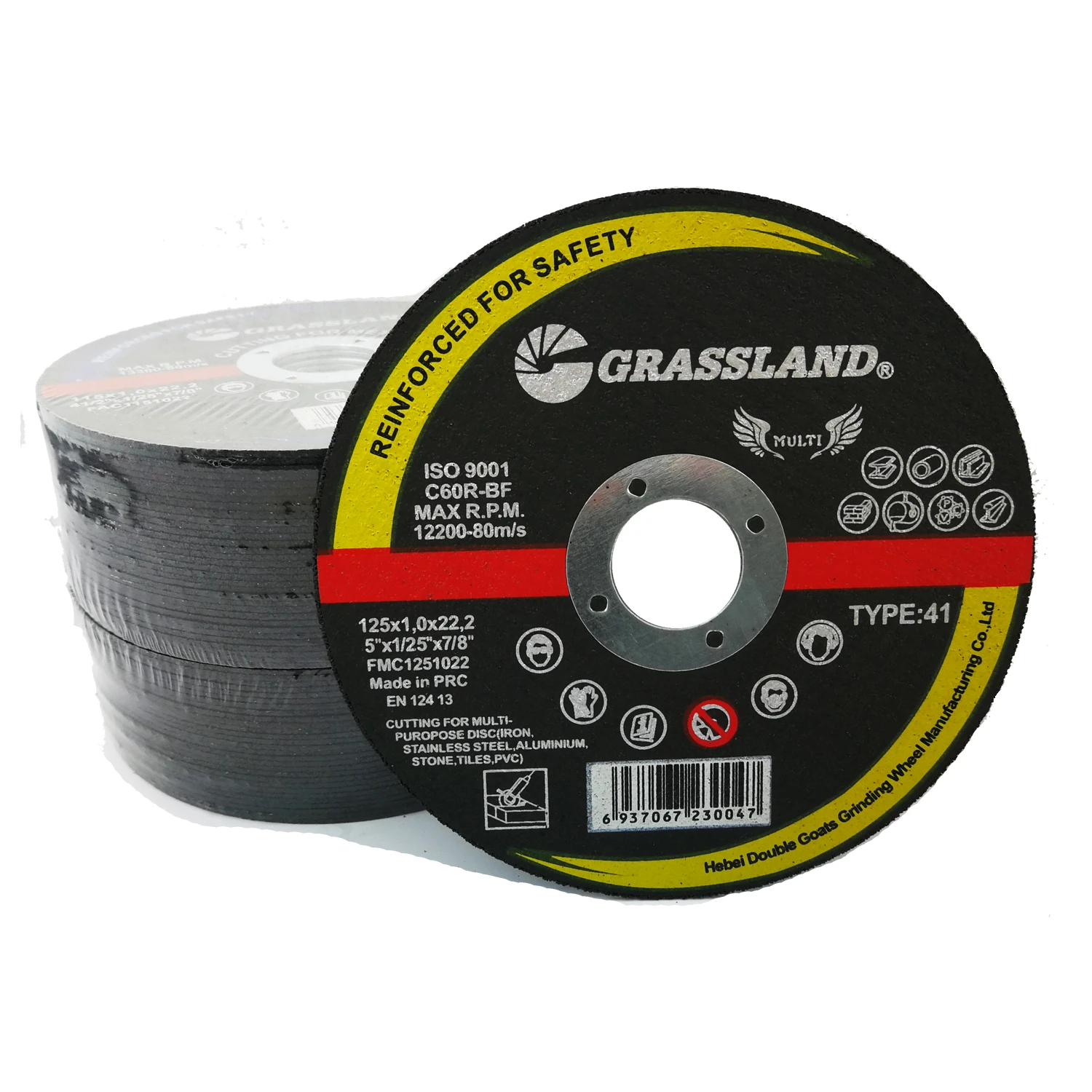
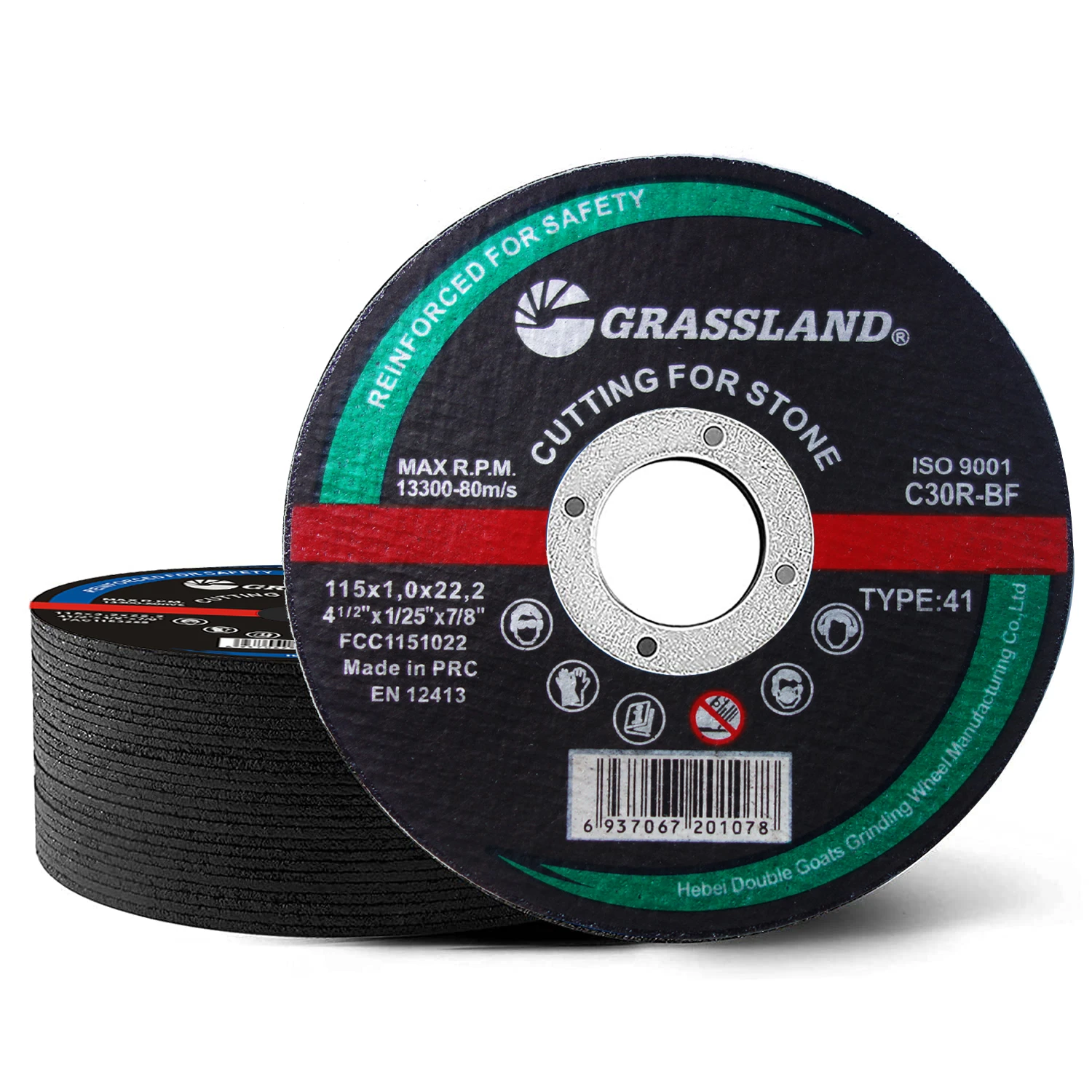
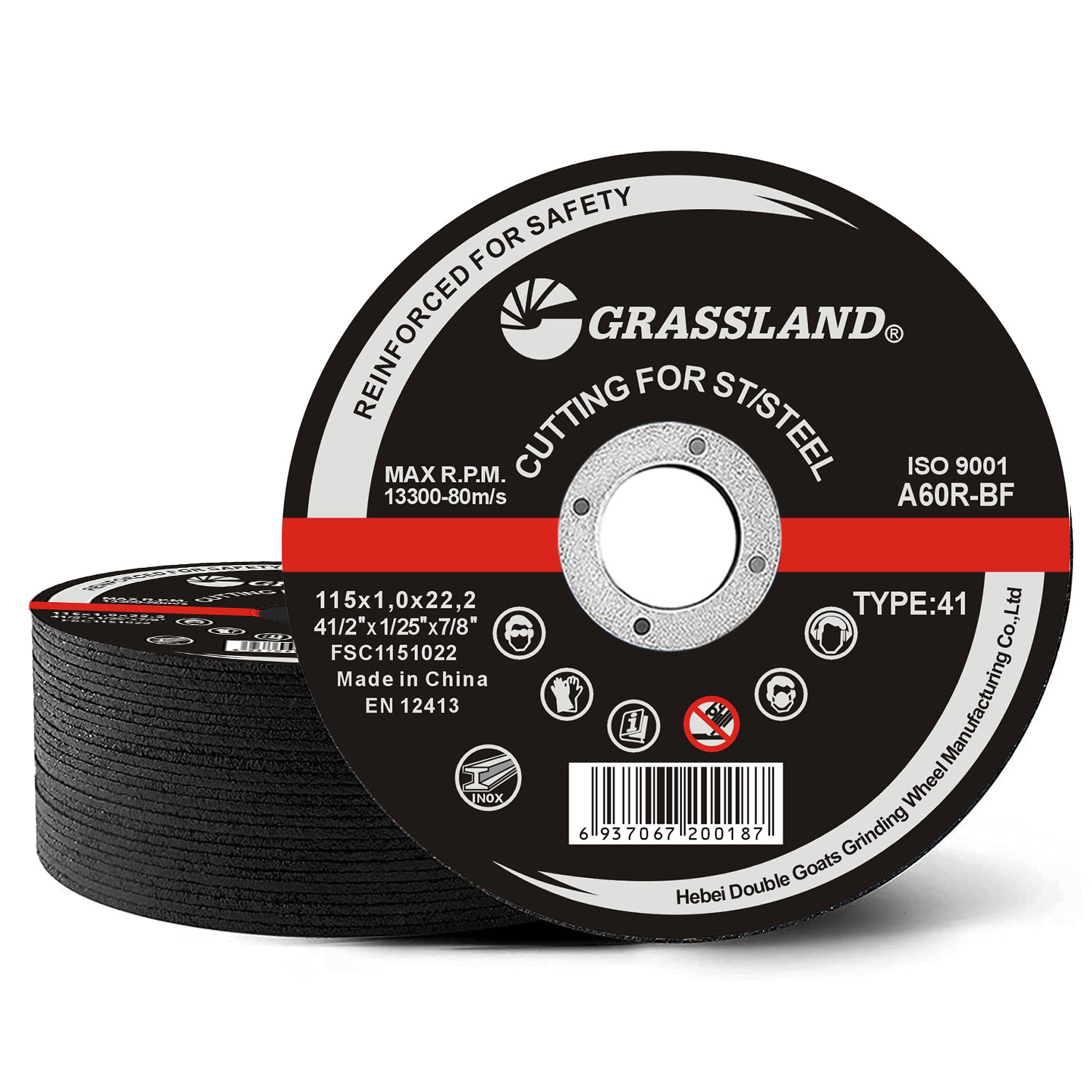
To put it simply, it's a thin, circular abrasive disc attached to an angle grinder, designed specifically to slice through metal materials like steel, aluminum, and other alloys. Unlike grinding wheels that smooth surfaces, cut off wheels are built to provide a fast, clean cut. They vary by thickness, diameter, and material composition — often consisting of aluminum oxide or silicon carbide bonded together.
In modern industries, these wheels link directly to automation, efficiency gains, and even humanitarian missions — imagine disaster zones where quick infrastructure fixes are crucial or remote factories with limited tool access.
Key Components of Effective Metal Cut Off Wheels
1. Durability & Safety
Striking a balance between toughness and flexibility prevents frequent wheel breakage — a serious safety hazard. Many users swear by reinforced fiberglass cores to add strength without weight. Durability means fewer replacements and less downtime.
2. Cutting Speed & Precision
Thin wheels (about 1–1.5 mm thick) excel at swift cuts with minimal material loss. However, the thinner the wheel, the more fragile it becomes — so manufacturers carefully engineer compositions to optimize speed without compromising lifespan.
3. Material Compatibility
Not all wheels cut all metals equally. Abrasive composition matters: aluminum oxide wheels for ferrous metals; silicon carbide for non-ferrous metals. Using the wrong wheel risks inefficiency and safety.
4. Environmental & Cost Efficiency
Modern wheels aim to reduce dust and spark emissions, crucial in enclosed or sensitive environments. Longer-lasting wheels also reduce waste and procurement costs.
5. Size & Compatibility
Common diameters range from 4" to 9", but matching wheel size to the grinder’s RPM and application is critical since mismatches can cause accidents or wear.
Mini takeaway:
Choosing the right metal cut off wheel means understanding your material, prioritizing safety, and balancing speed with longevity — no one-size-fits-all here.
How and Where Are These Metal Cut Off Wheels Used Around the World?
From skyscraper sites in Dubai to shipyards in South Korea, the versatility of metal cut off wheel for angle grinder shines. In post-disaster rebuilding scenarios — think earthquakes in Nepal or floods in Bangladesh — responders rely on them to cut through debris or repair metal frames fast.
In remote oil and gas fields, these wheels enable maintenance teams to carry lighter toolkits since one angle grinder plus a stack of wheels can handle different metals. Industries like automotive manufacturing, recycling plants, and even artisanal metalworking also depend heavily on specialized cut off wheels designed for precision and safety.
Example Use Case
One Canadian construction firm I spoke with noted how switching to a premium thin cut off wheel reduced cutting time by nearly 30% while improving edge cleanliness — saving hours on rework per project.
| Feature | Typical Range | Notes |
|---|---|---|
| Diameter | 4" to 9" | Match grinder size & RPM |
| Thickness | 1.0 mm to 3.2 mm | Thinner wheels cut faster but are fragile |
| Abrasive Type | Aluminum Oxide / Silicon Carbide | Varies by metal type |
| Max RPM | Up to 13,300 RPM | Exceeding can cause failure |
| Core Material | Fiberglass Reinforced | Improves strength and safety |
Advantages & Long-Term Value of Using Metal Cut Off Wheels
There’s the obvious stuff — faster cuts, cleaner edges — but what really sticks with users is the layered impact:
- Cost Efficiency: Durable wheels reduce replacements. Reduced metal wastage means savings in materials.
- Environmental Impact: Less waste and dust reduce workplace pollution; supports stricter OSHA and ISO 14001 compliance.
- Worker Safety: Safer wheels prevent catastrophic breakage injuries. Users report higher confidence and less fatigue with quality wheels.
- Innovation Trust: When your wheel won’t fail, your project timelines stay intact — fostering trust between contractors, clients, and stakeholders alike.
Spotlight on Innovations and Future Trends
Frankly, the materials science behind cut off wheels is quietly exploring greener, smarter routes: improved binders that cut less energy, wheels that incorporate recycled abrasives, and innovations in diamond-cutting tech are all on the horizon. Automation and IoT sensors integrated with angle grinders might soon predict wheel wear or alert users in real-time about safety thresholds.
And given the push toward sustainability, manufacturers are increasingly supporting circular economy models—not just selling discs but also reclaiming spent wheels for reprocessing.
Common Challenges and How to Overcome Them
Despite the advancements, challenges persist. For instance, incorrect wheel selection results in premature breaks; improper storage can reduce lifespan; and inconsistent grinder speeds can cause safety hazards.
Experts suggest always matching the wheel to the grinder RPM ratings, storing discs flat in cool, dry conditions, and investing in operator training. Plus, smart procurement policies — don't just buy cheap, buy well-reviewed and tested products aligned with industry standards like ISO 9001.
Vendor Comparison: Popular Metal Cut Off Wheels on the Market
| Brand | Maximum RPM | Material Suitability | Price Range | User Rating |
|---|---|---|---|---|
| CutMaster Pro | 13,300 RPM | Steel & Aluminum | $$ | 4.5/5 |
| SliceTech Ultra | 12,000 RPM | Alloys, Stainless Steel | $$$ | 4.7/5 |
| EcoCut Green | 11,500 RPM | Recycled metal compatibility | $ | 4.0/5 |
FAQ: Everything You’re Wondering About Metal Cut Off Wheels
Q1: How do I choose the right metal cut off wheel for my angle grinder?
A: Start by matching the wheel diameter and max RPM to your angle grinder's specs. Next, consider the metal you'll cut — aluminum oxide wheels suit ferrous metals, silicon carbide works better for non-ferrous. Lastly, pick a thickness balancing speed and durability for your task.
Q2: Can I use the same wheel for cutting stainless steel and aluminum?
A: Not ideally. Stainless steel often requires a tougher abrasive like zirconia alumina for durability, while aluminum is softer and cuts well with silicon carbide wheels. Using the wrong wheel can wear it out early or cause poor cuts.
Q3: How often should I replace my metal cut off wheel?
A: Replace wheels if you see uneven wear, cracks, or decreased cutting performance. In high-frequency operations, wheels may last only a few hours; for occasional use, they can last months. Always do a visual inspection before use.
Q4: Are thin cut off wheels safer to use?
A: Thin wheels offer faster, cleaner cuts but are more prone to breakage if misused. Proper handling and matching wheel to grinder RPM mitigate risks. Ensure you follow safety guidelines and wear appropriate PPE.
Q5: Where can I find quality metal cut off wheels for industrial use?
A: Trusted suppliers like CutOffDiscs.com specialize in industrial-grade wheels with compliance certifications. Always choose vendors who provide detailed specs and user support.
Wrapping Up: Why These Wheels are Worth Your Attention
In the grand scheme, the metal cut off wheel for angle grinder is a small tool with monumental impact. It keeps jobs efficient, workers safe, and projects sustainable — all critical in today’s metalworking environment. The more informed you are about specs, compatibility, and industry trends, the better your outcomes will be.
For anyone serious about metal cutting, I'd suggest hopping over to CutOffDiscs.com — resources, specs, and quality products at your fingertips, helping you cut through more than just metal. Because sometimes the right wheel really can change the game.
References
Post time:Nov - 30 - 2025