Why Abrasive Cutting Discs Matter Worldwide
Whether in sprawling factories or tiny repair shops, the abrasive cutting disc quietly powers progress. These discs are the unsung heroes whenever a metal pipe needs trimming, a tile shaped, or a construction beam adjusted. Globally, industries—ranging from automotive to construction—rely on these harsh yet precise tools. With the ISO estimating metal production at over 1.9 billion tons annually (1), imagine the countless cuts that keep the wheels turning. Understanding abrasive cutting discs means appreciating a key tool that makes modern manufacturing and infrastructure possible, all while helping keep costs down and safety standards high.
Mini takeaway: Abrasive cutting discs are integral to global industry, affecting everything from infrastructure to emergency repair work.
Setting the Stage: Global Importance of Abrasive Cutting Discs
When you think about international trade and industrial output, it’s easy to overlook the humble abrasive cutting disc. But here’s a stat for you: the global abrasive market is expected to hit $21 billion by 2027 (2), driven largely by cutting and grinding demands in emerging economies like India and China. This growth reflects the discs' value—speeding up production while ensuring precision. Yet, a challenge stands tall: how to keep these discs durable and safe under ever-increasing workloads and tougher materials.
Many factories face downtime because cutting discs fail too soon or aren’t fit for the material they tackle. It’s a problem, especially when seconds count in tight schedules, or when safety becomes a top issue. So the demand for abrasive discs isn’t just about materials — it’s about creating reliable, efficient workflows worldwide.
What Exactly is an Abrasive Cutting Disc?
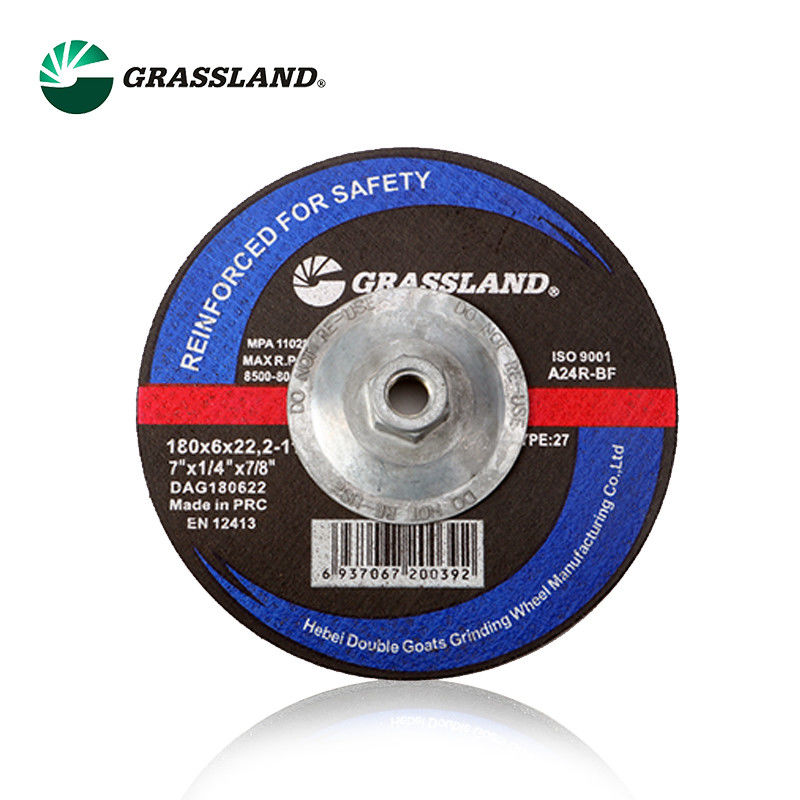
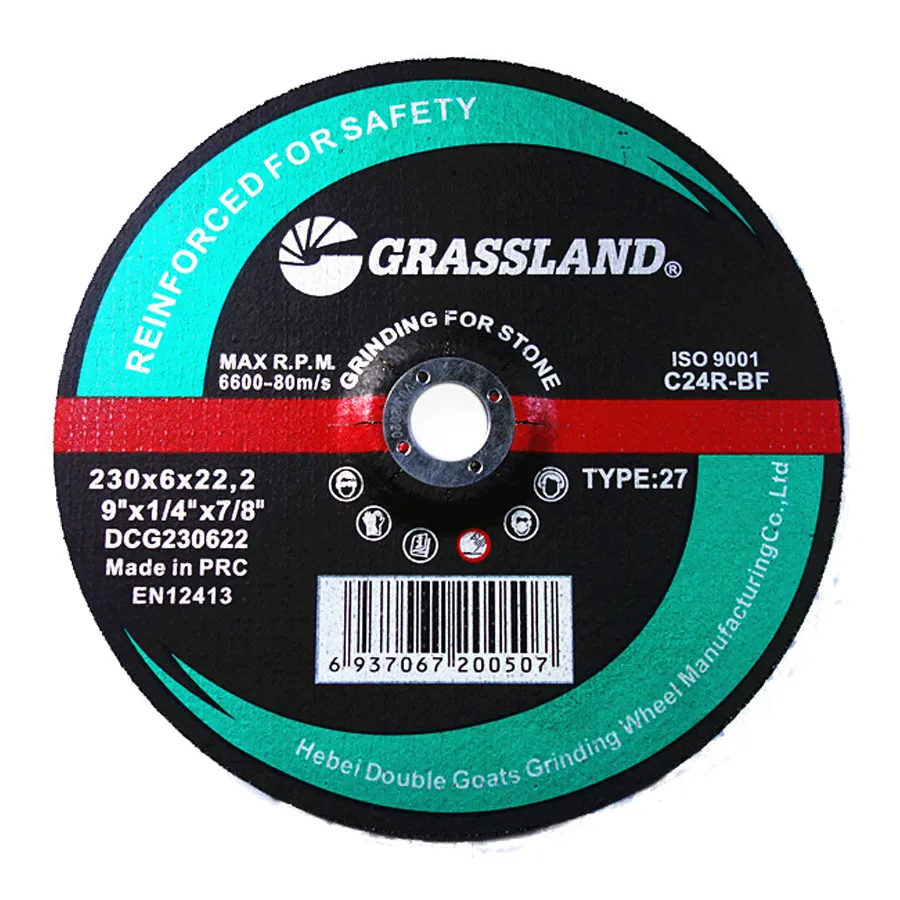
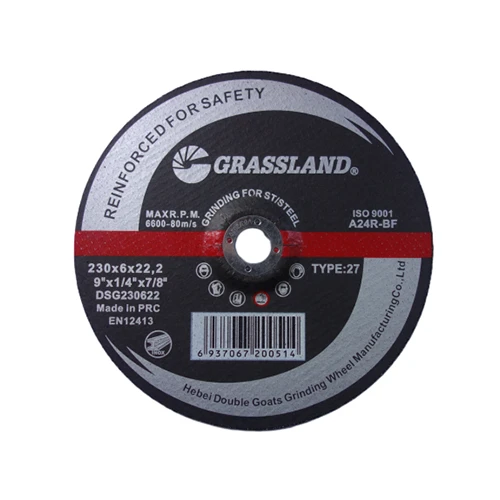
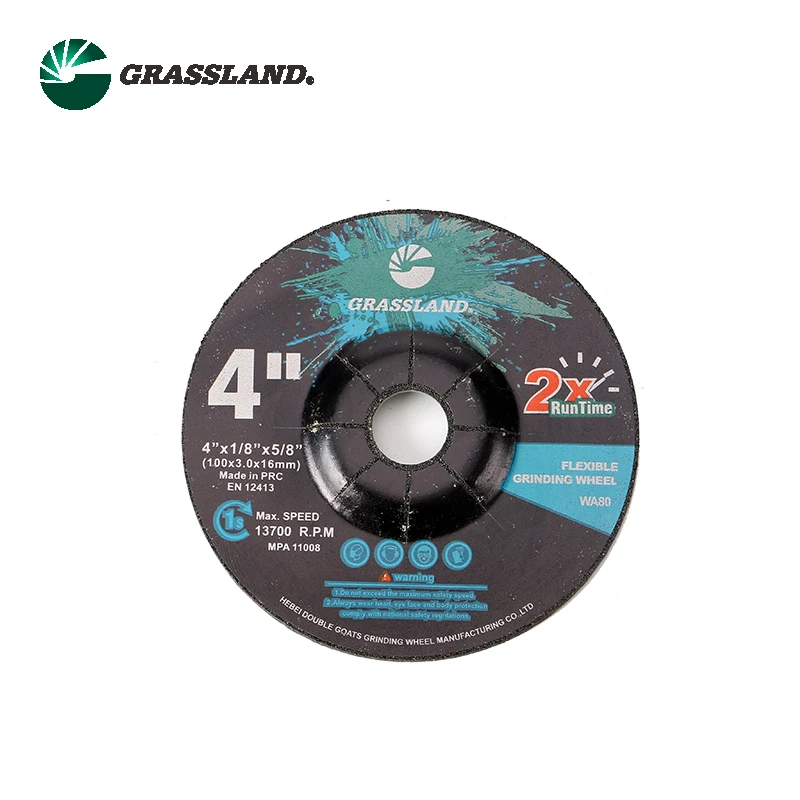
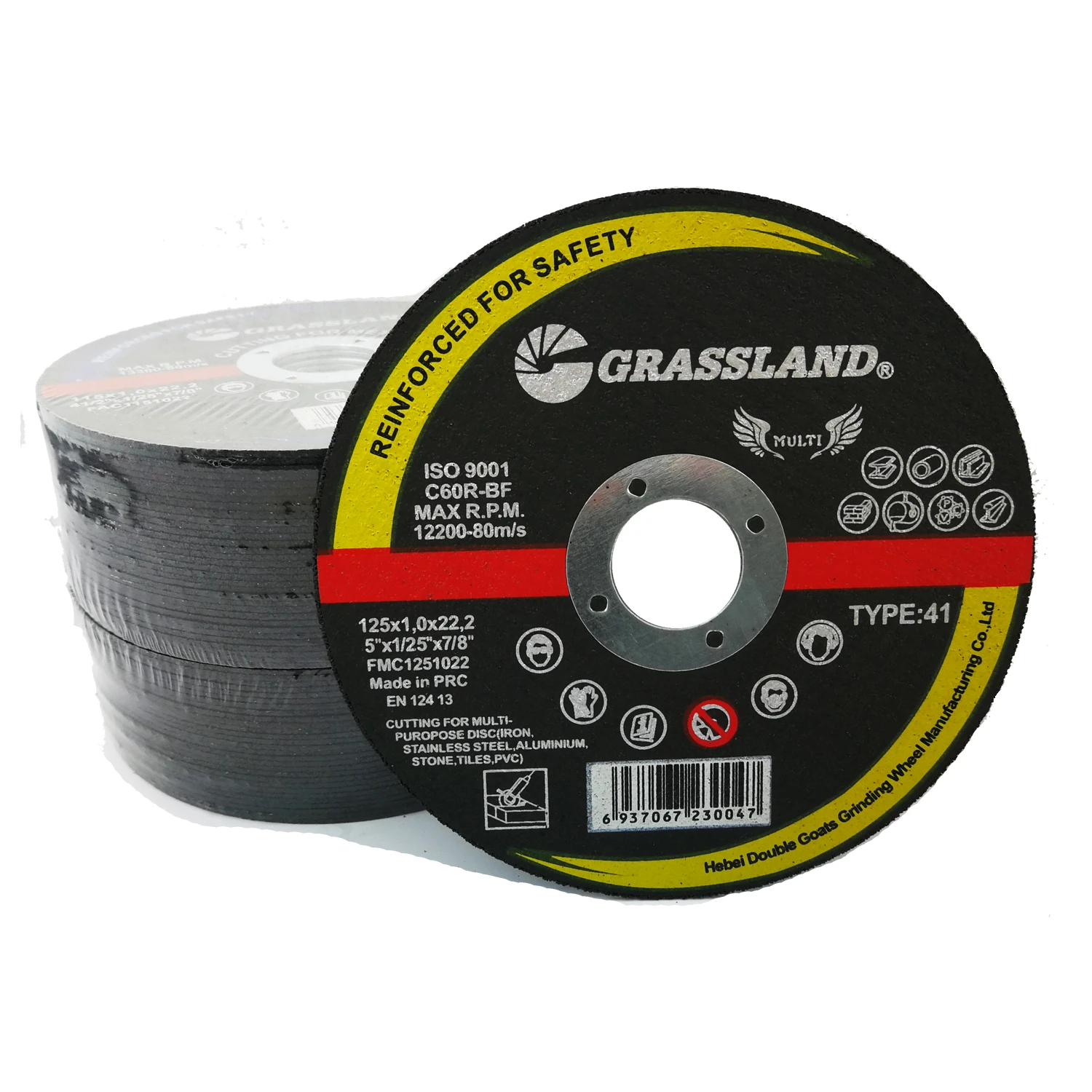
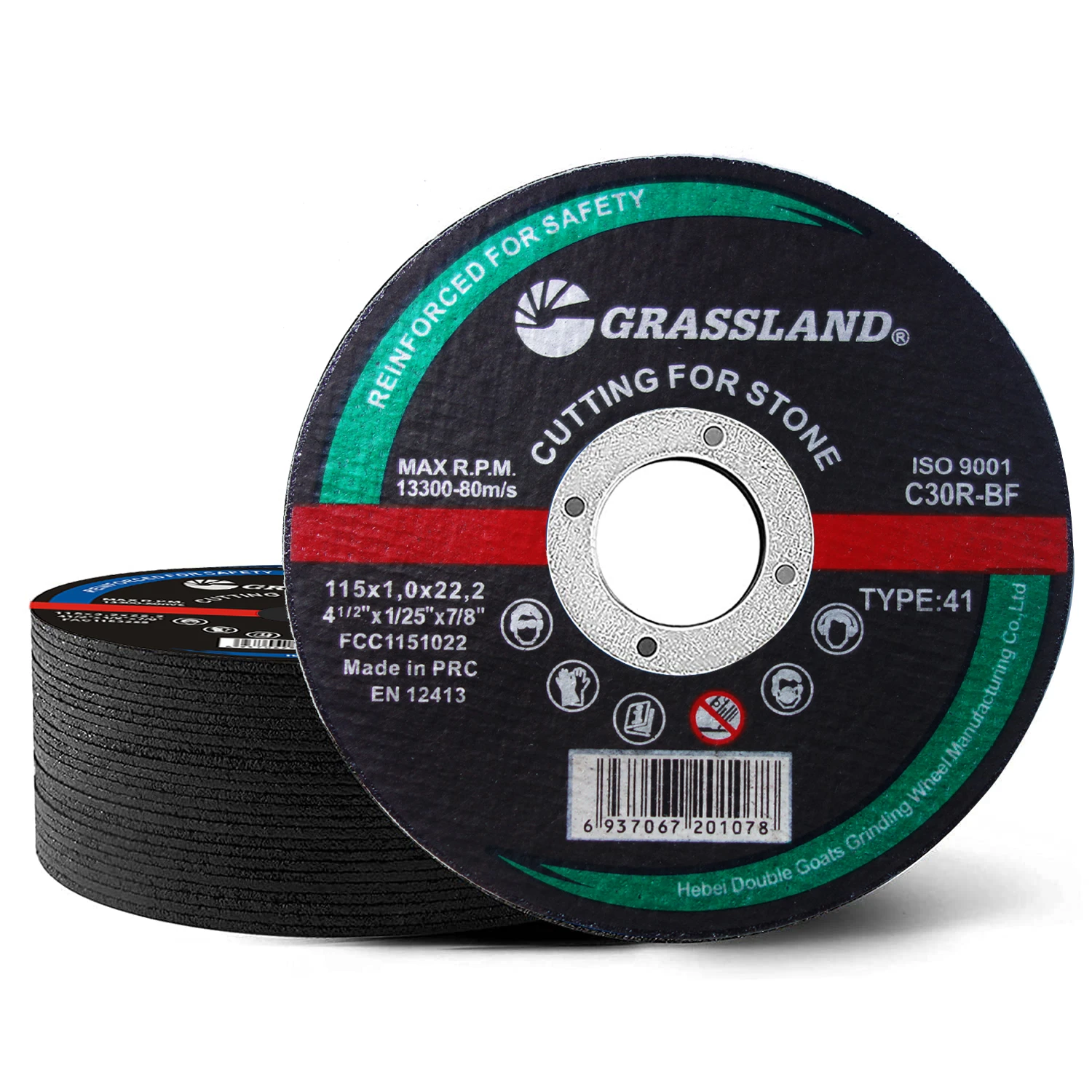
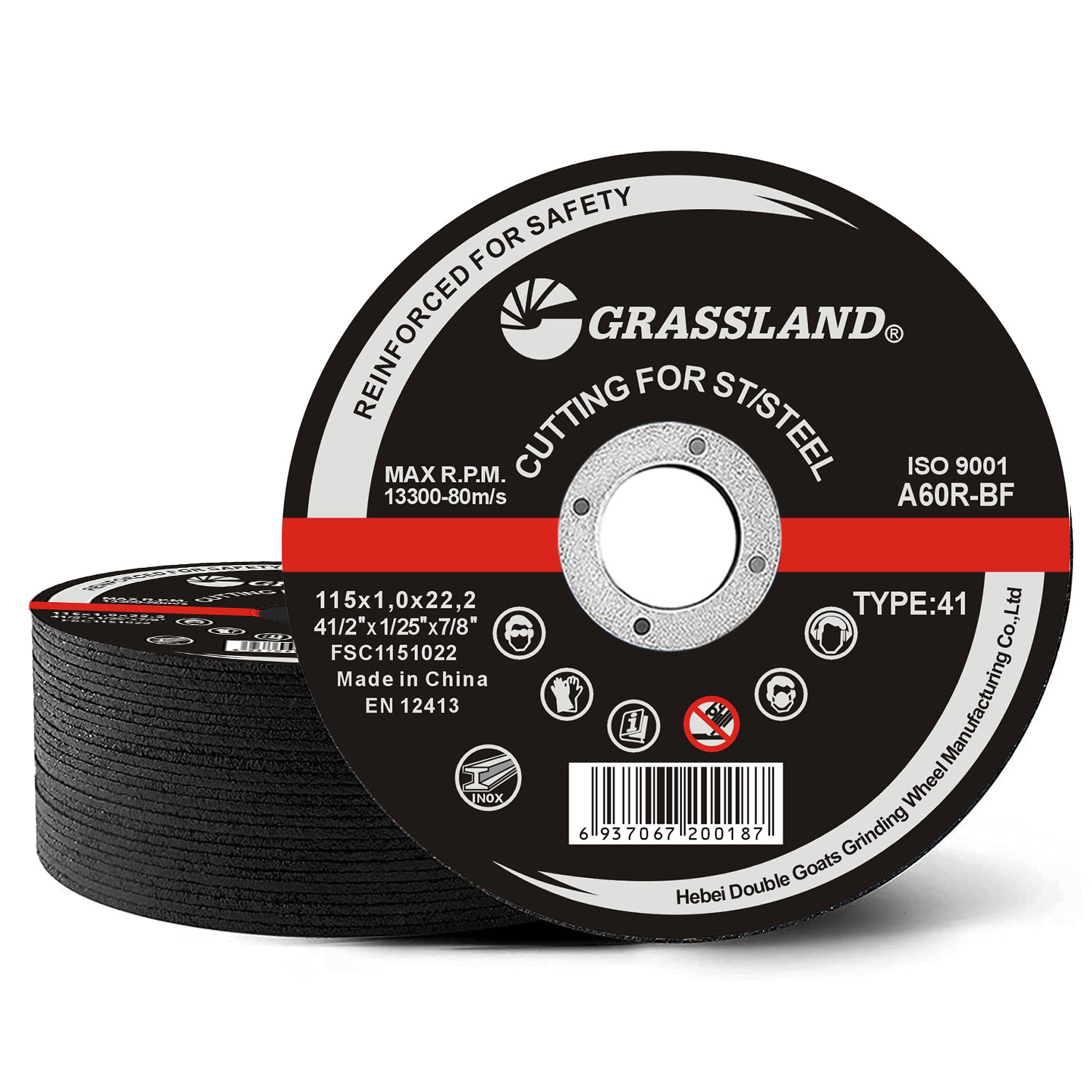
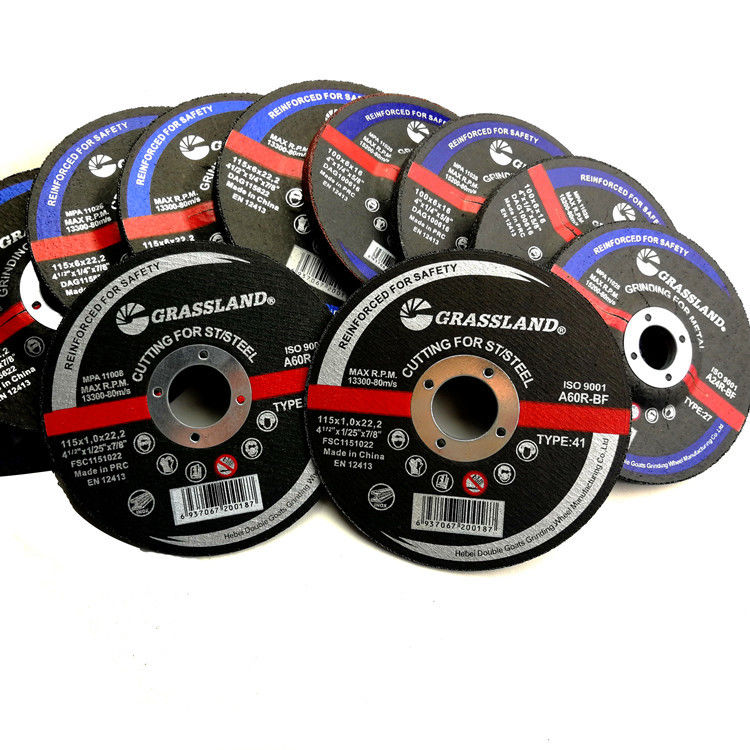
To put it simply, an abrasive cutting disc is a circular tool—usually thin and rigid—that spins fast to slice through metals, stone, ceramics, or composite materials. They’re made by bonding abrasive grains like aluminum oxide or silicon carbide to a resin matrix, then reinforcing with fiberglass for strength. It’s this unique combo that lets them grind through tough surfaces without melting or cracking.
Think of it as the scalpel of metalworking: sharp but sturdy, fast but controlled. Such discs are essential not just in factories, but also in disaster zones where cutting through debris quickly can save lives. They’re the bridge between raw materials and finished products in countless industries.
Core Components and What They Mean in Practice
1. Durability
A disc’s lifespan comes down to how abrasive grains bond with the resin and how well it resists heat buildup. If it wears too fast, you’re swapping discs mid-job. Many engineers suggest discs with premium resin and tighter grain bonding to handle high RPMs and maintain cutting speed.
2. Material Compatibility
Not every disc is a “one size fits all.” For stainless steel, you might want a disc with zirconia alumina grains; for concrete, silicon carbide. Using the wrong disc is like trying to cut butter with a chainsaw—inefficient and unsafe.
3. Safety Features
Because these discs spin up to 13,000 RPM or more, safety standards are critical. Reinforced fibers prevent sudden shattering. Many vendors comply with EN 12413, making them trustworthy selections for professional use.
4. Cost Efficiency
It’s tempting to grab the cheapest disc possible, but in real terms, spending a little more on a durable disc often reduces downtime and replacement costs. A reliable disc means fewer accidents, less wasted material, and a smoother workflow.
5. Scalability and Customization
Industries today want discs tailored to their unique workflow—whether longer cutting life, specific diameters, or compatibility with newer angle grinders. Custom batches are now emerging, especially for specialized OEM clients.
Mini takeaway: Knowing a disc’s specs means less guesswork — and safer, faster cuts on the job.
How Abrasive Cutting Discs Are Used Around the Globe
From the bustling shipyards of South Korea to remote mining operations in Australia, these discs power cutting tasks everywhere. For example, in post-disaster relief operations in earthquake-hit regions, rapid cutting of metal debris allows rescue teams access faster than ever before. Meanwhile, in automotive factories in Germany, high-precision discs ensure car panels are trimmed with razor-sharp accuracy, improving both safety and aesthetic standards.
Regions with booming construction, like the Middle East, demand discs that can slice through reinforced concrete without constant swapping out. Even NGOs rely on portable cutting solutions, where efficient abrasive discs become lifelines—cutting through metal or masonry to set up shelters and restore infrastructure quickly.
Abrasive Cutting Discs: What’s in it for Industry and Society?
- Cost savings: Lasting discs cut costs by reducing replacement and labor times.
- Safety: Reliable, certified discs lower the risk of accidents and injuries on-site.
- Sustainability: Longer-lasting discs mean less waste entering landfills.
- Innovation: Advanced materials boost productivity and open doors to new manufacturing techniques.
- Social impact: Quick, efficient cutting solutions help rebuild communities faster after disasters.
It’s a blend of logic and emotion. You want tools that work hard but also keep people safe. And oddly enough, that trust in your equipment really does matter when you’re standing on a busy site, grinding away.
Looking Ahead: Trends and Innovations in Abrasive Cutting Discs
There’s a green shift with new discs incorporating eco-friendly resins and recyclable materials. Digital transformation means smart sensors integrated into angle grinders can monitor disc wear in real time — reducing unexpected failures. Automation extends to robot-assisted cutting where disc precision means reduced waste and higher quality cuts. Researchers are even experimenting with nano-abrasive grains for ultra-fine finishes without sacrificing speed.
Challenges and Smart Solutions
Sure, not all discs are created equal, and some still fall short in extreme temperatures or unusual materials. Field testing remains crucial since lab-grade durability doesn’t always translate to real-world toughness. Vendors are introducing hybrid materials and novel bonding agents, while some factories adopt predictive maintenance schedules, swapping discs before failure.
Education is also key—many accidents stem from misuse or incorrect disc choice. So, providing better user training and clear labeling goes a long way towards safer, more efficient cutting.
Frequently Asked Questions About Abrasive Cutting Discs
- Q: How do I choose the right abrasive cutting disc for my metal project?
- A: Identify the metal type and thickness first. Then select a disc with matching abrasive grains—for example, aluminum oxide for mild steel or zirconia alumina for stainless steel. Always check RPM ratings and ensure compliance with safety standards like EN 12413.
- Q: What safety precautions are necessary when using abrasive cutting discs?
- A: Wear protective gear (eye, ear, gloves), ensure the disc is suited for your grinder's speed, and inspect for cracks before use. Never exceed the maximum RPM specified on the disc label.
- Q: Can abrasive cutting discs be reused after partial cutting?
- A: It depends on the wear pattern and disc condition. If the disc is evenly worn and intact, partial reuse might be fine. But any signs of warping or cracking mean immediate replacement.
- Q: What are the environmental impacts of abrasive discs?
- A: Traditional discs do generate waste and dust, but advances in eco-friendly materials and dust extraction systems are reducing their footprint. Proper disposal and selecting longer-lasting discs also help.
Product Specification Table for Popular Abrasive Cutting Discs
| Model | Diameter (mm) | Thickness (mm) | Max RPM | Material | Intended Use |
|---|---|---|---|---|---|
| CutMax 125 | 125 | 1.0 | 12,200 | Aluminum oxide | Steel and iron cutting |
| StonePro 180 | 180 | 2.5 | 8,400 | Silicon carbide | Concrete and masonry |
| StainCut X | 115 | 0.8 | 13,300 | Zirconia alumina | Stainless steel |
Vendor Comparison: Popular Abrasive Cutting Disc Brands
| Brand | Product Range | Certifications | Price Level | Special Features |
|---|---|---|---|---|
| AbrasivePro | Wide (metal, masonry, specialty) | EN 12413, OSHA | Medium | Enhanced bonding tech |
| SteelCut | Focused on metals | EN 12413 | High | Heat-resistant variants |
| EcoSlice | Mostly eco-friendly lines | ISO 14001 | Medium | Recyclable materials |
Wrapping It Up: Why Abrasive Cutting Discs Deserve Your Attention
In the end, the abrasive cutting disc is more than just a spinning circle — it’s a critical industry enabler balancing speed, precision, and safety in one neat package. Investing time in understanding their many facets pays off in smoother workflows, happier teams, and safer worksites. If you’re curious to explore the cutting-edge discs that combine durability with environmental responsibility, I’d suggest visiting abrasive cutting disc specialists online. After all, cutting corners has never been a good idea—unless the disc is doing it for you.
On a side note, it’s funny how something so ordinary feels almost magical once you see it in action repeatedly. You end up respecting the little details that make a big difference.
References
Post time:Nov - 30 - 2025