The Lowdown on Slitting Discs: Why It Matters Globally
At a glance, a slitting disc might seem like just another abrasive tool, but it plays an unsung role in countless industries worldwide. From metal fabrication to emergency humanitarian operations, understanding the qualities and uses of slitting discs can save time, money, and even lives. This tiny powerhouse ensures precise cutting, leading to smoother manufacturing, safer construction, and better resource management.
Why the Slitting Disc Holds Weight in Today’s Industrial Landscape
Consider the scale: the metalworking sector alone accounts for billions of tons of metal processed annually, according to ISO reports. A hefty chunk of that involves cutting tasks—slitting discs step in here with their razor-sharp precision and efficiency. Yet, the challenge lies in balancing cutting speed with tool longevity and safety—a tightrope most industries walk daily. This balance becomes even more critical in emergent applications, like rapid construction in disaster zones, where time and reliability are luxuries you can’t afford to lose.
Mini takeaway:
The global demand for reliable cutting tools has never been greater, with slitting discs positioned at the crossroads of industrial efficiency and safety concerns.
Breaking It Down: What Exactly Is a Slitting Disc?
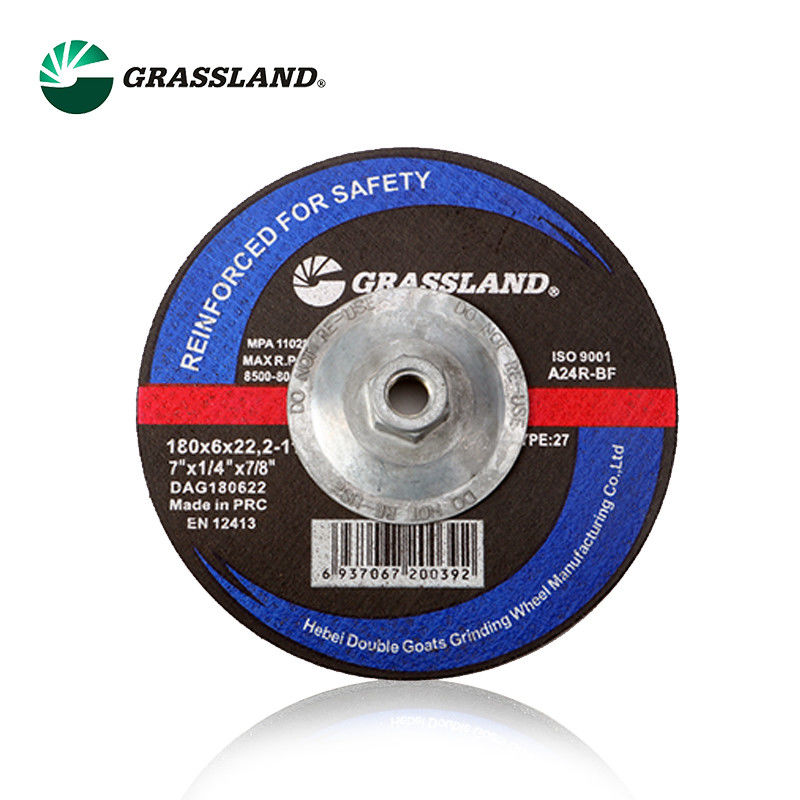
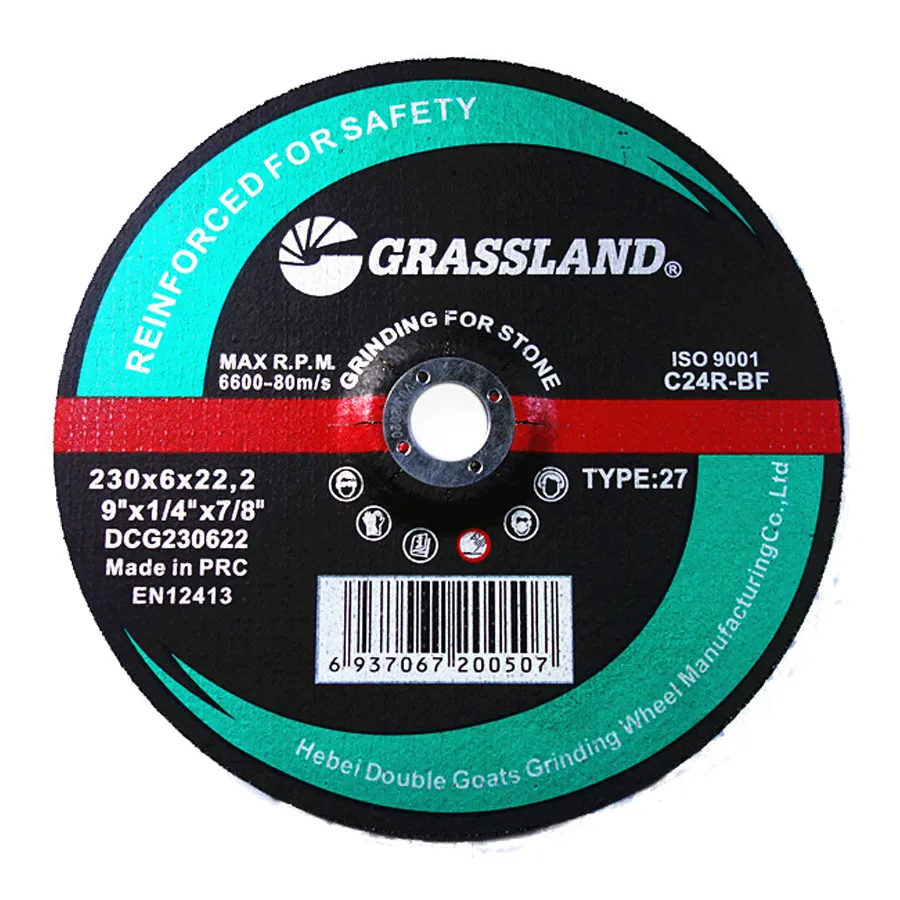
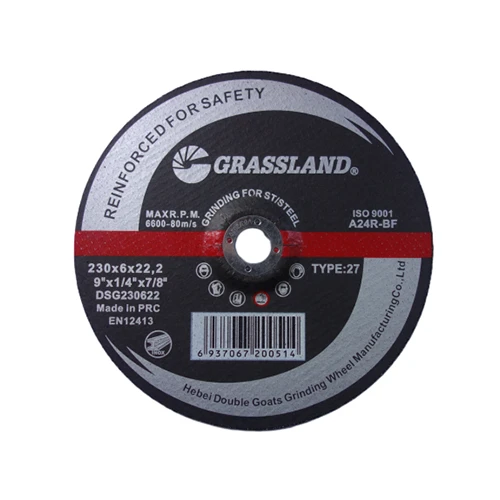
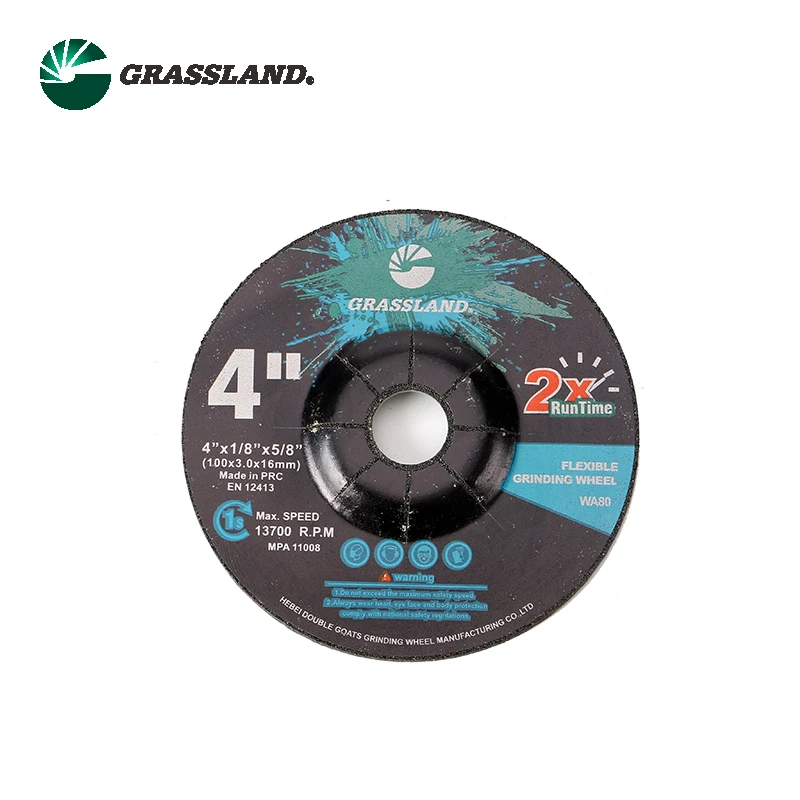
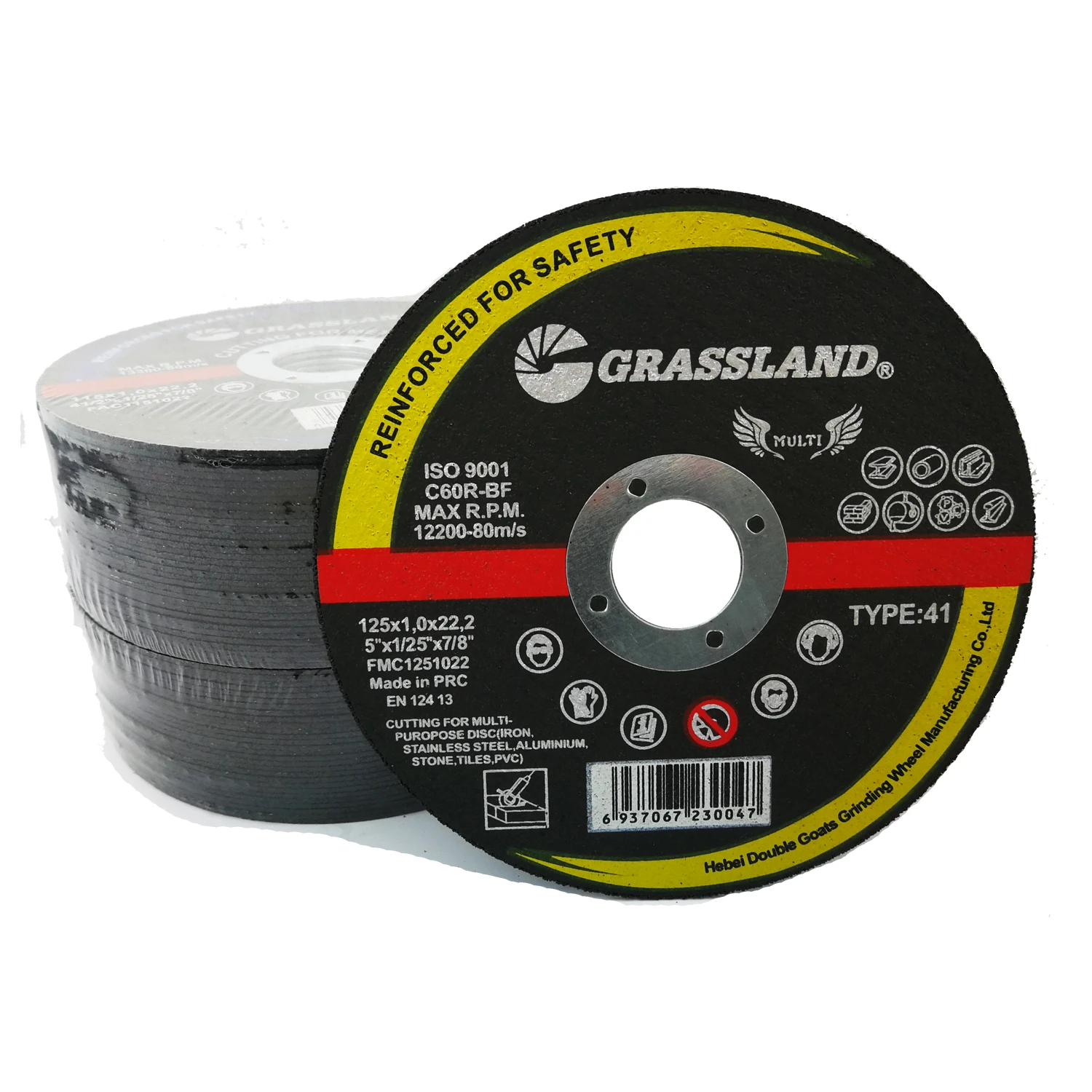
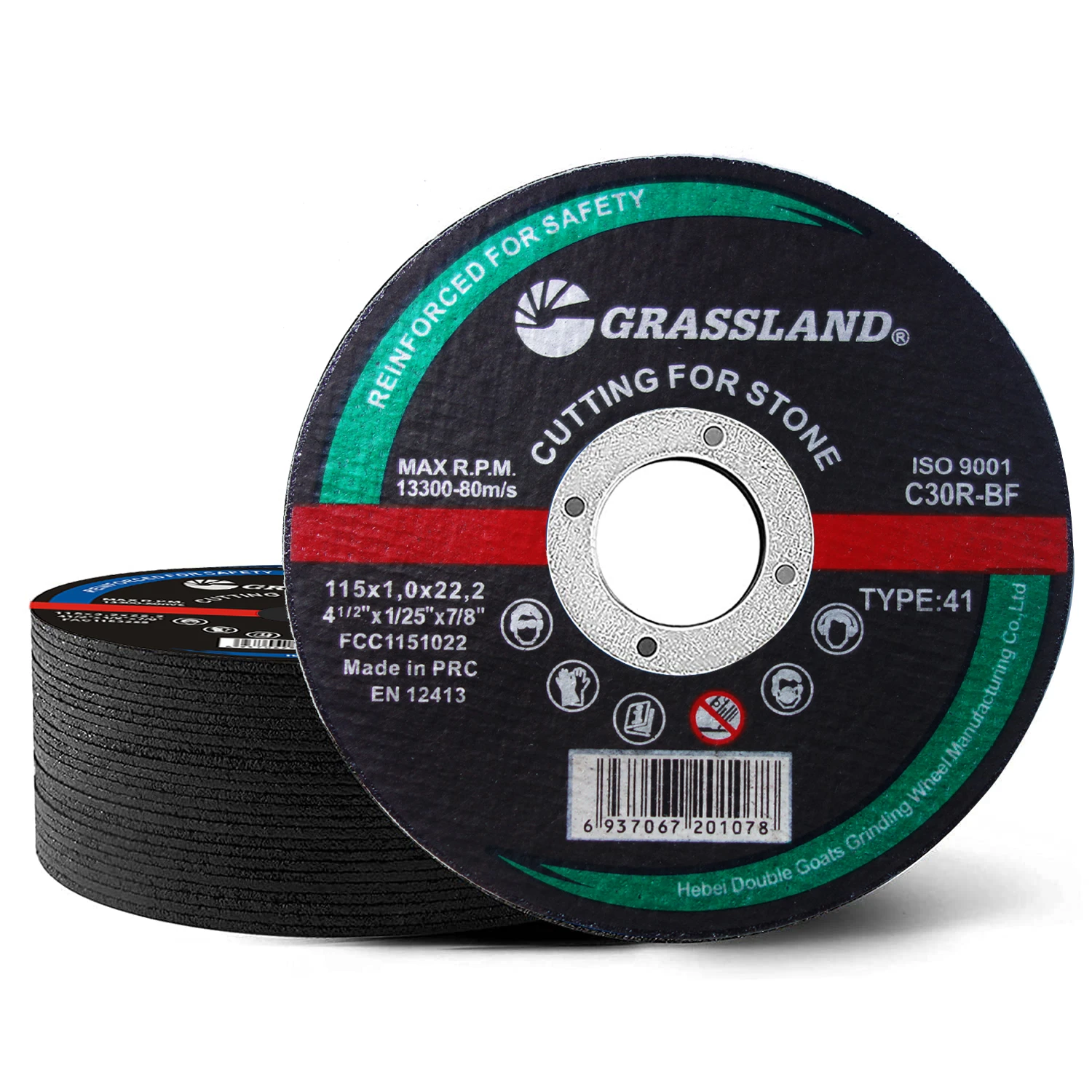
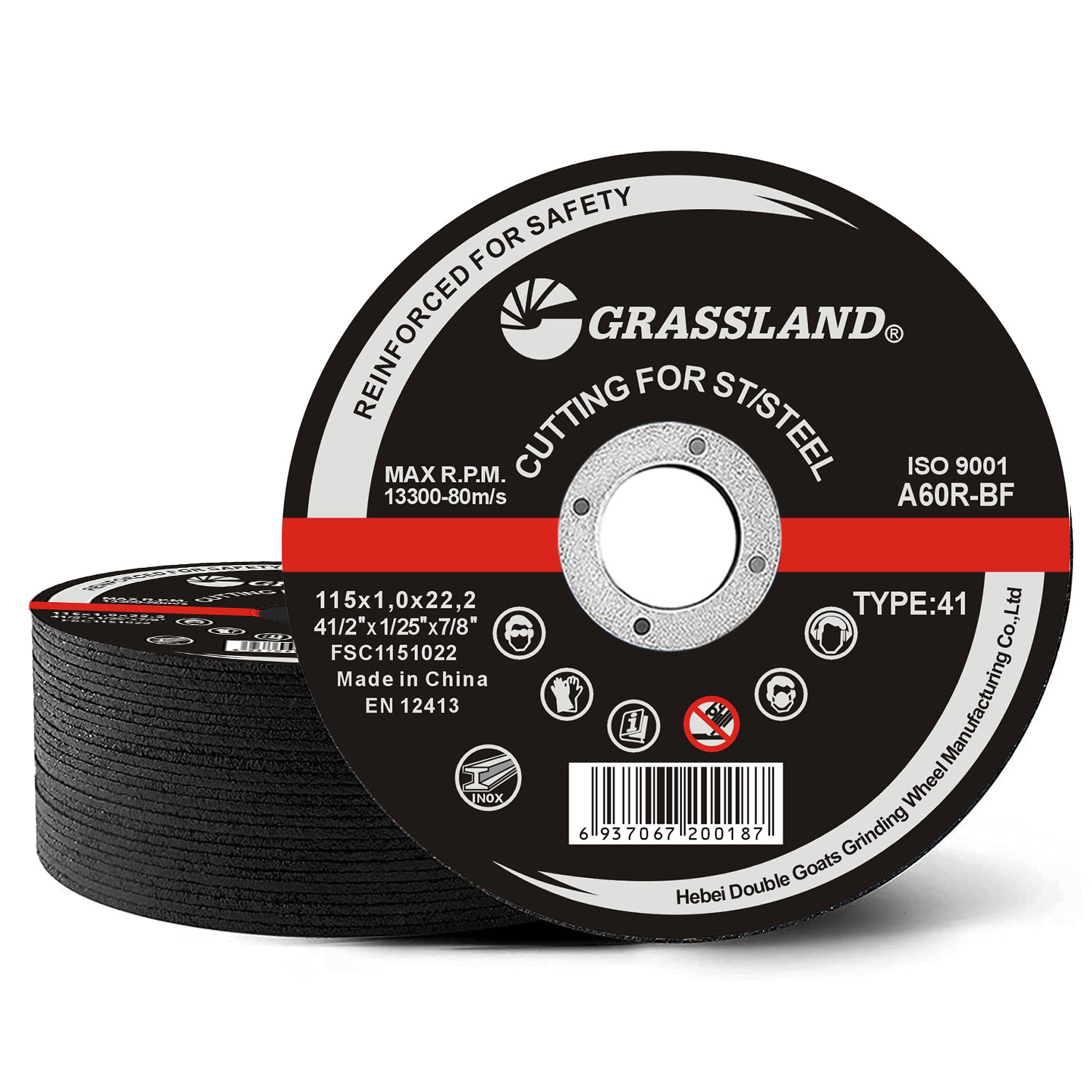
Simply put, a slitting disc is a thin, circular abrasive blade used primarily for cutting metal sheets, pipes, and other hard materials. Attached to angle grinders or specialized saws, these discs spin at high speeds, slicing through tough surfaces with remarkable accuracy. Their design and materials have evolved to meet modern demands, integrating seamlessly with automated systems or handheld tools.
Their relevance extends beyond factories. In humanitarian operations—such as rebuilding after natural disasters—lightweight, effective tools like slitting discs can significantly speed up reconstruction stages and reduce labor intensity, which is crucial when resources and time are scarce.
Mini takeaway:
Slitting discs are simple, but their adaptability makes them essential in everything from industrial workshops to emergency rebuilding sites.
Core Components and Key Factors of Slitting Discs
Durability
One of the biggest selling points is toughness. Nobody wants discs that shatter halfway through a cut. Modern slitting discs typically combine abrasive grains like aluminum oxide or zirconia with resin binders to create a long-lasting, wear-resistant edge. This means fewer replacements and less downtime.
Cutting Precision
The thin profile—usually between 0.6 and 1.2 millimeters—allows for minimal loss of material and smooth edges. This precision reduces additional finishing work downstream, which engineers will appreciate for cost and time savings.
Safety Features
Because they spin at speeds sometimes exceeding 12,000 RPM, safety is no joke. These discs often feature features like reinforced fiberglass backing to prevent shattering, and clearly defined maximum speeds to avoid accidents.
Cost Efficiency
Low cost per cut is a big pull. High-quality discs might come with a steeper price tag upfront, but they generally outlast cheaper variants, leading to better overall value. The trick is choosing discs suited exactly for your material and job type.
Compatibility and Versatility
From handheld grinders to CNC machines, slitting discs come in various diameters and thicknesses. This flexibility lets manufacturers handle everything from delicate slitting tasks to heavy-duty cutting.
Material Composition
Depending on the application, discs might be tailored for stainless steel, mild steel, or non-ferrous metals, with abrasive grains chosen accordingly to optimize performance.
Mini takeaway:
When you pick a slitting disc, you’re juggling toughness, precision, safety, and cost—all wrapped in a tool that molds itself to your specific needs.
Real-World Applications: Where Slitting Discs Shine
Industries across the globe lean on these discs for diverse tasks. In automotive factories in Germany, high-speed slitting discs streamline sheet metal cutting. Over in Southeast Asia, shipyards deploy them for cutting steel plates amid humid, harsh environments.
Beyond manufacturing, humanitarian groups operating in flood- or earthquake-hit regions use portable angle grinders with slitting discs to turn debris into reusable scrap or craft emergency shelters quickly. Even niche sectors, like aerospace component manufacturing, require ultra-fine slitting discs for precision cuts on titanium alloys.
Regions from North America to Africa have noted improvements in operational efficiency with top-grade discs, as documented in industrial reports and aid mission case files. Some organizations highlight the versatility: one slitting disc type handling multiple metals reduces tool inventory and organize operations effectively.
Mini takeaway:
Whether in factories, shipyards, or disaster zones, slitting discs prove indispensable, adapting smoothly from high-volume industrial use to critical emergency applications.
Advantages and Long-Term Value of Using Slitting Discs
- Cost Savings: Longer disc life and fewer tool swaps cut overall expenditure.
- Material Efficiency: Thin cuts mean less scrap material.
- Worker Safety: Quality discs minimize accidents and produce cleaner cuts.
- Environmental Impact: Better precision lowers waste, helping sustainability efforts.
- Flexibility: One tool serves multiple cutting needs.
But it’s more than just economics. Workers at plant floors often express greater trust in tools that deliver predictable results; it's a kind of “peace of mind” nothing industrialist can easily price. On top of that, cutting-edge disc tech is sparking innovation across sectors, pushing boundaries of what’s possible.
Mini takeaway:
Slitting discs offer not just financial or operational perks, but also build trust and safety into workflows, enhancing the human side of industry.
The Future: Trends & Innovations in Slitting Disc Technology
Looking ahead, innovations like ceramic abrasives and diamond-enhanced coatings promise even greater hardness and longevity. Automation paired with AI-driven monitoring could soon predict disc wear and suggest timely replacements, cutting machine downtime further.
There’s also a notable push for greener manufacturing—think less toxic resins, recyclable disc components, and energy-efficient production methods. Some companies explore biodegradable binders, which sounds almost paradoxical for a cutting tool but could reshape the industry’s environmental footprint.
Mini takeaway:
The future of slitting discs is not just about sharper edges but smarter, more eco-friendly, and digitally integrated tools.
Tackling Common Challenges: Tips From The Experts
Slitting discs aren’t without flaws. A classic issue is improper disc-to-material matching, which leads to excessive wear or dangerous breakages. Engineers and safety consultants advocate strict adherence to manufacturer specs and regular staff training.
Another pain point’s vibration, which can reduce precision; emerging disc designs now include dampening layers to tackle this. Suppliers often suggest rotating between disc types or using multiple discs to optimize lifespan in hard-to-cut materials.
Mini takeaway:
Stay informed, choose right, and keep safety front and center to get the best out of your slitting discs.
Quick FAQ About Slitting Discs
- How often should I replace a slitting disc?
- Replace your disc if it shows cracks, uneven wear, or if cutting efficiency drops significantly. For industrial use, this could mean after 10–20 hours of heavy cutting, but always follow the manufacturer's guidelines.
- Can I use the same disc for stainless steel and mild steel?
- It’s not ideal. Stainless steel often requires discs with specific abrasive grains to prevent contamination and overheating. Using the correct disc ensures cleaner cuts and longer life.
- Are slitting discs safe to use for beginners?
- Yes, if users follow safety instructions, wear protective gear, and use discs suited for the task. Rigorous training or supervision is recommended when trying out high-speed cutting for the first time.
- What’s the typical size range for slitting discs?
- Common diameters range from 100mm (4”) to 230mm (9”), with thicknesses between 0.6mm and 1.2mm depending on the cutting application.
Product Specification Table
| Specification | Typical Value | Notes |
|---|---|---|
| Diameter | 115mm - 230mm | For various grinder sizes |
| Thickness | 0.6mm - 1.2mm | Thinner for precision cuts |
| Max RPM | 13,300 RPM | Must not be exceeded |
| Abrasive Grain | Aluminum oxide, Zirconia | Depends on material cut |
| Backing Material | Fiberglass reinforced | Improves safety |
Vendor Comparison: Choosing Your Trusted Slitting Disc Supplier
| Vendor | Product Range | Price Range | Safety Certifications | Customer Support |
|---|---|---|---|---|
| CutOff Discs Co. | Wide (All metals) | $$ | ISO 9001, OSA Certified | 24/7 Technical Support |
| SharpCut Tools | Medium (Steel focus) | $ | CE Marked | Business Hours Only |
| Metallix Abrasives | Narrow (Industrial heavy-duty) | $$$ | ISO, OSA, ANSI Certified | Expert Consultation |
Wrapping It Up: Why Choosing the Right Slitting Disc Matters
Understanding the role and nuances of slitting discs isn’t just a niche topic for engineers—it influences everything from factory throughput to worker safety and environmental impact. When you invest in quality discs tailored to your material and use case, you’re setting yourself up for smoother operations, less waste, and a safer workplace.
For those ready to upgrade their cutting edge (pun intended), I suggest exploring trusted vendors that combine quality with support. It feels like a small decision, but it triggers a cascade of benefits down the line.
Visit us anytime at CutOff Discs for premium slitting discs that match your industrial needs.
Mini takeaway:
Choosing the right slitting disc can streamline your workflow, improve safety, and contribute to sustainability—no matter your industry.
References
Post time:Nov - 30 - 2025