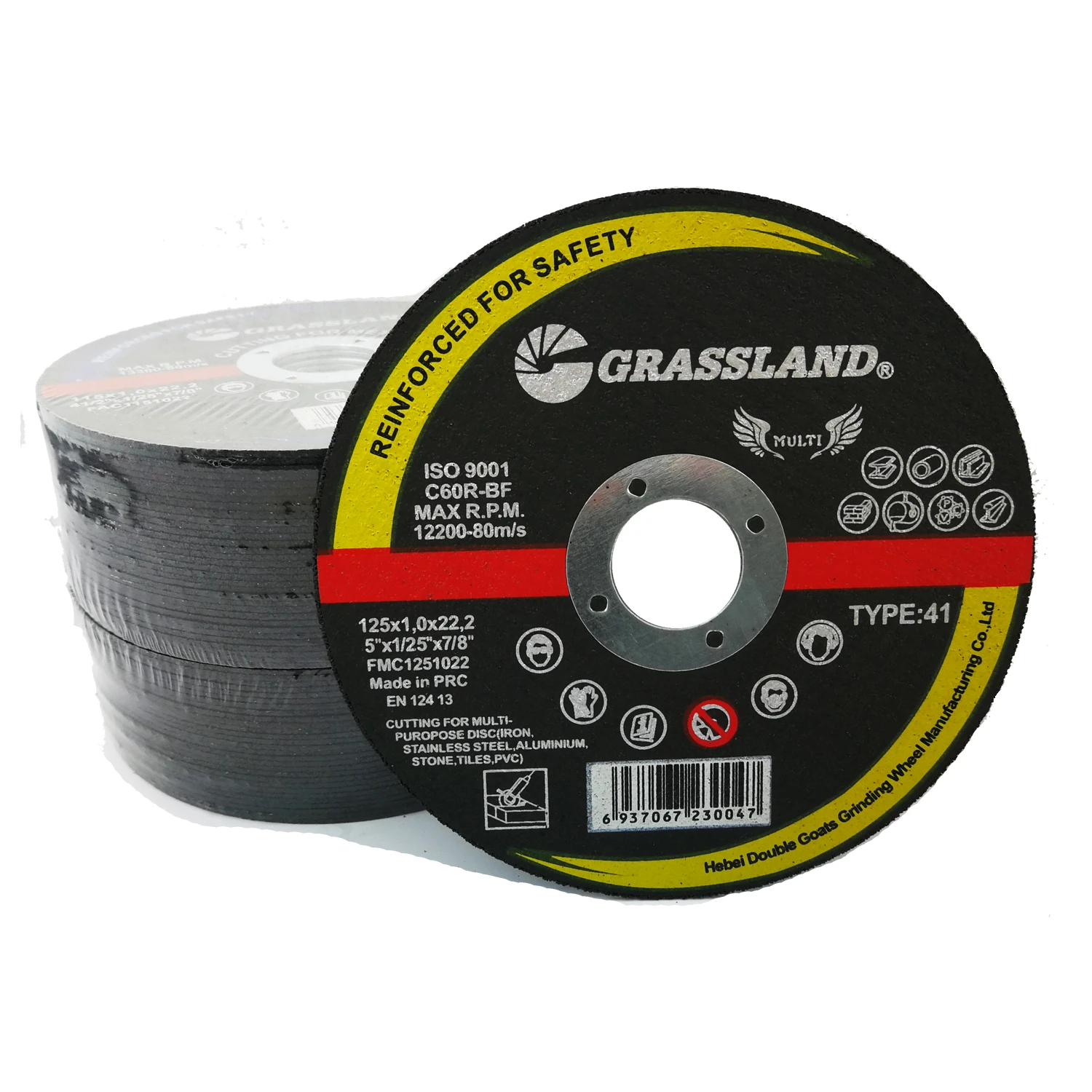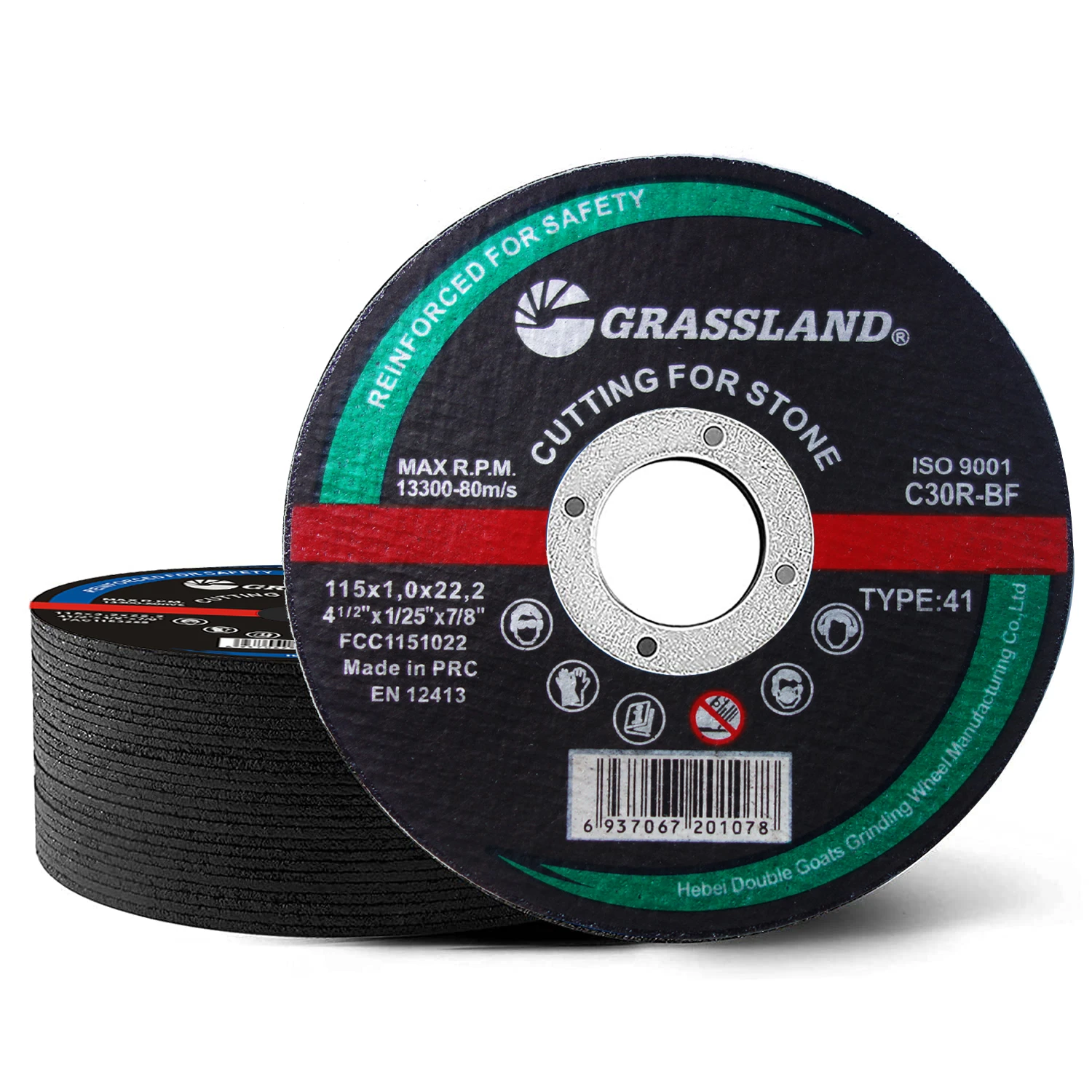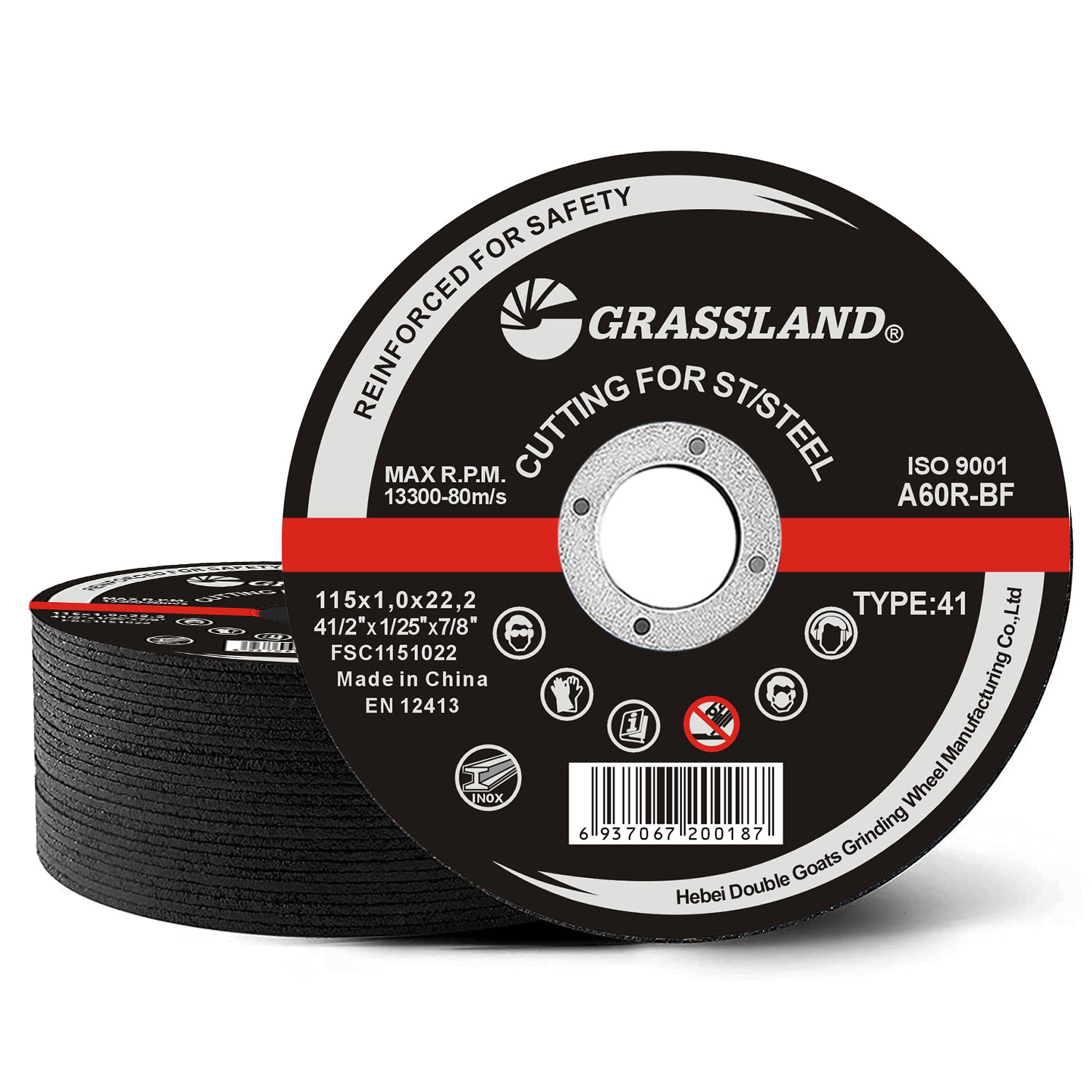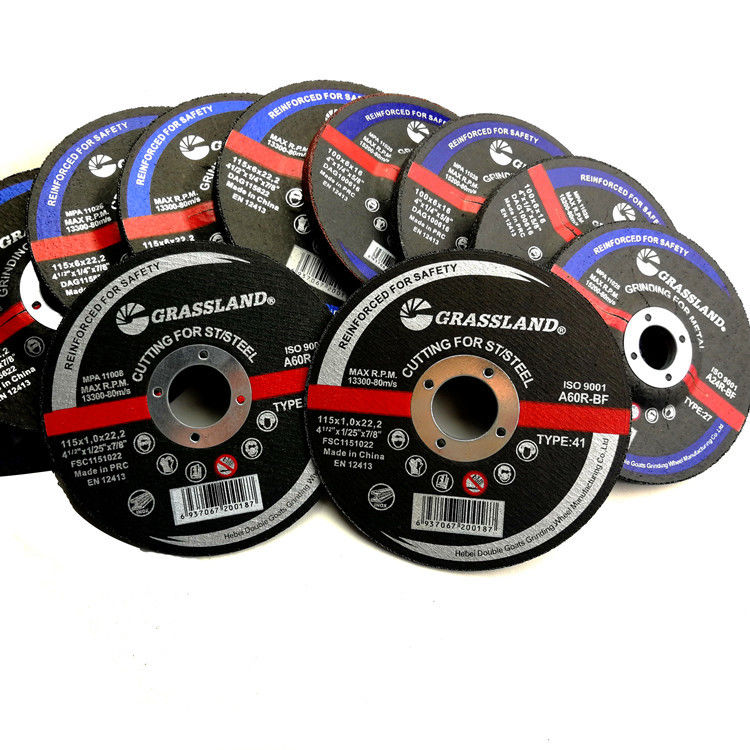
Unlocking Efficiency: Why Angle Grinder Wheels for Metal Matter Globally
Angle grinder wheels for metal aren’t just tools—they’re essential cogs in industries from shipbuilding to automotive to construction. Think about it: the world relies heavily on metal fabrication and finishing, from skyscrapers stretching the clouds to tiny precision components in electronics. A reliable angle grinder wheel can mean the difference between a smooth cut and a costly production halt. Globally, metalworking is booming, driven by infrastructure growth and manufacturing demand. According to the International Organization for Standardization (ISO), metal cutting and finishing technologies are critical to maintain safety and efficiency standards worldwide. Properly chosen wheels ensure productivity, safety, and sustainability—a trio that businesses everywhere chase. ---The Global Landscape: Why Angle Grinder Wheels for Metal Are in High Demand
Metalworking contributes close to 16% of the global manufacturing output, according to World Bank data. With construction and automotive sectors expanding rapidly in emerging economies, the demand for efficient, reliable metal-cutting tools continues to rise exponentially. Yet, an ongoing challenge is balancing performance and safety. Poor-quality grinding wheels frequently cause accidents or produce subpar finishes, delaying projects. These issues are prominent even in highly industrialized nations, which pushes manufacturers to innovate better wheel designs. Moreover, with stricter environmental regulations like those ISO 14000 standards promote, sustainable manufacturing practices are now mandatory, prompting the need for durable, long-lasting grinding accessories. > Mini takeaway: > The expanding global metal industry needs durable, safe, and eco-conscious angle grinder wheels to meet modern challenges. ---Defining Angle Grinder Wheels for Metal: A Simple Breakdown
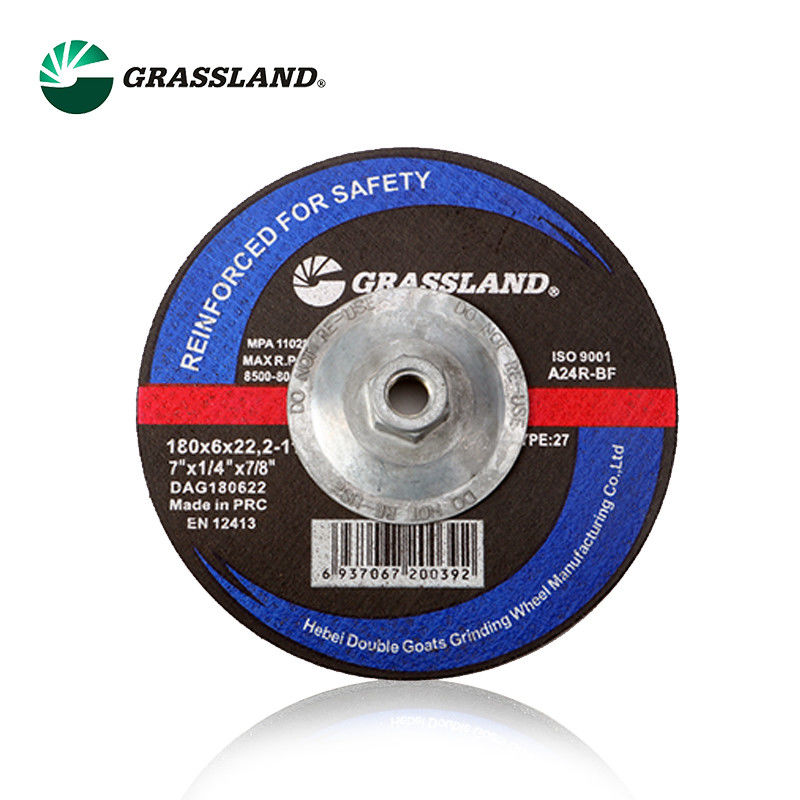
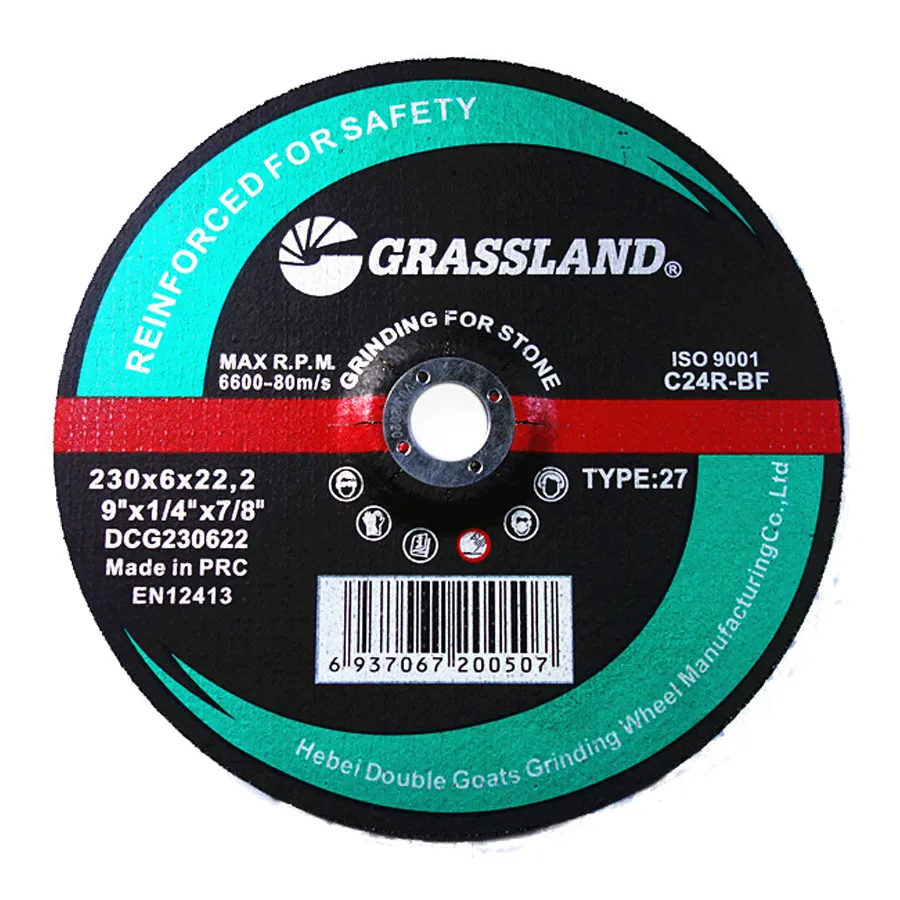
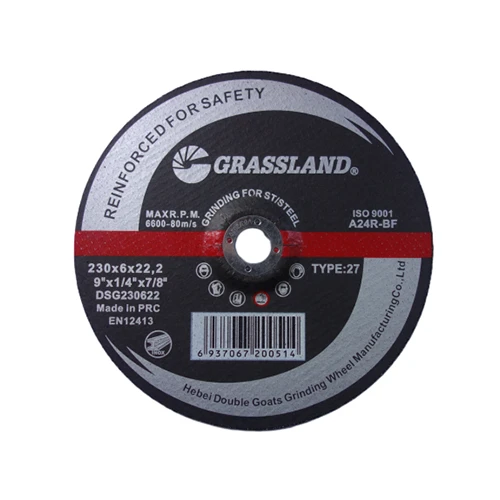
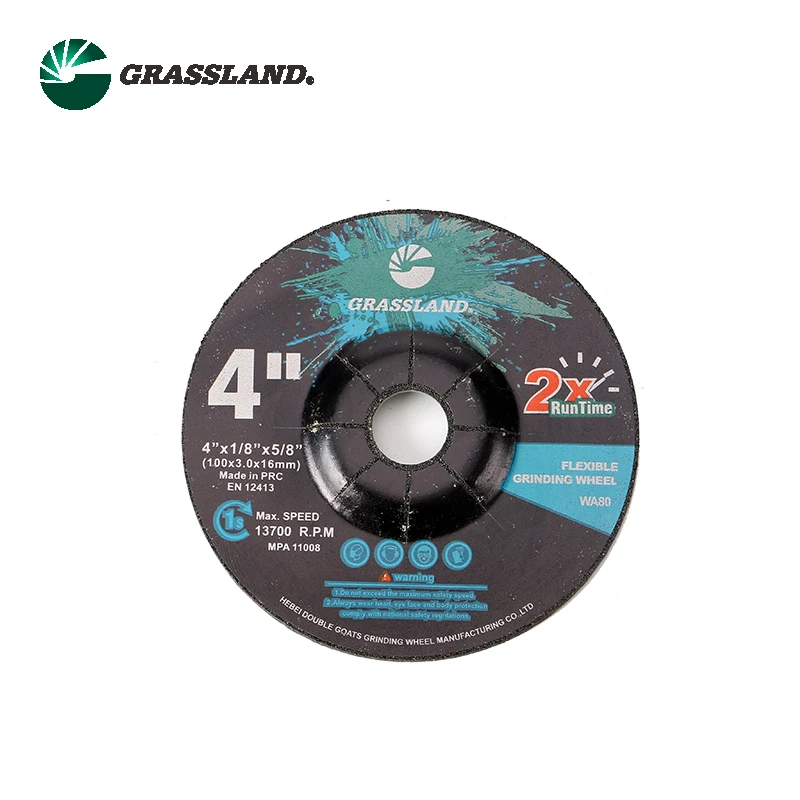
Angle grinder wheels for metal refer to circular abrasive discs mounted on angle grinders, designed specifically for cutting, grinding, or polishing metal surfaces. They come in a variety of materials—like aluminum oxide, zirconia alumina, or ceramic—optimized to handle different metals such as steel, aluminum, or cast iron. Why is this simple wedge of technology so crucial? Because metal, unlike some other materials, needs precision finishing to ensure structural integrity and aesthetic quality. A crappy wheel might overheat, warp, or break under pressure, risking operator safety and project integrity. So, these wheels form the frontline defense of metalworkers everywhere. ---Core Components That Make or Break Metal Cutting
Durability
A wheel’s lifespan is deeply tied to its abrasive material and manufacturing quality. Zirconia alumina wheels, for example, last longer than basic aluminum oxide but sometimes cost more upfront. The goal? Maximize cutting time while reducing replacement frequency. Durability also cuts down on waste, aligning with sustainability goals.Size and Thickness
Choosing the right diameter and thickness affects control. Thinner wheels (around 1.6 mm) are preferred for thin sheet metals, reducing effort and waste. Thicker wheels handle tougher jobs but are less precise.Bonding, or How the Wheel Stays Together
Wheels hold their abrasive grains by resin, vitrified bonds, or rubber-like materials. Resin bonds are common for angle grinder wheels with metal due to their shock resistance and heat tolerance, which is vital when cutting steel that heats rapidly.Compatibility with Grinder Speed
With some grinders reaching over 10,000 RPM, the wheel must safely endure high-speed rotation to avoid catastrophic failure. Always check wheel specs—over-speeding wheels can shatter dangerously.Cutting Efficiency
How fast and clean the wheel cuts directly translates to labor hours and finishing costs. Ceramic-based wheels tend to stay sharp longer but come at a premium; aluminum oxide wheels are often a good balance of performance and price.Cost Efficiency
While the upfront cost matters, considering total cost of ownership—including longevity, reduced downtime, and user safety—is smarter. Sometimes spending a bit more means big savings down the line. > Mini takeaway: > Picking the right wheel boils down to balancing durability, speed, and cost, closely related to the job’s scale and metal type. ---Global Applications: Where Angle Grinder Wheels for Metal come into Play
The applications are as diverse as metal itself. Heavy industries like shipbuilding use specialized wheels daily to cut thick steel plates. Automotive factories require precision wheels for body parts trimming and welding prep. Even artisans and small manufacturers rely on these wheels for custom projects. In post-disaster zones, local repair teams use angle grinder wheels to salvage damaged metal infrastructure quickly—sometimes literally saving lives by restoring access routes or power grids. In remote mines from Australia to Africa, wheel durability directly affects operational uptime, cutting costs where supply chains are fragile. Even humanitarian organizations benefit indirectly. For example, NGOs engaged in rapid shelter construction often depend on angle grinders to prepare steel frames quickly on site. | Specification | Description | Typical Values | |---------------------------|---------------------------------|--------------------------------| | Wheel Diameter | Diameter of the grinding wheel | 115mm, 125mm, 230mm | | Thickness | Thickness of the cutting edge | 1.6mm – 3.2mm | | Material | Abrasive type | Aluminum Oxide, Zirconia Alumina, Ceramic | | Bond Type | Resin, vitrified, rubber bonding | Resin (common in metal wheels) | | Max RPM | Maximum safe speed | 12,250 – 13,300 RPM | | Application | Suitable metals | Steel, Stainless Steel, Cast Iron, Aluminum | ---Vendor Comparison: Finding Your Best Match
| Brand | Material Options | Price Range (per wheel) | Notable Strengths |
|---|---|---|---|
| CutMaster | Aluminum Oxide, Zirconia Alumina | $3 – $7 | Great balance of price and durability; widely available |
| MetalPro | Ceramic, High-Grade Zirconia | $8 – $15 | Top performance for heavy industrial use, longer lifespan |
| QuickCut | Aluminum Oxide | $2 – $5 | Budget-friendly, ideal for light-duty or occasional use |
The Long-Term Benefits: Why Invest in Quality Angle Grinder Wheels?
Beyond immediate usage, the benefits ripple outward. With durability comes fewer replacements, which reduces waste. Reliable wheels guarantee clean cuts, enhancing safety and reducing rework costs. Then there’s the human factor—operator confidence and comfort improve when using tools that perform predictably. This might sound obvious, but anxiety over poor equipment is surprisingly common on shop floors. Sustainability is another plus. Better wheels mean less frequent manufacturing demand, saving energy and raw materials. Socially, it upholds trust—both within a company and with clients—because projects finish on time and budgets stay intact. ---What the Future Holds: Innovations in Angle Grinder Wheels for Metal
There’s exciting progress on multiple fronts. Hybrid abrasive materials blend ceramic and zirconia grains for longer life and faster cut speeds. Some manufacturers are experimenting with bio-based resins to replace traditional petrochemical bonds, aiming to lower environmental footprints—this matches broader ISO 14001 directives. On the tech front, "smart" grinding wheels fitted with RFID chips could soon enable real-time wear tracking and automatic replacement reminders. Automation and IoT integration in metal fabrication plants make this plausible within a few years. Green manufacturing isn’t just a buzzword; it’s a mandate. The push for carbon-neutral factories indirectly pushes wheel makers to produce more eco-friendly, safer options. ---Challenges in the Industry and How They’re Being Tackled
Not all problems are solved. One recurring issue is compatibility—workers sometimes grab the wrong wheel for the metal type, risking safety and quality. Some shops lack rigorous training or labeling protocols. Vendors and associations are tackling this by improving user education and clearer wheel markings. Another hurdle is balancing cost and performance. Higher-end wheels might be out of reach for small-scale operations. Bulk purchasing programs, or “try-before-you-buy” demos, help lower this barrier. Lastly, local regulations on disposal of used wheels call for innovation in recycling methods, which are still nascent but promising. ---FAQ: Frequently Asked Questions About Angle Grinder Wheels for Metal
Q: What type of angle grinder wheel is best for stainless steel?
A: Stainless steel is tougher and can cause wheel glazing. Zirconia alumina or ceramic wheels are recommended because they maintain sharpness longer and reduce heat buildup, leading to cleaner cuts.
Q: How often should I replace angle grinder wheels for metal?
A: It depends on usage intensity and metal type, but generally replace wheels when they become worn down, crack, or lose cutting effectiveness. Regular inspection before use is essential for safety.
Q: Can angle grinder wheels be used on different metals?
A: Yes, but different metals may require specific wheel materials or thicknesses for optimal results. Always check manufacturer's guidelines to ensure compatibility.
Q: Are resin-bonded wheels better than vitrified ones for metal grinding?
A: Resin bonds are typically preferred for angle grinder wheels cutting metal due to their shock absorption and heat resilience, making them safer and more efficient under high speeds.
Q: How can I ensure safe use of angle grinder wheels?
A: Always verify wheel RPM ratings against your grinder SPD, wear personal protective equipment, secure the workpiece properly, and follow manufacturer instructions.
Conclusion: Cutting Through the Noise
In the world of metalwork, angle grinder wheels for metal might seem like small players, but their impact is anything but. They’re vital tools that fuel productivity, safety, and sustainability worldwide—quiet facilitators of progress in shipping, construction, manufacturing, and beyond. Choosing the right wheel, investing in quality, and staying informed about innovations can translate into lasting benefits for businesses and operators alike. Curious to see the latest and greatest? Visit our website: angle grinder wheels for metal and find the perfect wheel for your project. ---References:
Post time:Nov - 30 - 2025