Steel Cut Off Wheel: The Unsung Hero of Modern Metalworking
If you’ve ever watched a metalworker slice through thick steel rods, beams, or pipes, chances are you noticed a spark shower—not magic, just a trusty steel cut off wheel at work. It’s one of those tools that quietly punches above its weight in workshops, construction sites, and industrial plants worldwide. But why does it matter beyond just “cutting metal,” and what makes understanding these wheels crucial for professionals and businesses alike?
Global Context: Why Steel Cut Off Wheels Are More Relevant Than Ever
Across the globe, steel remains one of the most widely used industrial materials—accounting for roughly 95% of all metal used in construction, manufacturing, and infrastructure (source: World Steel Association). With the growing urbanization and infrastructure development, especially in emerging economies, the demand for precise, efficient steel cutting has skyrocketed.
Yet cutting thick steel is no trivial task. It requires tools that strike a perfect balance between durability, safety, cost-efficiency, and precision. Enter the steel cut off wheel. These wheels enable operators to slice through tough metal quickly without compromising safety or quality. From developing metros in India to retrofitting offshore rigs in North Sea, these wheels underpin countless projects.
What Exactly Is a Steel Cut Off Wheel?
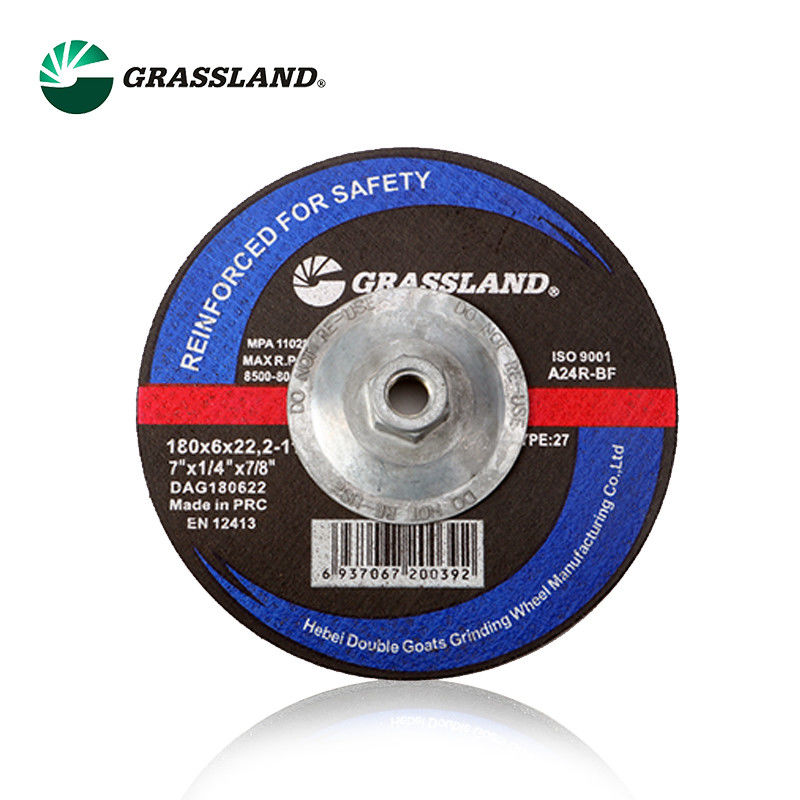
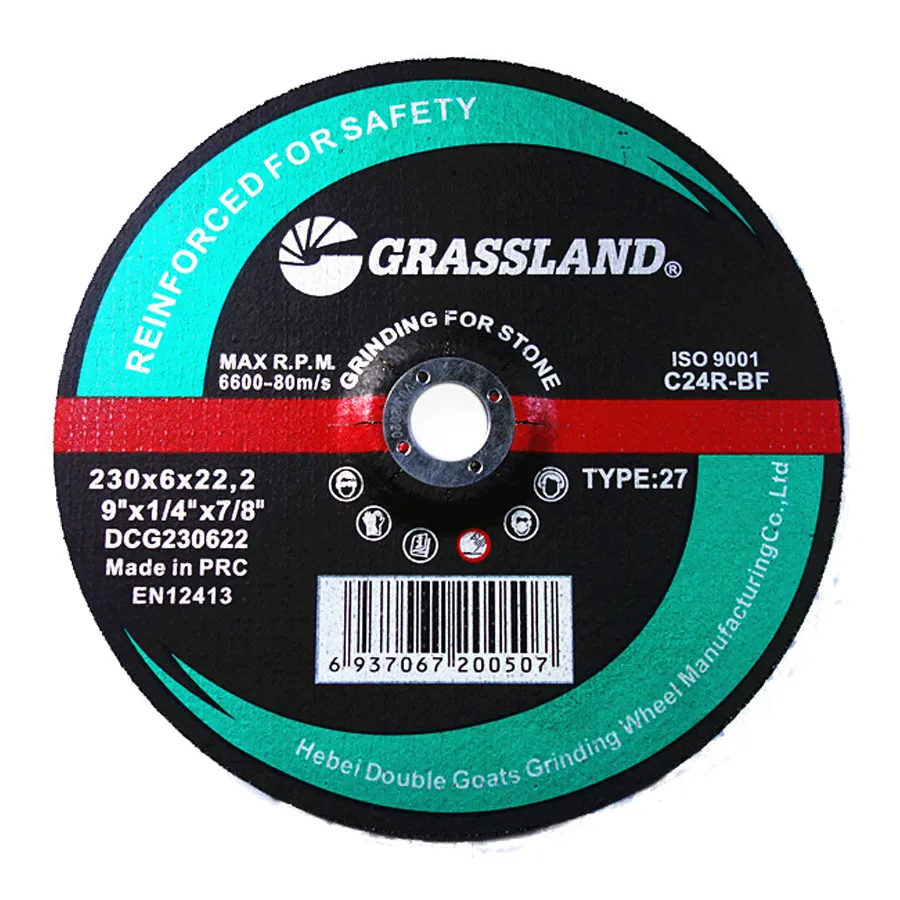
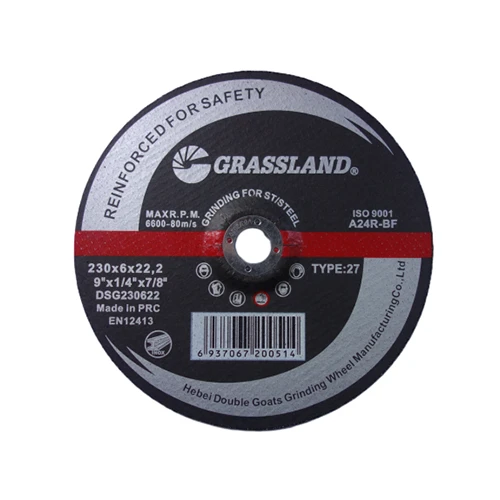
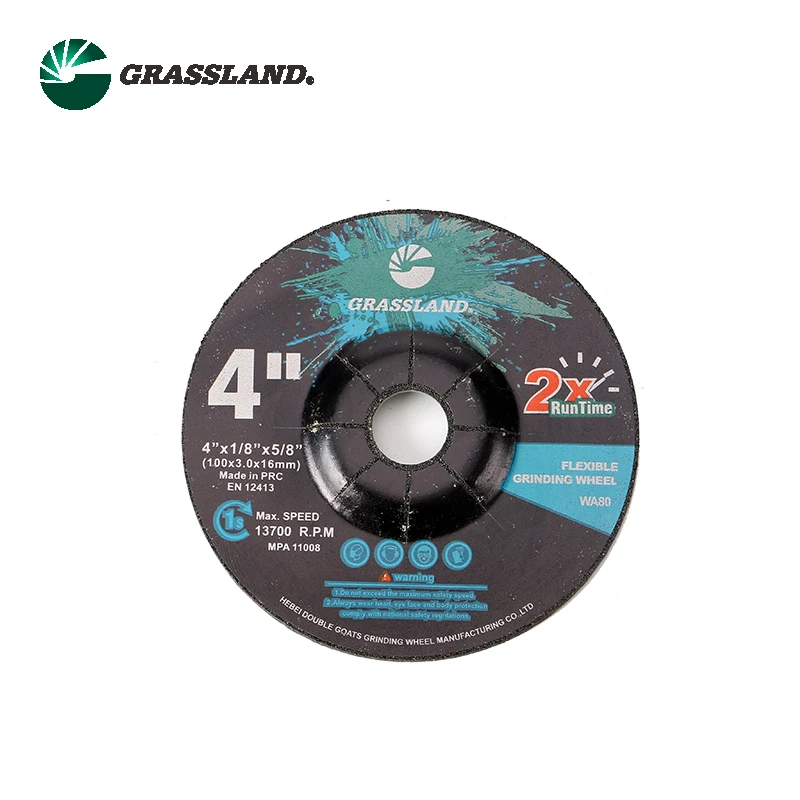
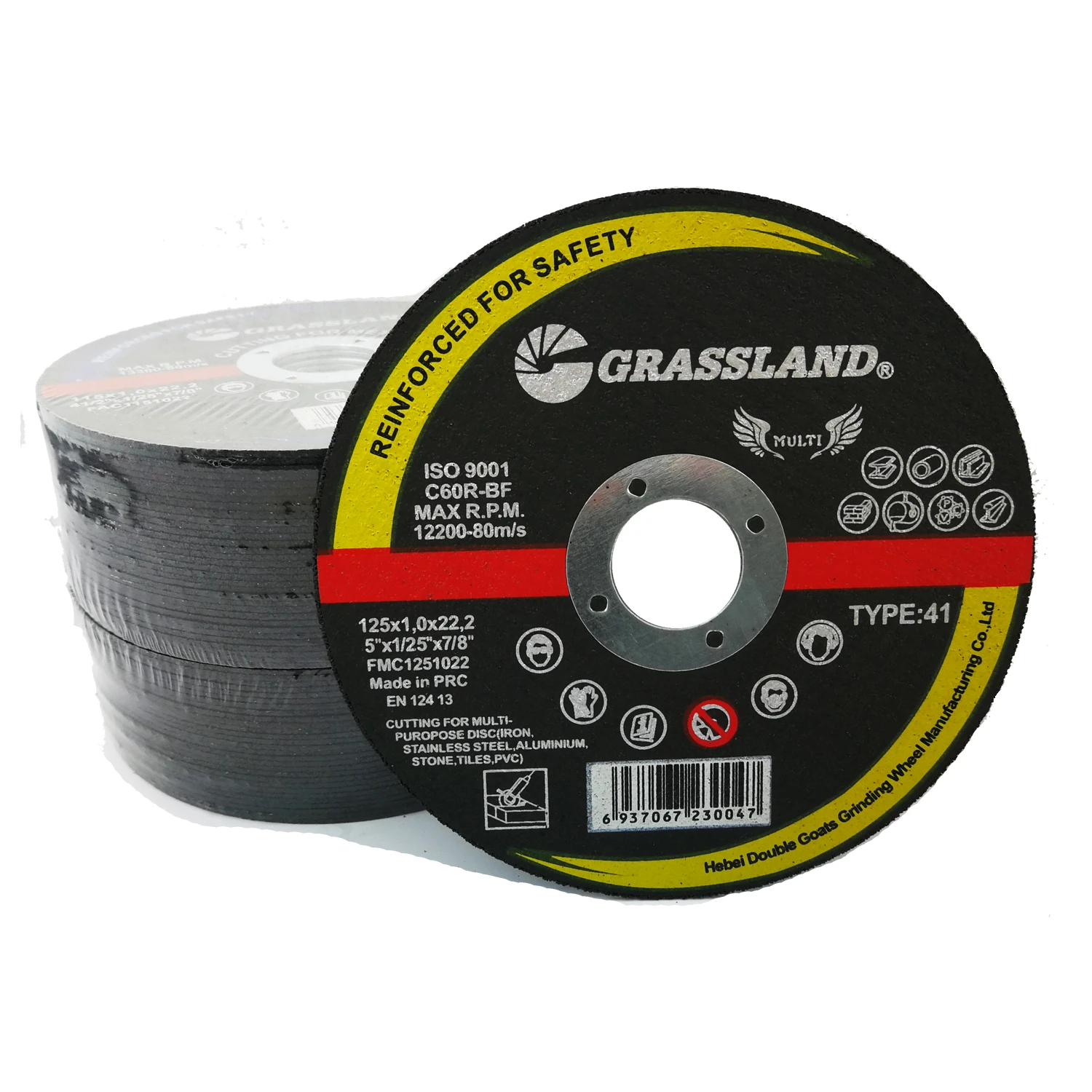
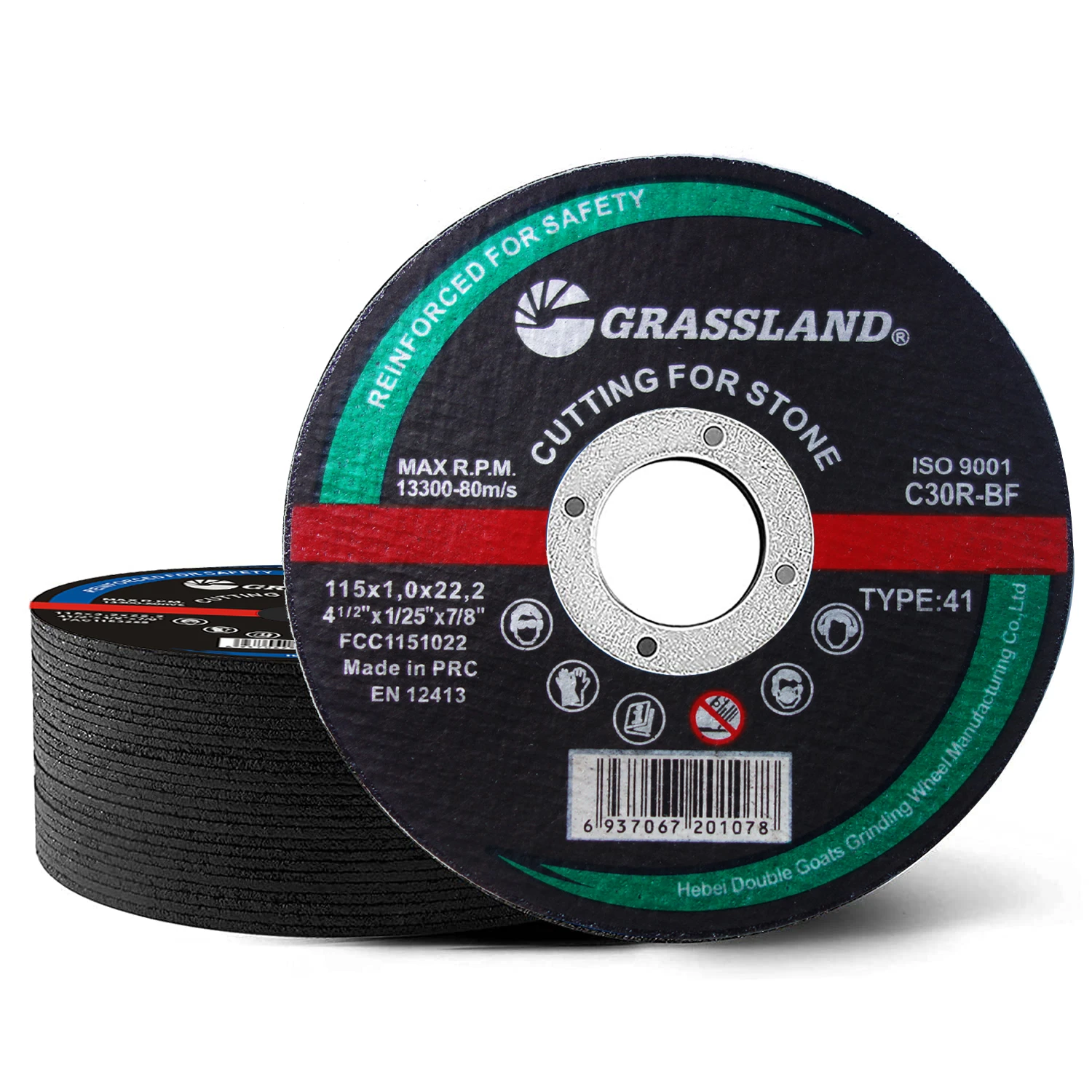
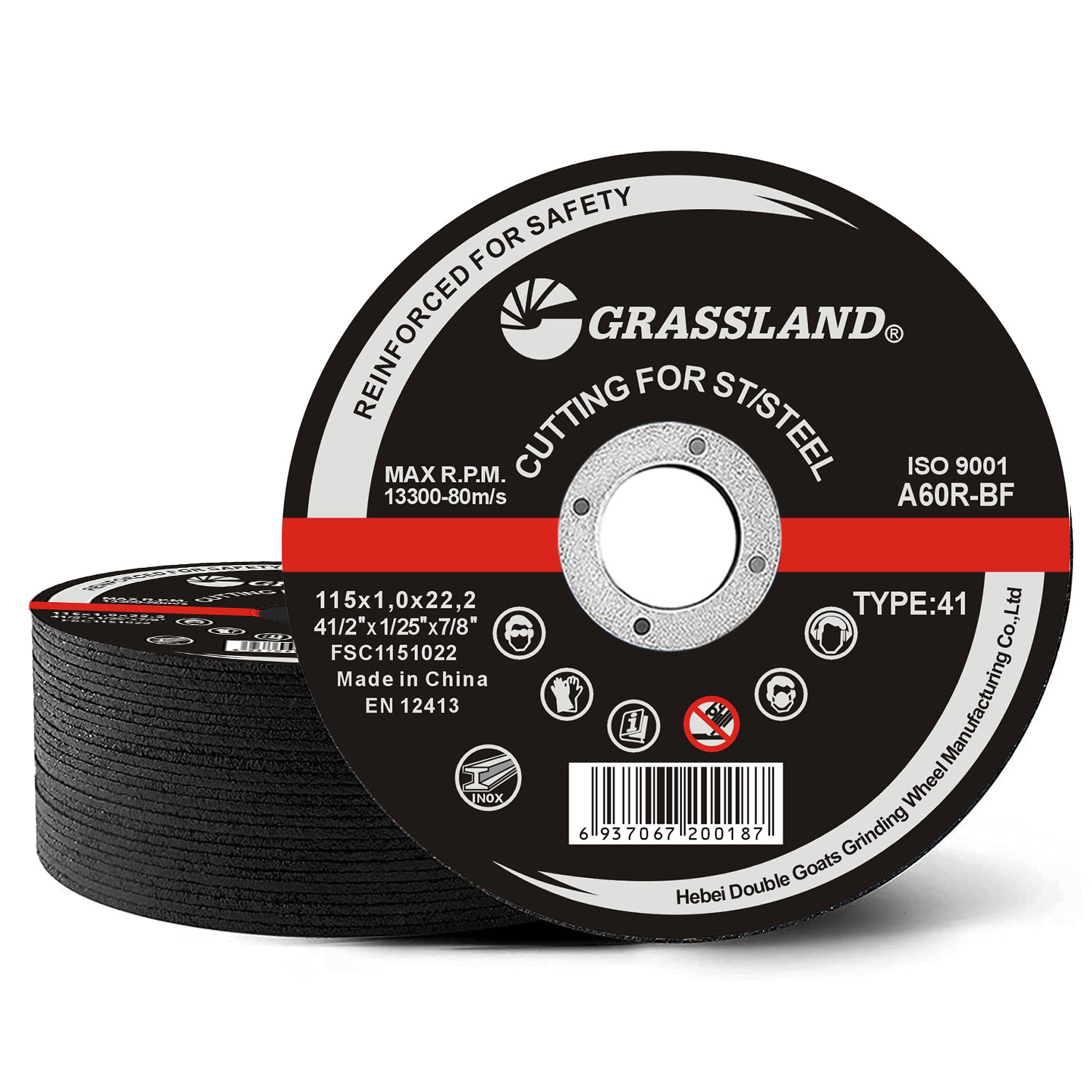
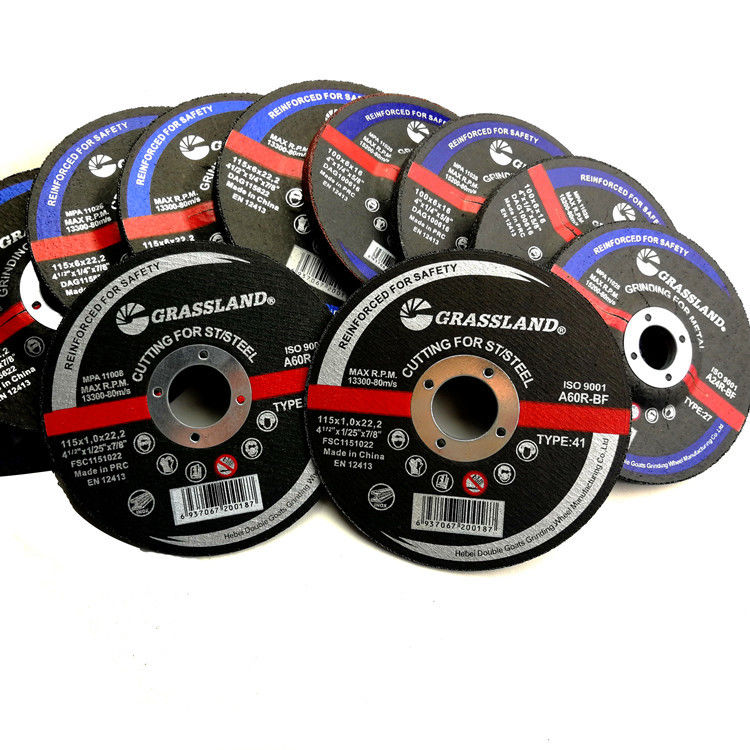
At its core, a steel cut off wheel is a flat, high-speed abrasive disc designed specifically for cutting metal objects—think steel rods, bars, tubes, and sheet metal. Unlike grinding discs, which are more about surface finishing, cut off wheels focus on slicing completely through the material. They’re bonded with abrasive compounds like aluminum oxide or silicon carbide embedded in a resin matrix.
In real-world terms, these discs are essential tools wherever rapid and clean steel cutting is needed—from automotive fabrication workshops to emergency repair teams restoring power lines after storms. I find it fascinating how such a simple design can have such widespread applications, bridging everyday manufacturing to urgent humanitarian relief.
Core Features to Look for in Quality Steel Cut Off Wheels
Durability & Material Composition
Not all wheels are created equal. The abrasive grading and bonding resin determine how long the wheel lasts under heavy use. High-quality wheels typically use aluminum oxide grains for steel, widely regarded as the best balance between hardness and toughness.
Cutting Speed and Efficiency
The RPM rating and wheel thickness crucially influence speed and heat buildup. Thinner wheels provide faster and cleaner cuts but may wear out quicker if not made with high-spec materials.
Safety Features
Manufacturers include features like reinforced fiberglass mesh layers to prevent shattering. Also, angle grinders paired with right-sized wheels must comply with safety standards like ISO 9001 or ANSI to reduce accidents.
Versatility
While some wheels specialize in mild steel, others cut through stainless steel or even cast iron. Knowing your specific needs can save you from the frustration of mismatched discs.
Cost Efficiency and Availability
Interestingly, while high-grade wheels cost more upfront, their longer lifespan and superior performance often translate into savings on replacement and downtime.
| Parameter | Value/Range | Notes |
|---|---|---|
| Diameter | 4" to 14" | Depends on application and grinder size |
| Thickness | 0.045" to 0.125" | Thinner = faster cut, but less durable |
| Max RPM | 8,600 - 13,300 | Always check compatibility with grinder |
| Abrasive Material | Aluminum oxide, zirconia alumina | Best for steel varieties |
| Bond Type | Resin reinforced with fiberglass | Safety and durability |
Where Do Steel Cut Off Wheels Shine Globally?
Their applications are as diverse as the industries relying on steel. Construction companies in Southeast Asia use them daily to fabricate structural components for skyscrapers. Meanwhile, shipbuilders in Northern Europe rely on durable wheels to handle rust-prone marine-grade steel.
In disaster relief zones, workers repairing damaged power infrastructure find these wheels indispensable—imagine the urgency and the need for quick, precise cutting in harsh environments. Even remote mining operations in South America use these wheels, as resupply can often be infrequent, forcing the need for reliable, long-lasting tools.
Many engineers also highlight how the availability of different sizes and grades makes it easier to find the perfect wheel for specific contexts—from delicate instrument manufacturing in Japan to heavy industrial refurbishments in the U.S.
| Vendor | Material Quality | Safety Certification | Price Range (per 10 wheels) | Global Shipping |
|---|---|---|---|---|
| Metro Abrasives Co. | High-grade aluminum oxide | ISO 9001, OSHA compliant | $150 - $230 | Yes (priority to Asia & Europe) |
| SteelPro Tools Inc. | Zirconia alumina blend | ANSI & CE marked | $170 - $250 | Worldwide |
| RapidCut Supplies | Standard aluminum oxide | Meets general safety regs | $120 - $180 | Limited (mainly USA) |
Why These Wheels Make More Sense Over Time
In the long run, using a quality steel cut off wheel isn't just about speed. It’s about reducing costly downtime, protecting workers, and supporting sustainable practices. Safer wheels mean fewer accidents, which relates directly to worker morale and company reputation. Faster, cleaner cuts also mean less metal warping and material waste—a small but meaningful contribution to sustainability efforts.
Knowing that your tooling supports innovation and quality workmanship resonates with anyone proud of their craft. Trust and reliability here aren’t just sales pitches — many users report significant improvements in overall project timelines and material costs.
Looking Ahead: The Future of Steel Cutting Technology
With environmental concerns shaping production, manufacturers are pushing for more eco-friendly bonding resins and recyclable wheels. Advanced materials like ceramic abrasives and graphene-infused composites are also entering labs, promising lighter, stronger, and longer-lasting cut off wheels.
Automation is another frontier: AI-powered angle grinders that optimize speed and pressure, combined with smart sensors monitoring wheel wear in real-time, could soon reduce human error dramatically.
Common Challenges and How Industry Innovators Tackle Them
Some users struggle with wheel brittleness or inconsistent cutting depth. But through enhanced quality controls and innovations like reinforced frameworks inside wheels, these issues are diminishing. Additionally, proper training and safety gear remain a non-negotiable part of effective usage.
FAQ: Practical Questions About Steel Cut Off Wheels
1. What size steel cut off wheel should I choose for my angle grinder?
It depends on your grinder’s maximum RPM and the material thickness. For heavy-duty steel cutting, wheels between 7 to 9 inches thickness are common, but always check compatibility to avoid wheel shattering or motor strain.
2. Can a steel cut off wheel be used on stainless steel?
Yes, but it’s better to use wheels specifically designed for stainless steel, often with zirconia alumina abrasives, as they reduce heat build-up and avoid surface contamination.
3. How often should I replace a steel cut off wheel?
Replace when the diameter is reduced by a third or if you notice any cracks, chips, or vibrations during use. Using damaged wheels is a safety hazard.
4. Are steel cut off wheels reusable or disposable?
They’re generally consumables. While some last longer based on usage and quality, plan to replace them regularly to maintain cutting efficiency and safety.
5. Where can I buy quality steel cut off wheels internationally?
Many vendors offer global shipping. Trusted suppliers like Metro Abrasives and SteelPro Tools listed above provide options suitable for industrial or DIY needs. Sometimes, local distributors carry OEM options—worth checking for faster delivery.
In a nutshell? The steel cut off wheel remains a cornerstone technology for metal fabrication and repair worldwide. Efficient, safe, and constantly evolving, mastering its nuances can save time and money—and sometimes, salvage a tough project.
If you want to explore more about choosing the right wheels or browse trusted products, feel free to check out steel cut off wheel selections, tailored for various applications and budgets.
References & Further Reading
Post time:Nov - 30 - 2025