Understanding the Versatility of a Flap Disc Grinder
A flap disc grinder is a powerful and versatile tool used for grinding, blending, and finishing a variety of materials. Its unique design, featuring overlapping abrasive flaps, provides a consistent and efficient surface treatment. Whether you're a professional metal fabricator, a DIY enthusiast, or involved in construction, understanding the capabilities of a flap disc grinder is essential. This article explores the benefits, applications, types, and safety considerations when using this valuable tool. Cutoffdiscs.com offers a wide range of high-quality flap discs to meet your specific needs.
What Makes a Flap Disc Grinder Unique?
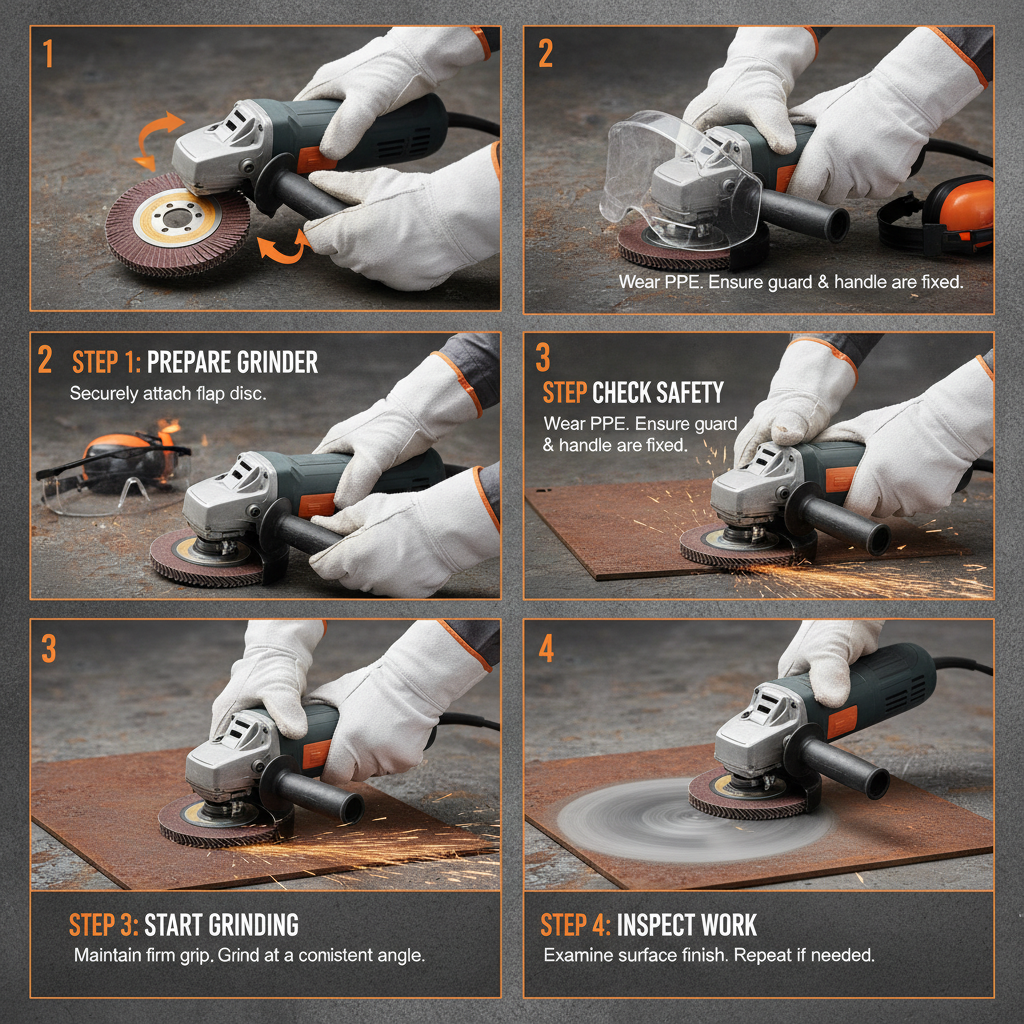
Unlike traditional grinding wheels, a flap disc grinder boasts a design comprised of abrasive flaps bonded to a backing plate. This construction provides several advantages. Firstly, it offers a cool grinding action due to the open coat structure, minimizing heat buildup and reducing the risk of workpiece distortion or damage. Secondly, it allows for a more consistent finish, ideal for blending welds and removing imperfections. Thirdly, the flaps wear down evenly, extending the life of the disc. Finally, it offers excellent versatility – capable of handling a variety of materials from steel and stainless steel to aluminum and even wood.
Key Highlights: Cool grinding action, consistent finish, extended disc life, and exceptional versatility.
Applications of a Flap Disc Grinder
The applications for a flap disc grinder are broad and diverse. Commonly, it’s used for removing weld scale, deburring edges, blending welds, removing paint and rust, and surface conditioning. In metal fabrication, it’s instrumental in preparing metal surfaces for painting or welding. In the automotive industry, it's used for bodywork and rust removal. In the construction industry, it can be used for smoothing rough edges on metal components. Its adaptability makes it a staple in workshops and job sites around the world. Investing in the right flap disc for your specific application is crucial for optimal performance.
Key Applications:
• Removing weld scale & imperfections
• Deburring & edge rounding
• Blending welds seamlessly
• Paint & rust removal
Choosing the Right Flap Disc Grinder: Grain, Grit, and Material
Selecting the appropriate flap disc depends on the material you’re working with and the desired finish. Different abrasive grains are suited for different materials. Aluminum oxide is a general-purpose grain suitable for steel and mild steel. Silicon carbide is best for non-ferrous metals like aluminum and brass. Ceramic aluminum oxide provides superior cut rate and durability for aggressive stock removal. Grit size also plays a vital role: coarser grits (e.g., 36, 60) are for aggressive material removal, while finer grits (e.g., 120, 180) are for blending and finishing. Matching the grain and grit to your project will significantly improve results.
Safety First: Best Practices for Using a Flap Disc Grinder
Safety is paramount when operating a flap disc grinder. Always wear appropriate personal protective equipment (PPE), including safety glasses or a face shield, hearing protection, gloves, and a dust mask. Ensure the workpiece is securely clamped before grinding. Inspect the disc for damage before each use and discard any damaged discs. Never exceed the maximum RPM rating of the disc or the grinder. Maintain a firm grip on the grinder and use a controlled, consistent pressure. Proper training and adherence to safety guidelines are vital to prevent accidents.
Flap Disc Grinder Product Specifications
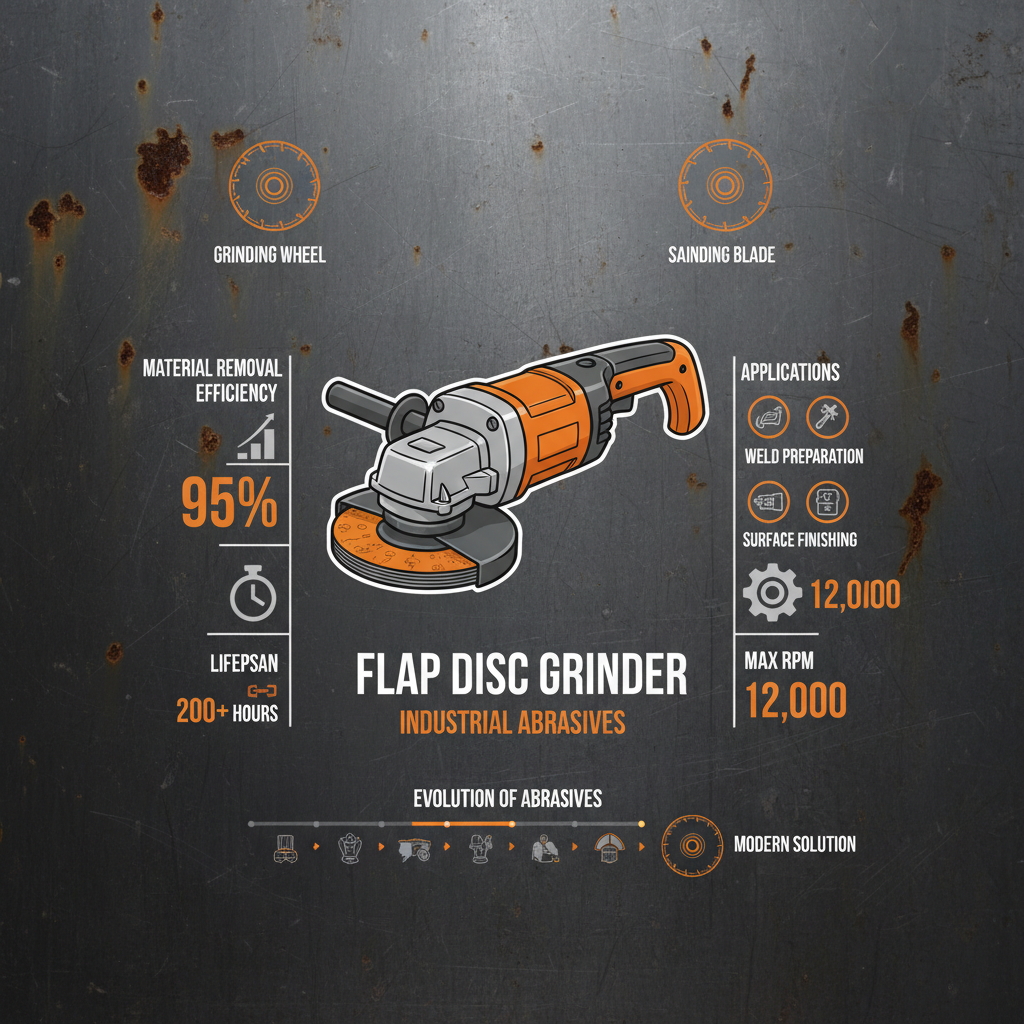
Understanding the technical specifications of a flap disc is key to selecting the right tool for your job. Here's a breakdown of common specifications:
Conclusion: Enhance Your Projects with the Right Flap Disc
The flap disc grinder is an indispensable tool for various applications, offering efficiency, versatility, and a superior finish. By understanding its capabilities, choosing the appropriate disc for your specific material, and prioritizing safety, you can maximize your results and ensure a safe working environment. Cutoffdiscs.com offers a comprehensive selection of high-quality flap discs to meet all your grinding and finishing needs.
Frequently Asked Questions (FAQs)
What's the difference between a flap disc and a grinding wheel?
The main difference lies in their construction and application. Grinding wheels are typically more aggressive and used for rapid material removal, whereas flap discs offer a cooler, more controlled grinding action with a finer finish. Grinding wheels are generally used for heavier-duty tasks like shaping metal, while flap discs excel at blending, deburring, and surface conditioning. Flap discs also generate less heat, reducing the risk of workpiece distortion. Choosing between the two depends on the specific task and desired outcome.
Can I use a flap disc on any angle grinder?
You can, but it’s crucial to ensure the angle grinder’s RPM rating matches or falls within the flap disc’s maximum RPM specification. Exceeding the maximum RPM can cause the disc to shatter. Additionally, always use an angle grinder with a properly functioning guard and ensure the disc is securely mounted. Check the manufacturer’s recommendations for both the angle grinder and the flap disc to ensure compatibility.
How do I know when to replace a flap disc?
Replace the flap disc if you notice any visible signs of damage, such as cracked or missing flaps, excessive wear, or a change in grinding performance. If the disc feels unbalanced or vibrates excessively, stop using it immediately. Even if there's no visible damage, replace the disc after a period of heavy use or if it’s been exposed to extreme temperatures. Regular inspection is vital for safety.
What are the advantages of using a ceramic flap disc?
Ceramic flap discs are known for their exceptional durability, long lifespan, and aggressive cutting action. They’re ideal for grinding hard materials like stainless steel and high-tensile alloys. Their self-sharpening characteristics maintain a consistent cut rate throughout the disc's life, making them a cost-effective choice for demanding applications. They generate less heat compared to other abrasives, minimizing the risk of workpiece damage.
Post time:Mar - 08 - 2026