Choosing the Right Flap Disc for Your Application
Selecting the appropriate flap disc is crucial for achieving optimal performance, safety, and efficiency in various metalworking applications. With a wide range of grits, materials, and bonding agents available, understanding the nuances of these abrasive tools can be challenging. This article provides a comprehensive guide to flap discs, covering their applications, types, and key considerations for choosing the best disc for your specific needs. We'll explore how to maximize your cutting and finishing results with the right abrasive solution.
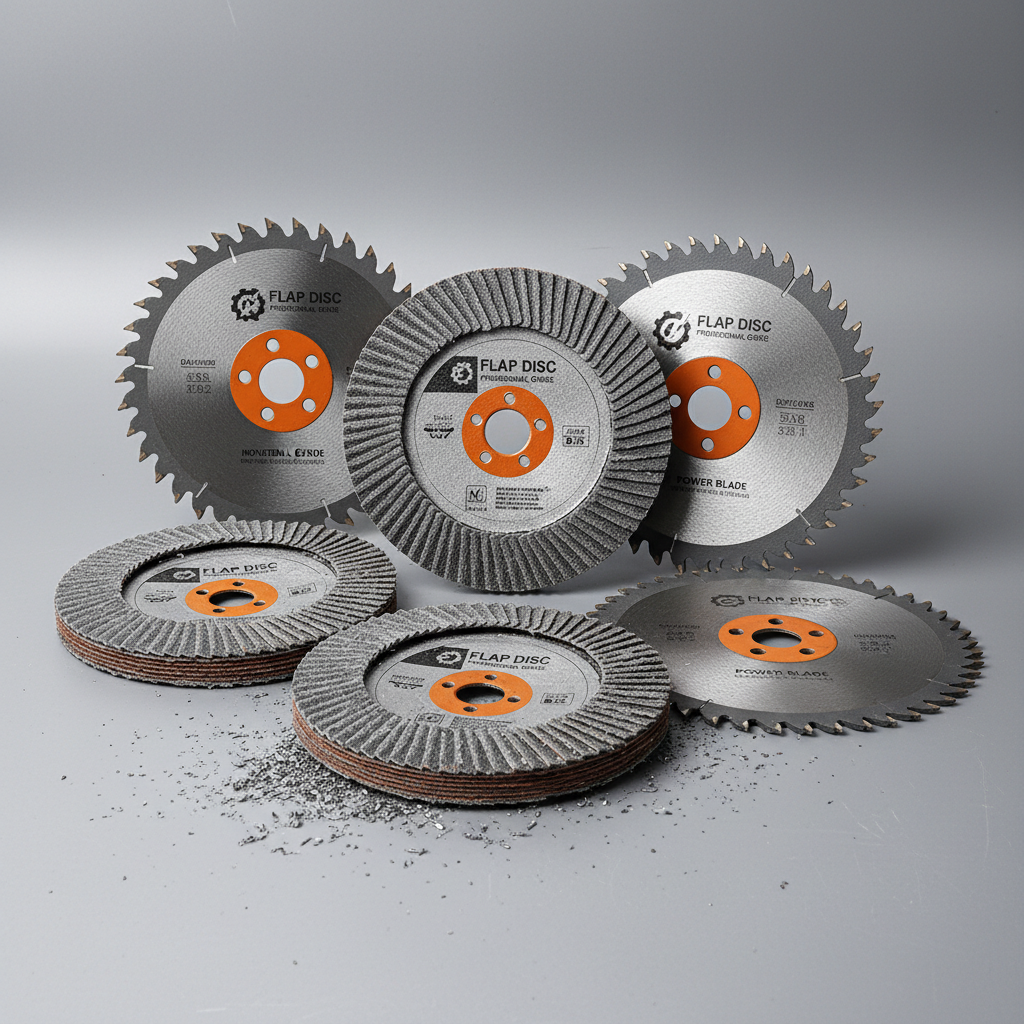
Understanding Flap Disc Construction and Operation
A flap disc consists of abrasive flaps bonded to a backing plate, typically made of fiberglass or resin. These flaps are arranged in a staggered pattern, creating a continuous abrasive surface. As the disc rotates, these flaps wear away, revealing fresh abrasive material and providing a consistent cutting action. This design makes flap discs versatile, suitable for both grinding and finishing operations. They are particularly effective on metal surfaces, offering a balance between material removal and surface blending. Different flap materials affect the aggressiveness and lifespan of the disc, influencing its suitability for various metals and applications.
Key Benefits: Versatile for grinding and finishing, provides consistent cutting action, balances material removal and surface blending, long-lasting abrasive surface.
Different Types of Flap Discs and Their Applications
Flap discs come in various types, each designed for specific applications. Type 1 flap discs are flat and suitable for surface grinding and blending. Type 29 flap discs are conical and are excellent for edge work and contouring. Different abrasive materials, such as aluminum oxide, silicon carbide, and ceramic, also contribute to their diverse applications. Aluminum oxide discs are commonly used for mild steel and general-purpose grinding, while silicon carbide discs are ideal for non-ferrous metals and harder materials. Ceramic flap discs offer superior durability and cut rate for aggressive material removal on harder metals like stainless steel.
Flap Disc Types & Applications:
• Type 1 (Flat): Surface grinding, blending, deburring.
• Type 29 (Conical): Edge work, contouring, beveling.
• Aluminum Oxide: Mild steel, general purpose grinding.
• Silicon Carbide: Non-ferrous metals, harder materials.
• Ceramic: Aggressive material removal, stainless steel.
Choosing the Right Grit for Your Flap Disc Application
The grit of a flap disc determines its aggressiveness and the finish it produces. Coarser grits (e.g., 36, 60) are used for rapid material removal and heavy grinding. Medium grits (e.g., 80, 120) are ideal for blending and deburring. Finer grits (e.g., 180, 240) are used for finishing and polishing, creating a smooth surface. The optimal grit selection depends on the material being worked on, the desired finish, and the amount of material that needs to be removed. Using the appropriate grit will not only improve the quality of your work but also extend the life of the disc. A careful selection of grit will save you both time and money.
Safety Considerations When Using Flap Discs
Safety is paramount when working with abrasive tools. Always wear appropriate personal protective equipment (PPE), including safety glasses, gloves, and a dust mask. Ensure the workpiece is securely clamped or held in place. Never exceed the maximum RPM rating of the disc. Inspect the disc for damage before each use and discard any discs that are cracked or worn. Proper training and adherence to safety guidelines are essential for preventing injuries. It's important to remember that flap discs, while versatile, can be dangerous if not used correctly. For more information on safety practices, refer to the Cutoffdiscs.com safety guidelines.
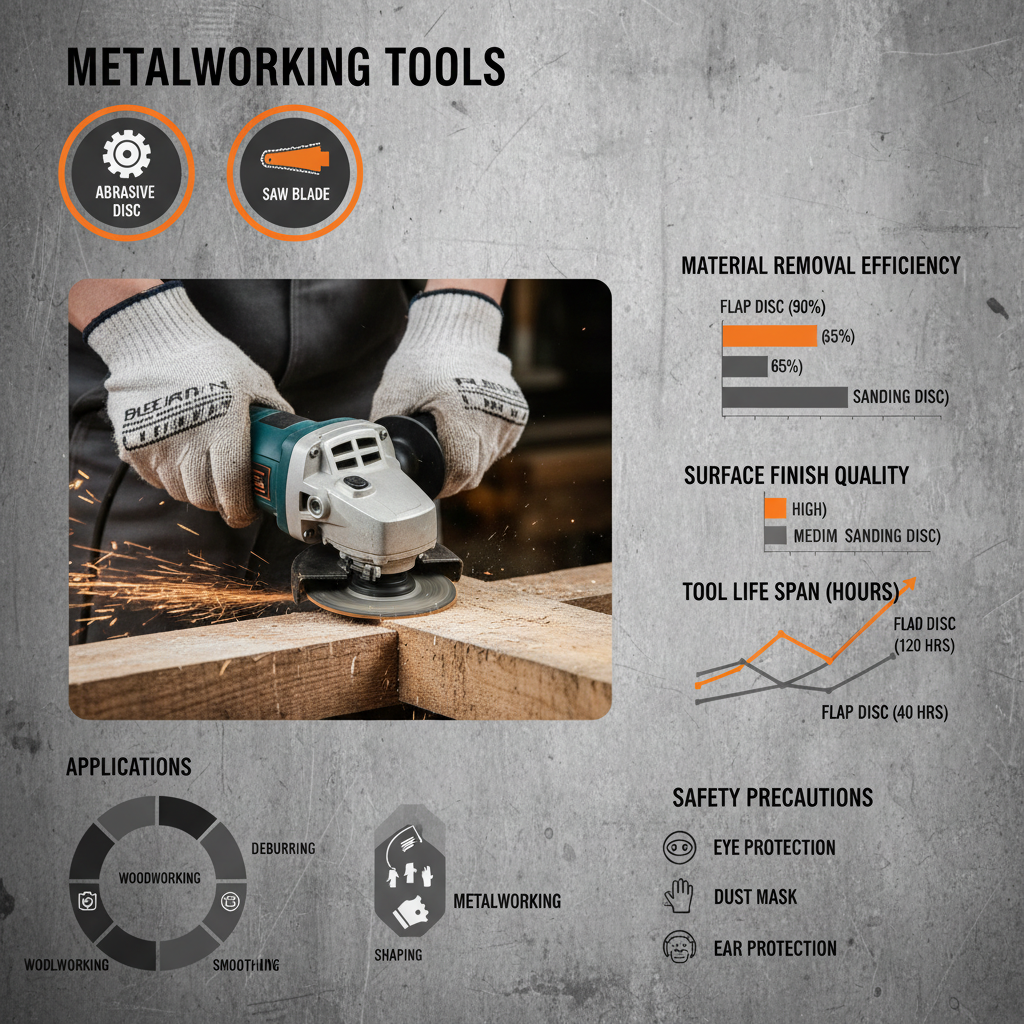
Selecting the Optimal Flap Disc: A Quick Guide
Choosing the right flap disc involves considering the material being worked on, the application, the desired finish, and safety. By understanding the different types of discs, grit options, and abrasive materials, you can make an informed decision that optimizes your results. Remember to always prioritize safety and use appropriate PPE. When in doubt, consult with a qualified abrasive specialist or refer to the resources available on the Cutoffdiscs.com website for expert advice.
Conclusion: Maximize Your Performance with the Right Flap Disc
Investing in the right flap disc can significantly improve your efficiency, the quality of your work, and overall safety. By carefully considering the application, material, and grit, you can ensure optimal performance and achieve professional-grade results. Don't compromise on quality – choose Cutoffdiscs.com for a wide selection of high-performance flap discs.
Frequently Asked Questions (FAQs)
What is the lifespan of a typical flap disc?
The lifespan of a flap disc varies greatly depending on the material being ground, the pressure applied, and the type of disc. Generally, a flap disc will last until the abrasive flaps are worn down significantly, reducing its cutting efficiency. Regular inspection is key – if you notice a decrease in performance or visible wear, it's time for a replacement. Higher-quality discs, especially those with ceramic abrasive, tend to have a longer lifespan. Expect anywhere from a few hours to several days of use, depending on the application and intensity.
Can I use a flap disc on stainless steel?
Yes, but you need to use a flap disc specifically designed for stainless steel. Stainless steel is a harder material and can quickly clog abrasive discs not designed for it. Look for flap discs with ceramic abrasive and often a non-loading coating to prevent material buildup. Using the correct disc will significantly improve the cutting performance and lifespan of the disc. Using the wrong type of disc can lead to excessive wear, poor finishes, and even potential safety hazards.
What is the difference between a Type 1 and a Type 29 flap disc?
Type 1 flap discs are flat and are best suited for surface grinding, blending, and deburring on flat surfaces. They offer a large surface area for efficient material removal. Type 29 flap discs are conical or angled and are designed for edge work, contouring, and beveling. Their angled shape allows them to reach into corners and along edges more effectively. Choosing the correct type depends on the specific geometry of the workpiece and the desired outcome.
Post time:Mar - 07 - 2026