Choosing the Right Angle Grinder Flap Disc: A Comprehensive Guide
Angle grinder flap discs are essential for metalworking, fabrication, and various other industrial applications. Selecting the appropriate disc for your specific task is critical for achieving optimal results, ensuring safety, and maximizing efficiency. This article will delve into the intricacies of angle grinder flap discs, covering their types, grit selections, applications, and key considerations for making the right choice. Understanding these factors will empower you to tackle your projects with confidence and precision.
What are Angle Grinder Flap Discs?
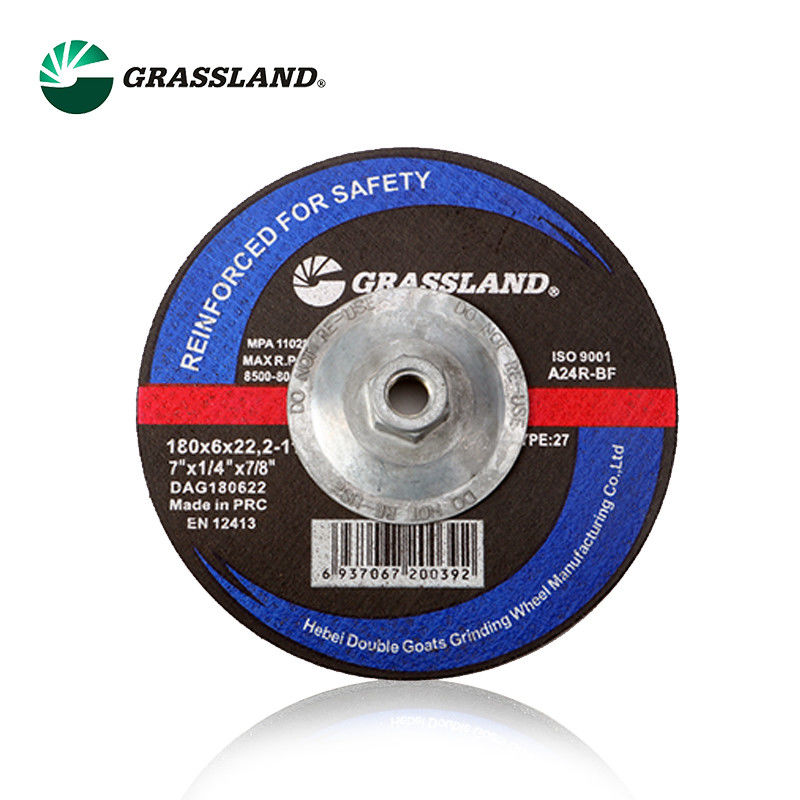
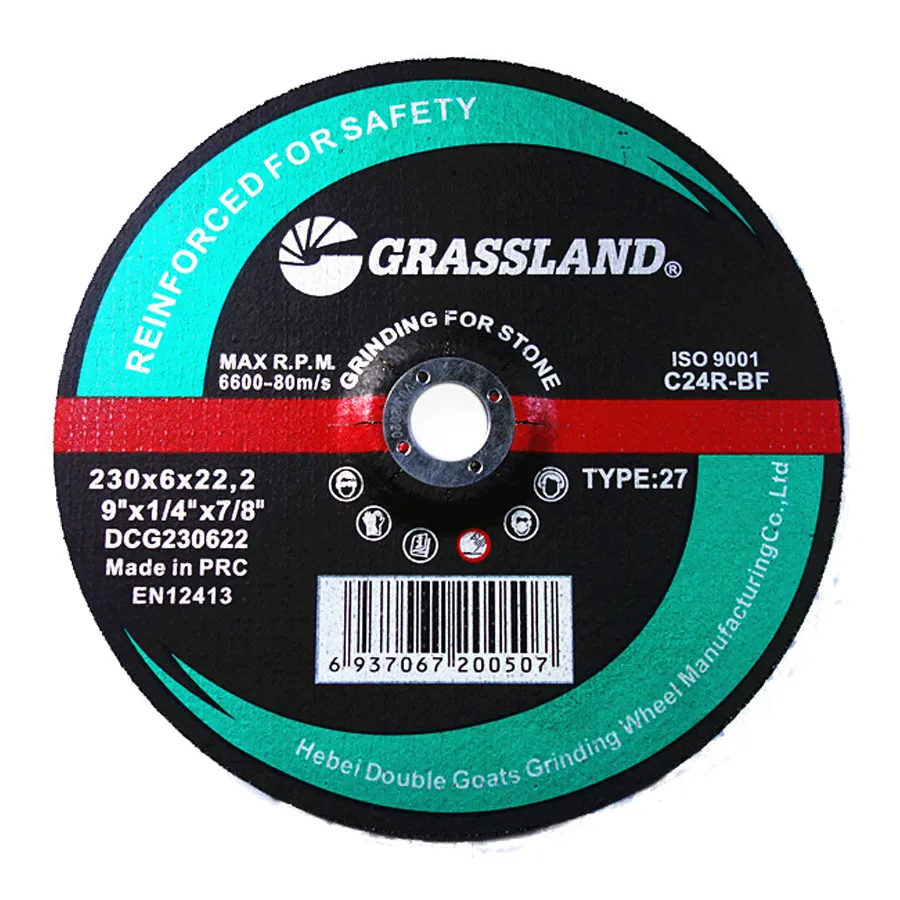
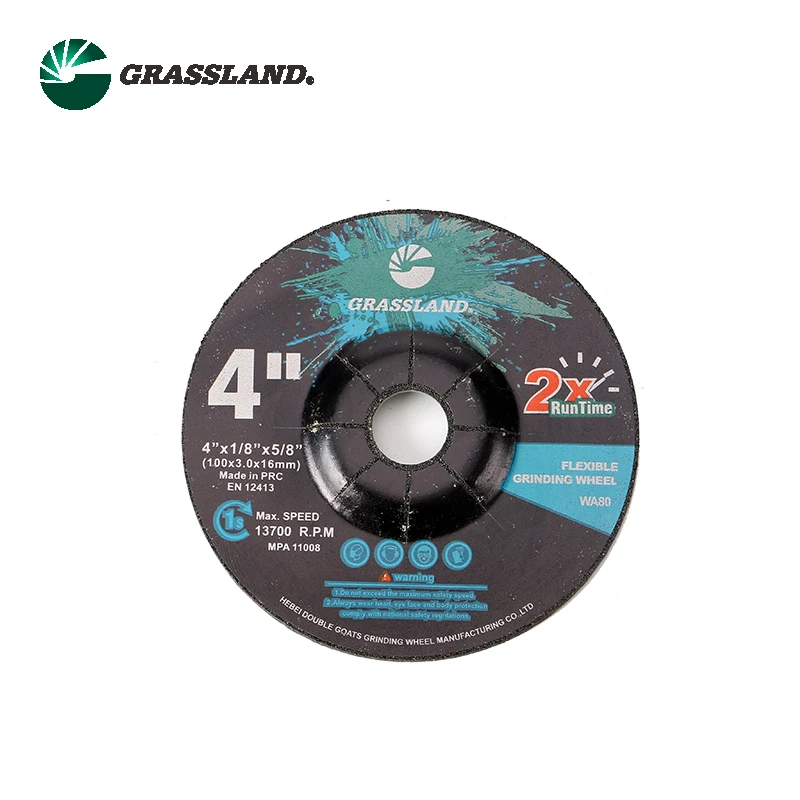
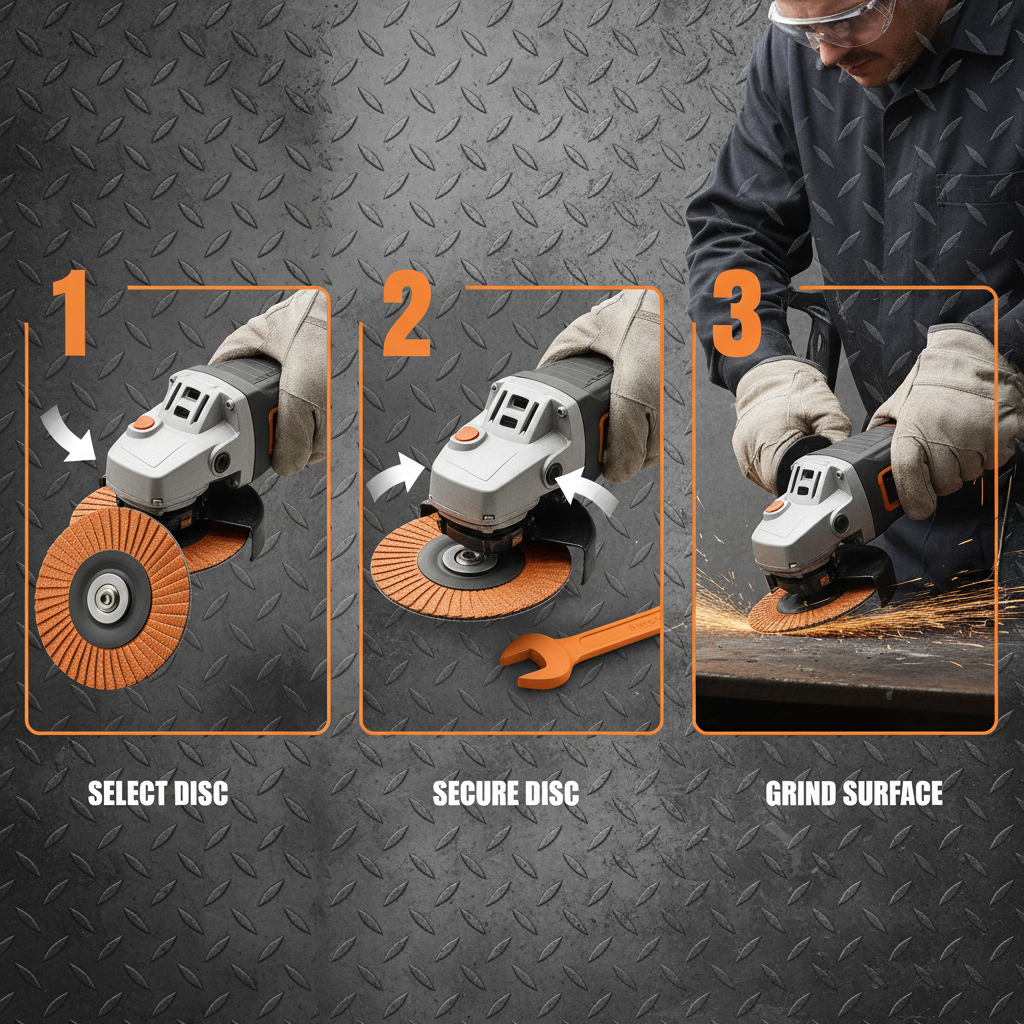
Angle grinder flap discs are abrasive tools consisting of abrasive cloth flaps bonded to a fiberglass or resin backing plate. These flaps wear away during use, revealing fresh abrasive material and providing a consistent finishing action. They are designed to be mounted on an angle grinder and used for grinding, blending, deburring, and finishing metal surfaces. Unlike grinding wheels, flap discs offer a cooler, smoother cut and are less prone to gouging. This makes them ideal for a wider range of applications where a precise finish is required. You can explore various options at Cutoffdiscs.com.
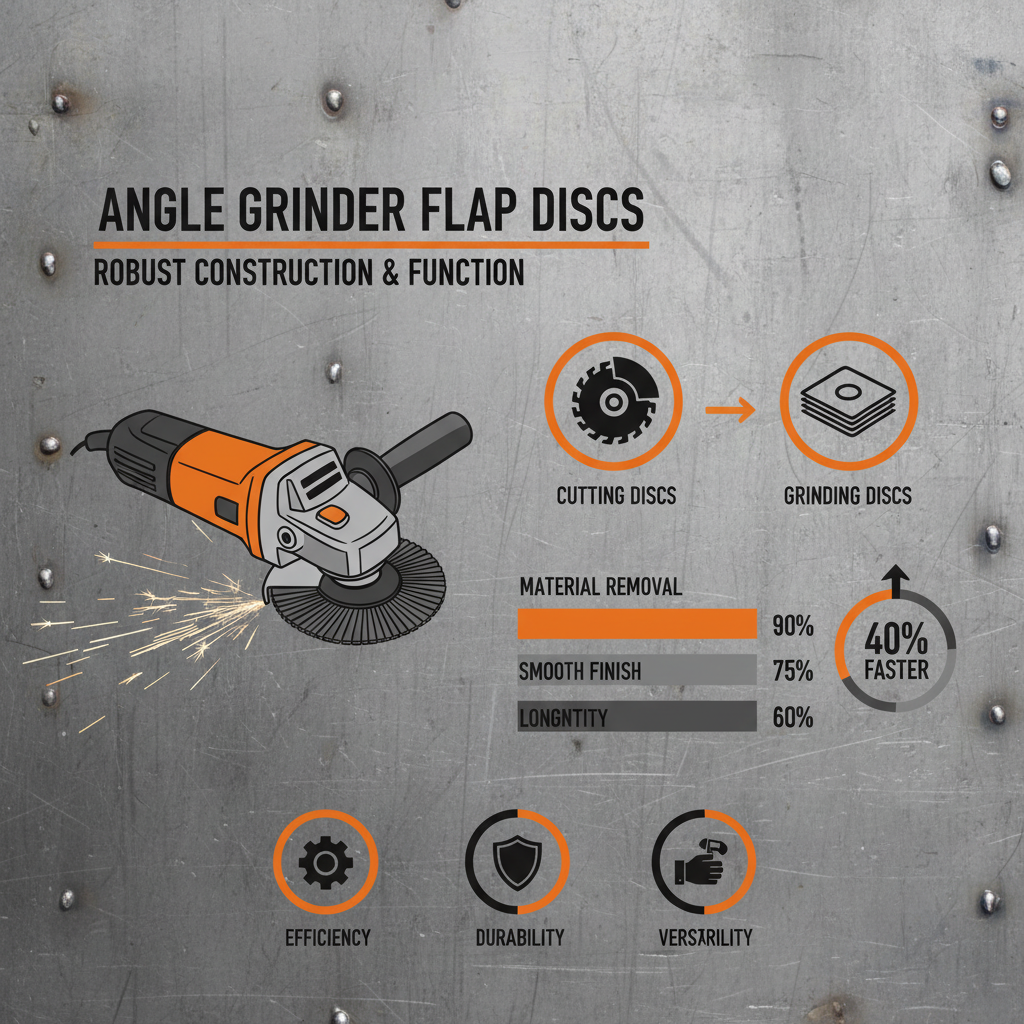
Key Benefits: Cooler cutting action, smoother finish, reduced gouging, versatile applications, and longer lifespan compared to grinding wheels.
Understanding Flap Disc Grit – Choosing the Right One
The grit of a flap disc determines its coarseness and the rate at which it removes material. Lower grit numbers (e.g., 36, 60) are more aggressive and used for heavy material removal, rust removal, and initial shaping. Higher grit numbers (e.g., 80, 120, 180) are finer and used for blending, deburring, and finishing, creating a smoother surface. Selecting the correct grit is crucial for achieving the desired finish without damaging the workpiece. For example, using too coarse a grit for finishing can leave unsightly scratches.
Grit Guide:
• 36-60 Grit: Heavy stock removal, rust removal, weld cleanup.
• 80-120 Grit: Blending, deburring, removing imperfections.
• 180-240 Grit: Finishing, polishing, preparing surfaces for paint.
Angle Grinder Flap Disc Types and Materials
Flap discs are available in various materials, each suited for different applications. Ceramic aluminum oxide is the most common and versatile material, offering excellent durability and cutting performance on steel, stainless steel, and other metals. Zirconia aluminum oxide is more aggressive and ideal for heavier stock removal, while silicon carbide is best suited for non-ferrous metals like aluminum and brass. Different bonding types, like resin over resin or glued, also affect the disc's lifespan and performance. Consider the material you're working with when selecting a flap disc.
Applications of Angle Grinder Flap Discs
Angle grinder flap discs find applications in countless industries. Common uses include: metal fabrication, weld finishing, removing paint and rust, deburring sharp edges, blending and smoothing surfaces, preparing metal for welding or painting, and shaping metal parts. They are used in automotive repair, construction, manufacturing, and DIY projects. Selecting the right disc for each application is critical for achieving the desired results.
Safety Considerations When Using Flap Discs
Safety is paramount when operating an angle grinder with a flap disc. Always wear appropriate personal protective equipment (PPE), including safety glasses, a face shield, gloves, and hearing protection. Ensure the workpiece is securely clamped or held in place. Never exceed the maximum RPM rating of the disc. Inspect the disc for damage before each use. Be aware of sparks and potential fire hazards. Proper training and adherence to safety guidelines are essential for preventing accidents. Cutoffdiscs.com provides safety resources and high-quality discs.
Conclusion: Selecting the Best Flap Disc for Your Needs
Choosing the correct angle grinder flap disc is essential for achieving optimal results, ensuring safety, and maximizing efficiency. Consider the material you're working with, the desired finish, and the specific application. By understanding the different types, grit selections, and safety considerations, you can make an informed decision and tackle your projects with confidence. Visit Cutoffdiscs.com to explore our wide range of high-quality flap discs.
Frequently Asked Questions (FAQs)
What is the difference between a flap disc and a grinding wheel?
While both flap discs and grinding wheels are used for material removal, they differ significantly in their operation and application. Grinding wheels are more aggressive and remove material quickly, but can be prone to gouging. Flap discs offer a cooler, smoother cut with less risk of damage. They are ideal for blending, deburring, and finishing, while grinding wheels are better suited for heavy stock removal. Flap discs generally produce less dust and noise than grinding wheels.
How long should a flap disc last?
The lifespan of a flap disc depends on several factors, including the material being ground, the grit of the disc, and the amount of pressure applied. Generally, a flap disc will last until the abrasive flaps are worn down and no longer effectively remove material. With proper use, a high-quality flap disc can last for several hours of continuous grinding. Look for signs of wear, such as reduced cutting speed and increased vibration.
Can I use a flap disc on stainless steel?
Yes, but it's important to choose a flap disc specifically designed for stainless steel. Stainless steel tends to load up abrasive materials, so a ceramic aluminum oxide disc with a special anti-loading coating is recommended. Using the wrong type of disc can result in premature wear and reduced cutting performance.
What is the maximum RPM I should use with a flap disc?
Always check the maximum RPM rating printed on the flap disc itself and ensure your angle grinder's speed is set accordingly. Exceeding the maximum RPM can cause the disc to disintegrate, leading to serious injury. It's crucial to never use a flap disc on an angle grinder that operates at a higher RPM than the disc's rating.
Post time:Mar - 09 - 2026