Understanding the Metal Cutting Disc for Circular Saw: Why It Matters Worldwide
In an era where construction, manufacturing, and maintenance work underpin the growth of economies around the world, the humble metal cutting disc for circular saw plays a pivotal role. From high-rise buildings in Asia to infrastructure repair in Europe, these discs enable precision, efficiency, and versatility in cutting metal components. But it’s not just about efficiency — it's about safety, cost-savings, and environmental impact on a global scale. Understanding the nuances of metal cutting discs helps engineers, procurement teams, and end users make smarter choices that ripple far beyond the workshop floor.
Oddly enough, for something so small and simple, the impact of a quality cutting disc spans continents and industries. Let's unpack why this gear matters today more than ever.
Global and Industry Context: The Worldwide Relevance of Metal Cutting Discs
With global metal production exceeding 1.9 billion tonnes annually (source: World Steel Association), the tools needed to shape, modify, and maintain metal objects are critical. Metal cutting discs for circular saws facilitate critical work in sectors like construction, shipbuilding, automotive, and even renewable energy. The United Nations emphasizes infrastructure resilience and sustainable industrialization as part of its Sustainable Development Goals (SDGs), and these discs quietly support such ambitions.
But while demand grows, so do challenges: misuse can lead to accidents, poor disc quality reduces lifespan, and waste management concerns beg for greener alternatives. Quality metal cutting discs help mitigate these by improving work safety and reducing material waste.
What Exactly Is a Metal Cutting Disc for Circular Saw?
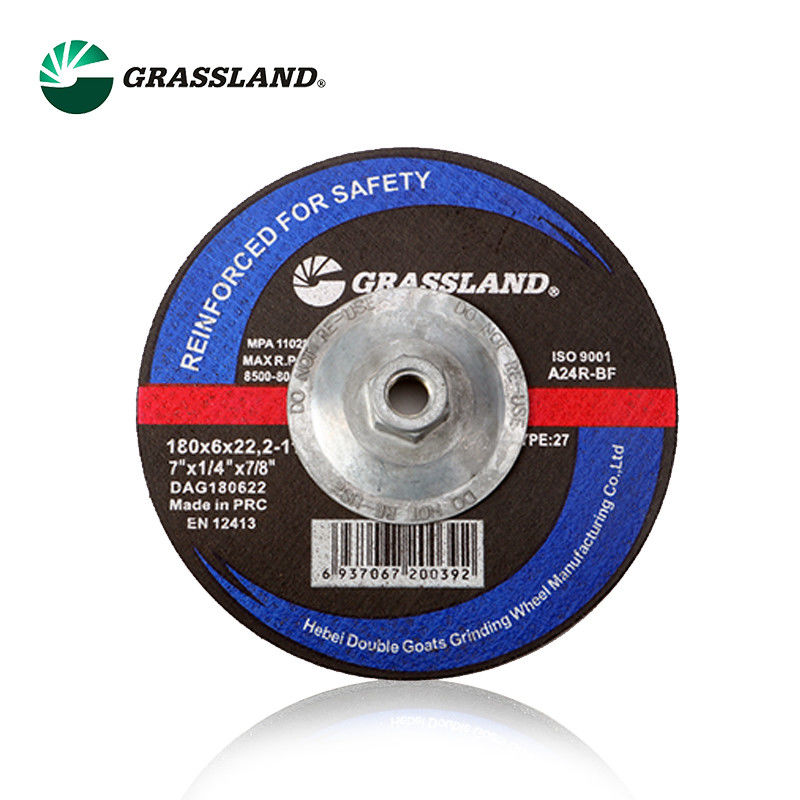
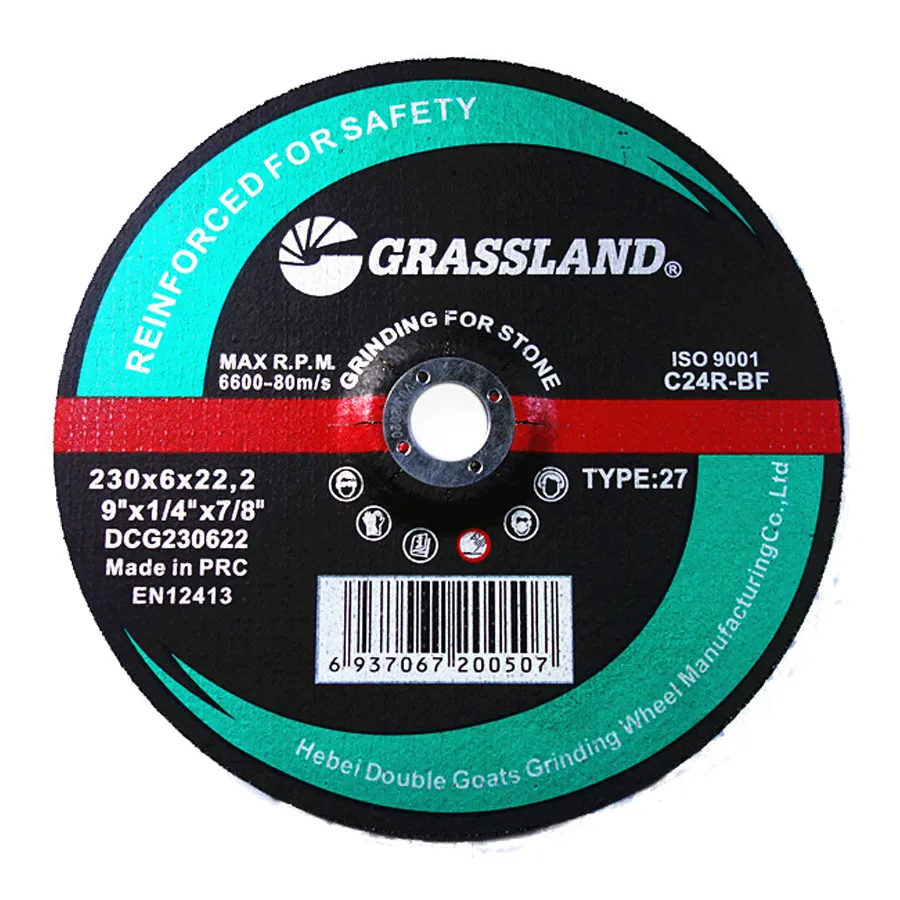
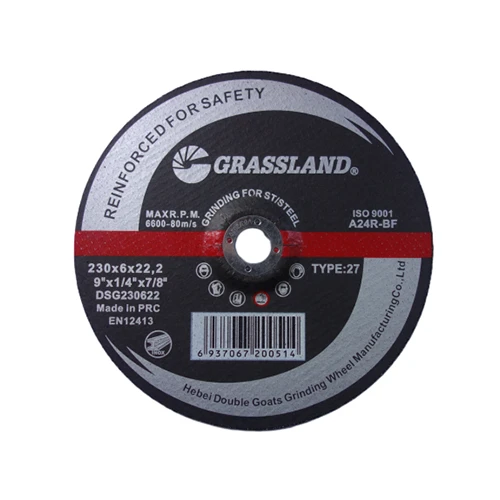
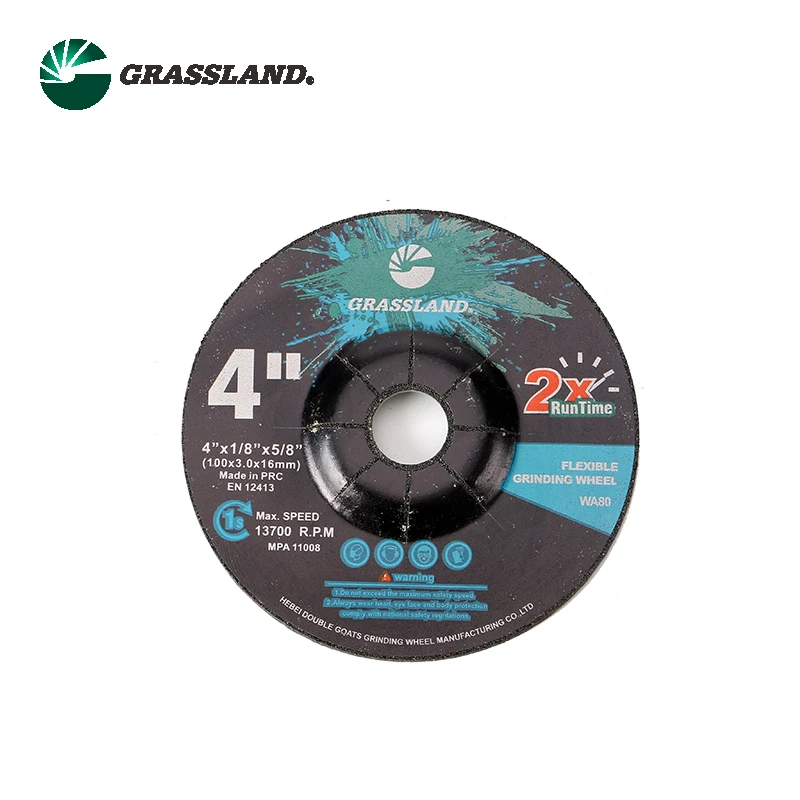
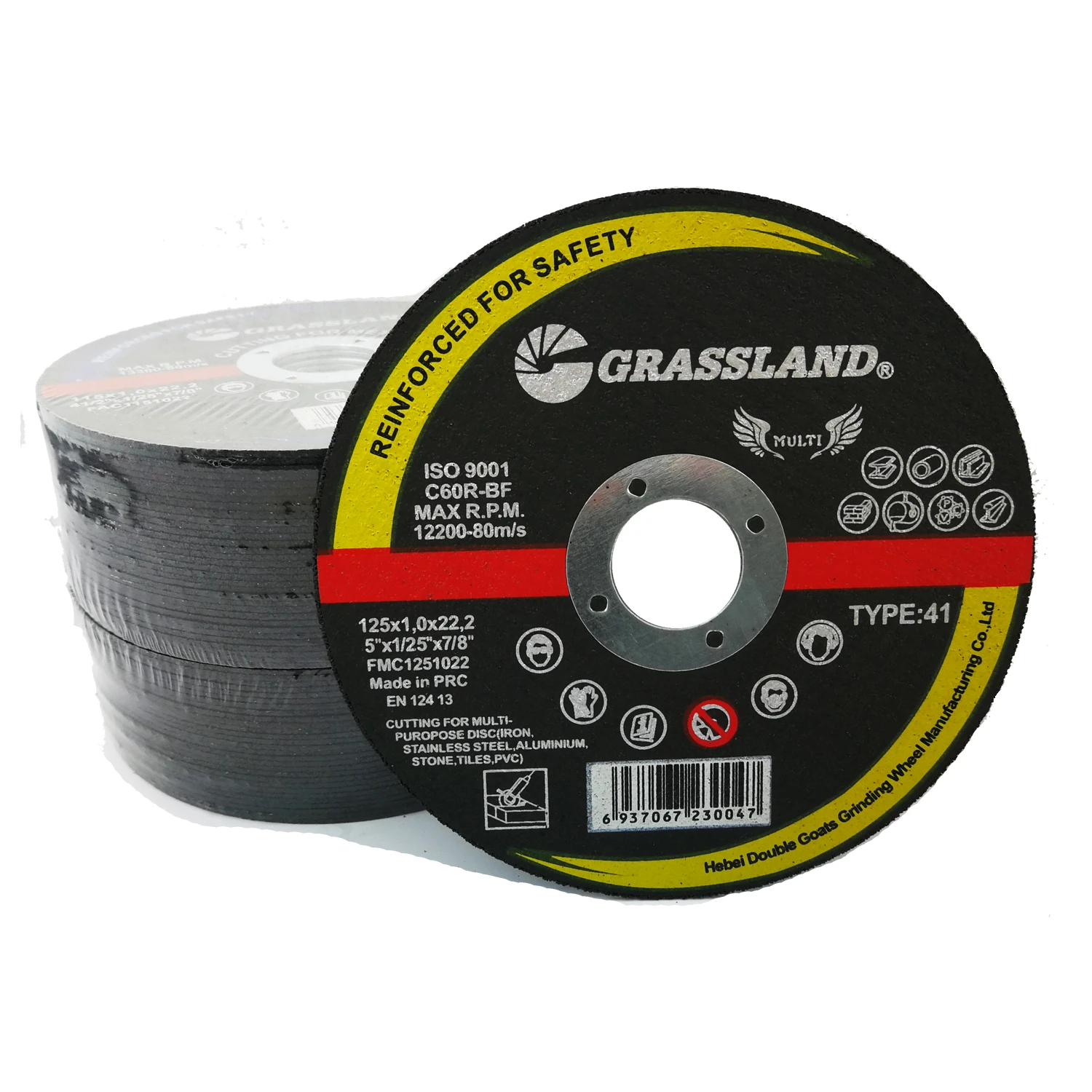
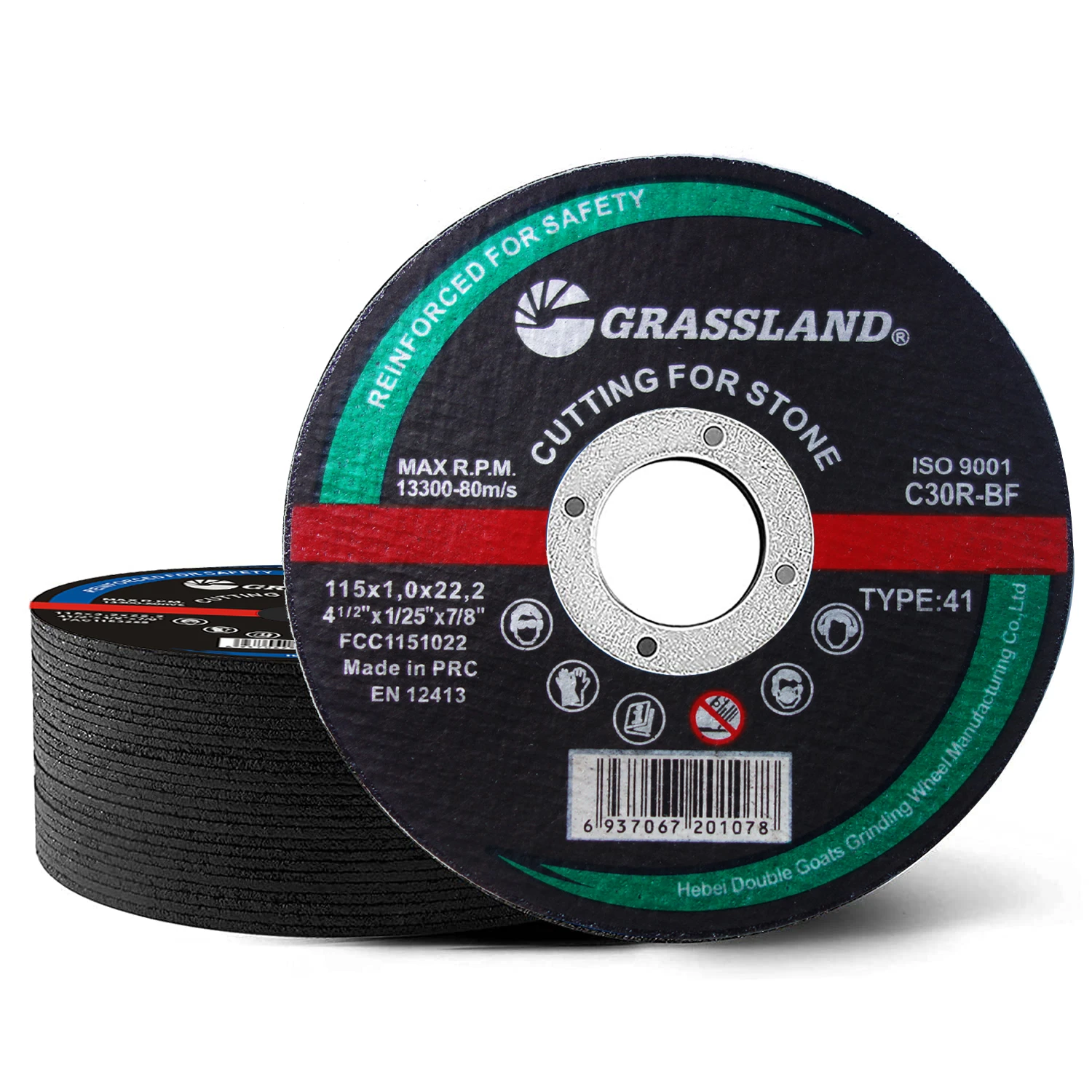
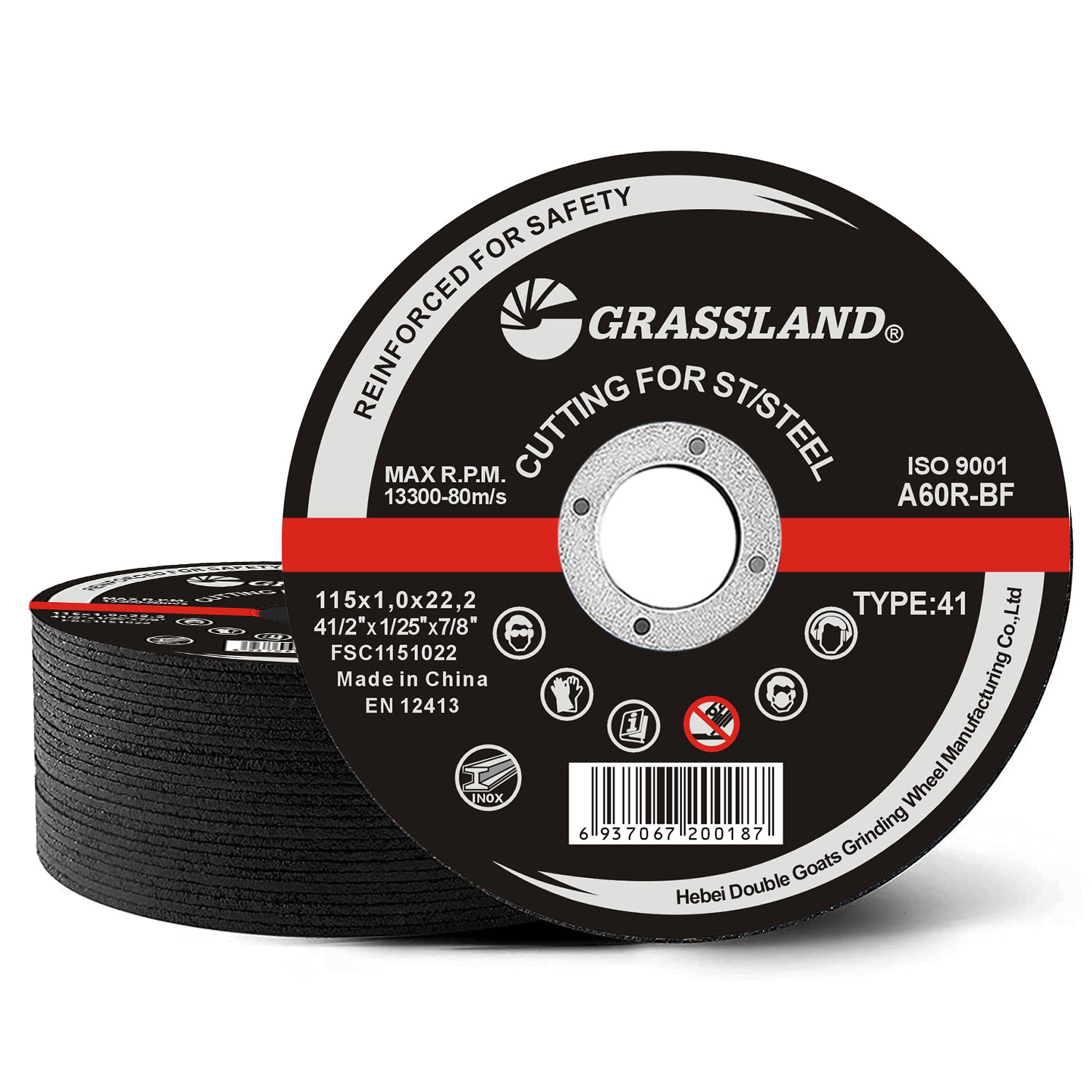
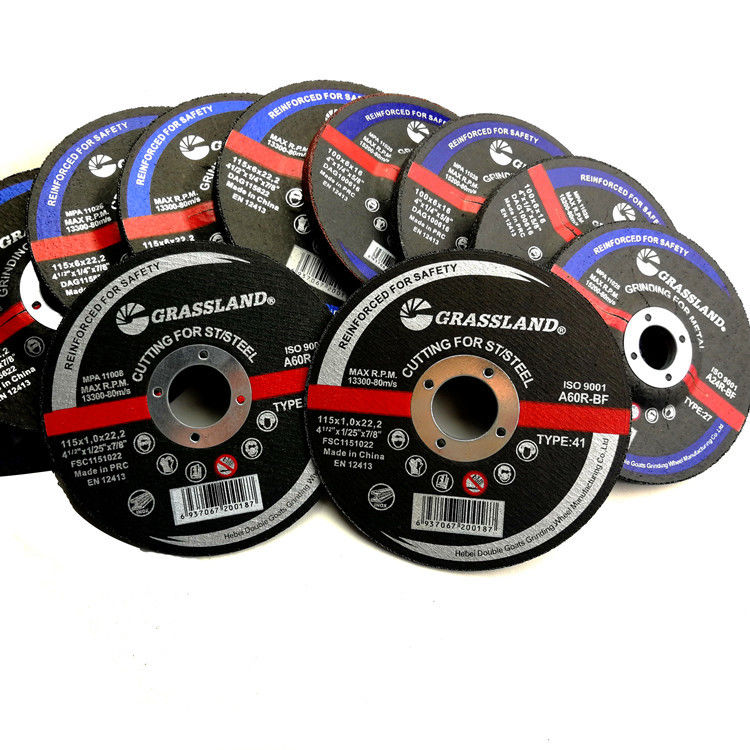
Put simply, a metal cutting disc for circular saw is a thin, abrasive or bonded cutting wheel designed specifically to slice through various metals when attached to a circular saw. Unlike wood-cutting blades, these discs are engineered to endure the density and toughness of metals — think steel, iron, aluminum, and alloys. They often combine abrasive grains (like aluminum oxide or silicon carbide) with bonding resins to create a surface capable of efficient metal-cutting action.
This tool links directly to modern industry’s evolution, where quick, precision cutting saves labor hours, increases safety, and reduces waste during fabrication or repair. Humanitarian works such as disaster relief infrastructure construction often rely on portable circular saws equipped with these discs to rapidly cut metal supports or frames.
Mini takeaway:
The metal cutting disc for circular saw is a small but mighty tool bridging efficiency, safety, and industrial needs worldwide.
Key Features Defining Effective Metal Cutting Discs
Durability and Longevity
Durability is arguably the top priority. These discs face intense friction, heat, and pressure — so composition and manufacturing quality matter massively. A longer-lasting disc means fewer changes mid-job, less downtime, and better cost-efficiency.
Cutting Speed and Precision
Faster cuts don’t always mean better cuts. A great metal cutting disc balances rapid throughput with clean, accurate lines and minimal sparks or burrs. This result preserves structural integrity and reduces post-cut cleanup.
Compatibility and Safety
Discs come in various diameters, thicknesses, and bore sizes to fit specific circular saw models. Using the right size ensures stability, prevents wobbling, and reduces breakage risk. Safety features often include reinforced fiberglass layers or anti-vibration coatings.
Material Versatility
From cutting thick steel beams to delicate aluminum sheets, versatility broadens application range and lowers inventory complexity. Some discs are marketed as “multi-metal” to denote this adaptability.
Cost Efficiency
This factor blends material cost with performance metrics — a cheap disc might wear out fast, wasting money; a premium one reduces labor time and accidents, proving much more economical over its life cycle.
Eco-Conscious Production
With environmental regulations tightening globally, manufacturers explore less toxic resins, recyclable packaging, and energy-efficient production lines for these discs.
Mini takeaway:
Durability, speed, safety, and cost balance shape the modern metal cutting disc’s design and performance.
Where Are These Discs at Work? Global Applications and Real-Life Use Cases
- Construction Industry: Metal cutting discs streamline shaping and sizing steel reinforcements, pipes, and structural elements, particularly in fast-paced urban projects.
- Shipbuilding and Marine Maintenance: Given exposure to corrosive environments, reliable cutting tools assist repairs and fabrication of hull components and ship parts in dockyards across Japan and Europe.
- Automotive Manufacturing: In plants worldwide, metal cutting discs expedite cutting chassis parts, reducing bottlenecks in assembly lines.
- Disaster Relief Operations: Post-earthquake rebuilding often hinges on quick fabrication of metal shelters or scaffolds. Portable circular saws with effective discs are essential tools.
- Remote Mining and Industrial Zones: In places like Australia’s Outback or the Canadian North, durable metal cutting discs withstand harsh climates to maintain critical machinery.
Advantages and Long-Term Benefits
Everyone in the business agrees: a high-quality metal cutting disc isn’t just a one-off expense but an investment in reliability. Here are some tangible and intangible benefits:
- Cost Savings: Extended disc life and efficient cuts reduce labor hours and downtime.
- Safety Boost: Quality discs lower risks of shattering or erratic cuts, protecting workers.
- Sustainability: Reduced waste and improved manufacturing translate to a smaller environmental footprint.
- Employee Confidence and Morale: Using reliable tools fosters trust in leadership and professional pride.
Mini takeaway:
The right metal cutting discs combine economic sense with safer, greener work environments—benefiting workers and sustainability goals.
Product Specification Table
| Feature | Typical Value | Notes |
|---|---|---|
| Diameter | 110 mm - 230 mm | Fits most handheld circular saws |
| Thickness | 1.0 mm - 3.0 mm | Thinner discs allow quicker cuts but lower durability |
| Max RPM | 6,600 - 13,300 | Always follow machine specs |
| Material | Aluminum Oxide, Silicon Carbide, Resin Bond | Common abrasive and bonding materials |
| Application | Cutting mild steel, stainless steel, aluminum | Specialized discs for harder alloys exist |
Vendor Comparison: Choosing the Right Supplier for Metal Cutting Discs
| Vendor | Range of Discs | Price Per Pack | Durability Rating | Global Shipping |
|---|---|---|---|---|
| CutOff Discs Co. | Wide (thin to thick, multi-metal) | $35 - $65 | High | Yes |
| SlicePro Tools | Medium (focus on steel cutting) | $30 - $55 | Medium | Limited |
| HardEdge Supplies | Narrow (specialty alloys) | $50 - $80 | Very High | Yes |
Future Trends and Innovations in Metal Cutting Discs
It's fascinating how even such a straightforward tool is evolving. Manufacturers now experiment with diamond-enhanced resin bonds that extend lifespan and reduce heat buildup. Automation tools integrate smart sensors to monitor disc wear in real-time, aiding predictive maintenance. Moreover, the shift to greener materials — like bio-based resins and recyclable fibers — aligns with global sustainability efforts. This means in the near future, we could see discs that last twice as long, cut cleaner, and leave less environmental impact.
Common Challenges and How to Overcome Them
One persistent issue with metal cutting discs is breakage due to improper handling or mismatch with tool specifications. Many users unknowingly overload discs by exceeding recommended RPMs or pushing too hard. The solution is partly education — users must understand disc ratings properly — but also improved product design, such as reinforced fiberglass layers or anti-vibration coatings to enhance durability.
Additionally, some users struggle with disc selection for different metal types, leading to suboptimal results. Vendors offering detailed guides and flexible return policies can ease this pain point.
FAQs About Metal Cutting Discs for Circular Saws
- What metals can I safely cut with typical metal cutting discs for circular saws?
- Most standard discs handle mild steel, stainless steel, and aluminum. For harder alloys or specialized metals, look for discs specifically rated for those materials to ensure clean cuts and disc longevity.
- How often should I replace my metal cutting disc?
- Disc lifespan varies by usage intensity but generally ranges from a few hours to dozens, depending on metal thickness and quality. Watch out for visible wear, wobbling, or decreased cutting efficiency as signs to replace.
- Are thin cutting discs better than thicker ones?
- Thin discs typically cut faster with less material waste but are more prone to damage. Thicker discs last longer and offer stability but may cut slower and generate more heat.
- Can I use a metal cutting disc on an angle grinder instead of a circular saw?
- Not always — discs are engineered with specific RPM ratings and mount types. Always check compatibility to avoid safety hazards.
- Where can I buy reliable metal cutting discs?
- Look for reputable sellers like metal cutting disc for circular saw specialists who offer quality assurance, good warranties, and bulk discounts.
Conclusion: Why Investing in Quality Metal Cutting Discs Pays Off
When you think about it, the metal cutting disc for circular saw might seem like a small cog in the giant machine of industry — but it underpins everything from building bridges to repairing machinery, enabling safer and more efficient work worldwide. The right disc doesn’t just slice metal; it slices costs, time, and risks, contributing quietly but meaningfully to global progress.
If you want to explore high-performance, reliable options, visit our website to find the right metal cutting disc for circular saw needs today.
Final takeaway:
Choosing the right metal cutting disc isn't just about cutting steel — it’s about cutting through inefficiency, safety hazards, and environmental concerns to build a better future.
References
Post time:Nov - 29 - 2025