Understanding the Grinder Disc for Steel: Essential Tool in Metalworking
If you’ve ever watched a craftsman shaping metal or seen a construction site buzzing with activity, chances are you’ve witnessed the powerful reality of a grinder disc for steel. It’s one of those specialized yet surprisingly common tools that quietly powers much of the metal shaping and finishing work across the globe.
Why does it matter? Frankly, steel remains a fundamental building block of modern infrastructure—from skyscrapers to transportation, from machine parts to everyday appliances. The ability to efficiently cut, grind, and polish this sturdy metal is crucial, not just for industry but for innovations in sustainable development and humanitarian efforts alike.
Mastering the nuances of grinder discs helps manufacturers reduce waste, boost safety, and improve product quality. It’s a small piece with a big impact.
Global Context: The Industrial Backbone
The global steel industry produces over 1.8 billion metric tons annually, according to the World Steel Association.[1] And with steel fabrication being fundamental to automotive, construction, and heavy machinery sectors, the tools used to work this metal—like the grinder disc—are critical globally, affecting economies and jobs in nearly every country.
But here’s a challenge: steel’s toughness requires abrasive products that are both durable and adaptable. Conventional grinding tools fall short in speed and longevity, affecting supply chains and environmental footprints through waste generation. Optimizing grinder discs is a key solution to these hurdles.
What Exactly Is a Grinder Disc for Steel?
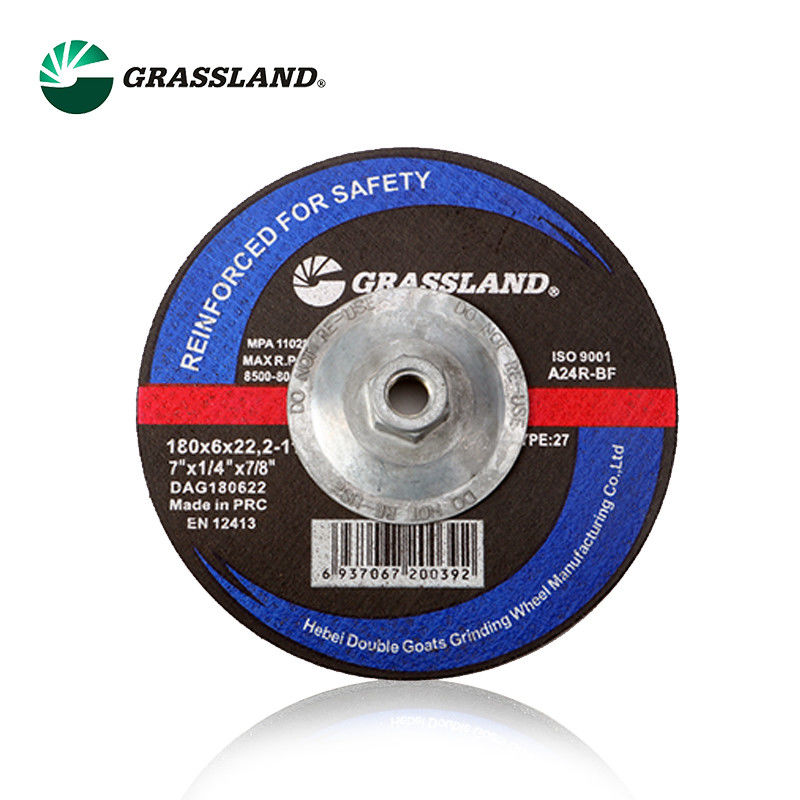
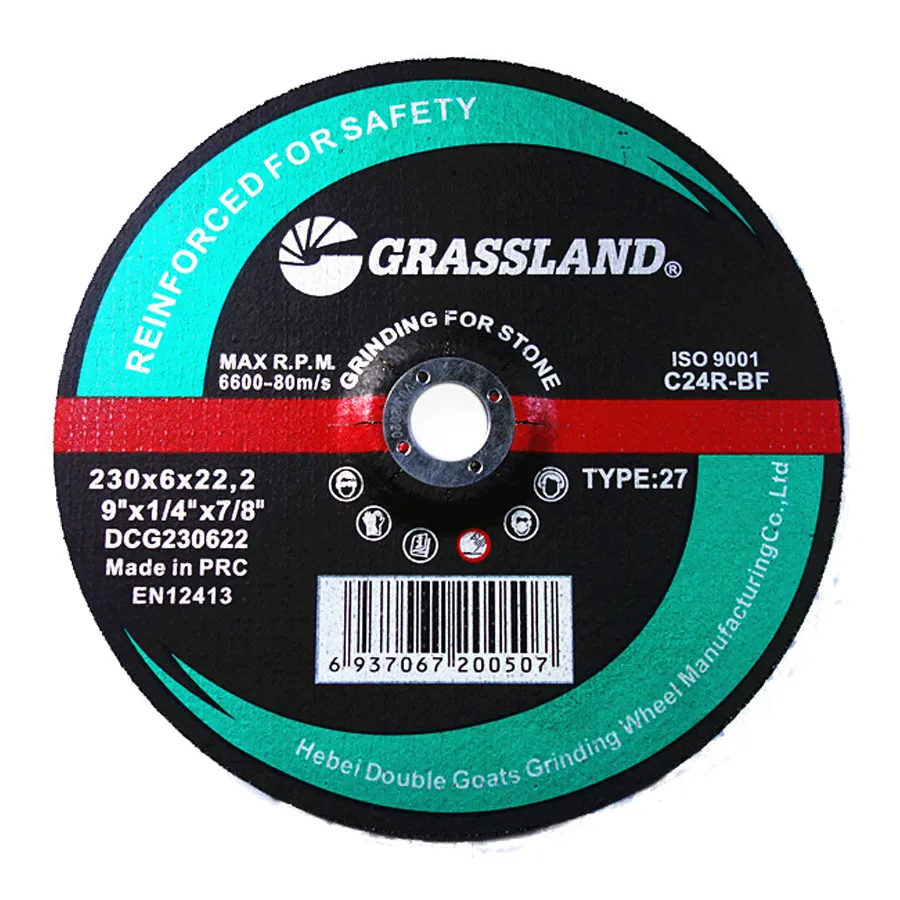
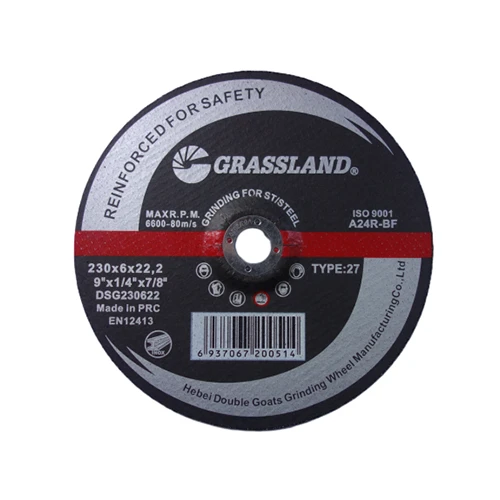
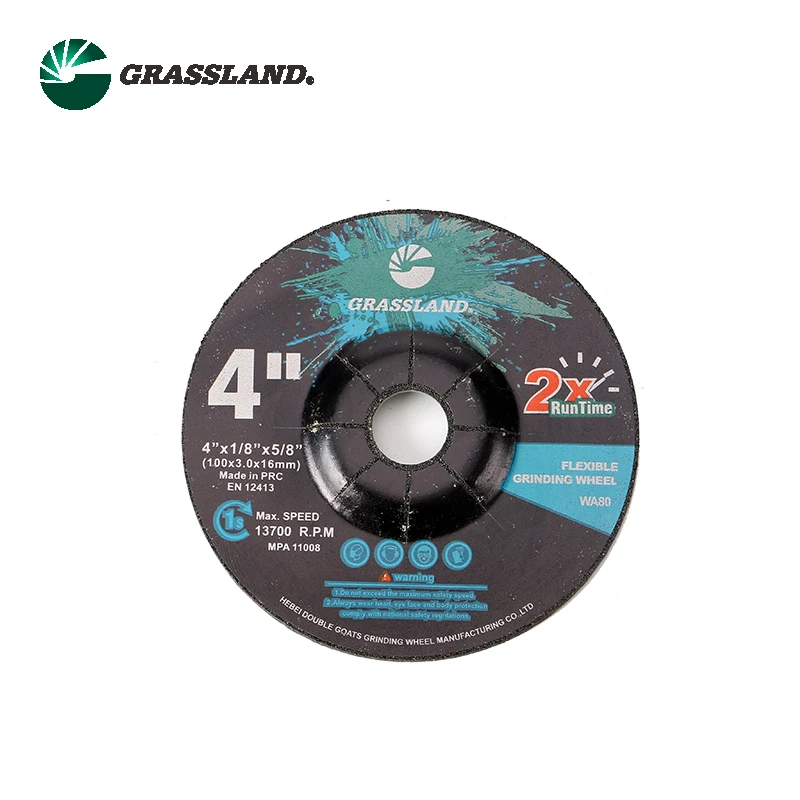
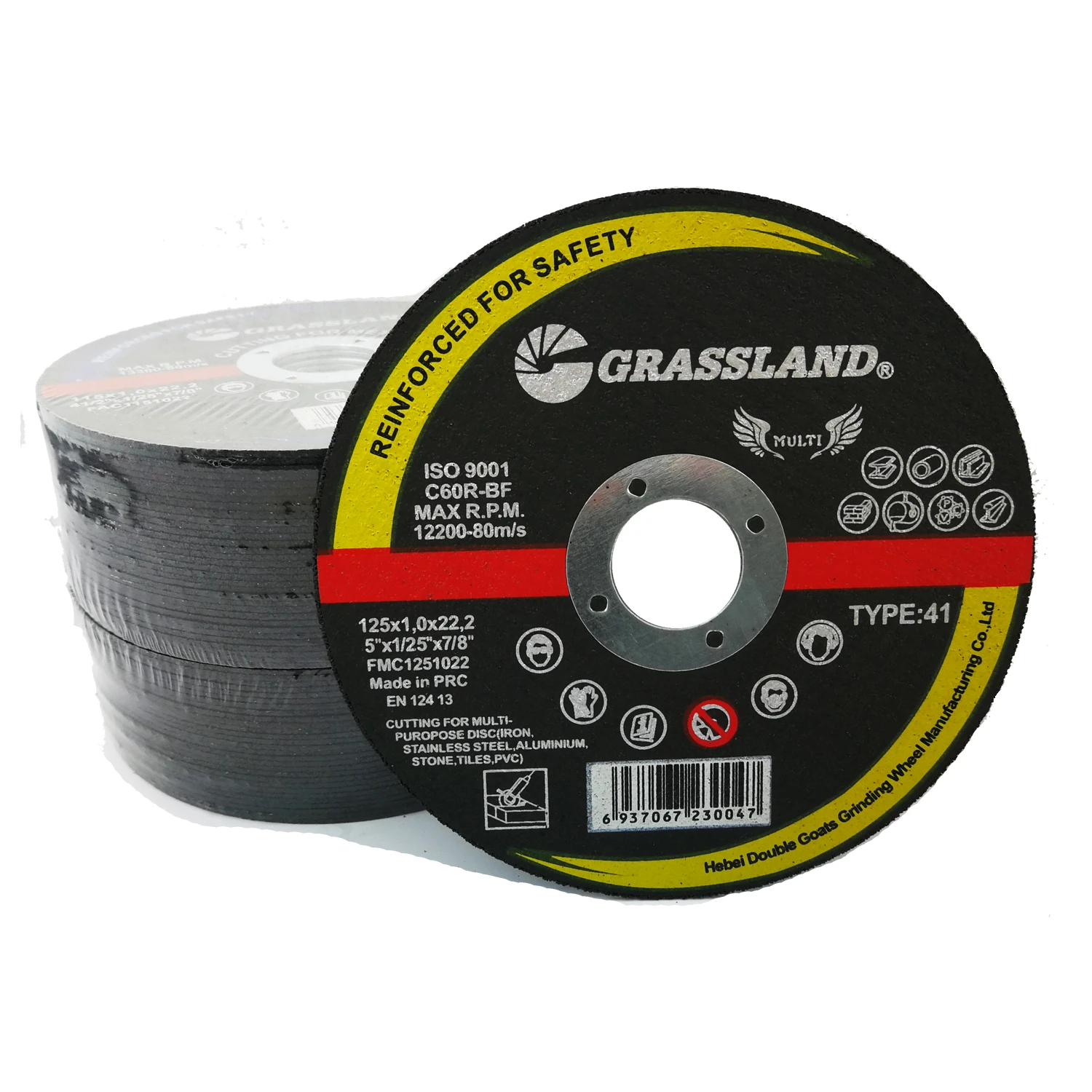
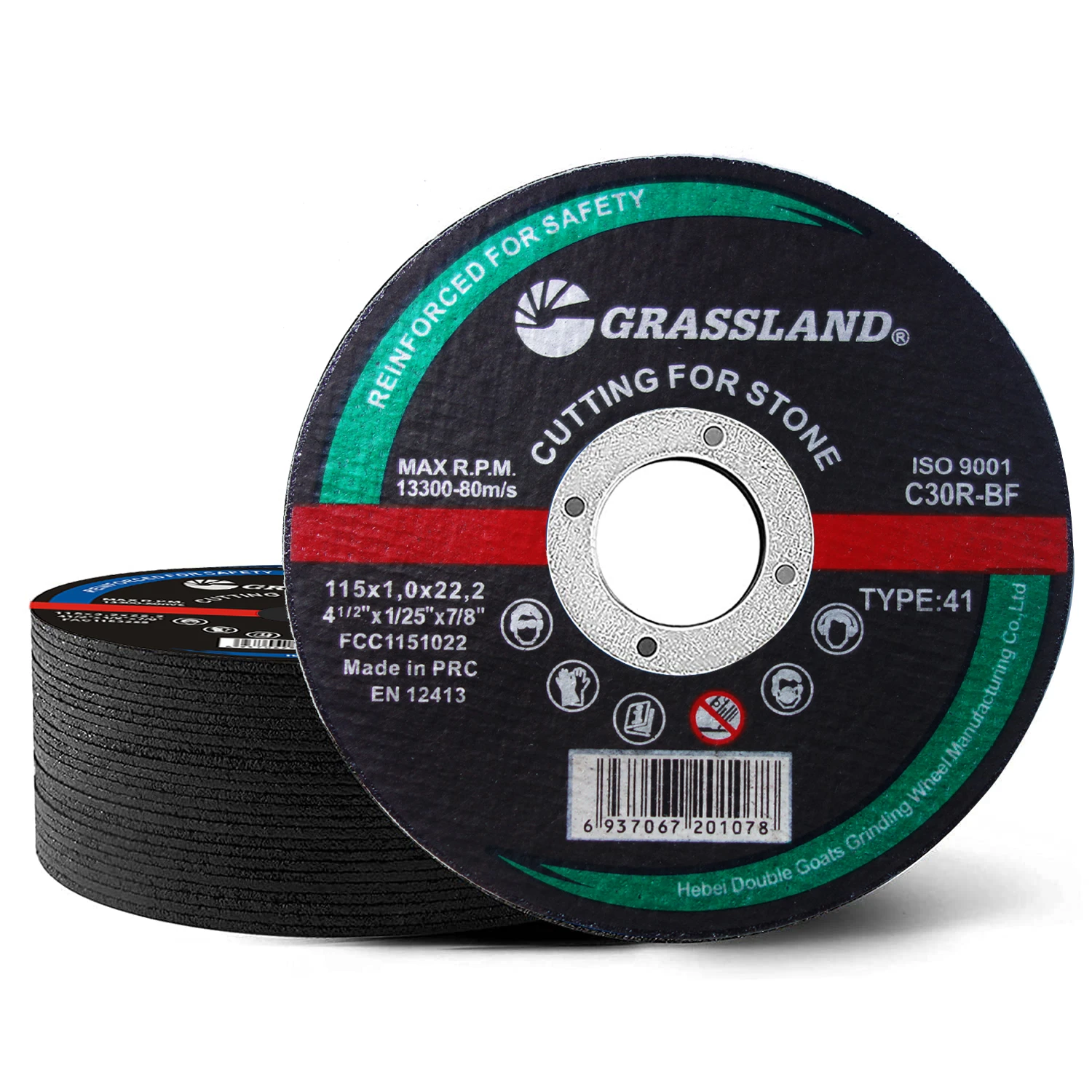
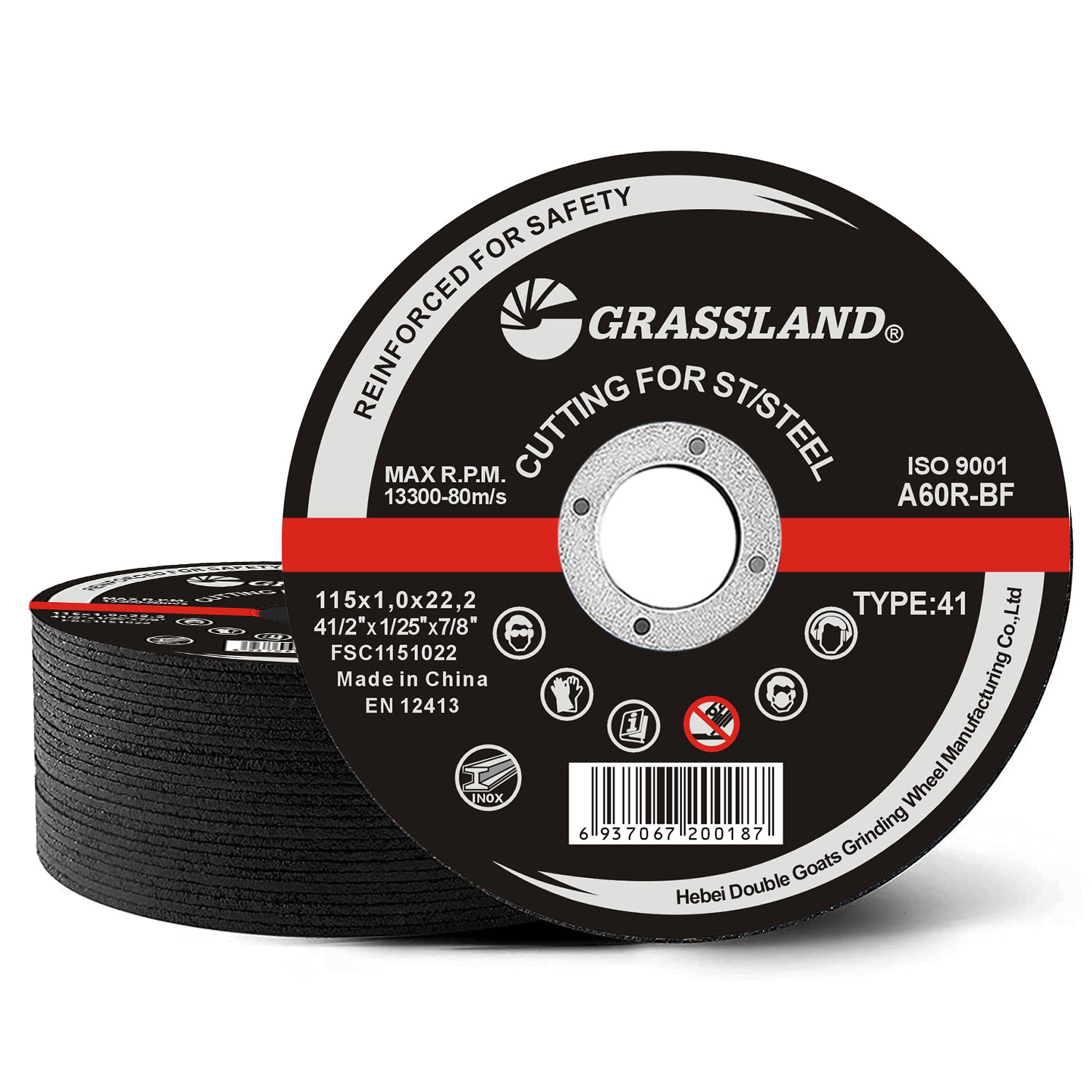
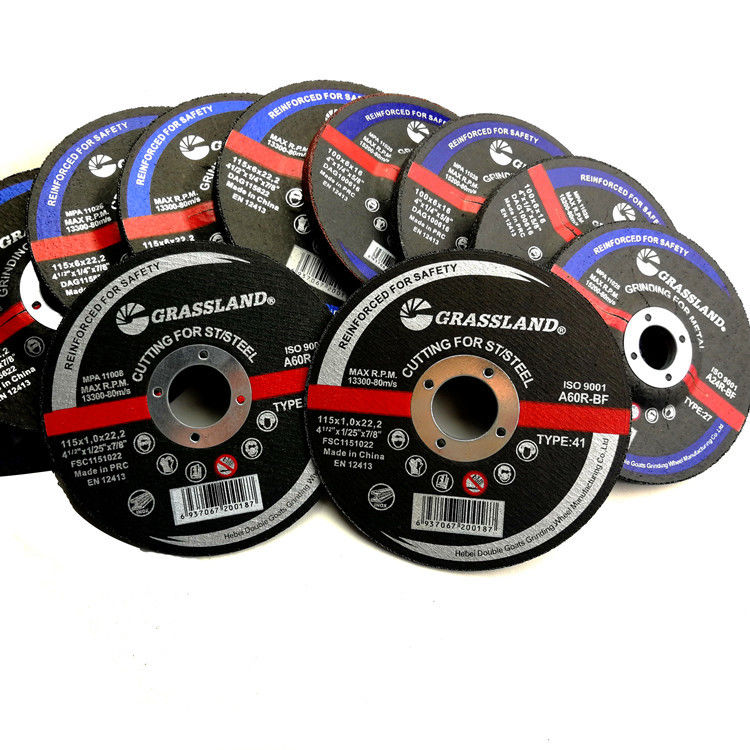
Simply put, a grinder disc for steel is a thin, round abrasive tool attached to an angle grinder used for cutting, grinding, or polishing steel surfaces. It’s engineered to withstand high-speed rotations and the hardness of steel, enabling precision work and efficient metal removal.
This tool isn’t just shop-floor jargon—it plays a quiet, indispensable role in industries ranging from shipbuilding and aerospace to community infrastructure projects, especially in regions rebuilding after disasters.
Key Aspects of Grinder Discs for Steel
1. Durability
Durability is the headline feature because steel is unforgiving. High-grade abrasive grains like aluminum oxide or silicon carbide bonded with resin create discs that resist wear and tear, keeping performance consistent over time.
2. Cutting Efficiency
The disc's thickness and grit size dictate how fast and clean the cut is. Too coarse, and you risk rough finishes; too fine, and the process slows down. Balancing this is an engineering art informed by industrial needs.
3. Heat Resistance
Grinding steel generates substantial heat. Discs made with heat-resistant bonding agents prevent warping and premature failure, ensuring safety and steady operation. This factor can’t be overstated.
4. Safety Features
Some discs now come with reinforced fibers or meshes to reduce shattering. A minor detail, but it ultimately protects users—engineers and workers who handle steel literally every day.
5. Cost Efficiency
Maintaining performance while lowering costs is essential for manufacturers worldwide, especially in emerging markets where budgets are tight but demand is high.
Practical Product Specifications of a Typical Grinder Disc for Steel
| Specification | Details |
|---|---|
| Diameter | 115mm / 125mm / 230mm |
| Grit Size | 24, 36, 60 (coarse to medium) |
| Material | Aluminum oxide / Silicon carbide |
| Max RPM | 13,300 RPM (varies by size) |
| Bond Type | Resin bonded with fiberglass reinforcement |
Mini takeaway: The grinder disc for steel melds complex material science with practical performance requirements, making it more than just a "circular sandpaper".
Global Applications: Where and Who Benefits?
In regions with booming infrastructure like Southeast Asia or Africa, grinder discs help local workshops and construction teams shape steel quickly and reliably. In disaster recovery zones, precise metal cutting tools speed up rebuilding efforts.
- Automotive manufacturing: For bespoke and mass production parts.
- Shipbuilding: Cutting heavy steel plates efficiently at shipyards.
- Renewable energy: Preparing steel components for wind turbines.
- DIY and repair: Home mechanics working with grinder disc for steel as their go-to tool.
Oddly enough, even art installations benefit from the precision and finishing capabilities these discs provide—merging industrial demand with creativity.
Comparing Leading Grinder Disc Suppliers
| Vendor | Material Quality | Price Range | Durability (hours of use) | Special Features |
|---|---|---|---|---|
| Atlas Abrasives | High-grade alumina | $$ | 7-9 hours | Reinforced mesh, anti-vibration |
| SteelEdge Tools | Silicon carbide blend | $ | 5-6 hours | Standard safety coating |
| ProCut Industries | Premium alumina oxide | $$$ | 10+ hours | Heat resistance, grit longevity |
Advantages and Long-Term Value
Tangibly, the right grinder disc reduces downtime since it doesn't wear out as fast—and minimizing replacement means less waste and cost over time. There's also an element of trust and safety: workers know a sturdy disc won't unexpectedly shatter or slip.
From an emotional standpoint, it’s comforting to see a durable tool in hand—especially if you’re fabricating pieces critical for public safety, like railings or frames supporting buildings. It’s about dignity in workmanship and pride in product quality.
Emerging Trends and Innovations
In terms of future directions, expect increased use of eco-friendly abrasives, possibly incorporating recycled materials or novel composites, to reduce environmental impact. Automation in cutting machines paired with smart grinder discs that track wear levels in real-time could change workflows substantially.
Digital transformation, including IoT-enabled grinders, lets maintenance teams forecast failures before they happen—reducing accidents and improving efficiency.
Challenges and Ways Forward
Despite advancements, there’s still friction—literally and figuratively. Discs sometimes fail under extreme conditions or produce toxic dust. Manufacturers are experimenting with safer binding agents and dust extraction systems to combat this.
Still, careful user training and standards compliance remain key. ISO and other bodies set guidelines to ensure product safety and reliability... but constant vigilance and testing are non-negotiable in real-world applications.
Frequently Asked Questions about Grinder Disc for Steel
- Q: How do I choose the right grinder disc size for my steel project?
- A: Select based on the grinder’s compatibility and the project needs. Smaller discs (115mm) are great for precision, while larger discs (230mm) are faster for bulk work. Always consider max RPM ratings to ensure safety.
- Q: Can grinder discs for steel be reused after sharpening?
- A: Typically, these discs aren’t designed for sharpening and reuse like blades. Once worn beyond a certain point, replacement is safer and more efficient.
- Q: Are there eco-friendly options for grinder discs?
- A: Yes, some vendors offer discs using recycled abrasives or renewable bonding materials to lower environmental impact. These may cost more upfront but provide sustainability benefits.
- Q: What safety precautions should I take when using a grinder disc on steel?
- Always wear eye and ear protection, keep guards in place, inspect discs for cracks before use, and follow operating speed limits. Proper technique minimizes kickback and accidents.
Conclusion and Call to Action
In sum, the grinder disc for steel is a humble but vital workhorse supporting industries worldwide. Its evolution continues to reflect not just technical progress but concerns for safety, efficiency, and sustainability. If your work depends on metal fabrication, understanding these discs deeply can improve outcomes and even inspire innovation.
Curious to explore specs or find the right grinder disc? Visit our website: https://www.cutoffdiscs.com for expert guidance and trusted products.
In the end, it feels like the grinder disc does more than just cut steel—it sharpens the edge of industry itself.
- World Steel Association. (2023). Steel Statistical Yearbook. www.worldsteel.org
- ISO 603-1:2020. Grinding wheels — Dimensions and designation.
- Occupational Safety and Health Administration (OSHA). Safety and Health Topics: Abrasive Wheels. www.osha.gov/abrasive-wheels
Post time:Dec - 02 - 2025