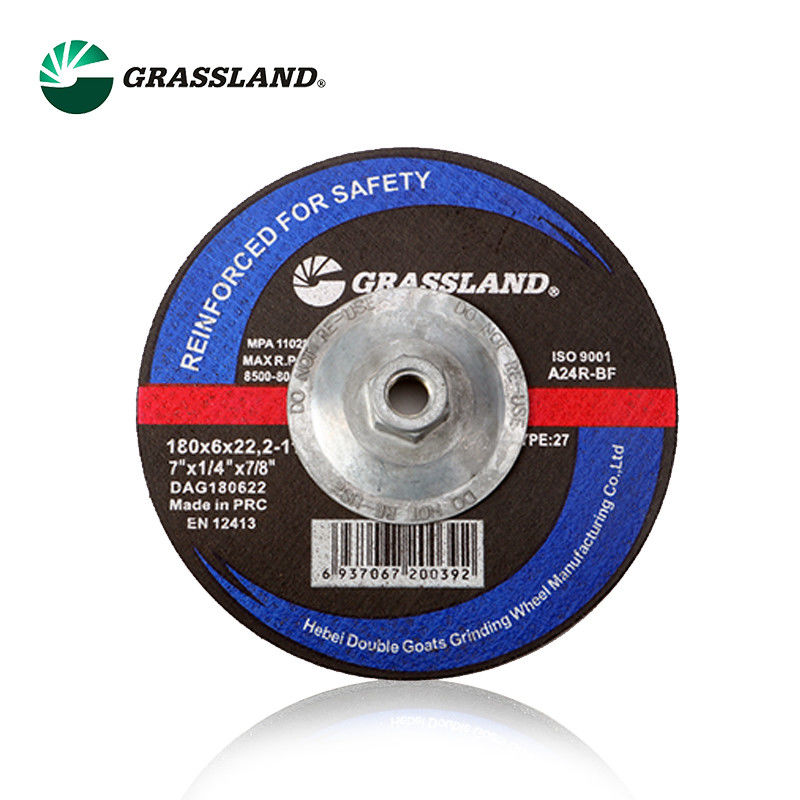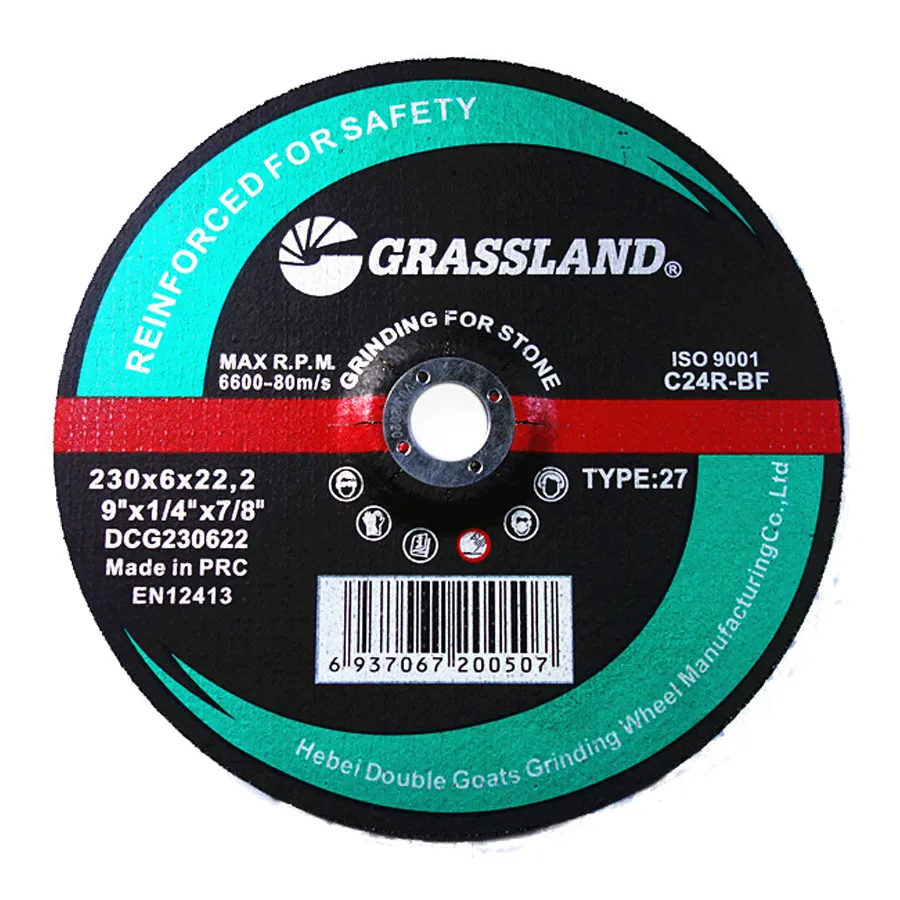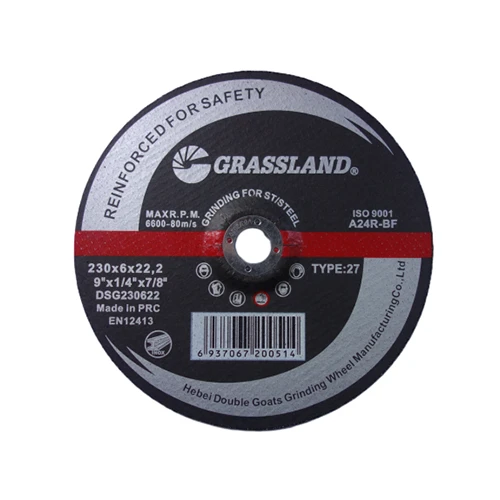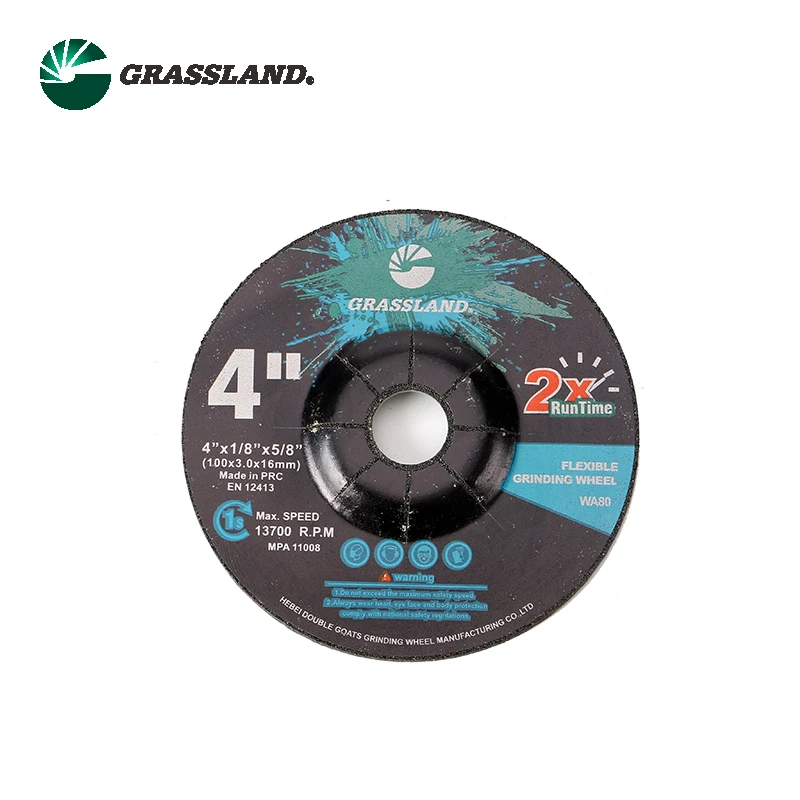
Grinder Cutting Wheel for Metal: Essential Tool for Precision and Efficiency
If you’ve ever been close to metal fabrication or industrial workshops, you've probably seen a grinder cutting wheel in action. These wheels are indispensable tools that enable precise cutting, shaping, and finishing of metals across many industries. But why should anyone beyond metalworkers care about grinder cutting wheels for metal? Well, it’s a lot more global and critical than you might think. From manufacturing to construction and even emergency reparations, understanding these tools helps us appreciate the backbone of modern infrastructure.
Oddly enough, despite their small size, grinder cutting wheels have a huge impact—helping reduce labor times, improve safety, and maintain stronger quality metals worldwide. Given how industries are continuously evolving, the right cutting wheel doesn’t just save time; it prevents costly mistakes and boosts sustainability through efficiency.
Global Context and Industry Relevance
According to the International Organization for Standardization (ISO), metal fabrication continues to grow steadily, contributing over 25% to manufacturing GDP in several countries (ISO Manufacturing Report, 2022). This growth fuels demand for robust cutting solutions capable of handling diverse metal alloys, from stainless steel to aluminum. But here lies the challenge: traditional cutting tools often struggle with efficiency or cause excessive wear—and that's on the best days.
With the rise of infrastructure development globally, especially in Asia-Pacific and Africa, the grinder cutting wheel for metal plays an essential role in scaling projects quickly. It addresses factors like speed, precision, and cost control, all of which project managers obsess over. Even emergency relief construction after natural disasters relies on these wheels to cut metal quickly for shelter reinforcements, makeshift bridges, and more.
What Exactly Is a Grinder Cutting Wheel for Metal?
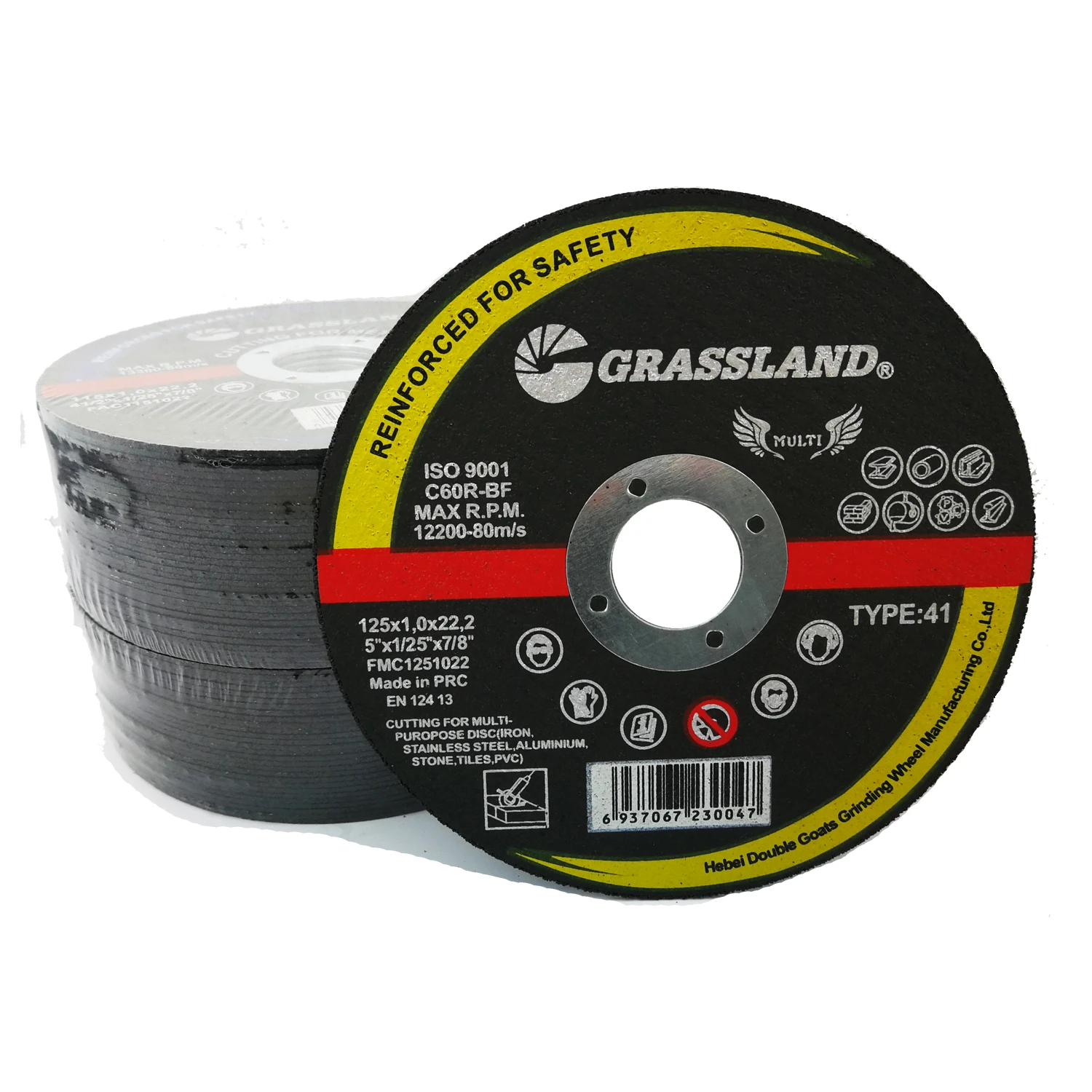
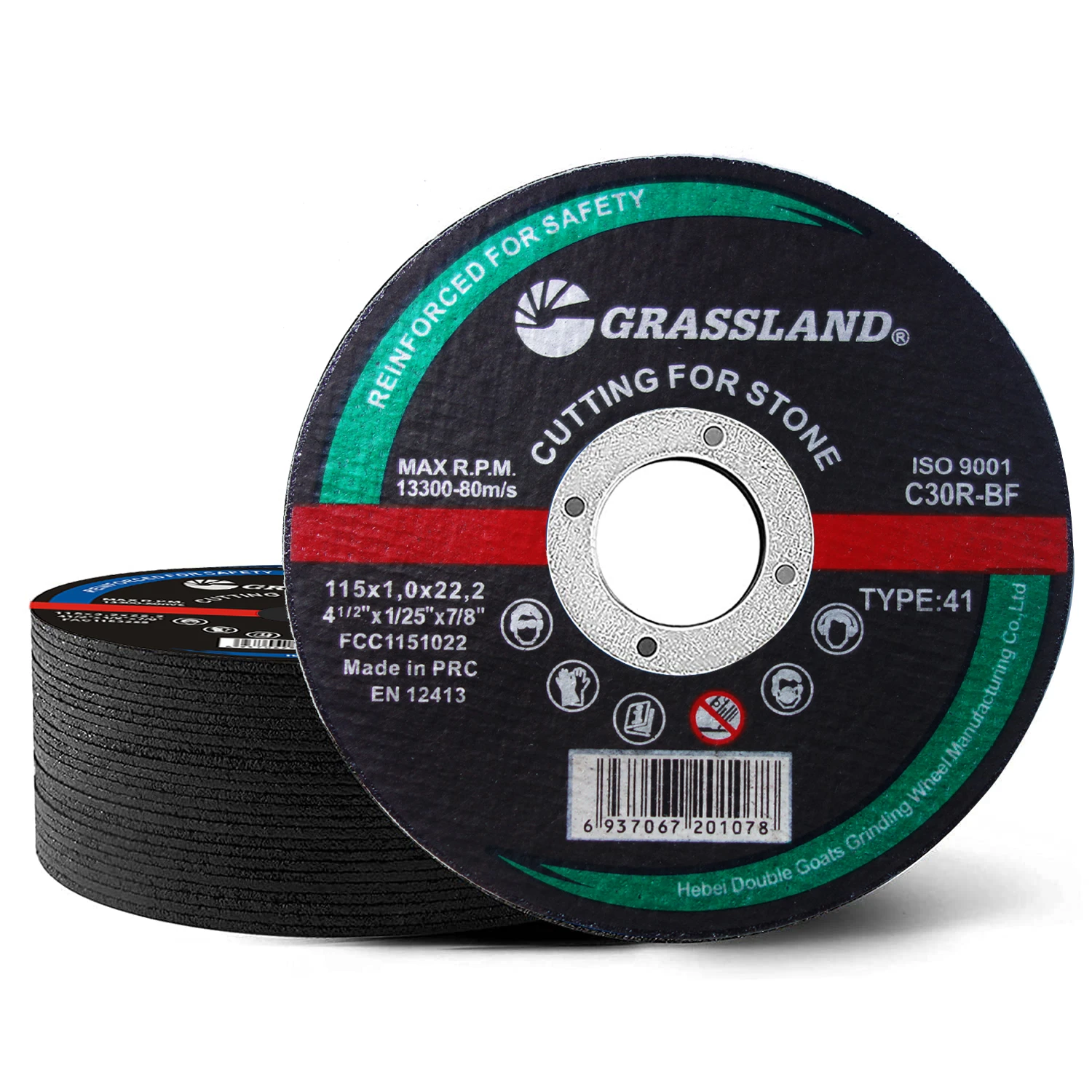
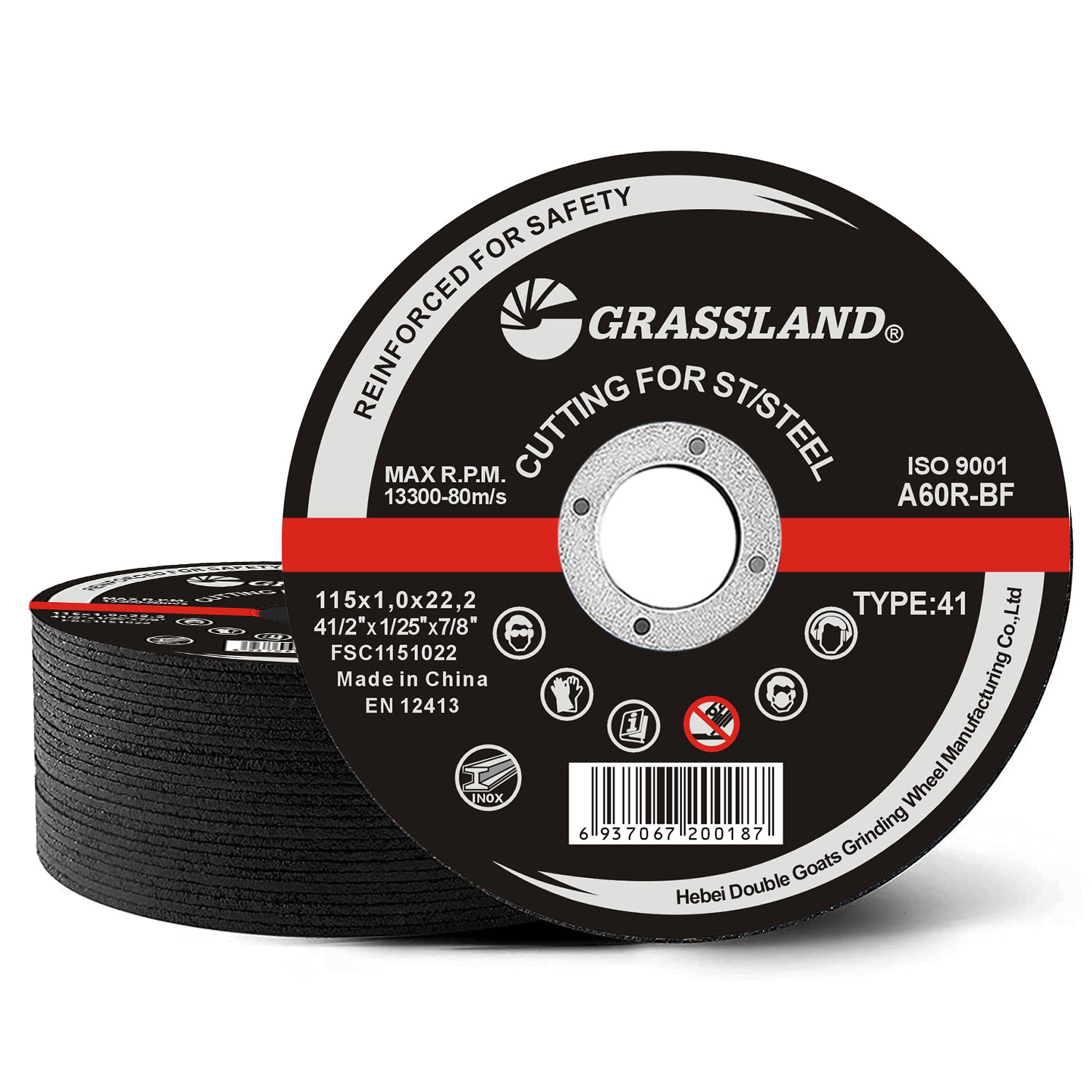
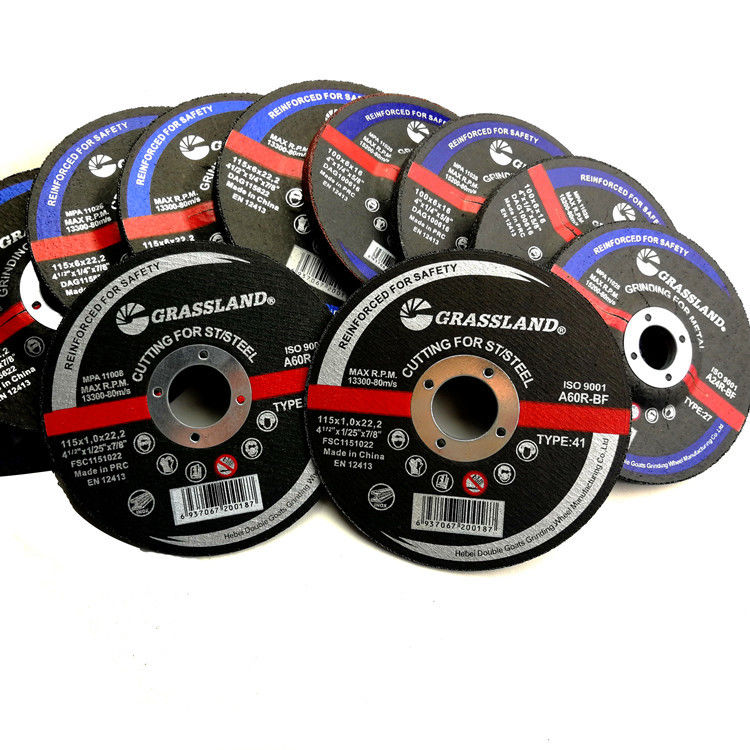
In simplest terms, a grinder cutting wheel for metal is a circular abrasive disc attached to an angle grinder or similar power tool, designed to slice through metal objects. Unlike grinding wheels meant for smoothing or shaping, cutting wheels are thinner to make clean cuts without overheating or warping the material. They usually consist of abrasive grains like aluminum oxide or silicon carbide bound together with resin or other bonding materials.
This seemingly simple tool is crucial not just for everyday workshops but also vital in humanitarian contexts where speed and reliability mean the difference between timely aid and costly delays. The wheel, in essence, is a tiny hero in the story of modern industrial progress.
Key Components and Factors to Consider
1. Durability
Durability determines how long a cutting wheel can last without losing its abrasiveness. Wheels made from premium, high-quality abrasive grains tend to last longer, reducing downtime for replacements. Durability also influences safety; a poorly made wheel may shatter during operation.
2. Cutting Efficiency
Efficiency involves how fast and clean the wheel cuts through metal. A high-efficiency wheel minimizes rough edges and heat build-up, allowing for precision work without damaging the material.
3. Compatibility
Not all cutting wheels suit every grinder or metal type. Size, thickness, and abrasive material must match the tool and the metal being cut to prevent accidents and ensure optimal performance.
4. Cost Efficiency
Balancing upfront costs and longevity is key. Cheaper wheels can save money short-term but may wear out faster or damage metals, leading to greater expenses in the end.
5. Safety
Wheels must meet safety standards such as ISO 8493 and ANSI B7.1 to reduce risks like wheel breakage or sparks igniting hazardous environments.
6. Environmental Impact
Recyclable materials and responsible manufacturing practices in grinder cutting wheels help industries reduce their carbon footprints—an increasingly important factor globally.
Mini takeaway: Choosing the right grinder cutting wheel isn’t just about price—it’s about matching the right tool to the job for safety, precision, and sustainability.
Specifications: A Typical Grinder Cutting Wheel for Metal
| Specification | Details |
|---|---|
| Diameter | 4.5 inches (115 mm) |
| Thickness | 1.0 mm |
| Abrasive Material | Aluminum Oxide |
| RPM Rating | 13,300 RPM |
| Bonding Resin | Phenolic Resin |
Global Applications and Use Cases
In manufacturing hubs such as Germany, China, and the United States, grinder cutting wheels are foundational tools for metalworking factories producing automotive parts, aerospace components, and precision tools. They cut through tough metals quickly, keeping production lines efficient.
Oddly enough, they’re just as vital in less obvious environments — for example, NGOs working in remote industrial zones in Africa use grinder cutting wheels to build or repair machinery where heavy equipment is scarce.
Emergency response teams also rely on these wheels when swift metal cutting is necessary to clear debris or build emergency shelters after hurricanes or earthquakes.
Mini takeaway: Grinder cutting wheels for metal aren’t just industrial tools; they’re instruments of progress and recovery worldwide.
Vendor Comparison: Leading Grinder Cutting Wheels
| Brand | Abrasive Material | Durability Rating | Price (per pack) | Safety Certifications |
|---|---|---|---|---|
| CutMax Pro | Aluminum Oxide | High (1000 cuts average) | $45 | ISO 8493, ANSI B7.1 |
| MetalSwift | Silicon Carbide | Medium (750 cuts average) | $40 | ISO 8493 |
| ForgeForce | Mixed Abrasive | Very High (1200 cuts average) | $55 | ANSI B7.1, CE Certified |
Advantages and Long-Term Value
One of the biggest draws of high-quality grinder cutting wheels for metal is their ability to combine cost-effectiveness with performance. Using a durable wheel means fewer replacements and less downtime. This reliability builds trust with workers, who can focus on precision tasks without worrying about tool failure.
More than just cost savings, these wheels also contribute to operator safety. Properly designed cutting wheels reduce kickbacks and accidents, which can frankly save lives on bustling shop floors.
And from a sustainability perspective, efficient cutting wheels produce less scrap metal and energy waste, aligning with global environmental standards advocated by organizations like the UN Industrial Development Organization.
Emerging Trends and Innovations
The industry is gradually shifting toward eco-friendlier abrasive materials and bonding methods—phenolic resins, for example, are increasingly replaced with biodegradable alternatives. Plus, digital sensors embedded in some advanced cutting systems can monitor wheel wear in real time, preventing unexpected failures.
Automation and robotic grinders equipped with these wheels make precision cutting faster and safer, even in hazardous environments. In some cases, 3D-printed wheels tailored for specific alloys are starting to appear, a thrilling development that suggests a future where customization reigns.
Common Challenges and Practical Solutions
Challenges include the risks of wheel shattering, overheating during use, and compatibility mismatches between wheels and grinders. These can cause dangerous accidents and damage materials.
Experts recommend always purchasing from certified vendors and undergoing basic operator training on safety protocols. Proper storage is also key—keeping wheels dry and protected prevents premature cracking.
If overheating is an issue, switching to thinner wheels or pausing to let materials cool are tried-and-true approaches.
FAQ: Frequently Asked Questions About Grinder Cutting Wheels for Metal
- Q: How do I choose the right cutting wheel for stainless steel?
A: Look for wheels with aluminum oxide or zirconia abrasives designed specifically for stainless steel, offering good durability and cooler cutting characteristics. - Q: Can I use the same wheel for cutting and grinding metal?
A: Cutting wheels are thinner and intended for slicing, whereas grinding wheels are thicker for shaping surfaces. Using them interchangeably can be unsafe and damage your materials. - Q: What safety gear is essential when using grinder cutting wheels?
A: Always wear eye protection, gloves, and hearing protection. A face shield and long sleeves are recommended, especially in industrial settings. - Q: How do I know when to replace a cutting wheel?
A: When the wheel becomes difficult to cut through, shows cracks, or noticeably thins, it’s time to replace it to maintain safety and quality. - Q: Are there environmentally-friendly cutting wheels available?
A: Yes, several manufacturers are now producing wheels with biodegradable binders and recyclable materials to reduce environmental impact.
Conclusion & Call to Action
To sum up, grinder cutting wheels for metal are deceptively simple but incredibly impactful tools that keep industries moving efficiently and safely worldwide. Their applications stretch from manufacturing floors to disaster zones, where quick, precise metal cutting can make a real difference. Choosing the right wheel involves understanding your metal type, job scope, and safety requirements—the payoff is not just in cost savings but in trust and innovation.
Curious to learn more or ready to upgrade your cutting wheels? Visit our website: https://www.cutoffdiscs.com for expert advice, product specs, and custom solutions tailored to your needs.
It feels like every workshop and factory that nails the right cutting wheel is a little more efficient and a bit safer — and that’s a win for everyone involved.
Post time:Dec - 02 - 2025