Understanding the Grinder Wheel to Cut Metal: A Critical Tool in Modern Industry
When you think about shaping and fabricating metal, the grinder wheel to cut metal might not be the first thing that pops into your mind. Yet, its impact ripples globally across multiple industries—from heavy manufacturing and construction to healthcare and disaster relief. This essential tool keeps industries moving by enabling precision cutting, grinding, and finishing of metals that build infrastructure, vehicles, machinery, even critical medical devices. Recognizing how this tool works and why it’s indispensable can transform the way you view metalworking, productivity, and safety worldwide.
Global Importance of Grinder Wheels in Metalworking
Industries worldwide depend heavily on effective metal processing. According to the International Organization for Standardization (ISO), the demand for metal fabrication tools continues to rise steadily, with global metal production surpassing 2 billion metric tons per year (1). Why does it matter? Well, the efficiency of metal cutting and shaping directly influences construction timelines, product quality, and even environmental impact. The right grinder wheel to cut metal addresses challenges like tool wear, safety hazards, and material waste — which are especially critical in emerging economies where cost and resource efficiency matter most.
Plus, the global push for sustainable manufacturing practices puts pressure on operators to choose tools that reduce energy consumption and maximize longevity. The grinder wheel is quite literally at the grinding edge of this transition.
What Is a Grinder Wheel to Cut Metal?
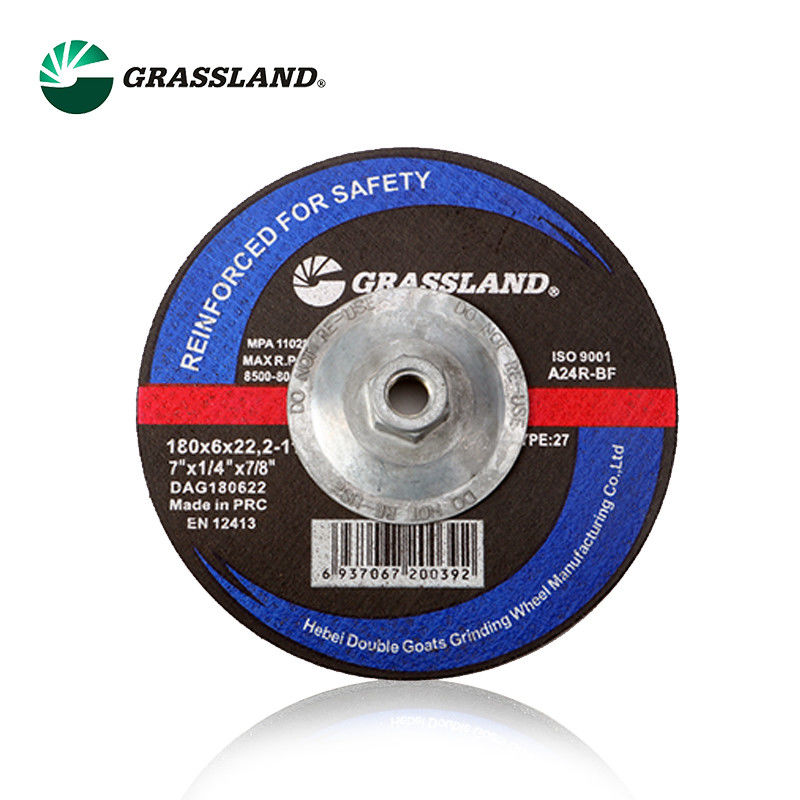
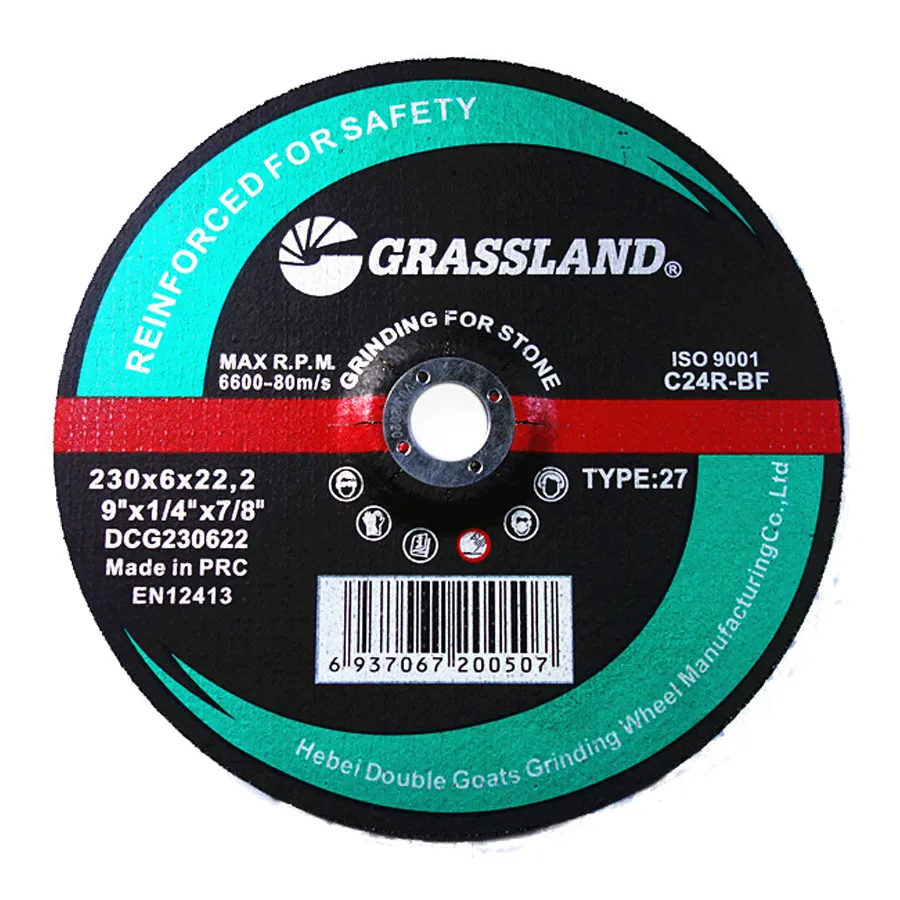
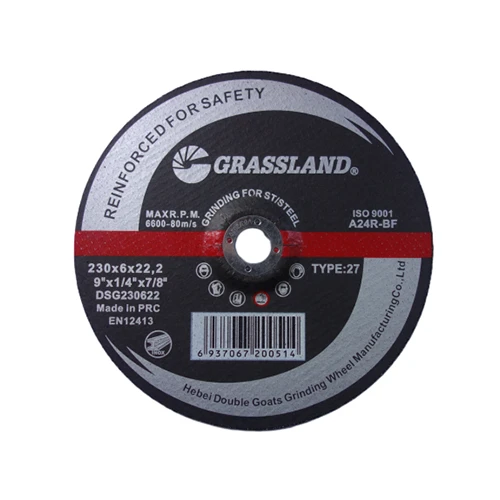
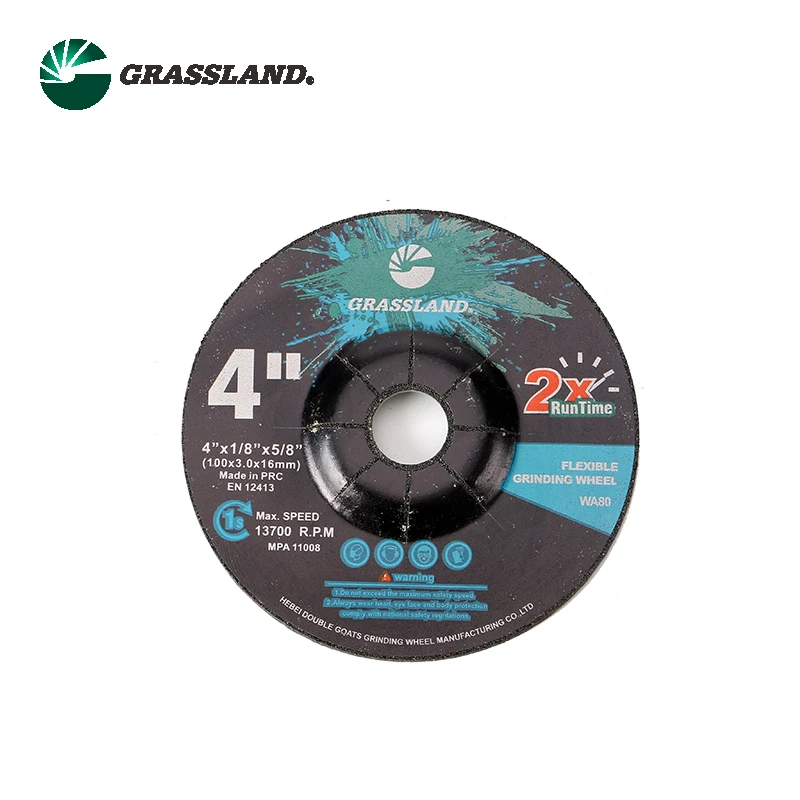
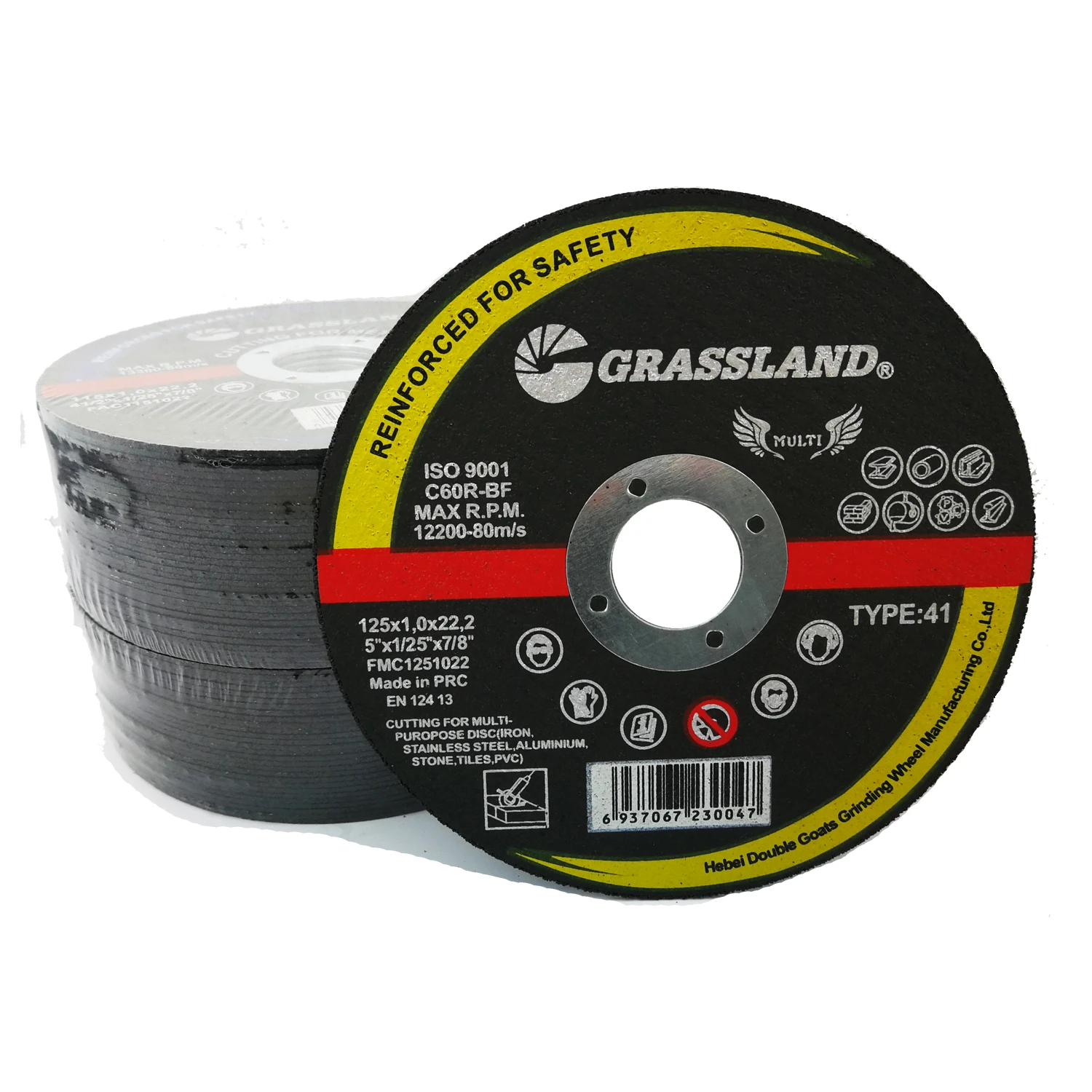
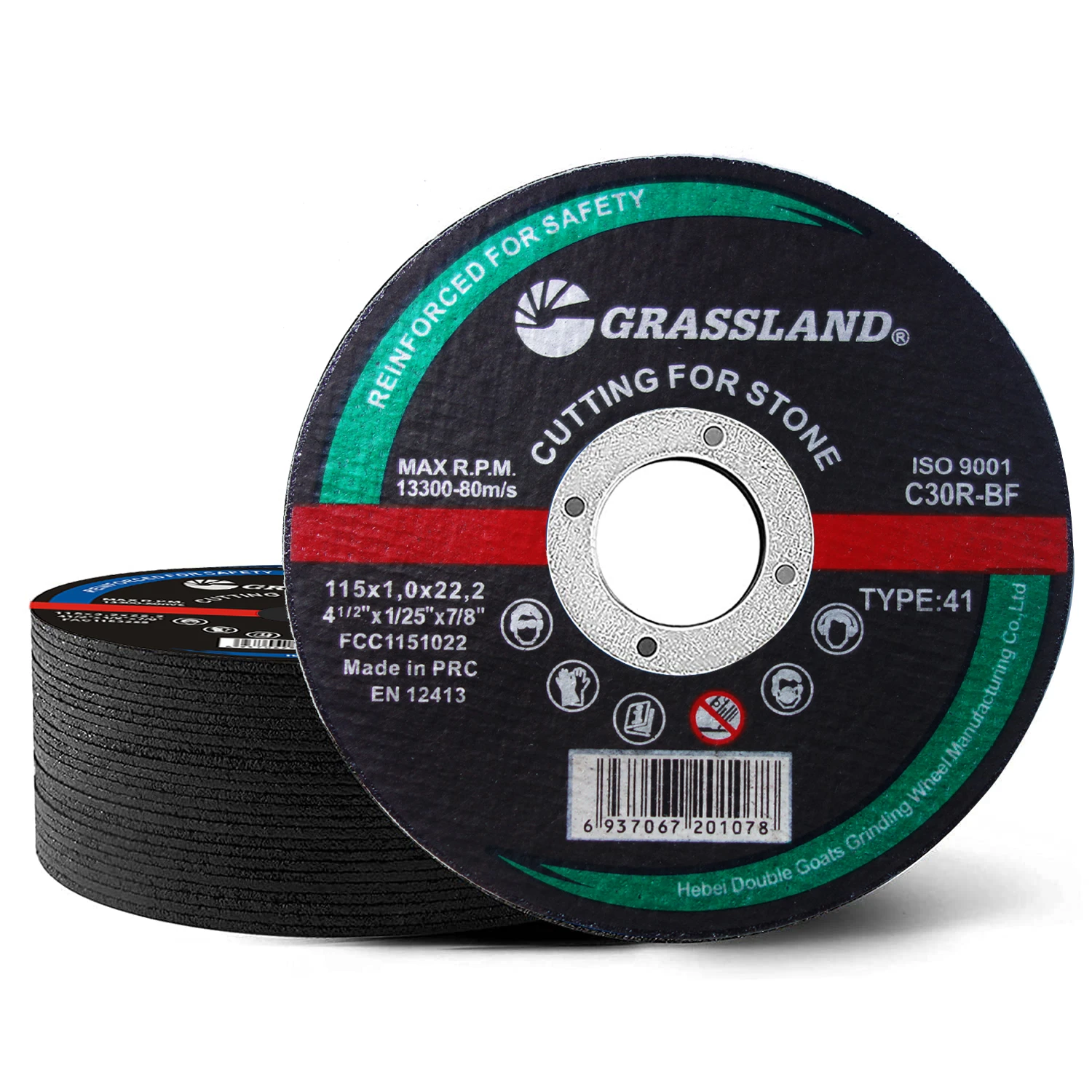
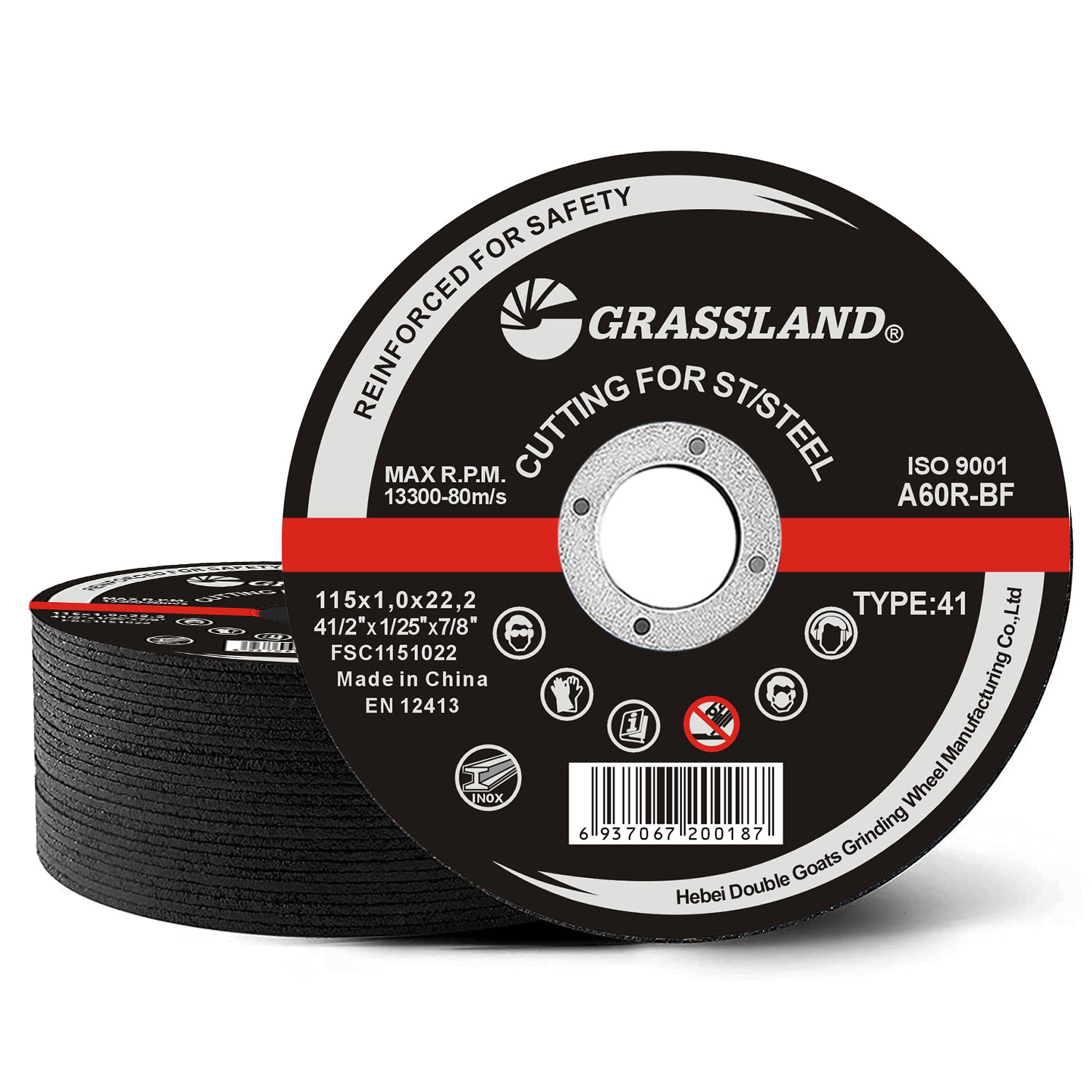
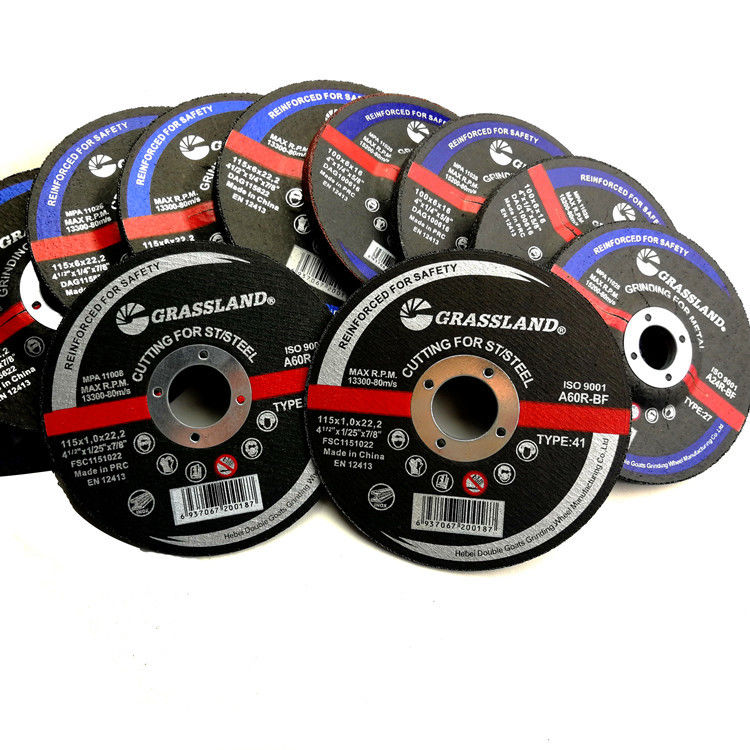
In simple terms, a grinder wheel to cut metal is a circular abrasive tool designed to shear through or smooth metal surfaces by abrasion. Think of it as a high-speed, spinning disc that wears down metal on contact. They come in different sizes, materials, and shapes—each tailored to specific metals or cuts, from rough stock removal to fine finish work.
These wheels aren't just for factories; they play a surprisingly big role in humanitarian efforts. For example, after natural disasters, metal cutting tools help build shelters quickly and safely. They're also crucial in repairing infrastructure in remote, tough conditions.
Key Factors to Consider in a Grinder Wheel to Cut Metal
1. Durability
Durability determines how long a grinder wheel lasts before needing replacement. Wheels made from aluminum oxide or silicon carbide tend to resist wear, especially when cutting hard metals. Frankly, an overly fragile wheel can turn a simple job into a dangerous ordeal.
2. Cutting Precision
Precision affects the quality of the cut and minimizes material waste. Fine-grit wheels offer cleaner cuts but might wear faster, while coarser grits remove more material faster but rougher.
3. Compatibility with Metals
A grinder wheel optimized for steel may not work efficiently on stainless steel or aluminum. Material-specific wheels not only improve performance but also extend tool and equipment life.
4. Safety Features
Consider wheels with balance correction and safety guards. Oddly enough, many accidents trace back to wheel vibration or fragmentation due to imbalance.
5. Cost Efficiency
Balancing upfront cost with lifespan and performance often determines the best value. Lower cost items might translate into frequent replacements, ramping up long-term expenses.
| Specification | Typical Range |
|---|---|
| Diameter | 4" to 14" |
| Abrasive Material | Aluminum oxide, Silicon carbide |
| Bond Type | Resin, Vitrified |
| Max RPM | 6,600 to 13,300 |
| Thickness | 1mm to 6mm |
Global Applications & Real-World Use Cases
The versatility of grinder wheels to cut metal shines across continents. In Southeast Asia’s bustling shipyards, they're indispensable to shaping steel hulls. In Europe’s automotive plants, finer abrasive wheels help craft precision components. Meanwhile, in Africa and South America, these wheels enable swift metal repairs in mining operations, often under rugged conditions with limited tool access.
Post-disaster relief operations notably rely on portable grinders fitted with the right cut-off wheels for quick material processing on-site, helping rebuild shelters and critical infrastructure in days instead of weeks.
Vendor Comparison: Popular Grinder Wheel Brands
| Brand | Material Quality | Price Range | Typical Use Case |
|---|---|---|---|
| TopCut | Premium aluminum oxide | $$$ | Precision steel cutting in automotive |
| MetalEdge | Silicon carbide blend | $$ | General construction and fabrication |
| EcoGrind | Recycled abrasives | $ | Light industrial use, sustainability focused |
Advantages & Long-Term Value of Using the Right Grinder Wheel
- Cost savings: Efficient cutting reduces material waste and helps avoid tool breakdowns.
- Safety: Proper blades reduce risk of shards and accidents, protecting workers.
- Sustainability: Durable materials mean fewer replacements, less environmental footprint.
- Precision: High-quality wheels enable better product quality and less rework.
Essentially, the right wheels earn your trust by performing reliably job after job — and that kind of consistency is invaluable.
Future Trends & Innovations
It's an exciting time. Innovations in abrasive technology are experimenting with nanomaterials to extend durability and cutting speed. Also, the rise of automation means grinder wheels are now being optimized for robotic arms with variable pressure and speed control.
Furthermore, environmental regulations are pushing manufacturers toward greener wheel production, using recycled binders and abrasives, minimizing hazardous dust emission.
Challenges & How Experts Are Solving Them
One persistent issue is premature wear when cutting harder alloys. Experts recommend customized abrasive blends and bond formulations tailored to specific metals to improve lifespan. Also, improved balance and safety audits are minimizing accidents.
Still, it remains vital to train users properly—an area sometimes overlooked in fast-paced environments.
Frequently Asked Questions About Grinder Wheel to Cut Metal
- What type of grinder wheel is best for cutting stainless steel?
- Wheels made of aluminum oxide with a vitrified bond are typically best for stainless steel. They offer a good balance of cutting power and heat resistance, preventing metal discoloration during cuts.
- How often should grinder wheels be replaced?
- It depends on use, but generally when the wheel wears down to 1/8 inch thickness or shows cracks, chips, or imbalance. Regular inspection ensures safe operation.
- Can I use a grinder wheel designed for steel on aluminum?
- While possible, it's not ideal. Aluminum-compatible wheels often have different abrasives to avoid clogging. Using the correct wheel improves efficiency and finish.
- Are cutting grinder wheels environmentally friendly?
- Some brands now offer wheels made from recycled materials and low-dust emissions. Choosing these supports sustainability goals while maintaining performance.
- How do I know the maximum RPM for my grinder wheel?
- Check the wheel's label or manufacturer documentation; exceeding max RPM risks wheel failure and injury.
Conclusion and Call to Action
In real terms, the grinder wheel to cut metal is a quiet hero underpinning industries that build and rebuild our world. From precision engineering to emergency response, investing in quality wheels pays dividends in safety, cost, and sustainability.
If you want the right tools for your metal cutting needs, feel free to visit our website: https://www.cutoffdiscs.com. Let’s make metalworking sharper, safer, and smarter together.
Takeaway: Choosing the right grinder wheel is both a technical and strategic decision — one that echoes through quality, safety, and operational efficiency.
References
Post time:Dec - 02 - 2025