The Growing Importance of Grinding Discs for Metal
Grinding discs for metal might sound like a small detail tucked away in industrial toolboxes — but honestly, they’re a cornerstone in manufacturing, construction, and repair worldwide. Understanding these discs isn’t just for engineers or factory workers. Their global impact touches everything from building infrastructure to making sure pipelines hold up, machines run smoothly, and even the everyday tools we trust stand the test of time.
Globally, the metal processing sector is huge. According to the International Organization for Standardization (ISO), billions of tons of metal products rely on quality finishing and surface treatment every year. And at the heart of that — well, you guessed it — are grinding discs. Knowing how these discs work means better quality, safer products, and progress toward more sustainable industrial methods.
Mini takeaway: Grinding discs for metal aren’t just components; they’re enablers of global industrial reliability and safety.
Grinding Discs for Metal: What Are They?
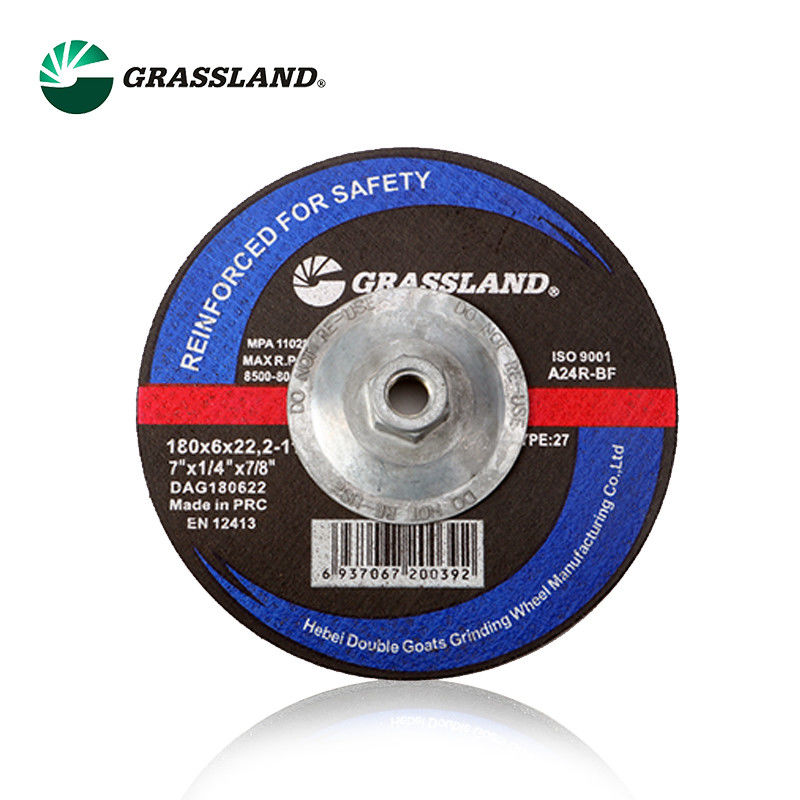
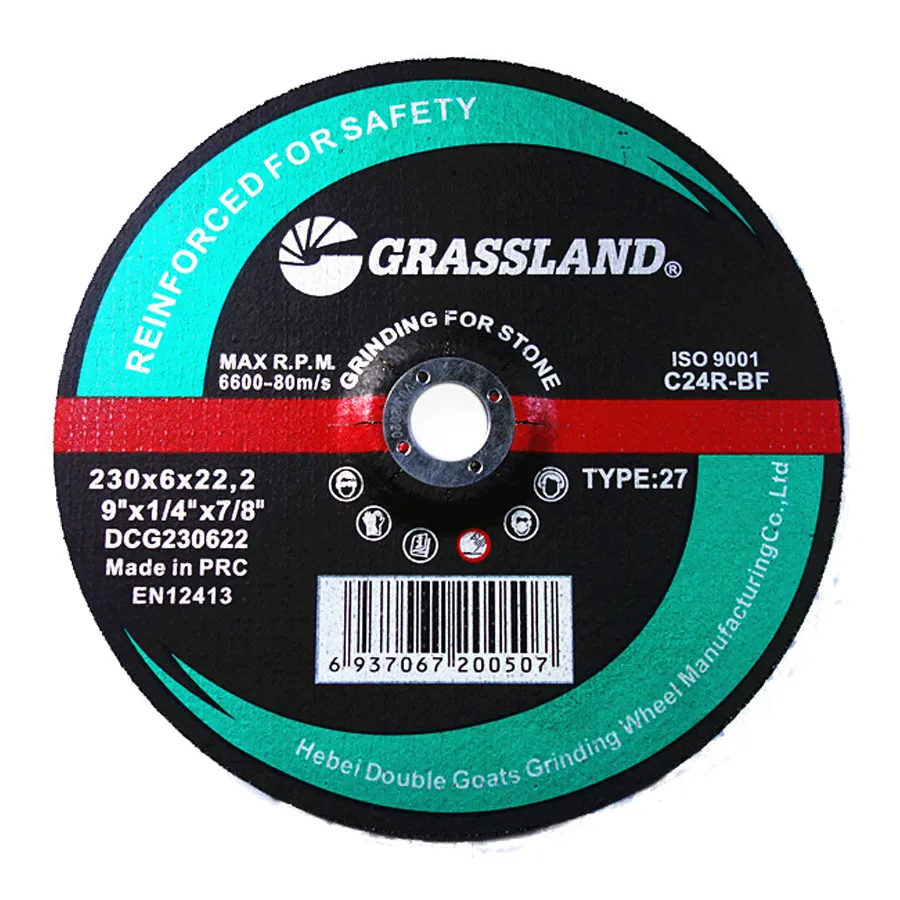
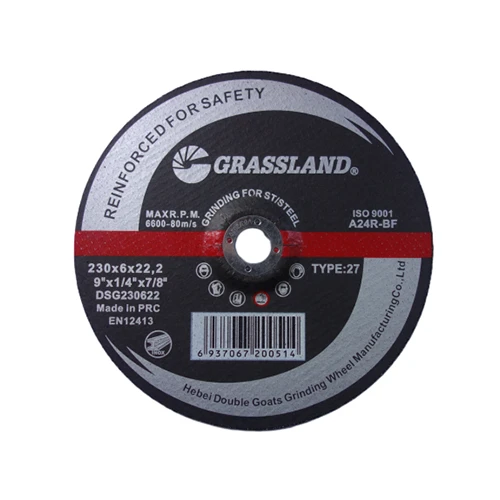
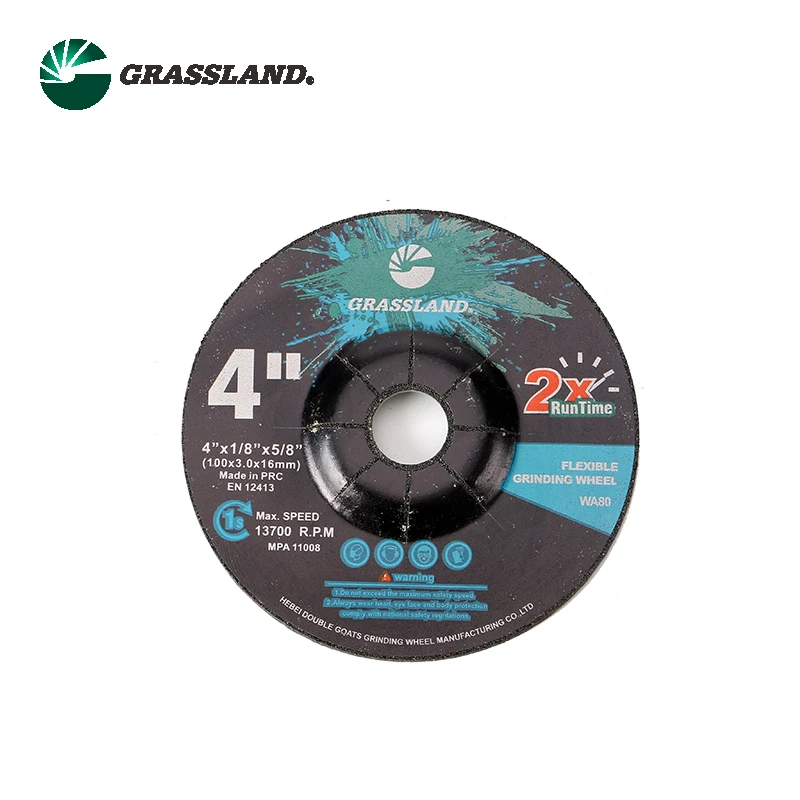
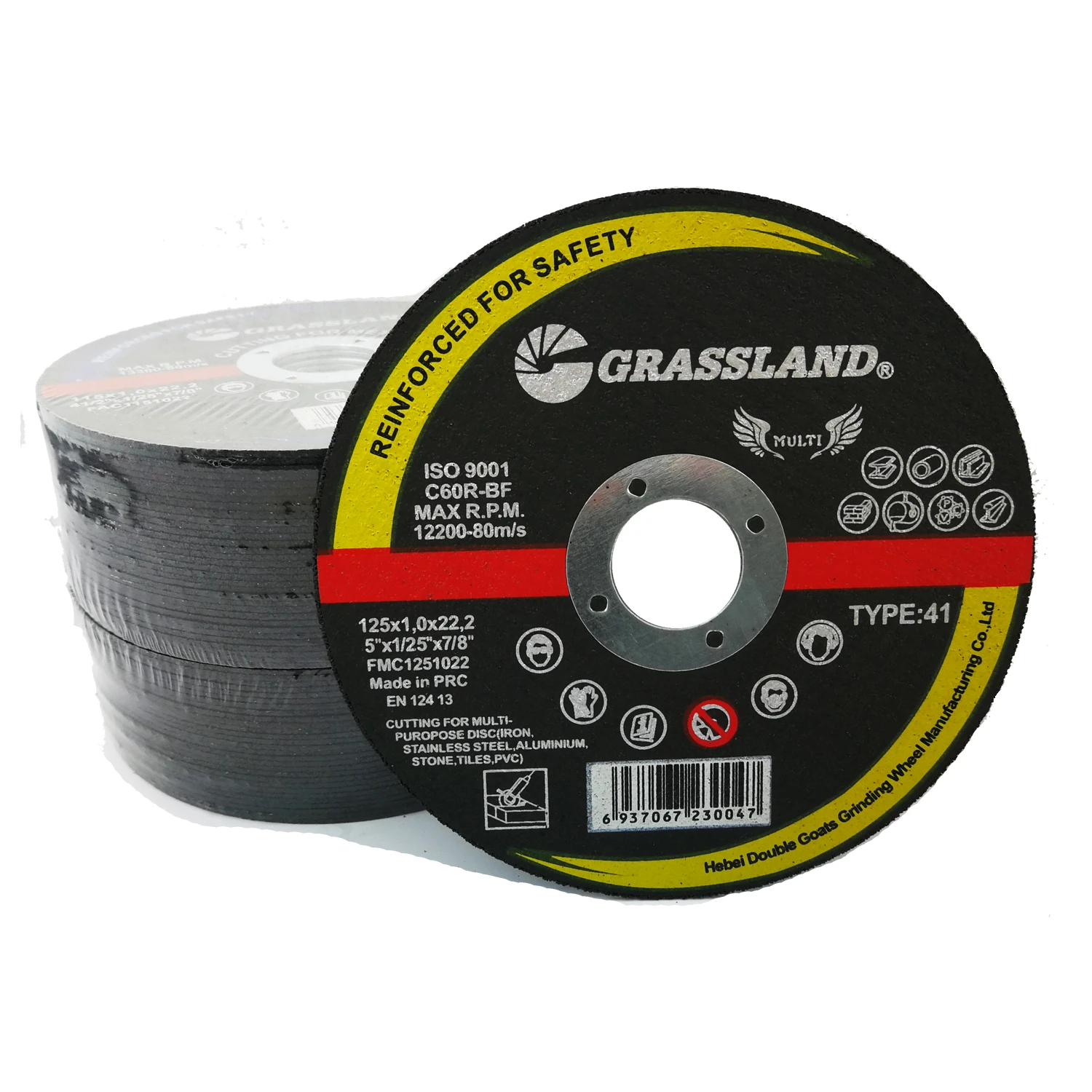
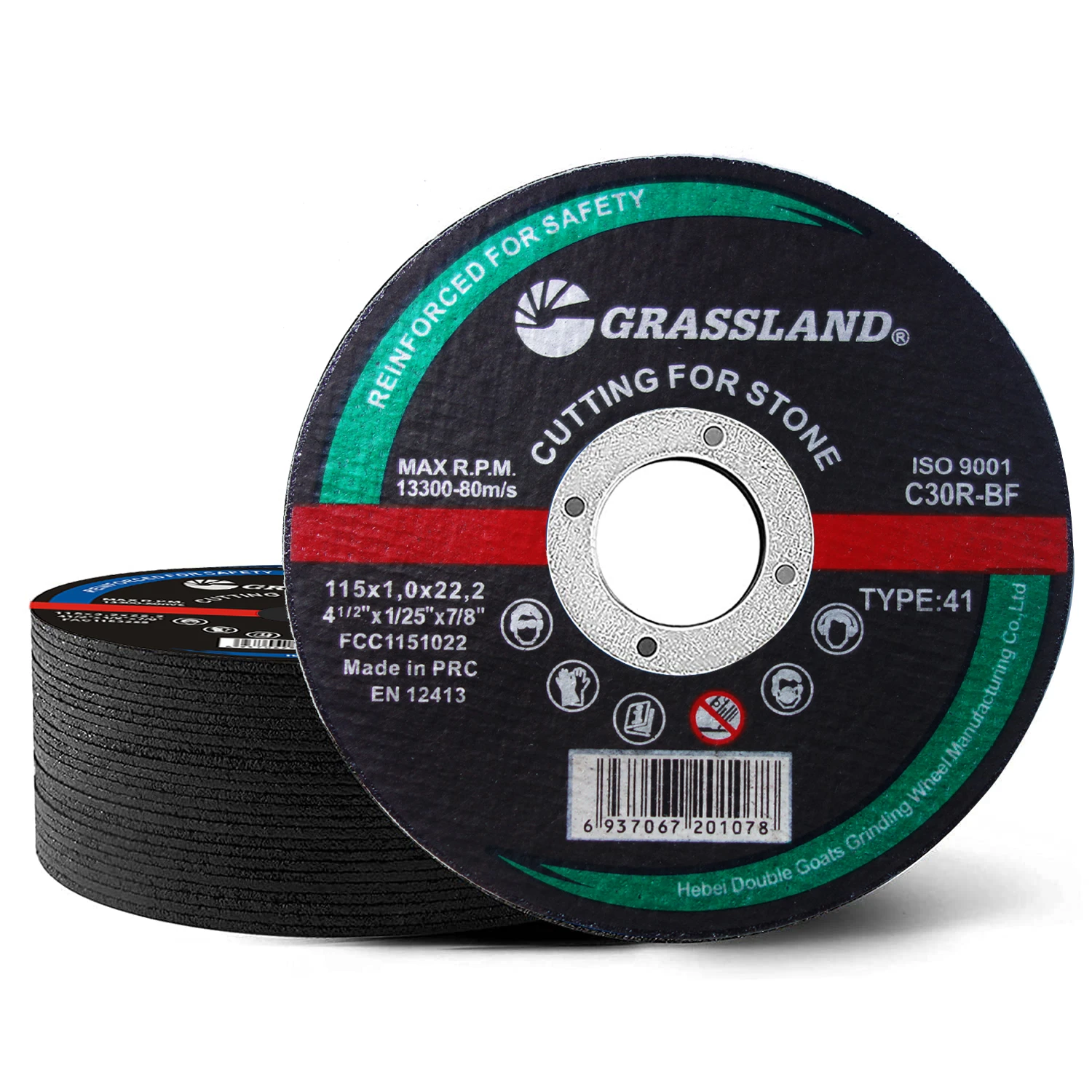
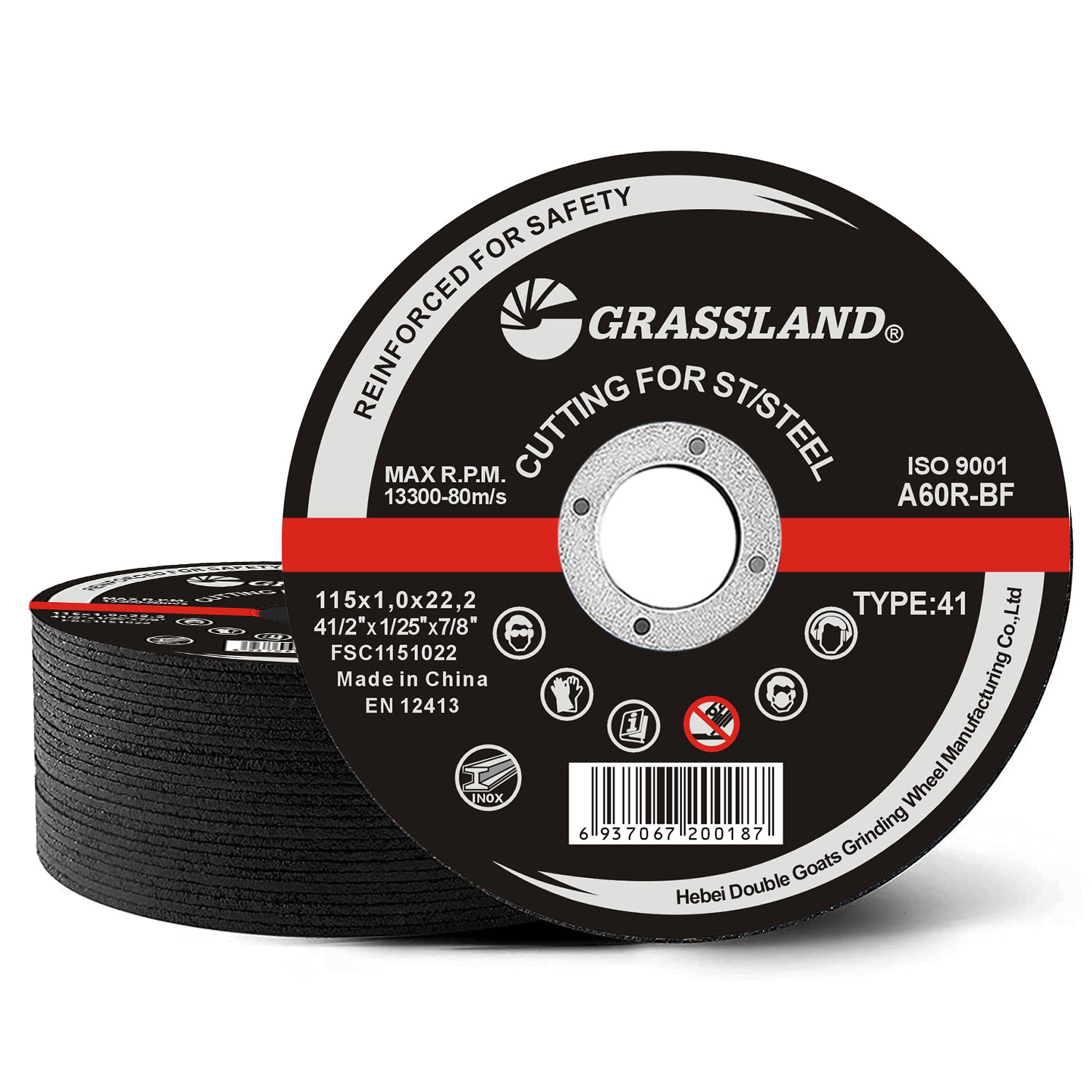
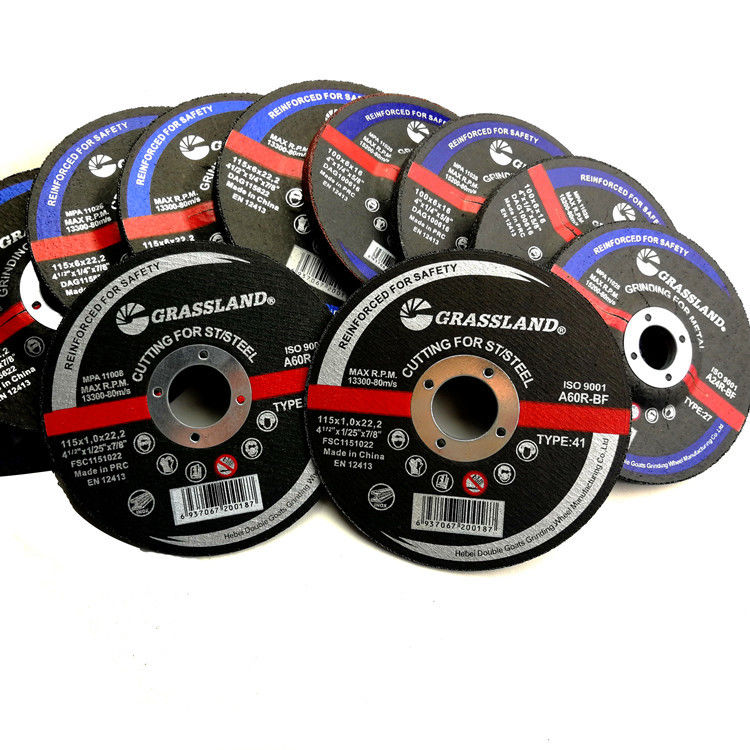
At its core, a grinding disc for metal is a circular tool designed to smooth, cut, polish, or shape metal by abrasion. Think of it as the sharp brushstroke in metal finishing, where precision and resilience matter. Made from abrasive materials like aluminum oxide or zirconia alumina, these discs attach to angle grinders or bench grinders to perform their magic.
But more than that, they’re vital in countless industries: automotive repair, shipbuilding, aerospace, and even humanitarian initiatives such as rebuilding efforts after disasters, where metal structures must be reshaped and reinforced quickly.
Global Impact in Modern Industries
World Bank data highlights manufacturing as a key pillar of economic growth, especially in developing economies. Grinding discs help maintain production quality and speed across regions from Southeast Asia’s bustling factories to Europe’s automotive hubs. The right disc translates to efficient metalworking, which in turn means affordable, durable products for consumers everywhere.
Key Factors to Consider in Grinding Discs for Metal
1. Durability
Durability in a grinding disc means it can withstand intense friction without crumbling too quickly. High-quality abrasive grains and binders make the difference here. In rough environments, a durable disc doesn’t just save money — it makes work safer by reducing unexpected failures.
2. Compatibility
Not every disc fits every grinder or cuts every metal type equally well. Compatibility — in terms of size, speed rating, and abrasive type — is essential. For example, a disc tuned for stainless steel differs significantly from one meant for mild steel or cast iron.
3. Cost Efficiency
Choosing the cheapest disc might seem smart, but many manufacturers learn the hard way about poor wear resistance and wasted time. Cost efficiency merges upfront cost with lifespan and performance — saving money in the long haul.
4. Versatility
Some grinding discs are multipurpose, handling cutting, grinding, and finishing tasks, while others specialize. Versatility helps smaller shops diversify without extra inventory.
5. Safety Features
Grinding is inherently noisy and dusty — heck, sparks fly everywhere. Modern discs are designed for reduced vibration, improved disc strength, and compatibility with safety gear to protect operators.
6. Environmental Considerations
Innovations now lean towards eco-friendly materials and production methods, embracing sustainability without compromising strength or speed.
Mini takeaway: When selecting grinding discs, balancing durability, safety, compatibility, and cost is critical for success on the job.
Grinding Discs for Metal in Action: Real-World Applications
The usage of grinding discs spans many sectors globally:
- Construction and Infrastructure: Workers smooth welds and cut metal beams for bridges, railways, and urban buildings.
- Automotive Repair: Discs help mechanics reshape panels, remove rust, and prep surfaces for painting.
- Aerospace Manufacturing: Here, precision grinding discs contribute to aerospace-grade finishes critical for safety.
- Post-Disaster Relief: In zones hit by earthquakes or floods, swift metal refurbishment on shelter units and vital equipment depends heavily on reliable grinding discs.
- Remote Industrial Zones: Mining and oil industries in isolated areas depend on tough, long-lasting discs where replacement opportunities are scarce.
Advantages and Long-Term Value of Grinding Discs for Metal
The benefits of using high-quality grinding discs can’t be overstated:
- Cost Savings: Longer-lasting discs reduce frequent replacements and downtime.
- Sustainability: By ensuring efficient metal finishing, waste reduces and energy use trims down — a factor emphasized in ISO 14001 environmental management standards.
- Safety and Reliability: Properly fitting discs lower the risk of accidents, giving workers peace of mind.
- Social Impact: With sharper tools, maintenance crews and builders uphold infrastructure that supports communities, industries, and daily life.
Honestly, there’s a real story of trust and dignity here — the right disc means the right finish, the safer machine, and finally, the product that keeps things moving.
What’s Next? Emerging Trends in Grinding Discs for Metal
Industry insiders keep a close eye on:
- Advanced Materials: Like ceramic grain and resin-bonded composites offering enhanced heat resistance and sharper cuts.
- Green Innovations: Biodegradable or recyclable materials and less-toxic adhesives to reduce environmental impact.
- Digital Integration: Smart discs with embedded sensors to track wear and optimize replacement timing — a little futuristic, but frankly, very useful.
- Automation Compatibility: As robotic metal fabrication grows, discs tailored for automated grinding arms ensure consistency and safety.
Realistic Product Specification Table
| Specification | Value | Notes |
|---|---|---|
| Diameter | 115 mm / 180 mm | Common sizes for angle grinders |
| Abrasive Material | Aluminum Oxide / Zirconia Alumina | Depends on metal type |
| Max RPM | 13,300 | Safety rating to prevent accidents |
| Bonding Agent | Resin/Rubber Composite | Enhances toughness |
| Thickness | 3 mm / 6 mm | Varies by cutting vs grinding use |
Vendor Comparison: Finding the Right Supplier
| Vendor | Product Range | Price Range | Global Reach | Special Features |
|---|---|---|---|---|
| AbrasiTech | Cutting & Grinding Discs, Sizes 75-230 mm | Mid-range | Europe, Asia | Eco-friendly resin bonding |
| MetalEdge Co. | Specialized stainless steel discs | Premium | Global | Smart sensor-enabled discs (pilot) |
| GrindPro Supplies | Budget-friendly standard discs | Low-cost | Regional (North America) | Bulk discounts for contractors |
Challenges and Solutions in Using Grinding Discs for Metal
One of the biggest headaches users face: disc wear and inconsistent cutting performance. It’s frustrating when a disc heats up too fast or wears unevenly, possibly damaging metal or even creating a safety hazard.
Another challenge is finding the right balance between disc stiffness and flexibility. Too rigid, and the disc chips; too soft, and it wears prematurely.
Experts advocate thorough material matching, diligent equipment maintenance, and embracing emerging sensor tech to monitor disc health in real-time. I think that’s not trivial — knowing when to swap out a disc before it fails can literally save lives.
FAQ: Your Burning Questions on Grinding Discs for Metal
- What type of grinding disc is best for stainless steel?
- Discs with zirconia alumina abrasives are ideal for stainless steel as they provide aggressive cutting and long life while preventing overheating, which can discolor or weaken the metal.
- How often should I replace a grinding disc during regular use?
- Monitor both wear and surface integrity. Generally, replace discs once the abrasive layer is reduced by 50% or if any cracks, chips, or unusual vibrations occur. Regular inspection is key.
- Are there eco-friendly grinding discs available?
- Yes, several manufacturers now produce grinding discs with bio-based bonding agents and recyclable materials, aligning with ISO 14001 sustainability efforts. These discs perform comparably but reduce environmental impact.
- Can grinding discs be used on other materials besides metal?
- Some discs are multi-purpose, capable of working on stone, concrete, or composites, but using a disc outside its designed material often results in poor results and safety risks. Always check manufacturer guidelines.
- How can I ensure safety when using grinding discs?
- Use proper personal protective equipment (PPE), adhere strictly to rpm ratings, conduct routine equipment checks, and never use discs with visible damage.
Conclusion: Why Grinding Discs for Metal Matter More Than You Think
Grinding discs for metal are more than just tools: they’re the unsung heroes of industrial progress. From costly aerospace parts to basic construction elements, efficient metal processing depends on their quality and reliability. Picking the right disc today can yield safer workplaces and greener outcomes tomorrow.
Curious to explore premium options or bulk supplies? Visit our website: https://www.cutoffdiscs.com to discover products tailored for your needs.
Mini takeaway: High-quality grinding discs are an investment in safety, efficiency, and sustainability – all things worth remembering when planning your next metalworking project.
References
Post time:Nov - 29 - 2025