What Is a Grinder Steel Cutting Disc and Why Does It Matter Globally?
If you’ve ever watched metal fabrication or construction works, chances are you’ve seen a grinding machine slicing through steel with a sharp, spinning disc. That disc, often called a grinder steel cutting disc, is no ordinary tool. It’s a specially engineered element designed to cut through tough metals swiftly and safely. Why should you care about it beyond your local workshop? Well, in industries ranging from shipbuilding to disaster relief, these discs play a pivotal role. They help workers build everything from bridges to medical facilities, often in tight spaces or harsh environments. Getting familiar with them unlocks a better understanding of metalworking efficiency — and even the global machinery that goes into infrastructure development and humanitarian aid.A Global Perspective: Why Grinder Steel Cutting Discs Are Essential
Worldwide, the metal fabrication market is booming, with estimates from the World Bank and ISO showing consistent growth in demand for steel and metalworks — vital to infrastructure and manufacturing. According to the International Organization for Standardization (ISO), roughly 30% of global steel production is processed using abrasive cutting tools like grinder discs. That’s no small number. But here’s the kicker: Many workplaces still wrestle with safety issues, waste, and inefficiency when cutting steel parts. Discs that wear out too fast or generate excess heat damage metal surfaces or force costly rework. Manufacturers and users seek grinding tools that combine durability, speed, and safety. This is exactly where the right grinder steel cutting disc makes all the difference.Mini Takeaway:
Grinder steel cutting discs are fundamental not just for smooth cuts, but for safer and more sustainable metalwork worldwide.
Defining the Grinder Steel Cutting Disc
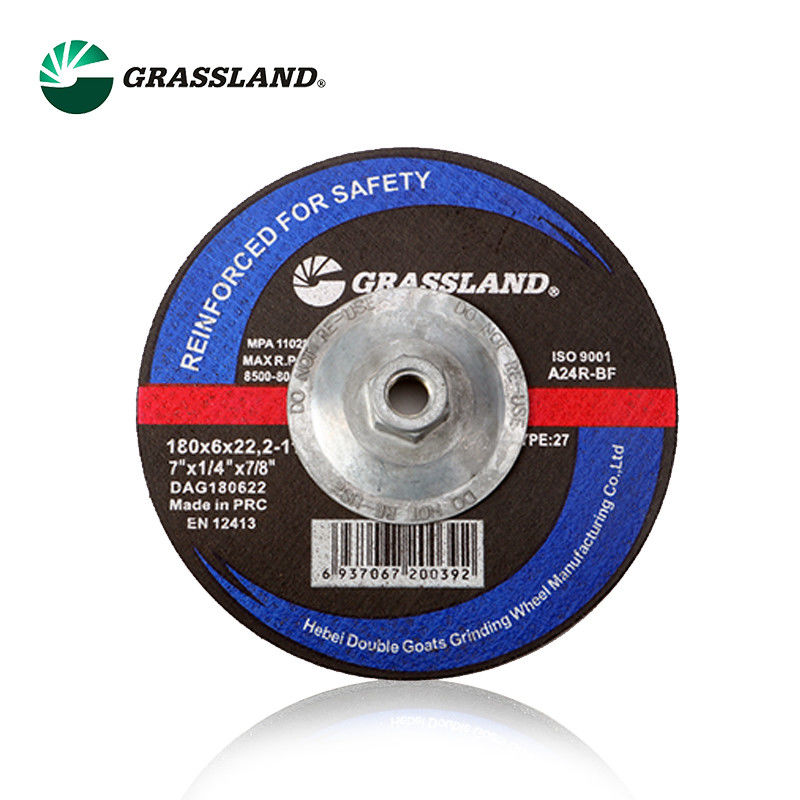
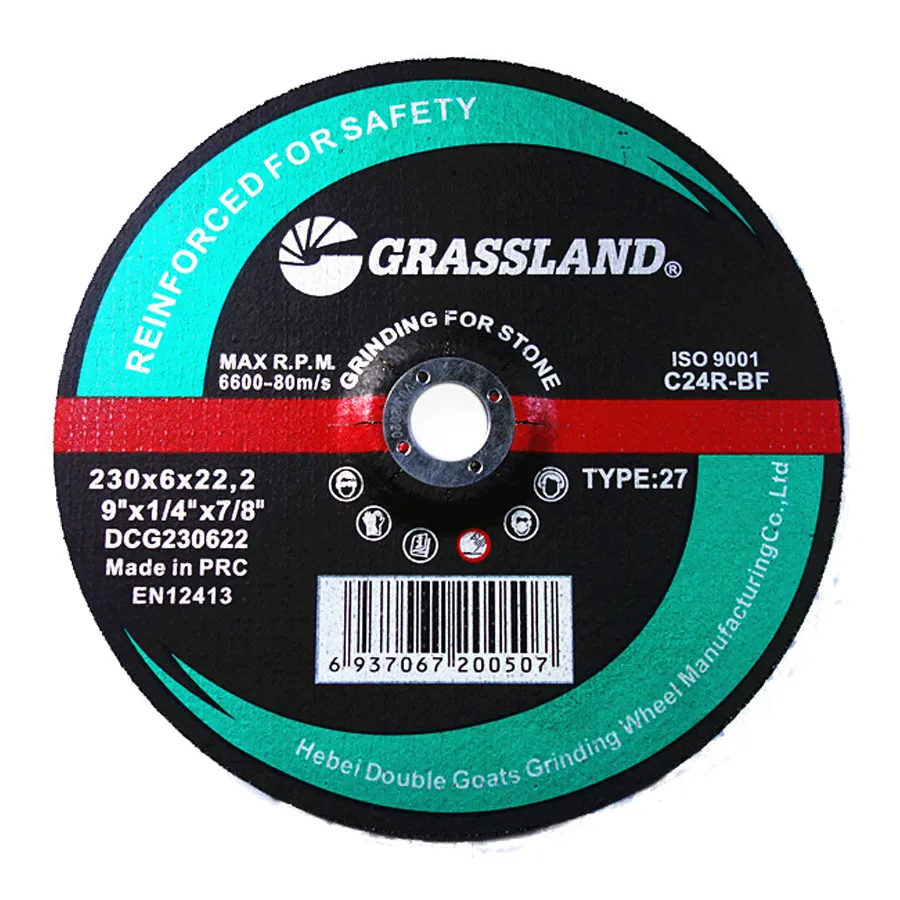
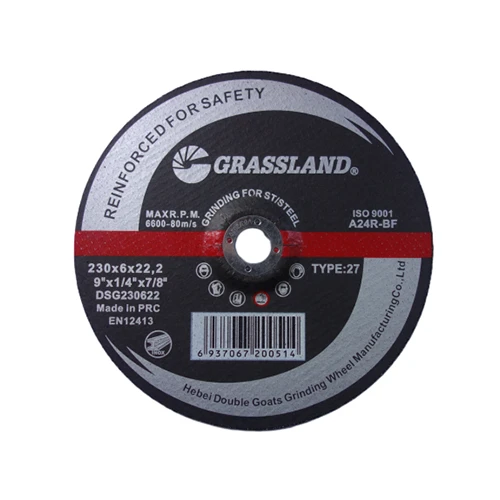
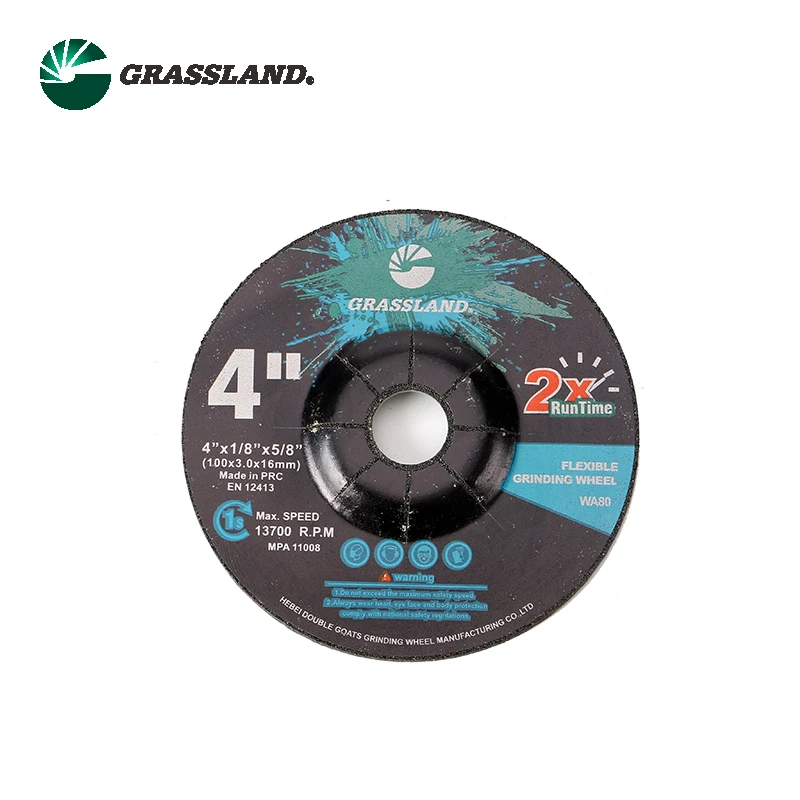
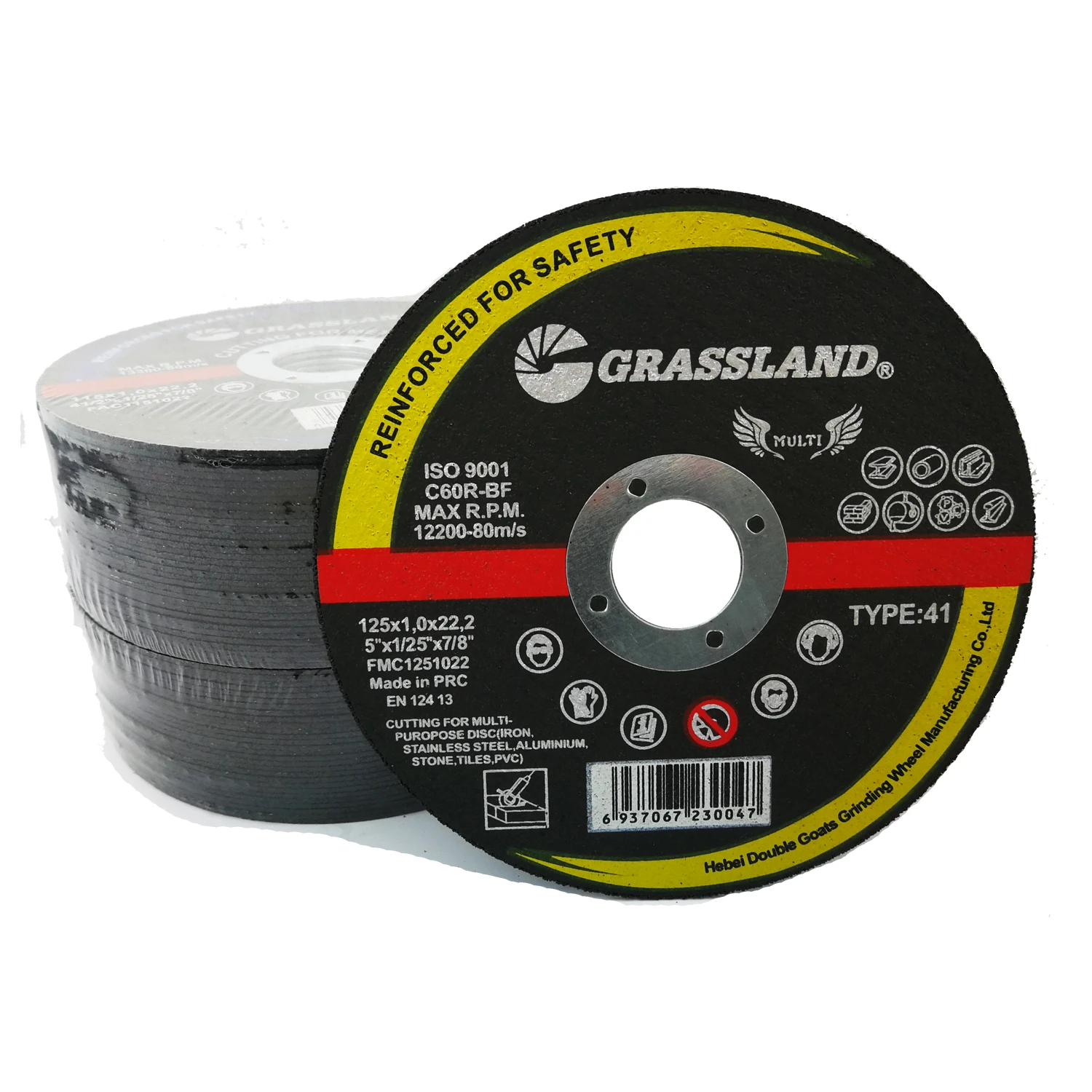
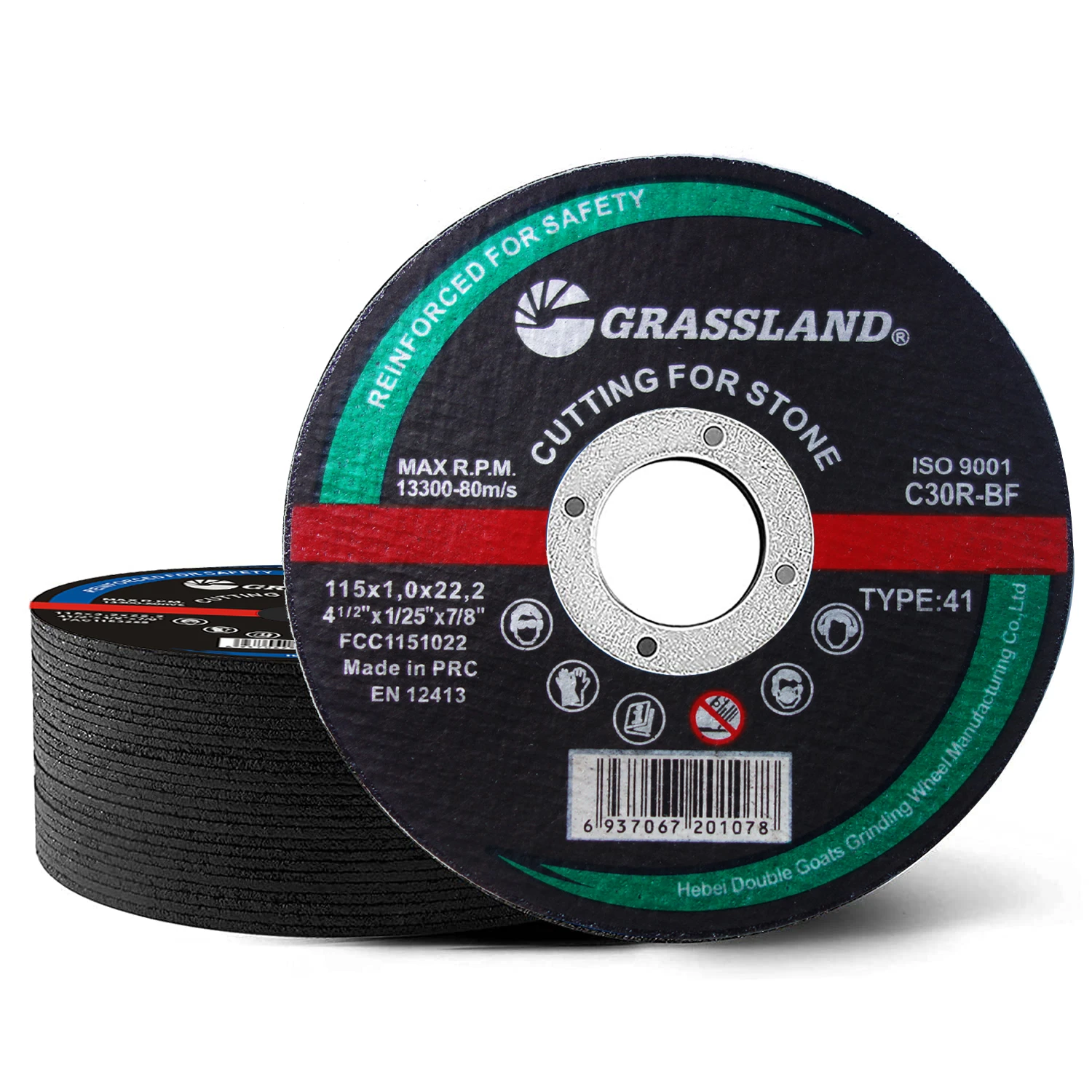
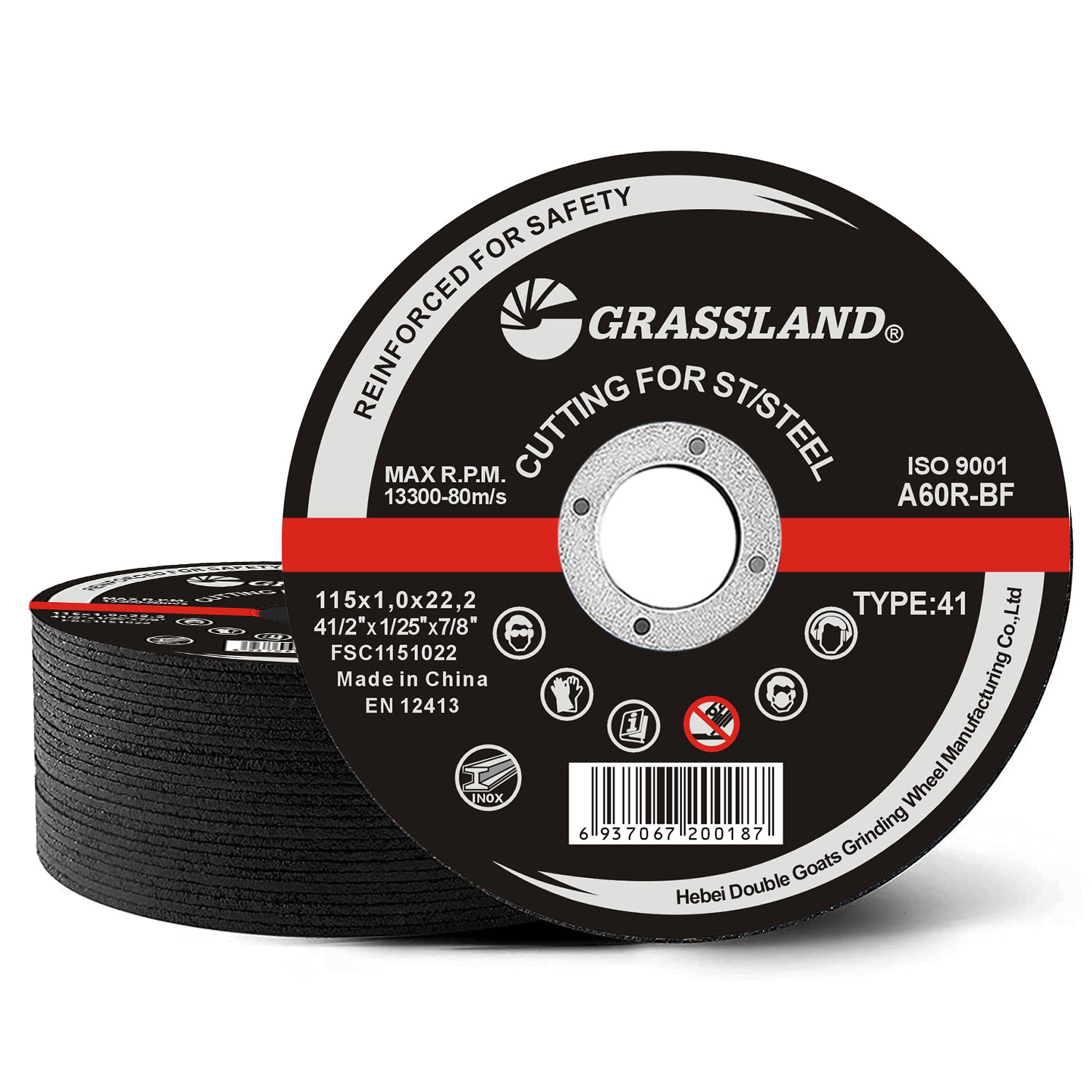
So what exactly is a grinder steel cutting disc? At its core, it’s a flat circular abrasive tool—usually bonded with resin and reinforced with fibers—that attaches to an angle grinder or similar rotary tool. Its abrasive surface is made from composites like aluminum oxide or silicon carbide, allowing it to slice through steel and other metals by grinding and cutting simultaneously. Think of it as the match between a chef’s precision knife and the butcher’s cleaver — designed specifically to handle steel in all its tough glory. The disc’s design is intentionally thin (typically 1.0 to 3.5 mm thick) to allow smooth cuts without unnecessary material removal or heat buildup. That’s critical because too much friction risks warping the steel or creating dangerous sparks — a known hazard in workshops.Mini Takeaway:
A grinder steel cutting disc is a precision abrasive tool designed to efficiently and safely slice through steel, enabling a myriad of industrial applications.
Key Features of Grinder Steel Cutting Discs
1. Durability
High-grade abrasive materials combined with resin bonding give discs longevity. A durable disc means less frequent replacements — saving money and downtime. Quality discs also resist chipping, which can cause accidents.2. Cutting Speed
Efficiency here is everything. Faster cutting reduces labor costs and heat generation. Many discs have optimized grit sizes to balance speed and finish quality — especially important in precision metal fabrication.3. Safety Standards Compliance
Safety is no joke. The very best grinder steel cutting discs meet ISO or ANSI safety certifications. These standards ensure the discs can withstand high RPMs without shattering dangerously.4. Compatibility
Discs come in multiple diameters (115mm, 125mm, 230mm, etc.) and thicknesses, suited to different grinder models and cutting depths. Ensuring a perfect fit improves stability and cutting accuracy.5. Cost Efficiency
Though premium discs cost more upfront, their longer life span and reduced wastage often make them more economical over time. Budget discs frequently sacrifice lifetime for a tempting first low price.Mini Takeaway:
Durability, speed, safety, and cost are the pillars that guide the choice of a grinder steel cutting disc in any workshop or industrial site.
Product Specifications at a Glance
| Specification | Typical Range / Value |
|---|---|
| Diameter | 115mm, 125mm, 230mm |
| Thickness | 1.0mm - 3.5mm |
| Bonding Material | Resin, reinforced fiberglass |
| Abrasive Type | Aluminum oxide; silicon carbide |
| Max RPM | 12,200 - 13,300 |
Where Grinder Steel Cutting Discs Make a Difference Around the World
You might think these discs are just for your local metal shop (and yes, that's true). But their reach goes way beyond, feeding into large-scale global needs. - Construction and Infrastructure: Urban skyscrapers, highways, and bridges all rely on metal frameworks that get cut and welded with these discs. For example, in fast-growing cities like Dubai or Shenzhen, speedy and reliable metal cutting is foundational to meeting ambitious timelines. - Disaster Relief and Rapid Deployment: After earthquakes or floods, rapid setup of shelters and medical units often depends on cutting steel frames quickly onsite. NGOs in places like Haiti and Nepal have adopted portable angle grinders equipped with tough cutting discs for this reason. - Remote Industrial Sites: Mining camps in Australia or oil rigs in the North Sea depend on grinder steel cutting discs to maintain machinery and infrastructure with minimal downtime. - Manufacturing & Shipbuilding: Facilities around the world, including Germany’s advanced shipyards or South Korea's automotive factories, routinely use cutting discs in production lines for everything from chassis to ship hull parts.Mini Takeaway:
Grinder steel cutting discs are silent enablers behind many pillars of modern civilization — from towering buildings to life-saving shelters.
Benefits and Long-Term Value You Can Count On
When a tool feels reliable in your hands, it fosters trust — and that’s priceless in industrial work. The practical benefits are … - Cost Savings: Longer-lasting discs reduce replacement frequency and labor interruption. - Safety: Certified cutting discs lower the risk of breakage and workplace injuries. - Environmentally Friendly: Efficient cutting means less wasted steel and energy. Some manufacturers are innovating with greener bonding resins too. - Consistency & Precision: In metalwork, accuracy is king. Reliable discs produce cleaner cuts, requiring less finishing. - Social Impact: In remote or disaster-stricken areas, these discs enable quick constructions, offering safety and dignity to vulnerable populations.Vendor Comparison for Popular Grinder Steel Cutting Discs
| Brand | Durability (avg. cuts) | Price per Disc | Safety Certifications | Special Features |
|---|---|---|---|---|
| FastCut Pro | ~150 cuts | $5.50 | ISO 9001, ANSI B7.1 | Heat-resistant resin |
| SteelMaster X | ~130 cuts | $4.80 | ISO 9001 | Reinforced bonding layer |
| EcoCut Green | ~120 cuts | $6.20 | ISO 14001 (Eco Certified) | Eco-friendly resin & packaging |
Looking Ahead: Trends and Innovations Shaping Grinder Steel Cutting Discs
Industry insiders hint that the future is going greener and smarter. Here’s why: - Sustainable Materials: There's a push to replace traditional resins with bio-based, less polluting alternatives. - Smart Discs with IoT Sensors: Some startups experiment with embedding sensors that monitor disc wear or temperature in real time for better safety. - Automation: Coupled with CNC metal cutting machines, discs optimized for robotic precision grinding are emerging. - Improved Heat Dissipation: New composite blends and micro-vent designs reduce overheating that shortens disc life.Challenges and How Industry Leaders Are Addressing Them
Despite impressive strides, there are some nagging issues: - Disc Durability vs. Cost: Premium discs last longer but cost more. It’s a tricky balance for budget-conscious users. - Safety Risks: Shattering can still occur, especially with mishandling or flawed batches. Education and certification adherence is key. - Waste Management: Spent discs often end up in landfills. Recycling programs are still rare. Some manufacturers now offer training modules to reduce misuse and have launched recycling initiatives — slowly but surely, the industry is improving.FAQ: Common Questions About Grinder Steel Cutting Discs
- Q1: How do I choose the right thickness for a grinder steel cutting disc?
- A: Generally, thinner discs (1.0-1.6 mm) are better for precision, quick cuts in sheet metal, while thicker ones (2.5-3.5 mm) suit heavier structural steel. Consider material thickness and tool RPM limits.
- Q2: Are all grinder steel cutting discs compatible with my angle grinder?
- A: Not always. Check your grinder's speed rating against the disc's max RPM and verify the disc diameter matches your grinder’s specifications to ensure safety and performance.
- Q3: Can I use a grinder steel cutting disc on materials other than steel?
- A: Some discs are multi-purpose but many are engineered specifically for steel composition. Using the wrong disc may reduce disc life and cut quality. For non-ferrous metals, different abrasive types may be recommended.
- Q4: How should I store grinder steel cutting discs to maximize shelf life?
- A: Store them flat in a dry, cool place away from chemicals or direct sunlight. Avoid dropping or stacking heavy items on top, which can cause cracks.
Wrapping It Up: Why Investing in Quality Grinder Steel Cutting Discs Pays Off
In the end, a grinder steel cutting disc is more than just a spinning tool part. In real terms, it’s a linchpin for industries that literally build and maintain our world — whether that’s a towering bridge, an emergency shelter, or a machine part in a far-flung factory. Investing in quality discs isn’t just a cost decision; it’s about safety, sustainability, and ensuring metal cuts that last. If you’re keen to explore more or shop trusted products, don’t hesitate to visit our website: grinder steel cutting disc. There’s a lot more to learn and choose from than you might expect. And hey, a good disc might just be the quiet hero of your next project.Source Reflection
The data and standards shared here were drawn from credible agencies such as the International Organization for Standardization (ISO), the World Bank Global Reports, and industry benchmarks published by manufacturers within safety certifications (ANSI B7.1).
Post time:Dec - 01 - 2025