Angle Grinder Cutting Discs for Metal: A Global Workhorse in Industrial Tooling
At first glance, a simple disc spinning on an angle grinder might not seem like much. Yet, across countless industries worldwide, angle grinder cutting discs for metal are indispensable tools that power manufacturing, construction, and even humanitarian relief efforts. Understanding their global impact and core benefits doesn't just matter to tool aficionados but also to project managers, engineers, and supply chain professionals who depend on reliable metal cutting solutions.
Why This Topic Matters Globally
Steel and metal fabrication remain at the heart of industrial growth worldwide. According to the World Steel Association, global steel production topped 1.95 billion tonnes in 2023, with metal cutting tools playing a critical role in shaping this raw material into usable products. Whether it's precision cutting for infrastructure projects or rapid metal shaping in disaster response, angle grinder blades are the unsung heroes ensuring productivity and safety.
In places ranging from sprawling urban construction sites to remote field repair operations, the need for efficient, durable, and safe angle grinder cutting discs for metal grows daily. The challenge? Ensuring that these discs meet diverse application needs without compromising performance.
Mini takeaway: The global steel industry's sheer volume highlights why cutting discs optimized for various metals are so vital — they support everything from economic development to emergency rebuilding efforts.
Understanding Angle Grinder Cutting Discs for Metal
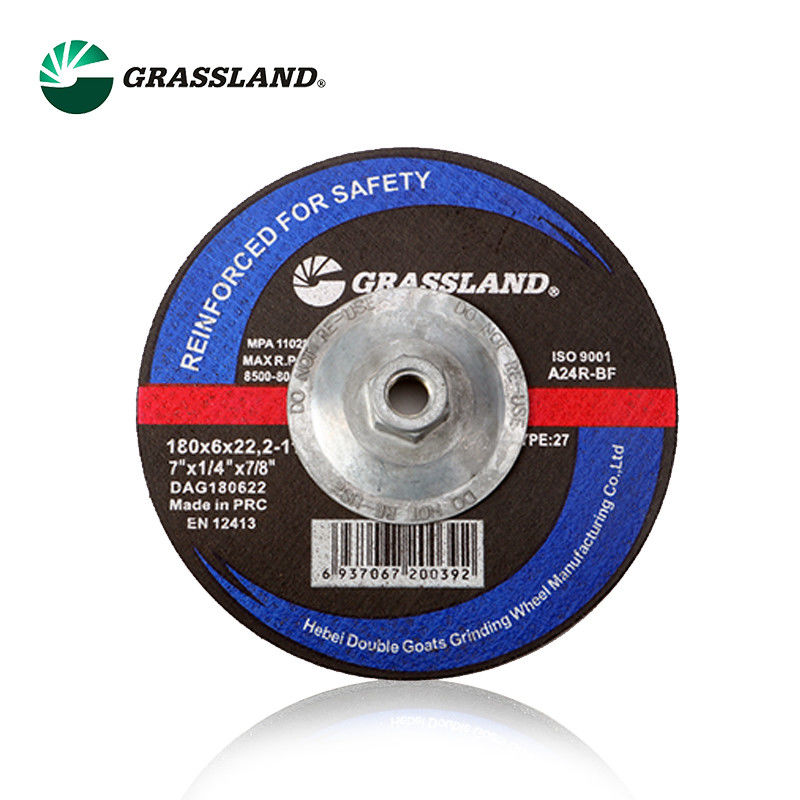
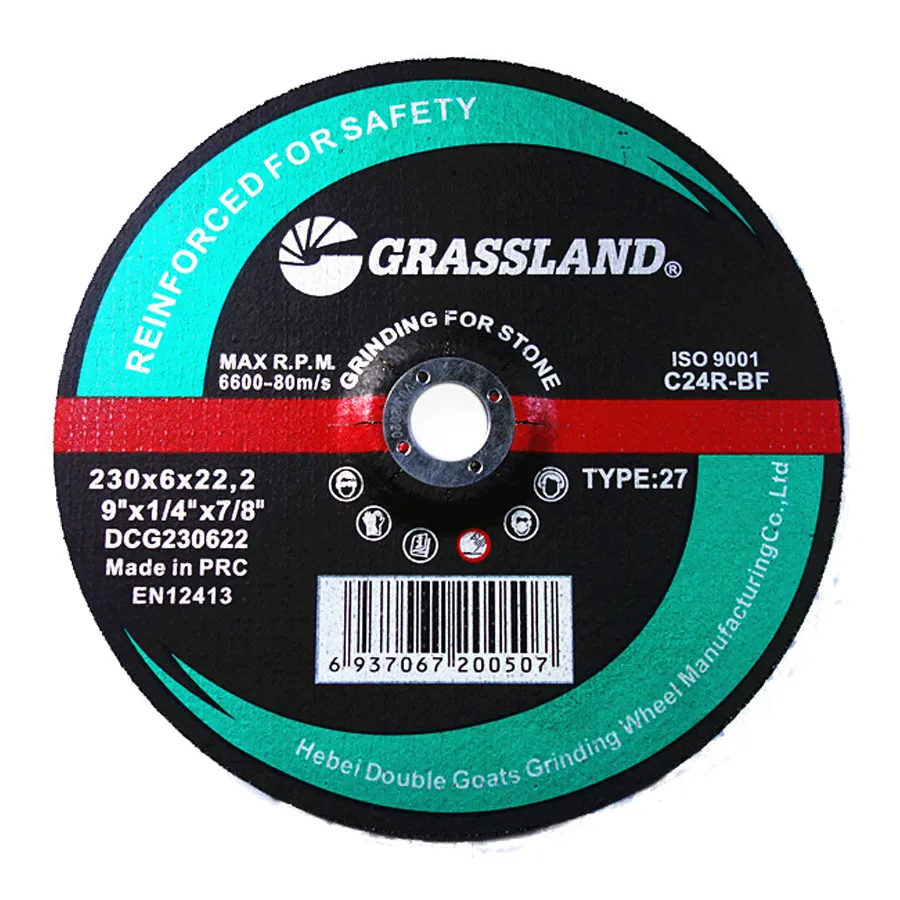
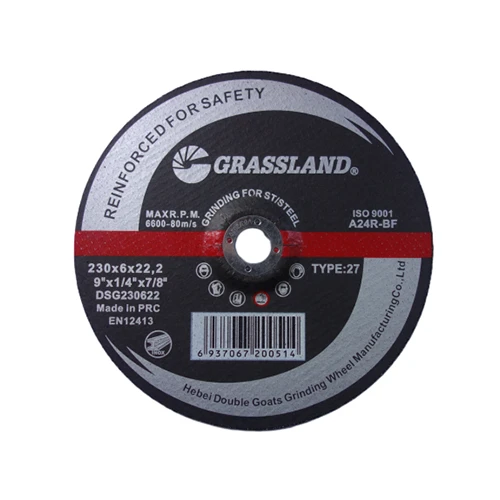
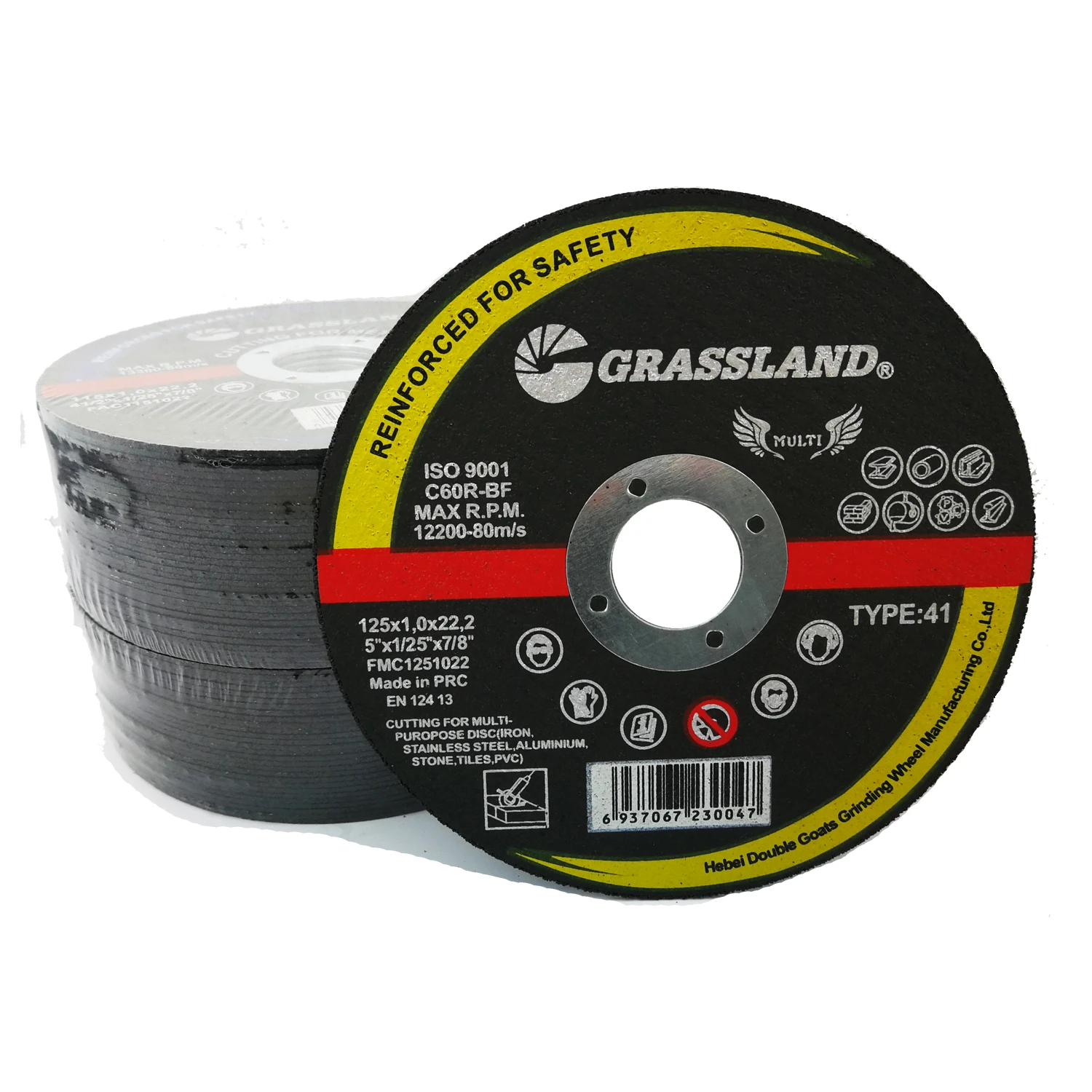
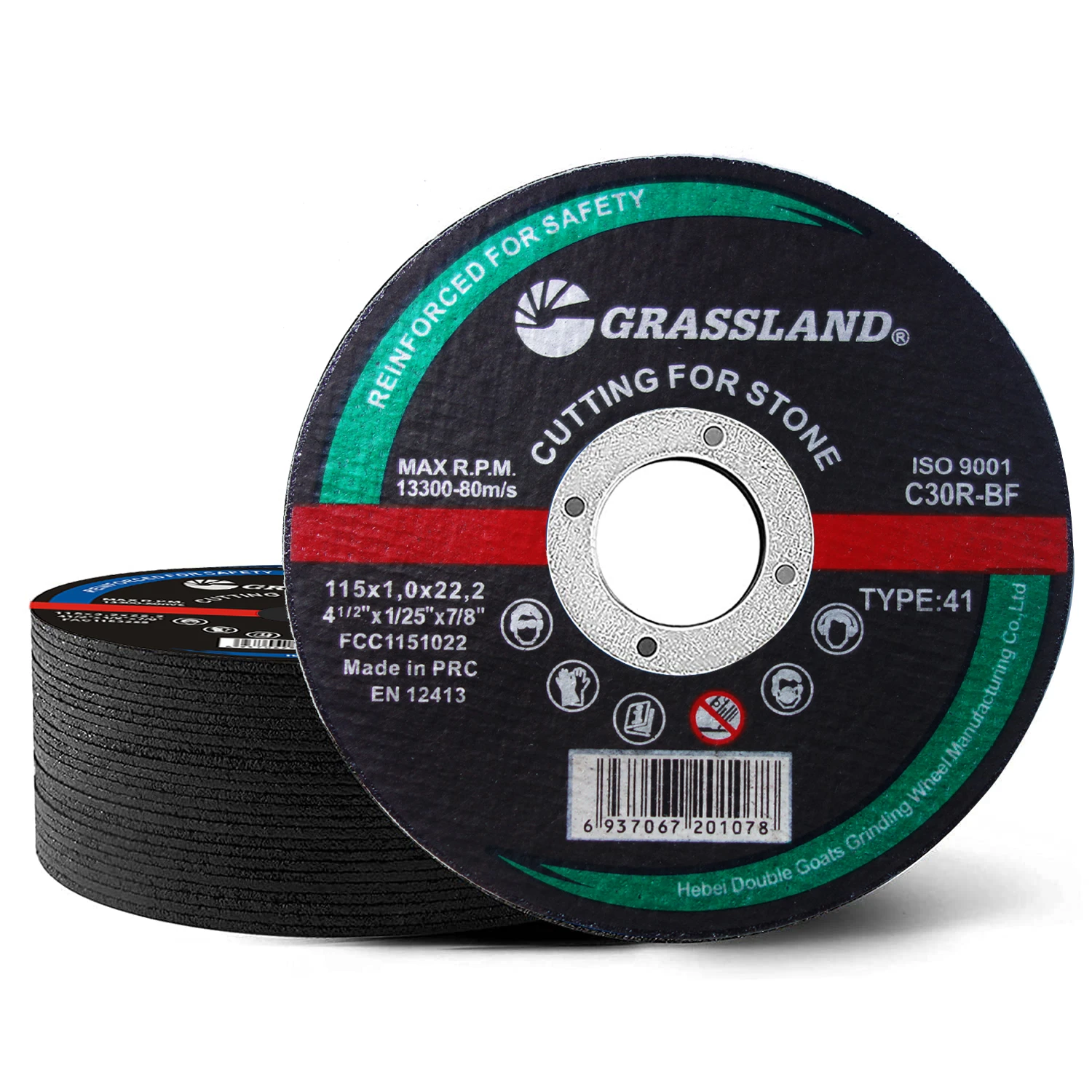
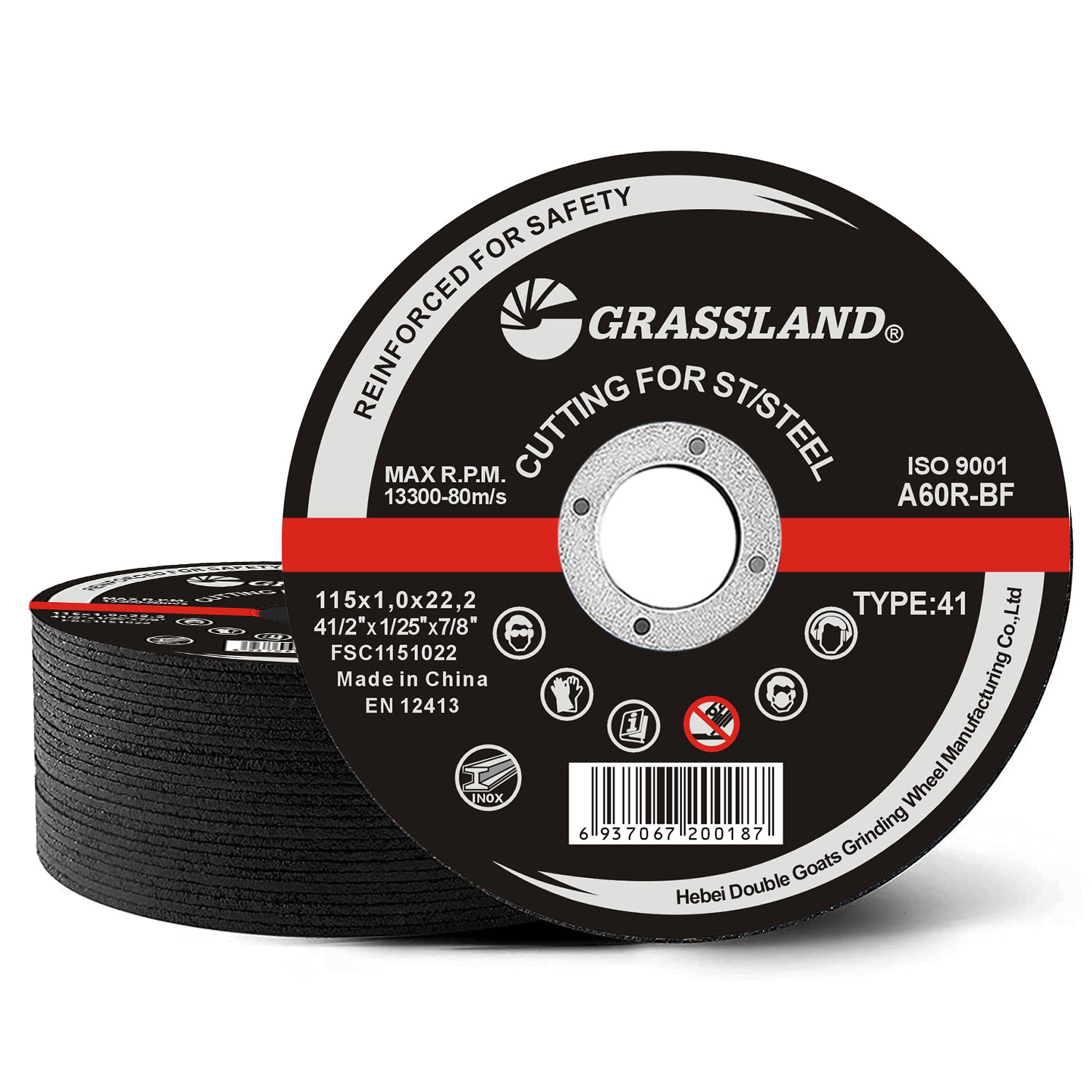
Very simply put, an angle grinder cutting disc is a flat, circular cutting wheel designed to mount on an angle grinder tool, made especially for slicing through metal items with speed and precision. The discs are composed of abrasive materials bonded together with resins, often reinforced with fiberglass for strength and safety.
In modern industry, these discs are more than just consumables; they're an integral part of fabrication workflows, aerospace maintenance, shipbuilding, and even art installations requiring metalwork. Humanitarian groups have noted their usefulness in rebuilding post-disaster infrastructure where metal framing is involved.
Core Components and Factors That Matter
1. Durability and Material Composition
The disc's lifespan depends largely on the abrasive grit—usually aluminum oxide or silicon carbide—and bonding agents. Higher-quality discs use more advanced resins and additives to resist wear, heat build-up, and stress fractures. Durability means fewer replacements and less downtime.
2. Cut Quality and Speed
Fast cutting reduces labor time but risks overheating or warping the disc. Proper grain size and disc thickness balance speed with clean, precise cuts. In many metal fabrication shops, speed improves throughput significantly.
3. Safety Features
This includes reinforced layers like fiberglass mesh that contain fragments if the disc breaks. Disc shape and size also impact vibrational control, reducing operator fatigue and accident risks.
4. Compatibility & Scalability
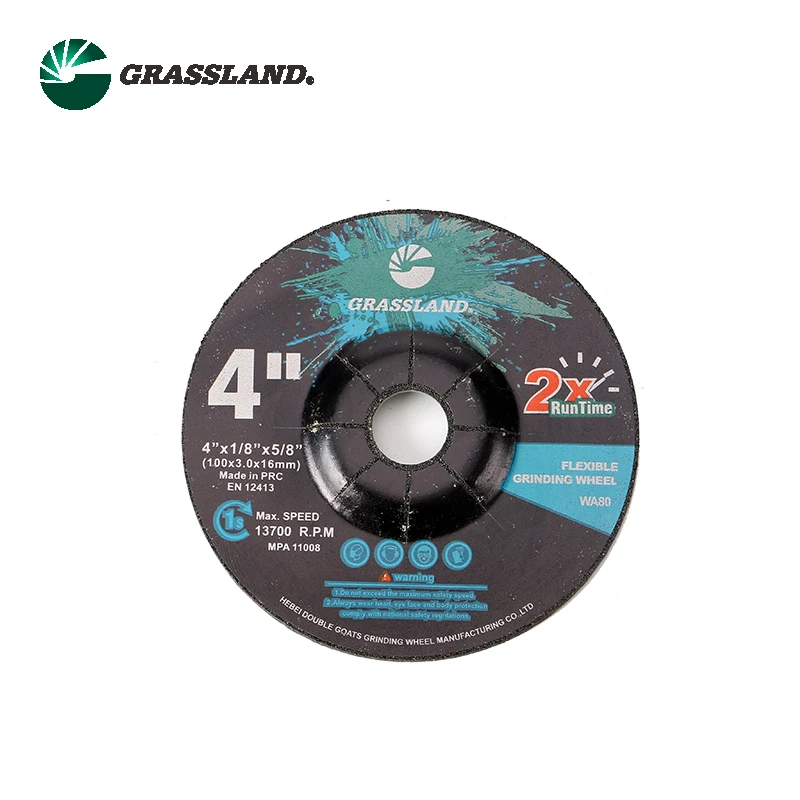
Discs come in varied diameters and thicknesses to fit different angle grinder sizes, from 4" for fine tasks to 9" for heavy-duty work. Scalability ensures the right tool for the job, whether it’s small-scale maintenance or mass metal processing.
5. Cost Efficiency
Price is always a factor, but many find investing in slightly more expensive discs pays off in long-term reliability, less scrap metal, and fewer replacements.
Mini takeaway: The balance between durability, cut quality, and safety defines what makes a cutting disc truly efficient — cost alone won’t tell the whole story.
Global Applications and Real-World Use Cases
From Mumbai’s factory floors to steel mills in Germany, and even field operations in humanitarian zones in Southeast Asia, angle grinder cutting discs for metal are everywhere.
- Construction Industry: Cutting metal beams, pipes, and rebar precisely to support urban infrastructure.
- Manufacturing: Fabricating parts for automotive, aerospace, and machinery sectors.
- Disaster Relief: Quick-cutting of metal sheets and bars for temporary shelters and repairs.
- Shipyards and Marine Maintenance: Corrosion-resistant discs help workers maintain ship hulls and machinery.
A project I recently came across involved NGO engineers in a flood-hit region using lightweight cutting discs to rapidly reshape metal shelters, underscoring how essential these discs are beyond traditional industry boundaries.
Product Specification Table: Typical Angle Grinder Cutting Discs for Metal
| Specification | Typical Values |
|---|---|
| Diameter | 115mm, 125mm, 180mm |
| Thickness | 1mm to 3mm |
| Maximum RPM | 13,300 to 80,000 RPM (varies by disc size) |
| Abrasive Material | Aluminum Oxide, Silicon Carbide |
| Bonding | Resin-bound with fiberglass reinforcement |
| Safety Feature | Reinforced mesh layer to prevent shattering |
Vendor Comparison: Popular Angle Grinder Cutting Discs for Metal
| Vendor | Durability (hrs average cut) | Average Cut Speed | Price per Disc (USD) | Safety Certifications |
|---|---|---|---|---|
| CutWorks Pro | 5 - 7 hrs | High | 4.50 | ISO 9001, EN 12413 |
| MetalEdge Select | 4 - 6 hrs | Medium | 3.80 | EN 12413 |
| SafeCut Ultra | 6 - 8 hrs | Medium-High | 5.20 | ISO 9001, EN 12413, OSHA Approved |
Advantages & Long-Term Value
Choosing the right angle grinder cutting discs for metal isn’t just about price; it’s about reliability, safety, and sustainability. Over time, better discs reduce waste, prevent accidents, and accelerate project timelines.
For workers, this means more trust in their tools and less physical strain. For companies, it translates to fewer work stoppages and increased cost savings. The emotional value comes from knowing the tools you rely on won’t fail during critical cuts — that peace of mind is priceless.
Looking Ahead: Emerging Trends in Cutting Disc Technology
Innovation doesn’t stop at faster blades. Manufacturers are experimenting with eco-friendly resin binders and dust-suppressing abrasives, addressing increasingly stringent environmental regulations. Plus, smart sensors integrated into grinders can now monitor disc wear and usage in real time — sort of like a "health tracker" for your tool.
Automation and AI-assisted metal cutting, combined with advanced disc materials, promise safer, more precise operations especially in large-scale manufacturing.
Challenges & How Experts Are Overcoming Them
Despite all the advances, challenges remain. For example, discs that wear unevenly can cause vibrations, and cheaper discs might shatter unpredictably if poorly made. Experts recommend always sourcing from certified vendors and investing in proper training on disc mounting and usage to prevent injuries.
New composite materials aim to solve durability issues without increasing weight — and that’s something to watch closely.
FAQ: Frequently Asked Questions about Angle Grinder Cutting Discs for Metal
- Q1: How do I choose the right disc thickness for metal cutting?
- A: Thinner discs (1mm to 1.6mm) are excellent for precise, fast cuts on thinner metal sheets, while thicker discs (2mm to 3mm) suit heavy-duty cutting on thicker or tougher metal. The choice depends on metal type and job specifics.
- Q2: Are fiber-reinforced cutting discs safer than unreinforced ones?
- A: Yes, fiber reinforcement helps prevent disc shattering, containing fragments and reducing injury risk. Most quality discs have fiberglass layers as standard for improved safety.
- Q3: Can angle grinder cutting discs be used on stainless steel?
- A: Absolutely. However, stainless steel requires discs designed for tougher alloys, typically with zirconia or ceramic abrasives, to prevent rapid wear and overheating.
- Q4: How often should I replace a cutting disc?
- A: Replace the disc when you notice slower cutting speeds, uneven wear, or damage like cracks. Regularly inspect discs before use to maintain safety standards.
Conclusion: Why Angle Grinder Cutting Discs Matter
When you consider the volume and diversity of metal cutting worldwide, it’s clear that angle grinder cutting discs for metal form a vital link in the production and maintenance chains. Their design, safety, and material evolution supports not just profits but the safety and dignity of workers everywhere.
For anyone ordering or upgrading tools, investing time in understanding disc specs and vendors can save headaches and costs in the long run. Curious to explore your options? Visit our website to check out the latest offerings designed for both everyday cutting tasks and specialized metalwork.
Mini takeaway: The right cutting disc is more than a consumable — it’s an enabler of innovation, safety, and global industrial growth.
References:
Post time:Dec - 01 - 2025