Understanding Abrasive Cut Off Discs: A Global Industrial Staple
At first glance, an abrasive cut off disc might look like just another disc you'd spin on a grinder, but its significance stretches across countless industries worldwide. From construction sites in bustling metro areas to remote workshops in developing regions, these discs play a crucial role in making tough cuts with precision. Why does this matter on a global scale? Well, as industries modernize and logistics demand faster, cleaner operations, the abrasive cut off disc becomes more than just a tool — it’s a critical enabler of efficiency, safety, and sustainability.
Let’s peel back a bit and explore why knowing about abrasive cut off discs could be more valuable than you think — whether you’re in manufacturing, emergency repair, or even humanitarian logistics.
The Global Relevance of Abrasive Cut Off Discs
World Bank data suggests that the global metalworking market continues to grow steadily — roughly 3.5% per year — driven by infrastructure projects and manufacturing expansions across Asia, Africa, and Europe. ISO standards for abrasive tools (ISO 8494) ensure safety and quality control worldwide, but the challenge remains: how do industries maintain consistent cutting performance while managing costs and minimizing risk?
The answer often lies in choosing the right abrasive cut off disc — a small component with a huge impact on workflow and worker safety. With industries under pressure to reduce downtime and improve sustainability, the disc’s balance of durability and precision is vital.
What Exactly Are Abrasive Cut Off Discs?
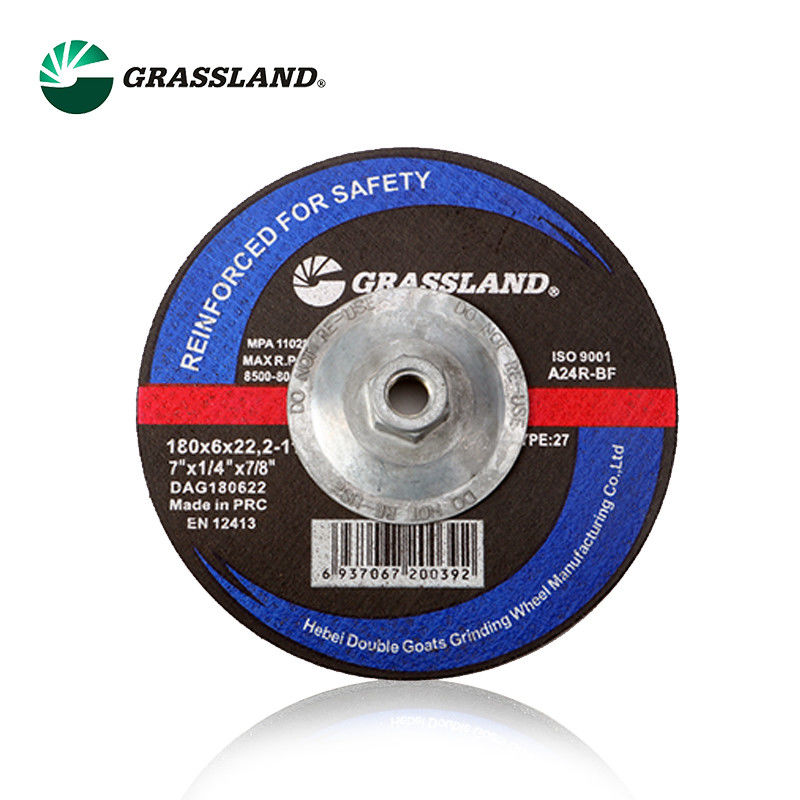
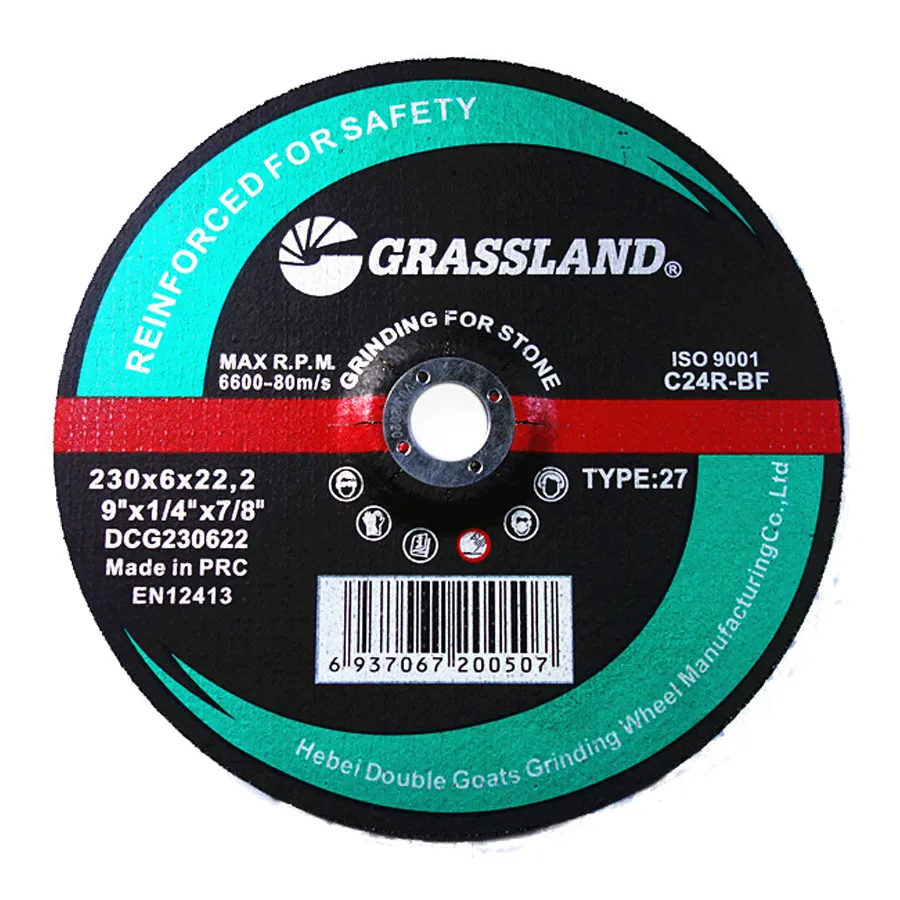
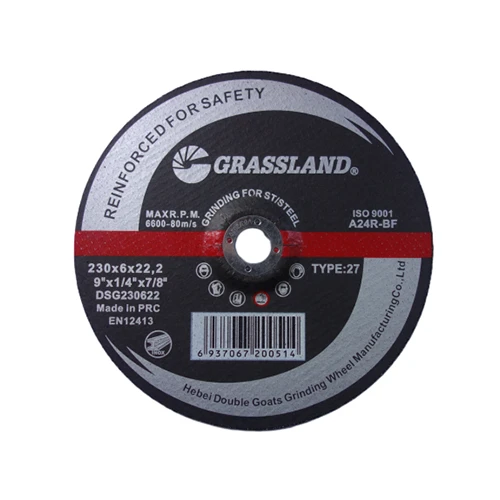
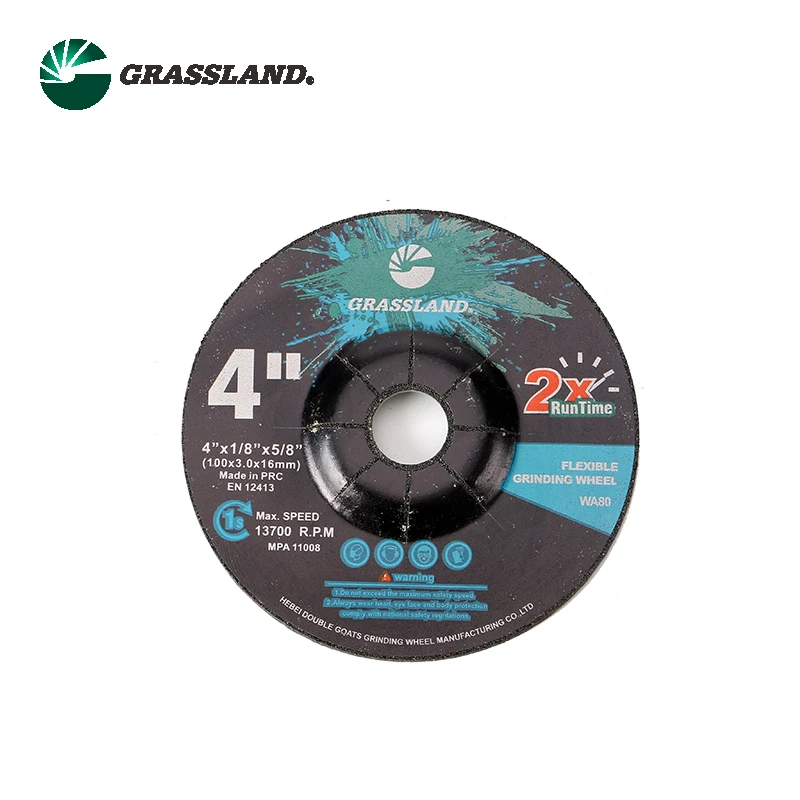
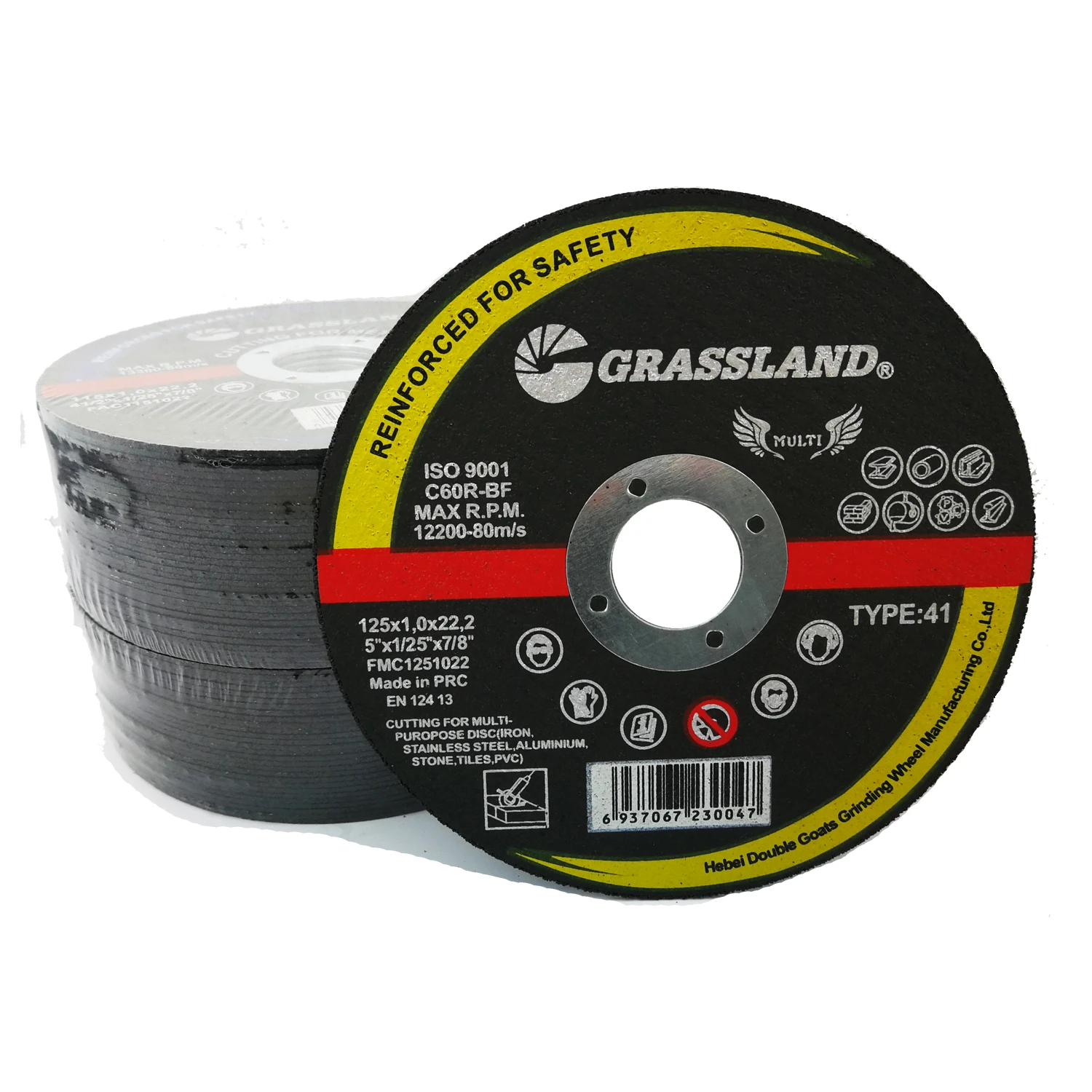
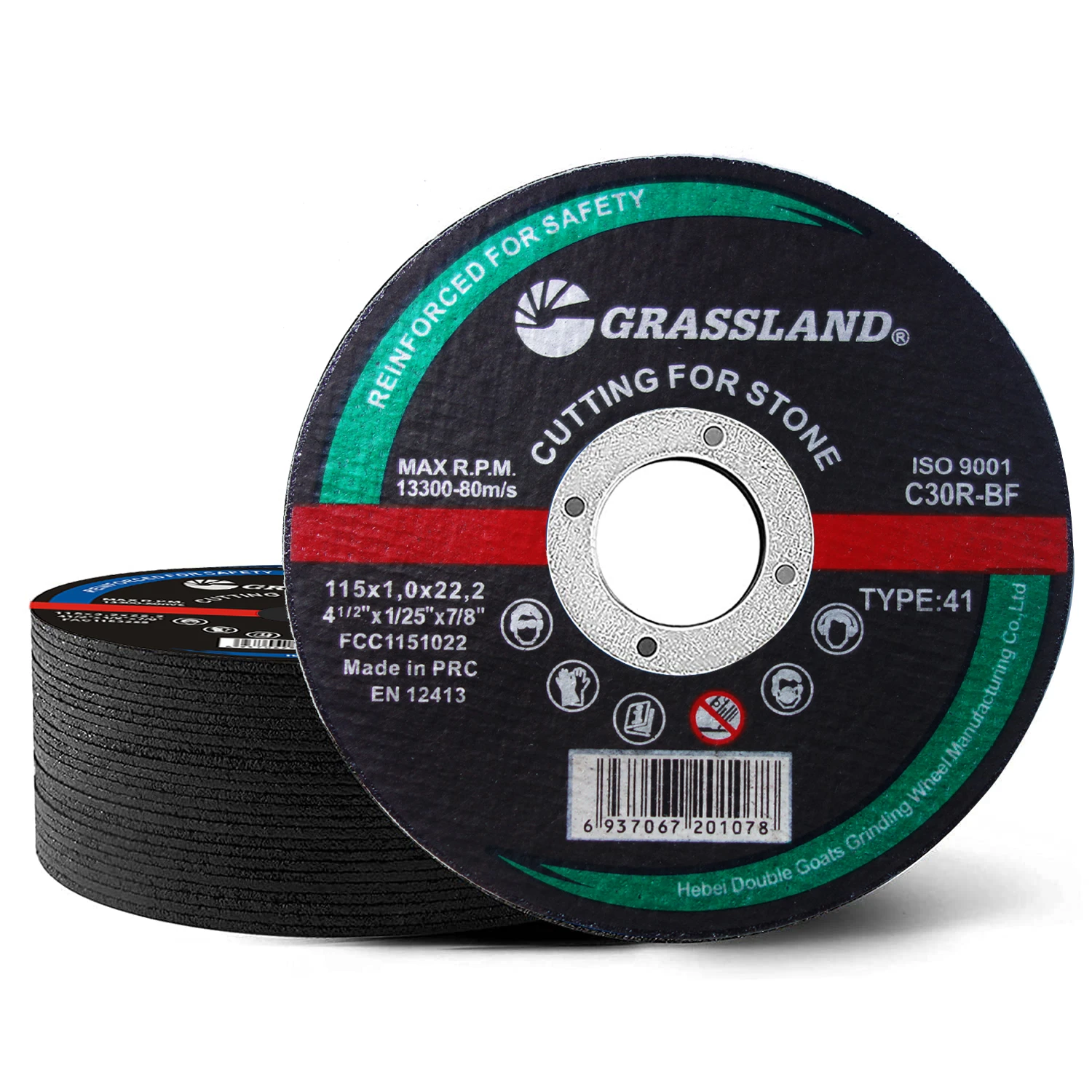
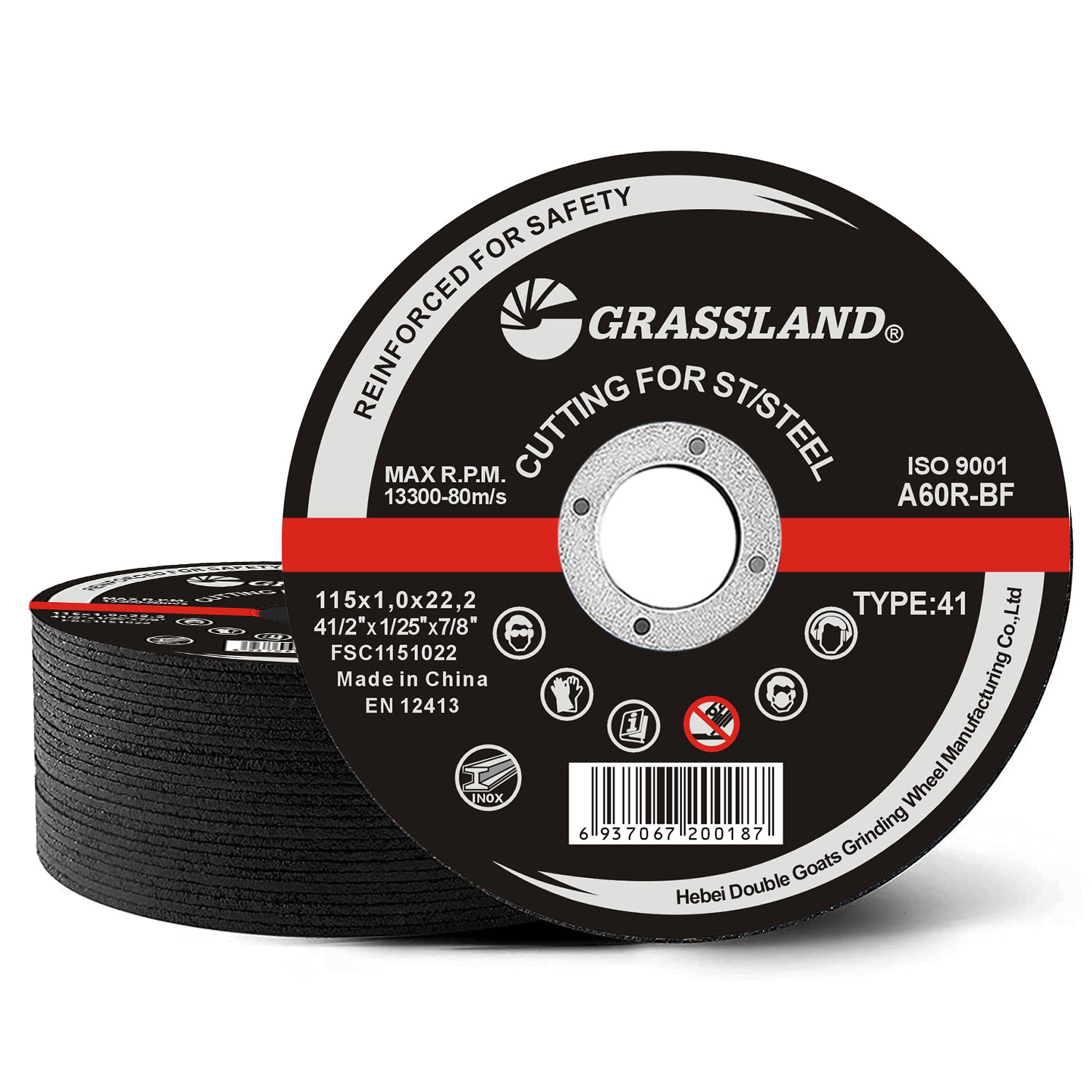
Simply put, abrasive cut off discs are thin circular blades made from composite materials that spin at high speeds to cut through metals, composites, and other hard materials. Unlike saw blades, these discs don’t have teeth; instead, they use embedded abrasives (like aluminum oxide or silicon carbide) bonded to a resin matrix to grind and slice efficiently.
Why does this matter beyond the factory floor? Consider humanitarian aid where temporary shelters or infrastructural repairs are needed quickly. Abrasive discs enable quick modifications of materials like steel rods or pipes, helping rebuild lives faster.
Takeaway:
- Abrasive cut off discs serve a critical yet often overlooked function in industrial and humanitarian contexts alike.
- They help balance efficiency, safety, and cost, especially when quality and speed are non-negotiable.
Key Components That Make a Good Abrasive Cut Off Disc
1. Durability
The disc’s lifespan is directly related to production costs and downtime. A durable disc maintains cutting sharpness over multiple jobs. Suppliers often enhance this by optimizing abrasive grain size and bonding techniques.
2. Material Compatibility
Different discs serve different materials — steel, stainless steel, aluminum, or composites. Choosing the right abrasive material affects cutting speed and finish quality.
3. Safety Features
Discs that undergo strict balancing processes reduce vibration, lowering user fatigue and risk. Also, compliance with international safety standards ensures safer workplaces.
4. Cost Efficiency
Finding a balance between upfront cost and runtime is key. Cheaper discs might wear out faster, while premium ones save time and money over long-term use.
5. Scalability and Availability
For large-scale projects or emergency response, readily available discs in various sizes (115mm, 125mm, 230mm, etc.) allow flexibility in field use and equipment compatibility.
Mini Summary:
When selecting abrasive cut off discs, consider durability, compatibility, safety, cost, and size availability to optimize performance for your specific industry needs.
Global Applications: From Mega Projects to On-Site Repairs
These discs are everywhere — and I mean literally everywhere. In Europe’s auto manufacturing plants, they precisely cut sheet metal components; in Sub-Saharan Africa, they’re indispensable tools for small engineering shops fabricating parts by hand.
Developing nations rely heavily on abrasive discs for rapid infrastructure development. For instance:
- Disaster Relief: After earthquakes or floods, repair teams use cut off discs to customize metal frameworks for temporary shelters and reinforcements.
- Remote Industrial Zones: In mining areas in South America, portable cut off tools and discs make on-the-spot repairs possible, minimizing costly equipment downtime.
- Shipyards and Heavy Industry: Cutting massive steel plates to specific shapes during shipbuilding requires discs that combine strength and precision.
Quick Reality Check:
Without these discs, many on-the-spot repairs and fast turnaround jobs would stall — halting productivity and risking safety.
Abrasion in Action: Product Specification Table
| Feature | Value / Detail |
|---|---|
| Diameter | 115mm, 125mm, 150mm, 230mm |
| Thickness | 1.0mm - 3.0mm (varies by application) |
| Abrasive material | Aluminum oxide, Silicon carbide |
| Max RPM | 13,300 rpm (depending on size) |
| Bonding agent | Resin-based with fiberglass reinforcement |
| Safety rating | Compliant with EN 12413 / ISO 8494 |
Vendor Comparison: Choosing the Right Supplier
| Vendor | Range of Sizes | Average Price per Unit | Material Quality | Global Shipping |
|---|---|---|---|---|
| AbrasiveCo | 115mm - 230mm | $0.90 - $1.50 | High-grade aluminum oxide | Yes (Express available) |
| CutMaster Supplies | 100mm - 150mm | $0.80 - $1.20 | Silicon carbide blend | Limited (regional hubs) |
| Precision Abrasives Ltd. | 125mm - 300mm | $1.10 - $2.00 | Resin bonded fiberglass reinforced | Worldwide |
Why These Discs Offer More Than Just Cutting Power
To be frank, the benefits of abrasive cut off discs extend beyond their immediate utility. They enable projects to move faster, reduce waste by making cleaner cuts, and improve worker safety through engineered stability. Many plant managers whisper that a reliable disc is like a trusted crew member — you don’t truly notice it until it fails.
On a social level, especially in emergency or developing contexts, they help maintain dignity: shelters built quickly from cut metal pipes, infrastructure restored to allow safe passage, and tools that empower local craftsmen. Not to mention, many newer discs are designed with eco-conscious resins to reduce environmental impact in disposal.
Emerging Trends and the Future of Abrasive Cut Off Discs
Frankly, innovation continues even on something as ‘simple’ as a cut off disc. We’re seeing:
- Eco-friendly abrasives: Bio-based resins and less toxic bonding alternatives.
- Smart manufacturing: Laser-balanced discs for even smoother, vibration-free operation.
- Digital integration: Embedded RFID tags to monitor usage data for predictive maintenance.
- Automation compatibility: Tailored discs made for robotic cutting arms in factories.
These trends aren't just tech buzz—they address real operational challenges that users voiced over decades.
Common Challenges and How Experts Recommend Overcoming Them
Common hitches include premature disc wear, safety risks from improper mounting, and compatibility issues with certain metals. The good news? Experts recommend:
- Strict quality control checks during manufacturing.
- Proper user training emphasizing correct speeds and mounting procedures.
- Regular equipment maintenance to avoid uneven wear.
Choosing the right disc for the right material remains a golden rule. That's sometimes easier said than done — but that’s the challenge engineers live for.
FAQ: Quick Answers to Your Abrasive Cut Off Disc Questions
- Q: What materials can abrasive cut off discs cut effectively?
- A: Most discs are optimized for metals like steel, stainless steel, and aluminum, or non-metal composites. Always check manufacturer specs for compatibility to avoid damage or accidents.
- Q: How long do these discs typically last under heavy use?
- A: Lifespan varies—generally from a few hours to several days, depending on disc type, material hardness, and operating speed. Using discs at recommended RPM prolongs lifespan.
- Q: Are abrasive cut off discs reusable or disposable?
- A: They are consumables—once abrasive grains wear down or disc thickness reduces below safety limits, replacement is necessary to maintain cut quality and safety.
- Q: Can these discs be used on handheld tools?
- A: Absolutely—most are designed for angle grinders, bench-mounted cut-off saws, and other portable machines. Always use correct size and rpm-rated discs for your device.
Final Thoughts: Why Abrasive Cut Off Discs Matter Today and Tomorrow
So, after this dive into the world of abrasive cut off discs, it’s clear they’re much more than scratching surfaces — they’re slice-of-life tools that keep industries, economies, and humanitarian efforts moving forward. From saving time and cost to safeguarding workers, their impact is quietly massive.
Looking to explore quality abrasive cut off discs that offer reliability with modern innovation? Visit our website: abrasive cut off discs to find your perfect fit and keep your projects cutting-edge.
References
Post time:Dec - 01 - 2025