Understanding the Cast Iron Cutting Wheel: Why It Matters in Industry Today
Cutting through cast iron isn’t exactly the easiest task—anyone who’s ever tried knows how tough the material can be. That’s where the cast iron cutting wheel shines, quite literally. These specialized cutting discs are designed to chip, slice, and slice through dense cast iron parts with efficiency and precision. But beyond the shop floor, their role is actually critical across industries worldwide, from construction and automotive to heavy manufacturing and even disaster relief operations. Why should you care? Cast iron cutting wheels help keep costly downtime low, ensure worker safety by cleanly handling brittle materials, and save businesses money in the long run. Plus, the tools involved, like these cutting wheels, are evolving rapidly with innovations in materials and design, keeping the job cleaner, faster, and more sustainable. By understanding what a cast iron cutting wheel offers, engineers, technicians, and procurement teams alike can make better choices that impact efficiency at large scale—and, frankly, it’s just good to know what makes the tools tick. ---Cast Iron Cutting Wheels in a Global Industrial Context
The world’s iron casting production remains huge — according to the World Steel Association, cast iron and related products represent a sizeable chunk of global manufacturing. With expanding infrastructure projects in Asia, Europe, and the Americas, demand for reliable cutting solutions is rising accordingly. Yet challenges remain. Cast iron parts are brittle, prone to chipping or cracking when cut incorrectly — a problem that leads to safety risks and waste. In emerging markets, where machine downtime can cripple growth, having a dependable cutting wheel isn’t just about convenience; it’s about survival. The International Organization for Standardization (ISO) continues to push standards on cutting tools, emphasizing safety and performance that vendors must meet. ---What Exactly Is a Cast Iron Cutting Wheel?
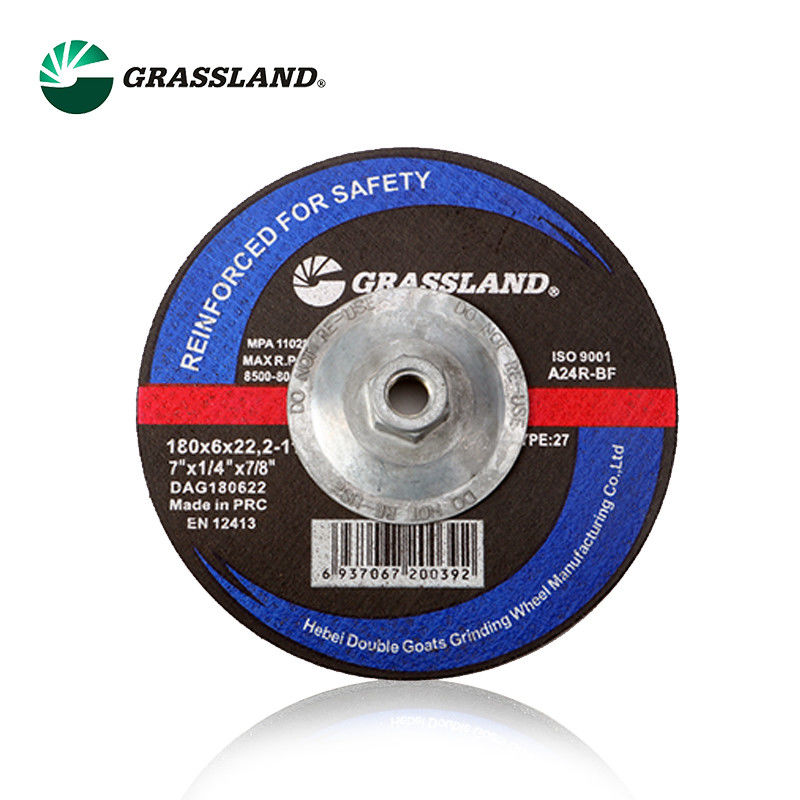
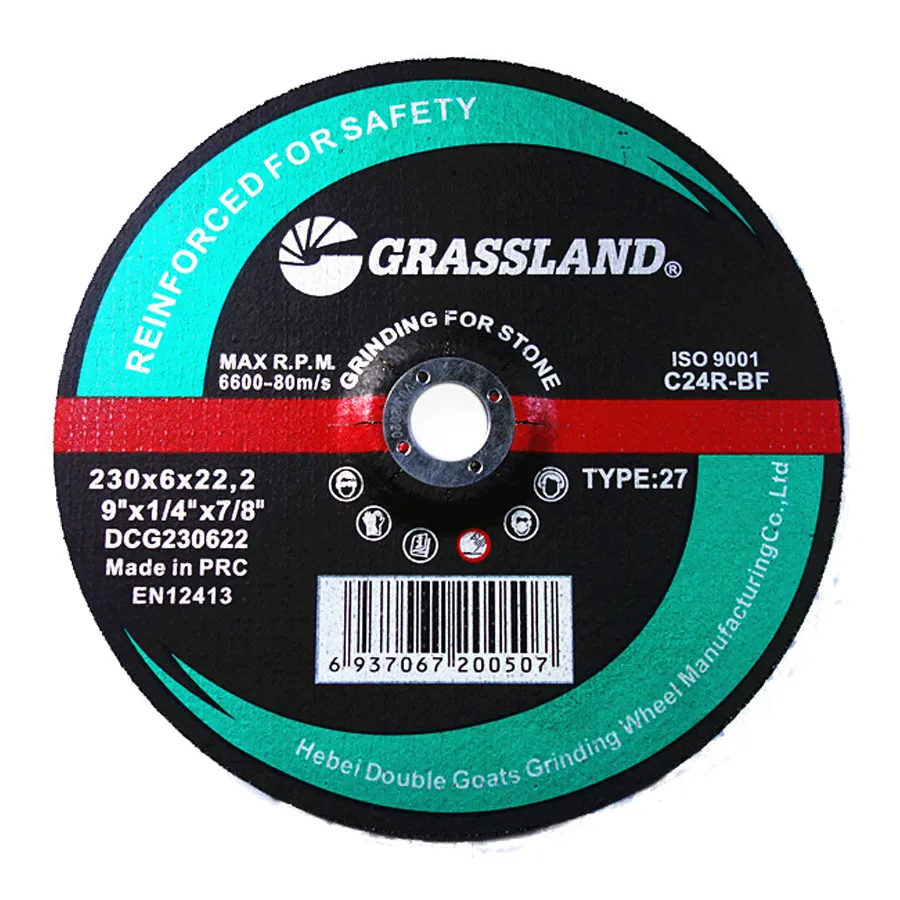
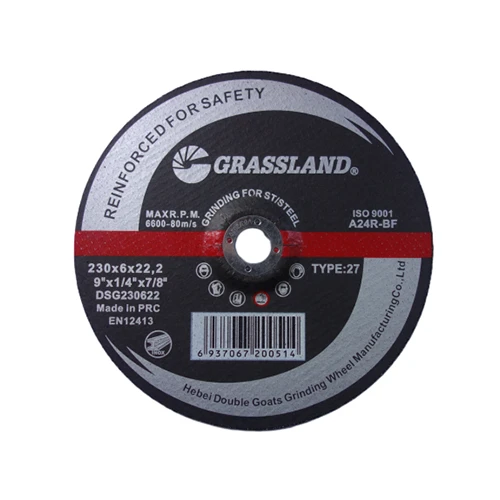
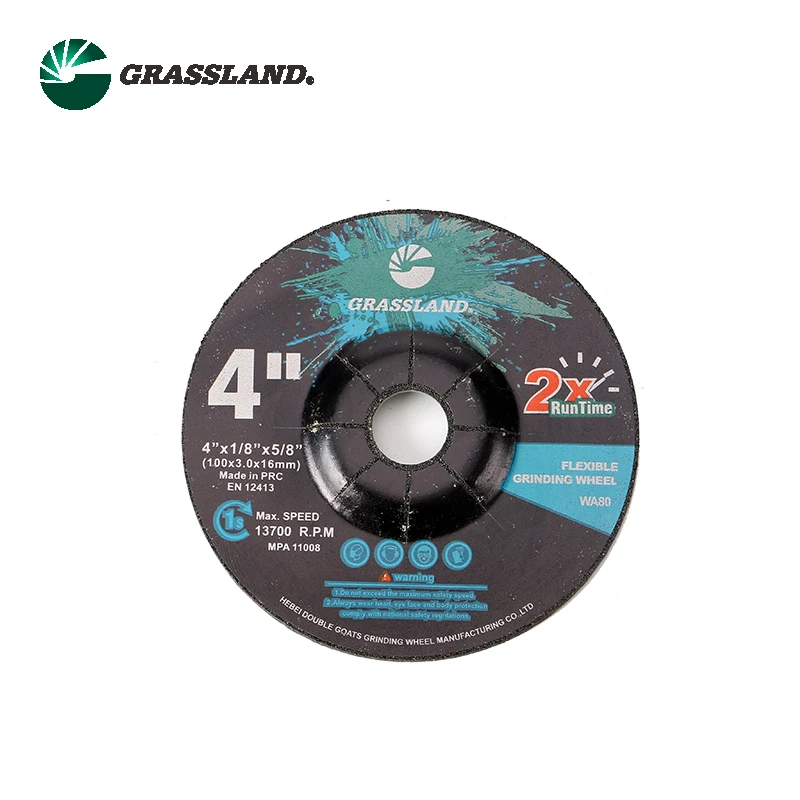
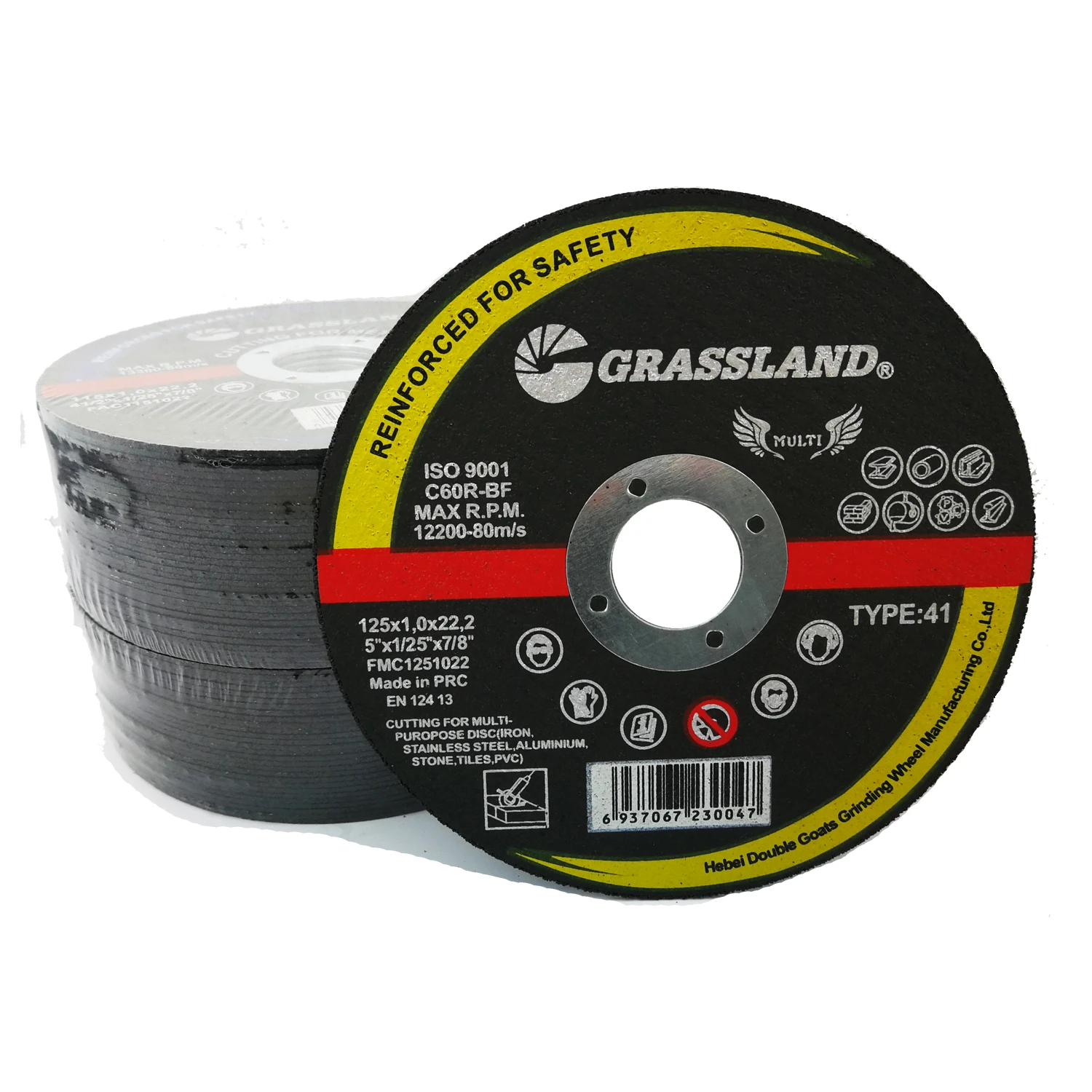
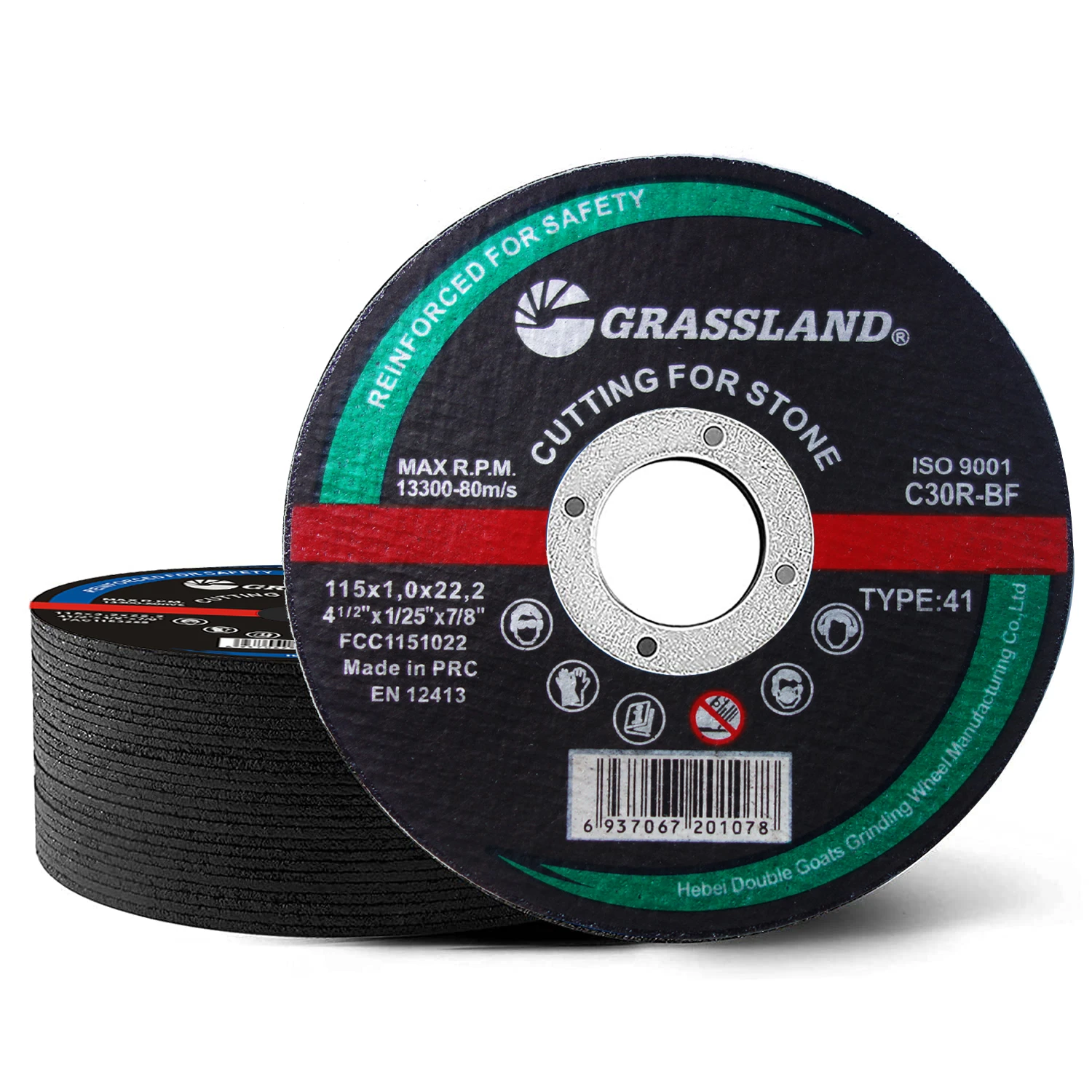
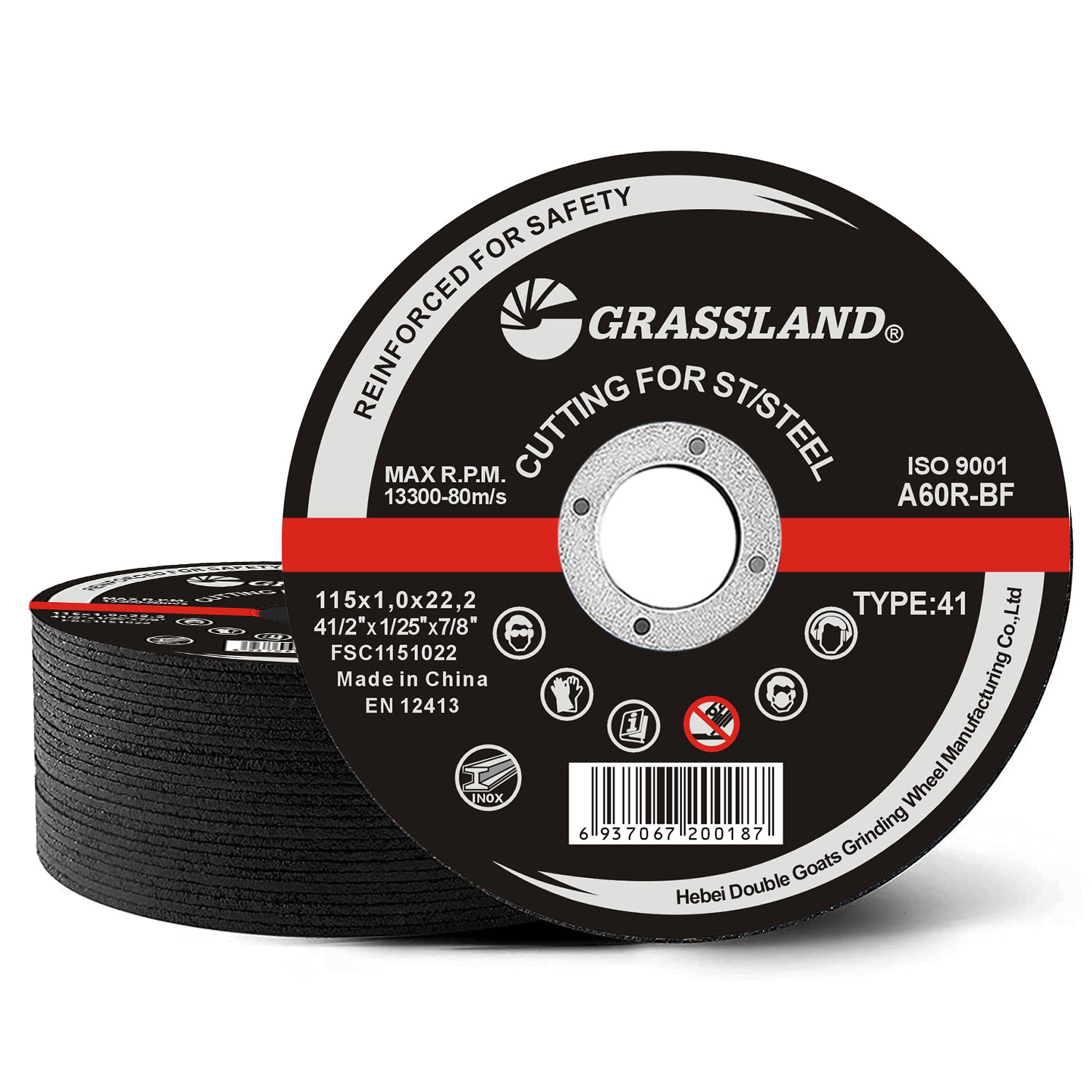
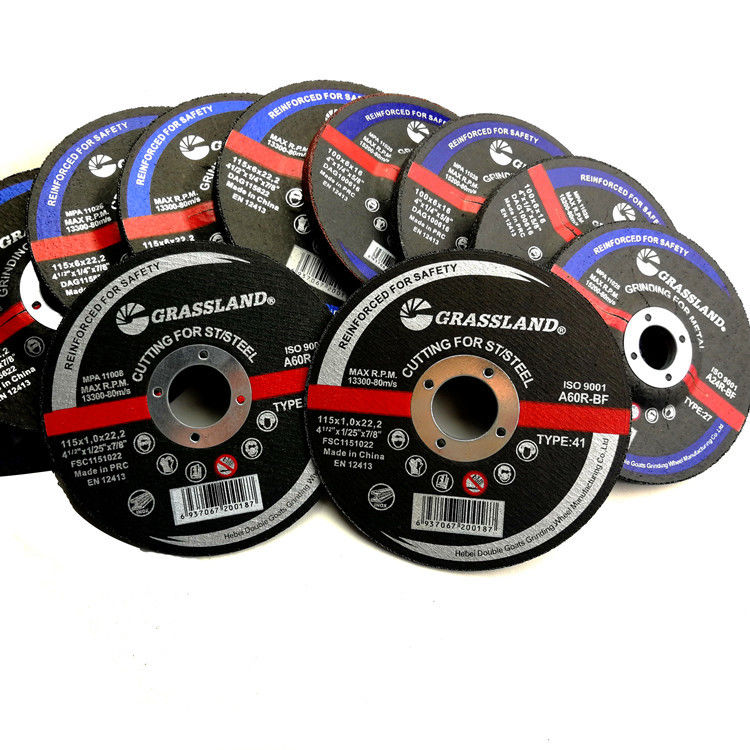
In simple terms, a cast iron cutting wheel is a circular abrasive disc designed explicitly for cutting cast iron materials—those rough, tough alloys widely used in engine blocks, pipes, and machinery components. Unlike general-purpose cutting wheels, these are optimized for the brittle texture and hardness of cast iron, minimizing thermal damage and reducing the chance of cracking. Think of it as the scalpel versus the blunt knife in surgery—the cutting wheel’s specific design allows precision and control, translating to better finishes and less scrap. They’re typically made from bonded abrasive grains like aluminum oxide or silicon carbide, often reinforced with fiberglass for strength. Interestingly, in humanitarian applications such as rapid infrastructure rebuilding after disasters, having reliable cutting wheels helps clear debris and fabricate temporary structures swiftly—a practical but often overlooked use case. ---Key Characteristics of Cast Iron Cutting Wheels
- Durability: These wheels withstand high rotational speeds and maintain their abrasive quality throughout the cut, meaning fewer replacements and less shop interruption.
- Precision: Thanks to material-specific abrasives and careful bonding, the wheels slice cleanly without over-cutting or overheating the cast iron.
- Cost-efficiency: Longer life cycles and reduced material wastage translate directly into cost savings for operators.
- Compatibility: Designed for various power tools like angle grinders and cut-off saws, ensuring ease of use across multiple workflows.
- Safety Features: Many are fortified with fiberglass layers to reduce the risk of shattering and have standards compliance (e.g., ANSI, EN 12413).
Global Applications: Who Uses Cast Iron Cutting Wheels and Why?
Cast iron cutting wheels are everywhere—but some industries lean on them harder than others:- Automotive manufacturing: Precision cutting of engine blocks and brake components.
- Construction: Cutting cast iron piping and fixtures during infrastructure installation.
- Heavy machinery repair: On-site refurbishing of mining and agricultural equipment.
- Post-disaster efforts: Rapid metal clearance and fabrication of temporary supports.
- Shipbuilding: Cutting and shaping cast iron parts for engines and hull reinforcements.
Advantages of Using Specialty Cutting Wheels for Cast Iron
Choosing a wheel optimized for cast iron isn't just a technical nicety; it has tangible benefits: - Reduced breakage: Less chance of material fracturing improves yield. - Improved safety: Fiberglass reinforcements lower operator risk. - Cost savings: Fewer disc replacements and less wasted raw material. - Better surface finish: Cleaner cuts need less post-processing. - Environmental impact: More efficient use of materials means less energy use and scrap. On a personal note, I’ve found that shops using the right cast iron cutting wheels tend to brag less about “fire drills” and more about “consistent uptime,” which is ultimately what every operations manager wants. ---| Specification | Model A (AluOxide) | Model B (Silicon Carbide) | Model C (Hybrid) |
|---|---|---|---|
| Diameter | 115 mm | 125 mm | 180 mm |
| Thickness | 1.0 mm | 1.2 mm | 2.0 mm |
| Max RPM | 13,300 | 12,200 | 8,600 |
| Reinforcement | Fiberglass (2 layers) | Fiberglass (3 layers) | Fiberglass + Resin Hybrid |
| Typical Use | Light duty cuts, fine finish | Medium duty, faster cutting | Heavy-duty, industrial projects |
Looking Ahead: Future Trends in Cast Iron Cutting Wheels
The cutting wheel space isn’t static—nowadays, we see innovations like nano-engineered abrasives that enhance cutting speed without sacrificing lifespan. Plus, some vendors are working on embedded sensors that monitor wheel wear in real-time, adding a digital edge to what’s traditionally a low-tech tool. Green manufacturing policies are also pushing improvements: lower dust emissions during cutting, recyclable wheel components, and reduced bonding resin toxicity are hot topics. Automation in heavy industrial cutting sometimes pairs with these advanced wheels, cutting human risk and improving precision simultaneously. ---| Vendor | Product Range | Price Range | Warranty & Support | Sustainability Initiatives |
|---|---|---|---|---|
| Abracut | Wide (small to industrial) | $$ | 2 years + 24/7 support | Recycled materials |
| CutPro Tools | Specialized industrial discs | $$$ | 3 years + on-site training | Low-emission bonding |
| IronEdge | Entry to mid-range | $ | 1 year limited | Basic recycle program |
Challenges & How Industry Experts Are Tackling Them
Sure, no tool is perfect. Current problems with cast iron cutting wheels include: - Wear and tear: Even with durable materials, wheels degrade—this can lead to uneven cutting or dangerous breakage. - Dust and particles: Cutting cast iron creates harmful dust; thus, operator health needs more attention. - Compatibility issues: Sometimes wheels don't fit all grinders properly, leading to tool mismatch and inefficiency. Experts suggest training staff on optimal cutting techniques, investing in proper dust collection and PPE (personal protective equipment), and choosing wheel sizes carefully matched to existing tools. Some vendors are even introducing smart usage trackers to predict maintenance schedules. ---FAQ: Your Cast Iron Cutting Wheel Questions Answered
Q1: How long does a typical cast iron cutting wheel last under heavy use?A: While this depends on the wheel quality and cutting intensity, a well-made cast iron cutting wheel can last for several hours of continuous operation. Generally, they hold up longer than generic wheels due to their abrasives and bonding, but expect regular replacements in industrial settings. Q2: Can I use a standard metal cutting wheel on cast iron?
A: It’s possible but not ideal. Cast iron-specific cutting wheels offer better precision and tend to minimize chipping or cracking, which standard wheels may cause due to improper abrasiveness and bonding. Q3: Is it safe to use cast iron cutting wheels without protective gear?
A: Absolutely not. Operator safety requires eye protection, gloves, and dust masks. Cast iron dust can be harmful, and cutting wheels can shatter if mishandled. Q4: Where can I find environmentally friendly cast iron cutting wheels?
A: Look for suppliers that highlight low-emission bonding agents, fiber reinforcements from recycled materials, and programs for wheel recycling. Vendors like Abracut lead in this sphere. ---
Wrapping It Up: Why the Right Cast Iron Cutting Wheel Matters Long Term
Picking the proper cast iron cutting wheel isn’t just about shop convenience—it’s about safety, cost efficiency, and sustainability that echoes throughout production lines and projects worldwide. As materials evolve and industries demand more, these wheels will keep getting smarter, cleaner, and more reliable. Whether you’re slicing engine blocks, rebuilding infrastructure, or just trying to avoid the grit and grind of dull discs, understanding the cutting wheel’s role puts you leagues ahead. For a deeper dive into options, testing protocols, and supplies, be sure to visit https://www.cutoffdiscs.com. ---Mini takeaway: Cast iron cutting wheels are the unsung heroes in heavy manufacturing, balancing power with precision and safety.
Mini takeaway: Investing in quality wheels pays off in reduced waste, downtime, and operator risk.
Mini takeaway: Innovations in sustainable abrasives and smart tech are redefining what these wheels can do in the future.
References:
1. World Steel Association
2. International Organization for Standardization (ISO)
3. Wikipedia: Cast Iron
Post time:Dec - 01 - 2025