Why Chop Saw Cutting Discs Matter in a Global Industrial Landscape
If you've ever been around a fast-paced metal workshop or construction site, you've likely caught a vivid glimpse of a chop saw cutting disc in action. But beyond the sparks and noise, these discs are quiet heroes that keep industries buzzing worldwide. Why is understanding them important? Because the efficiency, safety, and durability of cut materials often come down to the quality and suitability of the cutting accessory. With construction and manufacturing sectors booming globally, knowing the ins and outs of chop saw cutting discs can significantly impact productivity and results.
These discs don’t just slice metal; they're a bridge connecting design intent to physical reality — whether you're shaping heavy steel beams in Mumbai or fine-tuning piping in Rotterdam. Plus, the demand for faster, cleaner, and more sustainable cutting solutions continues to surge, largely driven by urban growth, infrastructure renovation, and even humanitarian efforts.
Chop Saw Cutting Discs: An Industry Backbone
The global market for abrasive wheel products, including chop saw cutting discs, was valued at several billion dollars as of recent ISO and World Bank reports—reflecting an ever-growing need for precision cutting tools. But here’s a striking problem: many operations still depend on low-quality discs that dull fast, causing inefficiencies and safety risks. On a practical level, wasted time waiting for replacements or dealing with uneven cuts translates into higher costs and frustrated workers — not to mention potential accidents.
This is why the choice of cutting disc matters so much. It’s not just about routine metalwork, but about meeting increasingly stringent environmental standards and safety regulations worldwide.
What Exactly Is a Chop Saw Cutting Disc?
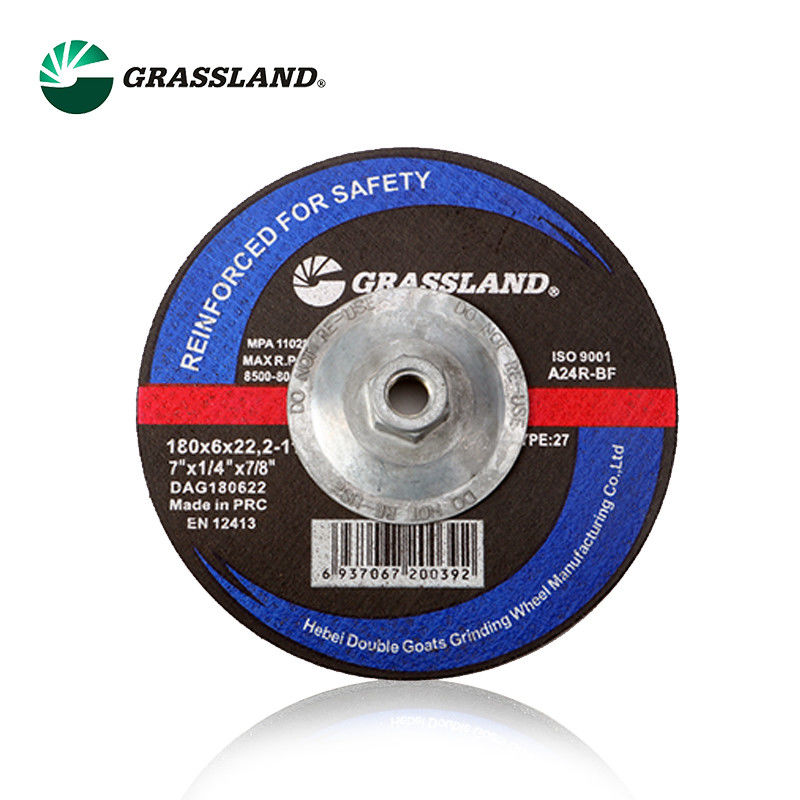
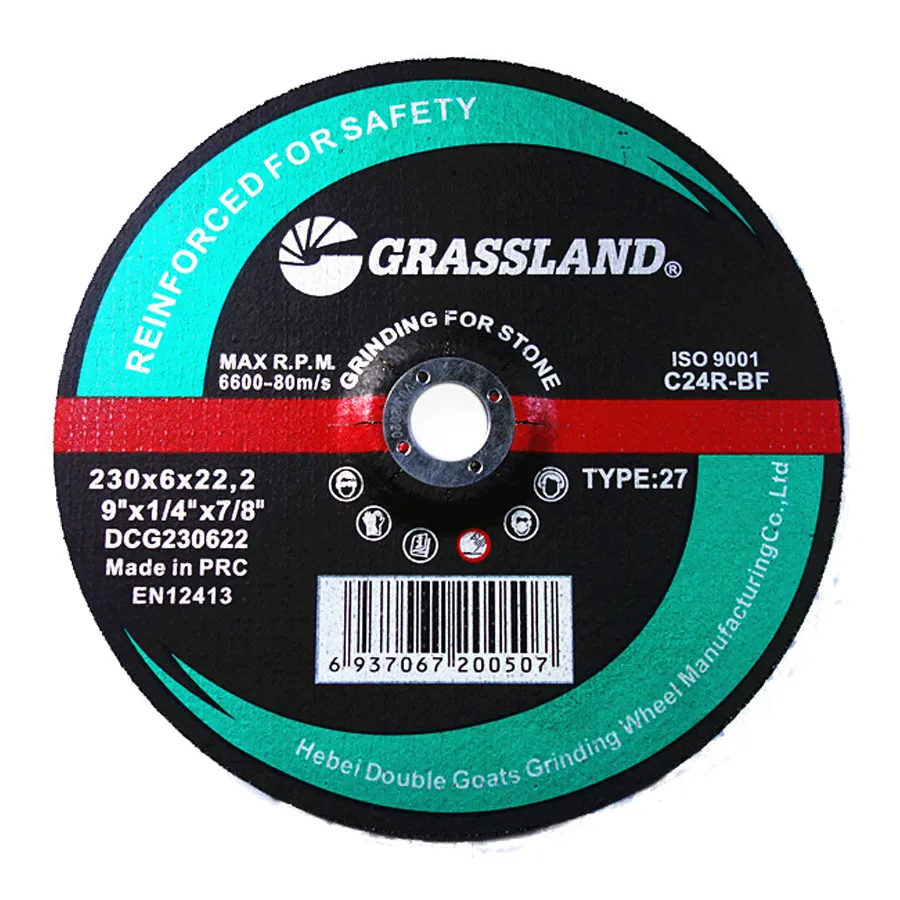
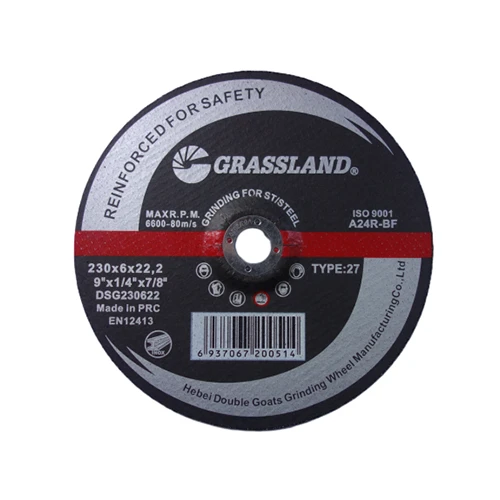
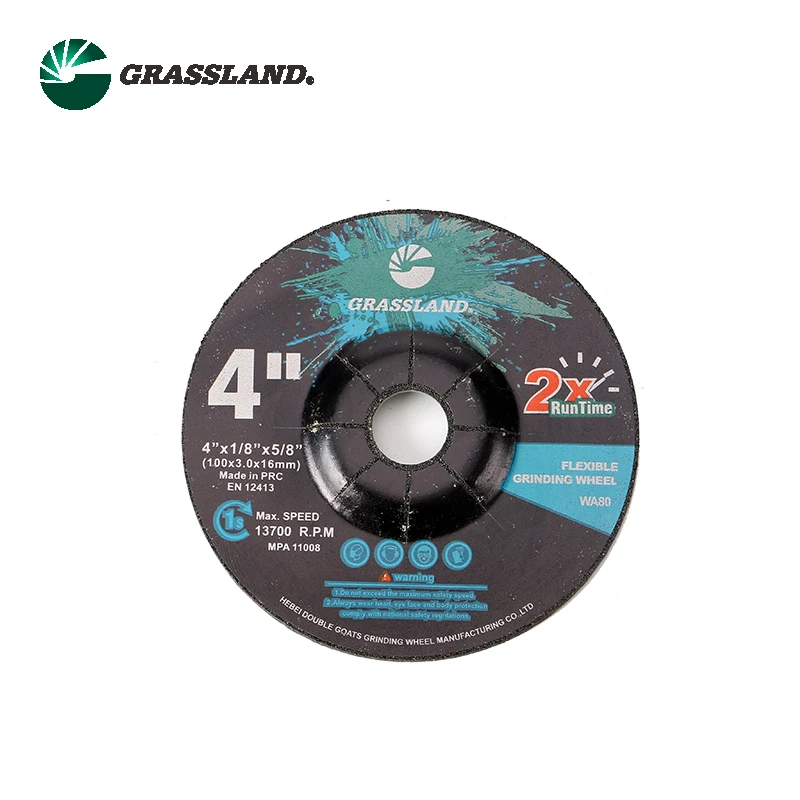
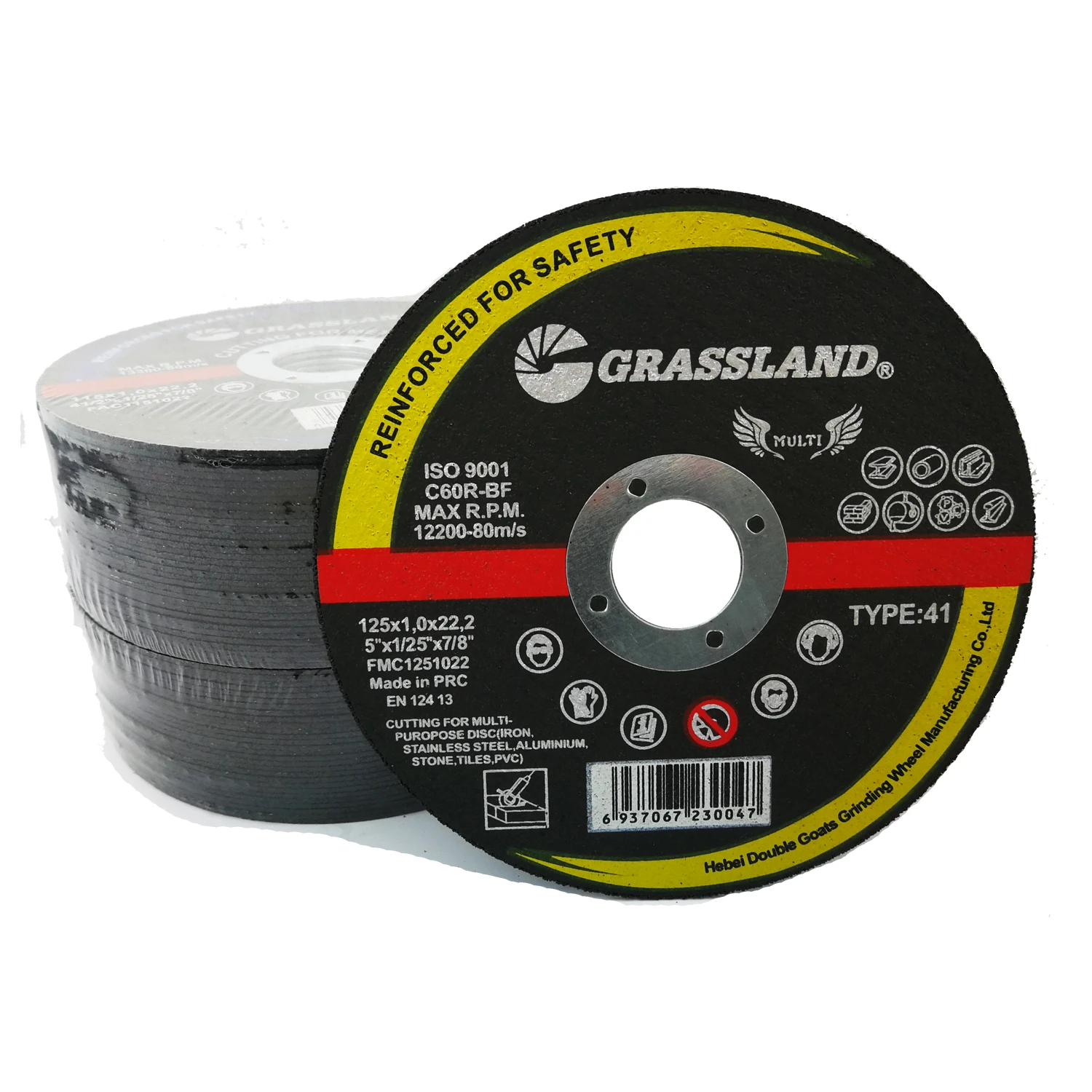
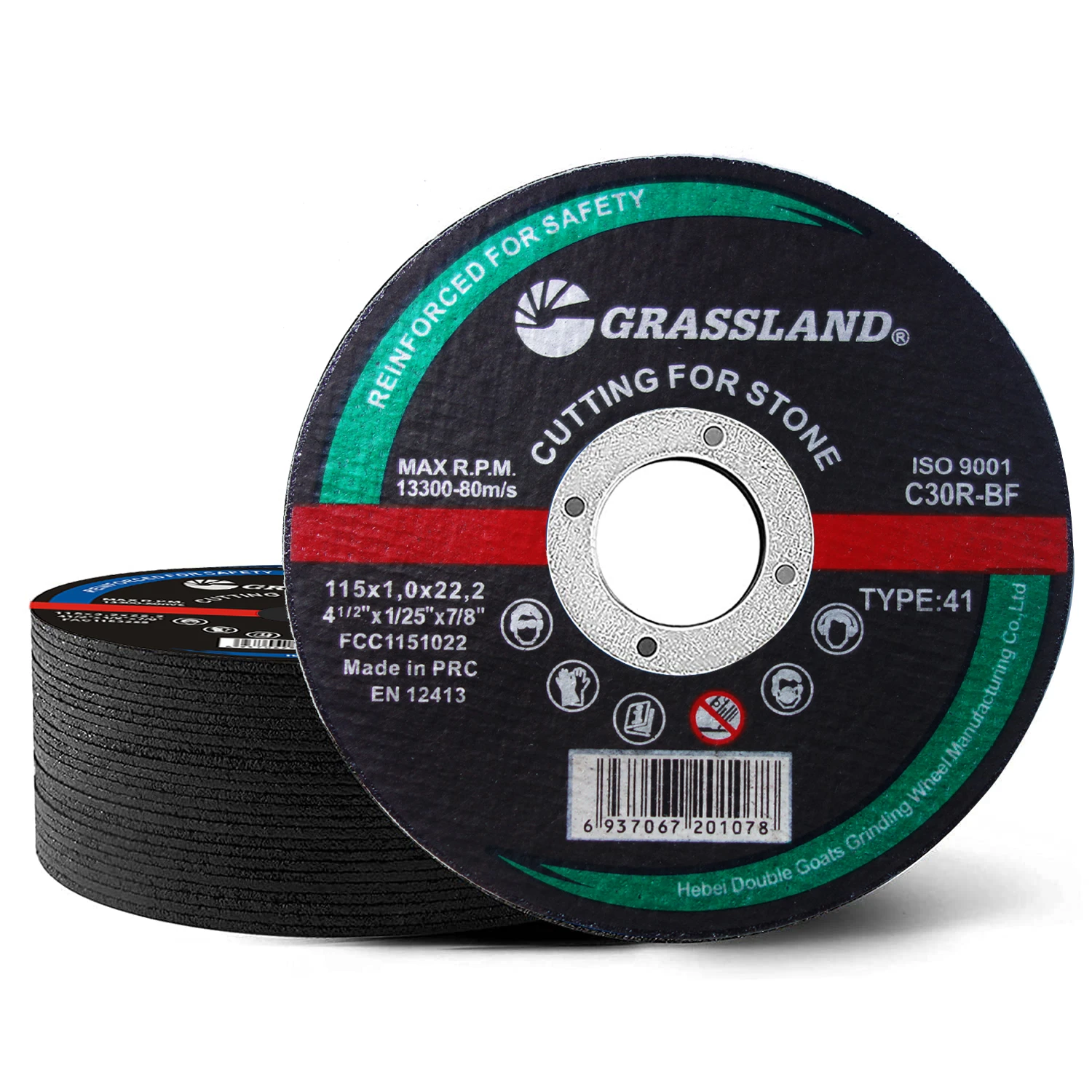
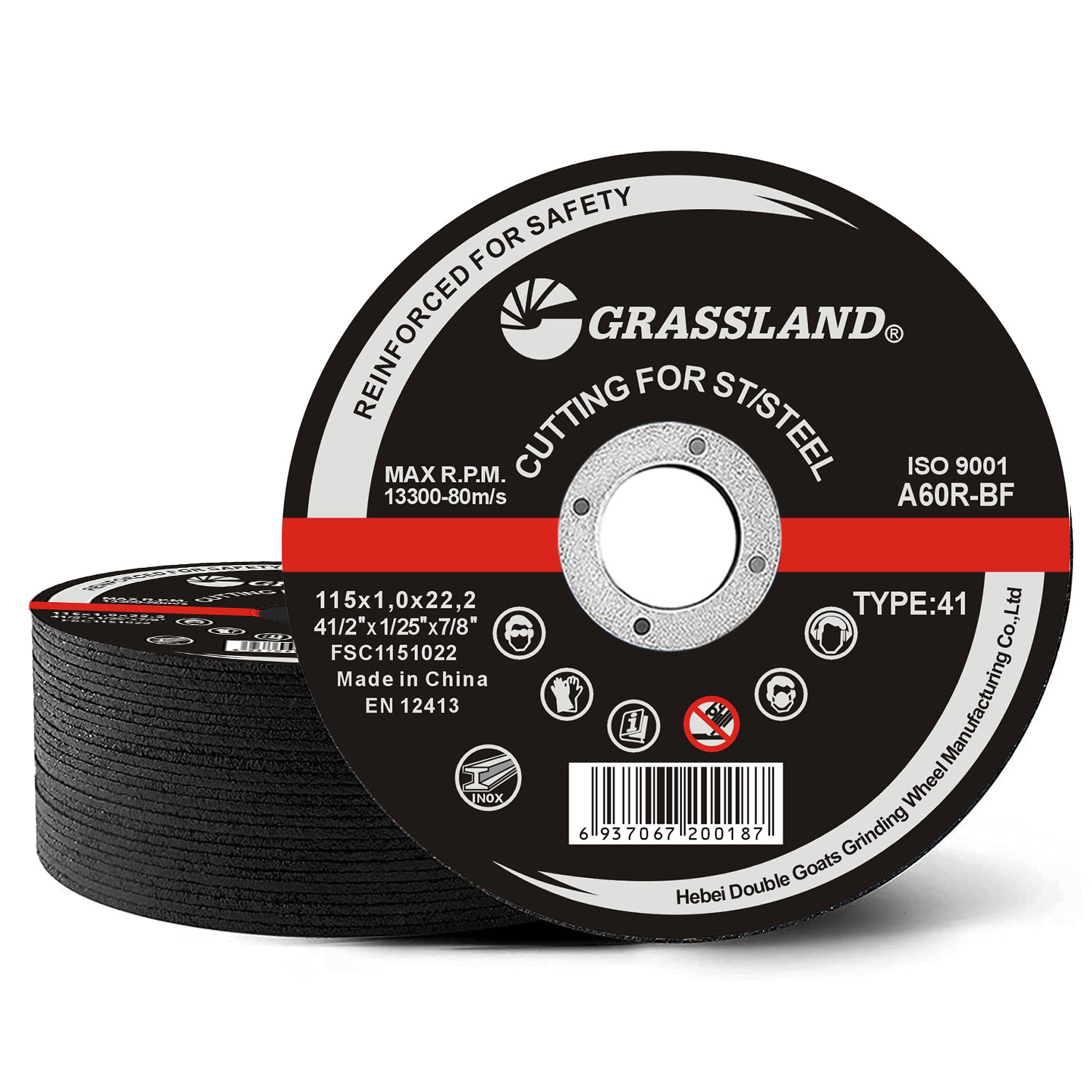
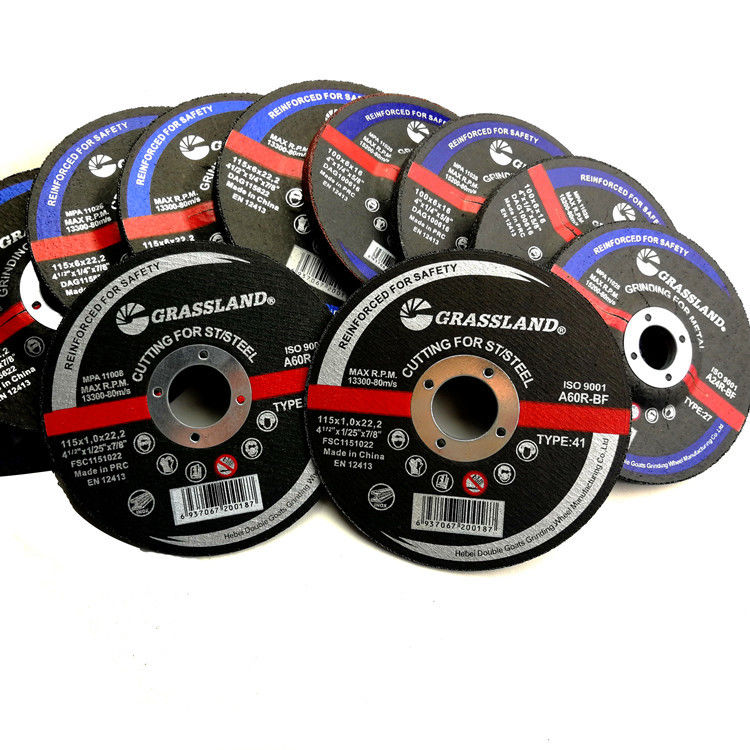
In simple terms, a chop saw cutting disc is a circular abrasive blade made primarily for metal cutting on a chop saw tool — a machine designed to make straight, flush cuts quickly and efficiently. These discs are typically composed of bonded abrasive grains like aluminum oxide or silicon carbide, often reinforced to handle the stresses of high-speed rotation.
But here's the piece that fascinates me: these discs have become more than mere tools. In modern industry, they symbolize the fusion of material science and practical engineering. From emergency relief where quick, clean cuts make temporary shelters possible to remote oil rigs needing on-site metal fabrication — chop saw discs get the job done fast, safely, and effectively.
Key Components That Define a Quality Cutting Disc
1. Durability & Composition
The lifespan of a disc depends heavily on the abrasive type and bonding material. Many engineers swear by discs made with vitrified bonding for their balance of strength and flexibility — this ensures the disc doesn't shatter under stress, a crucial safety factor.
2. Cutting Speed & Precision
Not all discs are built the same. Some prioritize speed over finish, while others aim for smooth edges with minimal sparks. Depending on your project — say cutting thin sheet metal versus thick steel bars — the disc's RPM rating and thickness will affect performance drastically.
3. Compatibility & Size
Choosing the correct diameter and arbor size is a no-brainer but often overlooked. Misfits cause vibrations that damage both the tool and operator comfort. Standard discs typically range from 7 inches to 14 inches in diameter.
4. Safety Features
Good discs include safety labels, maximum speed indicators, and sometimes even a "frangible" design to mitigate injury if broken.
5. Cost Efficiency
While cheaper discs entice with low upfront cost, they often fall short in performance and safety. A slightly higher investment usually pays off with longer life and less downtime.
Where in the World Are Chop Saw Cutting Discs Changing the Game?
- Construction Boom in Asia: Rapid urbanization means thousands of steel structures being cut daily, with chop saw cutting discs providing the backbone for speed and accuracy.
- Oil and Gas Facilities in the Middle East: High-performance discs handle thick pipes and tanks, often in harsh desert conditions.
- Humanitarian Relief Efforts: After earthquakes or floods, quick cutting tools help assemble temporary shelters and clear debris. NGOs often stock these for rapid response.
- Remote Industrial Sites: In mining or logging operations around Africa and South America, portable chop saw kits with reliable discs are invaluable.
Mini takeaway: From skyscrapers to shelters, these discs quietly shape critical industries worldwide.
Product Specification Table: Typical Chop Saw Cutting Disc
| Specification | Typical Value | Notes |
|---|---|---|
| Diameter | 10 inches (254 mm) | Common for industrial use |
| Thickness | 1.6 mm | Balances speed and durability |
| Max RPM | 6,100 RPM | Safety-rated for chop saws |
| Abrasive Material | Aluminum oxide | Best for cutting ferrous metals |
| Bond Type | Vitrified | Durability and safety |
Comparing Popular Chop Saw Cutting Disc Vendors
| Vendor | Disc Longevity | Safety Features | Price per Unit | Global Availability |
|---|---|---|---|---|
| CutOff Pro | High (50+ hours typical) | Reinforced fiberglass core, max RPM labels | $$$ | North America, Europe, Asia |
| SteelSharp | Medium (30-40 hours) | Standard labeling | $$ | Europe, South America |
| QuickCut Tools | Lower (20-25 hours) | Minimal labeling, budget option | $ | Global, less so in Asia |
Advantages and Long-Term Value of Reliable Cutting Discs
Let me share a little insider view: operators appreciate discs that last longer because it means fewer interruptions, less hassle acquiring new parts, and safer working conditions. It feels like trust — when a disc behaves predictably, entire projects move smoother.
On top of the operational benefits, efficient cutting discs reduce material wastage, aligning with sustainability goals globally. When your chop saw cutting disc is optimized for the task, you minimize sparks, reduce harmful dust, and cut down on energy use — a win-win across performance and environmental impact.
Emerging Trends in Chop Saw Cutting Discs
We’re seeing some cool innovations, frankly. New composite materials incorporating ceramics and resin blends are making discs lighter without sacrificing strength. Add to that the growing adoption of diamond-coated blades for super hard materials — although odd to think a chop saw could handle that.
Digital integration is also creeping in: imagine discs embedded with QR codes or RFID chips that track usage hours and alert you when replacement is due. For large industrial setups, this kind of data-driven maintenance reduces downtime drastically.
Then, there’s the push for eco-friendlier manufacturing, with some producers shifting to bio-based bonding agents and recycling scrap discs. This ties in neatly with ISO’s broader agenda on tool sustainability.
Challenges Facing Chop Saw Cutting Disc Use — And How to Overcome Them
Common issues? Well, improper storage can degrade discs surprisingly fast. Humidity and impact can weaken the bonds, leading to dangerous failures. Then, compatibility confusion can cause tool damage — every shop has stories about mismatched discs.
Experts suggest strict adherence to storage standards and comprehensive staff training. Plus, sourcing discs from vendors who offer certification or batch testing gives an added layer of confidence. The industry is inching toward standardized labeling too, which helps.
FAQ: Quick Answers to Your Chop Saw Cutting Disc Questions
- Q: How do I know which chop saw cutting disc works best for my steel project?
- A: Choose based on disc diameter, thickness, abrasive type, and maximum RPM suited to your chop saw and steel thickness. For tougher metals, aluminum oxide discs with vitrified bonding are often recommended.
- Q: Can I use the same disc for cutting aluminum and steel?
- A: It’s possible but not ideal. Aluminum often requires discs with finer grit and slower cutting speed to prevent melting or sticking. Using a specialized disc per metal type improves cut quality and longevity.
- Q: What safety checks should I perform before using a new chop saw cutting disc?
- Inspect for cracks or warping, ensure the disc matches the saw’s RPM rating, check for proper mounting, and always wear protective gear. Never use damaged or expired discs.
- Q: How long should a typical cutting disc last in heavy industrial use?
- That varies with material and frequency, but high-quality discs can last 40-50 hours of active cutting. Lower-grade ones might wear out after 15-20 hours.
In Conclusion — Why Smart Choices in Cutting Discs Pay Off
Chop saw cutting discs might not be the flashiest industry topic, but their importance can’t be overstated. Their quality affects everything from safety to speed to your bottom line. Choosing the right disc, understanding usage patterns, and staying updated on new technologies ensures your workflows stay sharp, literally and figuratively.
Interested in upgrading your cutting game? Visit our website: https://www.cutoffdiscs.com — your trusted source for premium chop saw cutting discs and expert advice.
References
Post time:Dec - 01 - 2025