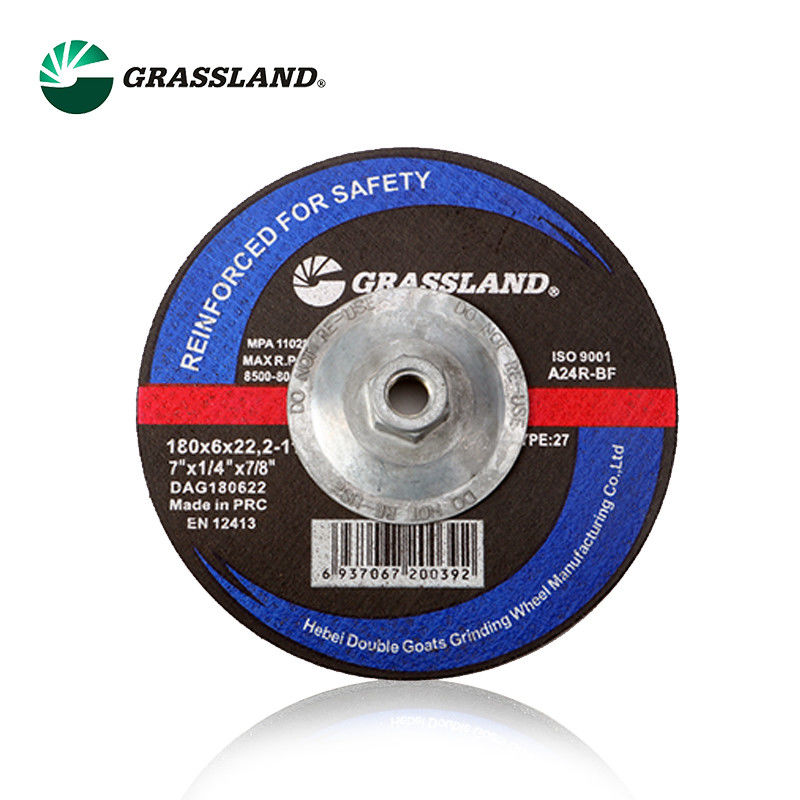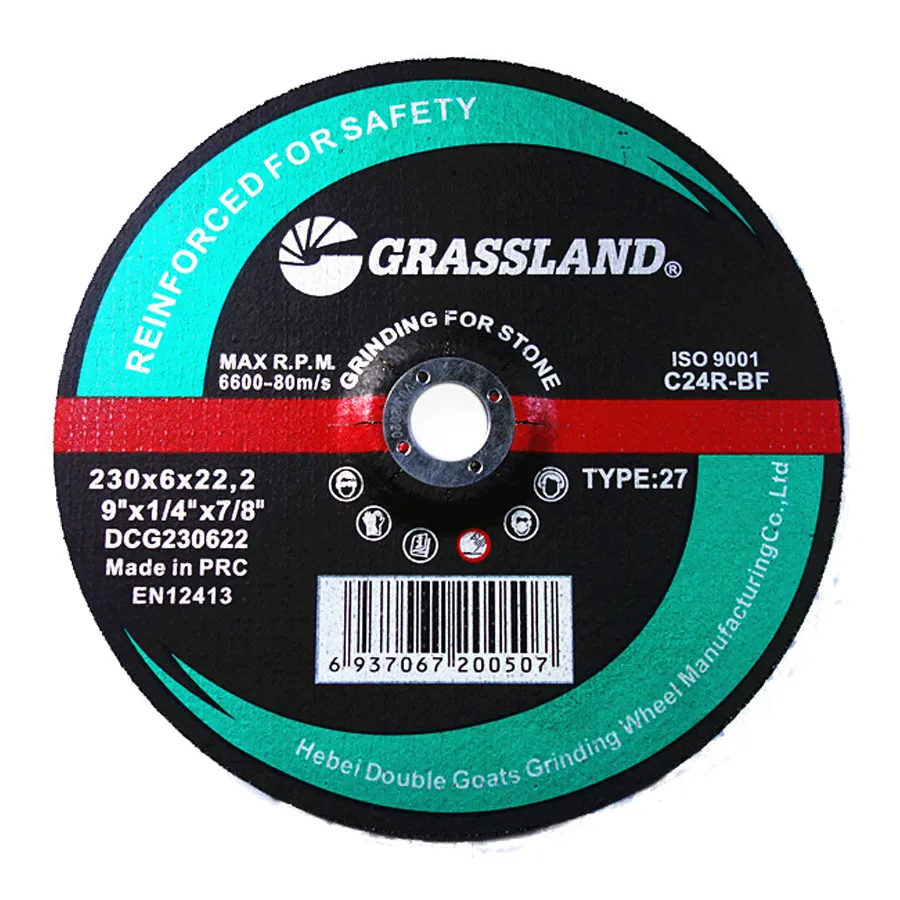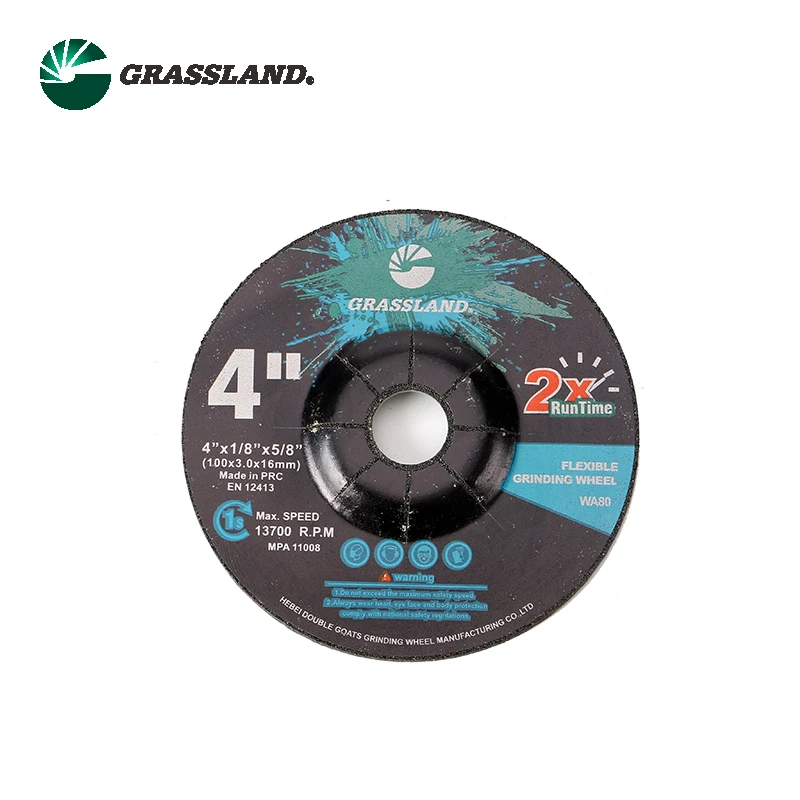
What is an Angle Grinder Thin Cutting Disc, and Why Does it Matter?
If you’ve ever tackled a metal or stone cutting project — either professionally or DIY — you’ve probably crossed paths with an angle grinder thin cutting disc. This handy accessory, often overlooked in its simplicity, is a key player worldwide in shaping smooth, precise cuts with minimal effort. From industry workshops in Germany to construction sites in Southeast Asia, thin cutting discs make cutting tasks easier, quicker, and more efficient.
Understanding this tool’s significance isn’t just about efficiency. It touches global sustainability goals, workplace safety, and even humanitarian relief missions where reliable cutting solutions speed up rebuilding efforts. Plus, using the right thin cutting disc can mean less waste and better cost-efficiency — a triple win engineers and operators love.
Global Context: The Ubiquity and Challenge of Cutting Solutions
Globally, the manufacturing and construction sectors are massive consumers of abrasive cutoff tools. The International Organization for Standardization (ISO 18743) standardizes disc sizes to ensure safety and quality consistency worldwide. According to World Bank data, infrastructure spending in emerging economies grew by over 6% annually in the last five years, which steadily increases demand for reliable cutting tools like thin discs.
The problem many cut-off discs face is balancing thinness and durability without sacrificing operator safety. Thinner discs deliver smoother cuts and less heat but can be more prone to cracking if poorly designed. So the challenge here concerns both ergonomics and safety regulations, pushing manufacturers to innovate materials and production techniques constantly.
Definition & Meaning: What Exactly is an Angle Grinder Thin Cutting Disc?
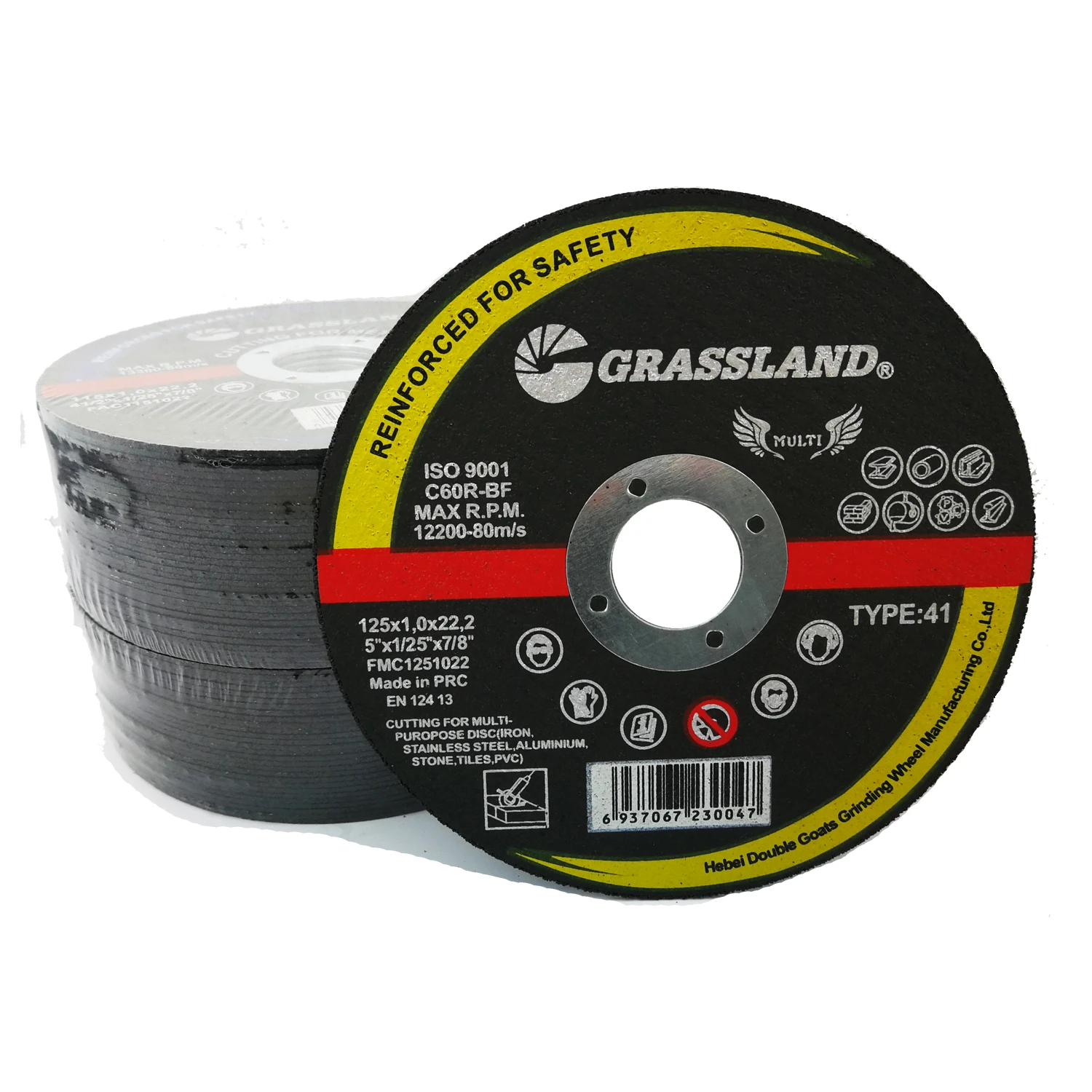
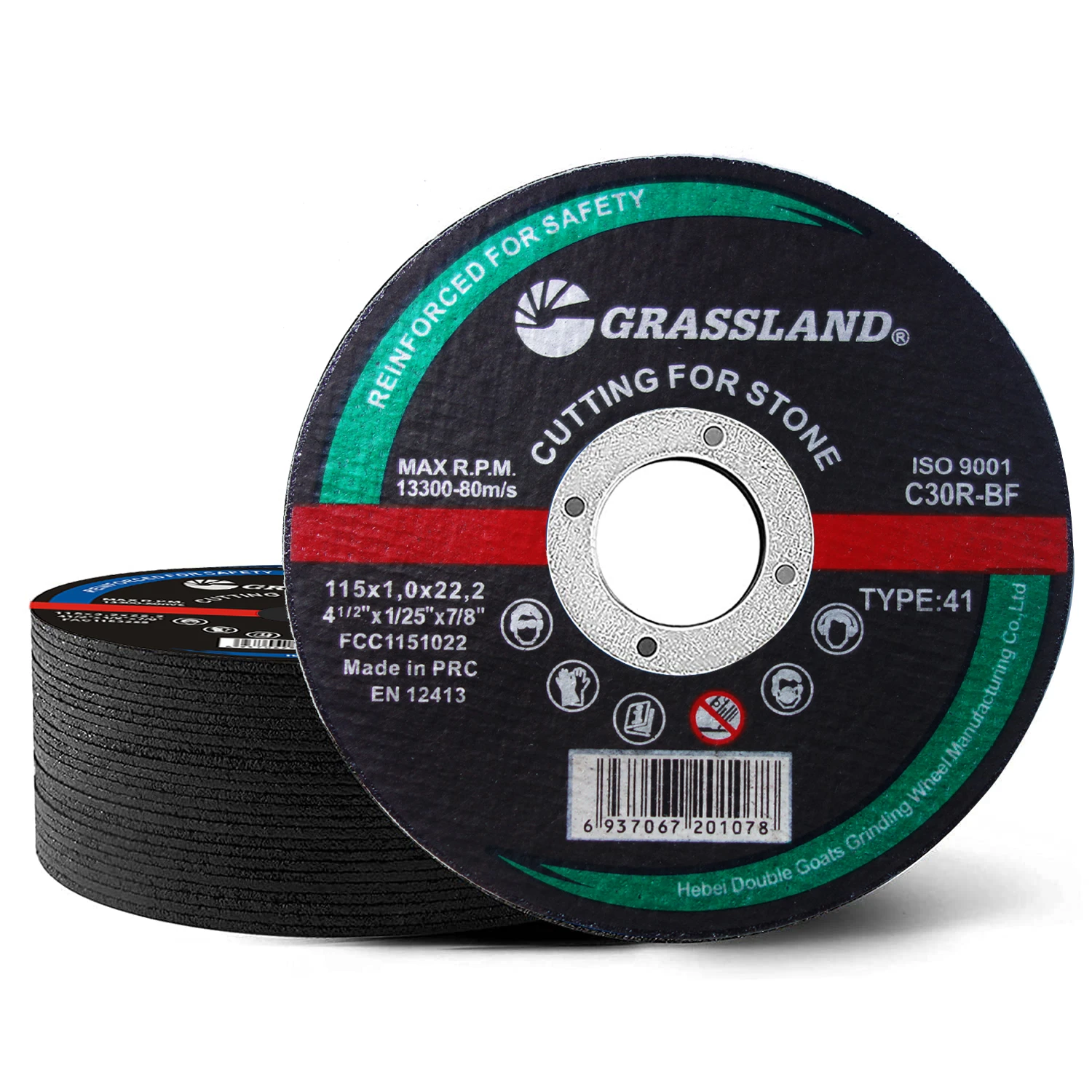
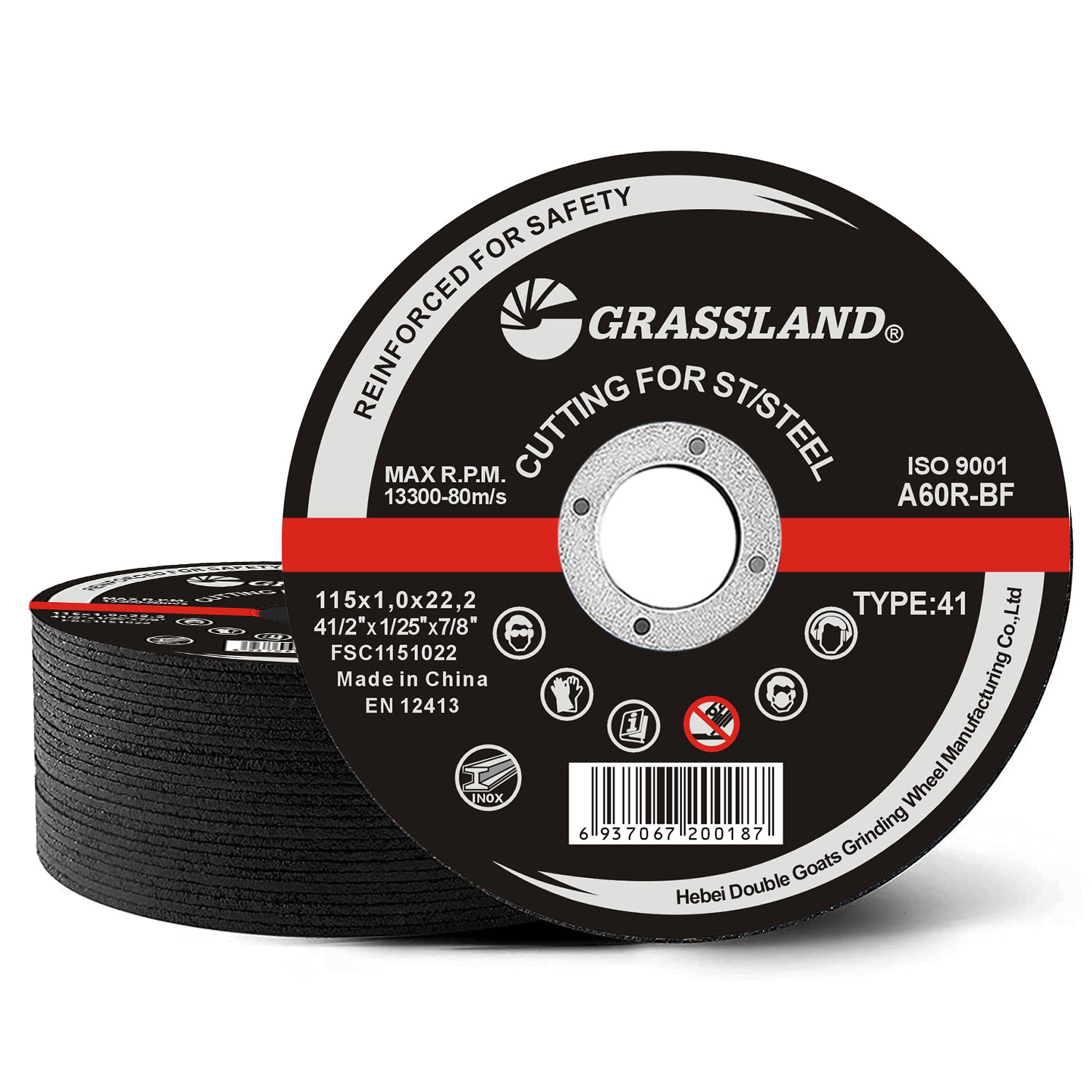
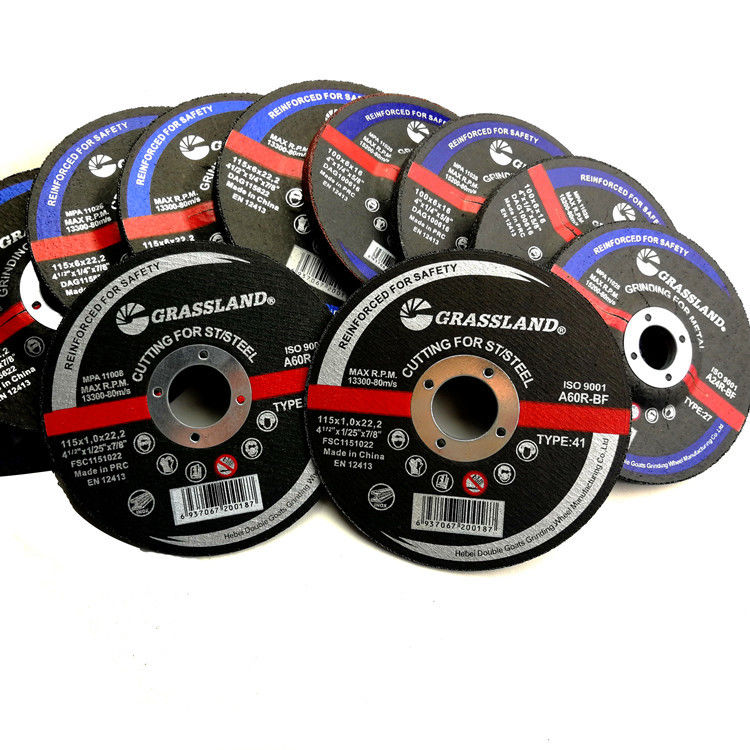
Simply put, an angle grinder thin cutting disc is a circular abrasive disc designed for attachment to an angle grinder. It’s thinner than a standard grinding disc—commonly between 1.0 to 1.9 millimeters thick—allowing it to slice through metal, stone, tile, and other materials with minimal material loss and heat generation.
This simple tool has applications that reach beyond routine industrial tasks. For example, in emergency repairs after natural disasters, thin cutting discs can help rescue workers quickly clear debris, while in manufacturing, they enable precision cuts critical for assembling complex machinery.
Core Components & Key Factors of Thin Cutting Discs
1. Material Composition
These discs are usually made from a blend of abrasives — commonly aluminum oxide or zirconia alumina — bonded with resin. The precise material affects cutting speed, durability, and compatibility with different substrates.
2. Thickness and Diameter
While diameters vary (commonly 115mm or 125mm), the hallmark is their thin profile, which reduces cutting width and heat, allowing finer, faster cuts with less effort.
3. Bonding Method and Safety Ratings
Resin-bonded discs must meet ISO safety standards to minimize breakage risks. Many incorporate fiberglass mesh reinforcement to boost tensile strength without adding bulk.
4. Compatibility with Tool Power
The power and speed (RPM) rating of the disc must match the angle grinder for effective and safe use. Using discs beyond their max speed is a common cause of accidents.
5. Durability & Wear Resistance
Higher-quality discs resist wear better, meaning longer shelf and operational life, reducing frequent replacements — a notable cost saver.
6. Cut Quality & Versatility
Thin discs offer precision cuts and are suitable for metal, tile, and even non-ferrous metals. This versatility is a big selling point for multi-use workshops or fieldwork.
| Specification | Typical Range/Value | Notes |
|---|---|---|
| Diameter | 115 mm, 125 mm | Most common sizes for handheld grinders |
| Thickness | 1.0 - 1.9 mm | Thinner than grinding discs for cleaner cuts |
| Max RPM | 12,200 RPM (varies) | Must match grinder speed for safe use |
| Material | Aluminum oxide / Zirconia alumina | Material affects durability and cut speed |
| Bonding | Resin with fiberglass reinforcement | For safety and durability |
Where Thin Cutting Discs Really Shine Around the World
Talking to a few folks in the field, the stories about where thin cutting discs make a difference range widely. In Europe, metal fabricators swear by them for auto body shops and architectural metalwork. In Asia and Africa, thin discs enable quick-cut infrastructure repairs, especially in hard-to-reach sites.
Post-natural disaster zones also benefit significantly. Rescue teams may use thin discs to cut rebar or pipe, clearing rubble in makeshift relief shelters during emergencies. NGOs operating in remote industrial areas prize the discs’ ability to combine cutting speed, portability, and ease-of-use.
Advantages & Long-Term Value of Using Thin Cutting Discs
- Cost-efficiency: Less material is wasted due to the thinner kerf, shaving costs over large projects.
- Better Safety: High safety ratings and less heat generation reduce operator injuries.
- Cleaner Cuts: Precision means less finishing work or secondary machining.
- Sustainability: Durable discs minimize waste, and many suppliers now offer eco-friendlier manufacturing.
- Reliability: Trusted brands offer consistent performance, building user confidence.
The Cutting Edge: Future Trends and Innovations
The industry isn’t standing still, oddly enough. Engineers increasingly develop discs with engineered abrasive blends that last longer and cut cleaner. Digital tool integration allows blade wear tracking, helping operators swap discs before failure risk rises.
Materials science is pushing new boundaries too — ceramic and hybrid abrasives show promise. There’s also a growing push for greener, resin-free bonding agents, aligning with ISO environmental standards for industrial tools.
Challenges & How Industry Experts Suggest Overcoming Them
One recurring challenge with thin cutting discs is their fragility — they can snap suddenly if mishandled or used improperly. Training and compliance with personal protective equipment (PPE) help, but innovative disc design now includes fiber reinforcements and safer breakaway features.
Another concern is disc compatibility with emerging cordless grinders that deliver variable speeds and torque. Manufacturers are investing in disc optimization for these new power profiles, ensuring longevity and safety.
| Vendor | Material / Bond | Max RPM | Price Range | Notable Features |
|---|---|---|---|---|
| CutPro Abrasives | Aluminum oxide / Resin | 12,200 RPM | $3.50 - $5 per disc | High durability, fiberglass reinforced |
| SliceMaster | Zirconia alumina / Resin | 11,500 RPM | $4.00 - $6 per disc | Fast-cutting with less heat buildup |
| EcoCut Tools | Ceramic hybrid / Eco-resin | 12,000 RPM | $5.50 - $7 per disc | Eco-friendly, longer lifespan |
FAQ: Frequently Asked Questions About Angle Grinder Thin Cutting Discs
- Q: What materials can thin cutting discs cut through effectively?
- A: They excel at cutting metals such as steel and aluminum, stone, tile, and some plastics. Always check disc specifications for compatibility to avoid damage or safety issues.
- Q: How do I ensure safety when using thin cutting discs?
- Always use appropriate PPE like goggles, gloves, and dust masks. Follow manufacturer guidelines for max RPM and tool compatibility. Regularly inspect discs for cracks or damage before use.
- Q: Are thin width discs more fragile than standard discs?
- Generally, yes. Their reduced thickness makes them less tolerant to side pressure or poor mounting but advancements in reinforcements help mitigate these concerns.
- Q: Can these discs be used on cordless angle grinders?
- Yes, but ensure the disc speed ratings align with your cordless tool performance. Many modern thin cutting discs are optimized for the variable speeds of cordless grinders.
- Q: How often should I replace my thin cutting disc?
- Replace whenever the disc shows wear signs like cracking, excessive thinning, or loss of cutting efficiency. Regular users might replace discs more frequently depending on workload.
Wrapping It Up: Why The Right Cutting Disc Matters
In real terms, choosing the right angle grinder thin cutting disc transforms the job — making cuts cleaner, safer, and surprisingly greener. Considering the innovation underway and global use cases, it feels safe to say these discs aren’t going anywhere but forward.
If you want to explore high-quality, tested options or just get a feel for what’s out there, visit our website. Precision in cutting might just be a perfect disc away.
References
Post time:Dec - 01 - 2025