Understanding the Role of Angle Grinder Cutting Discs for Metal in Today's World
If you've ever looked at a shiny piece of metal being sliced or shaped smoothly on a construction site or in a workshop, chances are you witnessed the magic of an angle grinder cutting disc for metal. These discs are not only humble tools but essential components powering industries across the globe—from automotive repair to shipbuilding, and even disaster-response operations. Their seemingly simple function holds enormous value worldwide because metal fabrication and cutting are cornerstones of infrastructure, manufacturing, and innovation.
Understanding what these discs do and why they matter is not just for specialists. It’s a gateway into grasping how raw metal transforms into bridges, tools, vehicles, and more, impacting economies and lives alike. So, buckle up—let’s delve into the world of angle grinder cutting discs for metal and why they're so crucial.
The Global Relevance of Metal Cutting Discs
Globally, the metal fabrication market size is projected to surpass USD 7 trillion by 2030 according to data from the International Organization for Standardization (ISO). Metal cutting tools like angle grinder cutting discs are indispensable players in this space. The rise of industries such as automotive, construction, and heavy manufacturing underscores the growing demand for reliable and efficient metal-cutting solutions.
But here’s the real challenge: cutting metal accurately, fast, and safely—while reducing costs and environmental footprints—remains a tricky balancing act. Angle grinder cutting discs for metal help solve this by enabling precise, quick work without requiring bulky machinery. Particularly in developing regions or remote sites, the portability and versatility of these discs address logistical constraints that big industrial blades can’t.
Mini takeaway: Angle grinder cutting discs are at the nexus of booming global industries and evolving demands for efficiency and safety in metalworking.
What Exactly Is an Angle Grinder Cutting Disc for Metal?
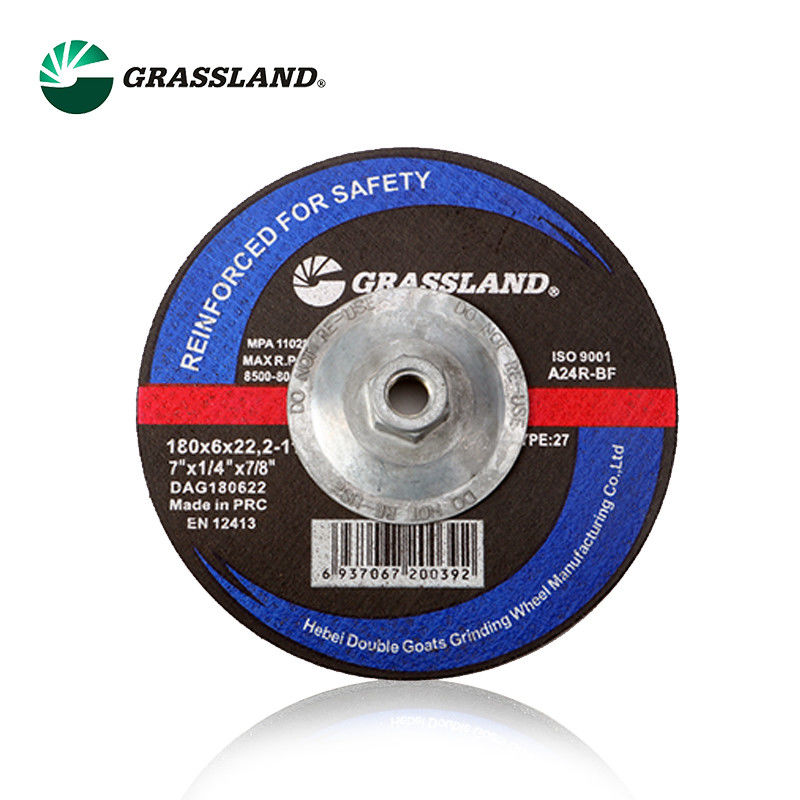
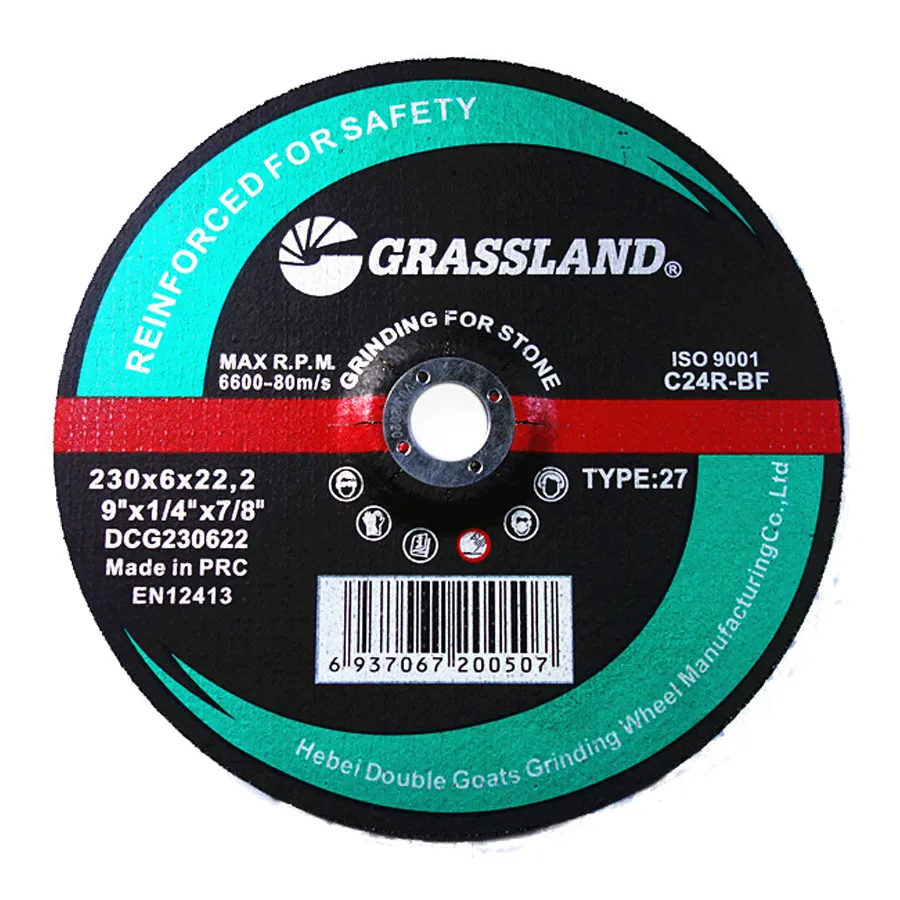
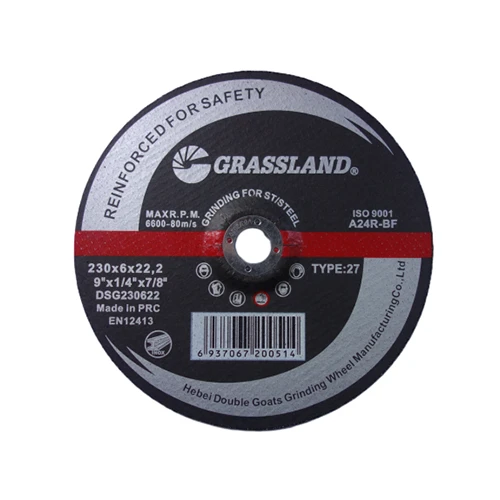
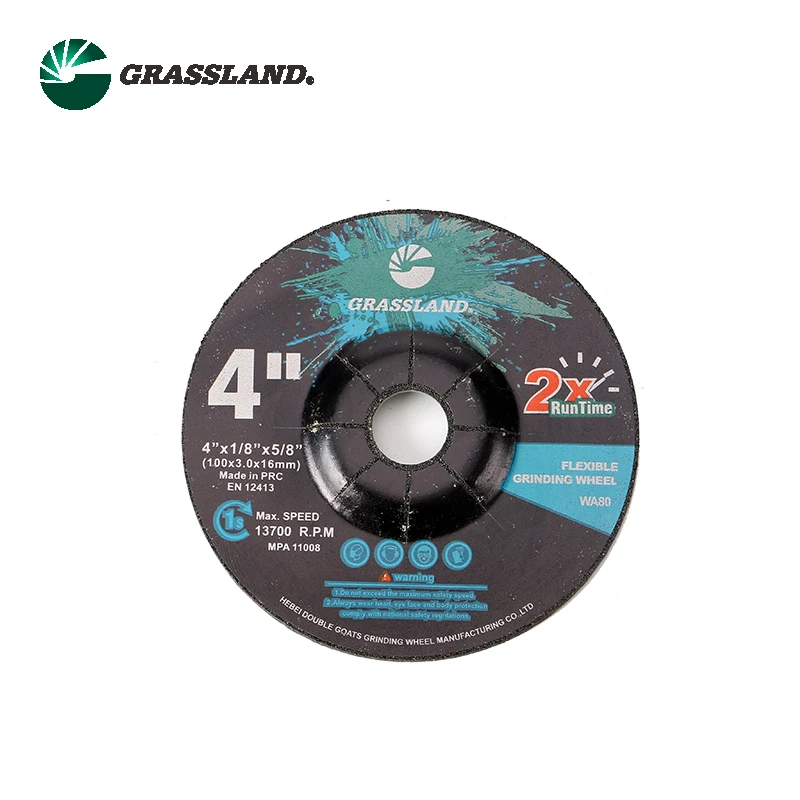
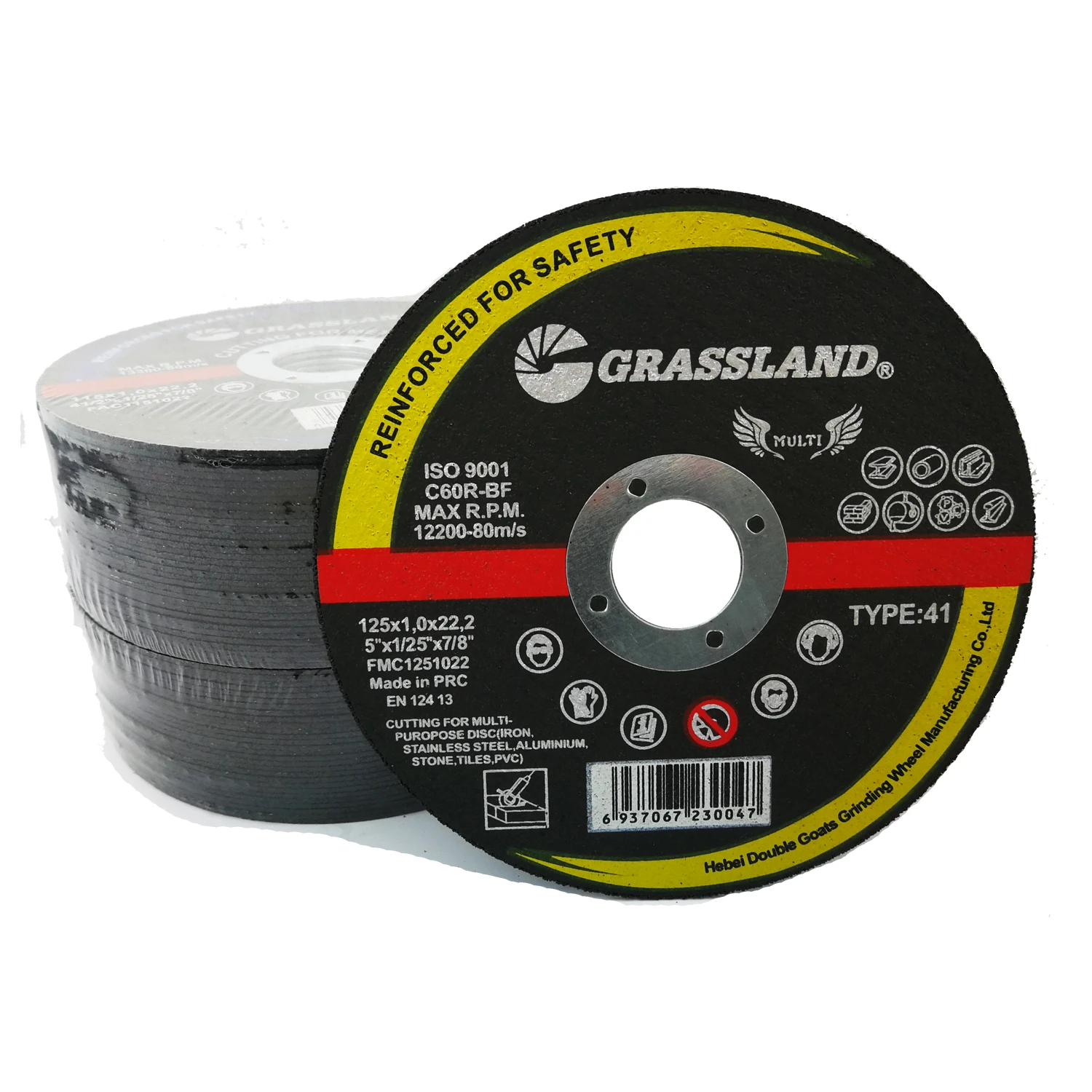
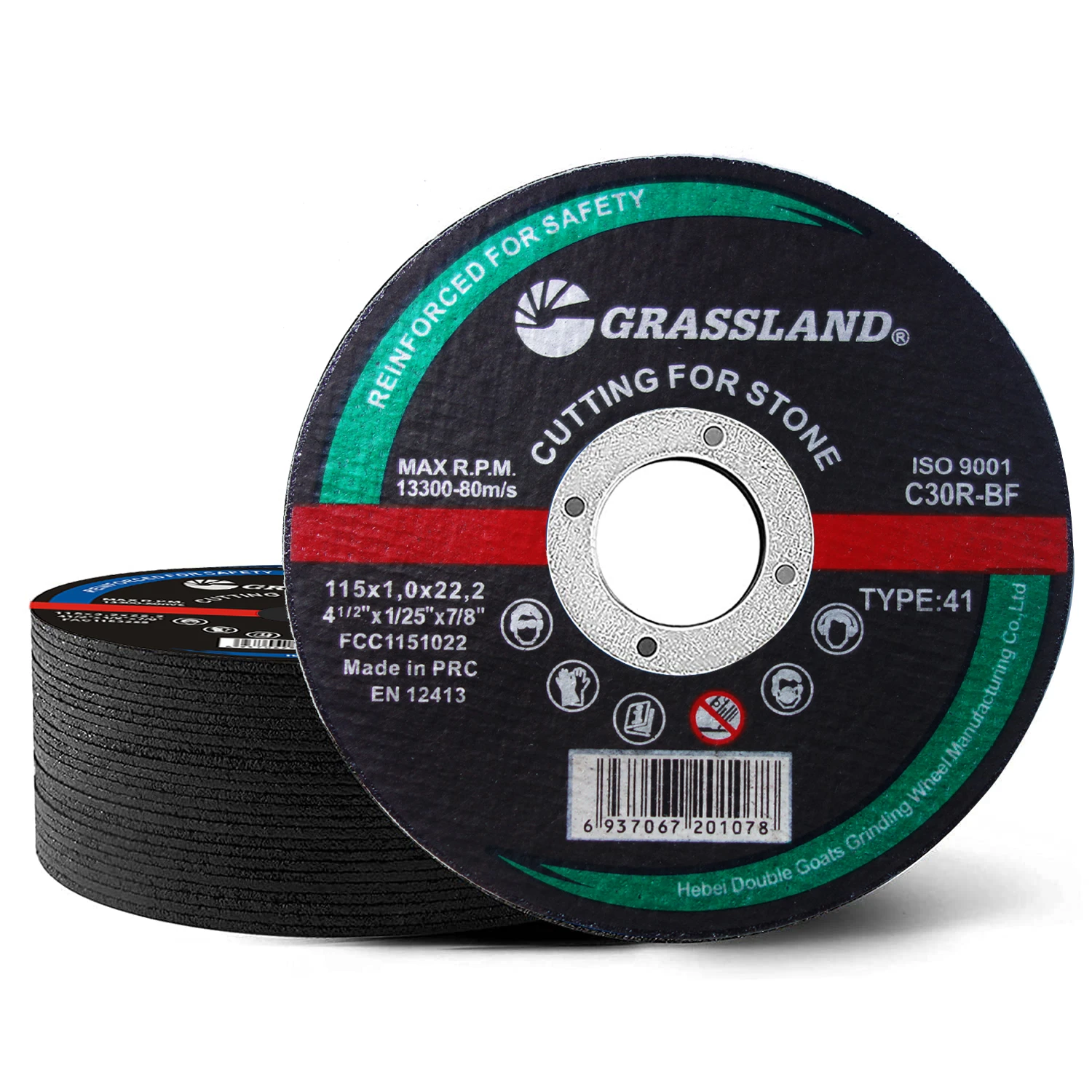
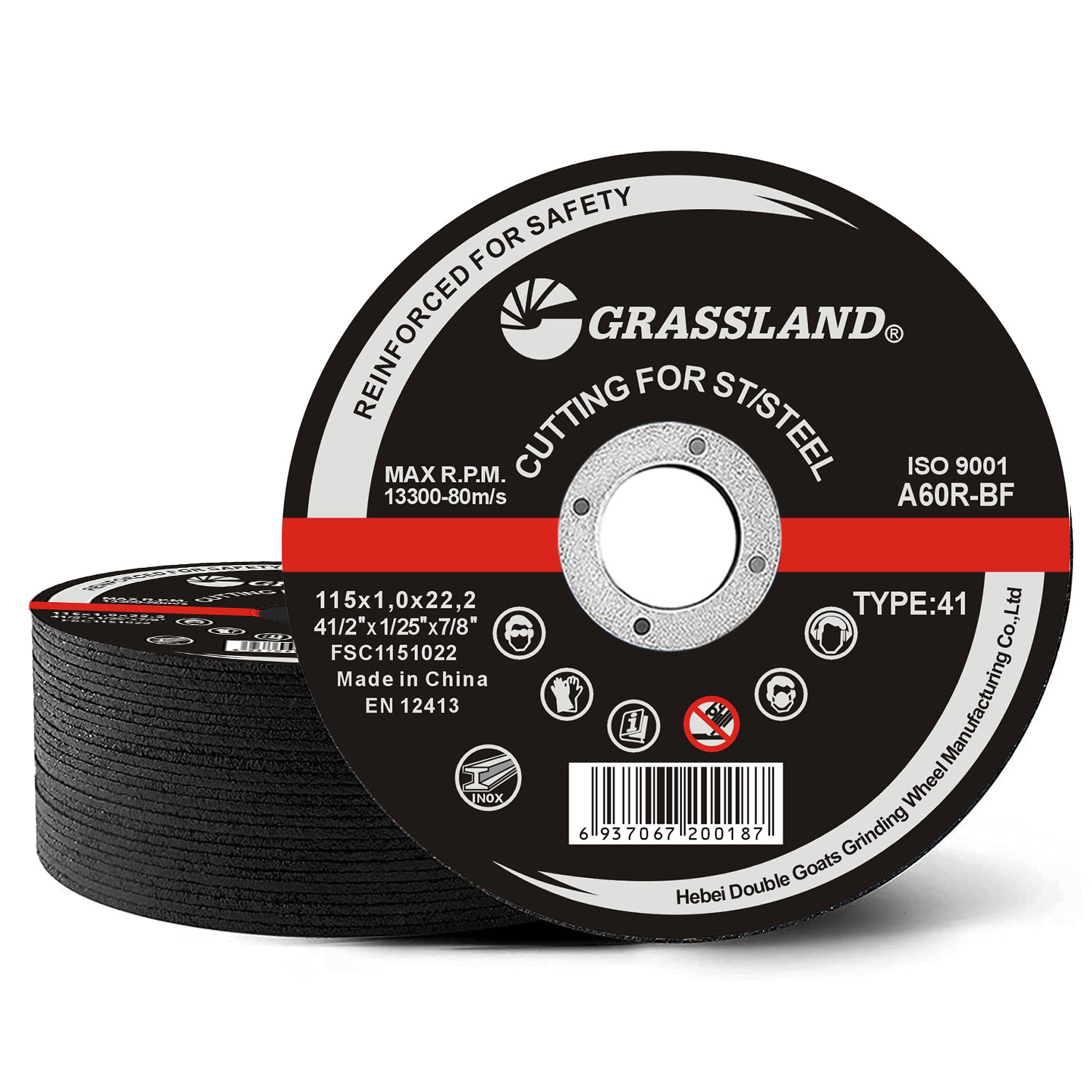
At its core, an angle grinder cutting disc is a thin, circular abrasive tool attached to an angle grinder. It spins at high speeds to cut through metal efficiently. The disc’s composition—a combination of abrasive grains bonded to a base material like fiberglass—means it can slice metal without melting it or deforming the piece.
In more practical terms, it’s the difference between hacking away at steel with a saw (slow, strenuous) and doing it like a pro with a precise, clean edge. These discs support countless industries: from building rural water tanks in humanitarian projects to fabricating car parts in crowded urban workshops.
Mini takeaway: Simply put, angle grinder cutting discs convert raw power into precise metal shaping and cutting.
Key Features of Metal Cutting Discs That Matter in Real Use
1. Durability
Discs must withstand harsh friction and heat. A durable disc means less frequent replacement, translating into less waste and better cost-effectiveness. Many discs are reinforced with fiberglass layers to resist snapping under intense load.
2. Cutting Speed
This directly impacts productivity. Faster cutting discs reduce project time, which matters hugely in tight deadlines. However, speed must balance with precision to avoid metal warping or dangerous kickbacks.
3. Compatibility
Not all discs fit all angle grinders or metals. For example, stainless steel discs differ slightly from general-purpose steel ones. Choosing the right disc ensures optimal performance.
4. Safety Features
Given the high RPM (rotations per minute), discs require robust safety measures—like reinforced resin bonding and strict quality testing—to minimize breakages during use.
5. Cost Efficiency
Balancing upfront price with lifespan and cutting efficiency determines a disc's true value. Sometimes investing slightly more yields big savings by reducing downtime and replacement frequency.
6. Environmental Impact
Today’s users increasingly consider sustainability. Some manufacturers incorporate greener materials or low-dust technology into their discs to reduce environmental footprints.
Mini takeaway: Knowing these features helps you pick cutting discs that really suit your needs, whether you run a one-person shop or a large operation.
Where Are These Discs Used Across the Globe?
Their applications span far beyond local workshops:
- Construction Sites: Cutting beams and steel frames for buildings worldwide.
- Automotive: Repair shops needing quick, clean cuts on body panels.
- Disaster Relief Teams: In places like Southeast Asia after natural calamities, where makeshift repairs need fast metal shaping.
- Remote Industrial Zones: Mining or energy plants in hard-to-reach places, where portability is key.
I read about a post-disaster housing project in the Philippines that relied heavily on these discs to pre-fabricate metal frames on-site—saving weeks in rebuilding time.
Mini takeaway: These discs empower industries and NGOs alike in both high-tech and resource-challenged scenarios.
Advantages of Using Quality Angle Grinder Cutting Discs for Metal
- Cost savings: Efficient cutting reduces labor hours and material waste.
- Enhanced safety: Better quality discs reduce accidents from breakage or kickback.
- Sustainability: Longer-lasting discs mean less landfill waste.
- Versatility: Suitable for various metals and tasks.
- Respect for craftsmanship: They enable clean workmanship, which frankly, feels good.
It’s not just about cutting metal: it’s about trust, consistency, and innovation shaping how industries evolve globally.
Upcoming Trends in Angle Grinder Cutting Discs
Innovations keep rolling, some quite exciting:
- Advanced composites: New materials improve toughness and dust emission.
- Eco-friendly manufacturing: Reduced toxic binders and greener abrasives.
- Smart discs: Embedded sensors to track wear or overheating (still early tech).
- Automation compatibility: Custom discs designed for robotic angle grinders.
These advances promise greater sustainability with top-notch performance—kind of like the perfect hybrid of old-school grit and new-school tech.
Tackling Current Challenges
Though indispensable, some issues persist:
- Fragility at high speeds: Breakage can cause injuries.
- Compatibility confusion: Users sometimes pick the wrong disc for their grinder or metal type.
- Disposal and environmental impact: Not all discs are recyclable.
Industry experts recommend:
- Strict adherence to safety certifications (EN 12413 is common).
- Education on matching discs to jobs.
- Increased R&D in recyclable or biodegradable disc materials.
Product Specification Table: Popular Angle Grinder Cutting Disc for Metal
| Feature | Model A | Model B | Model C |
|---|---|---|---|
| Disc Diameter | 115 mm | 125 mm | 230 mm |
| Thickness | 1.0 mm | 1.2 mm | 2.5 mm |
| Material | Aluminum Oxide | Zirconia Alumina | Silicon Carbide |
| Max RPM | 13,300 | 12,200 | 6,600 |
| Suitable Metals | Steel, Iron | Stainless Steel, Steel | Cast Iron, Steel |
| Safety Rating | EN 12413 Compliant | EN 12413 Compliant | EN 12413 Compliant |
Vendor Comparison: Top Angle Grinder Cutting Disc Suppliers
| Vendor | Price per Disc | Disc Varieties | Shipping Options | Customer Ratings |
|---|---|---|---|---|
| MetalWorks Supply | $2.50 - $4.00 | 20+ Types | Worldwide, Express | 4.5/5 |
| CutPro Tools | $1.80 - $3.50 | 15+ Types | Domestic only | 4.0/5 |
| ProDisc Industrial | $3.00 - $5.50 | 30+ Types | Worldwide, Bulk Discounts | 4.8/5 |
FAQ: Angle Grinder Cutting Disc for Metal
1. What metals can angle grinder cutting discs handle effectively?
Most discs are crafted for common metals such as mild steel, stainless steel, iron, and cast iron. However, certain discs are specialized for tougher alloys or non-ferrous metals. Always check the manufacturer’s specs to match the disc with your metal type.
2. How long does one cutting disc usually last?
The lifespan depends on usage frequency, metal hardness, and disc quality. Typically, a high-quality disc can last several hours of active cutting, but heavy industrial use may wear it down faster. Proper cooling and correct usage can extend life.
3. Can I reuse a partially used cutting disc?
Yes, but with caution. If the disc shows no cracks, warping, or uneven wear, you can continue using it. Discard discs with visible damage immediately to ensure safety.
4. Are all angle grinders compatible with all cutting discs?
No. Discs come in various sizes and thicknesses, and the grinder must be rated for the maximum RPM of the disc. Using the wrong size or incompatible disc is dangerous and can damage tools or cause injury.
5. How do I dispose of used metal cutting discs responsibly?
Used discs should be taken to industrial waste recycling centers if available, as some parts are recyclable. Avoid throwing them in regular trash due to embedded abrasive materials and metal fragments.
Conclusion: Why Choosing the Right Angle Grinder Cutting Disc for Metal Matters
Picking the right angle grinder cutting disc for metal isn’t just about cutting metal—it’s about enhancing safety, efficiency, and sustainability in your work. Whether you’re a tradesperson, engineer, or part of a humanitarian mission, these discs empower you to deliver quality outcomes, faster and smarter. Looking ahead, innovations promise even better performance with greener footprints, so staying informed is key.
Ready to explore the latest and greatest in cutting discs? Visit our website: cutoffdiscs.com for expert guidance, comparisons, and product selections that fit your needs.
References
Post time:Dec - 01 - 2025