Why Angle Grinder Cutting Wheel Metal Matters in Today’s Industry
In the world of metalworking and construction, the angle grinder cutting wheel metal is an unsung hero. Its role might seem straightforward, but understanding this tool's nuances is essential for anyone working with metal. Globally, this simple disk connects workshops from sprawling factories in Germany to small-scale artisans in remote areas, allowing metal to be shaped, sliced, and sculpted with precision and safety.
Though it sounds niche, this cutting tool plays a vital role in infrastructure projects, engineering tasks, and repair operations—especially as industries push toward higher safety and efficiency standards. Recognizing the benefits and challenges associated with these wheels means less downtime, better results, and usually, a safer working environment. And frankly, when you’re up close to a spinning metal disc, safety is no joke.
Setting the Stage: Global Relevance of Angle Grinder Cutting Wheels
Look at the numbers from the International Organization for Standardization (ISO): annual global metal production surpasses 2 billion metric tons, requiring countless cutting and finishing tools. The angle grinder, paired with cutting wheels made for metal, remains a staple, essential in construction, automotive, and manufacturing industries worldwide.
Yet amid growing demands, a few problems linger. Workers often face inconsistencies in cutting wheel durability and safety standards, especially in developing regions. According to occupational health statistics, improper cutting wheel use leads to nearly 20% of all grinder-related injuries annually in some countries. This obviously points to a global challenge that manufacturers and end-users alike seek to address — both by improving cutting wheel quality and raising user awareness.
What Exactly Is an Angle Grinder Cutting Wheel Metal?
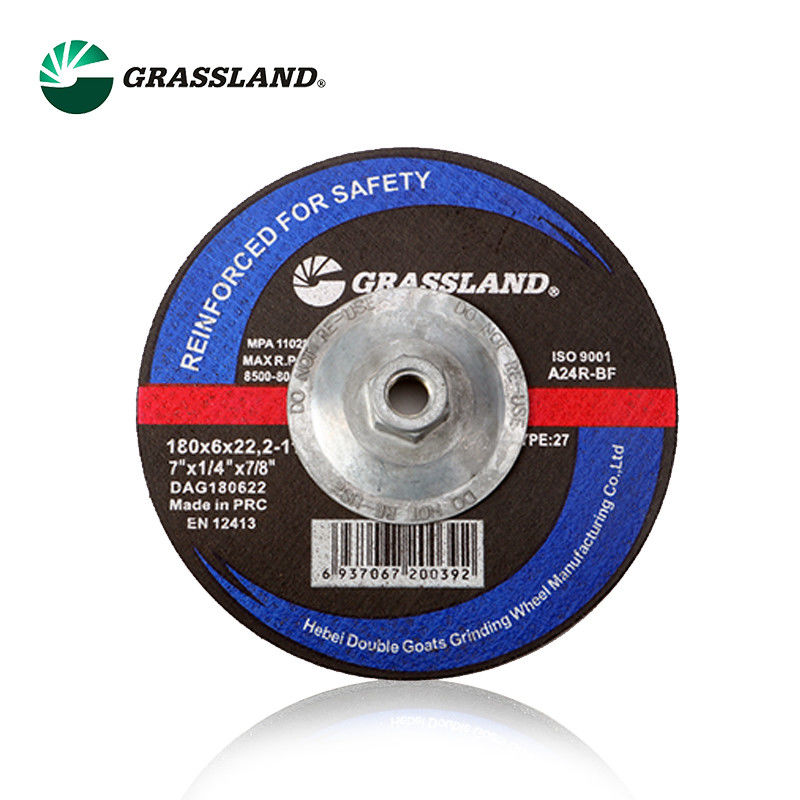
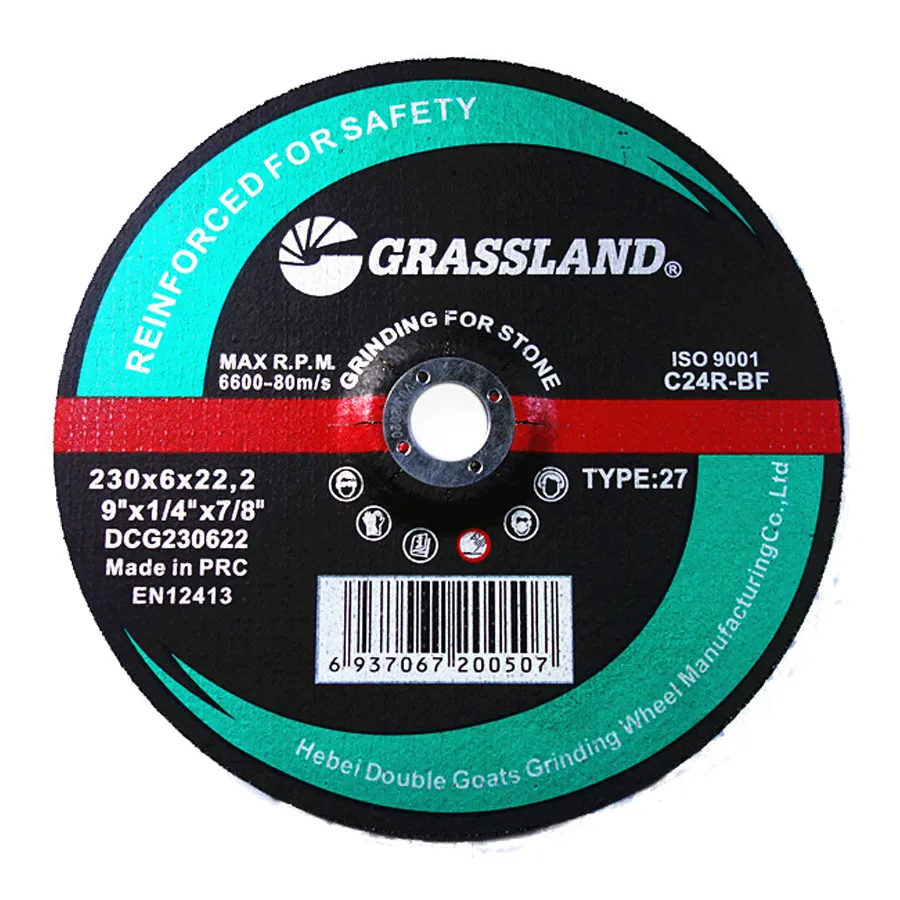
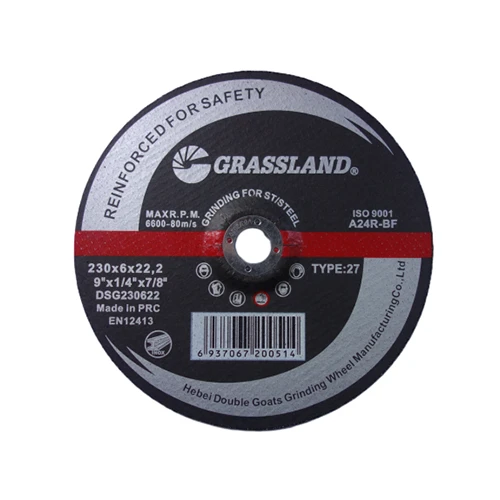
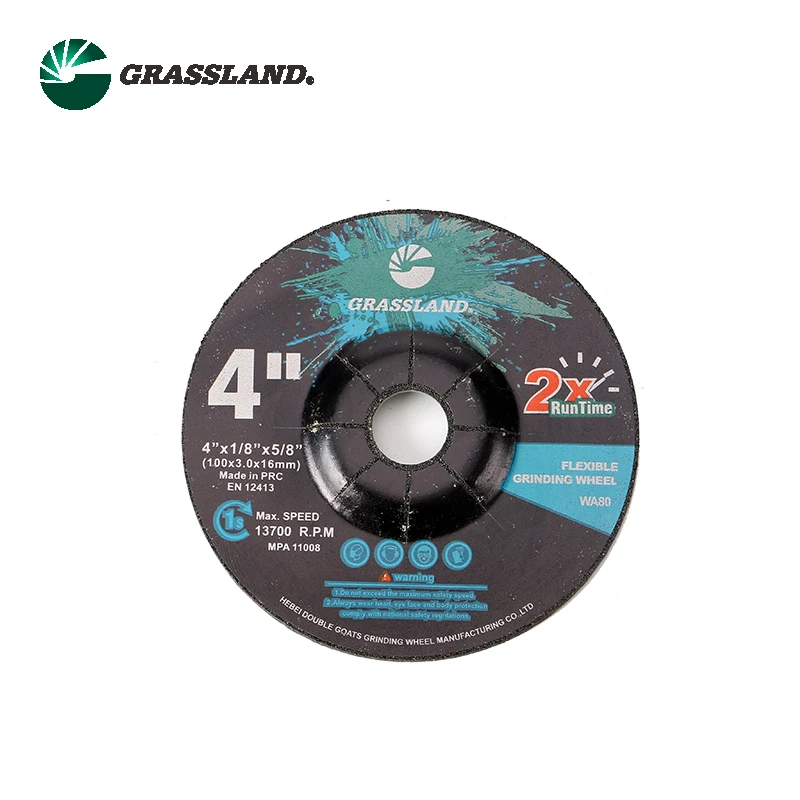
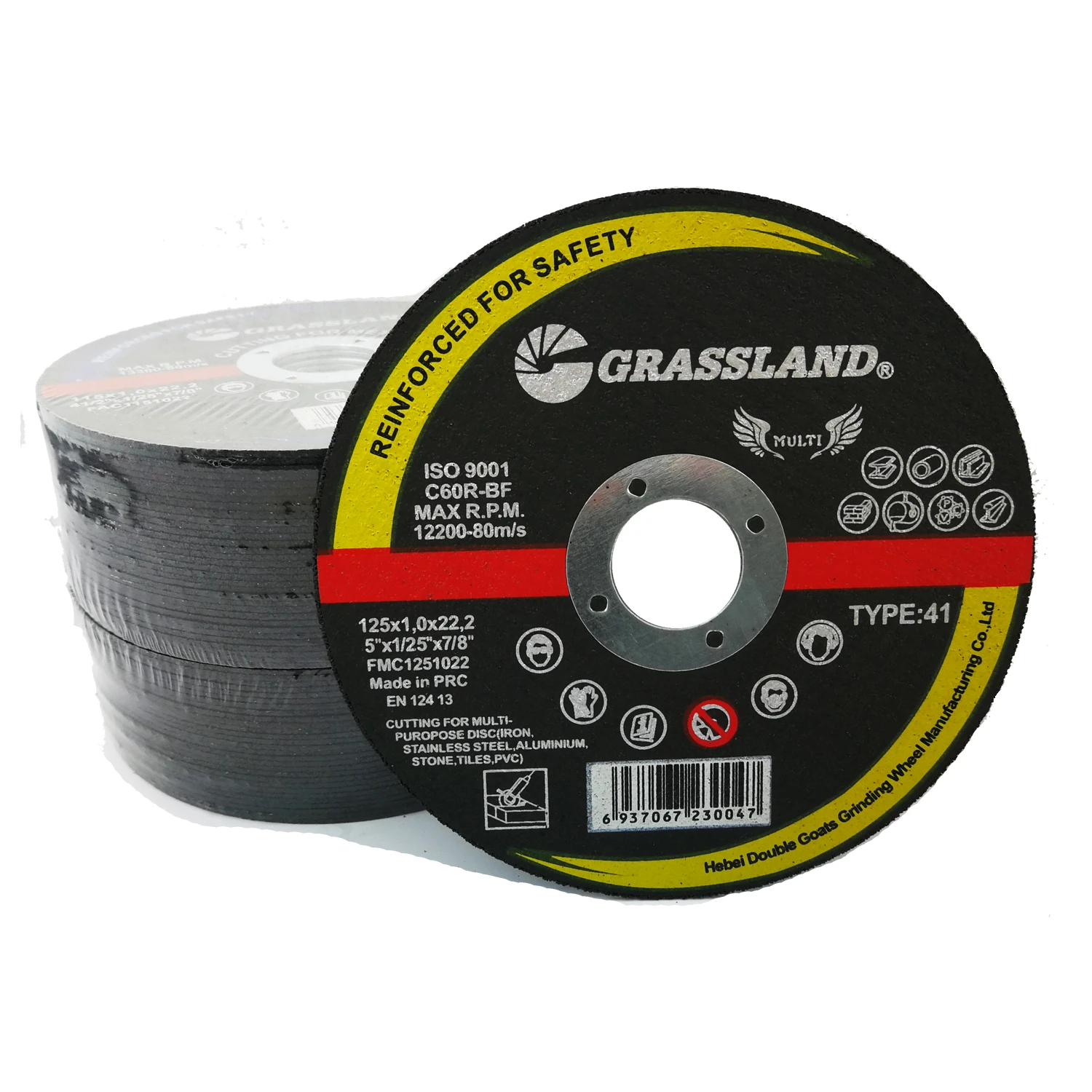
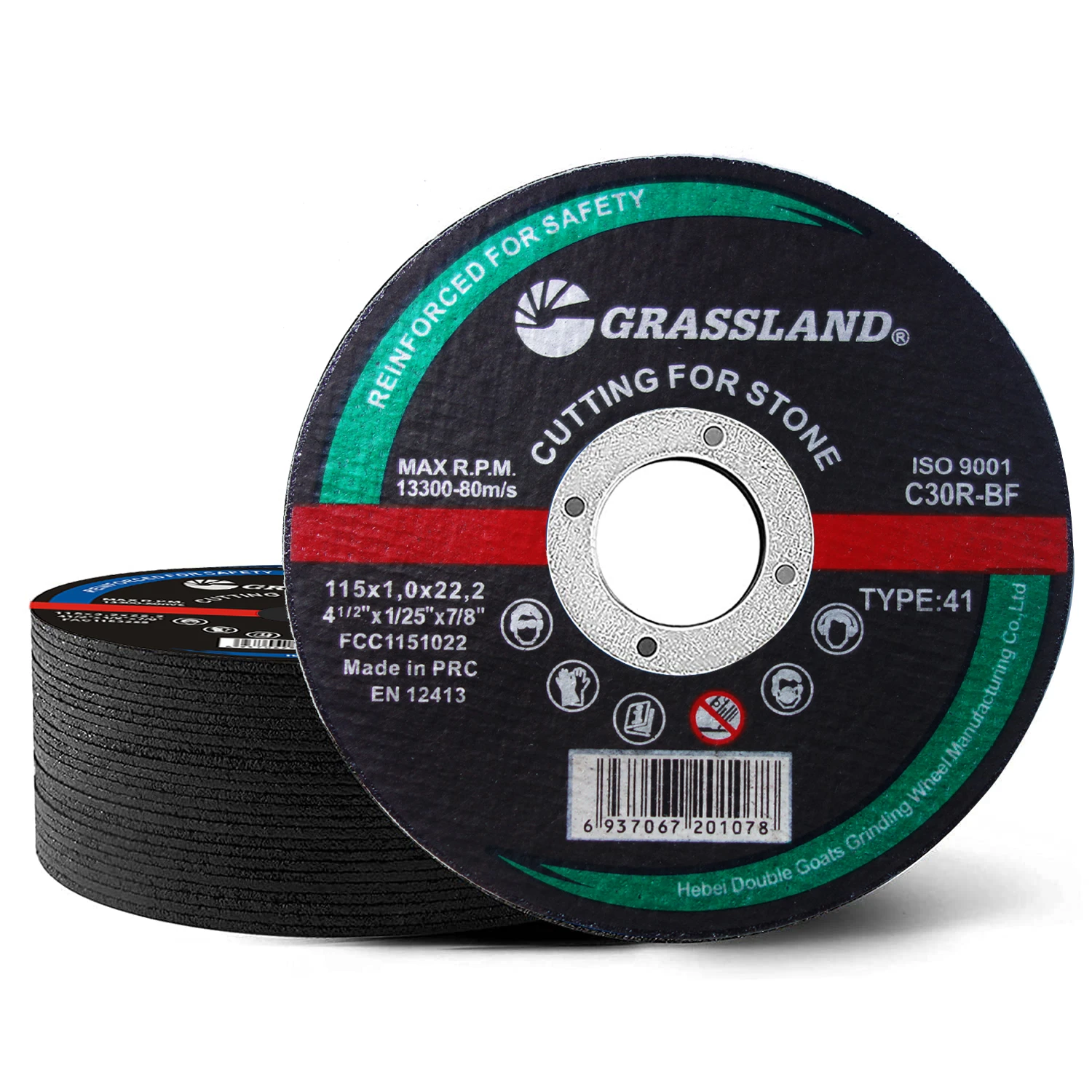
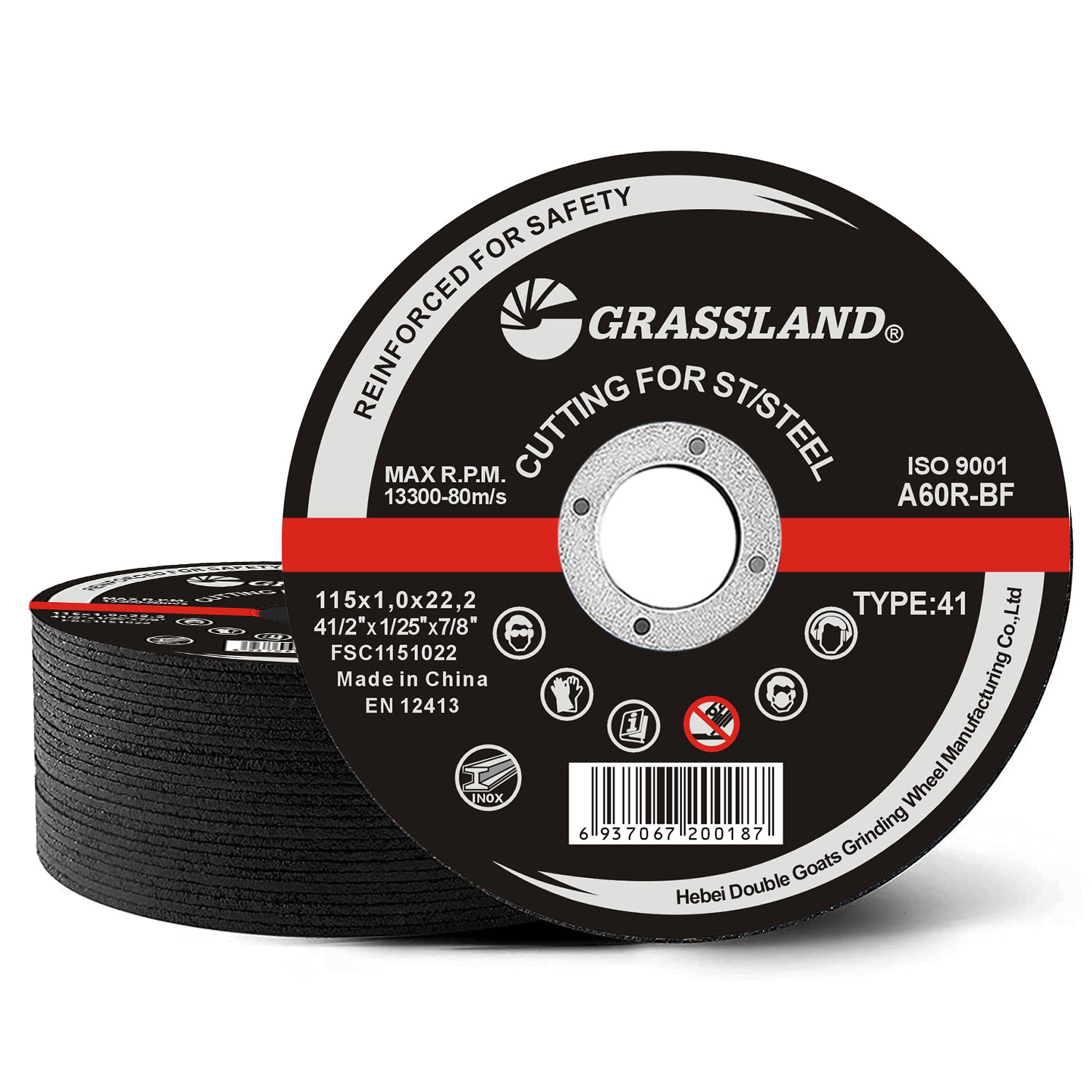
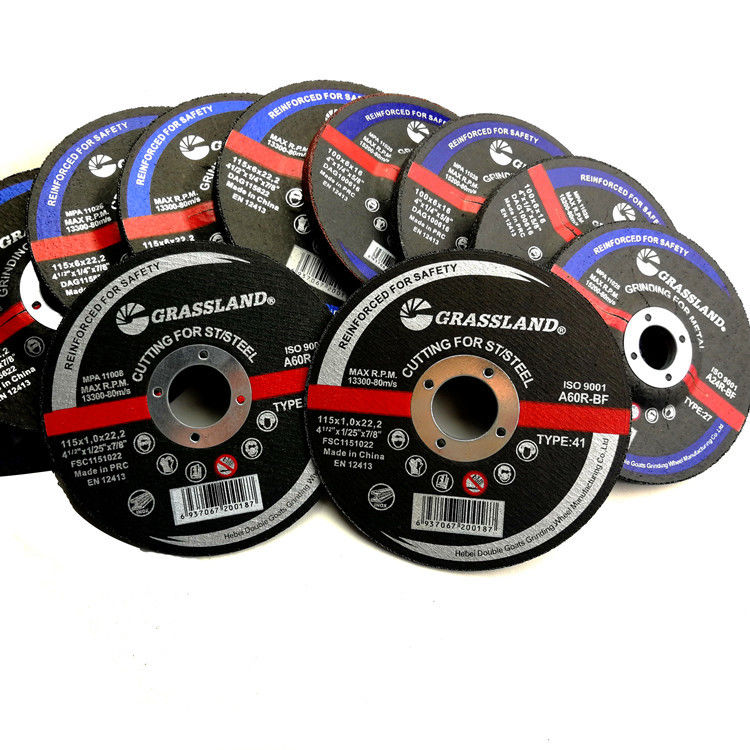
Simply put, an angle grinder cutting wheel metal is a thin, circular disk designed to cut through metal surfaces when attached to an angle grinder. Made typically of abrasive materials bound together, these wheels spin at high speed, allowing a sharp, smooth cut or grind on almost any metallic item. They’re engineered for efficiency, safety, and longevity.
Beyond industry, they're pivotal in rescue or humanitarian scenarios as well. For example, after earthquakes or floods, responders may use angle grinders with metal cutting wheels to clear debris or cut through metal barriers quickly, facilitating faster relief access.
Core Components of an Effective Cutting Wheel
Durability
No surprise here — metal cutting wheels need to last through harsh use. Durability depends on abrasive materials (often aluminum oxide or zirconia alumina) and bonding agents’ strength. Durable wheels reduce downtime and replacement costs.
Precision Cutting
Sharp, clean cuts save material and time. Precision varies based on particle size and wheel thickness; thinner wheels allow finer cuts but may wear faster. Striking the balance is an art in itself.
Safety Features
Modern wheels often incorporate anti-vibration designs or reinforced cores to prevent shattering — a vital factor since accidents mean lost time and sometimes worse. Compliance with ISO safety standards is a minimum requirement.
Compatibility
Diameter and arbor size must match the angle grinder to avoid dangerous mismatches. The good news is most manufacturers offer standardized sizes, but a quick measure before purchase never hurts.
Cost Efficiency
Many engineers note that a slightly more expensive, quality wheel tends to be more cost-effective long term due to fewer replacements and better cutting quality.
Mini takeaway:
- Understanding the basic design and needs of angle grinder cutting wheels leads to better purchase decisions and safer work.
- Balancing durability, precision, and cost remains the industry’s sweet spot.
How Angle Grinder Cutting Wheel Metal Shapes Industries Globally
From heavy industry hubs in Asia to small workshops in Latin America, cutting wheels designed for metal are everywhere. Automotive assembly lines use them for panel cutting and surface finishing. Shipyards deploy heavy-duty wheels for massive steel plates. In post-disaster relief efforts, responders rely on portable angle grinders to cut through fallen metal structures or heavy barriers, demonstrating just how versatile and crucial these tools are.
Take manufacturing zones in Eastern Europe, for example. Here, companies specialized in steel fabrication credit advancements in cutting wheel technology for improving production efficiency by nearly 15%, thanks to faster cutting times and reduced tool changes.
Where does it make the biggest impact?
- Construction: For steel rebar cutting and metal framework finishing.
- Manufacturing: Parts shaping, deburring, and assembly preparation.
- Emergency services: Rapid clearing of metal obstacles.
- Automotive: Bodywork and chassis modification or repair.
Product Specification Table: Typical Angle Grinder Cutting Wheel Metal
| Specification | Detail |
|---|---|
| Diameter | 115mm / 125mm / 230mm (common sizes) |
| Thickness | 1.0mm to 3.0mm, depending on use |
| Material | Aluminum oxide / Zirconia alumina |
| Max RPM | 13,300 for 115mm; varies with size |
| Safety Standards | EN 12413 / ISO 9001 Certified Manufacturing |
Comparing Leading Angle Grinder Cutting Wheel Metal Vendors
| Vendor | Durability (hours use) | Cost per wheel | Safety Rating | Special Features |
|---|---|---|---|---|
| MetalCut Pro | 30–40 | $8.50 | EN 12413 Certified | Anti-vibration reinforcement |
| GrindSharp Elite | 35–45 | $10.20 | ISO 9001 Certified | Heat-resistant bonding agents |
| CutMaster Basic | 20–30 | $6.00 | Basic Safety Compliance | Economy range for light use |
Why These Cutting Wheels Offer Long-Term Value
When you invest in a quality angle grinder cutting wheel metal, you’re not just paying for a tool; you’re buying peace of mind. Less frequent replacements mean smoother workflows and less interruption. The reliability of a trustworthy wheel reduces the chances of unexpected accidents, which —incidentally—saves insurance costs and personal downtime.
There’s an emotional and social value too: companies that prioritize safety and efficient tooling often gain employee trust and better retention. And customers? They feel the difference too, when projects finish on time and to specification.
What’s Next? Innovations & Future Trends in Cutting Wheel Technology
The industry is humming with innovations. One promising area is the use of new composite materials that extend wheel life while reducing weight — making them easier for workers to handle over a full day. Sustainability is also a major driver; some manufacturers experiment with more environmentally friendly binders and recyclable wheel parts.
Automation plays a role too. Smart angle grinders with built-in sensors detect wheel wear or improper usage, alerting operators before accidents happen. And oddly enough, as digital fabrication gets more common, metal cutting wheels and grinders are finding their place in automated production lines — a far cry from the handheld tools they once were.
Overcoming Common Challenges in Metal Cutting Wheels
Of course, not all challenges are solved overnight. A common headache is inconsistent quality, especially from lesser-known suppliers. Poorly manufactured wheels wear unevenly or, worse, shatter under operation.
The solution often lies in education and strict quality control. Industry trade groups recommend always checking for ISO or EN certification, and inspecting wheels for visible damage before use. Many shops now adopt a "first-use" testing routine — running the wheel on scrap material for a few seconds before trusting it on the real workpiece.
FAQ: Angle Grinder Cutting Wheel Metal
- How do I choose the right cutting wheel for my angle grinder?
- It depends on the metal type and thickness you are cutting, the angle grinder’s size, and your work nature. For thin sheet metal, thinner wheels (1.0-1.6mm) allow precision cuts. For heavier steel, thicker and more durable wheels are preferable. Always check your grinder's max RPM and matching wheel diameter.
- Can I use the same cutting wheel on different metals?
- Some wheels are designed for multi-metal usage, but it’s usually best to select a wheel optimized for your target metal (stainless steel, mild steel, aluminum), ensuring cleaner cuts and longer wheel life.
- How often should I replace my angle grinder cutting wheel?
- Replace wheels when they become too thin, show cracks, or fail to cut efficiently. Frequent users may replace wheels every few weeks, whereas light users might get months of use. Check manufacturer guidance.
- Are there eco-friendly angle grinder cutting wheels?
- Yes. Some brands now offer wheels made from recycled or biodegradable binders and abrasives. While still emerging, this reflects a growing green movement in industrial tooling.
- Is training necessary for safe cutting wheel use?
- Absolutely. Proper training reduces injury risk dramatically. Operators should learn about matching wheels to grinders, wear protective gear, and follow safe start-up and shutdown procedures.
Wrapping Up: Why the Right Cutting Wheel is Worth the Investment
The humble angle grinder cutting wheel metal may be simple, but its impact on metalworking and safety globally is anything but. A quality wheel boosts workflow, reduces costs, and helps create safer workplaces. And as the world leans into greener tech and smarter tools, these wheels are not just spinning in place — they’re shaping the future.
Thinking about upgrading your equipment? Visit our website for the latest in cutting wheel technology, specs, and expert advice.
References & Further Reading
Post time:Dec - 01 - 2025