Grinding Discs for Steel: Why They Matter More Than You Think
Grinding discs for steel might sound like a niche product, but in the grand scheme of things, they're absolutely critical to modern manufacturing, repair, and construction worldwide. Think about the billions of tons of steel produced and processed every year across industries—from building skyscrapers to crafting machinery and vehicles. The right grinding discs don't just make this work possible; they make it safe, efficient, and sustainable.
Understanding these tools helps industries improve quality, reduce waste, and save costs. Plus, with global infrastructure booming and standards tightening, knowing what makes a grinding disc truly fit for steel can be a game-changer.
Global Context: The Role of Grinding Discs in Steel Production and Processing
Steel production has been climbing steadily. According to the World Steel Association, roughly 1.9 billion metric tons were produced globally in recent years. And here's the kicker—much of that steel needs precise cutting, shaping, and finishing. Grinding discs are central to this process.
But it’s not just production lines in developed countries. Emerging markets in Asia, Africa, and South America are expanding their steel industries rapidly. The challenge? Maintaining quality and worker safety while ramping up output. Grinding discs designed specifically for steel make a big difference by providing consistent performance and reducing accidents.
ISO standards for grinding and cutting tools ensure products meet specific safety and durability requirements—important because a poorly chosen disc can cost time, money, or worse, cause injuries.
Mini takeaway: Grinding discs for steel underpin a global steel industry that impacts everything from housing to transportation, with safety and efficiency front and center.
What Exactly Are Grinding Discs for Steel?
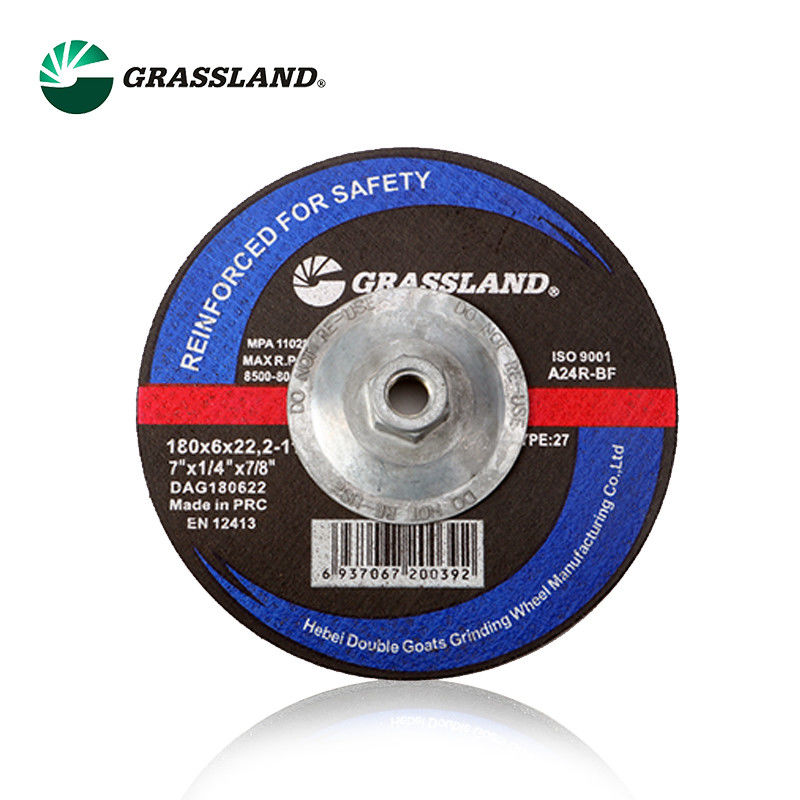
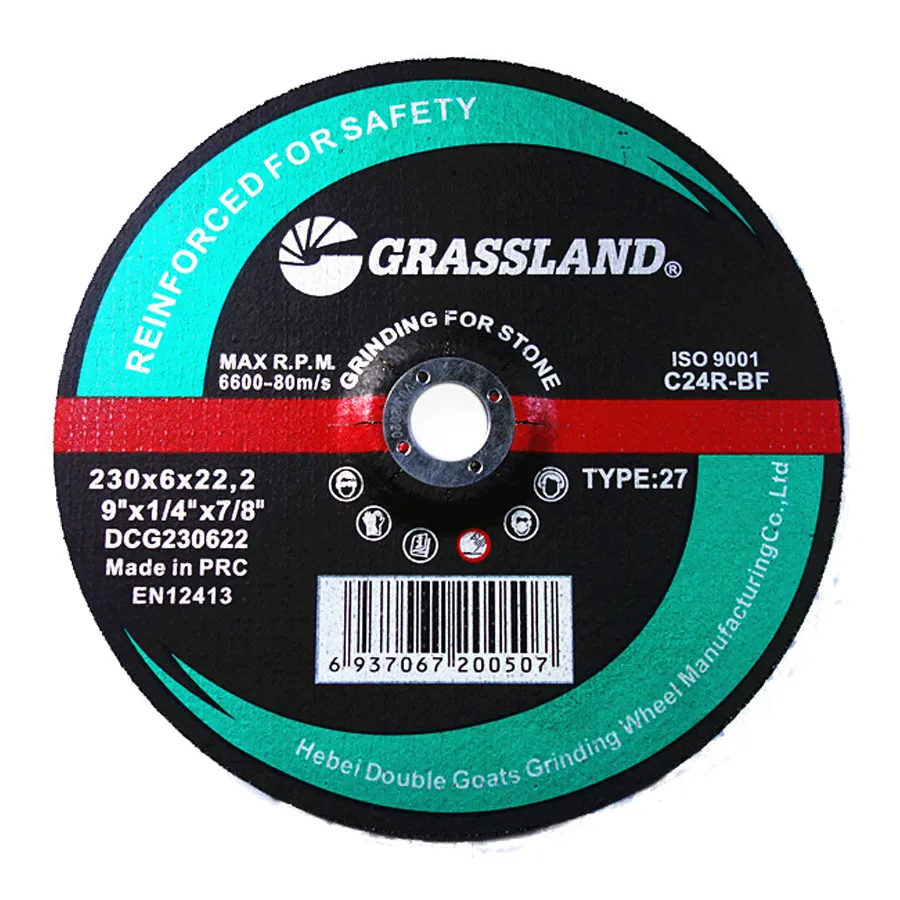
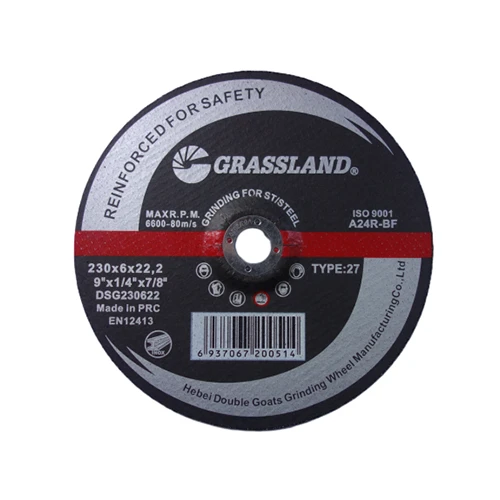
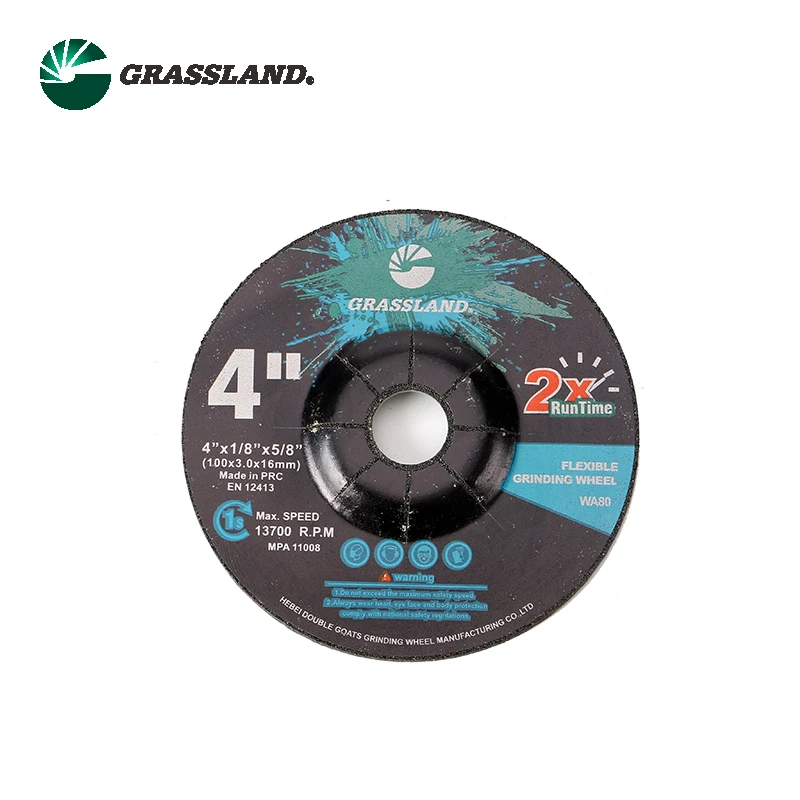
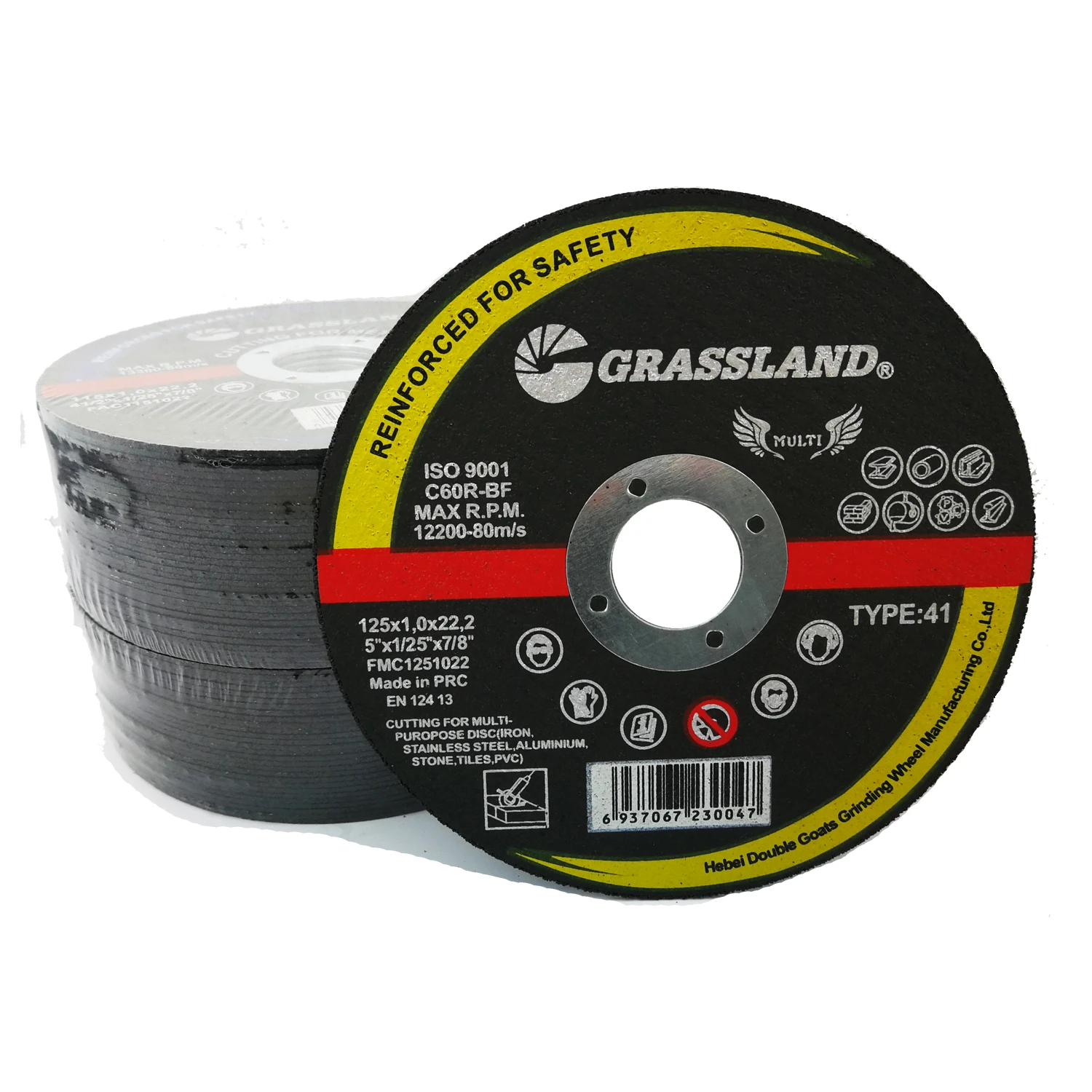
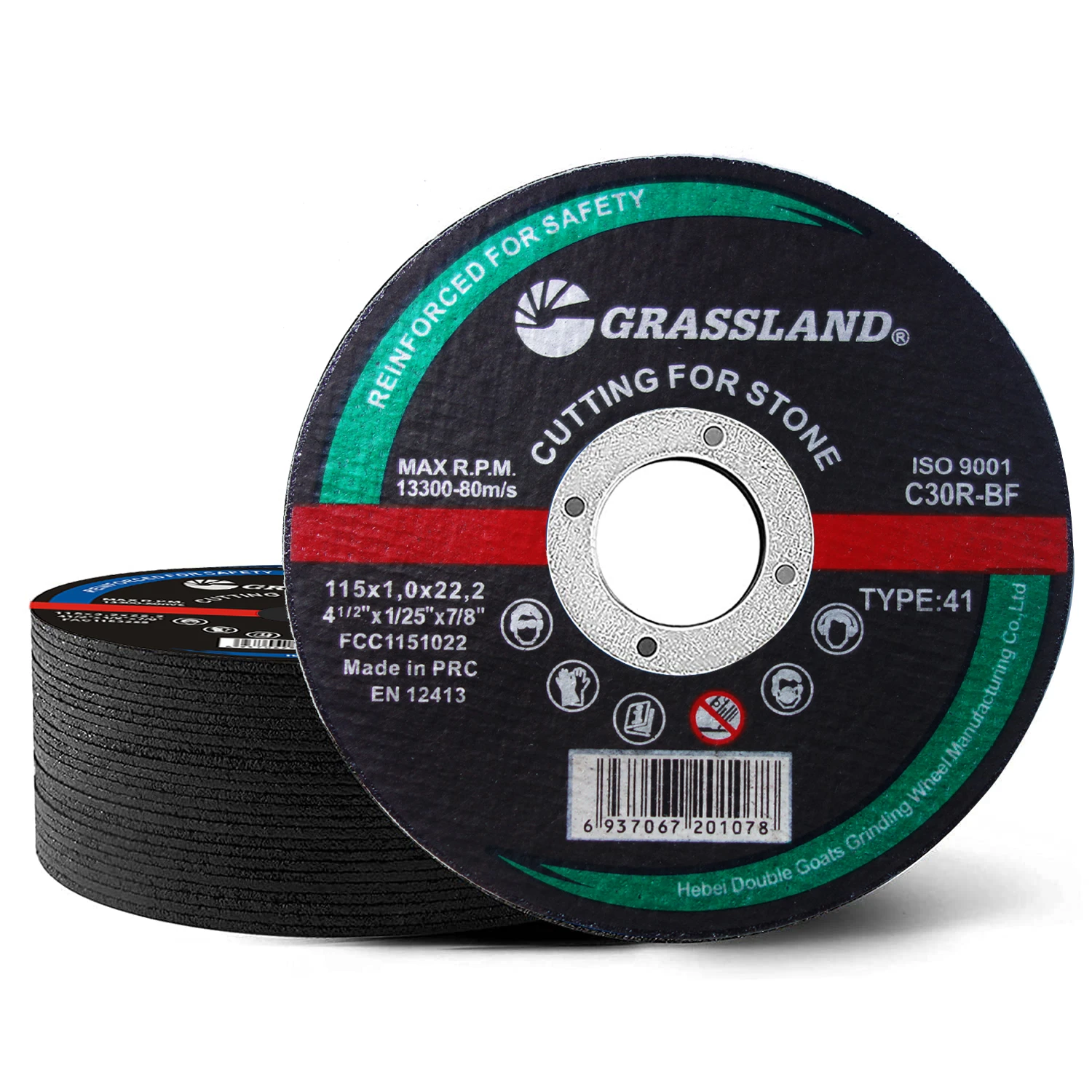
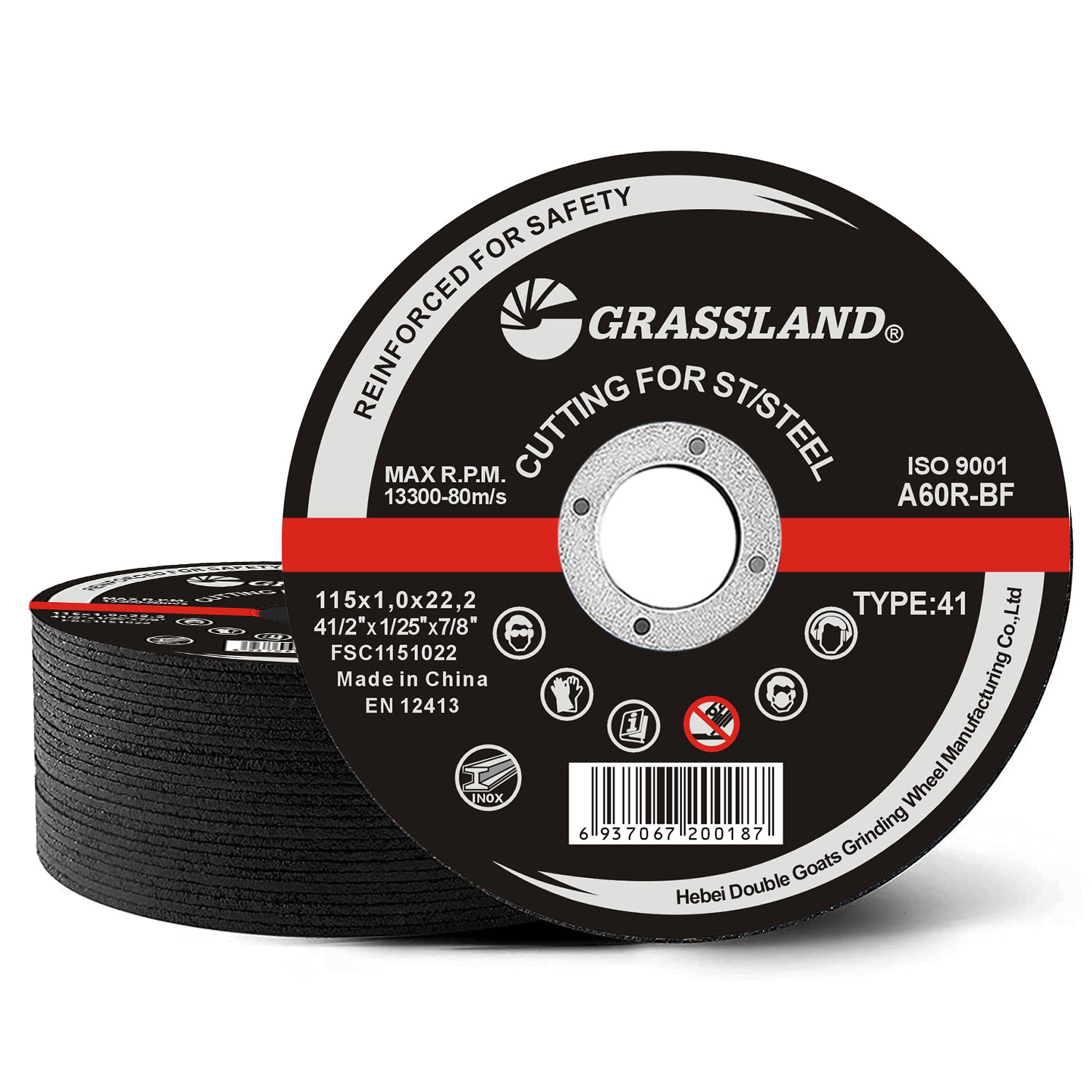
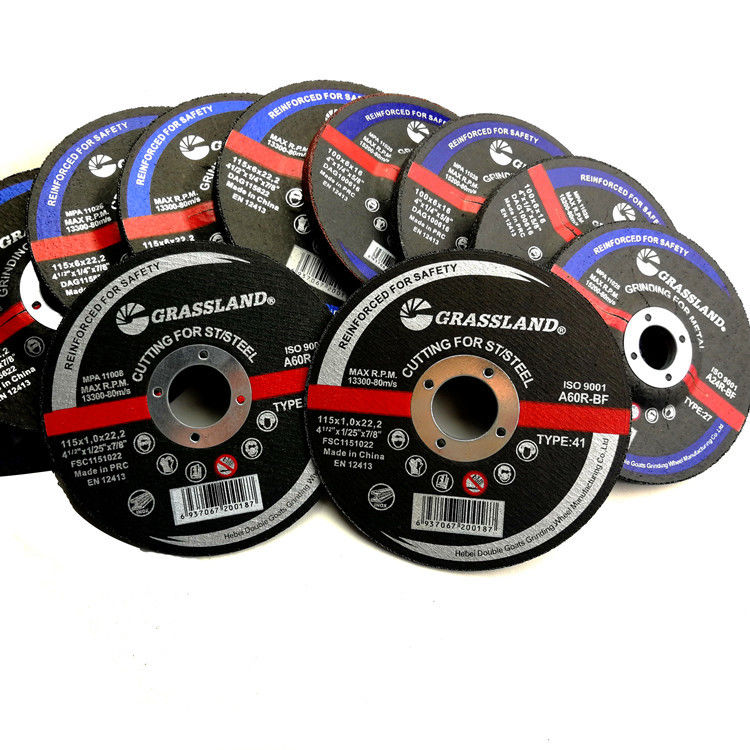
Simply put, grinding discs are rotating abrasive wheels attached to angle grinders or other power tools, used to grind down, shape, or cut steel surfaces. The material composition of these discs is crucial—they often include high-grade abrasives like aluminum oxide or zirconia alumina tailored to handle steel’s hardness.
In industries ranging from shipbuilding to automotive repair, these tools help workers smooth out welds, remove rust, or slice metal sheets. Oddly enough, they’re a kind of unsung hero—visible only when sparks fly but essential every step of the way.
Mini takeaway: Grinding discs for steel are specialized tools crafted to handle the particular demands steel imposes, connecting raw material to finished product seamlessly.
Key Characteristics of Grinding Discs for Steel
1. Durability and Wear Resistance
Steel is tough, so the discs have to be tougher. A good grinding disc maintains its abrasive edge without weakening fast. Disc longevity reduces downtime in factories and cuts replacement costs.
2. Cutting Precision
Coarse discs get the job done quickly, but fine grit options allow for more precise finishes. Balancing speed and smoothness depends on the task.
3. Heat Dissipation
Grinding steel generates heat, which can damage the disc and the metal if not managed well. Many discs integrate features or materials that channel heat away effectively.
4. Safety Standards Compliance
Check for certifications like ANSI or EN12413, which verify the disc’s quality and structural integrity—vital for user safety.
5. Cost-efficiency
Price matters, sure. But investing slightly more in a premium disc often pays off with performance and fewer replacements.
| Specification | Details |
|---|---|
| Diameter | 115mm, 125mm, 180mm (varies by model) |
| Abrasive Material | Aluminum Oxide, Zirconia Alumina |
| Max RPM | 13,300 to 15,300 depending on size |
| Grit Types | Coarse (24-36), Medium (40-60), Fine (80+) |
| Bond Type | Resinoid or Vitreous |
| Compliance | EN12413, ANSI B7.1 |
Real-World Applications of Grinding Discs for Steel
These discs play roles in a surprising variety of contexts. Let me highlight a few:
- Construction: Grinding steel beams and rebar to precise shapes/building codes worldwide.
- Automotive repair: Smoothing weld joints or stripping old paint and rust on vehicles.
- Aerospace industry: Finishing titanium-alloy steel parts, where precision matters intensely.
- Emergency response: In post-disaster scenarios, quick steel cutting for temporary shelters or infrastructure repairs.
- Manufacturing plants: Regular maintenance to keep machinery operating smoothly without failure.
Regions with heavy steel demand—in China, the EU, or the US—prioritize high-quality grinding discs to maximize efficiency. Meanwhile, NGOs in disaster-prone zones often trust robust, easy-to-handle discs for quick infrastructure rebuilding.
Mini takeaway: Grinding discs are versatile tools that meet demands from heavy construction sites to precision aerospace labs, impacting livelihoods and innovation.
What’s In It for You? Advantages of Using the Right Grinding Discs
Choosing the right disc isn’t just a technical choice; it touches the business bottom line and workers’ wellbeing:
- Cost savings: Fewer disc changes, faster jobs, less material wastage.
- Worker Safety: Certified, stable discs reduce accidents.
- Environmental Sustainability: More durable discs mean less waste and energy consumed across a product’s lifecycle.
- Product Quality: Precise steel finishing improves overall durability of structures and machines.
- Trust & Confidence: Businesses rely on tools that won’t fail mid-task—building reputation and client satisfaction.
Where Grinding Discs for Steel Are Headed Next
Innovation in grinding discs isn't headline news, but it’s moving forward steadily:
- New Materials: Nano-structured abrasives promising longer lifespan.
- Eco-conscious Manufacturing: Using recycled components or greener bonds reducing chemical waste.
- Automated Grinding Systems: Robotics paired with smart discs adjust pressure and angle in real time.
- Higher Precision: Controlled grit layering for finer finishes without compromising speed.
In short, the grinding discs of tomorrow will be smarter, more sustainable, and better integrated into digital manufacturing ecosystems.
Common Hiccups and How to Beat Them
Of course, not everything’s perfect. Challenges include:
- Disc wear under heavy loads: Can cause unexpected downtime.
- Compatibility issues: Wrong disc choice for a grinder or steel type reduces effectiveness.
- Safety hazards when discs fracture: Risking injury if substandard discs are used.
Experts recommend strict compliance with standards, investing in training, and choosing discs from reputable vendors. Plus, routine testing of discs for cracks or deformations can prevent mishaps.
| Vendor | Price Range | Disc Variety | Certifications | Global Reach |
|---|---|---|---|---|
| SteelEdge Tools | $$ | 40+ models (various sizes and materials) | EN12413, ISO | Worldwide |
| GrindPro | $$$ | 30+ high-precision discs | ANSI, EN | North America, Europe |
| MetalWorks Supplies | $ | 20 basic discs | Limited certifications | Asia-Pacific |
Frequently Asked Questions About Grinding Discs for Steel
1. What types of grinding discs are best for cutting through hardened steel?
Discs made from zirconia alumina or ceramic abrasives are preferred for hardened steel. They maintain sharpness longer and dissipate heat better than traditional aluminum oxide discs.
2. How often should grinding discs be replaced during heavy use?
It varies, but many professionals replace discs when they’re worn down to approximately 2mm thickness or show visible cracks or warping. Regular inspection before use is key.
3. Are there eco-friendly grinding discs available for steel?
Yes, some manufacturers now offer discs that use recycled abrasives and less harmful bonding resins, aligning with green manufacturing trends.
4. Can I use the same grinding discs for stainless steel and carbon steel?
While some discs can handle both, specialized discs are preferred since stainless steel requires different abrasive toughness to prevent overheating or contamination.
5. How can NGOs source reliable grinding discs for field operations?
NGOs should work with reputable global vendors who provide certified discs with durable performance guarantees, and consider shipments that include safety and usage training documentation.
Conclusion: Grinding Discs for Steel Are More Than Just Tools
We’ve seen that grinding discs are quietly powering a complex web—from global industry to local workshops, even humanitarian aid. They bring safety, efficiency, and innovation to steelwork that shapes our world. Choosing the right discs means more than cheaper inputs; it’s an investment in quality and trust.
Ready to explore the grinding discs crafted for steel’s toughest challenges? Visit our website for a curated selection designed with you in mind: grinding discs for steel.
References
Post time:Nov - 29 - 2025