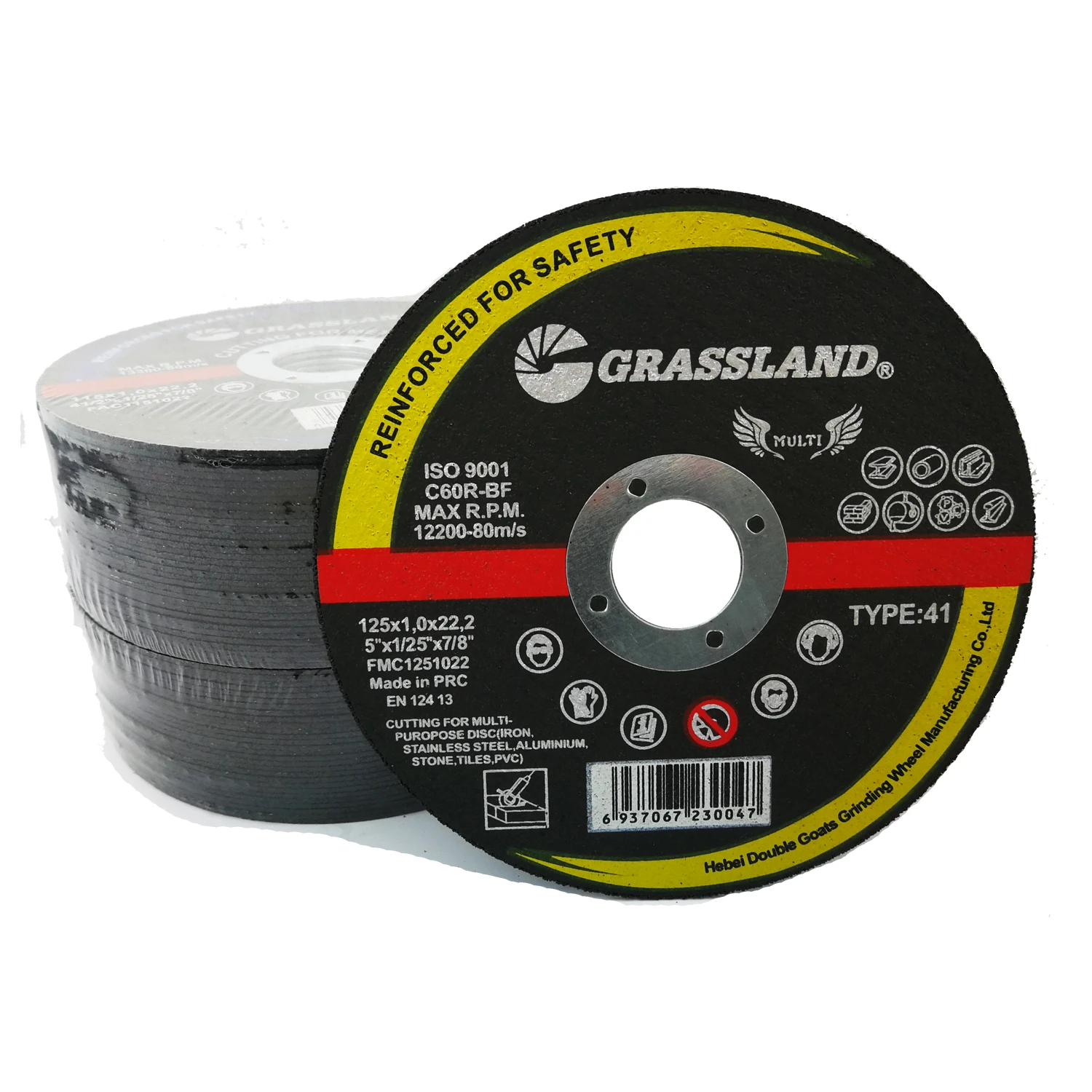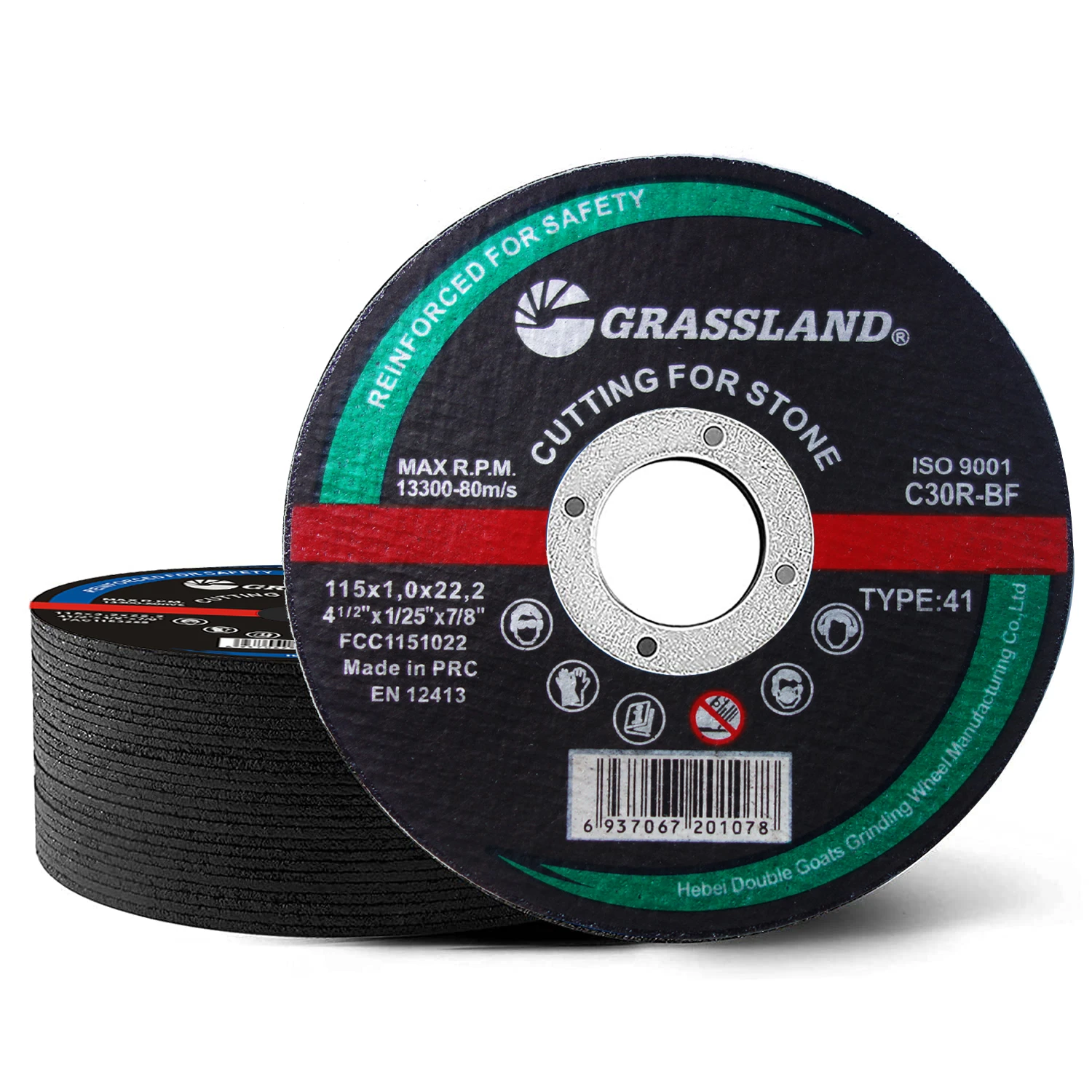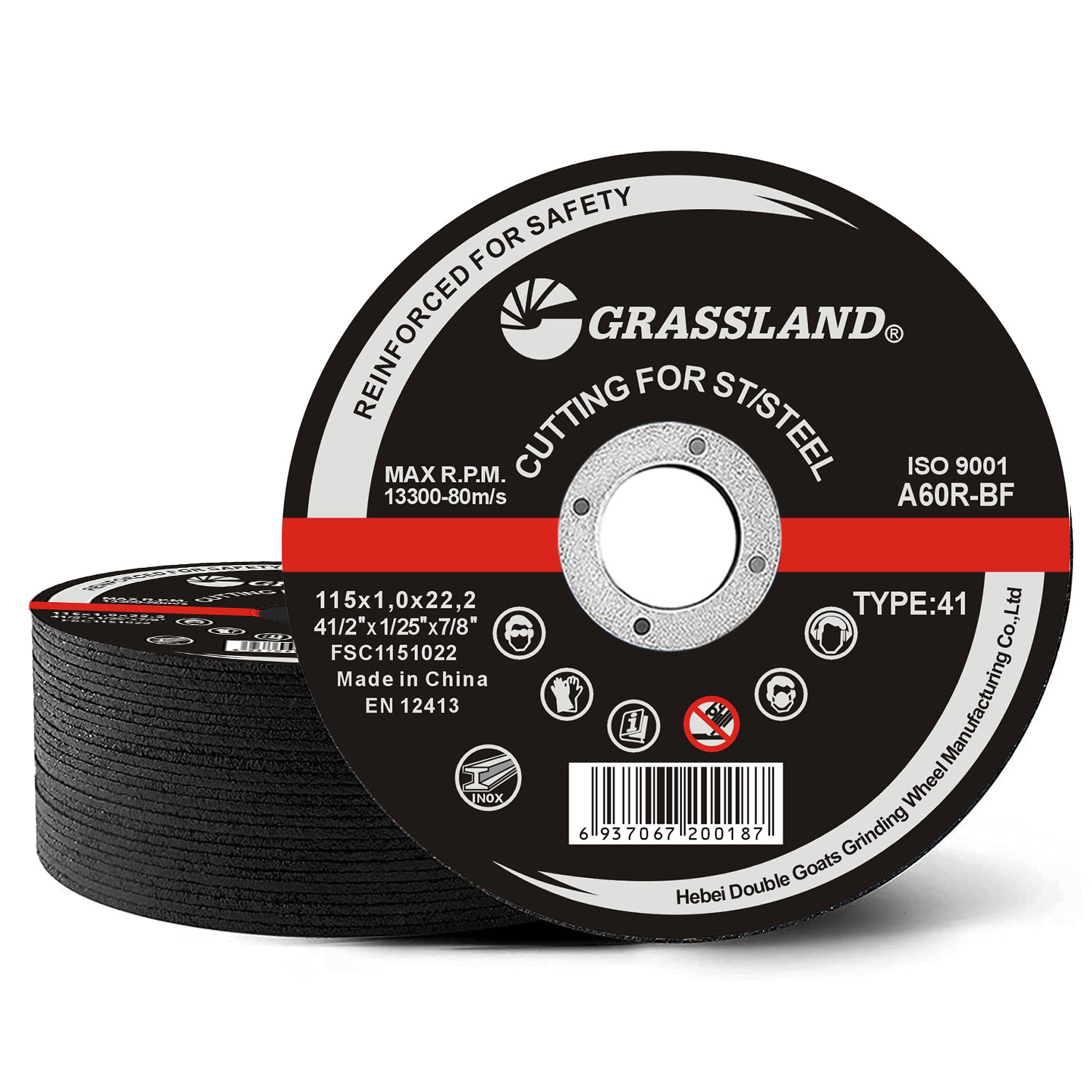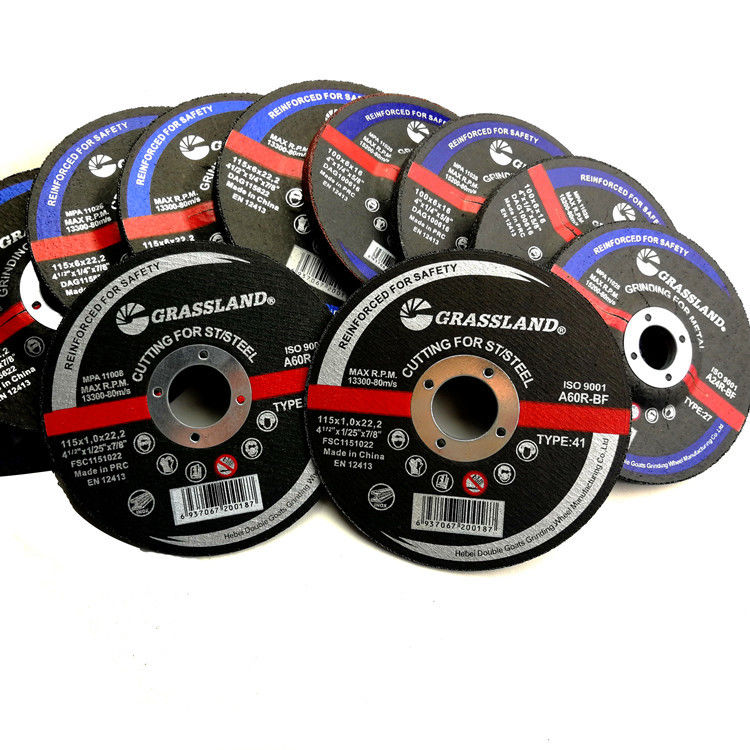
Angle Grinder Metal Cutting Disc: The Unsung Hero of Modern Fabrication
When you think of power tools, the angle grinder metal cutting disc might not be the star of the show, but it sure plays a crucial leading role behind the scenes — from heavy industries to DIY weekend warriors cranking away in their garages. Understanding this component isn’t just for tool enthusiasts; globally, it’s a linchpin for efficiency, safety, and quality in metal fabrication and construction. Why does it matter? Because this small disc can literally cut through steel, iron, and other materials faster and cleaner, reducing labor costs and often saving lives in critical situations.
Global Industry Context: Why Cutting Discs Are Indispensable
Metalworking industries form the backbone of national development and infrastructure worldwide. According to the International Organization for Standardization (ISO), industrial metal fabrication accounts for billions in economic value each year. The angle grinder metal cutting disc is globally ubiquitous, used across sectors like automotive, shipbuilding, construction, and manufacturing.
In fact, the World Bank estimates over 15% of global manufacturing GDP hinges on metal processing capabilities. But here’s the challenge: traditional cutting tools are often cumbersome and unsafe, especially in developing regions where safety standards are patchy. The rise of reliable, optimized metal cutting discs addresses this gap — boosting productivity and enhancing worker safety in ways that can ripple through entire economies.
Mini Takeaway:
The angle grinder disc is not just a tool accessory; it’s a global catalyst for industrial growth and safer work environments.
What Exactly Is an Angle Grinder Metal Cutting Disc?
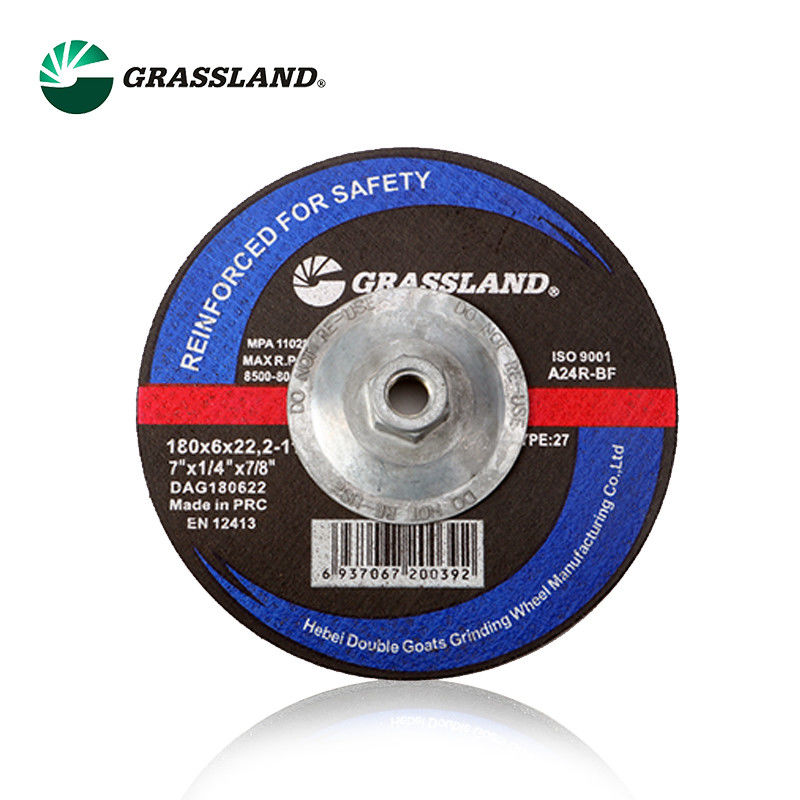
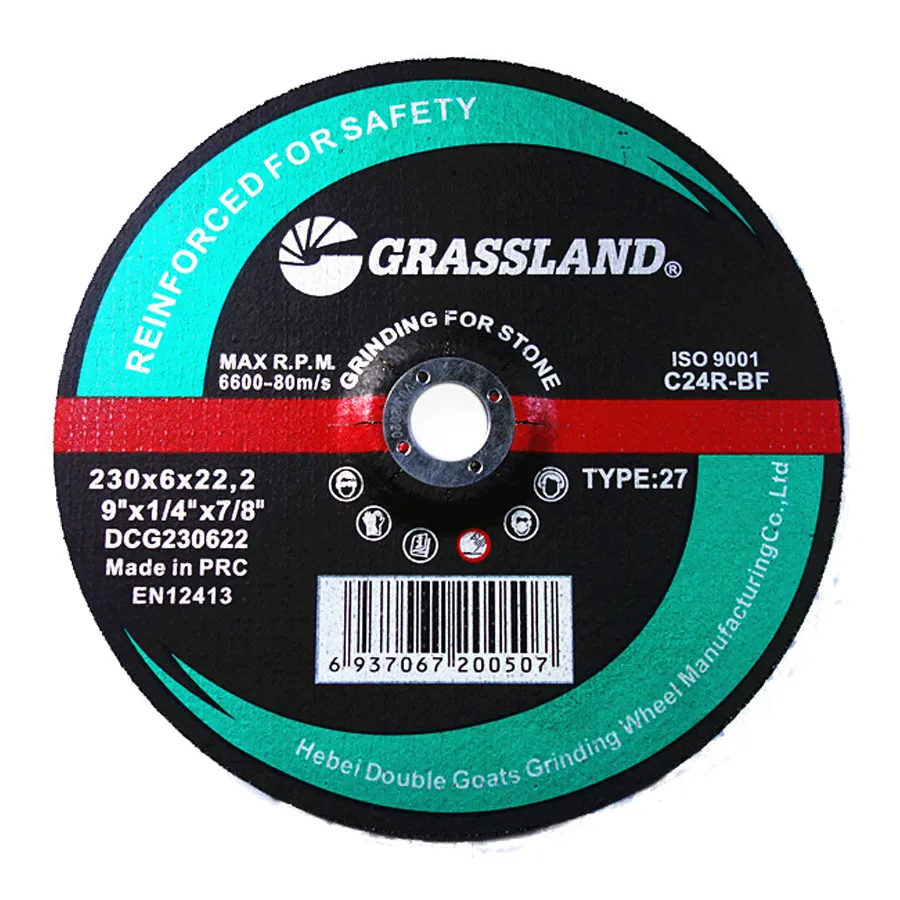
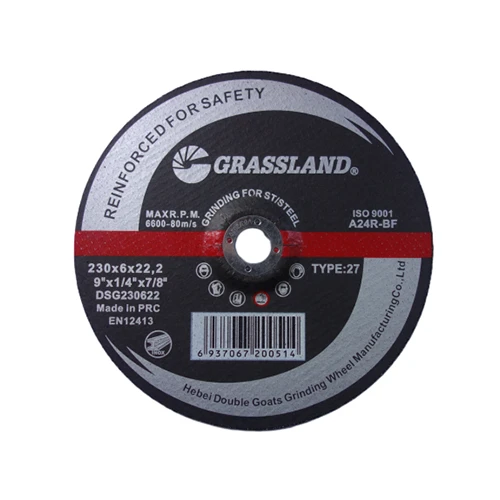
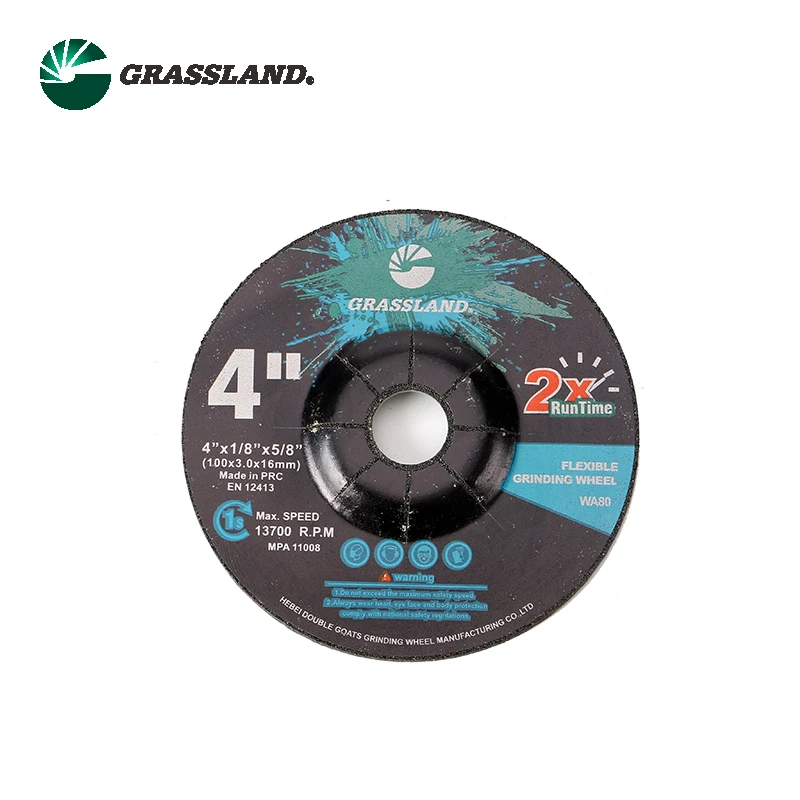
At its simplest, an angle grinder metal cutting disc is a circular, abrasive disk attached to an angle grinder — a handheld power tool. Made from composite materials such as aluminum oxide or zirconia alumina bound by resin, these discs are engineered to slice through metal quickly and cleanly. Unlike grinding wheels, cutting discs are thinner, allowing them to precisely slice rather than merely wear away material.
In practical terms, these discs empower workers to shape, trim, or dismantle metal parts, enhancing flexibility on the job. In humanitarian contexts — say, post-disaster reconstruction — the ability to rapidly cut metal for shelters or repair machinery has tangible, life-saving impacts.
Mini Takeaway:
These discs transform angle grinders from rough grinders into precise, fast-cutting powerhouses, enabling work that ranges from delicate finishing to heavy demolition.
Key Characteristics of an Effective Metal Cutting Disc
Durability
Engineers often highlight disc lifespan as a top priority. The cutting disc must withstand high rotational speeds (typically 10,000–13,000 RPM) and resist crumbling — a safety hazard. High-quality resin bonding and premium abrasive grains are crucial here.
Cutting Efficiency
Fast, clean cuts reduce labor time. Discs with thin profiles minimize material loss and heat buildup, preventing warping or damage to the workpiece — a delicate balance that manufacturers strive for.
Safety Features
For anyone who’s seen a disc shatter mid-cut, safety is everything. Modern discs often incorporate fiberglass mesh reinforcement to reduce fragmentation risk, and ISO standards (like ISO 8494) ensure discs meet minimum safety thresholds.
Compatibility
Angle grinders come in different sizes — 4 inch, 4.5 inch, 7 inch, etc. The cutting disc must match grinder arbor size, RPM rating, and intended material use.
Cost Efficiency
While OEM or branded discs cost more upfront, they often last longer and reduce downtime. Bulk purchases help industrial buyers maintain cost control.
| Specification | Details |
|---|---|
| Diameter | 115 mm (4.5 inch), 125 mm (5 inch), 230 mm (9 inch) |
| Material | Aluminum oxide, zirconia alumina |
| Rotation Speed | Up to 13,300 RPM |
| Thickness | 1.0 - 1.6 mm |
| Max Operating Speed | 80 m/s (meters per second) |
Mini Takeaway:
Finding the right balance of speed, strength, and safety makes all the difference in the tool’s everyday performance.
Where Are These Discs Actually Used?
From sprawling shipyards in South Korea to the rust belt of the American Midwest, the angle grinder metal cutting disc sees action every day. Heavy industries like automotive manufacturing employ them to pare down sheet metal, while construction workers rely on them for everything from rebar cutting to steel pipe shaping.
Oddly enough, NGOs and disaster relief teams also use these discs extensively. In post-earthquake Japan, rapid removal of metal debris was critical to rescue infrastructure restoration. Similarly, in remote mining sites in Africa, quick repairs to metal hardware minimize downtime and avoid costly delays.
The global spread is impressive — from industrial hubs in Germany and China to small workshops in India and Brazil, this tool and its discs underpin metalwork.
Mini Takeaway:
Versatile and reliable, the angle grinder metal cutting disc is a tool that truly knows no border; it’s adapted and cherished worldwide.
Advantages and Why They Matter Long-Term
- Cost Savings: Faster cuts mean fewer labor hours and less tool wear.
- Sustainability: Efficient discs produce less waste and permit reuse of metal scraps.
- Safety: Reinforced discs reduce injury risk, enhancing worker trust and dignity on the job.
- Innovation: Each generation of discs pushes material science boundaries — smarter, greener production.
From a human perspective, these discs translate into better working conditions and, frankly, peace of mind. After all, a safer cut might just mean a safer journey home to family.
Emerging Trends: The Future of Metal Cutting Discs
We’re witnessing ongoing R&D focused on eco-friendliness: discs that use synthetic abrasives with less environmental impact, or biodegradable resins. Digitally enhanced grinders even allow real-time monitoring of disc wear, a bit like a “fitness tracker” for your tools.
Automation and robotic welders incorporate angle grinder discs for pre-weld surface prep, increasing precision. Plus, regulatory pressures demand better standards—ISO updates continually refine safety certifications.
Challenges and How Industry Tackles Them
Cutting discs face wear-and-tear, safety risks if handled improperly, and sometimes compatibility issues with newer grinders. To overcome these:
- Training programs emphasize safe handling and replacement schedules.
- Innovative materials reduce fragility but keep cutting efficiency high.
- Manufacturers work closely with power tool brands to ensure seamless compatibility.
Honestly, it’s a slow climb, but each improvement saves hours of downtime and reduces injury rates.
FAQ: Your Burning Questions About Angle Grinder Metal Cutting Discs
- What types of metals can angle grinder cutting discs handle?
- They’re designed to cut ferrous metals such as steel and iron, but many are also rated for non-ferrous metals like aluminum and copper. Always check manufacturer specs to match disc type with material.
- How long does a typical cutting disc last?
- Disc lifespan depends on usage, material hardness, and disc quality. For medium use, expect 20–30 metal cuts per disc. Heavy industrial applications might require more frequent changes.
- Are cutting discs safe to use for DIY projects?
- Yes, provided you use the correct disc size for your grinder, wear protective gear, and follow instructions. Never force the disc or use damaged discs—safety first!
- Can these discs be reused after one cut?
- Generally, no. Cutting discs wear down with each cut and lose effectiveness, so it’s best to replace them after their lifespan is reached to maintain safety and quality.
- Where can I find quality angle grinder metal cutting discs?
- Trusted suppliers like cutoffdiscs.com offer certified, tested discs tailored for industry and hobbyists alike.
Vendor Comparison: Choosing the Right Cutting Disc Supplier
| Vendor | Disc Variety | Price Range (per pack) | Certifications | Customer Support |
|---|---|---|---|---|
| CutOff Discs | Standard, heavy-duty, stainless steel | $15–$40 | ISO 9001, EN 12413 | 24/7 dedicated support |
| MetalEdge Tools | Economy & pro-grade, multi-material | $10–$35 | ANSI, CE | Business hours only |
| ProCut Abrasives | High-performance specialty discs | $25–$50 | ISO 9001, FDA (for metal food containers) | Extensive knowledge base & training |
Wrapping It Up
At the heart of metal cutting, the angle grinder metal cutting disc may seem small and unassuming, but it drives huge gains in efficiency, safety, and sustainability everywhere from giant shipyards to backyard workshops. Its continued innovation means smarter, safer cuts are just around the corner. If you’re looking for reliability and quality to power your projects, checking out vendors like cutoffdiscs.com could be a perfect first step.
So, next time you’re geared up to tackle metal, remember — the disc you choose can mean the difference between a good cut and a game changer.
References & Further Reading
Post time:Nov - 29 - 2025