Understanding the Disc Grinder for Metal: A Global Perspective
When you think about metal fabrication or repair, one tool quietly powers countless projects worldwide — the disc grinder for metal. From bustling shipyards in Asia to family-run auto shops in Europe, metalworking relies heavily on these versatile grinders. But why does it matter globally? Well, as industrial growth booms and infrastructure keeps evolving, efficient metal processing becomes essential not just for manufacturing, but for rebuilding, innovation, and sustainable maintenance.
Simply put, knowing how disc grinders work and what sets the best apart is key for industries aiming to optimize quality and speed. They reduce manual labor and make metal shaping and finishing smoother. It’s a tool that’s fundamental yet often overlooked — kind of like the unsung hero in every steel beam or metal part you come across.
Setting the Stage: Why the Disc Grinder for Metal Is More Relevant Than Ever
According to the International Organization for Standardization (ISO), the global metal fabrication market is expected to grow by over 4% annually over the next five years. This rapid expansion is driven by demand in construction, automotive, aerospace, and even disaster relief sectors. But there’s a challenge — traditional grinding methods can waste material and time, scaling up costs and environmental impact.
With this in mind, the disc grinder for metal is gaining attention for its precision and adaptability. These tools let craftsmen and engineers process metals with remarkable accuracy, reducing waste while boosting productivity. This is especially critical in regions relying on small-scale metalworking, where efficiency translates into livelihoods.
What Exactly Is a Disc Grinder for Metal?
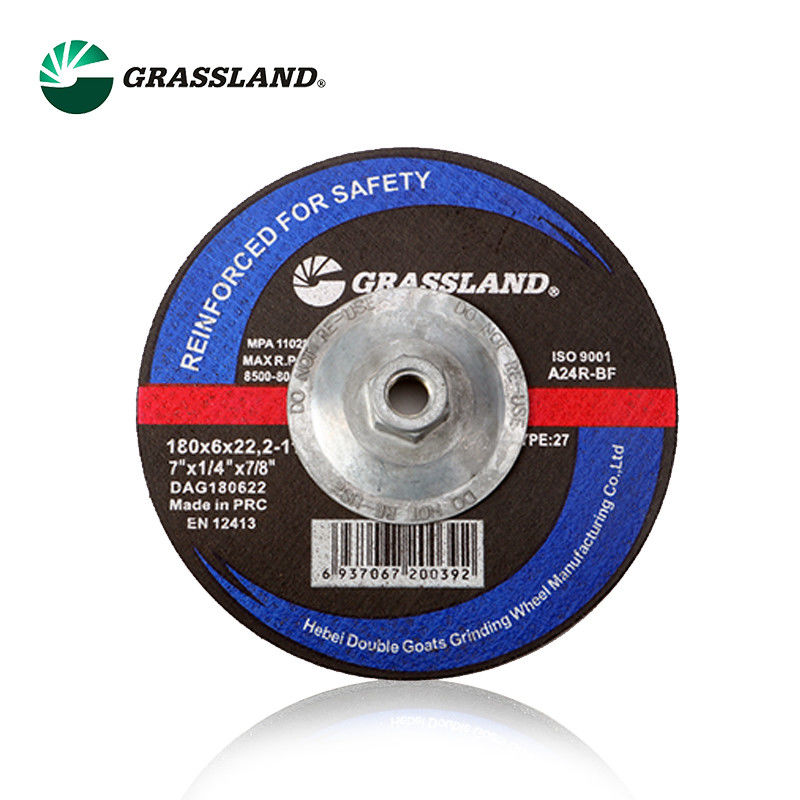
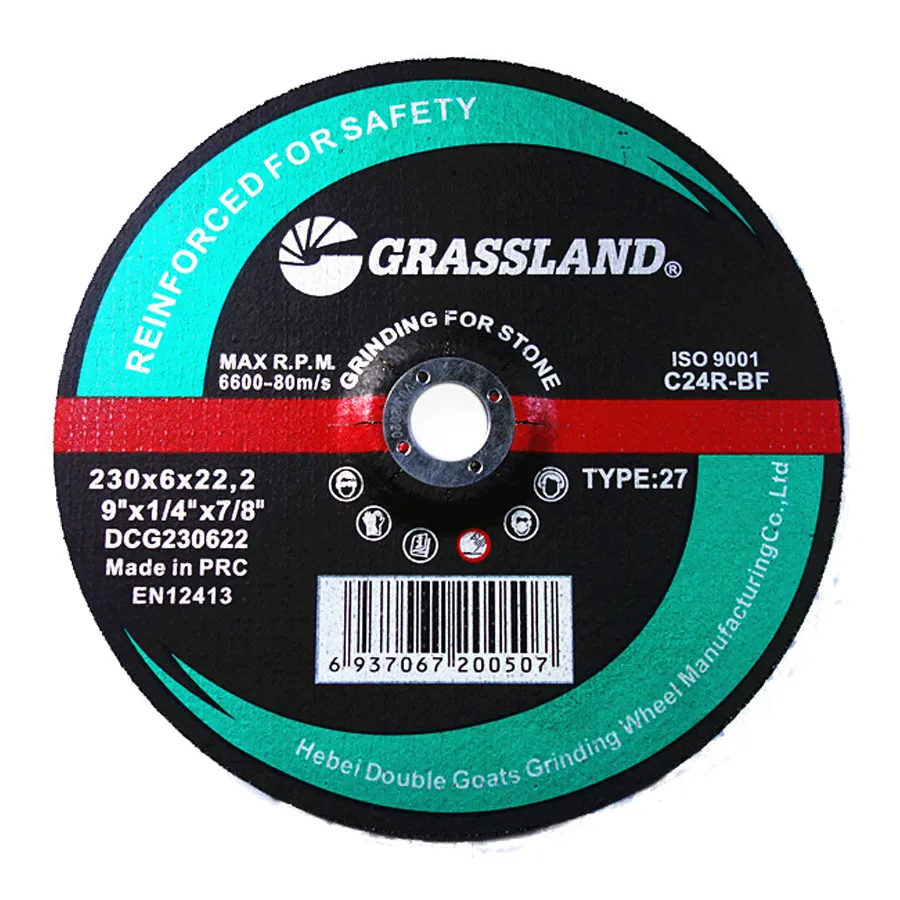
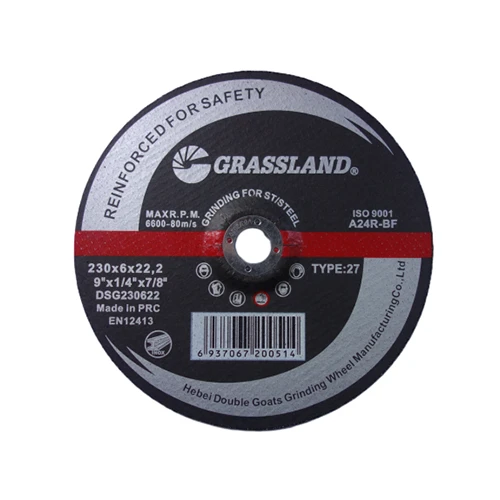
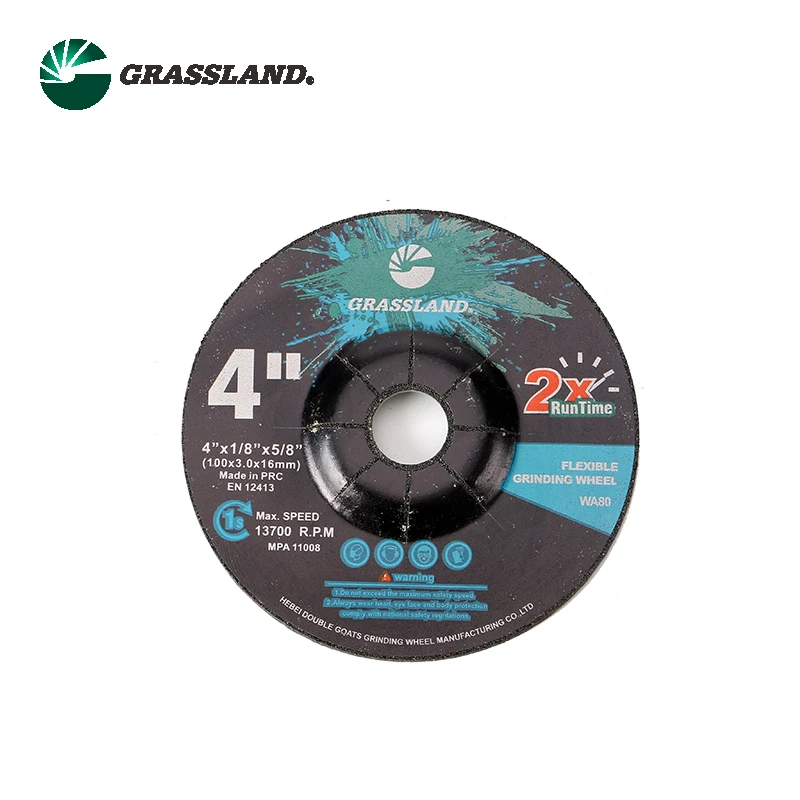
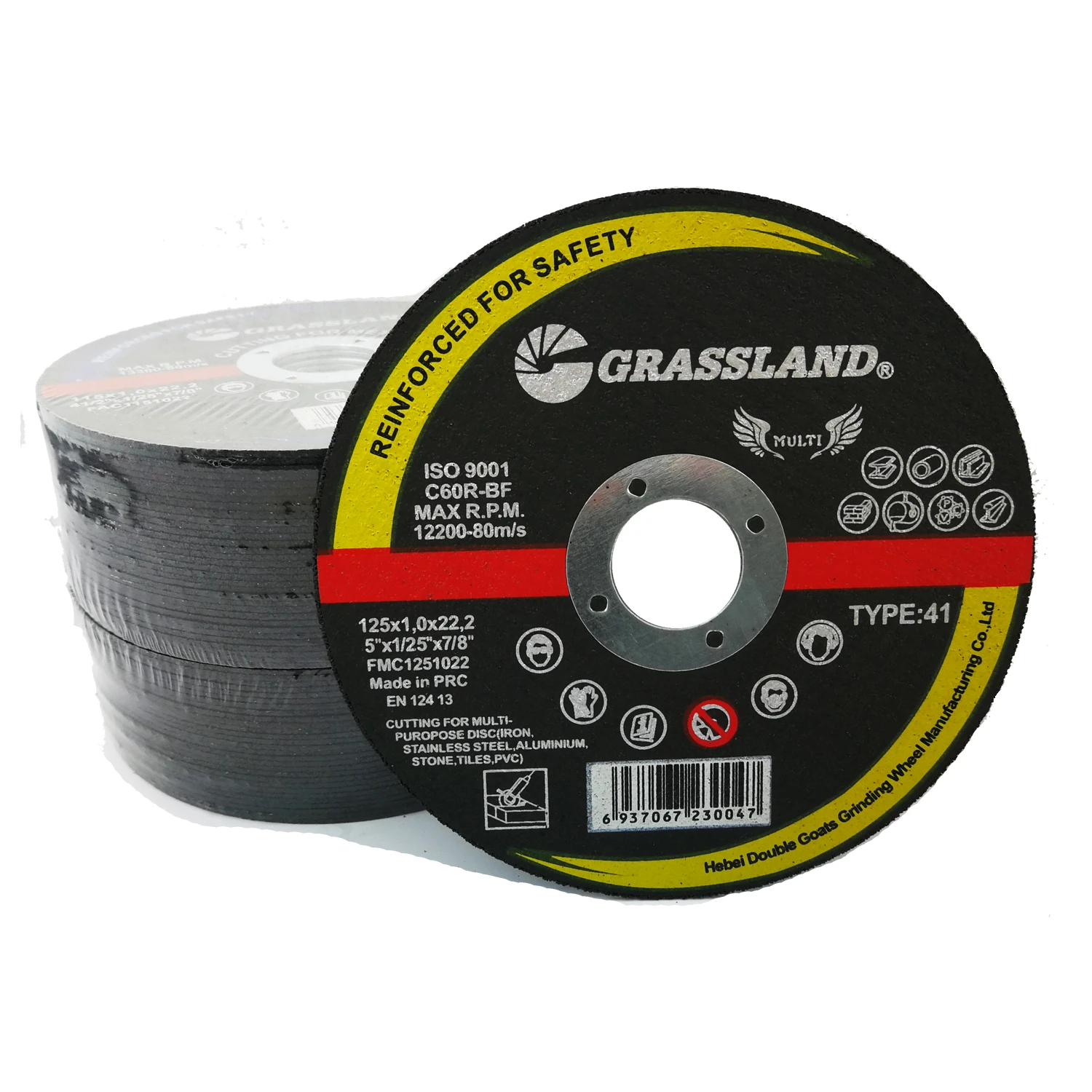
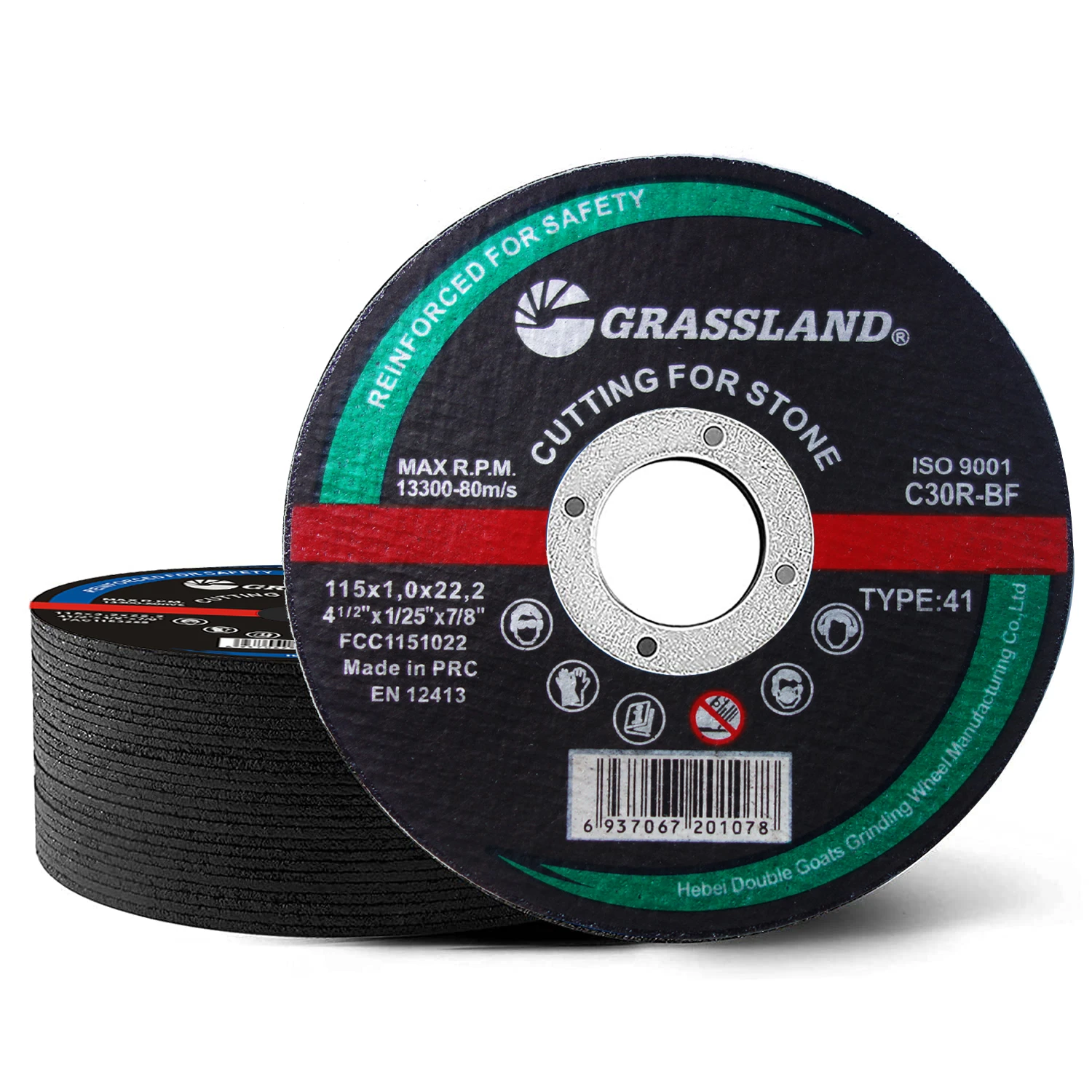
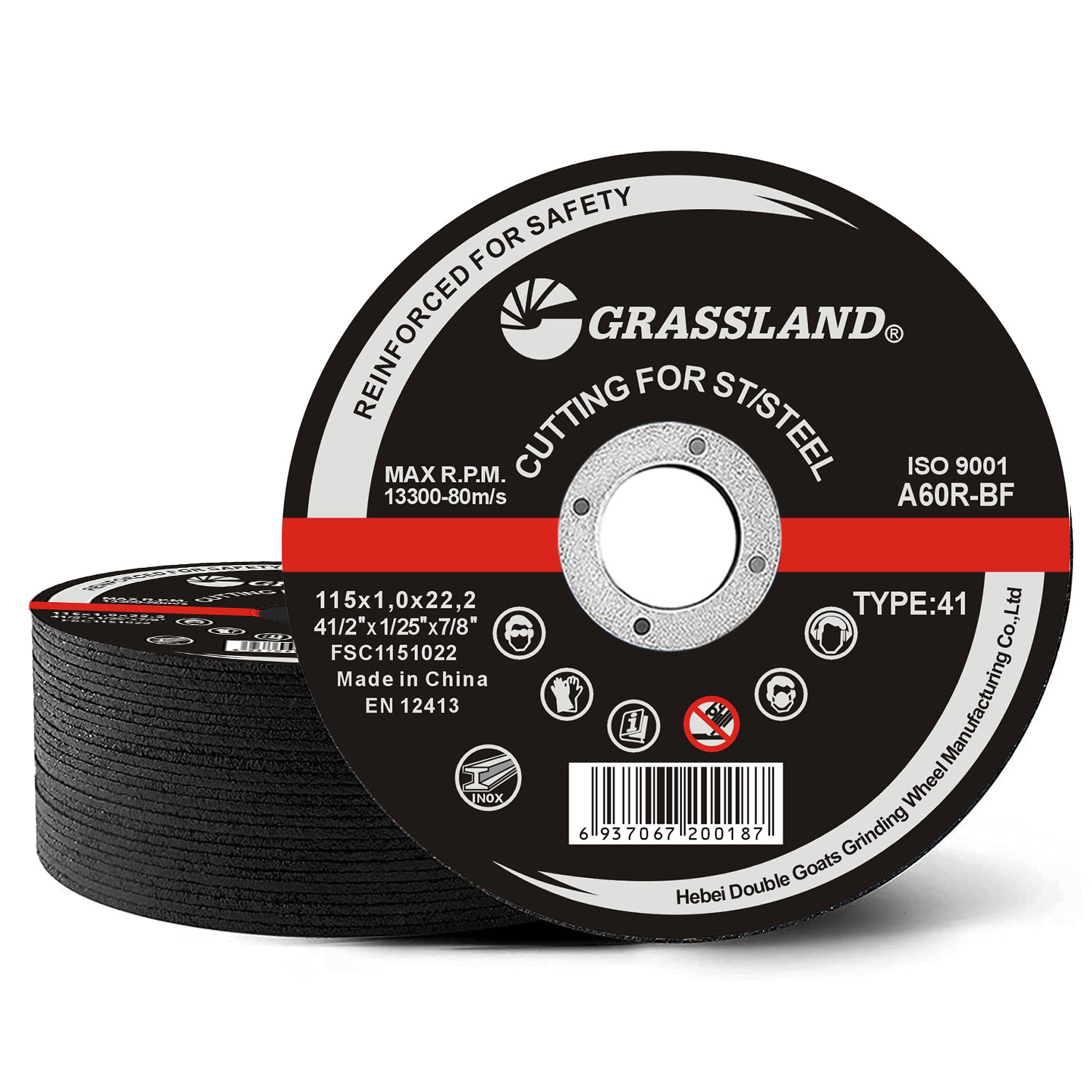
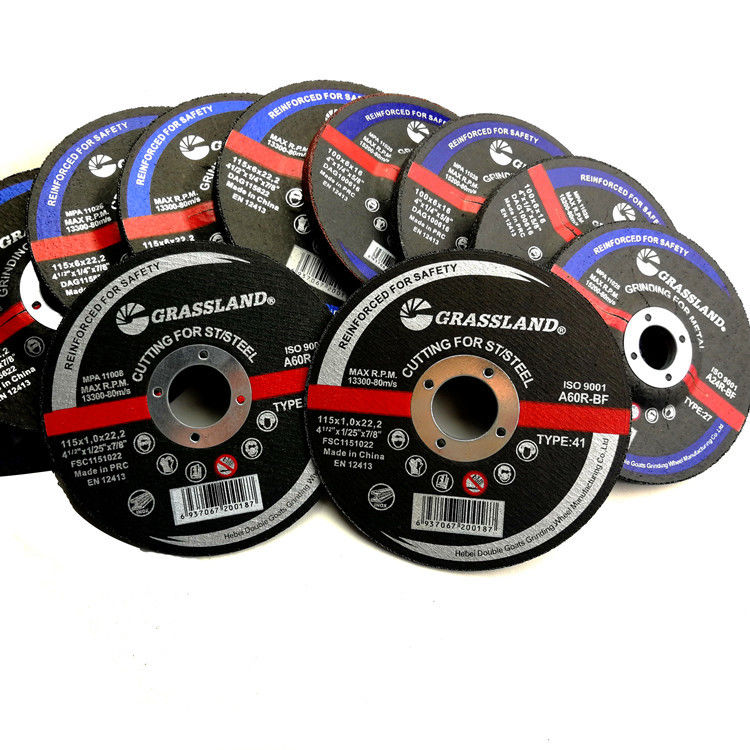
At its heart, a disc grinder is a handheld or stationary power tool equipped with a rotating abrasive disc — usually made from materials like aluminum oxide or silicon carbide. When you press the disc against a metal surface, it quickly removes unwanted material, shapes rough edges, or polishes finishes. If you’re new to metalworking, think of it as the 'razor' that smooths out the tough, unrefined parts of steel or iron until they’re fit for purpose.
These grinders tie into many modern industries. For example, in emergency rebuilding scenarios after natural disasters, metal components need fast, reliable finishing to be assembled into temporary shelters or infrastructure. The disc grinder speeds up that process dramatically.
Core Components That Make a Disc Grinder Tick
1. Power Source and Motor
Disc grinders primarily operate on electric motors, either corded or battery-powered. The motor wattage—typically between 500W to 2000W—influences the grinder’s cutting strength and speed.
2. Abrasive Disc
These come in various diameters and grit levels, tailored by material type and task—cutting, grinding, or polishing. For metal, the discs are usually made of tough, heat-resistant materials.
3. Speed Control
Variable speed settings (measured in RPM) allow precision handling; slower speeds are better for delicate polishing, higher speeds for aggressive grinding.
4. Durability and Ergonomics
In high-demand environments, grinders must withstand heat and frequent use. Comfortable grips and dust guards make long shifts manageable and safe.
5. Safety Features
Disc guards, spindle locks, and anti-vibration handles reduce accident risks, an essential factor where heavy duty work meets tight deadlines.
Mini takeaway: The combination of power, disc type, speed versatility, durability, and safety features defines a disc grinder’s effectiveness on metal.
Where Around the World Are Disc Grinders Making a Difference?
Metalworking spans every continent, but certain sectors highlight the disc grinder’s importance:
- Asia: Rapid infrastructure development means heavy use in fabrication yards.
- Africa: Post-disaster reconstruction and local workshops rely on robust, easy-to-use grinders.
- Europe: Precision engineering and automotive industries demand high-performance tools.
- North America: Energy sector maintenance and manufacturing plants frequently deploy disc grinders for metal processing.
For instance, in the aftermath of a flood in Southeast Asia, NGOs swiftly repaired metal frameworks for shelters using portable disc grinders, accelerating relief efforts.
Advantages That Keep Professionals Coming Back
Why do so many craftsmen swear by their disc grinders? Here’s the gist:
- Cost Efficiency: They reduce time spent manually filing, which lowers labor costs.
- Sustainability: Precision grinding decreases scrap and waste.
- Safety: Ergonomic designs help prevent repetitive strain injuries.
- Reliability: Long-lasting parts reduce replacement expenses.
- Emotional satisfaction: It feels good to produce smooth, professional-quality results quickly and confidently.
Future Trends: What’s Next for Disc Grinders?
It’s exciting to see how manufacturers are innovating—incorporating lighter, more durable composites; smart motors that adjust speed based on load; and eco-friendly battery packs minimizing carbon footprints. Automation and IoT-enabled diagnostics are beginning to show promise, helping operators monitor tool health in real time.
Green technology is also influencing wear materials for discs to extend lifespan without toxic components, a nod toward sustainability in heavy industries.
Common Challenges—and How Experts Suggest Tackling Them
Despite their many benefits, disc grinders do pose hurdles, especially in harsher conditions:
- Heat buildup can degrade discs quickly.
- Accessibility issues when working on tight metal corners.
- Operator fatigue during extended use of heavier models.
Solutions include improved disc materials that dissipate heat, more compact grinder designs, and enhanced ergonomic support. Some workshops even rotate operators to avoid strain.
Frequently Asked Questions About Disc Grinder for Metal
- Q1: What disc size is best for general metal grinding?
- A common and versatile size is 4.5 inches (115mm). It balances maneuverability with effective surface coverage, perfect for most metal fabrication tasks.
- Q2: Can a disc grinder cut through thick metal plates?
- Yes, but it depends on the motor power and disc type. For thicker plates, a disc grinder with at least 1500W motor and a cutting disc designed for heavy metal is recommended.
- Q3: How often should abrasive discs be replaced?
- Discs wear down based on usage and material hardness but typically after 20-30 hours of grinding. Inspect for cracks or thinning regularly to avoid accidents.
- Q4: Are cordless disc grinders effective for metalwork?
- Modern cordless grinders with lithium-ion batteries deliver impressive power and runtime, ideal for remote jobs or quick touch-ups without access to power sockets.
- Q5: What safety gear is needed when using a disc grinder?
- At minimum, use safety goggles, gloves, ear protection, and a dust mask to protect against sparks, noise, and metal debris.
Disc Grinder for Metal: A Quick Tech Snapshot
| Specification | Details |
|---|---|
| Motor Power | 500W - 2000W |
| Disc Diameter | 4" - 9" |
| Speed Range | 2,800 - 11,000 RPM |
| Weight | 1.5 - 4.5 kg |
| Power Source | Corded Electric / Cordless Battery |
| Safety Features | Disc Guard, Spindle Lock, Vibration Control |
Comparing Top Vendors of Disc Grinders for Metal
| Brand | Power (W) | Disc Sizes | Key Feature | Price Range (USD) |
|---|---|---|---|---|
| Makita | 850 - 1100 | 4.5", 7" | Ergonomic grip & low vibration | $70 - $180 |
| DeWalt | 900 - 1500 | 4.5", 9" | Brushless motor & LED indicator | $100 - $250 |
| Bosch | 700 - 1200 | 4.5", 6", 7" | Easy disc change & safety lock | $80 - $200 |
Wrapping Up: Why Disc Grinders for Metal Remain Indispensable
It kind of feels like the disc grinder is one of those classic tools that quietly takes on today’s challenges and tomorrow’s innovations simultaneously. The balance of power, precision, and portability these tools provide is invaluable globally — whether you’re fixing a bridge in Brazil or crafting a prototype in Germany.
As materials improve and digital tech grows more sophisticated, the humble disc grinder for metal only becomes smarter and more sustainable. For anyone serious about metalworking, it’s worth diving deeper. Curious? Visit our website at disc grinder for metal to explore a curated range of products tailored to your needs.
Here’s to smoother finishes and stronger metalwork!
References
Post time:Nov - 29 - 2025