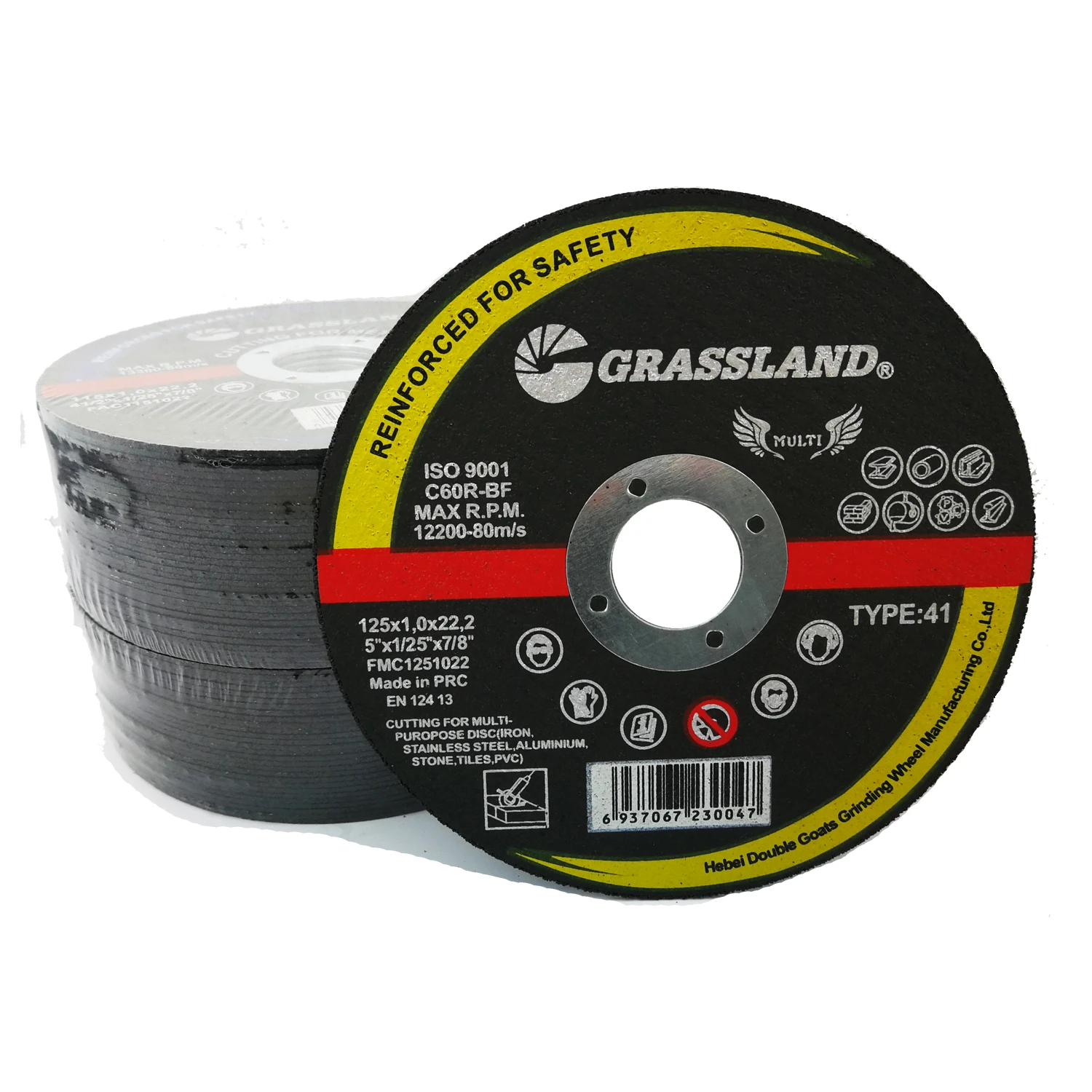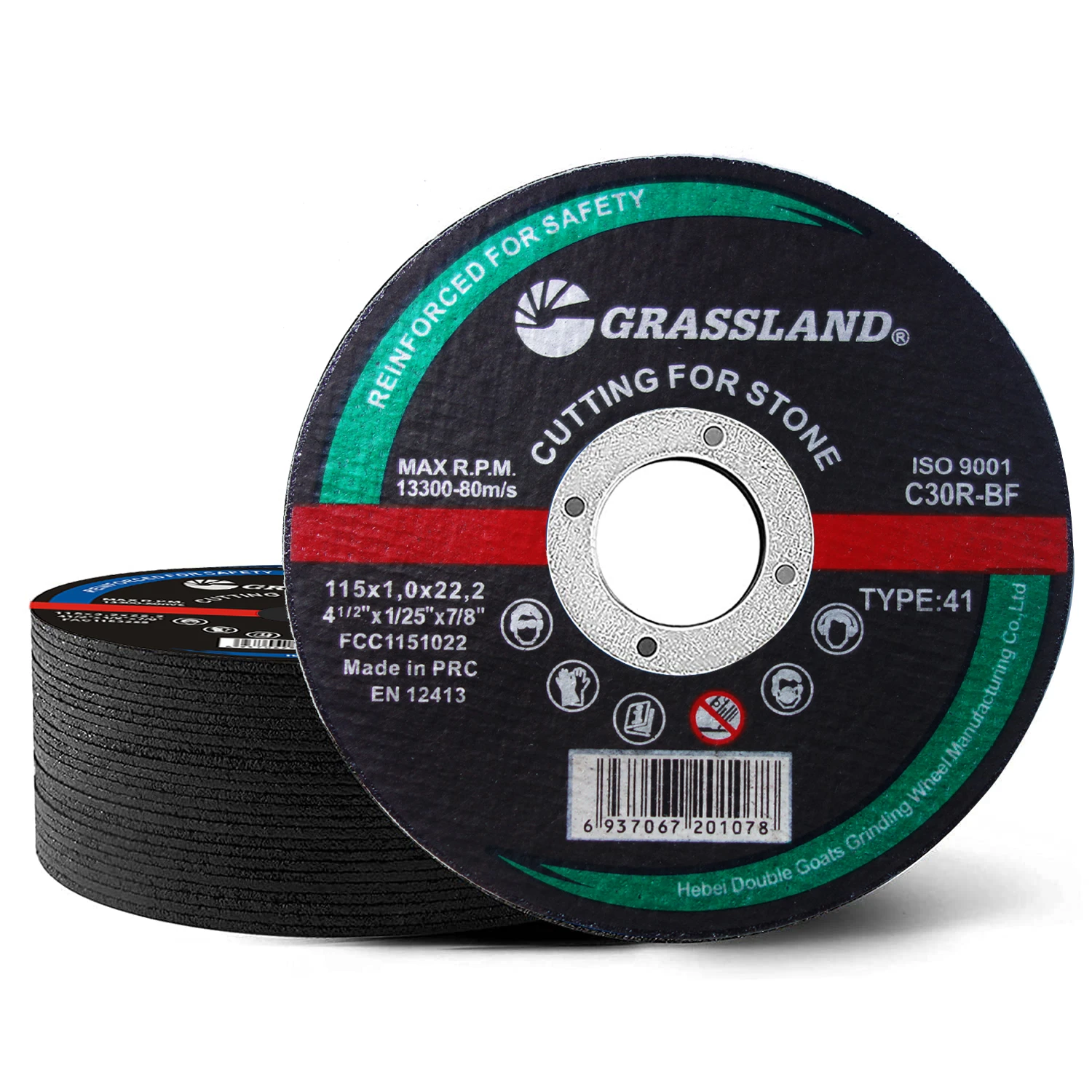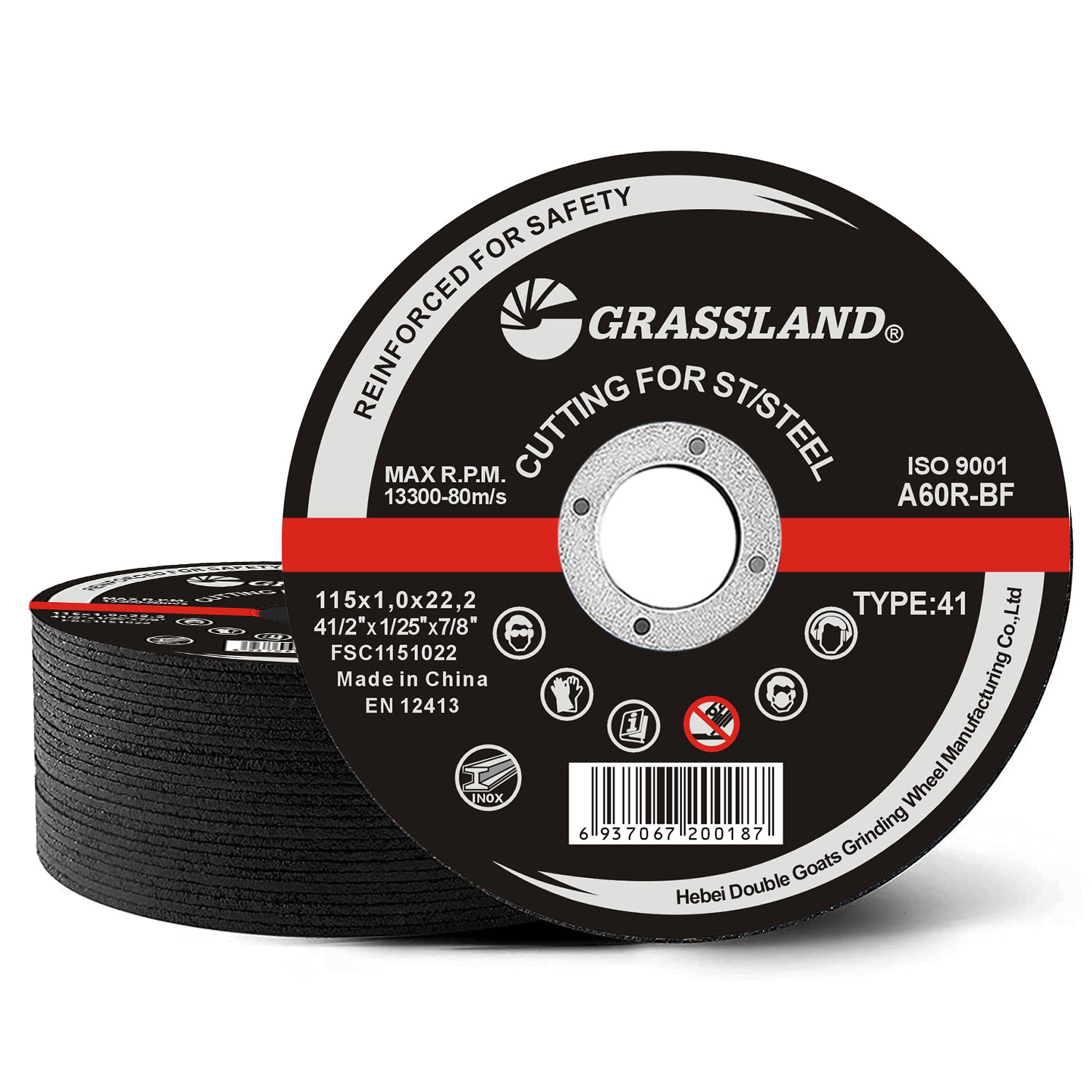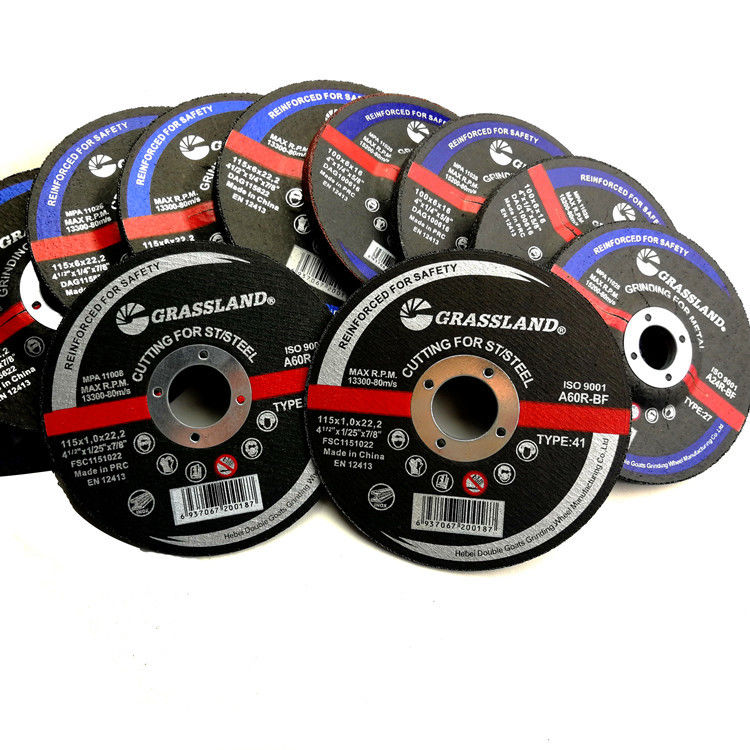
Cutting Wheel for Cast Iron: Essential Tool for Precision and Efficiency
When you think about cutting metal, especially something as dense and brittle as cast iron, the first thing you need is the right tool — a cutting wheel for cast iron. It might sound basic, yet it’s a critical component widely used across industries, from manufacturing plants to construction sites, and even in artisan workshops. Understanding the intricacies of these cutting wheels doesn’t just help operators perform better but also influences sustainability, cost, and safety worldwide.
Global Context: Why Cutting Wheels for Cast Iron Matter
Cast iron remains a go-to material around the globe, thanks to its durability and heat resistance. According to industry data, over 10 million tons of cast iron components are produced annually worldwide. But cutting or shaping cast iron isn’t straightforward — it requires precision tools designed to withstand its hardness and brittleness.
Major challenges include preventing cracks or fractures during cutting, reducing downtime from wheel wear, and ensuring operator safety. The cutting wheel designed specifically for cast iron addresses these issues head-on — diminishing waste, speeding up production, and boosting reliability.
Mini takeaway: Globally, the right cutting wheels enable industries to use cast iron efficiently, minimizing material waste and operational risks.
What Exactly Is a Cutting Wheel for Cast Iron?
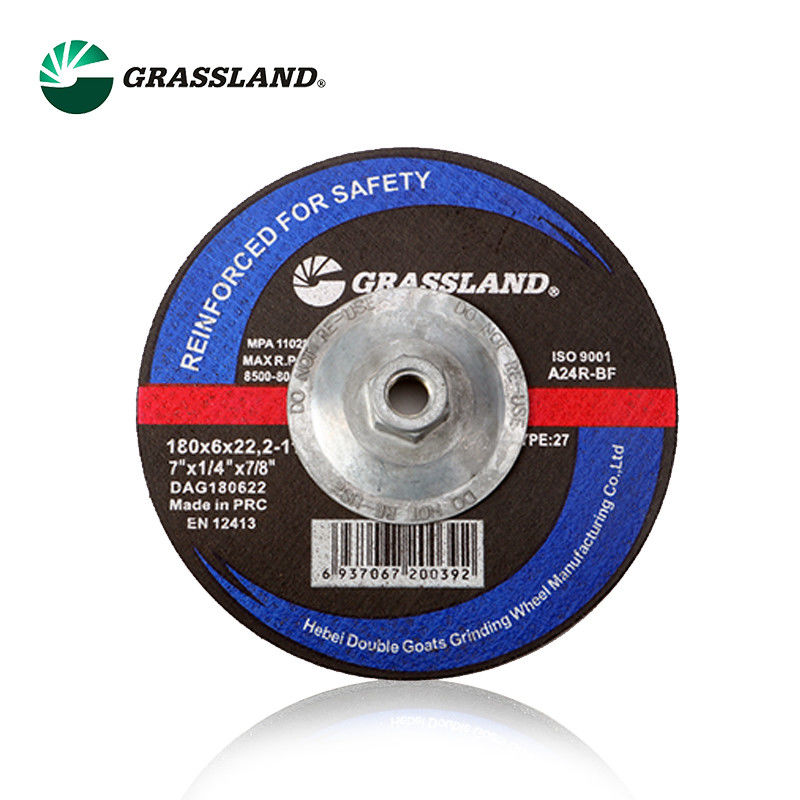
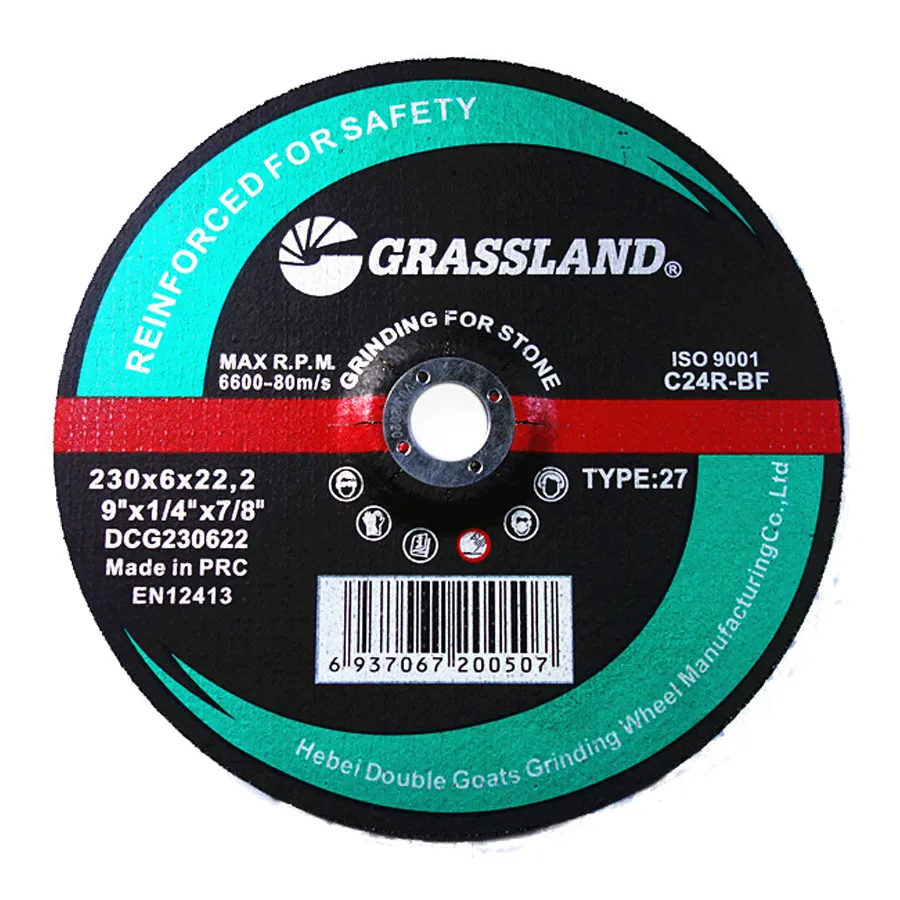
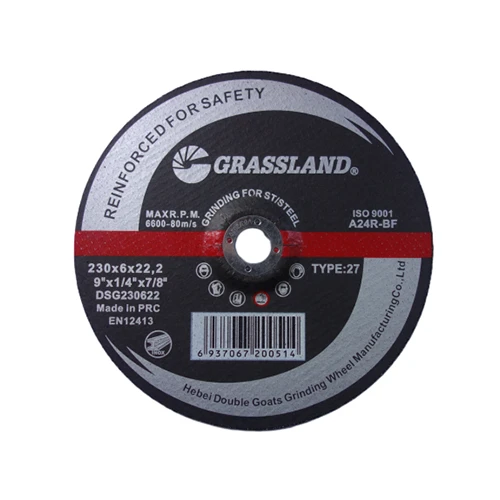
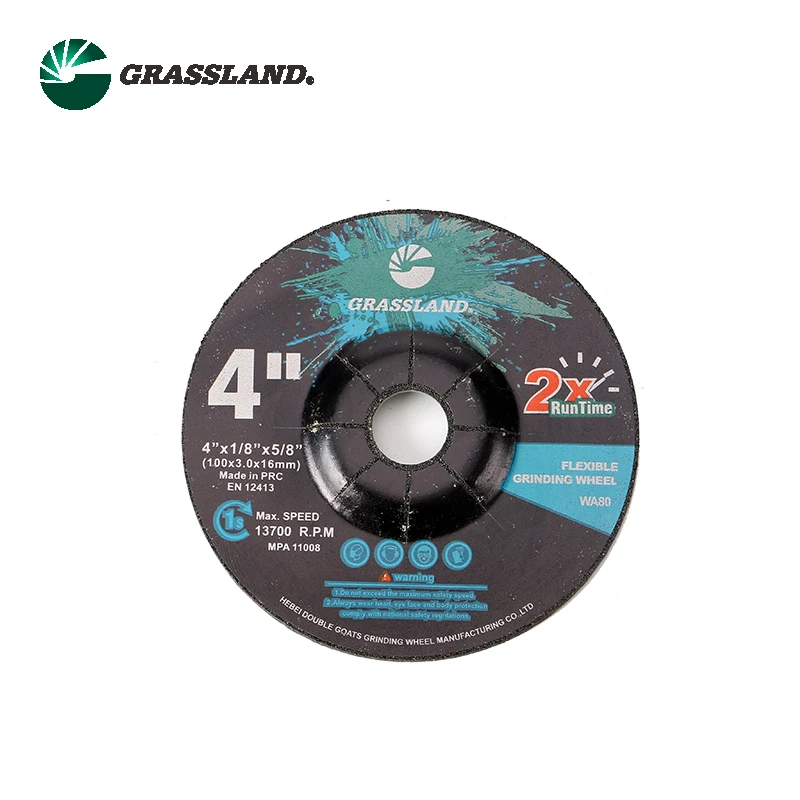
Simply put, a cutting wheel for cast iron is an abrasive disc engineered to slice through cast iron materials smoothly. Unlike generic cutting discs, these wheels consist of specialized abrasive grains and bonding agents tailored to counter cast iron's tough and brittle nature. They provide clean, controlled cuts while minimizing heat buildup which can cause material defects.
In modern industry, these cutting wheels are essential for manufacturing sectors like automotive, plumbing, and heavy machinery — anywhere cast iron pipes, blocks, or components need precision cutting or shaping. Even on humanitarian fronts, quick and reliable cutting wheels help in disaster relief, allowing rapid repair or dismantling of cast iron structures.
Mini takeaway: Cutting wheels customized for cast iron combine material science and engineering to meet practical industry and field needs.
Core Components and Key Factors of Cutting Wheels for Cast Iron
1. Abrasive Material
The abrasive grains usually are aluminum oxide or silicon carbide, known for their hardness and heat resistance. Choosing between them depends on the type of cast iron and desired finish.
2. Bonding Agent
The strength of the bond holding abrasive grains together affects the wheel’s lifespan and cutting smoothness. Resin bonds are common, balancing toughness and flexibility.
3. Wheel Thickness and Diameter
Thicker wheels last longer but generate more heat; thinner ones give cleaner cuts but may wear quickly. Diameter impacts cutting depth and tool compatibility.
4. Speed Rating
Every wheel is engineered to safely operate at certain RPMs — exceeding this can cause accidents or wheel failure.
5. Compatibility
Wheels must fit specific power tools like angle grinders or cutoff saws, making the right size and arbor important.
6. Durability and Heat Dissipation
Good cutting wheels resist wear and efficiently dissipate heat, reducing risk of premature damage.
| Feature | Description |
|---|---|
| Diameter | 100 - 230 mm (4" to 9") |
| Thickness | 1 mm - 3 mm |
| Abrasive | Aluminum Oxide / Silicon Carbide |
| Bond type | Resin bonded |
| Max RPM | 6,600 - 13,300 |
Global Applications & Real-World Use Cases
- Manufacturing Plants: Precision cutting of cast iron engine blocks and machine parts in Europe and Asia.
- Construction & Plumbing: Cutting heavy cast iron pipes during urban infrastructure upgrades in North America.
- Shipbuilding & Heavy Equipment: Onsite repair of cast iron machinery components in shipyards worldwide.
- Disaster Relief: Efficient dismantling of damaged cast iron structures after earthquakes or floods. NGOs leverage reliable cutting wheels to restore order quickly.
In odd, remote industrial zones, availability of durable cutting wheels for cast iron can literally make or break project timelines — frustrating delays turn into lean operations.
Mini takeaway: Cutting wheels for cast iron empower a variety of global industries, from precision manufacturing to urgent humanitarian operations.Advantages and Long-Term Value
Using the right cutting wheel improves:
- Cost Efficiency: Less frequent tool replacement cuts operational expenses.
- Sustainability: Reduced waste and fewer discarded wheels mean a smaller environmental footprint.
- Safety: Properly rated wheels maintain stability and minimize accidents.
- Precision: Cleaner cuts reduce rework and improve final product quality.
- Operator Confidence: Knowing your tool performs consistently lends peace of mind.
Your team can feel proud wielding tools that combine innovation with reliability — and frankly, that trust matters more than you may realize.
Future Trends & Innovations in Cutting Wheels for Cast Iron
Emerging advancements include:
- Eco-Friendly Materials: Research into bio-resin binders and recyclable abrasive grains to lessen environmental impact.
- Smart Tool Integration: Sensors embedded to monitor wear or overheating, linked via IoT to maintenance systems.
- Laser-Assisted Cutting Wheels: Combining abrasive cutting with laser to improve speed and reduce heat.
- Customization for Automation: Wheels tailored for robotic arms prevalent in modern factories.
Additionally, global standards like ISO 25201 are pushing for higher quality benchmarks, which means manufacturers innovate not just for performance but also compliance.
Mini takeaway: The future promises smarter, greener, and more adaptive cutting wheels, redefining industry benchmarks.Challenges & How Experts Tackle Them
Common issues include wheel wear, overheating, and compatibility problems. Sometimes, operators use generic wheels on cast iron and face premature breaks or poor finishes.
Experts suggest:
- Strict adherence to machine and material specs.
- Frequent training on proper cutting angles and speeds.
- Leveraging new materials and sensor tech for monitoring tool health.
- Regular inspection and quality control to catch defects early.
It’s not just about buying the “best” wheel, but using it right in context — that’s a kind of operational expertise companies must cultivate.
FAQ: Frequently Asked Questions About Cutting Wheels for Cast Iron
Q1: What makes a cutting wheel suitable specifically for cast iron?
A1: Cutting wheels for cast iron use abrasive materials and bonding agents optimized to handle cast iron’s hardness and brittleness, reducing cracking and heat buildup, unlike standard wheels.
Q2: How often should I replace cutting wheels when working on cast iron?
A2: Replacement depends on usage time, cut depth, and wheel type, but typically after visible wear, decreased cutting quality, or wheel diameter falling below safety limits. Regular inspection is key.
Q3: Can I use the same cutting wheel on other metals?
A3: Some wheels are multi-purpose but often less effective outside designed materials. Using the right wheel ensures safety and work quality, especially for cast iron, given its unique properties.
Q4: How do I ensure operator safety when using cutting wheels on cast iron?
A4: Use wheels rated for your tool’s RPM, wear protective gear, follow recommended cutting parameters, and regularly inspect wheels for cracks or damage before use.
Q5: Are eco-friendly cutting wheels available for cast iron?
A5: Yes, manufacturers are developing wheels with bio-based resins and recyclable abrasives, aiming to reduce environmental impact without sacrificing performance.
Vendor Comparison of Popular Cutting Wheels for Cast Iron
| Brand | Abrasive Type | Diameter (mm) | Max RPM | Price Range |
|---|---|---|---|---|
| CutMaster Pro | Aluminum Oxide | 115, 180, 230 | 13,300 | $$ |
| IronEdge Ultra | Silicon Carbide | 100, 125, 150 | 12,200 | $$$ |
| EcoCut Innovate | Bio-Resin Aluminum Oxide | 115, 180 | 11,500 | $$$ |
Conclusion: The Cutting Edge of Cast Iron Work
In real terms, a cutting wheel for cast iron is more than just a tool part — it’s a blend of material science, safety engineering, and practical functionality. The right wheel transforms tough challenges into smooth, efficient workflows, enhancing product quality and protecting users. As technology evolves, these wheels are becoming smarter, greener, and more user-focused, reflecting broader shifts in manufacturing and construction worldwide.
If you are in need of reliable, high-performance cutting wheels tailored for cast iron, don’t hesitate to visit cutting wheel for cast iron resources and product selections to keep your projects ahead of the curve.
Oddly enough, sometimes it’s the little discs doing the heaviest lifting — and understanding their nuances can make a big difference.
References:
1. Wikipedia - Cast Iron
2. ISO 25201 Standard for Cutting Discs - ISO.org
3. Global Metal Production Statistics - World Steel Association
Post time:Dec - 02 - 2025