Understanding the Cutting Metal Disc: Essential Tool for Modern Industry
Metal cutting has literally shaped the industrial world—no surprise there, right? At its core, the cutting metal disc is the unsung hero performing precise slicing and grinding tasks across countless sectors. Whether it’s construction, automotive repair, or manufacturing, these discs make fast, clean cuts possible where brute force alone would fail.
Given how ubiquitous metal fabrication is—globally the manufacturing sector accounts for about 16% of GDP according to the World Bank—knowing your way around cutting metal discs is pretty important. They can boost productivity, reduce waste, and improve safety alike.
Quick takeaway:
- The cutting metal disc is vital in various industries worldwide.
- Its efficiency supports extensive global manufacturing and repair jobs.
Global Context: Why the Cutting Metal Disc Matters
It may sound niche, but cutting metal discs play a critical role in supporting the $15 trillion industrial economy worldwide. The International Organization for Standardization (ISO) sets rigorous standards for these discs to ensure consistency, safety, and performance. However, many emerging markets struggle with access to high-quality tools, impacting infrastructure development and economic growth.
Moreover, in disaster recovery situations, like earthquakes or floods, having reliable cutting tools enables rapid debris clearance and rebuilding efforts — directly affecting human safety and dignity.
Summary:
- ISO standards back quality and safety in cutting metal discs.
- Access to good discs can influence development in emerging economies.
- Disaster relief operations benefit directly from dependable cutting tools.
What Is a Cutting Metal Disc, Exactly?
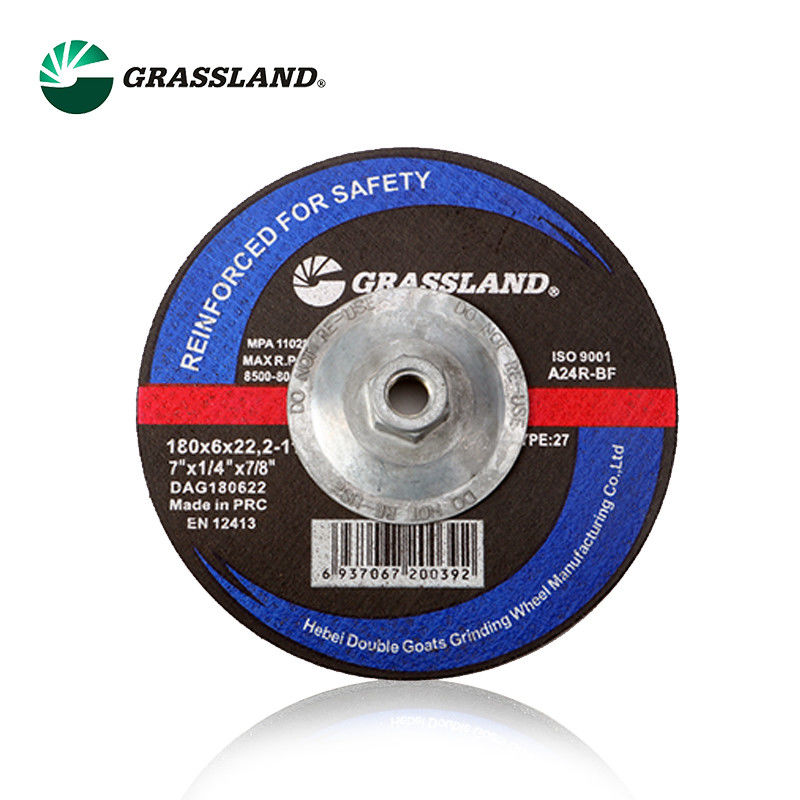
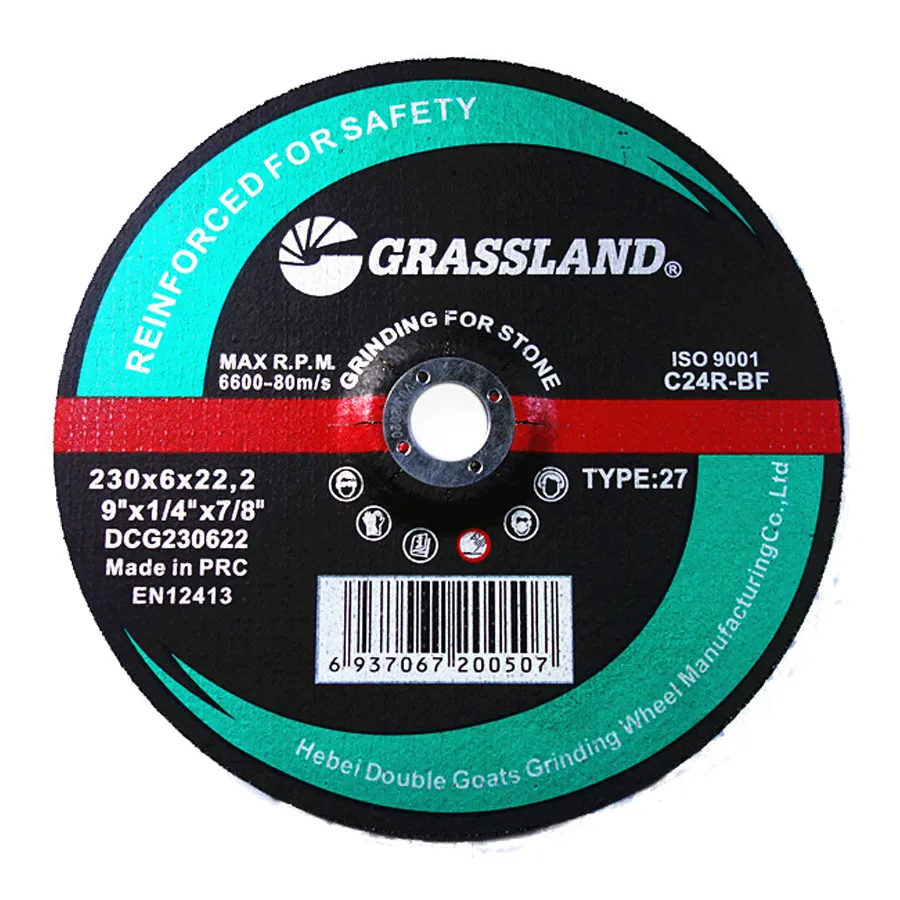
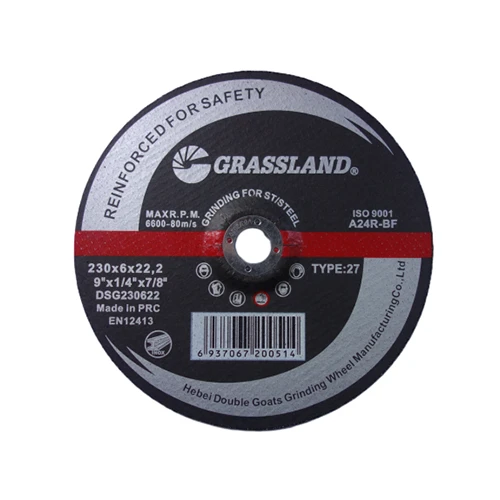
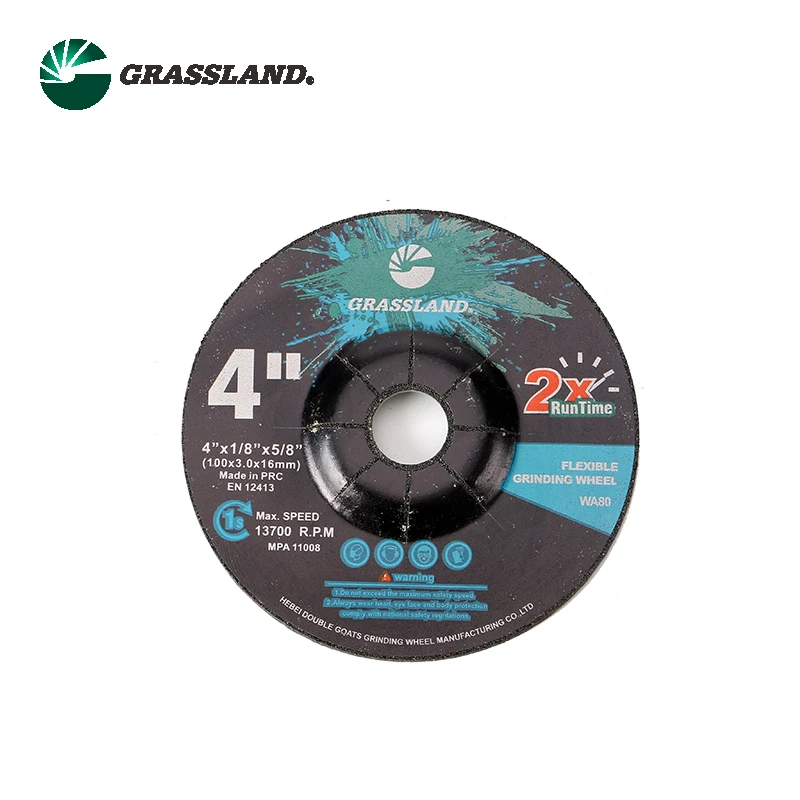
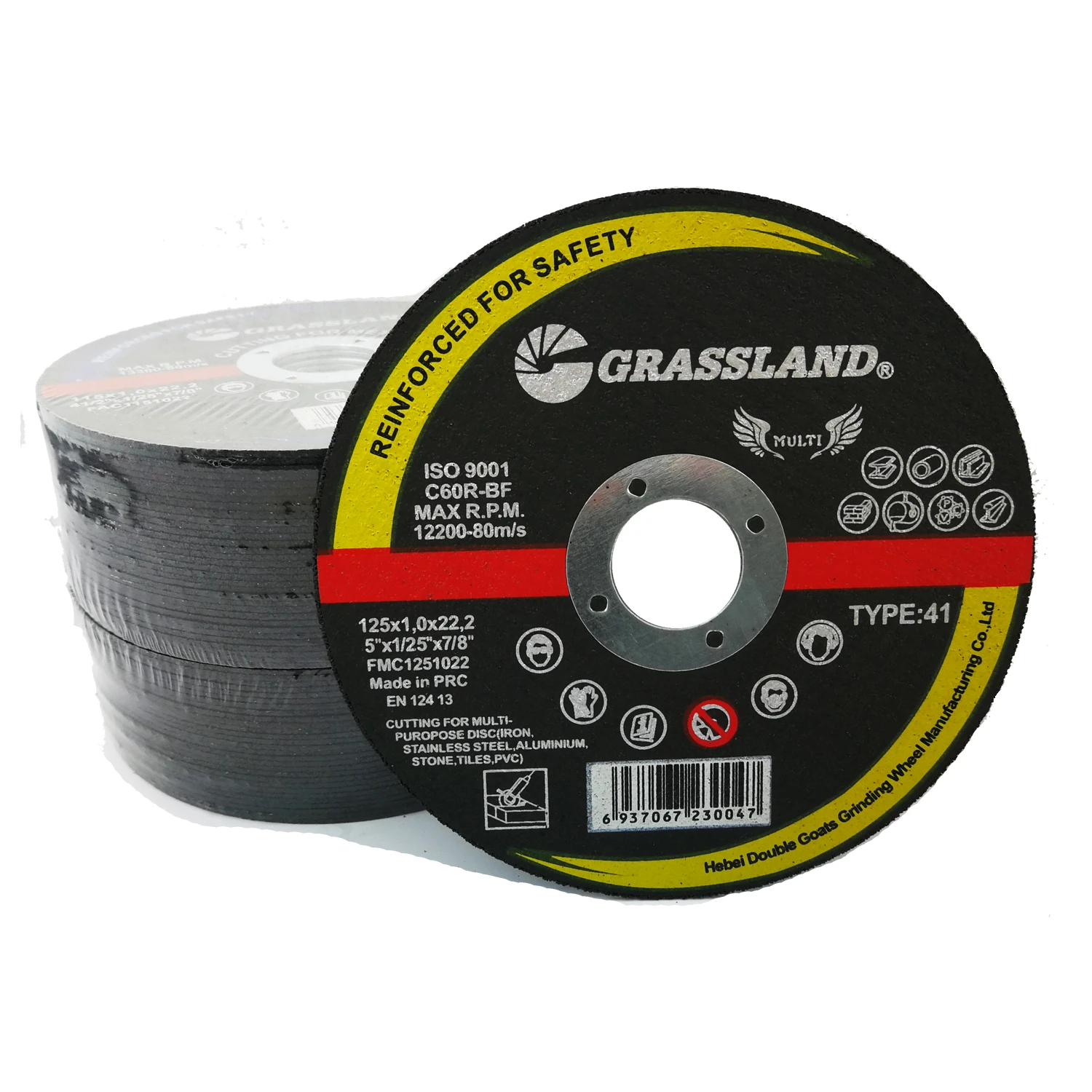
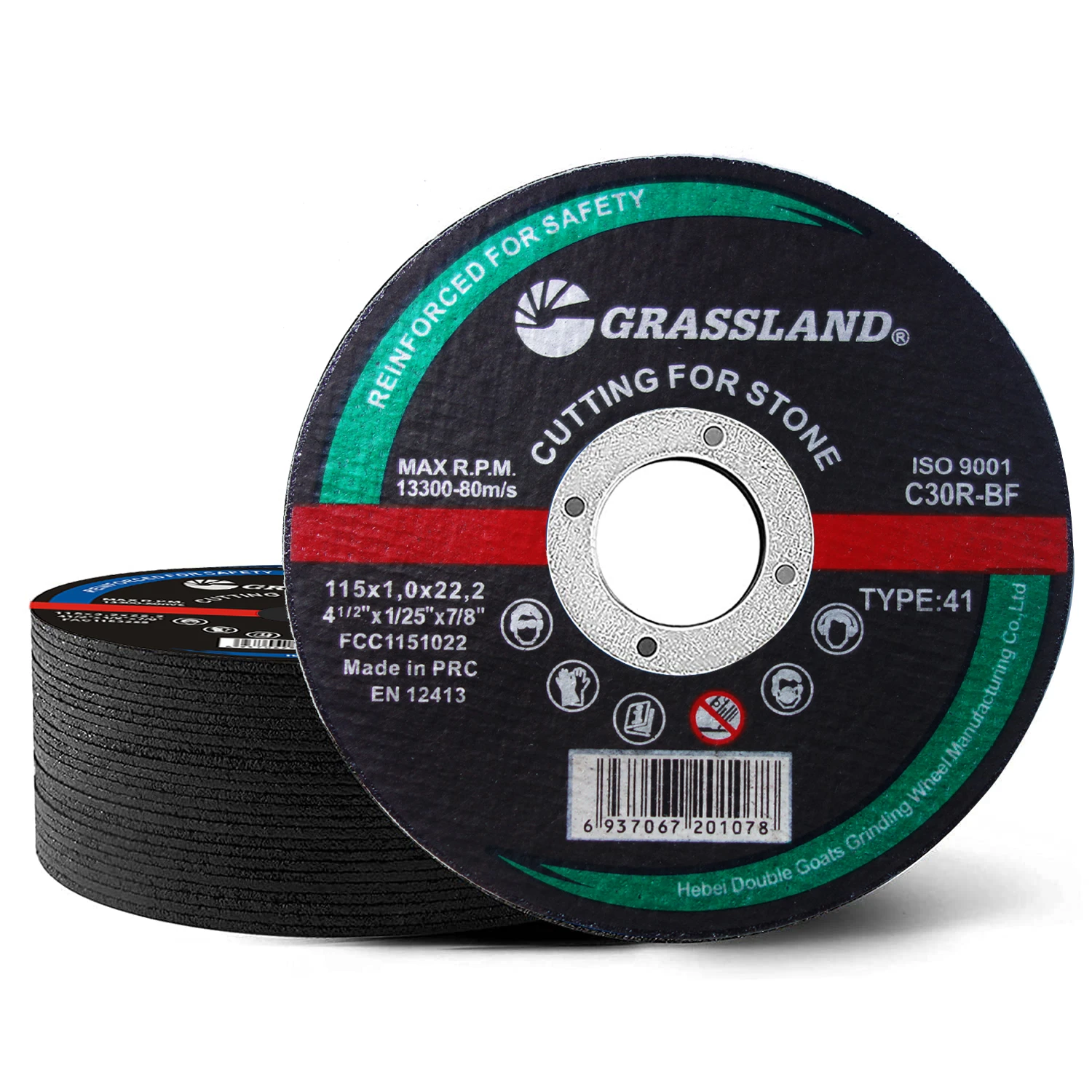
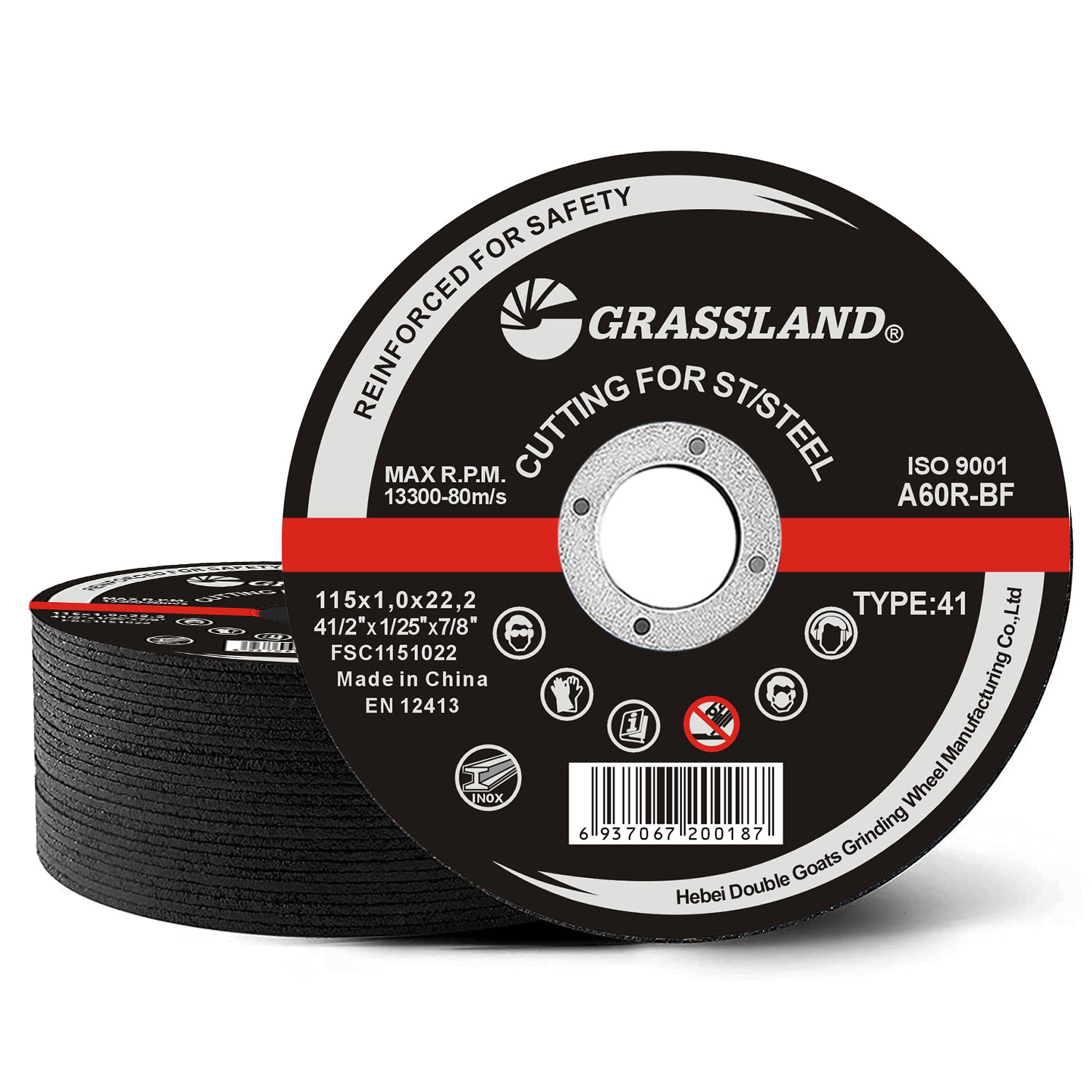
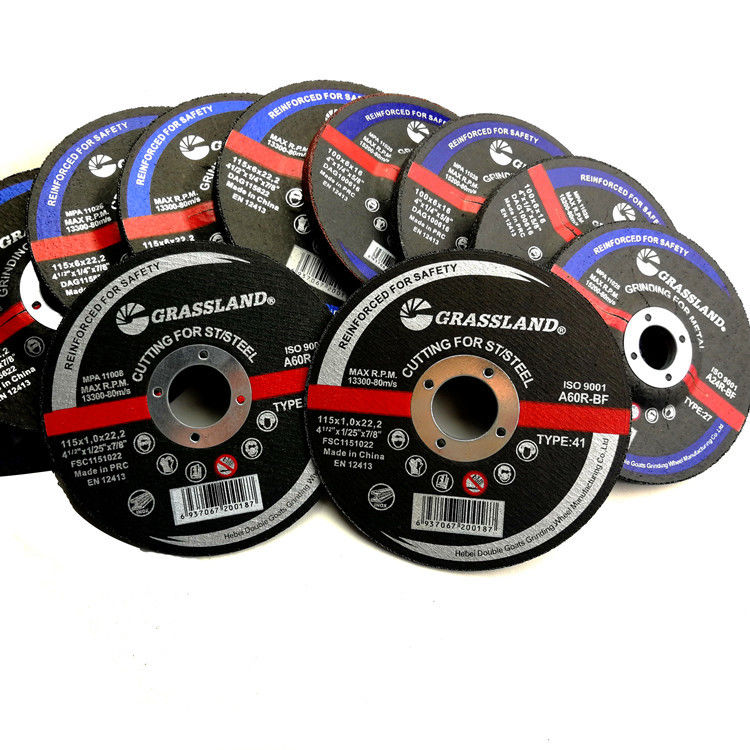
Simply put, a cutting metal disc is a circular abrasive tool mounted on a grinder or cutting machine. It slices through metal by friction and sharp edges embedded with abrasive compounds like aluminum oxide or silicon carbide. They come in different sizes, thicknesses, and materials depending on the job.
Oddly enough, the demand for these discs isn’t just industrial. They also assist humanitarian operations by enabling quick construction of shelters, tools, and infrastructure in challenging environments.
Core Components & Factors That Matter
1. Durability & Material Composition
Durability depends on the abrasive grains and bonding agents. High-quality discs maintain cutting efficiency and resist wear, critical for safety and cost-effectiveness.
2. Thickness & Diameter
Thinner discs offer precise cuts but may be less durable; thicker ones handle tougher tasks but can generate more heat and waste. Choosing the right size affects speed and finish.
3. Speed Rating (RPM)
Discs are rated for maximum revolutions per minute. Exceeding this can cause accidents or poor cuts. Matching the disc speed to the machine's specs is essential.
4. Compatibility & Application
Not all discs cut every metal type well—stainless steel demands different properties compared to mild steel or cast iron. Industry professionals know to select discs tailored for the metal involved.
5. Safety Features
Some discs are reinforced with fiberglass layers to reduce shattering risk, a critical safety consideration that shouldn’t be taken lightly.
Mini-summary:
- Material and thickness impact usability and safety.
- Proper speed rating is crucial for effective, safe operation.
- Match discs to metal type and industrial standards.
Typical Specifications of Common Cutting Metal Discs
| Specification | Value |
|---|---|
| Diameter | 4.5 inches (115 mm) |
| Thickness | 1 mm – 2.5 mm |
| Abrasive Material | Aluminum Oxide, Zirconia Alumina |
| Max RPM | 13,300 RPM |
| Bonding Agent | Resin-based with fiberglass reinforcement |
Global Applications and Use Cases
You’ll find cutting metal discs everywhere—from massive shipyards in Asia to tiny automotive garages in Eastern Europe. In post-disaster relief operations (think Nepal earthquake 2015), fast and reliable metal cutting tools helped clear wreckage and enabled fast reconstruction.
In remote industrial zones, like mines in South America or factories in Africa, affordable yet sturdy cutting discs make ongoing maintenance feasible, greatly impacting operational uptime and worker safety.
- Manufacturing plants rely heavily on precision cutting metal discs for assembling parts.
- Construction firms use them for framing, rebar cutting, and structural modifications.
- Automotive sectors depend on them for repairs and customizations.
Vendor Comparison for Common Metal Cutting Discs
| Feature | Brand A | Brand B | Brand C |
|---|---|---|---|
| Price per disc | $3.50 | $4.00 | $3.80 |
| Durability (hours) | 40 | 50 | 45 |
| Max RPM | 13,300 | 12,500 | 13,000 |
| Safety Certification | ISO 9001 | EN 12413 | ISO 9001, EN 12413 |
Advantages & Long-Term Value of Using Cutting Metal Discs
Well-made cutting metal discs translate into faster, more accurate cuts — cutting down labor time and material waste. When you think sustainability, a disc that lasts longer means less frequent replacement and less disc scrap in landfills. Safety-wise, superior discs reduce dangerous breakages, protecting workers.
Emotionally, having confidence in your tools fosters workplace trust and reduces stress. It’s about dignity: knowing you won’t have to redo complicated cuts, or worry about shattering discs mid-job.
Future Trends & Innovations
The cutting metal disc industry, while seemingly traditional, is stirring with innovation. Recently, there’s a push toward eco-friendly bonding agents and recyclable materials. Some firms experiment with embedded sensors for diagnostics and predictive maintenance tracking — kind of like “smart discs.”
The rise of automation and digital fabrication additionally demands discs that can perform consistently under precision-controlled environments, increasing the call for ultra-uniform and highly durable discs.
Challenges & Practical Solutions
Common issues include disc breakage, inconsistent quality from cheap vendors, and misuse by inexperienced operators. Frankly, improper disc selection remains a frequent cause of accidents.
Experts advise regular training, adherence to speed ratings, and use of certified discs to overcome these hurdles. Innovation in tougher bonding resins and embedded shatter protection is also underway.
FAQ: Frequently Asked Questions About Cutting Metal Discs
- Q: How do I choose the right cutting metal disc for stainless steel?
- A: Always select discs specifically labeled for stainless steel; they use special abrasive materials and bonding agents that reduce discoloration and extend cut life. Be sure they match your tool’s RPM rating.
- Q: What safety gear should I use when operating a cutting metal disc?
- A: At minimum, wear safety goggles, gloves, and hearing protection. Use face shields and ensure proper ventilation if working indoors. Following manufacturer guidelines is vital.
- Q: Can I use a cutting disc on other materials like concrete or plastic?
- A: It’s generally not recommended. Discs are designed for specific materials; using them on incompatible surfaces risks damage to both the disc and the workpiece.
- Q: How often should I replace a cutting metal disc?
- A: Replace discs when they show signs of wear, cracking, or reduced performance. Many professionals track hours of use and inspect frequently to prevent accidents.
- Q: Are premium discs always better than budget options?
- A: Not always, but premium discs typically offer longer life and better safety features. For critical projects, investing in quality saves time and reduces risk.
Conclusion
In real terms, understanding and choosing the right cutting metal disc profoundly impacts productivity, safety, and sustainability across multiple industries globally. They may be small, humble discs, but their influence on metalworking efficiency and the global economy is significant.
For those interested in quality discs that balance performance with cost-effectiveness, feel free to explore our offerings at cutting metal disc. It’s the kind of small detail that often makes all the difference.
Final takeaway:
When it comes to metal cutting, the right disc is not just a tool — it’s a partner in precision, safety, and craftsmanship.
References:
Post time:Dec - 02 - 2025