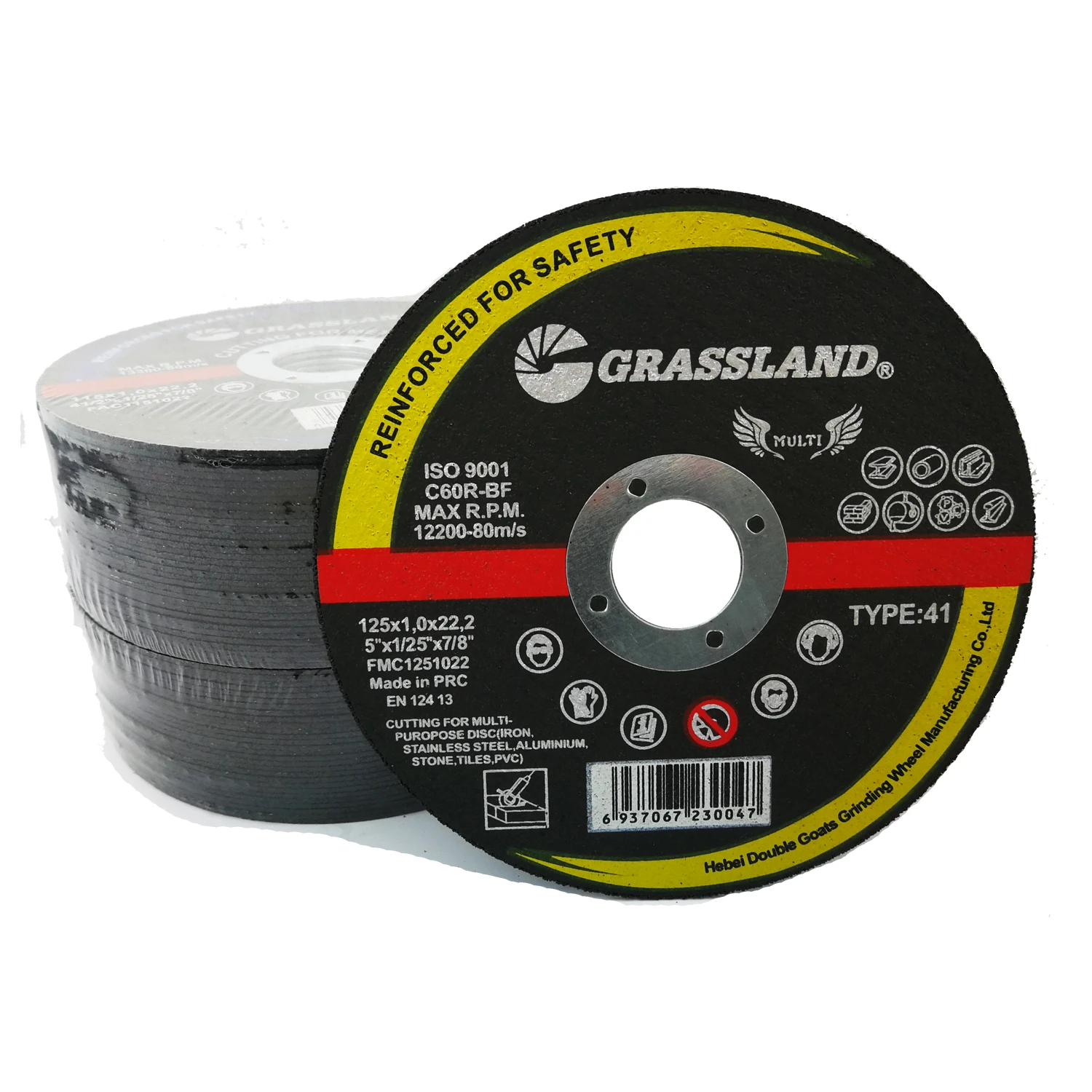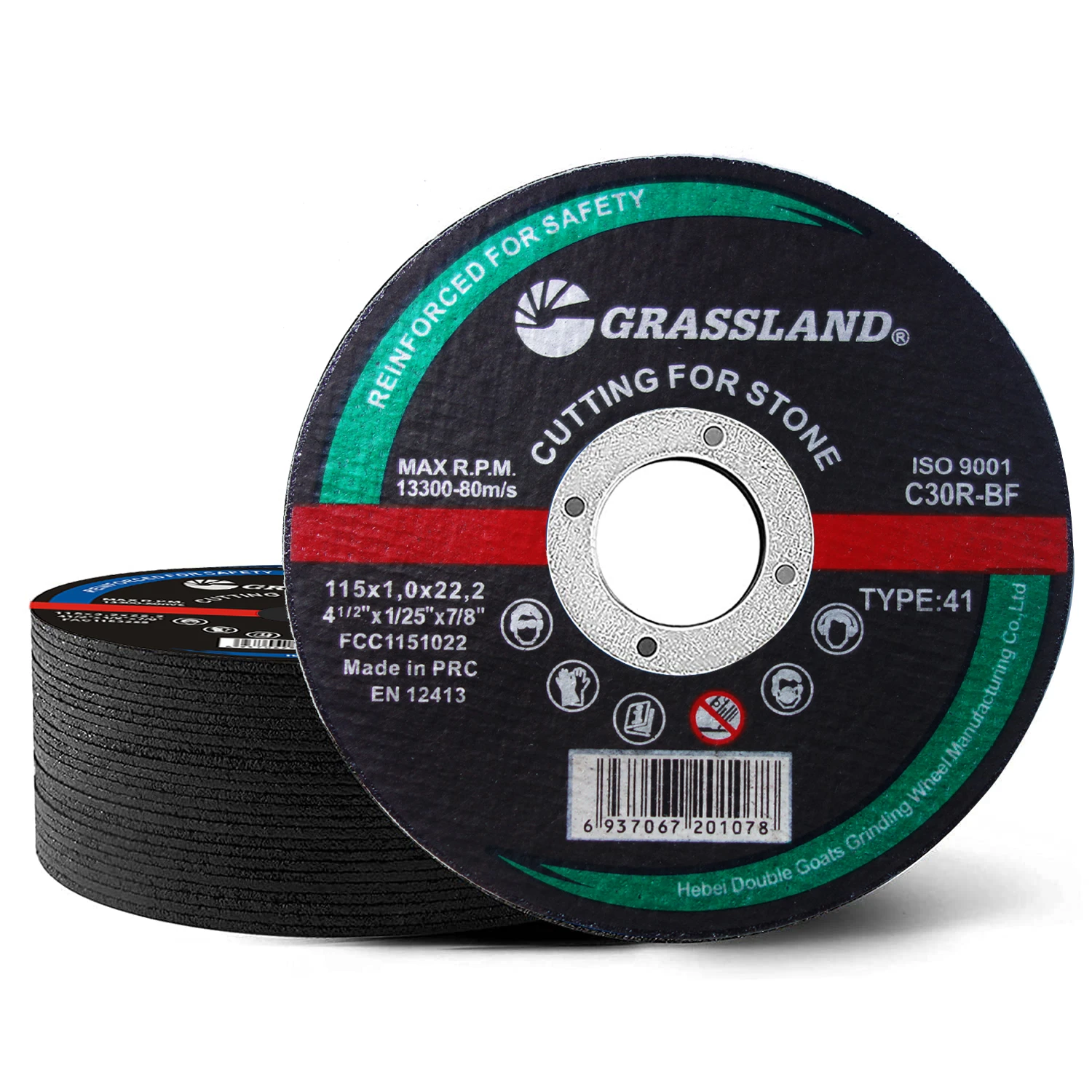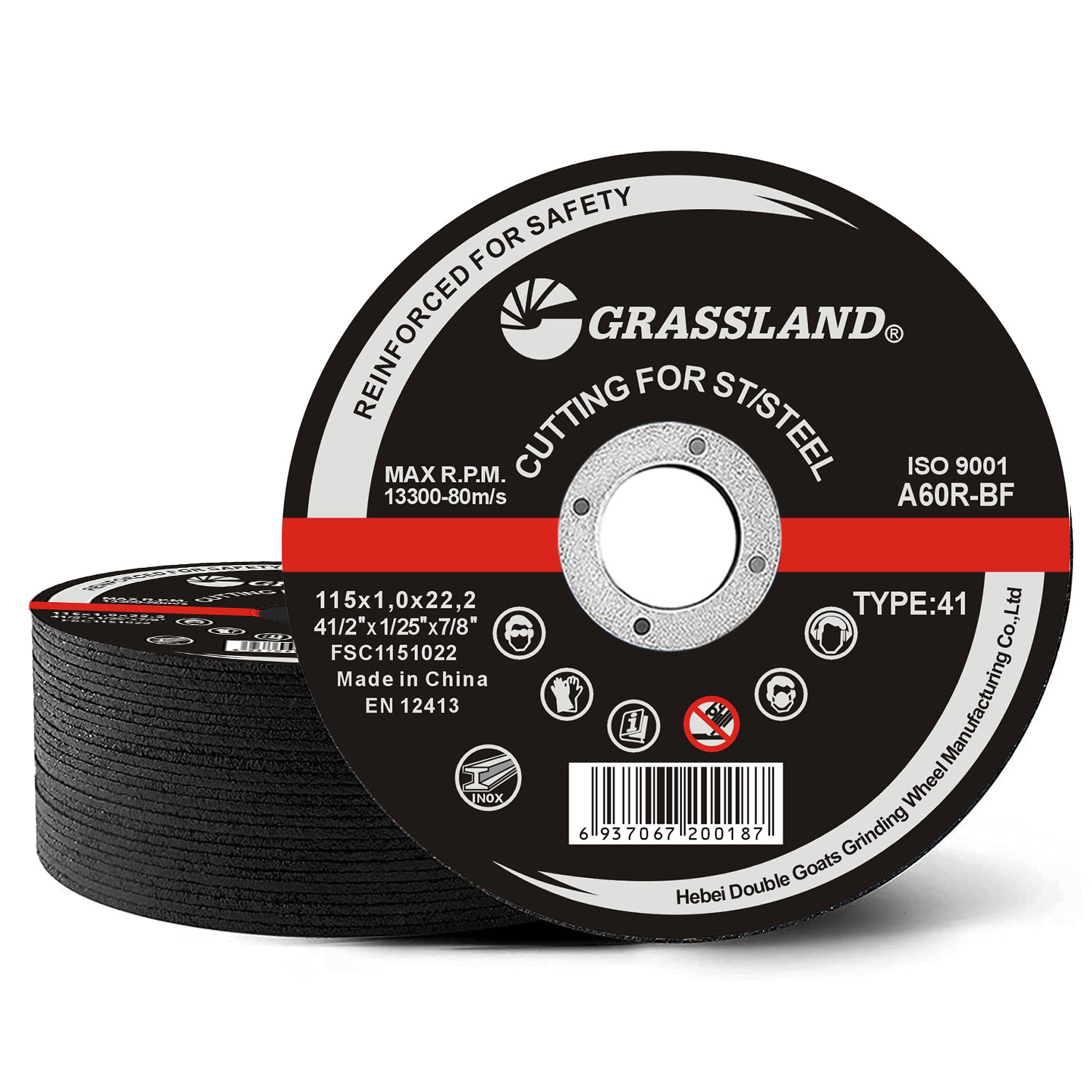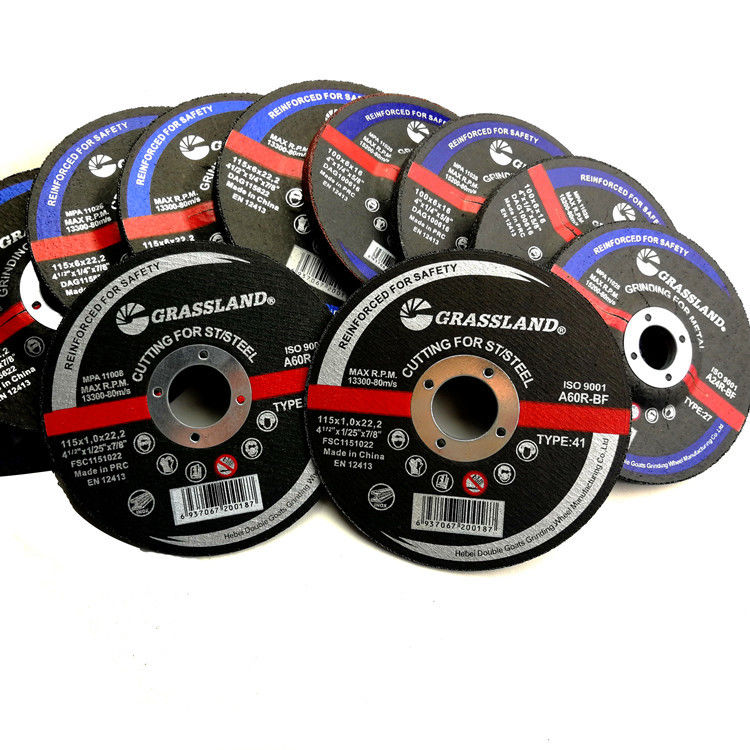
Cutting Wheel Metal: The Hidden Backbone of Modern Industry
To the casual eye, a cutting wheel might just look like a simple round disk — but in reality, cutting wheel metal plays a critical role in countless industries worldwide. From construction sites in bustling cities to remote manufacturing hubs, these discs enable efficient metal cutting, shaping, and finishing. Understanding the intricacies of cutting wheel metal doesn’t just matter for engineers or procurement teams — it offers insights into global productivity, safety standards, and even environmental impact.
Cutting wheels have evolved dramatically, bridging raw material technology with practical innovation. Whether you're fabricating metal frames or performing post-disaster relief operations where cutting through debris quickly is vital, the right cutting wheel can make all the difference.
Global Context: Why Cutting Wheel Metal Matters Now More Than Ever
Recent World Bank data shows that metal fabrication industries contribute billions to global GDP — but the efficiency and safety of these activities rely heavily on tools like cutting wheels. Oddly enough, despite their ubiquity, there's often little attention given to the metal composition and engineering behind these tools, which can mean the difference between a smooth operation and costly downtime.
Moreover, with increasing infrastructure development in Asia-Pacific and expanding metal recycling efforts across Europe, cutting wheel metal technology is under more scrutiny to deliver durability, precision, and eco-friendliness. The International Organization for Standardization (ISO) has developed standards for cutting wheel safety and performance (ISO 525), emphasizing consistent quality worldwide.
All these trends highlight a key challenge: how to balance cutting wheel metal quality with affordability and environmental sustainability, especially as industries scale.
What Exactly Is Cutting Wheel Metal?
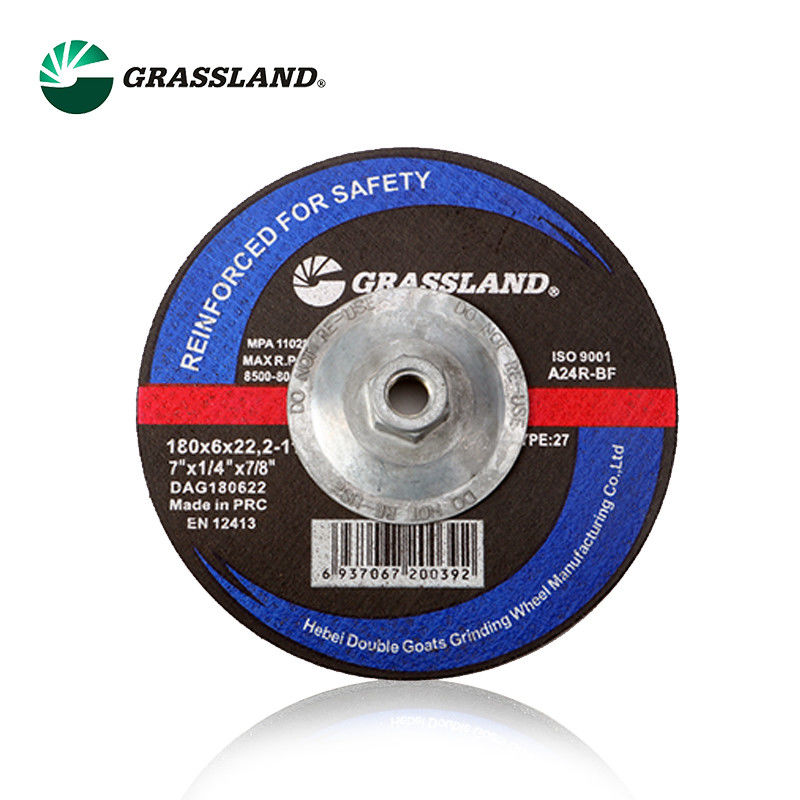
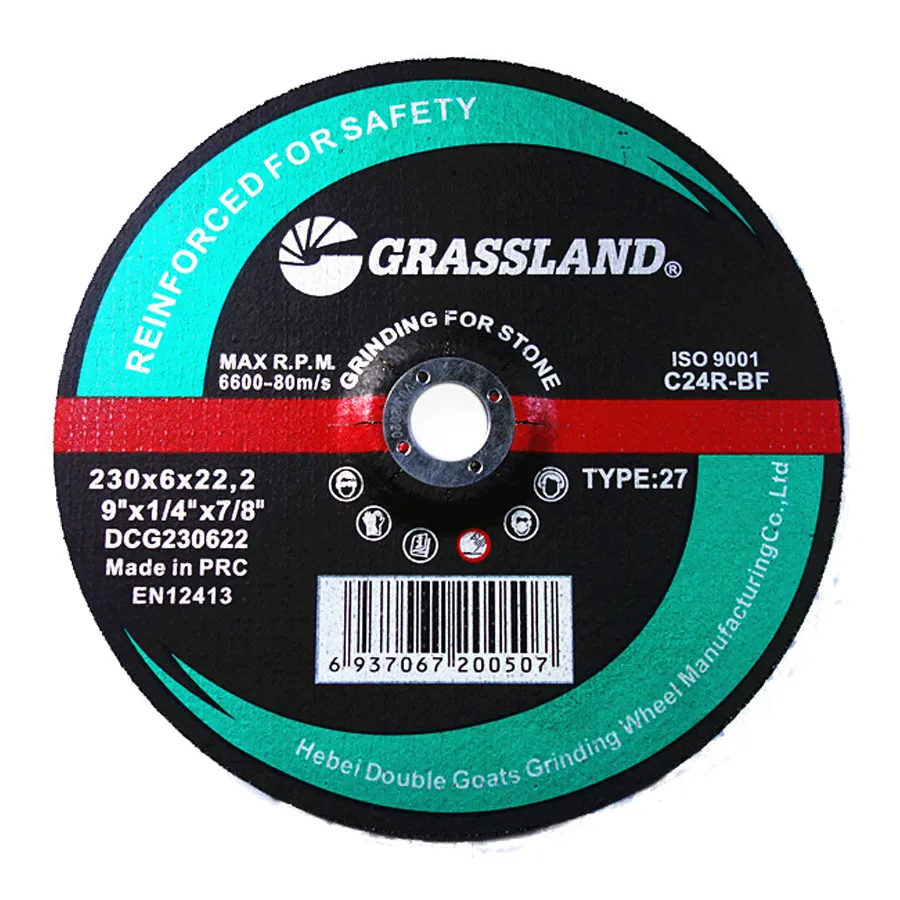
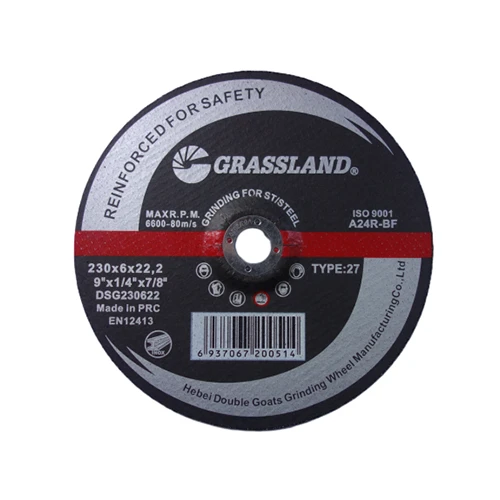
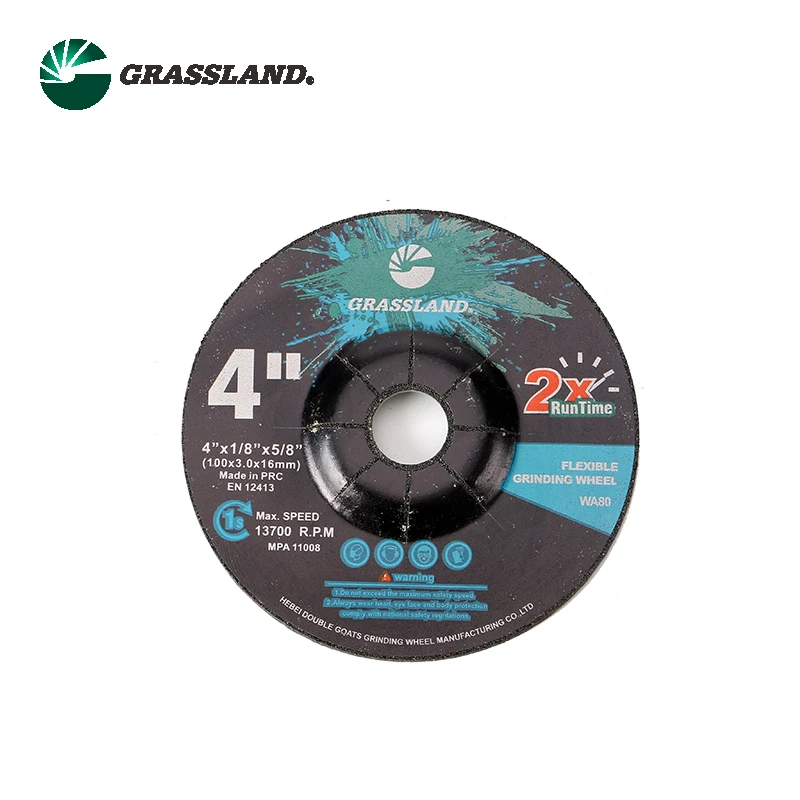
Simply put, a cutting wheel metal refers to the metal component or substrate integrated within a cutting wheel. Most cutting wheels combine abrasive materials like aluminum oxide or silicon carbide with a metal core or backing plate — usually steel or alloy. This combination ensures not only the abrasive action needed to slice through metals but also maintains structural integrity at high-speed rotations.
Think of it as the backbone of the tool — the metal provides essential strength while the abrasive handles the cutting. Modern industrial cutting wheels are crafted to balance toughness, heat resistance, and minimal wear. Without the right metal composition, the wheel risks warping, shattering, or even dangerous breakage during use.
Key Factors in Cutting Wheel Metal Performance
1. Durability
The metal backing must withstand intense mechanical stress. A well-made steel core resists bending and cracking over prolonged use, especially on tough materials like stainless steel.
2. Heat Resistance
Cutting generates friction and heat. Without metals designed to dissipate heat effectively, wheels can overheat, leading to failure or reduced blade life.
3. Compatibility with Abrasives
Metals should bond well with abrasive materials for stable and effective cutting — a mismatch can cause premature wear.
4. Cost Efficiency
Balancing metal quality and cost is key. For industries, sometimes it’s better to slightly invest more upfront for better long-term value.
5. Safety Compliance
Cutting wheel metal properties must meet ISO and OSHA safety standards to avoid workplace accidents.
Quick Product Specification Table: Typical Industrial Cutting Wheels
| Specification | Standard Cutting Wheel | Premium Cutting Wheel |
|---|---|---|
| Metal Core Material | High-strength Steel | Alloy Steel with Heat-Treatment |
| Abrasive Type | Aluminum Oxide | Silicon Carbide / Ceramic |
| Maximum RPM | 13,300 | 15,300 |
| Diameter | 115 mm | 125 mm |
| Typical Price (per unit) | $2.50 | $5.00 |
Mini Takeaway: Choosing cutting wheel metals involves balancing between durability, cost, and safety. Upgrading the metal backing can extend tool life and enhance cutting precision significantly.
Global Applications and Industry Use Cases
From metal fabrication shops in Germany to on-field constructions in Africa, cutting wheel metal technology sows its influence far and wide. For example:
- Manufacturing hubs: Factories rely on the precision of cutting wheels for automotive chassis, airplane components, and heavy machinery parts.
- Post-disaster relief: In areas hit by earthquakes or floods, reliable cutting wheels help responders clear debris and provide vital infrastructure repair.
- Shipbuilding yards: Specialized cutting wheels with corrosion-resistant metal cores aid in cutting steel plates exposed to salty environments.
- Recycling centers: High-performance cutting wheels assist in dismantling scrap metal for reuse, reducing landfill waste.
Industries in developing regions particularly benefit from affordable yet effective cutting wheels, often adapting local supply chains while meeting international safety standards.
Vendor Comparison: Cutting Wheel Metal Providers
| Feature | Vendor A | Vendor B | Vendor C |
|---|---|---|---|
| Metal Core Quality | Standard Steel | Heat-treated Alloy | Carbon Steel |
| Product Range | Wide (various sizes) | Medium (focus on metal cutting) | Niche (specialty materials) |
| Price Level | Low | High | Mid |
| ISO Compliance | Yes | Yes | Partial |
| Lead Time | 2 weeks | 4 weeks | 3 weeks |
Advantages and Long-Term Value of High-Quality Cutting Wheel Metal
Choosing the right cutting wheel metal doesn’t just improve your cutting speed. It improves safety — nobody wants a wheel shattering mid-cut. Reliability feeds trust in your operations, and that trust saves downtime and rework.
From a sustainability standpoint, better metals and proper abrasives reduce waste — fewer wheels discarded prematurely means less landfill impact. This aligns with modern industry’s push for greener manufacturing and recycling.
Emotionally, think about operators who feel secure using reliable tools. A well-made cutting wheel can actually boost morale in tough, hazardous environments — just a subtle yet meaningful benefit.
Future Trends and Innovations Shaping Cutting Wheel Metal
We’re seeing a surge in research for eco-friendlier cutting wheels, incorporating bio-based resins or recycled abrasives paired with metals that require less energy to produce. Automation and digital monitoring also come into play — “smart” cutting wheels embedded with sensors might be closer than you think.
Materials science continues to focus on alloys with enhanced heat resistance and strength but lighter weight. Plus, as cutting wheel metal manufacturers adopt Industry 4.0 processes, customization to precise industrial needs becomes more accessible and affordable.
Challenges and Solutions in Cutting Wheel Metal Use
Common challenges include metal fatigue, inconsistent quality from suppliers, or wheels not suited for exotic alloys. But advances in quality control, supplier auditing, and technical training help bridge these gaps.
Innovative coatings and heat treatments extend usable life, and ongoing research into composite metal structures could redefine future cutting wheels entirely.
FAQ: Frequently Asked Questions About Cutting Wheel Metal
- What metals are best for the core of cutting wheels?
- Most cutting wheels use high-strength steel cores, often heat-treated for durability. Alloy steels with better heat resistance are popular for premium applications.
- How long does a typical cutting wheel last when cutting metal?
- Lifespan varies widely based on usage, but a well-crafted cutting wheel metal combined with quality abrasive can last for dozens of cuts before replacement.
- Are cutting wheels for metal cutting reusable or disposable?
- Cutting wheels are generally considered consumables; after abrasive wear reduces cutting efficiency, they should be replaced to maintain safety and performance.
- Can I use a cutting wheel metal designed for steel on aluminum?
- Technically yes, but performance and wear might differ. Some wheels are specifically optimized for non-ferrous metals like aluminum.
- What safety standards apply to cutting wheel metals?
- ISO 525 and OSHA regulations define safety parameters including wheel construction, marking, and operational guidelines to minimize hazards.
Conclusion: Why Investing in Quality Cutting Wheel Metal Pays Off
In real terms, the right cutting wheel metal can transform your metalworking operations — improving efficiency, reducing costs, and enhancing safety. It’s a small component but one with a big impact. For anyone sourcing or specifying cutting wheels, understanding these nuances is invaluable.
Ready to upgrade your cutting equipment? Visit our website to explore premium cutting wheel metal products tailored for your needs.
At the end of the day, cutting wheel metal may be one tiny part of the process, but it’s pretty crucial — and worth paying attention to.
References
Post time:Dec - 02 - 2025