Choosing the Right Flap Discs for Steel: A Comprehensive Guide
When working with steel, selecting the appropriate flap discs is crucial for achieving efficient material removal, a quality finish, and ensuring operator safety. These versatile abrasive tools are ideal for grinding, deburring, and blending on steel surfaces. This article will explore the key factors to consider when choosing flap discs for steel, including grit selection, backing material, and disc shape. Understanding these details will empower you to make informed decisions and optimize your metalworking processes.
Understanding Grit Sizes for Steel Applications
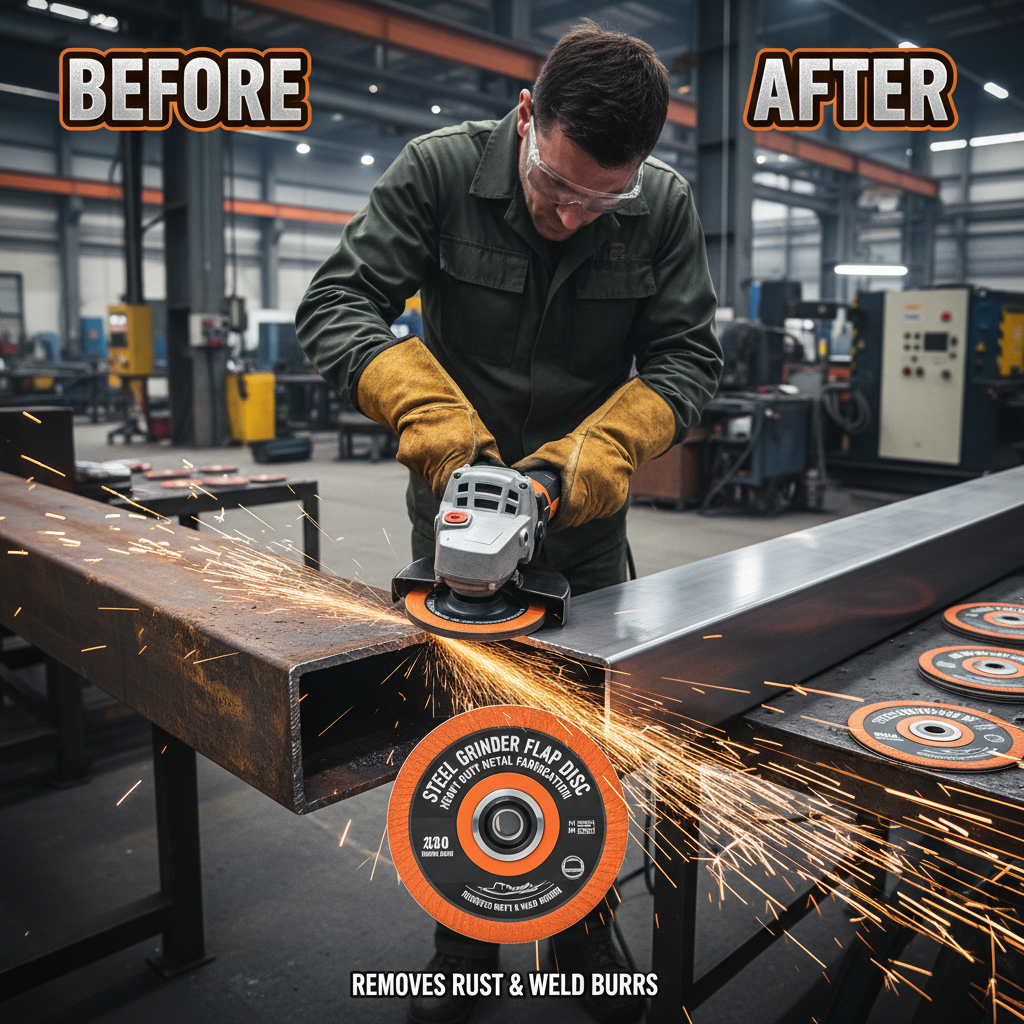
The grit size of a flap disc determines its aggressiveness. Coarser grits (e.g., 36, 60) are best for rapid material removal, heavy deburring, and weld bead removal. Medium grits (e.g., 80, 120) are suitable for blending and smoothing surfaces. Finer grits (e.g., 180, 240) are ideal for finishing and polishing, creating a smooth, refined surface. Selecting the right grit depends on the specific application and the desired level of finish. Using a progression of grits – starting with a coarse grit and moving to finer ones – is often the best approach for achieving optimal results.
Key Highlights: Coarser grits excel at fast material removal, while finer grits are perfect for finishing and polishing. A grit progression ensures the best possible surface quality.
Backing Material: Which is Best for Steel?
The backing material of a flap disc significantly impacts its durability and performance. Common options include nylon, phenolic, and polyester. Nylon backing is flexible and conforms well to contours, making it suitable for uneven surfaces. Phenolic backing is rigid and provides excellent heat resistance, ideal for aggressive grinding applications. Polyester backing offers a balance of flexibility and durability. For most steel applications, phenolic or polyester backing is recommended due to their ability to withstand the heat and stress generated during grinding.
Backing Material Benefits:
• Nylon: Flexibility, contouring
• Phenolic: Rigidity, heat resistance
• Polyester: Balance of flexibility and durability
Flap Disc Shapes and Their Applications for Steel
Flap discs come in various shapes, each designed for specific applications. Type 29 discs (conical shape) are the most versatile and are excellent for general-purpose grinding and blending on flat and curved surfaces. Type 1 discs (flat shape) are ideal for edge work and removing material from corners. Surface conditioning discs (Type SC) have a softer abrasive and are used for finishing and polishing. The choice of shape depends on the geometry of the workpiece and the desired outcome.
Choosing the Right Flap Disc for Your Steel: A Quick Guide
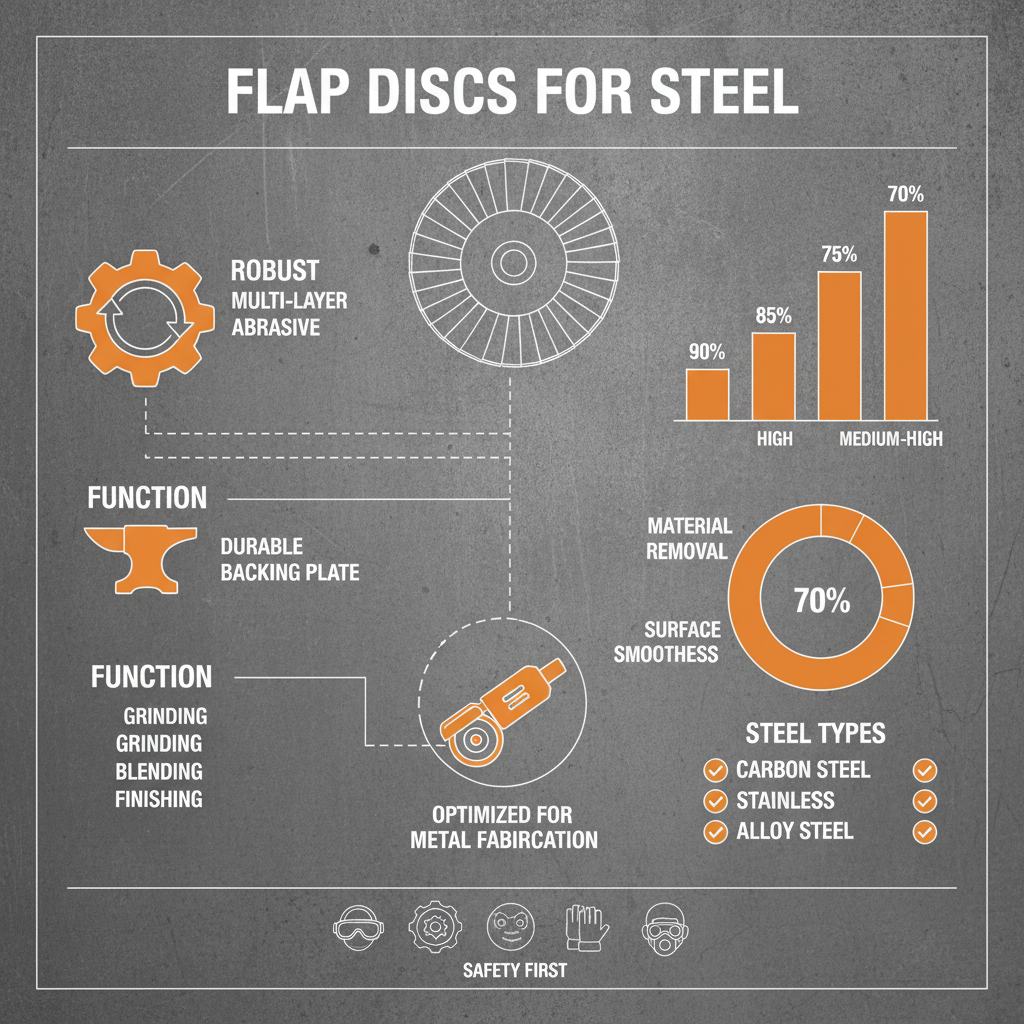
Selecting the perfect flap disc for steel comes down to understanding your specific needs. Consider the type of steel you’re working with, the desired finish, and the application. For example, removing heavy scale from thick steel plates requires a coarse grit and phenolic backing. Fine-tuning a weld bead on thinner steel demands a medium grit and a more flexible backing. Here's a breakdown to help guide your selection:
Product Specifications: CutoffDiscs.com Flap Discs
At CutoffDiscs.com, we offer a wide range of high-quality flap discs designed for optimal performance on steel. Here’s a glimpse of our product specifications:
Conclusion: Choosing the Best Flap Disc for Your Steel Projects
Selecting the right flap disc for steel is an investment in quality, efficiency, and safety. By considering grit size, backing material, and disc shape, you can optimize your metalworking processes and achieve superior results. Explore our extensive selection at CutoffDiscs.com and find the perfect flap disc for your needs.
Frequently Asked Questions (FAQs)
What safety precautions should I take when using flap discs on steel?
Safety is paramount when using flap discs. Always wear appropriate personal protective equipment (PPE), including safety glasses, gloves, and a dust mask. Ensure the workpiece is securely clamped and the grinder is properly guarded. Never exceed the maximum RPM rating of the disc. Inspect the disc for damage before each use and discard any damaged discs. Be aware of the sparks generated during grinding and take precautions to prevent fires. A safe work environment is crucial for avoiding injuries.
How do I know when to replace a flap disc?
Replace a flap disc when it becomes excessively worn, damaged, or loses its cutting efficiency. Look for signs of tearing, cracking, or missing flaps. If the disc starts to vibrate excessively or produces uneven finishes, it's time for a replacement. Regularly inspecting the disc before each use will help identify potential issues and prevent accidents.
Can flap discs be used on stainless steel?
Yes, but you need to choose the right type of flap disc. Stainless steel tends to load up the abrasive quickly, so using a disc specifically designed for stainless steel, often with a zirconia alumina abrasive, is recommended. These discs have better resistance to loading and provide a cleaner, more consistent finish. Using a standard steel flap disc on stainless steel will significantly reduce its lifespan and performance.
What is the difference between abrasive materials used in flap discs?
Common abrasive materials include aluminum oxide, silicon carbide, and zirconia alumina. Aluminum oxide is versatile and cost-effective, suitable for general-purpose grinding. Silicon carbide is harder and provides faster cutting, often used for non-ferrous metals and stone. Zirconia alumina is the most durable and aggressive, ideal for demanding applications like grinding hard steel and stainless steel. Choosing the right abrasive material depends on the material you're working with and the desired performance.
Post time:Feb - 28 - 2026