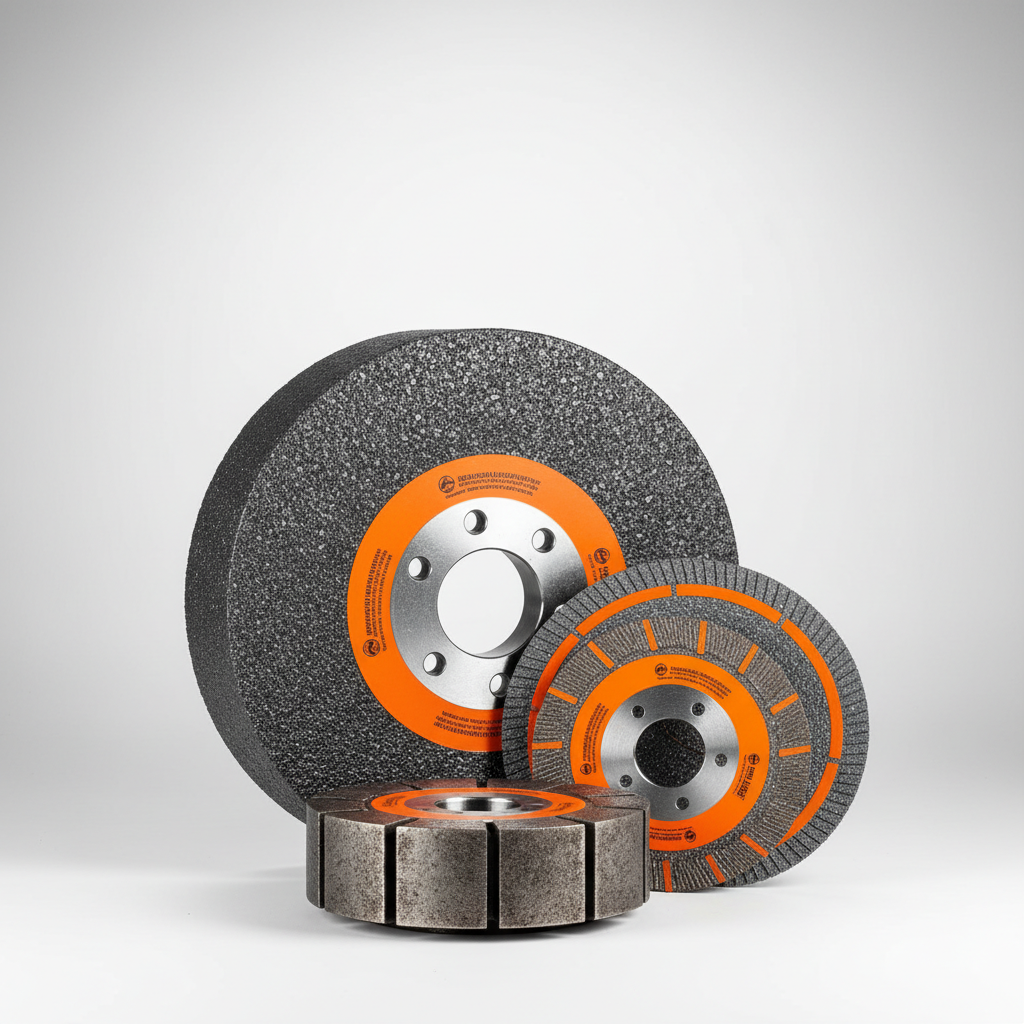
Angle grinder discs are essential tools in various industries, from construction and metalworking to automotive repair and DIY projects. Understanding the different types of angle grinder discs available is crucial for safety, efficiency, and achieving optimal results. The global market for abrasive products, including these discs, is substantial and continually growing, driven by infrastructure development, manufacturing activities, and increasing demand for precision cutting and grinding. Choosing the right disc can significantly impact project quality and operator safety.
The relevance of different types of angle grinder discs extends beyond industrial applications. Emergency services and disaster relief organizations rely on these tools for cutting through debris and rescuing individuals. The versatility and portability of angle grinders, coupled with the specialized functions offered by various disc types, make them indispensable in challenging situations. The standardization of these discs, governed by organizations like ISO, ensures quality and interchangeability across different brands and applications.
The increasing focus on workplace safety and environmental sustainability is driving innovation in angle grinder disc technology. Manufacturers are developing discs with reduced dust emissions, noise reduction features, and improved durability. This is essential for protecting worker health and minimizing environmental impact. Mastering the selection of appropriate discs for specific tasks is therefore a vital skill for professionals and enthusiasts alike, contributing to both economic productivity and responsible operational practices.
The Significance of Different Types of Angle Grinder Discs
The world of angle grinder discs extends far beyond simple cutting and grinding. Different materials and constructions are optimized for specific tasks, making the selection of the correct disc paramount. Failing to choose the appropriate disc can lead to poor results, increased risk of accidents, and premature wear of both the disc and the angle grinder itself. Understanding the nuances between cutting discs, grinding discs, flap discs, and wire brushes is essential for maximizing tool performance and ensuring operator safety.
The significance of these distinctions is magnified in professional settings. Construction workers, welders, mechanics, and metal fabricators all rely on angle grinders daily, and their productivity is directly linked to the quality and suitability of the discs they use. Choosing different types of angle grinder discs wisely isn’t just about completing a job; it’s about doing it efficiently, safely, and to a high standard.
Defining Different Types of Angle Grinder Discs
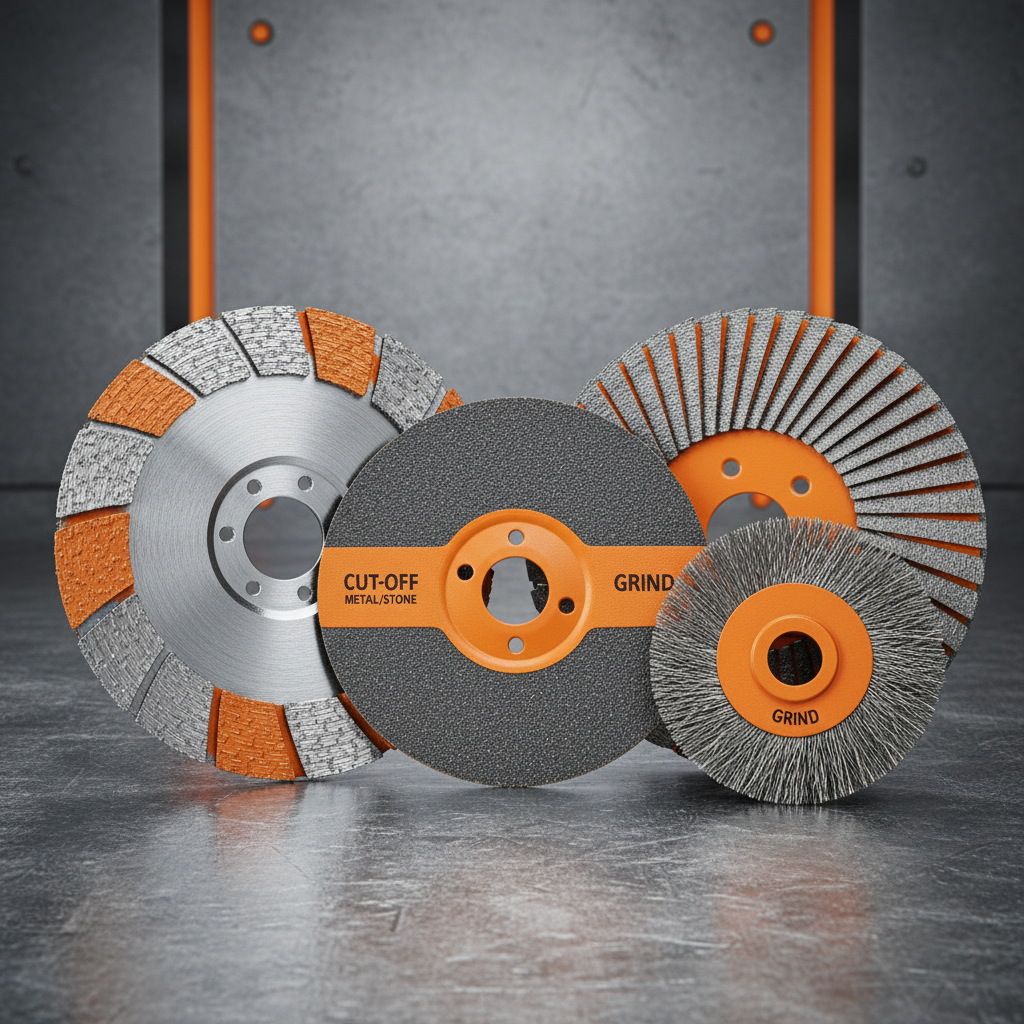
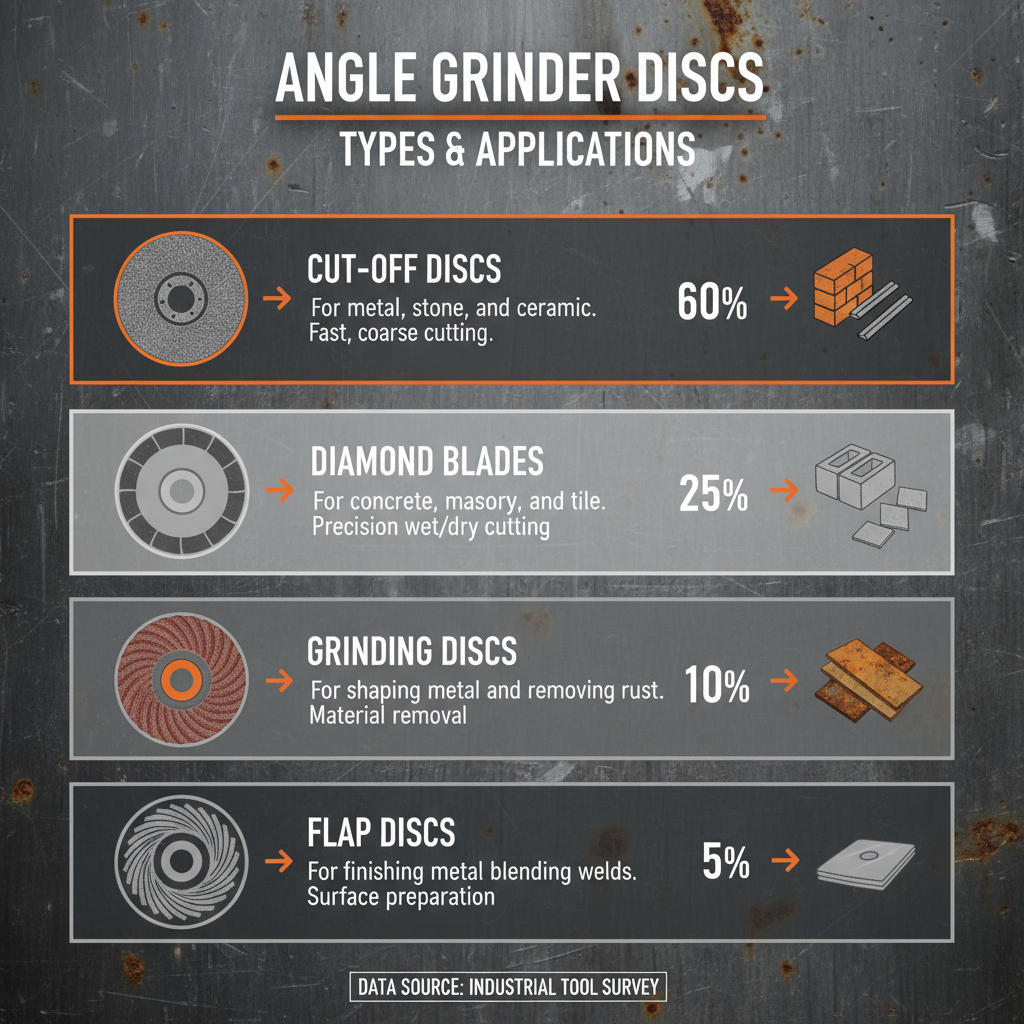
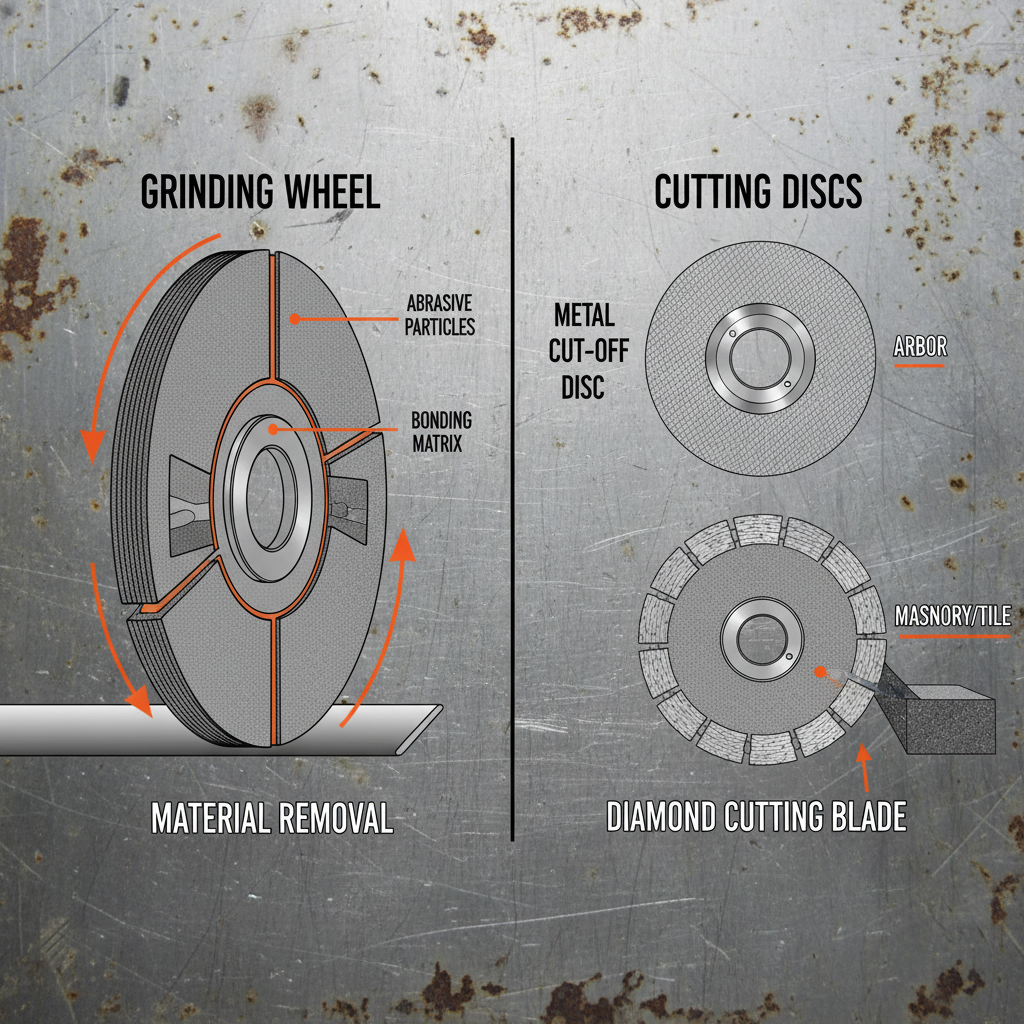
Different types of angle grinder discs are specialized tools designed for specific materials and applications. Cutting discs, typically reinforced with fiberglass mesh, are optimized for clean, precise cuts through metal, concrete, or tile. Grinding discs, made from abrasive materials like aluminum oxide or silicon carbide, are used to remove material, smooth surfaces, and sharpen edges. Flap discs combine abrasive cloth layers for grinding, blending, and finishing, while wire brushes are ideal for removing rust, paint, and scale.
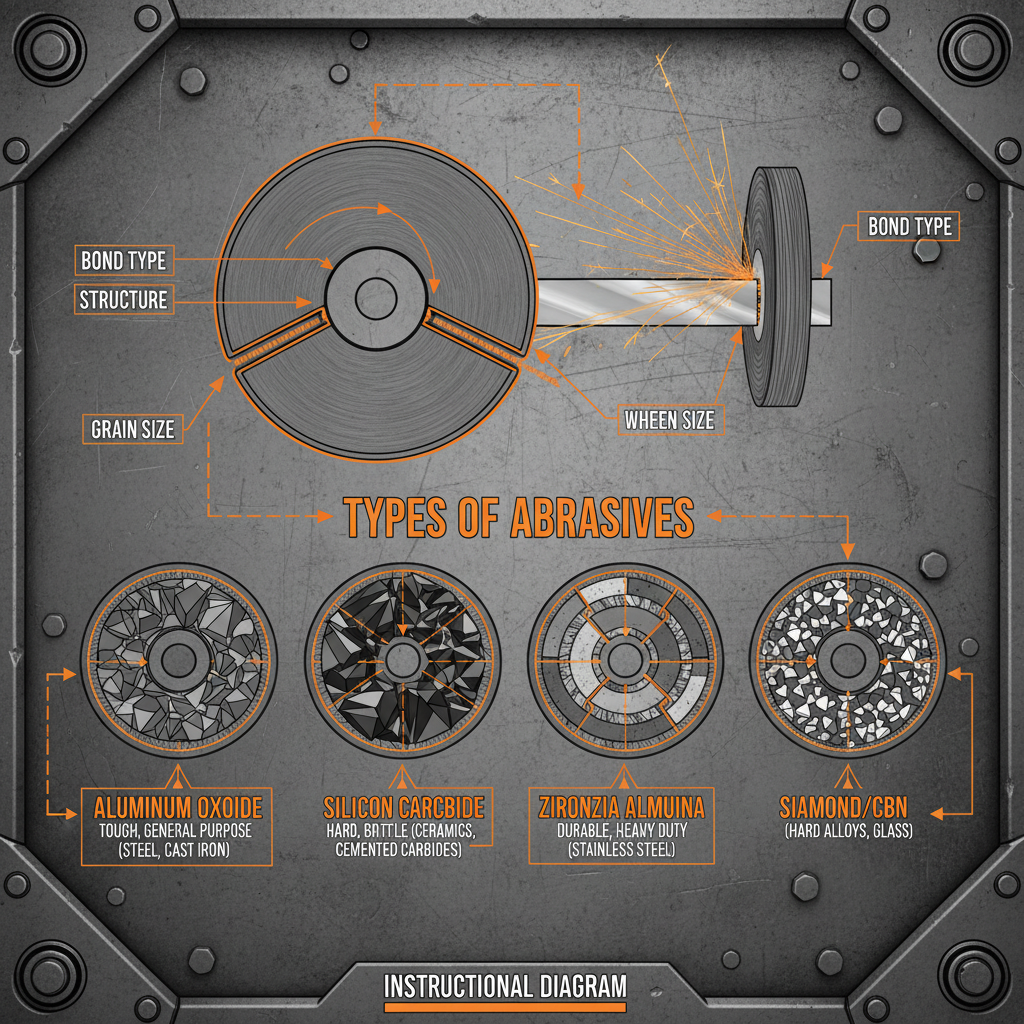
The core distinction lies in the abrasive material used and the construction method. Abrasive materials determine the disc’s cutting or grinding power and its suitability for specific materials. Construction impacts the disc’s durability, heat resistance, and overall performance. The increasing availability of specialized discs caters to increasingly precise tasks across diverse industries.
Selecting the correct disc isn't just about the material being worked on; it’s also about the desired outcome. For example, a thin cutting disc will provide faster cuts but may lack the durability for heavy-duty applications, while a thicker grinding disc is more robust but slower. Proper identification and understanding of these differences are crucial for safe and effective operation.
Core Characteristics of Angle Grinder Discs
Several key characteristics define the quality and performance of angle grinder discs. Durability is paramount, influencing the disc’s lifespan and resistance to breaking or shattering during use. The abrasive grain size determines the speed and finish of the cut or grind – coarser grains remove material faster, while finer grains provide a smoother finish.
Heat resistance is critical, as grinding and cutting generate significant friction. Discs that dissipate heat effectively last longer and reduce the risk of workpiece distortion or damage. The bonding agent used to hold the abrasive grains together also plays a vital role, impacting the disc’s strength and resistance to wear. Choosing a disc with the right combination of these characteristics ensures optimal performance and safety.
Another essential characteristic is the disc’s RPM (revolutions per minute) rating, which must match the angle grinder’s maximum RPM to prevent disc failure. The type of reinforcement – fiberglass, resin, or steel – also influences the disc’s strength and flexibility. Carefully considering these factors will help you select a disc tailored to your specific application and angle grinder model.
Practical Applications Across Industries
Different types of angle grinder discs find widespread applications across numerous industries. In construction, cutting discs are used for cutting concrete, brick, and tile, while grinding discs are employed for smoothing rough edges and preparing surfaces for finishing. Metalworking relies heavily on cutting and grinding discs for shaping, deburring, and welding preparation.
Automotive repair utilizes discs for removing rust, grinding welds, and cutting exhaust pipes. The marine industry uses wire brushes for cleaning hulls and removing barnacles. Even in home improvement and DIY projects, angle grinder discs are invaluable for tasks like cutting tile, sharpening tools, and removing paint.
Application Suitability for different types of angle grinder discs
Advantages and Long-Term Value Proposition
Using the correct type of angle grinder disc offers significant advantages, including increased efficiency, improved safety, and higher quality results. Proper disc selection minimizes the risk of kickback, breakage, and operator injury. Furthermore, optimized cutting and grinding operations reduce material waste and energy consumption.
From a long-term perspective, investing in high-quality discs translates to reduced tool downtime, lower maintenance costs, and increased productivity. Durable discs last longer, requiring less frequent replacement, and contribute to a more sustainable operational model. The enhanced precision and finish achieved with specialized discs can also reduce the need for secondary finishing processes, saving time and resources.
Future Trends and Technological Advancements
The future of angle grinder disc technology is focused on innovation in materials and design. Researchers are developing new abrasive grains with enhanced cutting power and longer lifespans. There’s also a growing trend toward dust extraction systems integrated directly into the discs, improving worker health and environmental compliance.
Smart discs equipped with sensors that monitor wear and provide real-time feedback on performance are also on the horizon. These innovations, coupled with advancements in angle grinder technology, will further enhance safety, efficiency, and precision in cutting and grinding applications. The integration of digital monitoring and predictive maintenance systems promises to optimize disc usage and reduce operational costs.
Challenges and Innovative Solutions
One common challenge is disc breakage, often resulting from improper use, exceeding RPM limits, or using the wrong disc for the material. Innovative solutions include discs with reinforced cores and improved bonding agents. Another challenge is dust generation, which poses health risks to workers and can create environmental concerns. Dust extraction systems and low-dust formulations are addressing this issue.
Ensuring consistent disc quality and performance across different manufacturers also remains a challenge. Standardization efforts, like those undertaken by ISO, are crucial for maintaining quality control and ensuring compatibility. The development of advanced testing methods and quality assurance protocols is key to minimizing variations and maximizing reliability.
Finally, educating users about proper disc selection and safe operating procedures is essential for mitigating risks and maximizing the benefits of this versatile tool. Comprehensive training programs and clear labeling guidelines can help prevent accidents and promote responsible use.
A Comparative Analysis of Key Angle Grinder Disc Properties
| Disc Type |
Material Compatibility |
Durability Score (1-10) |
Typical Applications |
| Cutting Disc (Metal) |
Steel, Stainless Steel, Aluminum |
7 |
Metal Fabrication, Pipe Cutting |
| Grinding Disc (Concrete) |
Concrete, Masonry, Stone |
8 |
Concrete Repair, Surface Preparation |
| Flap Disc (Wood/Metal) |
Wood, Steel, Aluminum |
6 |
Blending Welds, Surface Finishing |
| Wire Brush (Rust Removal) |
Steel, Iron, Cast Iron |
9 |
Rust Removal, Paint Stripping |
| Diamond Blade Disc (Tile) |
Ceramic Tile, Porcelain, Stone |
9 |
Tile Cutting, Floor Installation |
| Cutting Disc (Concrete) |
Concrete, Asphalt, Pavers |
7 |
Road Repair, Demolition |
FAQS
Cutting discs are designed for making clean, precise cuts through materials, utilizing a thinner profile and aggressive cutting action. Grinding discs, on the other hand, are engineered for removing material, smoothing surfaces, and sharpening edges, employing a coarser abrasive grain and a more robust construction. Using the wrong disc can lead to inefficient work, increased risk of damage, and potential safety hazards.
The RPM rating of the disc must always match or exceed the maximum RPM of your angle grinder. Exceeding the disc’s RPM limit can cause it to shatter, posing a serious safety risk. Check the disc’s label and the angle grinder’s specifications before use. Never use a disc with an RPM rating lower than the grinder's maximum speed.
While commonly used for cutting tile, diamond blade discs are versatile and can effectively cut a variety of hard materials including concrete, stone, brick, and glass. The type of diamond grit and bonding agent determines its suitability for specific materials. Choosing the right diamond blade for the job ensures clean cuts and a longer lifespan.
Always wear appropriate personal protective equipment (PPE), including safety glasses, a face shield, gloves, and a dust mask. Ensure the workpiece is securely clamped. Inspect the disc for damage before each use. Never use a damaged disc. Avoid applying excessive pressure. Always follow the manufacturer's instructions for both the angle grinder and the disc.
Use the correct disc for the material being worked on. Avoid excessive pressure and wobbling. Allow the disc to cool down periodically during extended use. Store discs in a dry, clean environment. Avoid dropping or mishandling the discs. Inspect regularly for wear and tear, and replace when necessary.
The reinforcement material significantly impacts a disc's strength and safety. Fiberglass reinforcement offers a good balance of strength and flexibility, commonly found in cutting discs. Resin-bonded discs are often used for grinding, providing durability. Steel-reinforced discs are rare now due to higher shatter risk, but were once used for heavier-duty applications. Always prioritize discs with reliable reinforcement.
Conclusion
Understanding the diverse world of different types of angle grinder discs is fundamental for professionals and DIY enthusiasts alike. From cutting and grinding to cleaning and polishing, the right disc for the job not only ensures optimal performance and efficiency but also significantly enhances safety. The continued innovation in materials and design promises even more specialized and effective solutions in the future.
Investing in quality discs and prioritizing safety practices are crucial for maximizing productivity and minimizing risks. As technology evolves, staying informed about the latest advancements and adhering to industry standards will be key to harnessing the full potential of these versatile tools. For a comprehensive selection of high-quality angle grinder discs, visit our website: cutoffdiscs.com.