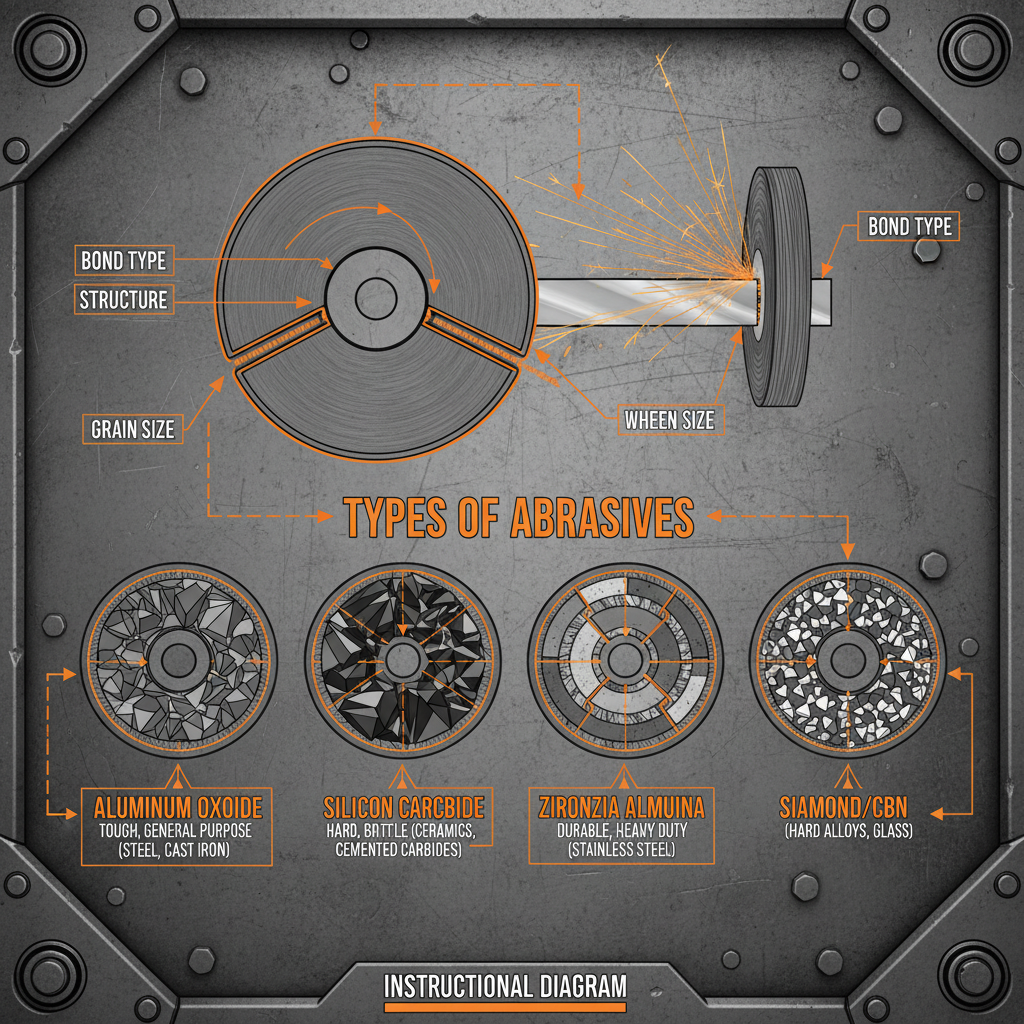
Different types of cutting wheels are essential components in a vast array of industries, from metalworking and construction to ceramics and even delicate glass cutting. Their ability to efficiently and precisely separate materials makes them indispensable for manufacturing, infrastructure development, and artistic endeavors. Understanding the nuances of each type – abrasive, diamond, carbide – is crucial for selecting the right tool for the job, maximizing performance, and ensuring safety. This knowledge translates directly into cost savings, improved quality, and reduced downtime.
The global market for cutting wheels is substantial and continually growing, driven by factors such as increasing industrialization in emerging economies and the rising demand for precision machining. According to reports, the global abrasive cutting wheel market alone is projected to reach billions of dollars in the coming years. This growth underscores the critical role these tools play in supporting global manufacturing and infrastructure projects. The ongoing evolution of materials science is also driving innovation in cutting wheel technology, leading to the development of more efficient and specialized tools.
Choosing the appropriate cutting wheel is not merely a matter of convenience; it's a critical factor impacting both productivity and safety. Incorrect selection can lead to premature wheel failure, damage to the workpiece, and, most importantly, potential injuries. A thorough understanding of different types of cutting wheels, their applications, and their limitations is therefore vital for professionals across a wide range of trades and industries.
The Importance of Understanding Cutting Wheel Types
A deep dive into different types of cutting wheels reveals a spectrum of capabilities tailored to specific materials and applications. From the aggressive cutting power of abrasive wheels used on steel to the precision of diamond blades for tile and glass, each type possesses unique properties. Recognizing these differences is paramount for safety, efficiency, and achieving optimal results. Ignoring these factors can lead to wheel breakage, material damage, and potential operator injury.
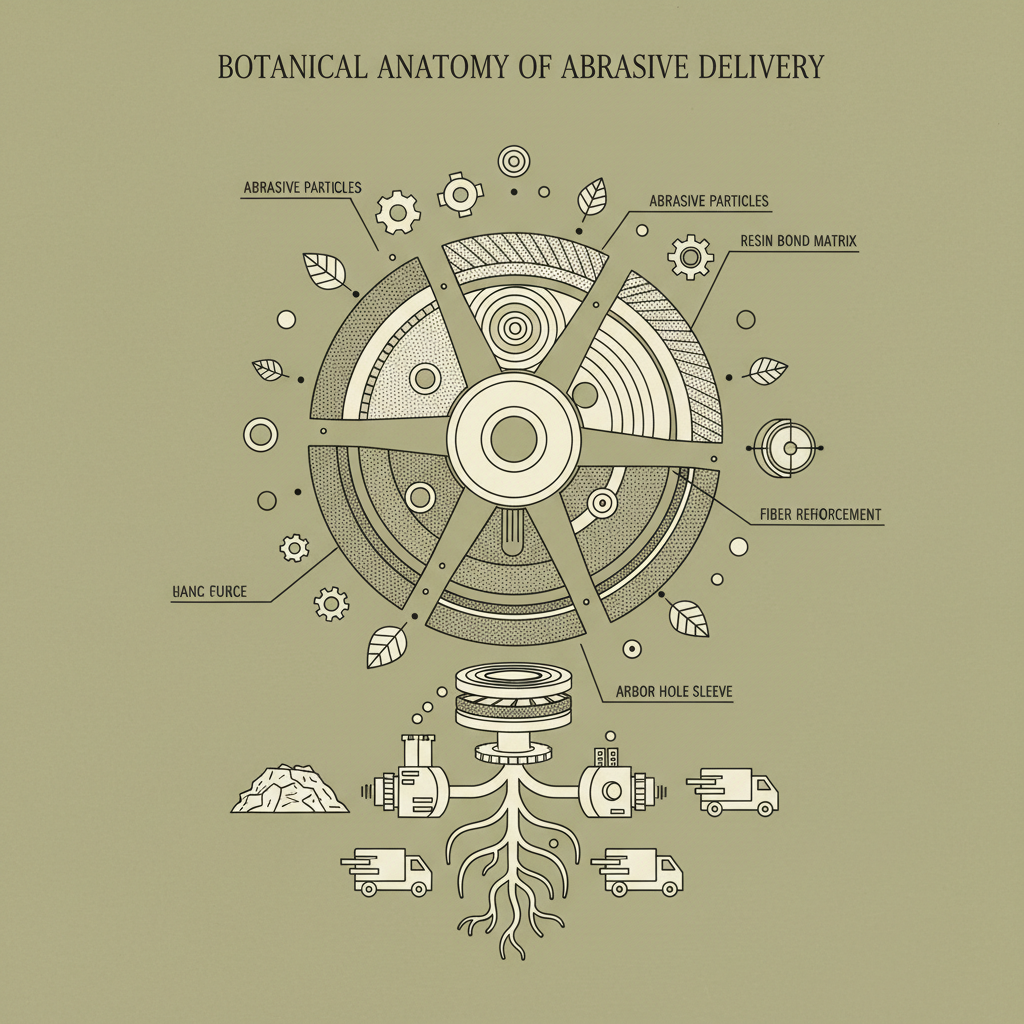
Furthermore, understanding the construction and composition of cutting wheels – including the abrasive material, bonding agent, and reinforcement – allows for informed decisions regarding wheel selection and maintenance. This knowledge empowers operators to prolong wheel life, minimize downtime, and maximize their investment in this essential tooling. For more information, explore resources on different types of cutting wheels.
Defining Different Types of Cutting Wheels
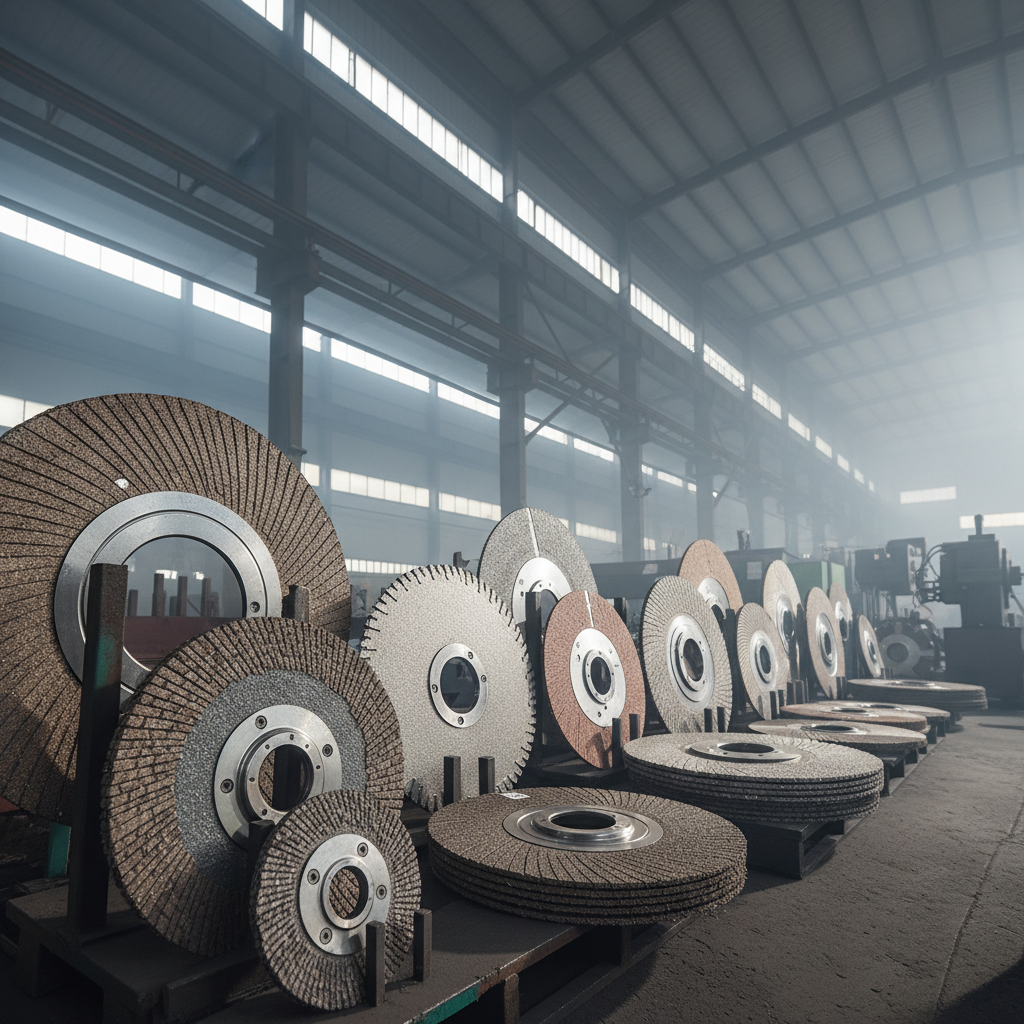
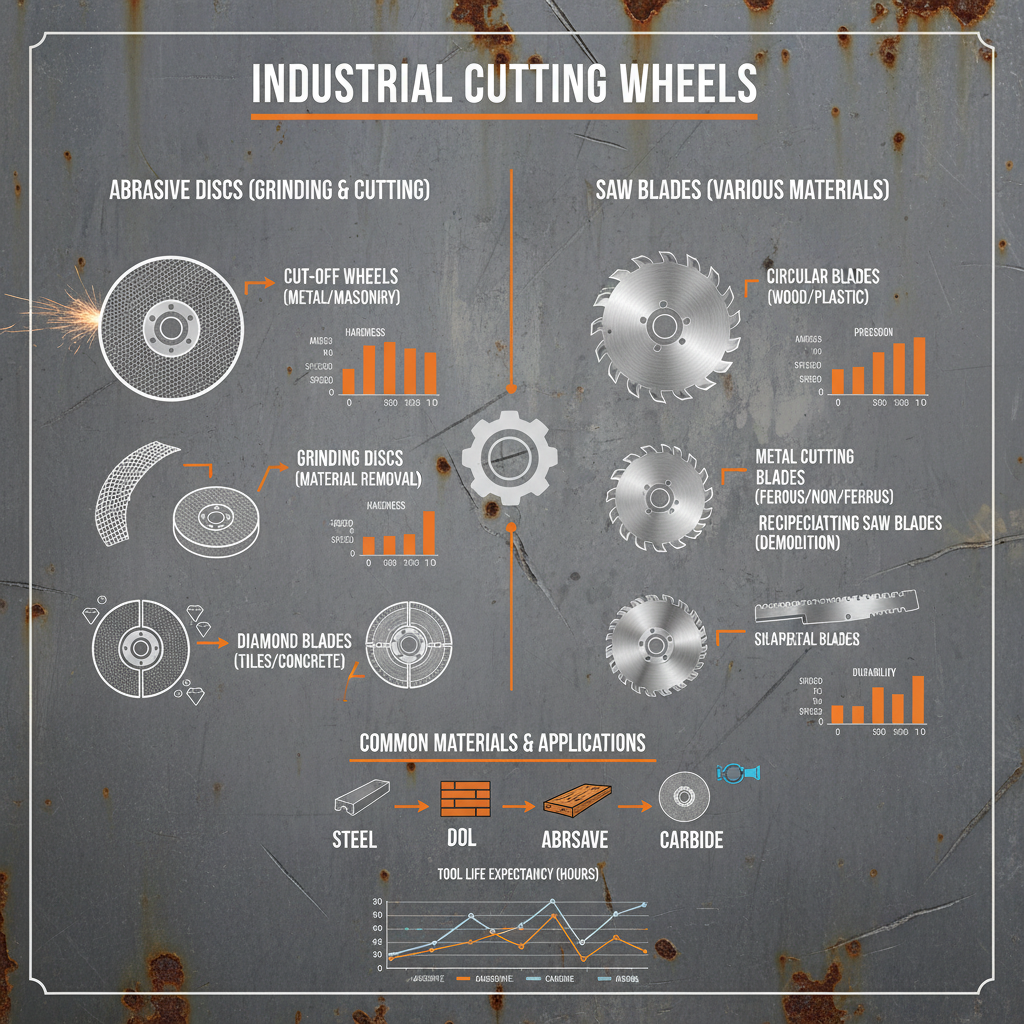
Different types of cutting wheels are broadly categorized by the material they are made from and the types of materials they are designed to cut. Abrasive wheels, the most common type, utilize bonded abrasive particles like aluminum oxide or silicon carbide to remove material through friction. Diamond blades, conversely, employ industrial diamonds – the hardest known material – for cutting extremely hard substances like tile, stone, and concrete. Carbide-tipped wheels offer a balance between abrasive and diamond performance, suitable for cutting wood, plastics, and softer metals.
Beyond these core types, there are specialized cutting wheels designed for specific applications. Thin kerf blades maximize cutting speed with minimal material waste. Scoring wheels create shallow cuts for precise breaking or snapping of materials. Flap discs offer a versatile solution for grinding, blending, and deburring. The correct wheel selection hinges on the material being cut, the desired cut quality, and the required speed and precision.
Cutting wheels also differ by their bonding materials – resinoid, vitrified, rubber – each influencing the wheel’s strength, heat resistance, and lifespan. The choice of bonding agent is critical in matching the wheel’s performance characteristics to the intended application.
Key Characteristics of Cutting Wheels
Durability is a key characteristic, referring to the wheel’s resistance to wear and breakage during use. This is affected by the abrasive material, bonding agent, and wheel construction. A more durable wheel reduces the frequency of replacements, lowering costs and minimizing downtime. The type of material being cut directly impacts durability; harder materials necessitate more robust wheels.
Cutting speed dictates how quickly the wheel can remove material. Factors influencing cutting speed include the abrasive grit size, wheel diameter, and the power of the tool. Faster cutting speeds increase productivity but can also generate more heat, potentially impacting wheel life. Selecting the right grit size for the material being cut is crucial for optimizing cutting speed.
Precision refers to the accuracy and smoothness of the cut. Diamond blades typically offer the highest precision, while abrasive wheels may produce a rougher finish. The wheel’s construction and the operator’s technique also play a role. High precision is especially critical in applications requiring tight tolerances or aesthetic appeal.
Applications Across Industries
The construction industry relies heavily on different types of cutting wheels for tasks like cutting concrete, asphalt, brick, and tile. Diamond blades are essential for precise cutting of paving materials, while abrasive wheels are used for general-purpose cutting and grinding. Metalworking utilizes a wide range of cutting wheels for shearing, slitting, and grinding metal components. The automotive industry depends on cutting wheels for fabricating body panels, exhaust systems, and other parts.
The ceramics industry utilizes diamond-coated cutting wheels to precisely cut and shape brittle ceramic materials without causing cracking or chipping. Glass cutting also demands specialized diamond blades to create clean, accurate cuts. Even in artistic applications, cutting wheels are employed by sculptors and craftspeople to shape and refine their creations. In remote industrial zones, selecting the right cutting wheel can mean the difference between a smooth operation and costly delays.
Furthermore, in post-disaster relief operations, portable cutting tools equipped with appropriate cutting wheels are crucial for emergency rescue efforts, clearing debris, and restoring infrastructure. Their versatility and efficiency make them an indispensable asset in these challenging situations.
Cutting Wheel Performance Comparison
Advantages and Long-Term Value
Investing in high-quality different types of cutting wheels translates to significant cost savings over the long term. While cheaper alternatives may seem attractive initially, their shorter lifespan and lower performance ultimately result in increased replacement costs and decreased productivity. The reliability of premium wheels minimizes downtime, ensuring projects stay on schedule and within budget.
Beyond financial benefits, using the correct cutting wheel enhances worker safety by reducing the risk of wheel breakage and kickback. A safer work environment fosters increased employee morale and reduces the likelihood of costly accidents. The precision and quality of cuts achieved with appropriate wheels also contribute to enhanced product quality and customer satisfaction.
Future Trends and Innovations
The future of cutting wheel technology is focused on developing more durable, efficient, and environmentally friendly solutions. Advancements in abrasive materials, such as cubic boron nitride (CBN) and ceramic abrasives, are leading to wheels with extended lifespans and improved cutting performance. The integration of sensor technology and data analytics is enabling real-time monitoring of wheel wear and performance, optimizing cutting processes and preventing premature failures.
Furthermore, research is underway to develop cutting wheels made from recycled materials, reducing waste and minimizing environmental impact. Automation and robotics are also playing an increasingly important role in cutting applications, demanding cutting wheels with enhanced precision and consistency. These innovations are driving the evolution of cutting wheel technology, shaping its future and contributing to a more sustainable and efficient manufacturing landscape.
Challenges and Solutions in Cutting Wheel Usage
A common challenge in cutting wheel usage is premature wear due to improper technique or incorrect wheel selection. Solutions include comprehensive operator training, emphasizing proper cutting speeds, pressure, and angle. Another issue is the generation of dust and debris, which can pose health hazards and reduce visibility. Implementing effective dust extraction systems and using cutting wheels with dust-reducing features can mitigate this risk.
Wheel breakage remains a safety concern, often stemming from exceeding the wheel’s maximum operating speed or using a damaged wheel. Regular wheel inspections and adherence to manufacturer’s safety guidelines are crucial for preventing accidents. Finally, ensuring proper storage and handling of cutting wheels is essential for maintaining their integrity and performance.
Expert insights suggest proactive maintenance schedules and detailed logs for tracking wheel usage to optimize lifespan and identify potential issues before they escalate.
Summary of Cutting Wheel Challenges and Solutions
| Challenge |
Root Cause |
Impact |
Solution |
| Premature Wheel Wear |
Incorrect Cutting Parameters |
Increased Costs, Downtime |
Operator Training, Proper Wheel Selection |
| Dust and Debris Generation |
Cutting Process Itself |
Health Hazards, Reduced Visibility |
Dust Extraction Systems, Specialized Wheels |
| Wheel Breakage |
Exceeding Speed Limit, Damaged Wheel |
Safety Risks, Production Delays |
Regular Inspections, Safety Adherence |
| Inconsistent Cut Quality |
Variable Cutting Pressure |
Product Defects, Rework |
Automated Cutting Systems, Consistent Technique |
| Incorrect Wheel Selection |
Lack of Material Knowledge |
Reduced Efficiency, Wheel Damage |
Consulting Wheel Experts, Detailed Material Analysis |
| Wheel Storage Issues |
Improper Environmental Conditions |
Wheel Degradation, Reduced Lifespan |
Controlled Humidity, Protective Packaging |
FAQS
Abrasive wheels utilize bonded abrasive particles to grind away material, while diamond blades use industrial diamonds for cutting. Diamond blades excel at cutting extremely hard materials like concrete and tile, offering superior precision and longer life, although at a higher initial cost. Abrasive wheels are more versatile for general-purpose cutting but wear down faster.
Grit size refers to the size of the abrasive particles. Lower grit numbers (e.g., 60) indicate coarser particles for faster material removal but a rougher finish. Higher grit numbers (e.g., 120) provide a finer finish but cut slower. Harder materials typically require coarser grits, while softer materials benefit from finer grits. Consult wheel manufacturer guidelines for specific recommendations.
Always wear appropriate personal protective equipment (PPE), including safety glasses, gloves, and a dust mask. Ensure the wheel is properly mounted and guarded. Never exceed the wheel’s maximum operating speed. Inspect the wheel for cracks or damage before use. And always follow the manufacturer’s safety instructions.
Use the correct wheel for the material being cut. Avoid excessive pressure. Maintain consistent cutting speed. Prevent the wheel from overheating. Store wheels in a dry environment. Regularly inspect for wear and damage. Following these practices will significantly extend wheel life and reduce costs.
Yes, manufacturers are increasingly developing cutting wheels made from recycled materials or utilizing more sustainable bonding agents. Look for wheels labeled as eco-friendly or featuring recycled content. Additionally, choosing longer-lasting wheels reduces overall waste and contributes to a more sustainable practice.
RPM stands for Revolutions Per Minute, representing the maximum safe operating speed of the cutting wheel. Exceeding this speed can cause the wheel to shatter, leading to serious injury. Always ensure your power tool’s RPM matches or is below the wheel’s maximum RPM rating. Using a wheel at a lower RPM than recommended may reduce efficiency.
Conclusion
Understanding the diverse landscape of different types of cutting wheels is crucial for professionals across a multitude of industries. From selecting the appropriate abrasive material to recognizing the importance of safety precautions, this knowledge translates into increased efficiency, reduced costs, and a safer working environment. A nuanced understanding of wheel characteristics allows for optimal performance and maximized lifespan.
As technology continues to advance, the future of cutting wheel innovation promises even more durable, efficient, and environmentally friendly solutions. By staying abreast of these developments and embracing best practices, individuals and organizations can unlock the full potential of cutting wheel technology, driving productivity and sustainability. Visit our website at Cutoff Discs to explore a comprehensive range of cutting wheel options and expert advice.