Understanding Mini Flap Discs: A Comprehensive Guide
Mini flap discs are versatile abrasive tools used for grinding, blending, and finishing a wide range of materials, from metal and stainless steel to wood and plastic. Their compact size allows access to tight spaces and contoured surfaces, making them ideal for detailed work. At CutoffDiscs.com, we specialize in providing high-quality mini flap discs to meet the demanding needs of professionals and DIY enthusiasts alike. This article explores the features, benefits, applications, and selection criteria for mini flap discs, helping you choose the right disc for your projects.
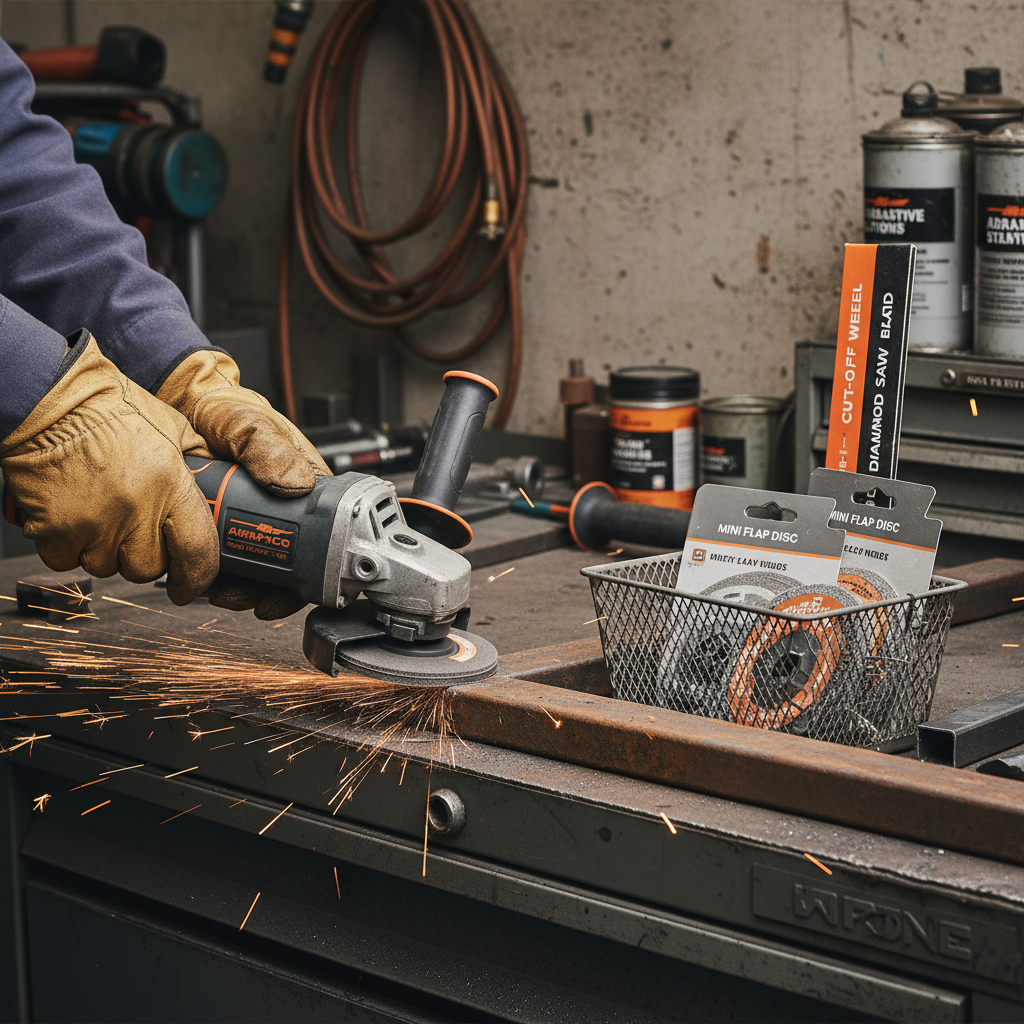
What are Mini Flap Discs and How Do They Work?
Mini flap discs consist of abrasive flaps bonded to a backing plate. These flaps are typically made of aluminum oxide, silicon carbide, or ceramic abrasive grains. As the disc rotates, the flaps wear down, constantly exposing fresh abrasive material. This self-sharpening action provides a consistent and efficient cutting action, minimizing heat buildup and reducing the risk of material distortion. Unlike grinding wheels, mini flap discs offer a smoother finish and are less prone to gouging. They excel in applications requiring contour blending, deburring, and weld seam removal. The flexibility of the flaps conforms to surface irregularities, ensuring even abrasion.
Key Highlights: Consistently expose fresh abrasive material, minimizing heat buildup and risk of material distortion. Excellent in applications requiring contour blending, deburring, and weld seam removal.
Choosing the Right Mini Flap Disc: Abrasive Grain Types
The choice of abrasive grain significantly impacts the performance of the mini flap disc. Aluminum oxide is the most common and cost-effective option, suitable for general-purpose applications on ferrous metals. Silicon carbide is harder and provides a faster cut on non-ferrous materials like aluminum and glass. Ceramic abrasive grains offer the highest cutting efficiency and durability, making them ideal for aggressive stock removal and high-stress applications such as stainless steel grinding. Selecting the right grain type ensures optimal performance and longevity.
Abrasive Grain Comparison:
• Aluminum Oxide: Versatile, cost-effective, ferrous metals
• Silicon Carbide: Faster cut, non-ferrous materials
• Ceramic: High efficiency, durability, aggressive stock removal
Mini Flap Disc Grit Selection for Various Applications
Grit size dictates the abrasiveness of the disc. Coarser grits (e.g., 40-80) are used for rapid material removal, such as removing rust, scale, or heavy weld seams. Medium grits (e.g., 100-120) are suitable for blending and smoothing surfaces. Fine grits (e.g., 180-320) are ideal for finishing, polishing, and removing minor imperfections. Choosing the correct grit sequence is vital for achieving the desired surface finish. Starting with a coarser grit and progressively moving to finer grits provides a controlled and efficient process. Visit CutoffDiscs.com to explore our wide range of grit options.
Applications of Mini Flap Discs Across Industries
Mini flap discs are employed across numerous industries, including metal fabrication, automotive repair, woodworking, and aerospace. They are used for deburring edges, removing weld splatter, blending grind marks, and preparing surfaces for painting or coating. Their compact size makes them particularly useful for accessing difficult-to-reach areas. In the automotive industry, they're invaluable for bodywork and rust removal. Woodworkers use them for shaping and smoothing curves. Their versatility makes them an essential tool for any workshop.
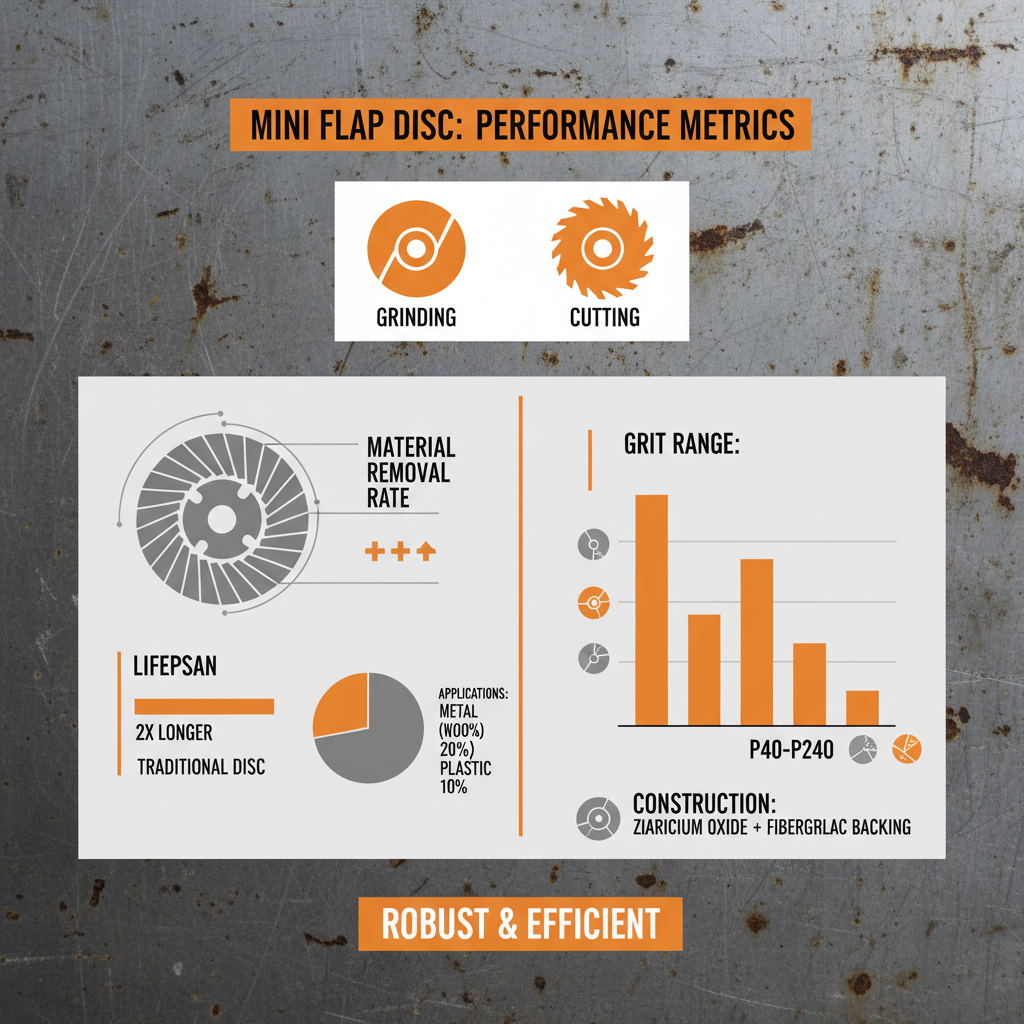
Safety Considerations When Using Mini Flap Discs
Always wear appropriate personal protective equipment (PPE) when using mini flap discs, including safety glasses, gloves, and a dust mask. Ensure the disc is securely mounted on the tool and that the tool is operating within its specified speed range. Never apply excessive pressure, as this can cause the disc to break. Inspect the disc for damage before each use and discard any damaged discs. Work in a well-ventilated area to avoid inhaling abrasive dust.
Conclusion: Optimizing Performance with Quality Mini Flap Discs
Choosing the right mini flap disc is critical for achieving optimal results in your projects. Consider the material you’re working with, the desired finish, and the level of material removal required. At CutoffDiscs.com, we provide a comprehensive selection of high-quality mini flap discs to meet your specific needs. Prioritize safety and always use appropriate PPE. With the right tools and techniques, you can achieve professional-quality results with ease.
Frequently Asked Questions (FAQs)
What is the maximum RPM for a typical mini flap disc?
The maximum RPM for a mini flap disc is usually printed on the disc itself or its packaging. It’s crucial to adhere to this limit, as exceeding it can cause the disc to disintegrate, leading to serious injury. Generally, mini flap discs are rated for use with tools operating between 10,000 and 25,000 RPM. Always check the manufacturer’s specifications before use and ensure your power tool is set to the appropriate speed. Using a disc beyond its rated RPM significantly compromises safety.
How long can I expect a mini flap disc to last?
The lifespan of a mini flap disc depends on several factors, including the material being abraded, the grit size, and the pressure applied. A disc used for aggressive stock removal on hard materials will wear down much faster than one used for light finishing on softer materials. Generally, a mini flap disc will last anywhere from a few minutes to several hours of continuous use. Look for signs of wear, such as reduced cutting efficiency and frayed flaps, as indicators that the disc needs to be replaced.
Can I use a mini flap disc on wood?
Yes, mini flap discs can be used on wood, especially those with aluminum oxide or silicon carbide abrasive grains. They are effective for smoothing wood surfaces, removing imperfections, and preparing wood for finishing. However, it's important to use a lower speed and avoid applying excessive pressure to prevent burning the wood. Using a finer grit disc will provide a smoother finish and reduce the risk of gouging.
What is the difference between a flap disc and a sanding disc?
While both flap discs and sanding discs are used for surface preparation, they differ in their construction and application. Sanding discs typically have abrasive material glued to a backing pad and are best suited for smoothing and finishing surfaces. Flap discs, with their overlapping abrasive flaps, are more aggressive and ideal for grinding, blending, and deburring. Flap discs also offer a longer lifespan due to their self-sharpening action, while sanding discs wear down more quickly.
Post time:Mar - 05 - 2026