Using Flap Discs on Wood: A Comprehensive Guide
Flap discs are versatile abrasive tools gaining popularity in woodworking for tasks ranging from smoothing surfaces to removing imperfections. Their flexibility and aggressive cutting action make them ideal for shaping and finishing wood. This article explores the benefits of using flap discs on wood, proper techniques, safety precautions, and selecting the right disc for your project. Whether you're a hobbyist or a professional woodworker, understanding how to effectively utilize flap discs will significantly enhance your results.
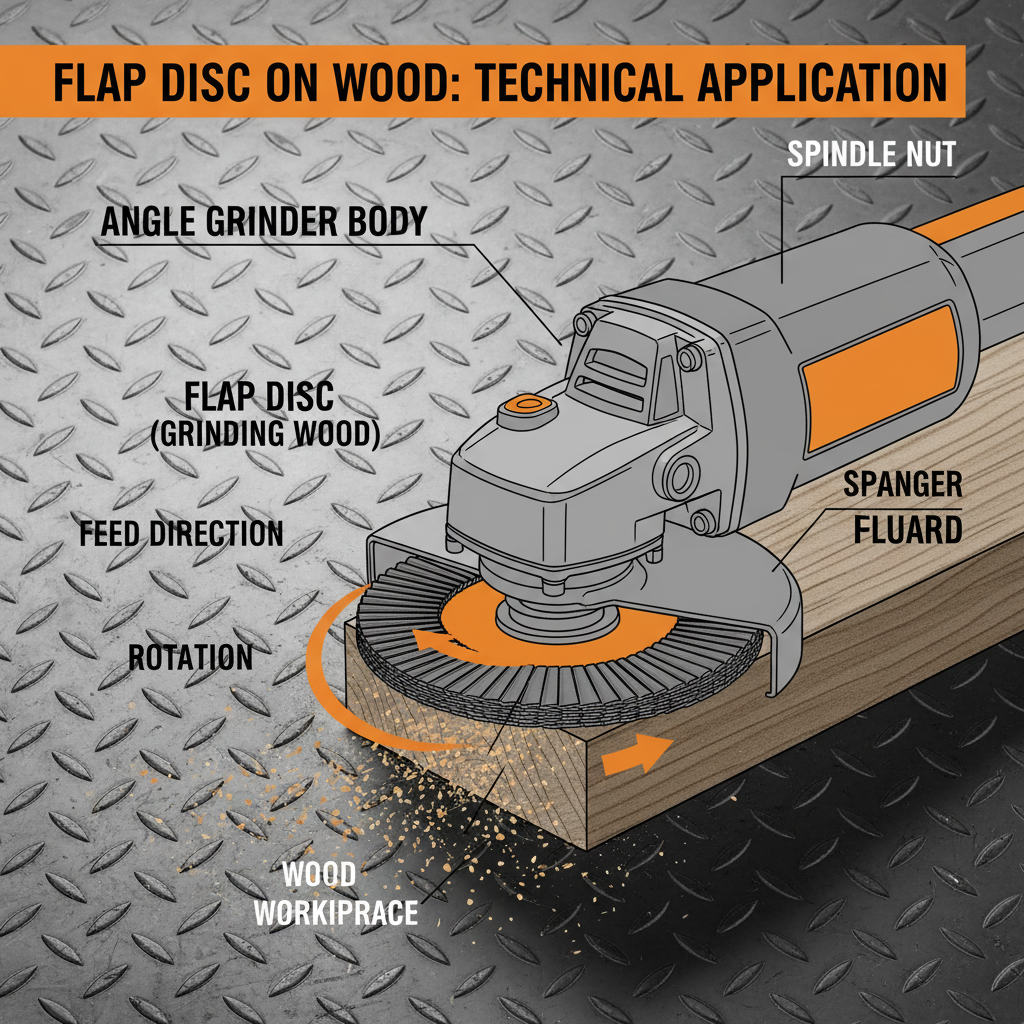
What are Flap Discs and Why Use Them on Wood?
A flap disc is an abrasive tool consisting of overlapping abrasive flaps securely bonded to a backing plate. This construction provides a flexible sanding surface, allowing it to conform to contours and curves. Compared to traditional grinding wheels or sanding discs, flap discs offer several advantages for woodworking. They remove material quickly and efficiently, create a smoother finish, and are less prone to loading up with wood dust. They are particularly effective for shaping edges, blending repairs, and removing paint or varnish. Furthermore, flap discs from CutoffDiscs.com are designed for durability and consistent performance.
Key Benefits: Fast material removal, smooth finish, flexibility for contouring, reduced loading, and versatility for various woodworking tasks.
Choosing the Right Flap Disc for Woodworking
Selecting the appropriate flap disc is crucial for achieving optimal results. The grit size is the primary factor to consider. Coarser grits (e.g., 40-80) are ideal for rapid material removal, shaping, and leveling. Medium grits (e.g., 100-120) are suitable for smoothing surfaces and preparing wood for finishing. Fine grits (e.g., 150-240) provide a very smooth finish and are excellent for blending repairs and refining details. The abrasive material also matters; aluminum oxide is a common choice for wood, while ceramic abrasives offer increased durability and cutting power.
Grit Size Guide:
• 40-80 Grit: Rapid material removal, shaping, leveling
• 100-120 Grit: Smoothing surfaces, preparing for finishing
• 150-240 Grit: Fine finishing, blending repairs
Using Flap Discs on Wood: Techniques and Best Practices
When using flap discs on wood, it’s essential to employ proper techniques for optimal results. Maintain a consistent angle of approximately 15-20 degrees between the disc and the wood surface. Apply moderate pressure and avoid forcing the disc, as this can cause gouging or uneven sanding. Move the disc in a smooth, controlled motion, overlapping each pass slightly. For curved surfaces, use the flexibility of the flap disc to conform to the shape. Regularly inspect the disc for wear and replace it when it becomes dull or damaged.
Safety First: Precautions When Using Flap Discs
Safety is paramount when working with power tools. Always wear appropriate personal protective equipment (PPE), including safety glasses, a dust mask, and hearing protection. Ensure the workpiece is securely clamped or held in place. Never exceed the maximum RPM rating of the flap disc or the power tool. Inspect the disc for cracks or damage before each use. Be aware of the surrounding environment and keep bystanders at a safe distance. Following these precautions will minimize the risk of injury and ensure a safe working environment. You can find detailed safety guidelines on the CutoffDiscs.com website.
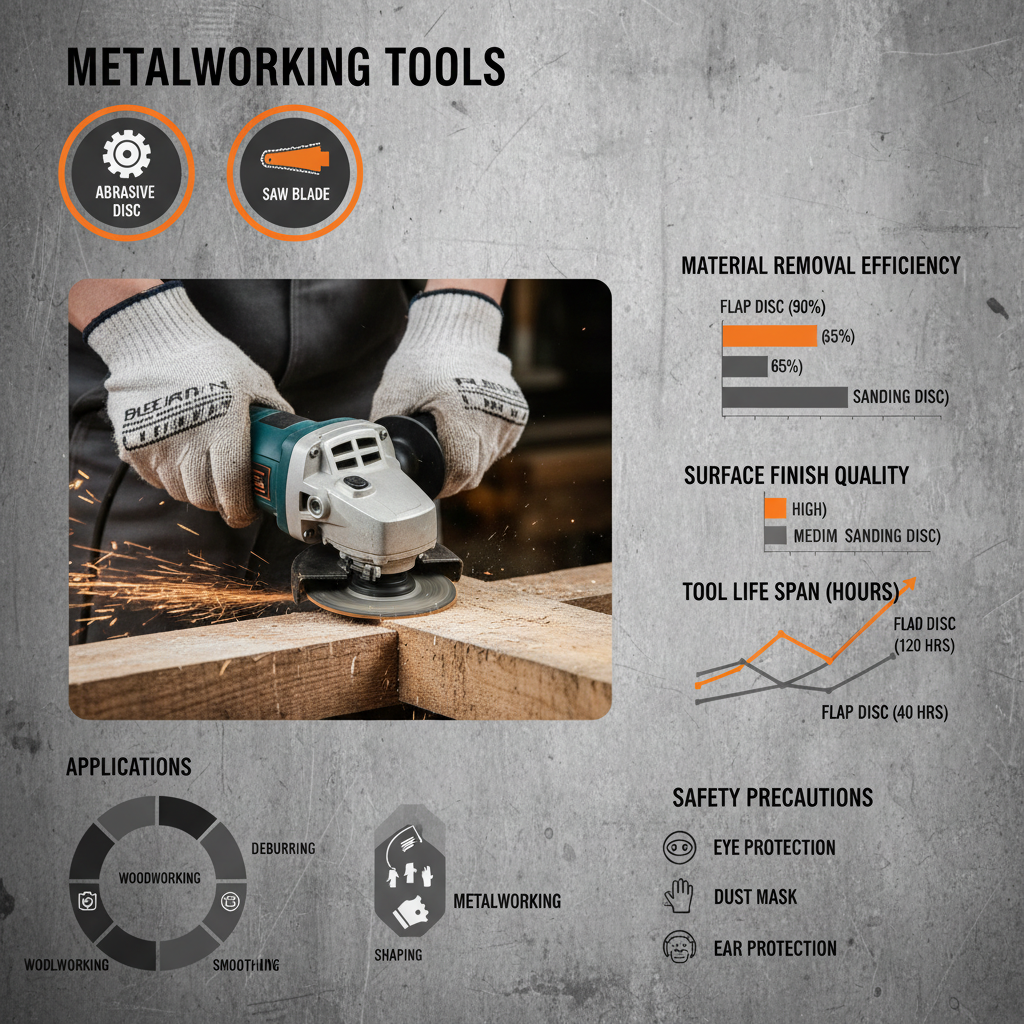
Comparing Flap Discs to Sandpaper & Grinding Wheels
While sandpaper and grinding wheels are both used for wood finishing, flap discs offer unique advantages. Sandpaper is ideal for very fine finishing and smoothing, but it clogs easily and removes material slowly. Grinding wheels are aggressive but can be difficult to control and often leave rough surfaces. Flap discs strike a balance, providing fast material removal with a relatively smooth finish. They are more durable than sandpaper and more controllable than grinding wheels.
Conclusion: Enhance Your Woodworking with Flap Discs
Using flap discs for woodworking provides efficiency, versatility, and a high-quality finish. By selecting the right grit, employing proper techniques, and prioritizing safety, you can unlock the full potential of this valuable tool. Explore the wide range of flap discs available at CutoffDiscs.com and take your woodworking projects to the next level.
Frequently Asked Questions (FAQs)
What is the difference between a flap disc and a sanding disc?
While both are used for sanding, flap discs have overlapping abrasive flaps providing a more aggressive cut and better conformity to shapes. Sanding discs are typically flat sheets of abrasive paper and are better suited for fine finishing. Flap discs remove material faster and are more durable, making them ideal for shaping and leveling wood. They also tend to clog less easily than traditional sanding discs. Choosing between the two depends on the specific task and desired level of material removal.
Can I use a flap disc to remove paint from wood?
Yes, flap discs are effective at removing paint from wood. Use a coarser grit (40-80) for quick paint removal, but be careful not to gouge the wood. Work in smooth, controlled passes, and avoid applying excessive pressure. A dust mask is crucial as paint removal generates a significant amount of dust. After removing the bulk of the paint, you can switch to a medium grit (100-120) to smooth the surface and prepare it for refinishing.
How often should I replace my flap disc?
The lifespan of a flap disc depends on usage and the type of wood you're working with. A good indicator is when you notice a decrease in cutting speed or if the flaps become excessively worn or torn. Regularly inspect the disc for damage. If the abrasive material is significantly worn down, or if the disc is damaged, it should be replaced immediately. Using a worn-out disc can be inefficient and potentially dangerous.
What angle grinder RPM should I use with a flap disc?
Always check the maximum RPM rating on the flap disc itself. Most flap discs are designed to be used with angle grinders operating between 8,000 and 12,000 RPM. Exceeding the maximum RPM can cause the disc to shatter. Many angle grinders have adjustable speed settings, so ensure you set it to the appropriate range before using the disc.
Post time:Mar - 06 - 2026