Grinder cutting discs are essential tools across a diverse range of industries, from construction and metalworking to automotive repair and DIY projects. Understanding the different grinder cutting disc types available is crucial for achieving optimal performance, ensuring safety, and maximizing the lifespan of both the disc and the grinder. These discs aren’t merely consumables; they represent a critical link in a production chain, impacting efficiency and project outcomes.
The global demand for grinder cutting discs is substantial and growing, driven by infrastructure development, manufacturing expansion, and an increasing emphasis on precision and efficiency. According to industry reports, the market is projected to reach significant value in the coming years, with Asia-Pacific leading the way in consumption. This demand necessitates a thorough understanding of the various types, their applications, and their limitations.
Choosing the correct grinder cutting disc type is not simply about finding the cheapest option; it’s about identifying the specific requirements of the task at hand. Factors like material type, cutting speed, desired finish, and safety protocols all play a vital role. A poorly chosen disc can lead to inefficient cutting, premature wear, and potentially dangerous situations.
Defining Grinder Cutting Disc Types
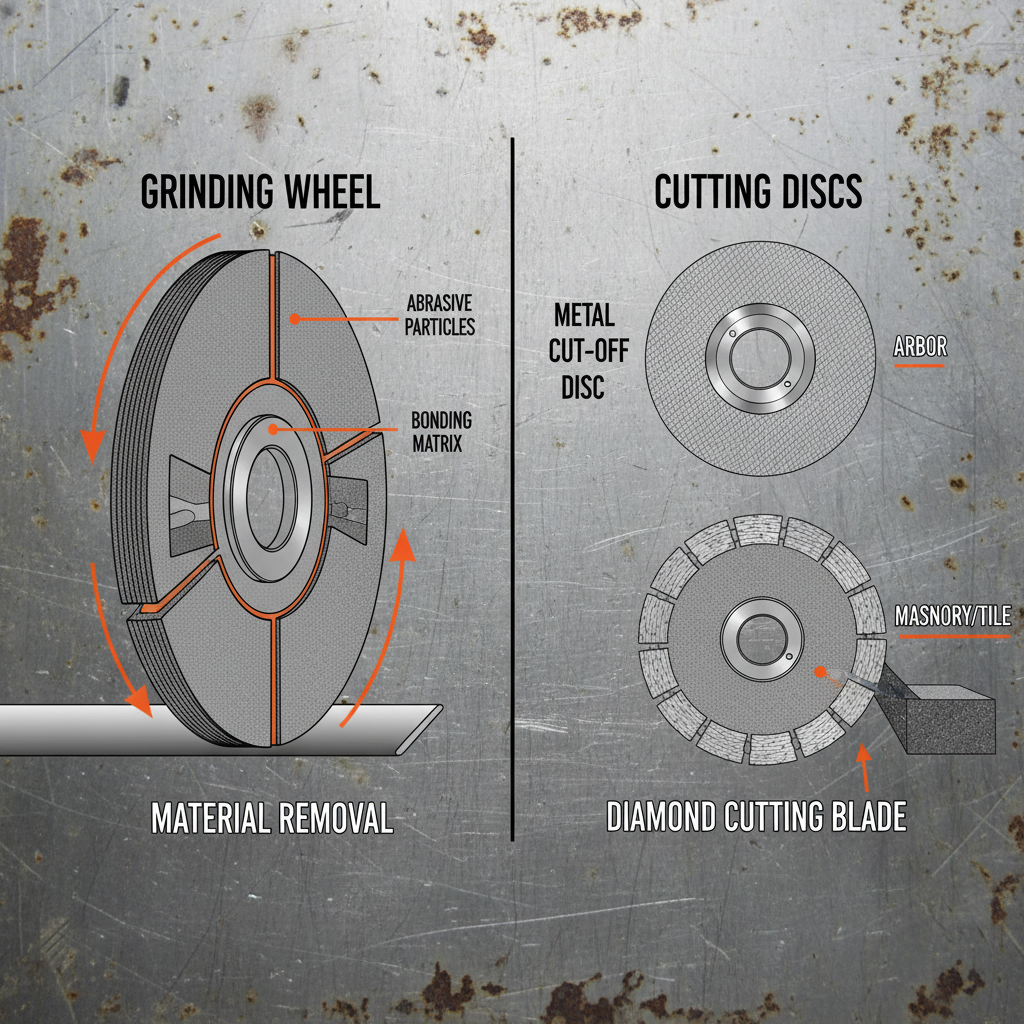
Grinder cutting discs are abrasive tools used with angle grinders for cutting, grinding, and polishing various materials. Essentially, they are circular discs made from abrasive particles bonded together by a resinous or vitrified material. Different grinder cutting disc types are formulated with specific abrasive grains and bond types to suit different applications.
These discs are fundamental to modern industry, enabling efficient material processing in manufacturing, construction, and countless other sectors. Their availability and relatively low cost make them accessible even in resource-constrained settings, contributing to rapid prototyping, repair work, and small-scale fabrication.
The Relevance of Grinder Cutting Disc Types Globally
The global significance of grinder cutting disc types stems from their ubiquitous use in industrial and commercial activities. The construction industry relies heavily on these discs for cutting rebar, concrete, and other building materials. Metal fabrication utilizes them for shaping and trimming metal sheets and pipes. Automotive repair shops depend on them for removing rust, cutting exhaust systems, and preparing surfaces for welding.
The market is substantial. Reports from organizations like the World Bank indicate a continuous growth in infrastructure spending globally, directly impacting the demand for cutting and grinding tools, including these discs. Furthermore, the rise of DIY culture and home improvement projects continues to drive consumer demand.
A key challenge addressed by understanding different grinder cutting disc types is optimizing material processing efficiency. Using the wrong disc can lead to increased cutting times, higher energy consumption, and more frequent disc replacements, ultimately increasing project costs and environmental impact.
Key Characteristics of Grinder Cutting Disc Types
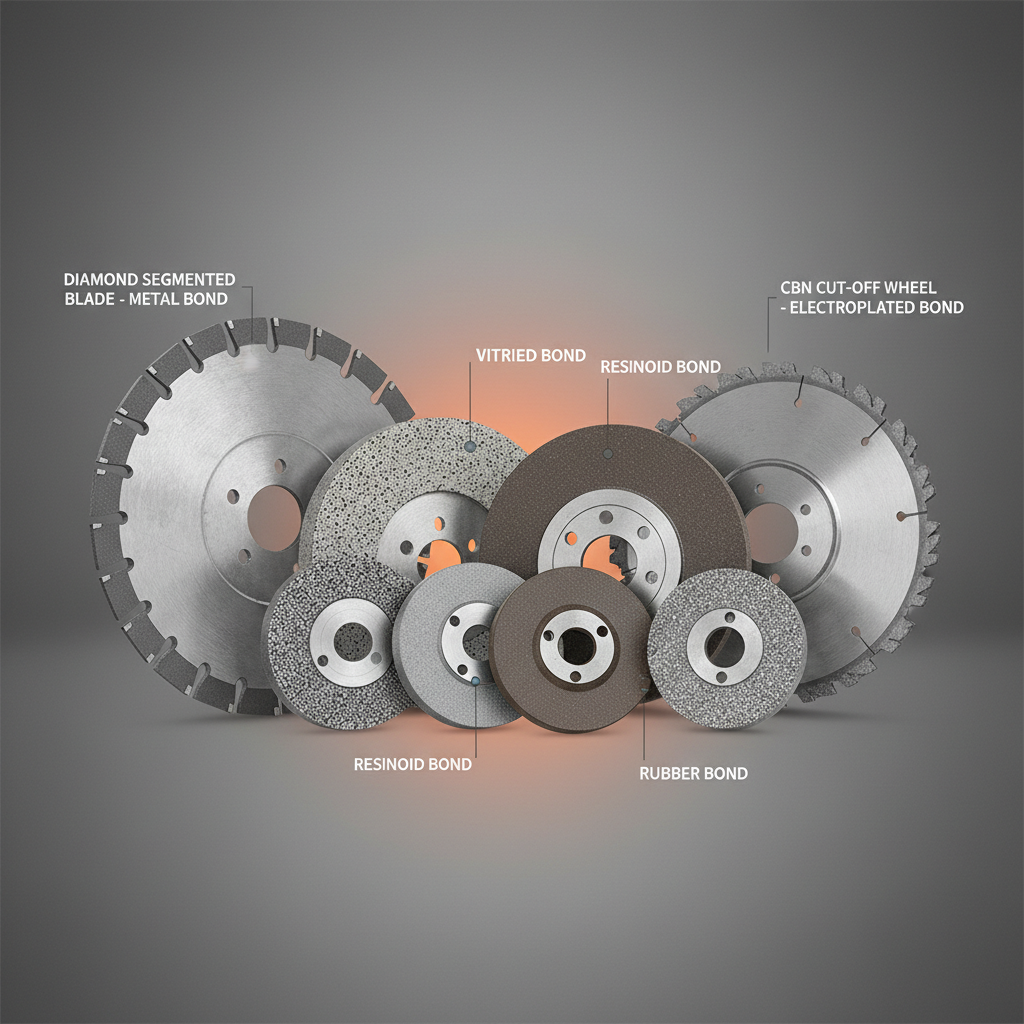
Several key characteristics define the performance and suitability of grinder cutting discs. Firstly, abrasive grain – whether it's aluminum oxide, silicon carbide, or ceramic – dictates the disc’s cutting aggressiveness and lifespan. Secondly, bond type – resinoid, vitrified, or rubber – influences the disc's heat resistance and ability to hold abrasive grains.
Thirdly, disc thickness affects the cutting kerf (width of the cut) and the disc's stability. Thicker discs are generally more durable but require more power. Fourthly, reinforcement material – fiberglass or nylon – determines the disc’s resistance to breakage and its overall structural integrity. Finally, maximum operating speed is a critical safety factor that must be matched to the grinder's capabilities.
These characteristics directly translate into practical applications. For example, a silicon carbide disc is ideal for cutting non-ferrous metals and stone due to its hardness, while an aluminum oxide disc is better suited for steel and ferrous metals. Choosing a disc with the correct reinforcement and speed rating is paramount for safe and effective operation.
Applications and Use Cases Across Industries
The applications of grinder cutting disc types are incredibly diverse. In the construction industry, they're used for cutting concrete, asphalt, tile, and stone, as well as for grinding welds and smoothing rough surfaces. Metalworkers utilize them for cutting and shaping steel, aluminum, and stainless steel.
Automotive professionals rely on these discs for tasks like removing rust, cutting body panels, and preparing surfaces for painting. Plumbers and electricians use them for cutting pipes and conduit. Even in the marine industry, grinder cutting discs are essential for repairing and maintaining boats and other watercraft.
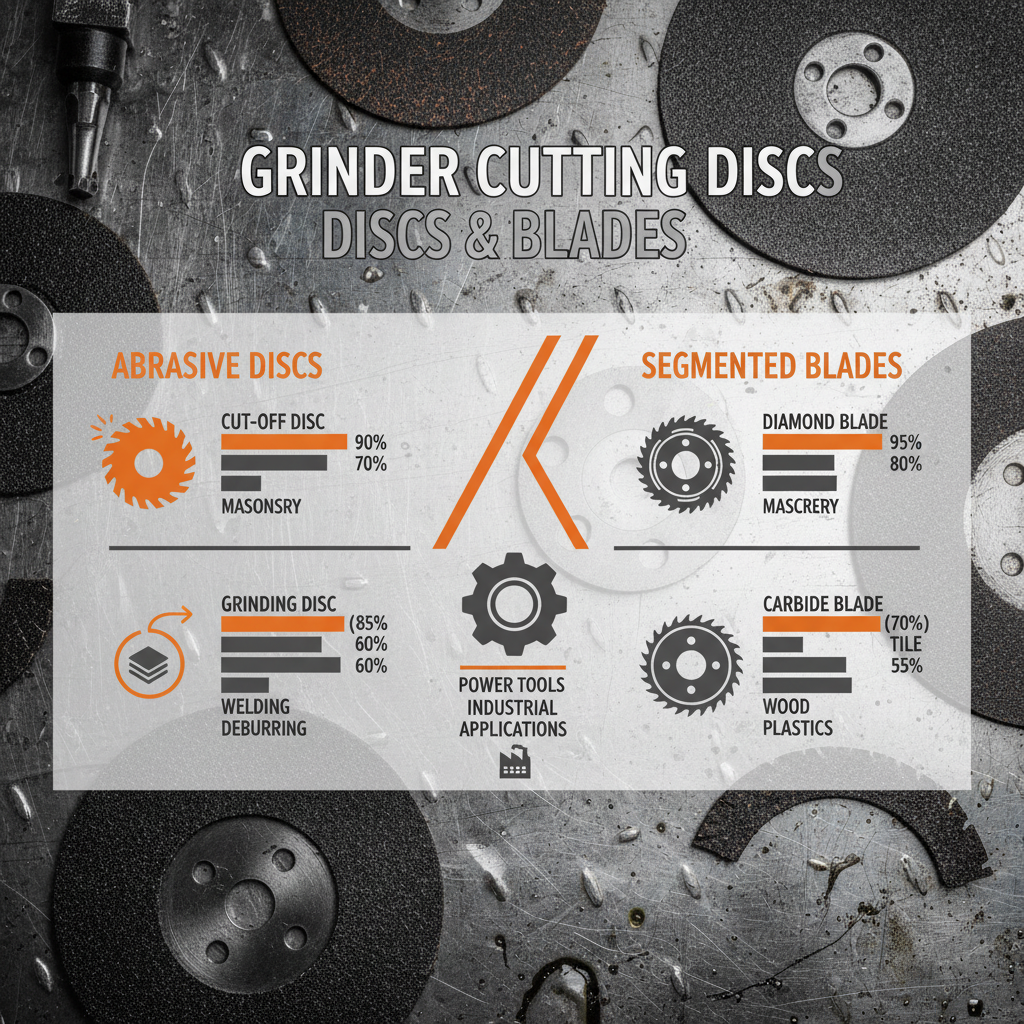
Cutting Performance Comparison of Grinder Cutting Disc Types
Advantages and Long-Term Value
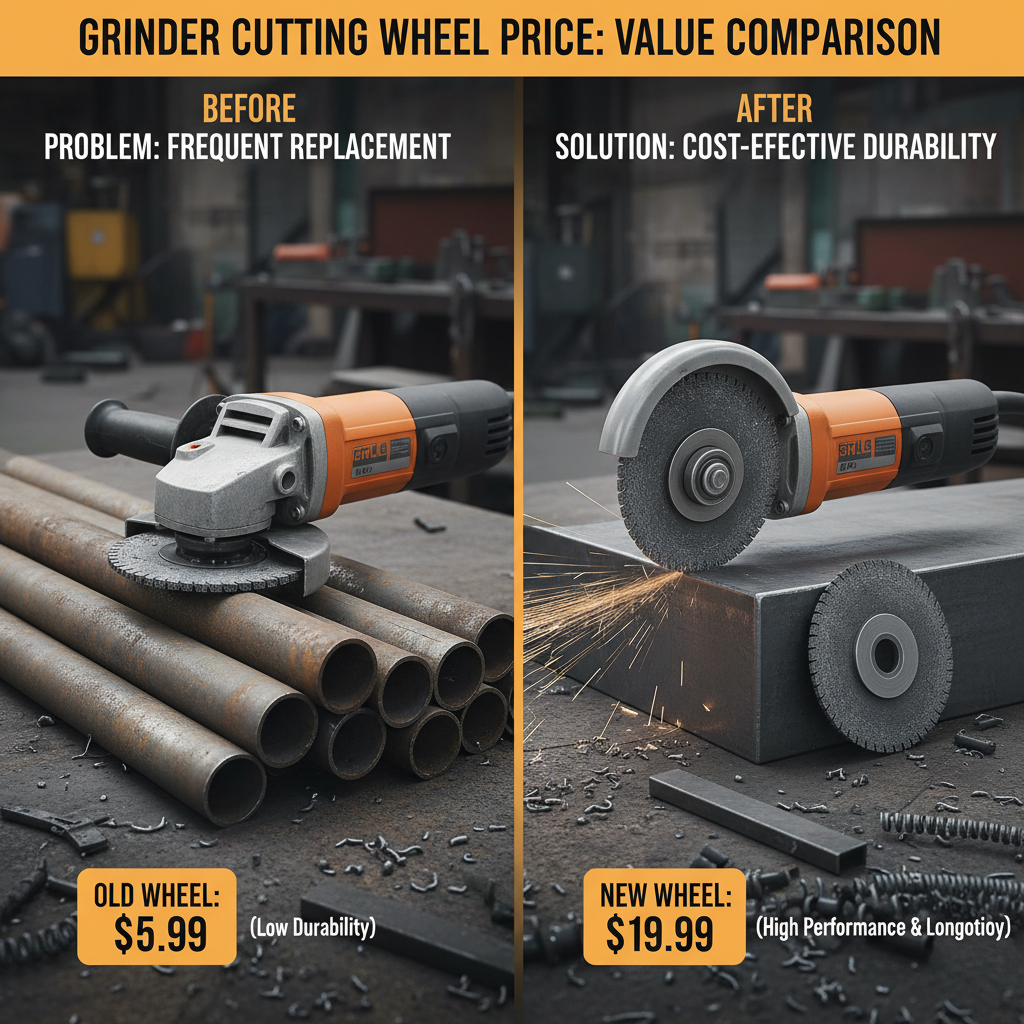
Choosing the right grinder cutting disc types offers numerous tangible benefits. Cost savings are significant; a durable, high-quality disc reduces the frequency of replacements, lowering overall tool expenses. Increased efficiency results from faster cutting speeds and reduced downtime.
Beyond the economic advantages, selecting appropriate discs enhances workplace safety. Discs designed for specific materials minimize the risk of kickback and breakage. A reliable and consistent cutting performance fosters trust in the tools and improves worker confidence.
Future Trends and Innovations in Grinder Cutting Disc Types
The future of grinder cutting disc types is geared towards increased efficiency, safety, and sustainability. Innovations in abrasive grain technology, such as the development of micro-grained abrasives, are leading to longer-lasting discs with improved cutting performance.
There's also a growing focus on dust reduction technologies, incorporating advanced filtration systems into disc design. Furthermore, the integration of smart sensors and data analytics could allow for real-time monitoring of disc wear and performance, optimizing tool usage and preventing premature failures.
Challenges and Solutions in Using Grinder Cutting Disc Types
A common challenge is selecting the correct disc for a specific application, often leading to inefficient cutting or disc damage. A solution lies in comprehensive training and readily accessible information about different grinder cutting disc types and their recommended uses.
Another challenge is ensuring user safety. Proper personal protective equipment (PPE), including eye protection, gloves, and respirators, is essential. Regular inspection of discs for cracks or damage is also critical.
Finally, the environmental impact of disc waste presents a concern. Exploring recycling programs and developing more sustainable disc materials are potential solutions.
Summary of Key Factors Affecting Grinder Cutting Disc Type Selection
| Material Type |
Abrasive Grain |
Disc Thickness (mm) |
Recommended Speed (RPM) |
| Steel |
Aluminum Oxide |
1.6 |
8000 |
| Stainless Steel |
Silicon Carbide |
1.0 |
12000 |
| Concrete |
Diamond |
2.0 |
9000 |
| Aluminum |
Ceramic |
1.2 |
10000 |
| Tile |
Diamond |
1.5 |
11000 |
| Cast Iron |
Aluminum Oxide |
2.5 |
7000 |
FAQS
Type 1 cutting discs are designed for straight cuts and are thinner, allowing for faster cutting speeds. Type 27 discs, also known as flap discs, are used for grinding, blending, and finishing and have a conical shape with abrasive flaps. Choosing the right type depends entirely on the application; cutting requires Type 1, while surface preparation benefits from Type 27.
Safety is paramount. Always wear appropriate PPE – safety glasses, gloves, and a dust mask. Inspect the disc for damage before use. Ensure the grinder's speed rating matches the disc's maximum RPM. Use the correct disc for the material you're cutting, and never apply excessive pressure.
Color coding provides a quick visual guide to the material the disc is designed for. For example, grey discs are generally for stainless steel and alloys, while black or blue discs are commonly used for ferrous metals like steel. Always check the packaging for specific material compatibility.
Look for signs of excessive wear, such as a dull cutting edge, visible cracking, or a significant reduction in cutting speed. If the disc feels unstable or vibrates excessively, it should be replaced immediately. It's better to err on the side of caution and replace a disc before it fails completely.
While diamond cutting discs are extremely versatile, they aren't ideal for every material. They excel at cutting hard, abrasive materials like tile, stone, and concrete. However, they may not be the best choice for softer metals like aluminum, as they can cause chipping and damage.
Grit size affects both the cutting speed and the finish. Coarser grits (lower numbers) cut faster but leave a rougher finish, while finer grits (higher numbers) cut slower but provide a smoother, more precise result. Selecting the appropriate grit size depends on the desired outcome of the cutting task.
Conclusion
Understanding the nuances of grinder cutting disc types is critical for professionals and DIY enthusiasts alike. From optimizing cutting efficiency and ensuring workplace safety to extending tool lifespan and reducing environmental impact, the benefits are substantial. The selection of the right disc type, combined with proper usage and maintenance, unlocks significant value and enhances project outcomes.
Looking ahead, continued innovation in abrasive materials and disc design will undoubtedly lead to even more efficient, durable, and sustainable cutting solutions. Staying informed about these advancements and prioritizing safety protocols will be key to maximizing the benefits of these essential tools. Visit our website at www.cutoffdiscs.com for more information and to explore our extensive range of grinder cutting discs.