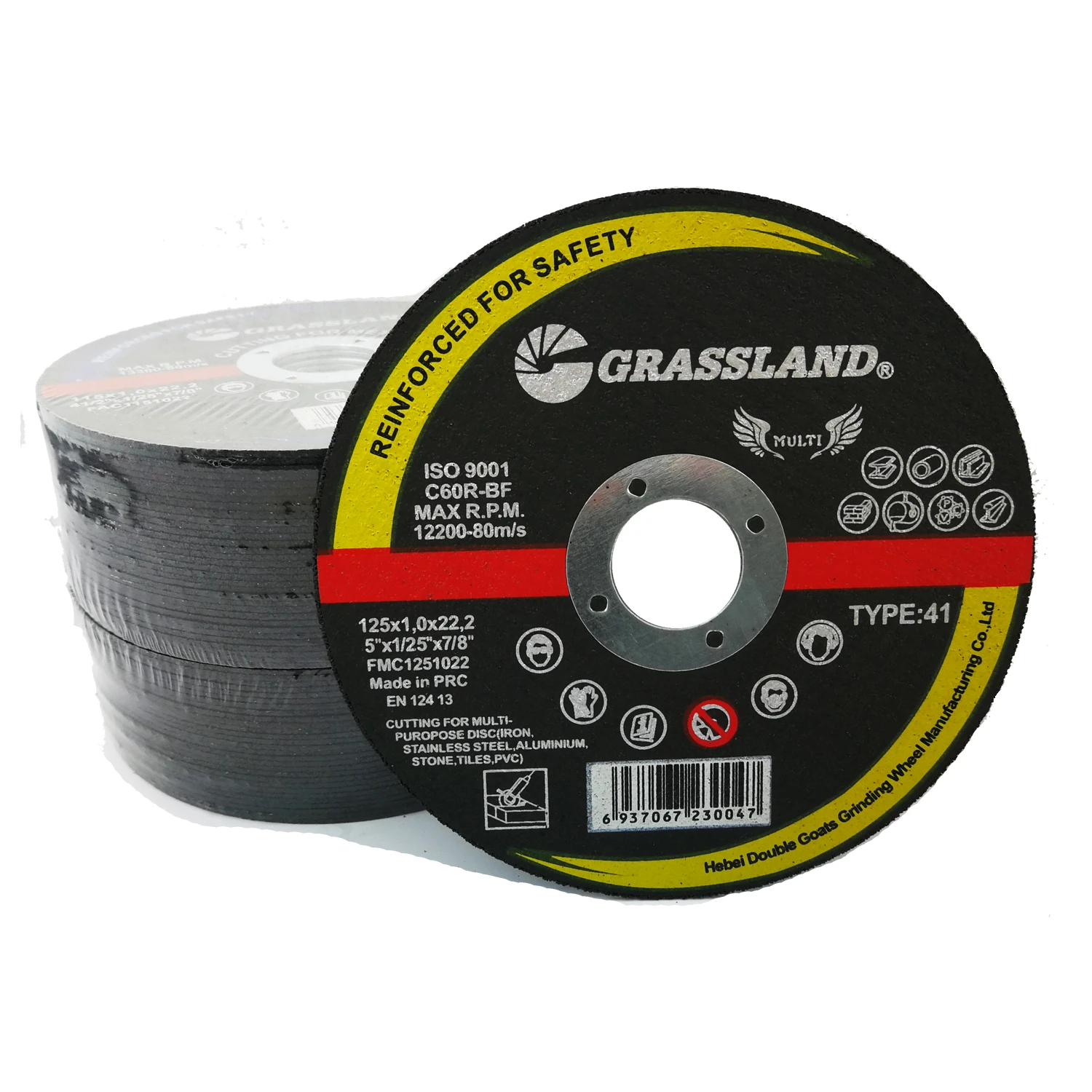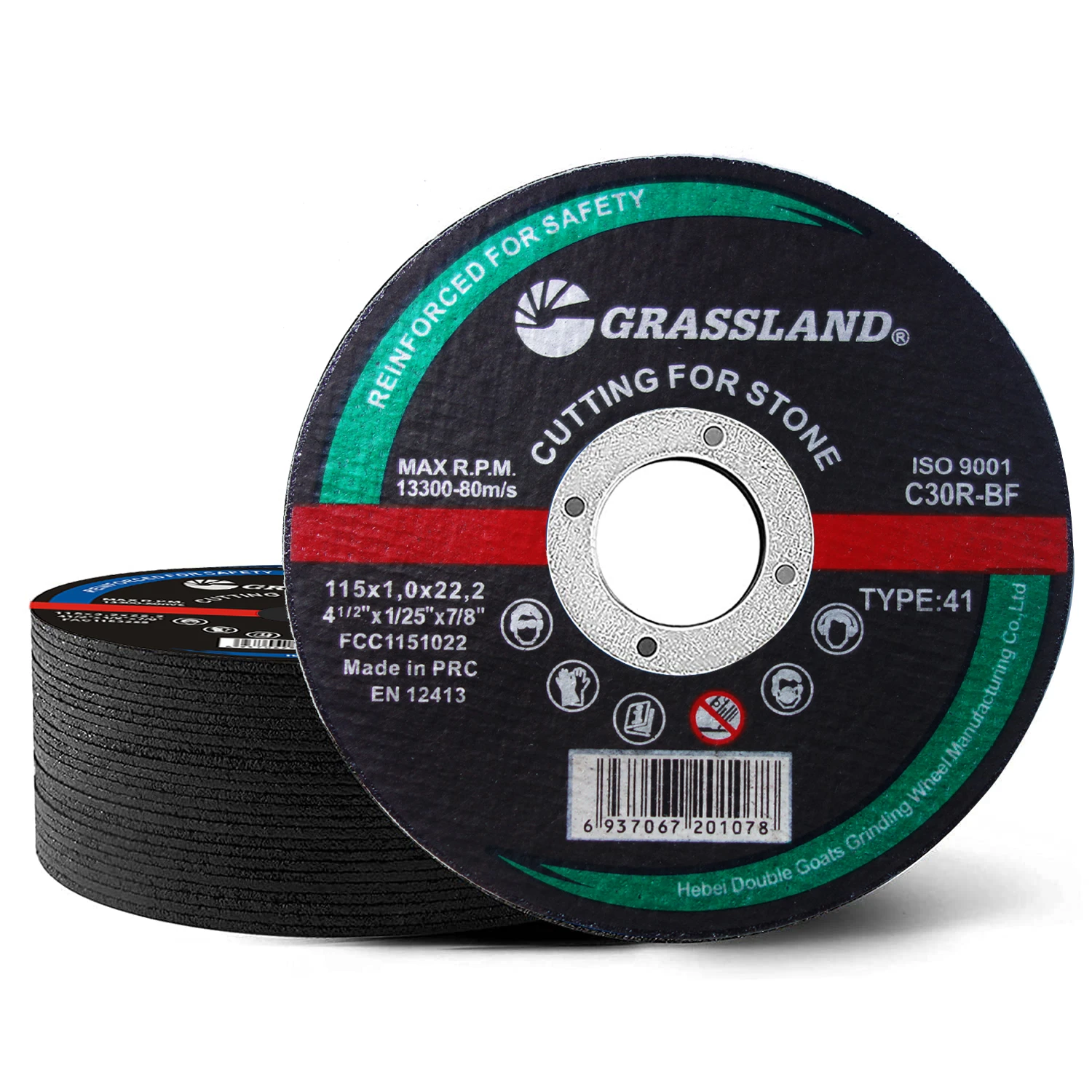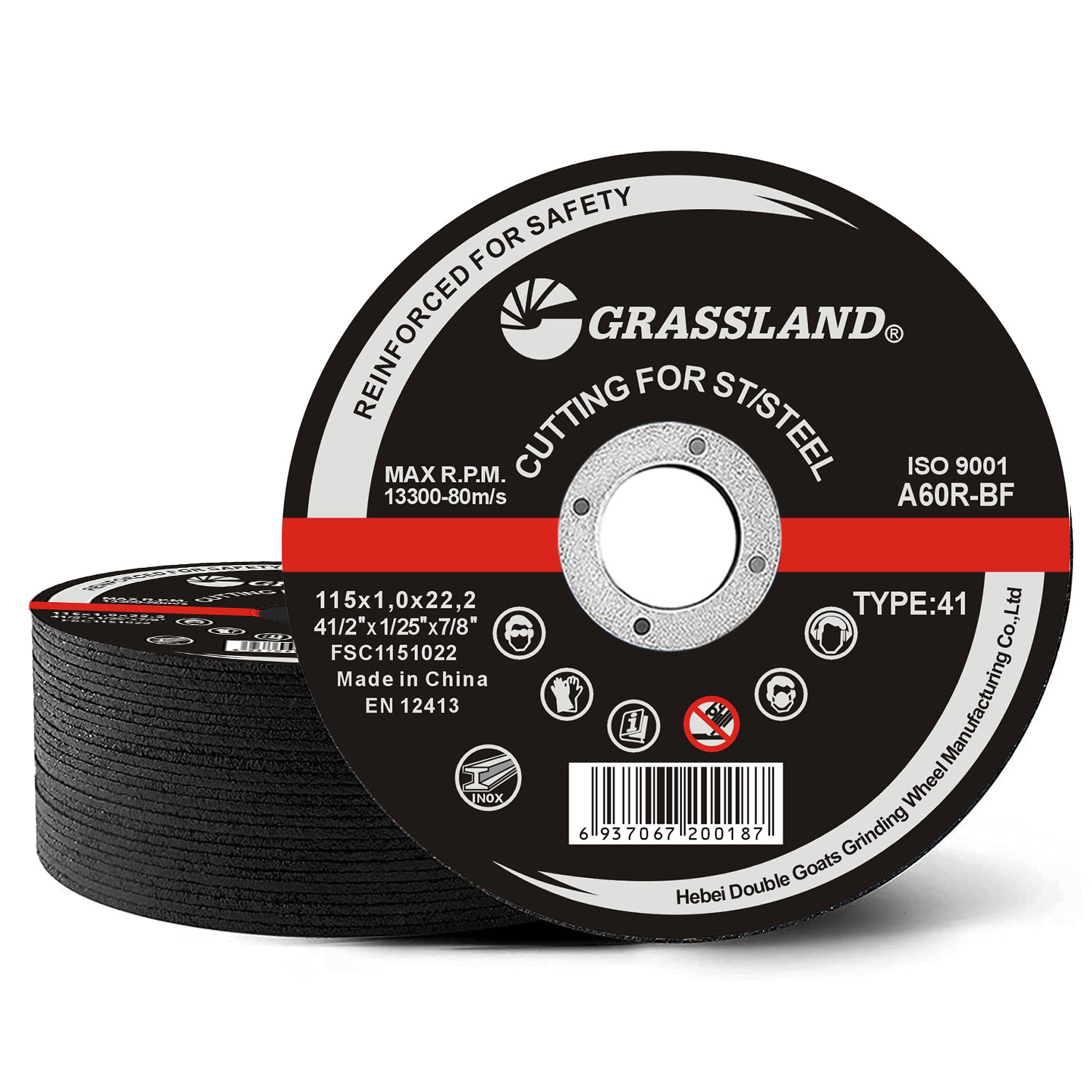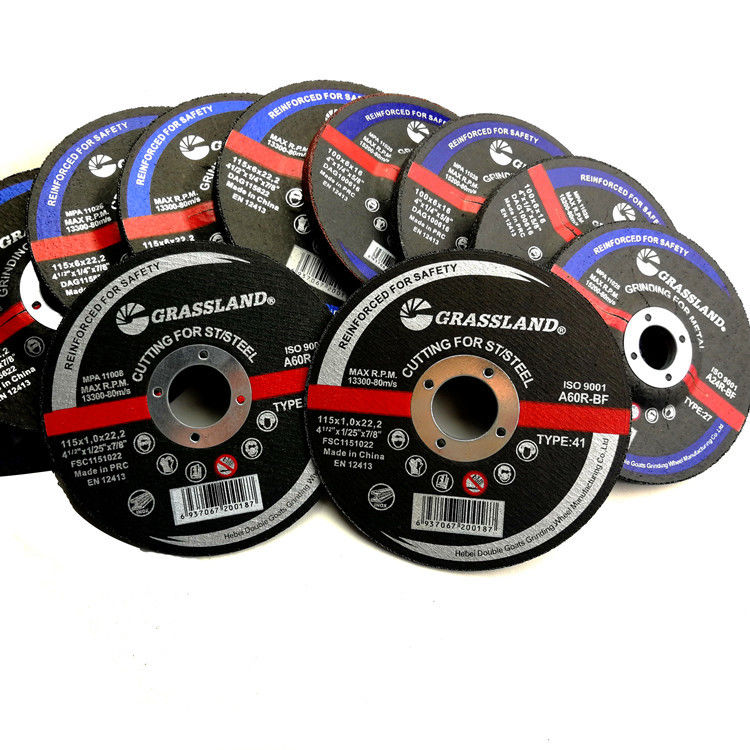
A Quick Dive Into the World of Metal Angle Grinder Discs
Metal angle grinder discs might not be the most glamorous topic at a dinner party, but they’re an unsung hero in industries ranging from construction to automotive repair. Global demand for metalworking tools continues to surge, driven by infrastructure growth and manufacturing innovations worldwide. Understanding metal angle grinder discs—what they actually are, how they perform, and why they matter—is key for professionals looking to optimize their toolkits and workflow efficiency.
Why Metal Angle Grinder Discs Are Vital on a Global Scale
In 2023, the global metalworking tools market was valued at over $12 billion, and angle grinders represent a significant chunk of that. Industries from North America to Southeast Asia depend heavily on metal angle grinder discs to cut, grind, and polish metals efficiently. The World Bank points out that metal fabrication is critical for economic development but is often bottlenecked by outdated or poor-quality tooling. This makes the quality and performance of metal angle grinder discs a global concern.
Challenges include safety, the longevity of discs under demanding conditions, and adapting to newer alloys and composite materials. If you think about it, a reliable angle grinder disc is not just a consumable—it’s a partner in everything from building skyscrapers to fixing agricultural equipment in remote villages.
Mini takeaway: The metal angle grinder disc is far more than a tool accessory; it’s part of a global industrial backbone, enabling critical infrastructure and innovation across continents.
What Exactly Is a Metal Angle Grinder Disc?
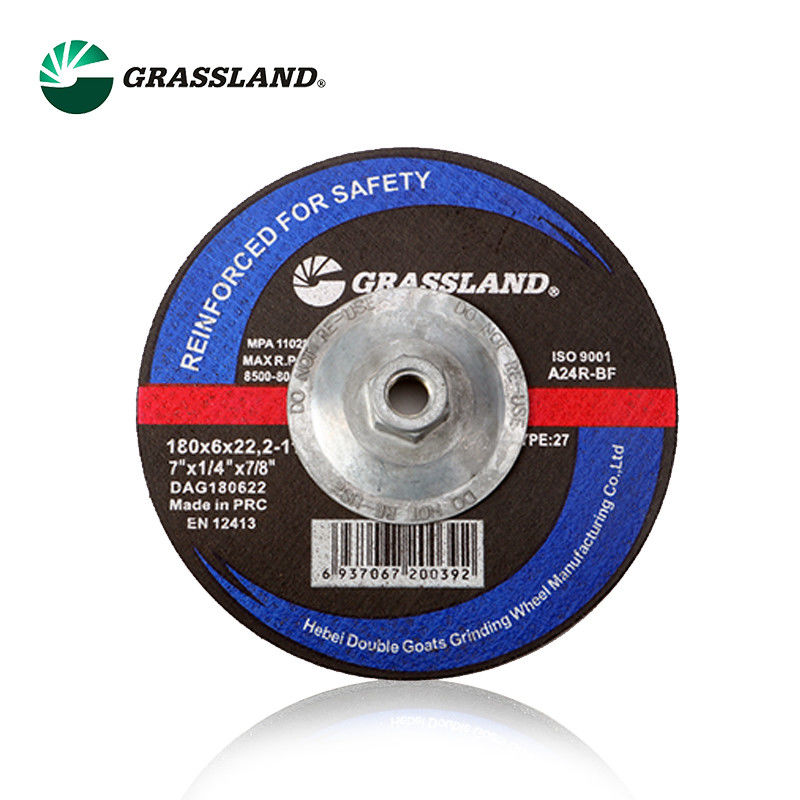
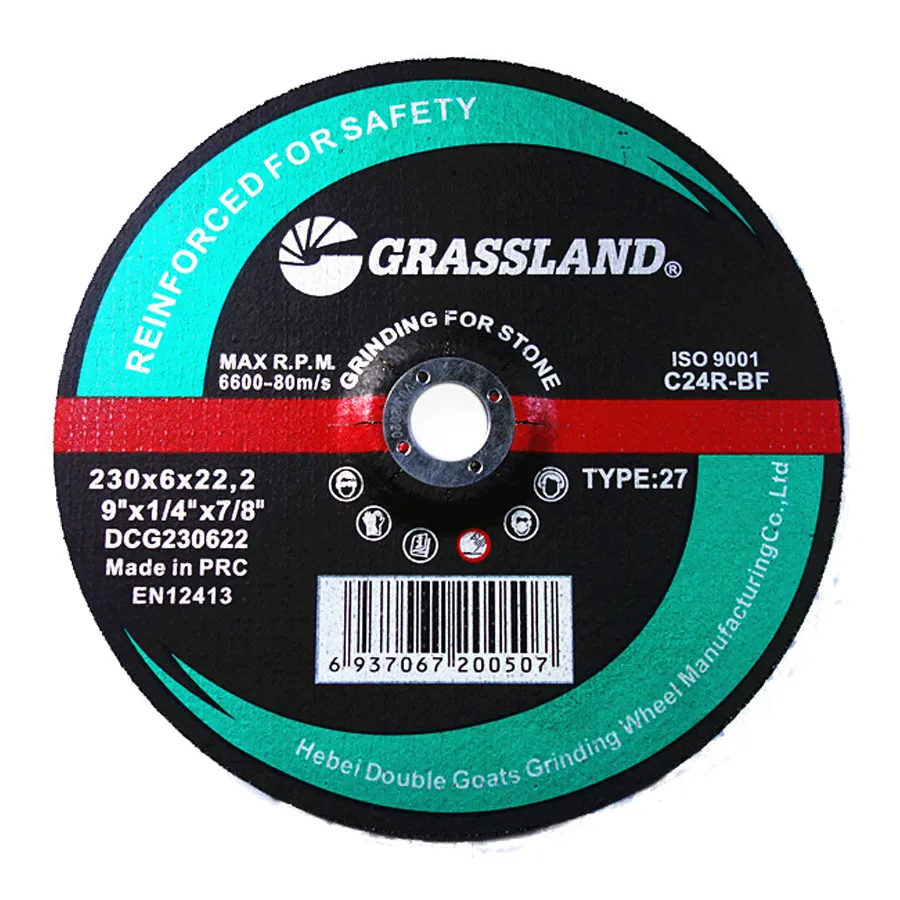
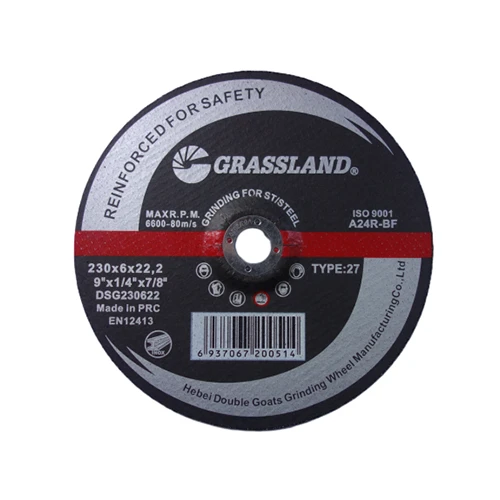
Put simply, a metal angle grinder disc is a circular abrasive or cutting attachment fitted onto an angle grinder—one of the most versatile handheld power tools. These discs come in different thicknesses, grit sizes, and materials, designed specifically for working with ferrous and non-ferrous metals.
They enable users to cut through metal pipes, remove rust, sharpen blades, or shape metal parts. Without these discs, much of modern metalwork would be slower, less precise, and frankly more dangerous. Beyond factories, these discs find use in humanitarian aid—think mobile repair units operating in emergency zones that rely on robust equipment tailored for rough use.
metal angle grinder disc are quite literally shaped by industry needs; their design and materials have evolved alongside metallurgy and standards like ISO 525.
Mini takeaway: The metal angle grinder disc is a simple tool with an outsized role—integral from metal shops to disaster recovery efforts.
Key Factors That Define a Quality Metal Angle Grinder Disc
1. Durability
Durability involves resistance to wear and tear, heat tolerance, and ability to maintain cutting sharpness. Discs made from zirconia alumina or ceramic grains often win here, lasting longer and working faster—saving time and money.
2. Compatibility & Size
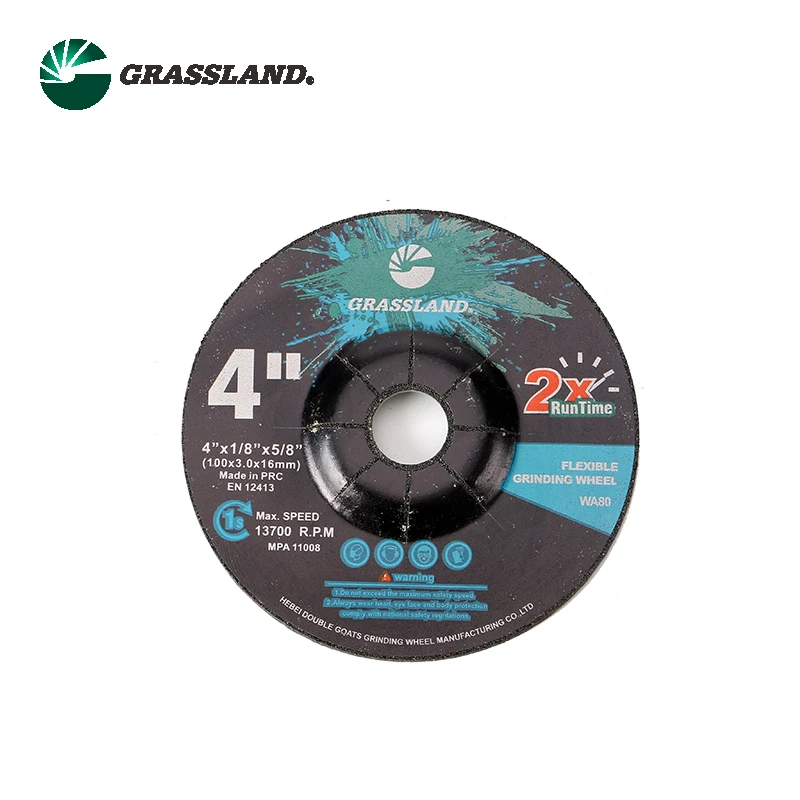
Discs range from tiny 4-inch versions for fine work to heavy-duty 9-inch or larger discs for industrial jobs. Compatibility with different angle grinder models is crucial—wrong size or arbor hole, and you’re risking accidents or damaging equipment.
3. Safety Features
Look for reinforced fiberglass mesh stacks inside abrasive discs—it helps prevent catastrophic breakage. Plus, clearly marked RPM ratings guide users to operate safely within limits.
4. Material Composition
From aluminum oxide to diamond-coated options, the disc’s abrasives dictate cutting speed and precision. For metal angle grinder discs, synthetic materials often balance cutting power and longevity perfectly.
5. Cost-Effectiveness
While premium discs might cost more upfront, their extended life cycle lowers overall expenses. Sometimes it pays to invest rather than buy the cheapest disc that will need replacing three times.
6. Environmental Considerations
More manufacturers now focus on eco-friendly bonding agents and recyclable components, aligning with global sustainability trends.
Where and How Metal Angle Grinder Discs Are Used Around the World
Around the world, metal angle grinder discs serve varied sectors:
- Construction and Infrastructure: Cutting rebar, smoothing welds on bridges, or shaping metal framework.
- Automotive Repair: Removing rust, bodywork prep, or cutting exhaust pipes.
- Fabrication Shops: Precision cutting for artisan metalworkers and manufacturers alike.
- Remote and Emergency Operations: In post-disaster rebuilding, rugged discs replace or refine damaged metal parts quickly.
In low-resource settings such as parts of Africa or Southeast Asia, durable, low-maintenance discs form critical tools in mobile workshops that service agricultural equipment and water systems.
Mini takeaway: Metal angle grinder discs are everywhere—from towering cityscapes to off-grid villages—reliable workhorses tailored to diverse challenges.
Advantages and Long-Term Value of Using Quality Grinder Discs
Choosing the right metal angle grinder disc offers:
- Improved Safety: Reliable discs reduce risk of shattering.
- Cost Savings: Longer lifespan means less frequent replacement.
- Efficiency: Faster, cleaner cuts save labor time.
- Environmental Benefit: Fewer disc changes cut waste, supporting sustainable use.
- Enhanced Reputation: For businesses, consistent results foster customer trust.
On an emotional level, workers feel more confident using tools that won’t unexpectedly fail, promoting dignity and pride in craft.
Emerging Trends in Metal Angle Grinder Disc Technology
The future’s looking fascinating. Manufacturers are experimenting with:
- Diamond-enhanced and hybrid abrasive discs for ultra-precision cutting.
- Smart discs embedded with RFID chips to monitor wear and usage, fitting into the broader Industry 4.0 digital transformation.
- Eco-friendly materials replacing traditional binders to meet stricter ISO environmental guidelines.
- Improved heat management technologies to boost disc lifespan under high-load conditions.
Automation and robotic metal cutting, though growing, still often rely on angle grinders for touch-ups and fine details. So, discs will remain relevant, just smarter and greener.
Common Challenges and How Experts Address Them
Despite advances, challenges persist:
- Disc Wear and Breakage: Some users still face premature disc damage, often because of improper selection or misuse.
- Supply Chain Issues: War and tariffs occasionally limit access to quality abrasives.
- Environmental Concerns: Disposal and manufacturing practices still raise questions.
Solutions include ongoing worker training, development of universal disc fitments, and industry collaborative efforts for eco-certified manufacturing processes.
Practical FAQs About Metal Angle Grinder Discs
- Q1: How do I know which metal angle grinder disc is right for my project?
- A1: Consider the metal type, thickness, and finish required. For example, use zirconia alumina discs for stainless steel for durability and speed. Always check your angle grinder’s RPM rating and disc compatibility to ensure safety and performance.
- Q2: Can metal angle grinder discs be reused or sharpened?
- A2: Generally, these discs are designed as consumables and not recommended for sharpening. However, proper use and storage can extend their life. Avoid overheating or excessive force during use, which accelerates wear.
- Q3: Are all metal angle grinder discs the same size?
- A3: No, the discs vary in diameter (from 4” to 9” or more) and arbor hole size to fit different grinders and applications. Always check your tool’s manual before purchasing.
- Q4: What safety gear should I use when working with metal angle grinder discs?
- A4: Use goggles or face shields, gloves, long sleeves, and hearing protection. Follow manufacturer safety instructions to prevent accidents caused by disc breakage or sparks.
- Q5: How can businesses ensure they source quality metal angle grinder discs?
- A5: Partner with reputable vendors and request certifications such as ISO 525. Testing samples before bulk purchase ensures compatibility and durability.
Specification Table: Typical Metal Angle Grinder Disc Features
| Feature | Specification | Notes |
|---|---|---|
| Diameter | 4" to 9" | Smaller for precision, larger for heavy duty |
| Thickness | 1.6mm to 3.0mm | Thinner = faster cuts; thicker = more durable |
| Abrasive material | Zirconia alumina, ceramic, aluminum oxide | Choice affects speed, finish, and disc life |
| Maximum RPM | Up to 13,300 | Important for user safety |
| Bonding | Resin reinforced fiberglass mesh | Increases disc strength and safety |
Vendor Comparison Table: Popular Metal Angle Grinder Disc Suppliers
| Vendor | Disc Range | Price Range (per disc) | Sustainability Initiatives | Notable Strength |
|---|---|---|---|---|
| CutoffPro Tools | 4”–9”, Zirconia, Ceramic | $2.50 - $6.00 | Recyclable disc materials | Wide industrial compatibility |
| MetalWorks Inc. | 5”–7”, Aluminum Oxide | $1.75 - $4.50 | Uses low-impact bonding agents | Cost-effective for small businesses |
| GreenGrind Tools | 4”–8”, Hybrid diamond | $3.50 - $8.00 | Certified eco-friendly production | Leading in sustainable innovation |
Wrapping Up
Metal angle grinder discs may seem like a minor cog in the machinery of global industry, but their impact is anything but small. They empower factories, builders, technicians, and even humanitarian workers to reshape the physical world with precision and safety. Whether you’re looking for cost-effective bulk options or cutting-edge eco-friendly discs, knowing what to buy and why makes all the difference.
For those ready to upgrade their metalworking game, check out the latest offerings and detailed specs from metal angle grinder disc specialists. You might just find the perfect disc to match your project’s demands.
References:
Post time:Nov - 30 - 2025