Understanding the Global Importance of Metal Cutting Wheels
When you think about how metal parts get their shape—whether it’s a car chassis, a satellite frame, or a simple pipe—it all boils down to cutting and shaping metal with precision and speed. Enter the metal cutting wheel. These seemingly ordinary discs have quietly powered the manufacturing, construction, and repair industries worldwide, slicing through hard materials with efficiency and minimal fuss.
But why does understanding metal cutting wheels matter beyond the workshop? Well, the global economy depends heavily on industries that rely on metal shaping. According to the International Organization for Standardization (ISO), millions of tons of metal components are fabricated every year, and tools like cutting wheels influence production speed, safety standards, and waste reduction. Frankly, without advances in these tools, the costs and complexities of building infrastructure, vehicles, or even consumer goods would skyrocket.
So, from a humanitarian angle, think about post-disaster rebuilds or infrastructure development in emerging regions—durable, reliable cutting tools are key enablers for quick and safe construction. Plus, understanding these tools spells the difference between frustrating downtime and smooth operations.
Metal Cutting Wheels: A Simple Definition for Complex Tasks
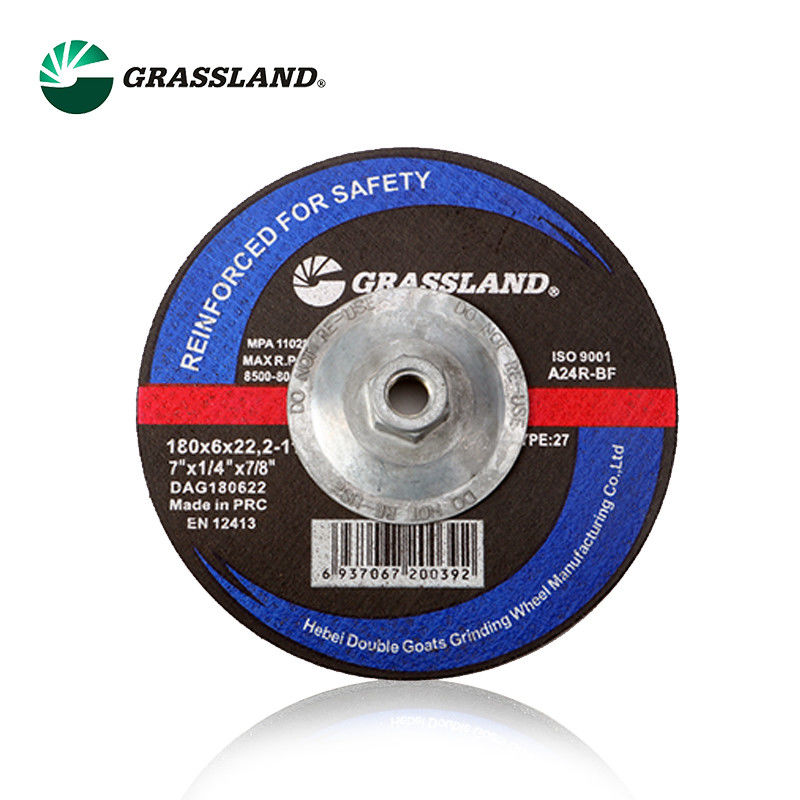
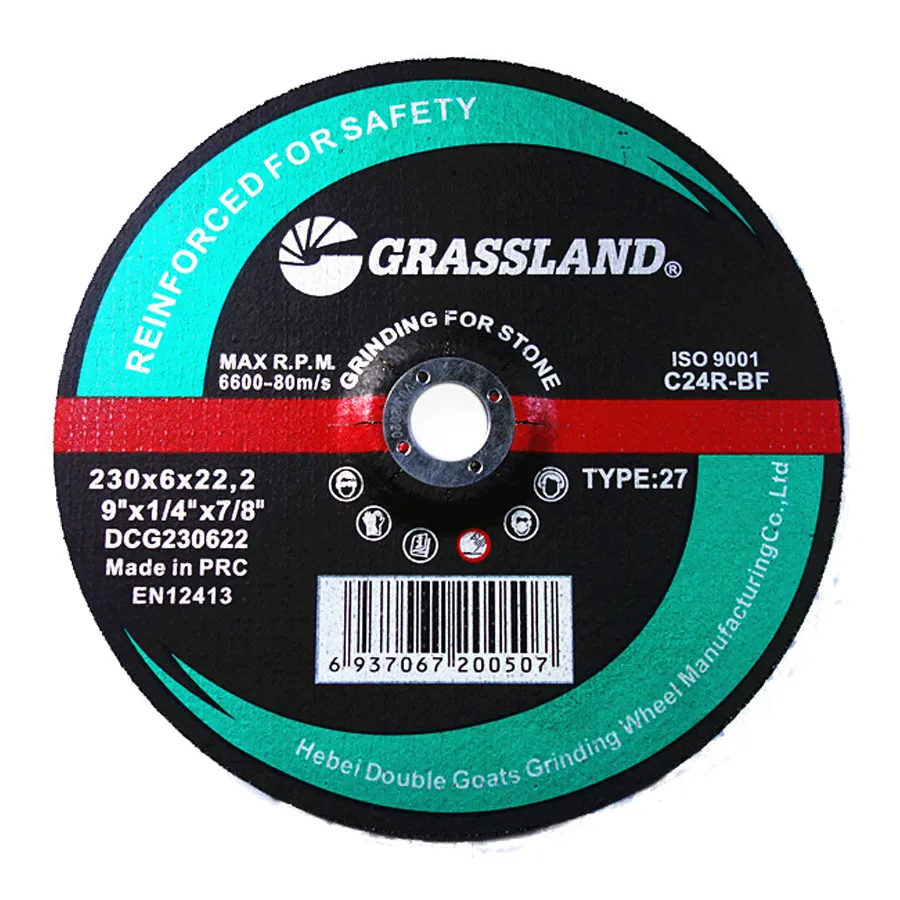
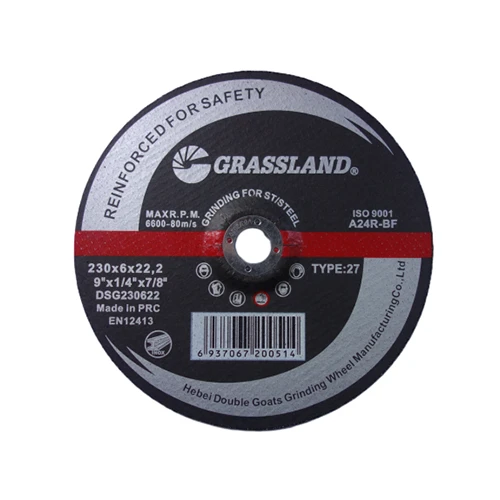
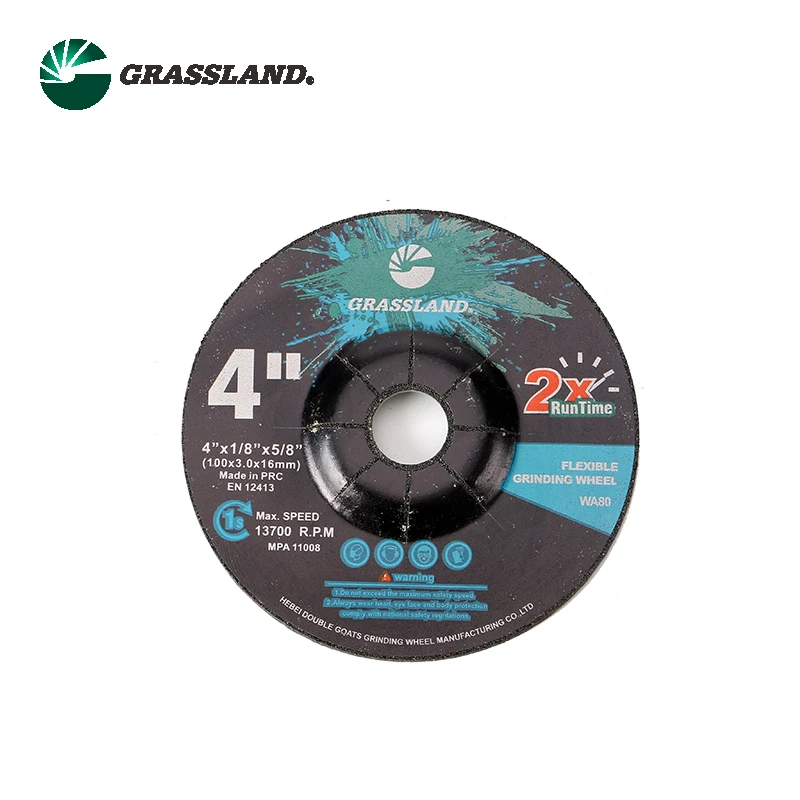
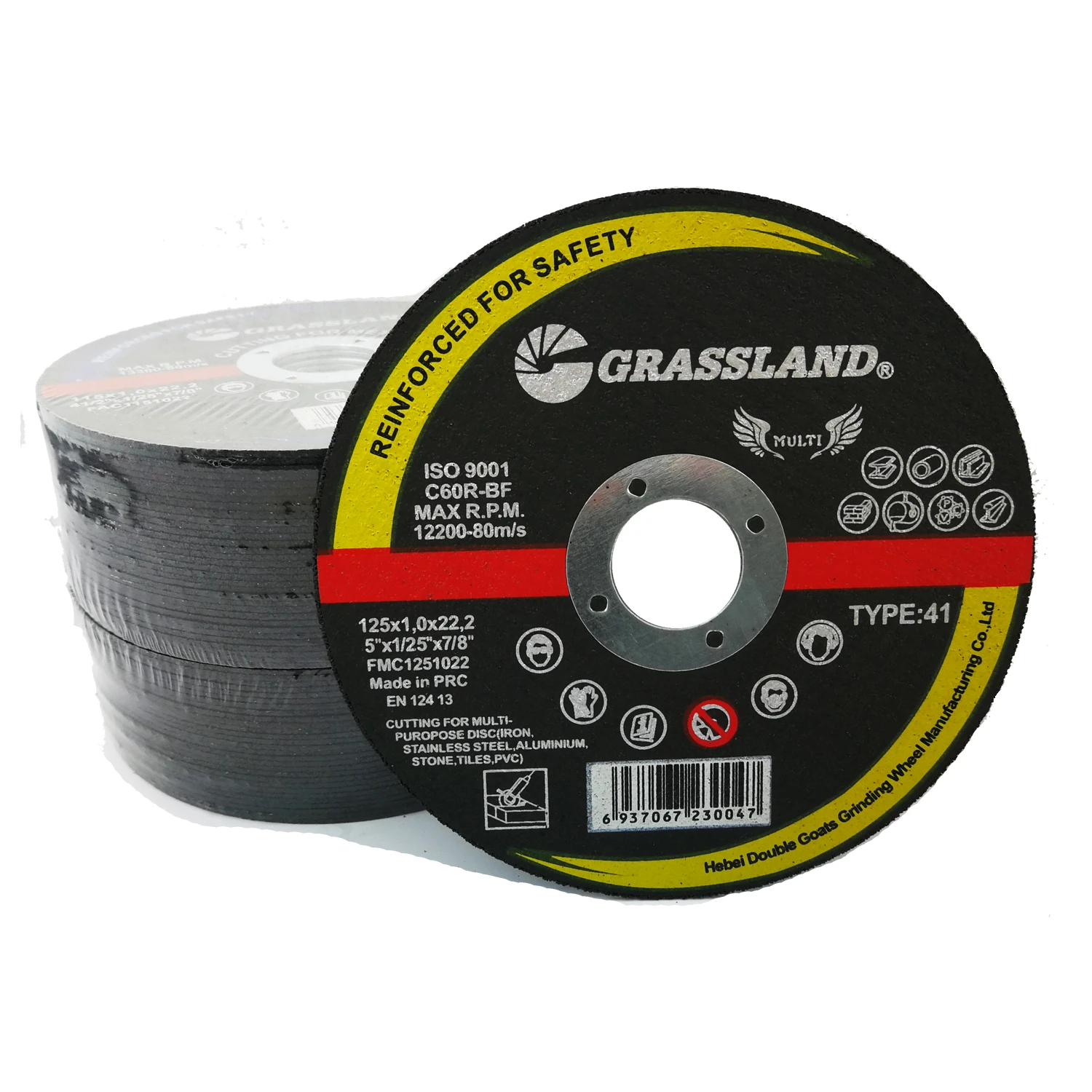
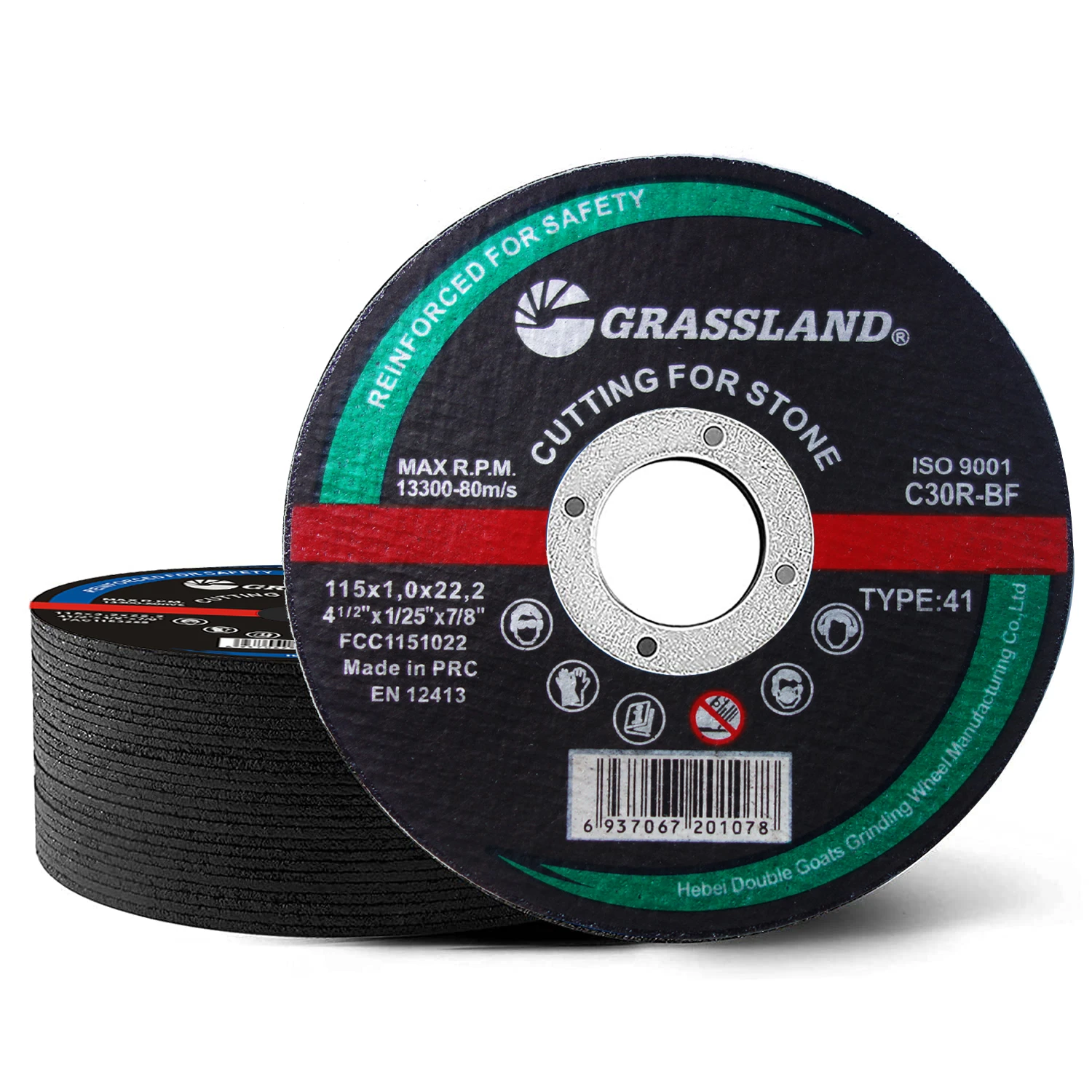
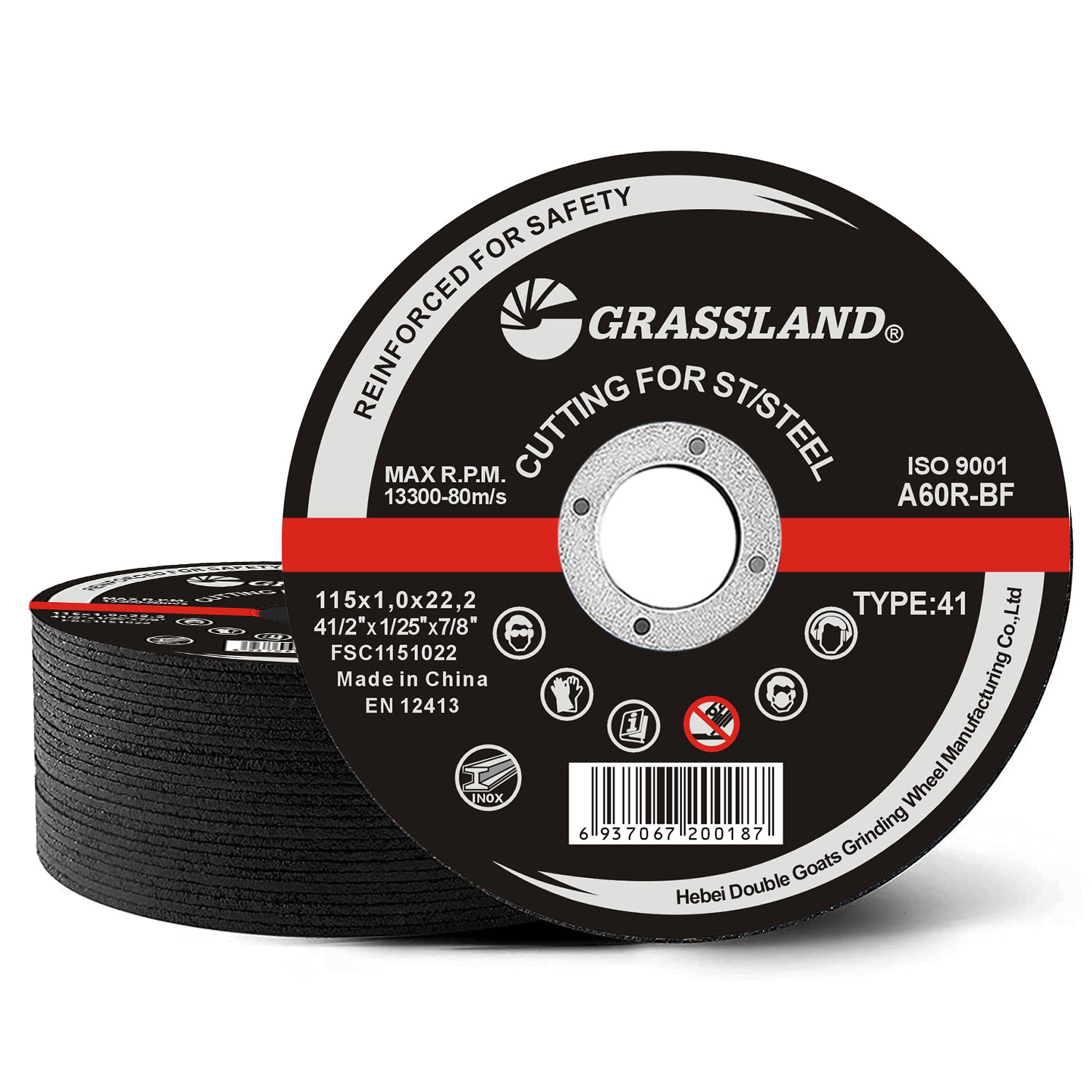
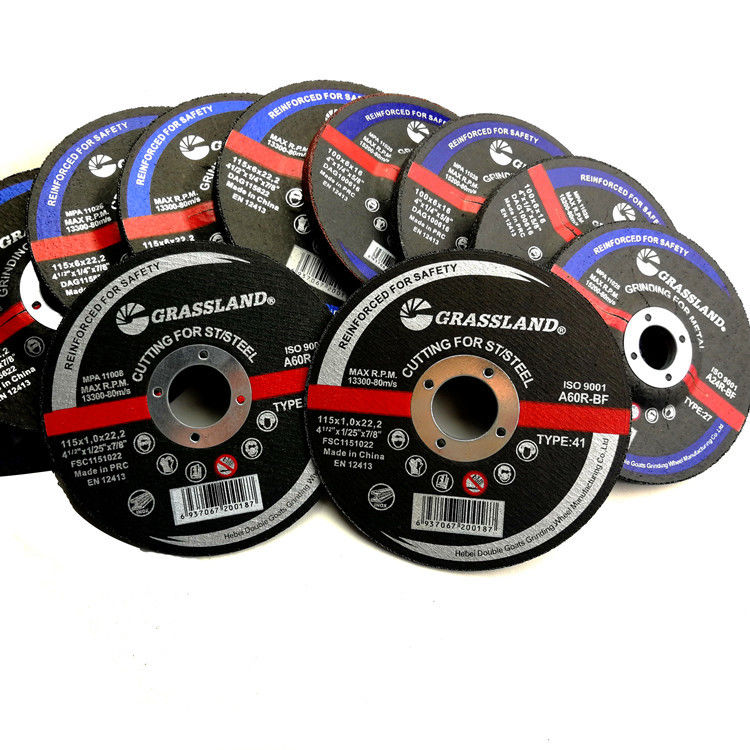
So, what exactly is a metal cutting wheel? At its core, it’s a circular abrasive disc designed to slice through metal materials quickly and cleanly. Mounted onto angle grinders or cutting machines, these wheels spin at thousands of revolutions per minute, generating intense friction to cut metal parts.
In terms of construction, they’re made from abrasive grains like aluminum oxide or silicon carbide, bonded together with resin or vitrified bonds. That combination allows them to handle different metal types—from mild steel to stainless steel, even some alloys—with minimal wear.
Oddly enough, their role isn’t limited to industrial factories. Field engineers repairing pipelines in remote sites, emergency teams clearing debris, and artisans crafting metal sculptures all rely on the trusty metal cutting wheel.
What Really Makes a Great Metal Cutting Wheel?
1. Durability
It might be obvious, but durability is king. A cutting wheel that crumbles halfway through a job costs more in replacement and downtime. High-quality abrasive grains and strong bonding agents ensure the wheel lasts through tough cuts without excessive wear.
2. Cutting Speed and Precision
Time is money, I suppose. The faster a cutting wheel can cleanly slice metal, the more productive the operation. But precision matters too — rough edges or burrs mean extra work or weak joints. Balancing speed and finish quality is an art.
3. Heat Resistance
Cutting metal generates enormous heat. Wheels with heat-resistant properties help maintain shape and performance, avoiding warping or crack risks.
4. Safety Features
With wheels spinning at blistering speeds, safety can’t be overlooked. Features like reinforced fiberglass cores reduce shattering risk, protecting users.
5. Versatility
The best wheels tackle different metals or thicknesses. Having a wheel that handles both thin sheet metal and heavier plates minimizes tool swapping.
6. Cost Efficiency
Of course, every business watches budgets. A slightly pricier wheel that lasts longer or cuts faster might be more economical overall.
Metal Cutting Wheels in Action: Real-World Applications Across the Globe
The reach of metal cutting wheels is truly global. Consider the automotive industry in Germany, where high-precision wheels help produce components that power millions of cars. Or the shipbuilding yards in South Korea, slicing through steel plates for ocean-going vessels.
On a humanitarian front, in post-earthquake Nepal, relief workers use portable angle grinders with metal cutting wheels to clear rubble and prepare shelter infrastructure. In remote industrial zones like Australia’s mining sites, robust wheels support onsite repairs of heavy machinery, limiting costly downtime.
Even small fabrication shops in countries like Mexico or Poland rely on a steady supply of high-quality cutting wheels, as their work supports larger manufacturing chains.
Metal Cutting Wheel Specifications at a Glance
| Specification | Description |
|---|---|
| Diameter | 4 inch (100 mm), 6 inch (150 mm), 9 inch (230 mm) |
| Thickness | 1 mm to 3 mm depending on type |
| Abrasive Material | Aluminum Oxide, Silicon Carbide |
| Max RPM | Up to 13,300 RPM |
| Bond Type | Resin, Vitrified |
| Typical Use | Cutting steel pipes, sheet metal, metal profiles |
Comparing Top Metal Cutting Wheel Vendors
| Vendor | Product Range | Durability Rating | Price Range | Safety Certifications |
|---|---|---|---|---|
| Cutoff Discs Co. | Wide variety for industrial & DIY | 8/10 | $$ | ISO 9001, EN 12413 |
| Precision Abrasives | Specialized for stainless steel | 9/10 | $$$ | ISO 9001, OSHA |
| SteelCut Pro | Budget-friendly selection | 6/10 | $ | EN 12413 |
Durability Rating is relative based on material quality and customer reviews.
Advantages & Long-Term Benefits of Quality Metal Cutting Wheels
Investing in a high-quality metal cutting wheel pays dividends beyond just the immediate cut. You get:
- Cost savings: Less frequent replacements, fewer work interruptions.
- Safety assurance: Reduced risk of accidents thanks to certified materials and reinforcement.
- Environmental impact: Efficient cutting means less wasted metal and lower energy consumption.
- Social value: Faster project completion improving livelihoods and infrastructure access.
There’s also something to be said for the confidence that reliable tools bring. In environments where every minute counts, knowing your metal cutting wheel won’t fail is priceless. It’s innovation, trust, and peace of mind bundled in a simple disc.
A Peek Into The Future: Trends & Innovations in Metal Cutting Wheels
The world around metalworking is evolving fast. Manufacturers are experimenting with ceramic grain wheels that last longer and cut cooler, reducing grinding sparks and improving safety.
Plugging into Industry 4.0, some cutting wheel systems now incorporate sensors that monitor wheel wear and cutting conditions, notifying operators before failures or drops in quality occur.
And environmentally, there’s a push towards greener manufacturing — wheels bonded with bio-resins or recycled abrasive materials are emerging to lessen ecological footprints.
Automation also means metal cutting wheels are being optimized for robotic arms, requiring tighter tolerances and consistent performance in high-volume plants.
Facing Challenges: Current Limitations & Smarter Solutions
Despite their benefits, metal cutting wheels aren’t perfect. Common issues include premature wear on harder metals, risk of user injury if improperly handled, and environmental concerns over discarded wheels.
Experts suggest using specialized wheels designed for specific metals to reduce wear. Strict training and use of personal protective equipment (PPE) remain essential. Plus, recycling programs for spent wheels are gaining traction, closing the loop on abrasive material waste.
Manufacturers also continue to innovate with composite materials and reinforced cores to improve safety while enhancing durability.
FAQ: Your Top Questions About Metal Cutting Wheels Answered
- Q1: How do I choose the right metal cutting wheel for my project?
- Consider the metal type, thickness, and desired finish. Look for wheels rated for your material, with suitable diameter and thickness. Also, check max RPM and safety certifications to ensure compatibility with your tools.
- Q2: Can I use the same wheel for steel and stainless steel?
- While some wheels are versatile, stainless steel requires wheels with finer abrasive grains and heat resistance to avoid contamination and warping. Using a specialized wheel for stainless ensures better cuts and longer wheel life.
- Q3: How often should I replace my metal cutting wheels?
- Replace wheels when you notice significant diameter reduction, cracks, or chatter during cutting. Frequent inspection before and after use is vital to avoid accidents.
- Q4: Are metal cutting wheels environmentally friendly?
- Traditional wheels have an environmental footprint due to abrasive materials and disposal. However, recycled abrasives and bio-bonded wheels are emerging as greener alternatives.
- Q5: Where can I find reliable metal cutting wheels online?
- Trusted vendors like metal cutting wheel suppliers offer a range of quality products with certifications and customer reviews to guide your purchase.
Wrapping It Up: Why Metal Cutting Wheels Matter Now and Tomorrow
The metal cutting wheel might seem humble, but the impact it has on industry, safety, and sustainability is anything but small. Whether you’re a machining pro or a DIY weekend warrior, having the right wheel makes all the difference in efficiency and outcome.
Investing in quality cutting wheels today means safer worksites, cleaner cuts, less waste, and a step forward into more sustainable manufacturing practices. Curious to explore top-grade wheels or upgrade your tools? Visit https://www.cutoffdiscs.com — your next project’s best friend awaits.
And hey, next time you watch a workshop slice through shiny steel, you might just appreciate the quiet genius of the metal cutting wheel behind that effortless cut.
1. ISO Abrasive Wheels Safety Standards
2. Wikipedia: Abrasive Cutting
3. World Bank Industry Overview
Post time:Nov - 29 - 2025