Understanding Flap Discs: A Comprehensive Guide
Flap discs are versatile abrasive tools used for grinding, blending, deburring, and finishing a wide range of materials. Their unique construction – consisting of overlapping abrasive flaps attached to a backing plate – provides a consistent finish and extended lifespan compared to traditional grinding wheels. This article will cover the benefits, types, applications, and selection criteria for flap discs, helping you choose the right disc for your specific needs. Whether you're a professional welder, metal fabricator, or DIY enthusiast, understanding flap discs will improve your project outcomes and efficiency.
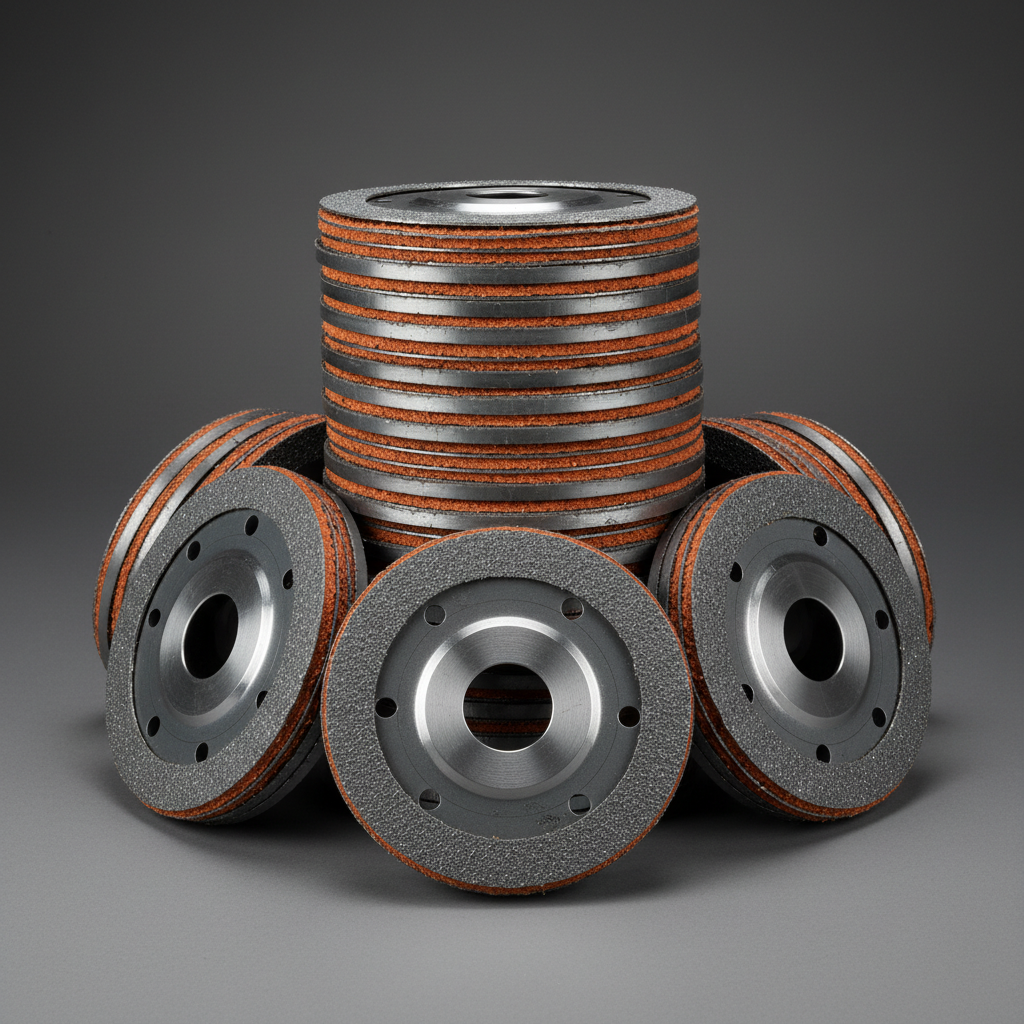
The Benefits of Using Flap Discs
Flap discs offer several advantages over other abrasive tools. They excel at contour grinding, allowing you to follow curves and irregular surfaces with ease. The overlapping flaps provide a cooler grinding action, reducing the risk of heat damage to the workpiece. Furthermore, flap discs self-sharpen as they wear, maintaining a consistent cutting rate throughout their lifespan. This reduces the need for frequent disc changes, saving time and money. Compared to grinding wheels, flap discs also offer better surface finishing qualities and generate less dust. Using high-quality flap discs from a reputable supplier like Cutoff Discs is crucial for achieving optimal performance and safety.
Key Highlights: Flap discs offer consistent finish, extended lifespan, cooler grinding, self-sharpening action, and reduced dust generation. They are ideal for contour grinding and achieving a superior surface finish.
Types of Flap Discs: Choosing the Right Abrasive
Flap discs are categorized primarily by the abrasive material used. Common options include aluminum oxide, silicon carbide, and ceramic abrasive. Aluminum oxide discs are the most versatile and cost-effective, suitable for mild steel, wood, and some alloys. Silicon carbide discs are ideal for working with non-ferrous metals like aluminum and brass, as well as glass and stone. Ceramic abrasive discs offer the highest cut rate and durability, making them perfect for hard metals like stainless steel and high-alloy steels. The grit size also plays a crucial role; coarser grits (e.g., 40-80) are for aggressive material removal, while finer grits (e.g., 120-240) are for finishing and polishing.
Abrasive Material Guide:
• Aluminum Oxide: Versatile, cost-effective, mild steel, wood, alloys.
• Silicon Carbide: Non-ferrous metals, glass, stone.
• Ceramic Abrasive: High cut rate, durable, stainless steel, high-alloy steels.
Flap Discs vs. Grinding Wheels: A Comparative Analysis
While both flap discs and grinding wheels are used for material removal, they differ significantly in their performance and application. Grinding wheels are typically more aggressive but can also be more prone to gouging and heat buildup. Flap discs offer a more controlled and consistent finish, with a reduced risk of damaging the workpiece. They are particularly well-suited for contour grinding and blending operations where precision is paramount. Consider the material you are working with and the desired finish when choosing between these two abrasive tools. Choosing the right tool will dramatically improve your results.
Applications of Flap Discs Across Industries
Flap discs find applications in a wide variety of industries. Metal fabrication utilizes them for deburring welded seams and smoothing rough edges. Automotive repair shops use them for rust removal and paint preparation. Woodworkers employ flap discs for shaping and smoothing wood surfaces. The construction industry relies on them for grinding and finishing metal structures. With the right grit and abrasive material, flap discs offer a versatile solution for numerous material finishing tasks.
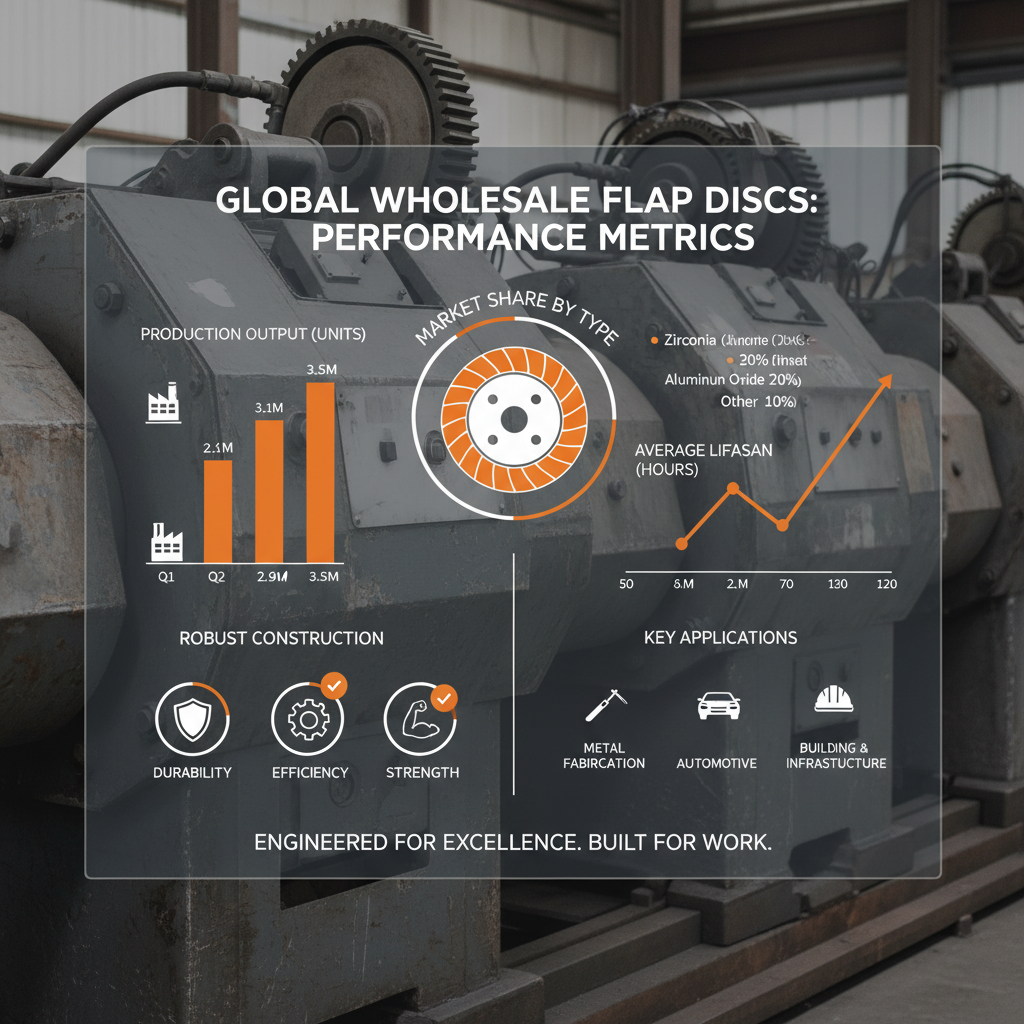
Selecting the Right Flap Disc: A Quick Guide
Choosing the correct flap disc involves considering several factors. First, identify the material you’ll be working with. Then, determine the level of material removal required. For aggressive grinding, opt for a coarser grit and ceramic abrasive. For finishing, select a finer grit and aluminum oxide or silicon carbide. Pay attention to the disc's maximum RPM rating, ensuring it matches your grinder's capabilities. Finally, prioritize safety and purchase discs from a reputable supplier like Cutoff Discs to guarantee quality and performance.
Conclusion: Mastering the Art of Finishing with Flap Discs
Investing in the right flap discs is essential for achieving high-quality finishes and maximizing efficiency. By understanding the different types, applications, and selection criteria, you can confidently tackle a wide range of grinding and finishing projects. Choose quality, prioritize safety, and unlock the full potential of this versatile abrasive tool.
Frequently Asked Questions (FAQs)
What safety precautions should I take when using flap discs?
Always wear appropriate personal protective equipment (PPE), including safety glasses, a face shield, gloves, and hearing protection. Ensure the workpiece is securely clamped or held in place. Never exceed the maximum RPM rating of the disc. Inspect the disc for damage before each use. Use the correct mounting hardware and ensure it is properly tightened. Avoid applying excessive pressure, and be aware of the sparks generated during grinding. Regular training on safe abrasive practices is also essential.
How long do flap discs typically last?
The lifespan of a flap disc depends on several factors, including the abrasive material, grit size, the material being ground, and the applied pressure. Generally, a flap disc will last longer when used on softer materials and with lighter pressure. Ceramic abrasive discs tend to have a longer lifespan than aluminum oxide discs. Proper storage and handling can also extend the disc's life. When the disc begins to wear and lose its cutting efficiency, it’s time to replace it.
What’s the difference between Type 1 and Type 29 flap discs?
Type 1 flap discs are flat and are best suited for surface grinding and blending. They are excellent for working on edges and contours. Type 29 flap discs are conical, offering a more aggressive cutting action and better access to recessed areas. They are ideal for removing material quickly and are often used for weld grinding and heavy deburring. The choice depends on the specific application and desired level of material removal.
Where can I purchase high-quality flap discs?
You can purchase high-quality flap discs from reputable industrial supply stores and online retailers. Cutoff Discs offers a wide selection of flap discs in various sizes, grits, and abrasive materials, ensuring you find the perfect disc for your needs.
Post time:Feb - 25 - 2026