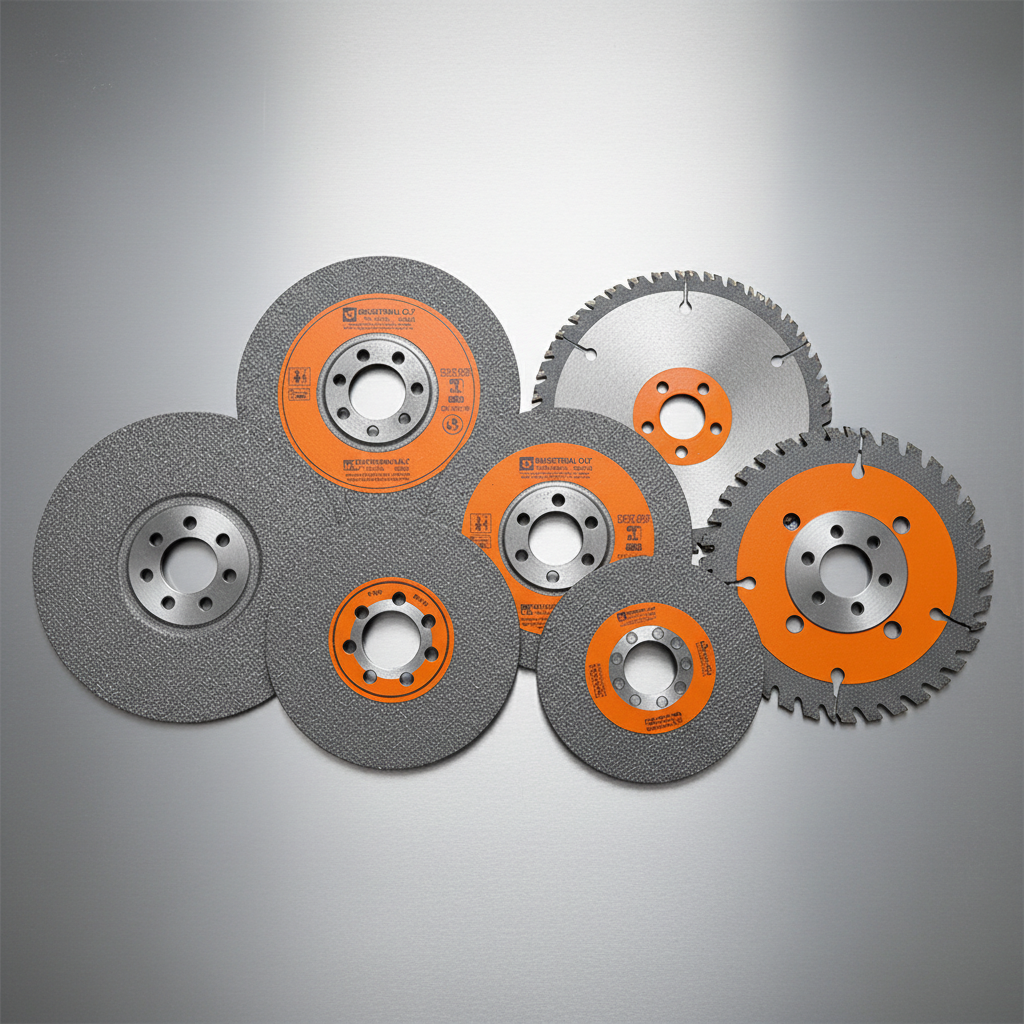
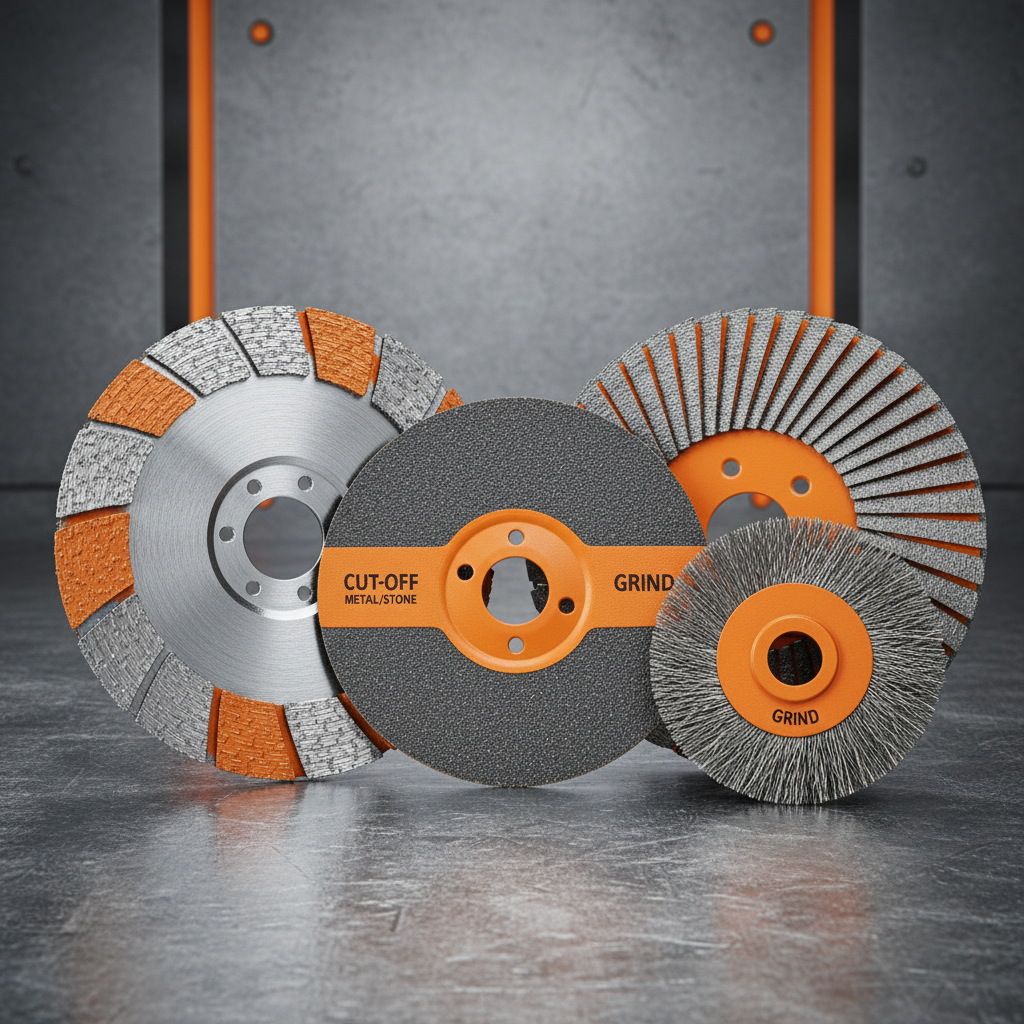
Different types grinding wheels are essential components in modern manufacturing, construction, and metalworking industries. These tools are utilized for a wide range of applications, from shaping intricate designs to removing excess material. Understanding the nuances of different types grinding wheels is crucial for optimizing performance, ensuring safety, and achieving desired results. The global market for abrasive products, including grinding wheels, is substantial and continues to grow, driven by industrial expansion and technological advancements.
The relevance of different types grinding wheels extends beyond purely industrial applications. They are vital in maintenance and repair operations across numerous sectors, including automotive, aerospace, and infrastructure. The precision and efficiency offered by these tools contribute significantly to cost savings and reduced downtime. Moreover, ongoing innovations in grinding wheel technology are focusing on enhancing sustainability and reducing environmental impact, aligning with global efforts toward greener practices.
The demand for high-quality grinding wheels is influenced by factors such as the increasing complexity of materials being processed and the need for tighter tolerances in finished products. Consequently, a comprehensive understanding of the various types available – from bonded abrasives to coated abrasives – is paramount for professionals and businesses alike. different types grinding wheels are a cornerstone of precision material removal.
The Significance of Different Types Grinding Wheels
The ability to efficiently and accurately remove material is fundamental to countless manufacturing processes, and different types grinding wheels are at the heart of this capability. Selecting the appropriate wheel is paramount, as it directly impacts the quality of the finished product, the speed of production, and the overall cost-effectiveness of the operation. different types grinding wheels offer targeted solutions for unique material compositions and desired finishes.
Beyond purely industrial considerations, the significance of optimized grinding processes extends to safety. Utilizing the correct grinding wheel minimizes the risk of wheel fracture, workpiece damage, and operator injury. Investing in quality wheels and training personnel on proper usage is, therefore, a critical component of responsible manufacturing practices.
Defining Different Types Grinding Wheels
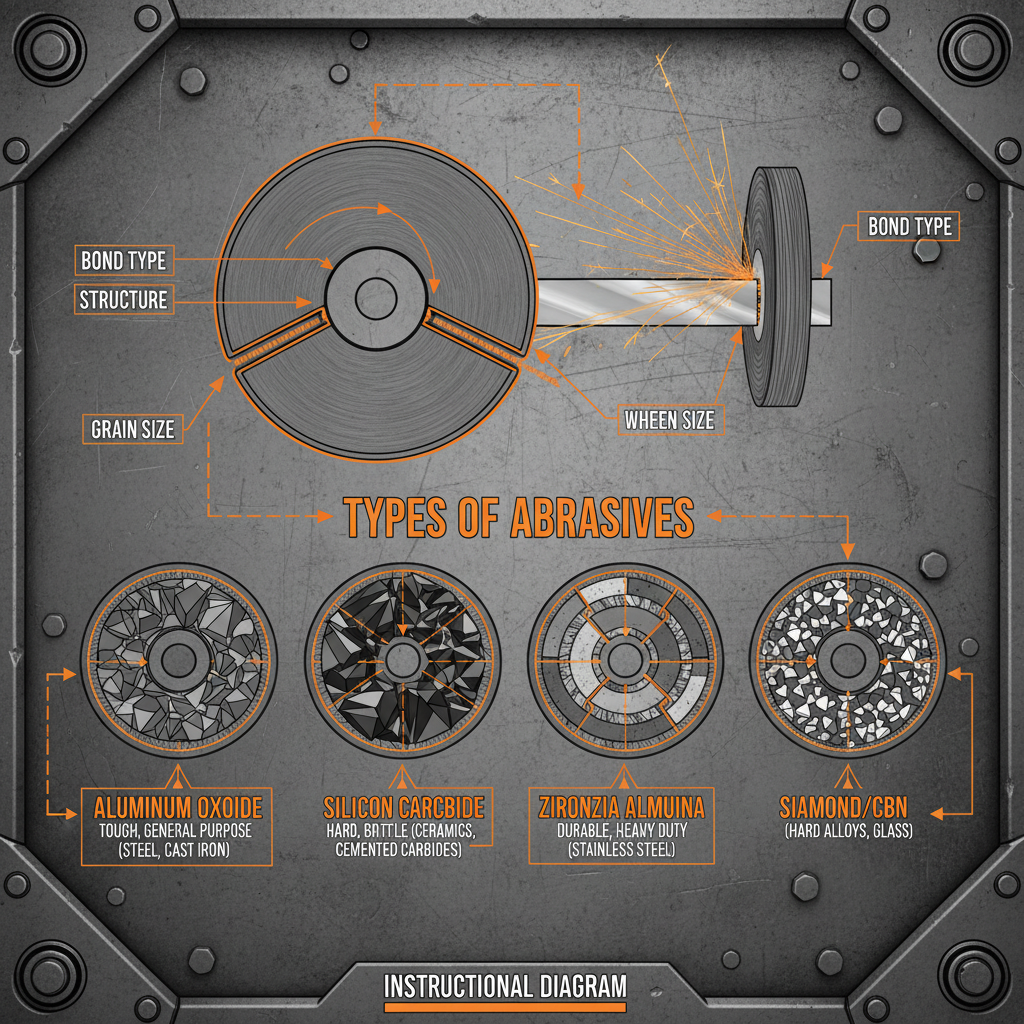
Different types grinding wheels are power-driven machine tools used for abrasive machining processes. They consist of abrasive particles bonded together by a matrix, forming a wheel shape capable of removing material through a cutting action. The abrasive particles can range in size and hardness, determining the wheel’s aggressiveness and suitability for different materials. The bonding material – whether it be resinoid, vitrified, rubber, or metal – dictates the wheel's strength, heat resistance, and overall performance characteristics.
The core function of a grinding wheel is material removal, achieved through the combined action of abrasion and fracture. As the wheel rotates, the abrasive particles impact the workpiece, generating localized stress that causes material to chip away. The rate of material removal depends on various factors, including wheel speed, feed rate, and the applied pressure. Proper selection of the wheel is critical to avoid overheating or damage to the workpiece.
Essentially, different types grinding wheels provide a controlled and precise method for shaping, sharpening, and finishing materials. They play a pivotal role in achieving the required dimensions, surface finishes, and overall quality standards demanded by modern industry.
Core Characteristics of Different Types Grinding Wheels
Several key characteristics define the performance and application of different types grinding wheels. Abrasive grain type is paramount, with options like aluminum oxide, silicon carbide, ceramic alumina, and diamond each offering unique properties in terms of hardness, toughness, and cutting action. The grit size dictates the fineness of the abrasive particles, impacting the surface finish achieved – coarser grits for rapid material removal, finer grits for precision finishing.
The bonding agent is another crucial factor. Vitrified bonds are common for general-purpose grinding, offering good wheel strength and resistance to heat. Resinoid bonds provide greater flexibility and are often used for cutting operations. Metal bonds are typically employed for diamond grinding wheels, providing exceptional holding power for the abrasive particles. Understanding these properties is vital to selecting the ideal wheel for the task.
Finally, wheel shape and structure also play significant roles. The wheel shape dictates the profile of the cut, while the structure – the porosity of the wheel – influences its cooling efficiency and chip evacuation capabilities. A denser structure is ideal for precision grinding, while a more open structure is suitable for high-production applications.
Performance Indicators of Different Types Grinding Wheels
Evaluating the performance of different types grinding wheels involves assessing several key indicators. Material removal rate (MRR) is a primary measure, quantifying the volume of material removed per unit of time. Wheel life, or the duration before the wheel requires dressing or replacement, is another critical factor, impacting overall cost-effectiveness.
Surface finish quality, measured in terms of roughness (Ra) and waviness (Wa), determines the aesthetic and functional characteristics of the finished product. Wheel wear, the gradual loss of abrasive material, influences both MRR and surface finish. Proper monitoring of these indicators allows for optimization of grinding parameters and selection of the most suitable wheel for the specific application.
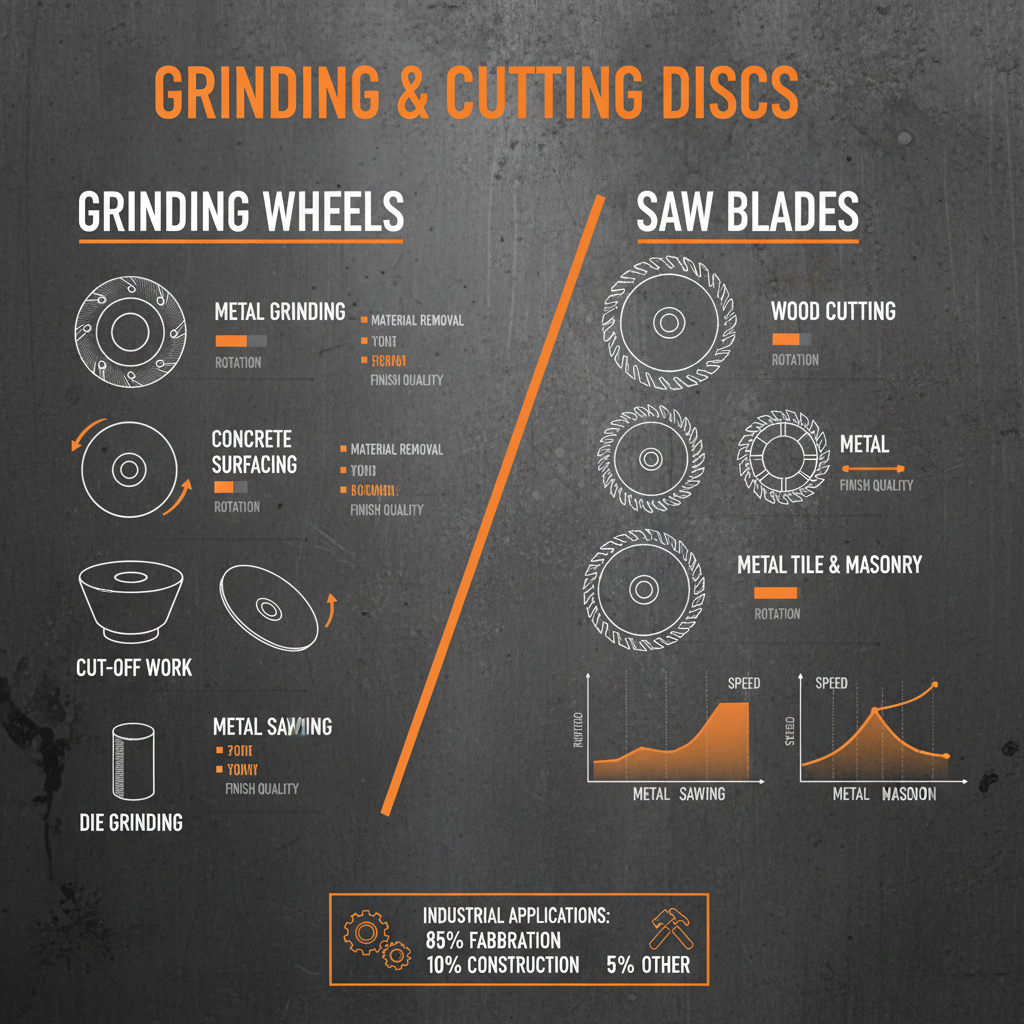
Comparison of different types grinding wheels Performance
Global Applications of Different Types Grinding Wheels
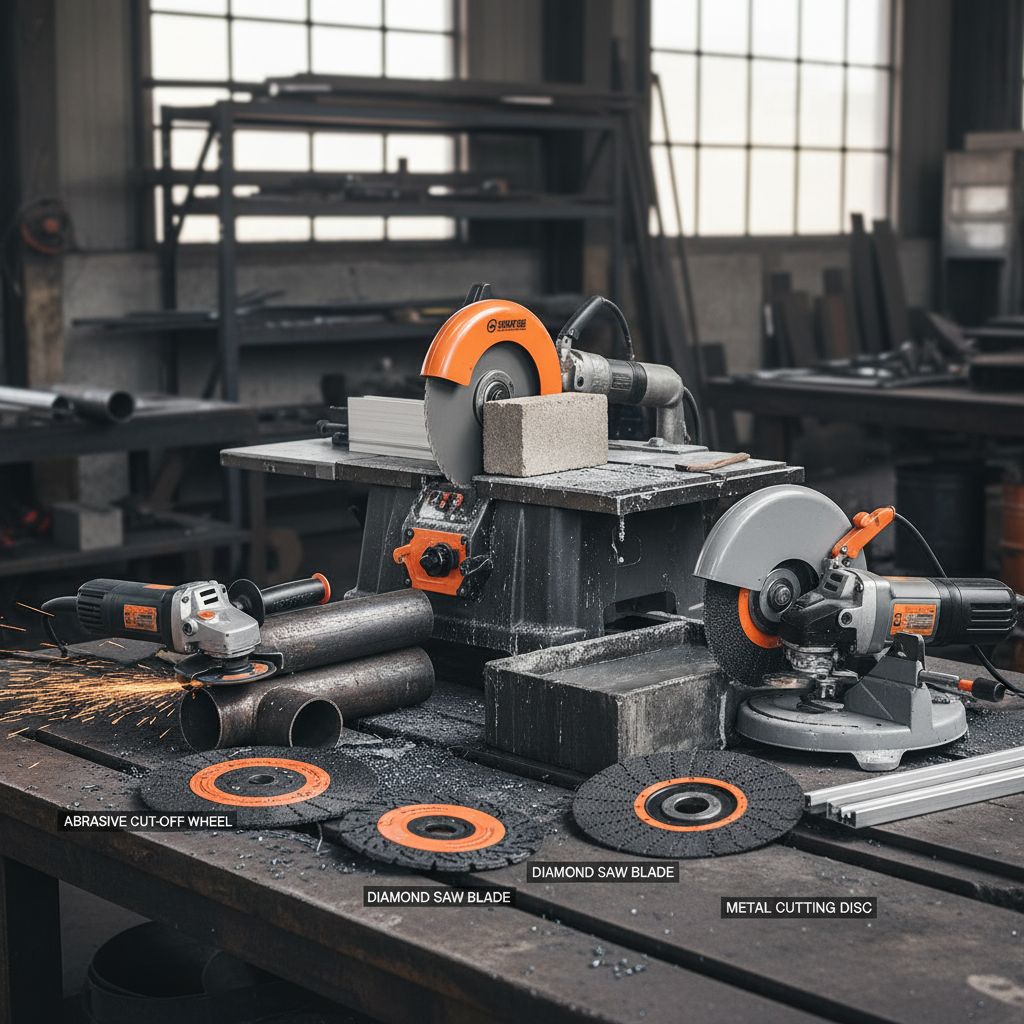
Different types grinding wheels are indispensable across a wide spectrum of industries globally. In the automotive sector, they are used for engine component finishing, brake rotor machining, and body panel preparation. The aerospace industry relies on precision grinding for turbine blade manufacturing and aircraft structural components. Construction utilizes grinding wheels for concrete cutting and surface preparation.
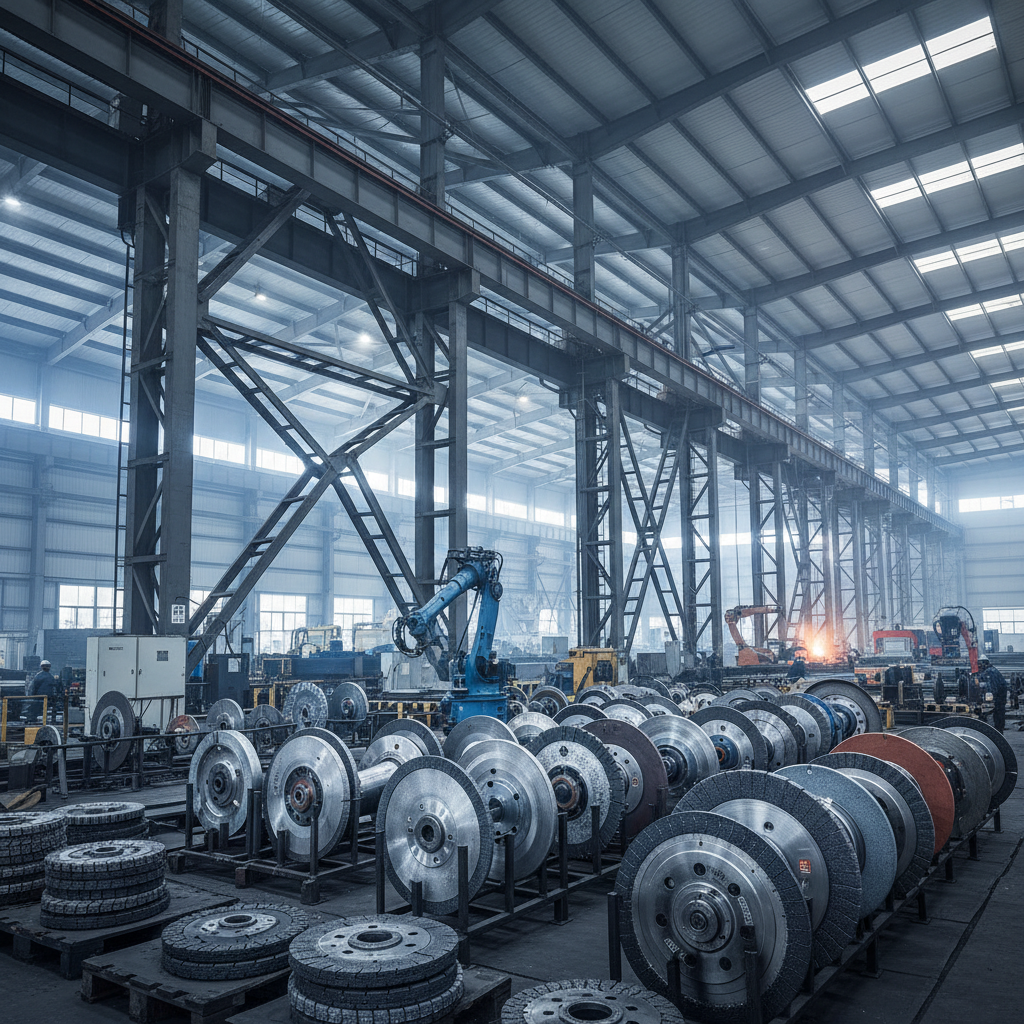
Manufacturing industries, including metal fabrication, tool and die making, and plastics processing, all rely on grinding wheels for shaping, sharpening, and finishing operations. In regions with significant industrial activity, such as China, Germany, and the United States, the demand for high-quality grinding wheels is particularly high. In remote industrial zones, the reliability and consistent performance of these wheels are crucial for maintaining production schedules.
Advantages of Utilizing Different Types Grinding Wheels
The advantages of employing different types grinding wheels are multifaceted. They provide exceptional precision and control over material removal, enabling the creation of complex shapes and tight tolerances. The versatility of grinding wheels allows them to be used on a wide range of materials, including metals, ceramics, plastics, and composites.
Furthermore, grinding wheels contribute to improved surface finish, enhanced product quality, and reduced material waste. The use of appropriate wheels can also lead to increased productivity, lower manufacturing costs, and a safer working environment. different types grinding wheels are a crucial investment for modern businesses.
Future Trends in Different Types Grinding Wheels
The future of different types grinding wheels is characterized by ongoing innovation and a focus on sustainability. Developments in abrasive materials, such as nano-abrasives and super-abrasives, are leading to enhanced cutting performance and extended wheel life. Digitalization and automation are playing an increasingly significant role, with intelligent grinding systems capable of self-optimization and real-time monitoring.
The integration of artificial intelligence (AI) and machine learning (ML) algorithms is enabling predictive maintenance, reducing downtime, and improving overall efficiency. Furthermore, there is a growing emphasis on environmentally friendly grinding processes, with the development of low-emission wheels and the implementation of closed-loop coolant systems.
These advancements will not only improve the efficiency and effectiveness of grinding operations but also contribute to a more sustainable and responsible manufacturing landscape.
Summary of Key Factors Influencing Grinding Wheel Selection
| Material Type |
Required Finish |
Production Volume |
Cost Considerations |
| Steel |
Rough |
High |
Low |
| Aluminum |
Medium |
Medium |
Moderate |
| Cast Iron |
Fine |
Low |
High |
| Ceramics |
Very Fine |
Low |
Very High |
| Titanium |
Medium |
Medium |
Moderate |
| Plastics |
Fine |
High |
Low |
FAQS
Bonded abrasive wheels, like those made with vitrified or resin bonds, use abrasive grains held together by a binding matrix. They are robust and ideal for heavy-duty stock removal. Coated abrasive wheels, such as sanding discs or belts, feature abrasive grains adhered to a flexible backing. These are better suited for finishing, blending, and refining surfaces, offering greater flexibility and conformability.
Grit size is crucial for achieving the desired result. Coarser grits (lower numbers) remove material quickly and are best for roughing operations. Finer grits (higher numbers) produce smoother finishes and are used for precision grinding and polishing. Consider the material hardness; softer materials require finer grits, while harder materials can handle coarser grits. Start with a coarser grit and progressively refine with finer grits for optimal results.
Safety is paramount! Always wear appropriate personal protective equipment (PPE), including safety glasses, a face shield, gloves, and a dust mask. Ensure the grinding wheel is properly mounted, balanced, and guarded. Never exceed the maximum operating speed specified on the wheel. Inspect the wheel for cracks or damage before each use. Use the correct wheel type for the material being ground.
Grinding wheel dressing involves removing dull or worn abrasive particles from the wheel surface to restore its cutting efficiency. The frequency of dressing depends on the material being ground and the grinding conditions. Generally, dress the wheel when you notice a decrease in cutting rate, increased vibration, or a change in surface finish. Regular dressing extends wheel life and maintains consistent grinding performance.
The bonding agent serves as the matrix that holds the abrasive grains together, giving the wheel its shape and strength. Different bonding agents – vitrified, resinoid, rubber, metal – offer varying degrees of hardness, flexibility, and heat resistance. The bond type influences the wheel's ability to withstand stress, retain abrasive grains, and dissipate heat during grinding, ultimately affecting its performance and lifespan.
While some grinding wheels can be used on a range of similar materials, it's generally best to use a wheel specifically designed for the material being ground. Using the wrong wheel can lead to reduced efficiency, poor surface finish, and even wheel damage or fracture. Abrasive grain type and bond hardness are critical considerations when selecting a wheel for a specific material.
Conclusion
In conclusion, different types grinding wheels are fundamental tools across numerous industries, providing critical capabilities for material removal, shaping, and finishing. Understanding the diverse range of wheel types, their core characteristics, and optimal applications is essential for maximizing efficiency, ensuring safety, and achieving desired results. The ongoing advancements in abrasive technology, coupled with the integration of digital and automated systems, promise even more precise, sustainable, and cost-effective grinding solutions.
Looking ahead, continued research and development focused on nano-abrasives, eco-friendly bonding agents, and intelligent grinding systems will further revolutionize the field. By embracing these innovations and prioritizing operator training, businesses can unlock the full potential of different types grinding wheels, driving productivity and contributing to a more sustainable manufacturing future. For more information and a comprehensive selection of grinding solutions, visit our website: www.cutoffdiscs.com.